

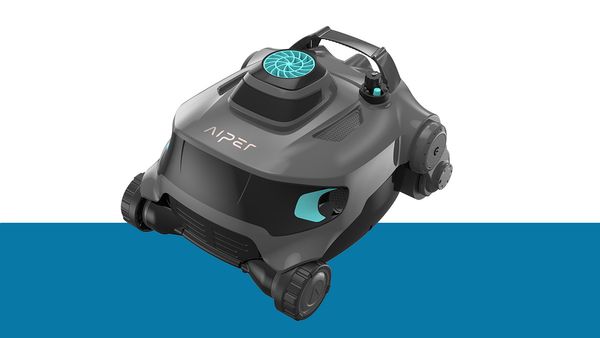
Aiper Elite Pro Cordless Pool Vacuum Recalled Due to Fire and Burn Hazards
In August 2023, the U.S. Consumer Product Safety Commission (CPSC) issued a recall alert for approximately 22,000 Aiper Elite Pro Cordless Robotic Pool Vacuum Cleaners due to fire and burn hazards. This recall has shaken the pool cleaner industry, raising questions about the safety of cordless pool cleaners powered by lithium-ion batteries.
Updated October 22nd, 2024: Another model, the Aiper Seagull Pro, has now allegedly also started multiple fires.
The recall follows 17 reports of overheating incidents, with one case resulting in a minor burn. The hazard occurs when users charge the device without using the provided adapter, causing the battery to overheat and potentially short-circuit. The recall urges consumers to immediately stop using the Aiper Elite Pro, highlighting a growing concern about the risks associated with cordless pool cleaners.
For more details on the recall, visit the U.S. Consumer Product Safety Commission recall notice or check out the full announcement on Poolbots.
Why Was the Aiper Elite Pro Recalled?
The Aiper Elite Pro recall centers around its lithium-ion battery, which can overheat when improperly charged. Consumers who fail to use the correct charging adapter, or who plug the device directly into the charging port, risk overheating the battery. Overheating can cause the battery to catch fire, leading to severe property damage or physical injury.
In the 17 reported cases, one consumer suffered a minor burn, underscoring the dangers of lithium-ion batteries in cordless pool vacuums. The recall is a precautionary measure, ensuring that users return their faulty devices before more serious incidents occur.
The Recall Process: What Should You Do?
If you own an Aiper Elite Pro Cordless Robotic Pool Vacuum Cleaner, the first step is to stop using it immediately. You can contact Aiper to receive a free replacement with a safer, updated model. The affected devices were sold between January and May 2023 on various online platforms, including Amazon.
For those who may have purchased the Elite Pro, it's important to follow the recall process:
- Stop using the device and unplug it.
- Contact Aiper to initiate the recall and get a free replacement.
- Return the Elite Pro through the provided instructions to ensure it's properly disposed of.
Lithium-Ion Battery Risks: A Growing Concern
The recall of the Aiper Elite Pro highlights a more significant issue within the pool cleaner industry: the inherent risks of lithium-ion batteries. Lithium-ion batteries are commonly used in everything from smartphones to electric vehicles, but their high energy density also makes them prone to overheating and catching fire under certain conditions.
In the case of cordless pool cleaners like the Aiper Elite Pro, the combination of outdoor use, water exposure, and high charging cycles increases the risk of battery failure. These factors, coupled with the widespread use of third-party chargers, amplify the risk of fire.
Lithium-Ion Battery Fires: Why They Happen
When lithium-ion batteries are exposed to extreme conditions—such as water splashes or physical damage—the internal components can short-circuit, leading to thermal runaway. This is a process where the battery's temperature rises uncontrollably, eventually causing it to catch fire or even explode.
Thermal runaway is a significant concern for devices like pool cleaners, where water exposure is common, and batteries undergo repeated charge cycles. Without proper safety mechanisms in place, lithium-ion batteries can fail catastrophically.
Related Incidents: Aiper Seagull Pro House Fire
The Aiper Elite Pro recall was followed by another serious incident involving an Aiper Seagull Pro Cordless Robotic Pool Cleaner, which allegedly caused a house fire in Las Vegas. In this case, the lithium-ion battery allegedly ignited a devastating fire that caused extensive property damage and almost even took the life of their cat - Pooka.
For more on the Aiper Seagull Pro fire, check out our detailed coverage here.
These incidents bring to light the growing risks associated with lithium-ion batteries in cordless pool vacuums. Consumers must be aware of these hazards and take precautions to ensure their devices are charged and maintained correctly.
Aiper’s Response: What Are They Doing?
At the time of the recall as of August 2023, Aiper issued a statement expressing regret over the incidents and promising to work diligently to replace faulty units. Aiper is offering free replacements for all recalled Elite Pro models, urging customers to return the defective units to avoid further accidents.
Cordless vs. Corded Pool Cleaners: Which Is the Safer Option?
In the wake of the Aiper Elite Pro recall, many consumers are reconsidering the safety of cordless robotic pool cleaners altogether. While cordless models offer convenience and portability, they also come with significant fire hazards due to their reliance on lithium-ion batteries.
Cordless Pool Cleaner Hazards
- Battery Failures: Lithium-ion batteries can fail, especially when exposed to water or high heat, causing fire hazards.
- Charging Risks: Improper charging, such as using third-party chargers or overcharging, significantly increases the risk of battery overheating.
- Maintenance Issues: Cordless cleaners require more upkeep to ensure the battery remains in good condition. Any damage to the battery casing can lead to potential failures.
Corded Pool Cleaners: A Safer Alternative
For consumers concerned with safety and performance, corded pool cleaners offer a much more reliable and even more powerful solution. Corded models don’t rely on batteries, eliminating the risk of overheating or fire. These devices also deliver superior cleaning power and operate continuously without the limitations of battery life.
Top brands like Dolphin, Polaris, and Maytronics offer corded robotic pool cleaners that consistently outperform their cordless counterparts in terms of cleaning efficiency, power, and, most importantly, safety. While cordless models may be appealing for their convenience, corded models are a better long-term investment for both safety and performance.
For more on this debate, check out our comprehensive comparison of cordless vs. corded pool cleaners.
Preventing Battery Fires: Best Practices for Cordless Pool Cleaners
If you’re still using a cordless pool cleaner, it’s crucial to take extra precautions to minimize the risk of fire. Here are some tips to keep your home and family safe:
1. Use the Manufacturer’s Charger
Always use the charger and adapter provided by the manufacturer. Third-party chargers can cause overcharging, which leads to overheating and short circuits.
2. Never Charge Unattended
Avoid charging your pool cleaner overnight or when you’re not home. The charging process is the most dangerous time for lithium-ion batteries, and if something goes wrong, you’ll want to be there to act quickly.
3. Inspect Your Device Regularly
Check your pool cleaner’s battery casing and charging port for any signs of wear and tear. If you notice cracks, discoloration, or unusual smells, stop using the device immediately and contact the manufacturer.
4. Store in a Cool, Dry Place
Avoid storing your pool cleaner in direct sunlight or near sources of heat. High temperatures can cause the battery to degrade faster and increase the risk of a fire.
5. Follow Manufacturer Safety Guidelines
Always read the safety instructions provided in the product manual. Manufacturers include essential guidelines to help prevent accidents, and they’re often overlooked.
Conclusion: What Does the Future Hold for Aiper and Cordless Pool Cleaners?
The Aiper Elite Pro recall and other reported fire-related incidents involving cordless pool cleaners have exposed the vulnerabilities of lithium-ion batteries in outdoor devices. As cordless pool cleaners gain popularity, the industry must address these safety concerns to avoid further accidents.
Consumers should be vigilant and prioritize safety when purchasing a robotic pool cleaner. While cordless models offer convenience, corded models offer a safer, more reliable option for long-term pool maintenance.
For those who currently own an Aiper Elite Pro or any other cordless pool cleaner, following proper safety precautions and adhering to manufacturer guidelines can help mitigate the risks. If in doubt, consider switching to a corded robotic pool cleaner for enhanced performance and peace of mind.
For more information on the recent Aiper Seagull Pro fire and the growing concerns over lithium-ion battery safety, check out our in-depth article here.
Sources:
This article is intended to provide information based on publicly available data and does not constitute legal or professional advice.
All incidents described are based on consumer reports, and no fault or liability has been legally determined as of the date of publication.