



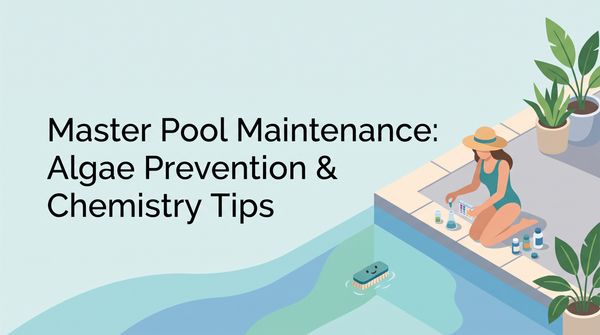
Sparkling blue water and a clean poolside—there's nothing quite like it. But under that pretty surface, algae can be lurking. If you own a pool, keeping the water clear matters, and not just for looks. It's about hygiene too. Algae is a microscopic plant that loves sunlight and warmth, and left alone it can turn a backyard paradise into a swampy mess.
That's why algaecides are so tempting. These are chemicals made to prevent or kill algae, and they pull in pool owners looking for a quick fix. They promise easy, crystal-clear water. But working them into your routine is trickier than it looks.
My own run-in with algaecides started last summer, when a sudden bloom threatened to turn a family barbecue into a murky disaster. A local pool supplier pointed me to a popular algaecide and swore by it. I gave it a shot, but I quickly learned that getting the dose, timing, and application right was everything. Miss those details and you get cloudy water instead of clear.
Here I'll sort the myths from the facts about how well algaecides work, walk through the simple science behind them, and share practical advice for using them. Whether you've owned a pool for years or you're brand new to it, these details can be the difference between a perfect backyard oasis and a headache.
Your Action Plan
- Test your water at least once a week and keep chlorine near 3 ppm.
- Hold pH between 7.2 and 7.6 and alkalinity at 80 to 120 ppm.
- Skim, brush the walls, and vacuum the floor on a regular schedule.
- Shock the pool in the evening after heavy rain or a bloom.
- Rinse swimsuits and toys after lake or river trips.
- Use a copper-free algaecide only as backup prevention.
Use Algaecide Sparingly
Why less is often more
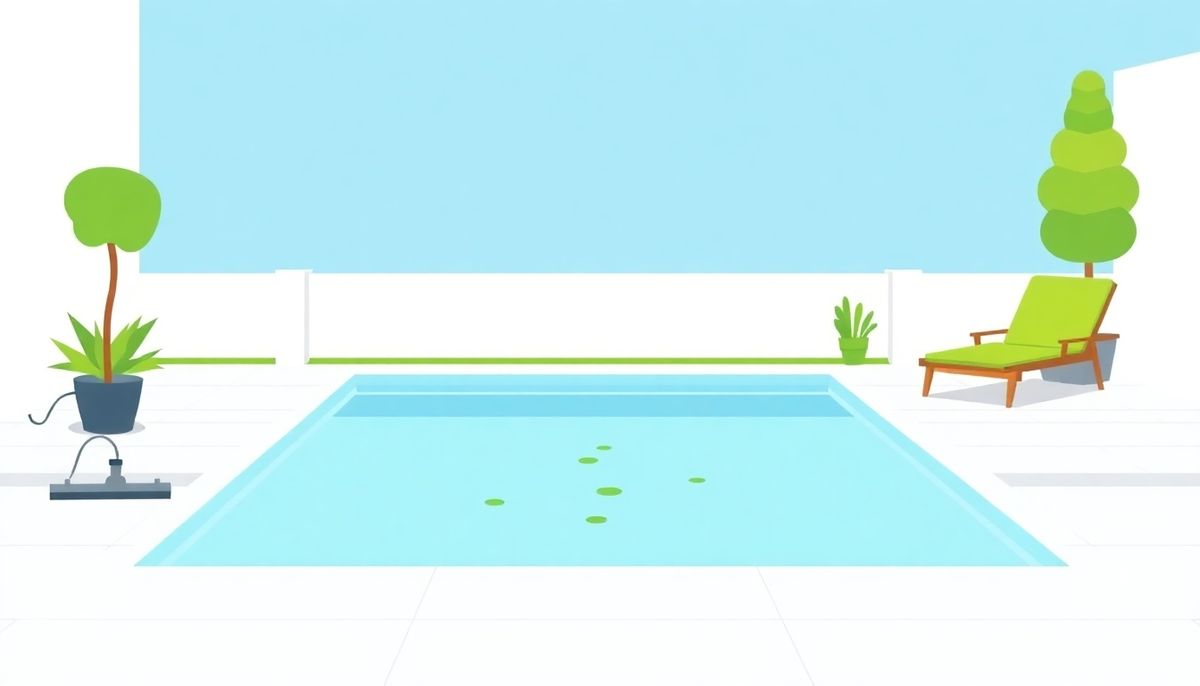
When you spot green in your pool, it's tempting to dump in a big slug of algaecide and call it a day. Go easy. Algaecide works best as a backup that keeps algae from settling in, not as the thing you rely on to clear a bloom that's already taken over.
Every dose you add changes your pool's chemistry. Overdo it and you can build up copper, especially if your tap water already carries a lot of metal. That copper stains your pool surfaces a blotchy blue-green, and those marks are a pain to remove. So lean on the basics instead: test often, keep chlorine steady, run your filter, and shock now and then. When you do need algaecide for a stubborn strain like mustard or black algae, use a light hand.
Algaecide is a backup, not a cure—clear water comes from steady chlorine, good filtration, and regular testing.
Optimize Pool Chemistry
Get your chemistry right first
Finding your pool turned green stings, but it happens. Maybe your chemistry drifted, or a swim in a lake brought spores home. Before you grab the algaecide, fix the water itself.
Keeping chlorine steady at about 3 parts per million (ppm) is the main job. Here's what's happening down at the microscopic level: chlorine oxidizes algae and bacteria, which is a plain way of saying it burns through their outer cell walls until they rupture and die. Once those walls break, the algae can't feed or reproduce. But chlorine can only do that if your pH is in range, so balance both together.
If a bloom is really dug in, a proper shock treatment does the heavy lifting. Algaecide can speed things up, but clean chemistry is what keeps the water clear. Those basic checks are the ones people skip, yet they're your strongest first line of defense.
Prevent Algae With Proper Maintenance
Build habits that keep algae out
You can dodge most algae problems with a few steady habits. Keep chlorine around 3 ppm and your pH in range, and you've already made the water a hostile place for algae to grow.
Cleaning does the rest. Skim debris, brush the walls, and vacuum the floor on a regular schedule. Skip skimming for a week in warm weather and you can wake up to a green tint spreading across the surface. Watch what goes in, too. Swimsuits and pool toys often carry algae spores from lakes and rivers, so a quick rinse before they hit the water saves you trouble later.
If you live somewhere sunny or near natural water, a metal-free algaecide adds a bit of extra insurance. Just treat it as prevention, not a cure.
Select Algaecide As Last Resort
Save algaecide for real emergencies
When algae shows up, reaching for a bottle of algaecide feels natural. Treat it as a last resort instead. Balanced water is like changing your car's oil: keep up with it and things run fine, ignore it and you get problems.
Chlorine does the real work, sanitizing around the clock and shutting down algae growth. When algae hang on despite good chlorine, algaecide can help, but only alongside a sanitizer, never in place of one. For chlorine-resistant mustard or black algae, it may be necessary. Even then, the muscle comes from steady chlorine plus a solid shock routine. Stay ahead with regular testing, and you'll rarely need the bottle at all.
Prioritize Chlorine for Algae
Chlorine is the real star
When your pool goes cloudy and green, your first instinct might be the algaecide aisle. Meet the real workhorse instead: chlorine. It doesn't just sanitize the water, it kills algae, breaking down their cells and cutting off their ability to reproduce. Hold it at a steady 3 ppm, pair it with the right pH, and most algae never get a foothold.
Algaecide plays a supporting role. For ordinary green algae, strong chlorine plus periodic shocking and basic cleaning usually does the whole job. Save the algaecide for stubborn strains, or as a preventive step when you close the pool for the season. Let chlorine lead.
Keep chlorine at a steady 3 ppm and balanced pH, and most algae never get a chance to bloom.
Emphasize Chlorine Over Algaecide
Why chlorine beats algaecide
Grabbing algaecide feels like the obvious move when your pool turns green, but chlorine gets better results. Its power comes from oxidation—breaking down algae cell walls so they can't grow or reproduce. Keep chlorine near 3 ppm and you stop algae before you can even see it.
Algaecides back chlorine up, especially against resistant strains like mustard or black algae, but they shouldn't be your main plan. Steady chlorine plus balanced chemistry is a tough wall to get past. Stick to that routine and you'll leave the algaecide for the rare, stubborn cases.
Maintain Balanced Pool Chemistry
The three numbers that matter
Balanced water is like a song where every part has to play in tune. Ever climbed out with stinging eyes or itchy skin? That's unbalanced water, and it's also what lets algae bloom.
Keep chlorine around 3 ppm so it can keep doing its job. Your pH should sit between 7.2 and 7.6, which keeps chlorine effective and protects your equipment. Alkalinity is the buffer that steadies pH swings—aim for 80 to 120 ppm. Test at least once a week with a simple home kit, and you'll catch small drifts before they turn into a green mess. Keep these numbers in line and you can save the algaecide for rare occasions.
Prevent Algae with Proper Sanitation
Good sanitation keeps the water clean
A pool can turn into an algae farm fast if maintenance slides. Start with your water chemistry: test and adjust chlorine, pH, and alkalinity so algae can't take hold, keeping chlorine around 3 ppm.
Cleanliness matters just as much. Brushing the walls and vacuuming the floor knocks loose any algae trying to settle. Washing swimsuits and toys after a lake or river trip clears out spores before they cause trouble. If you live near natural water or fight algae over and over, a preventive dose of algaecide can make sense—as a shield, not a rescue.
Choose Copper-Free Solutions
Copper-based versus metal-free
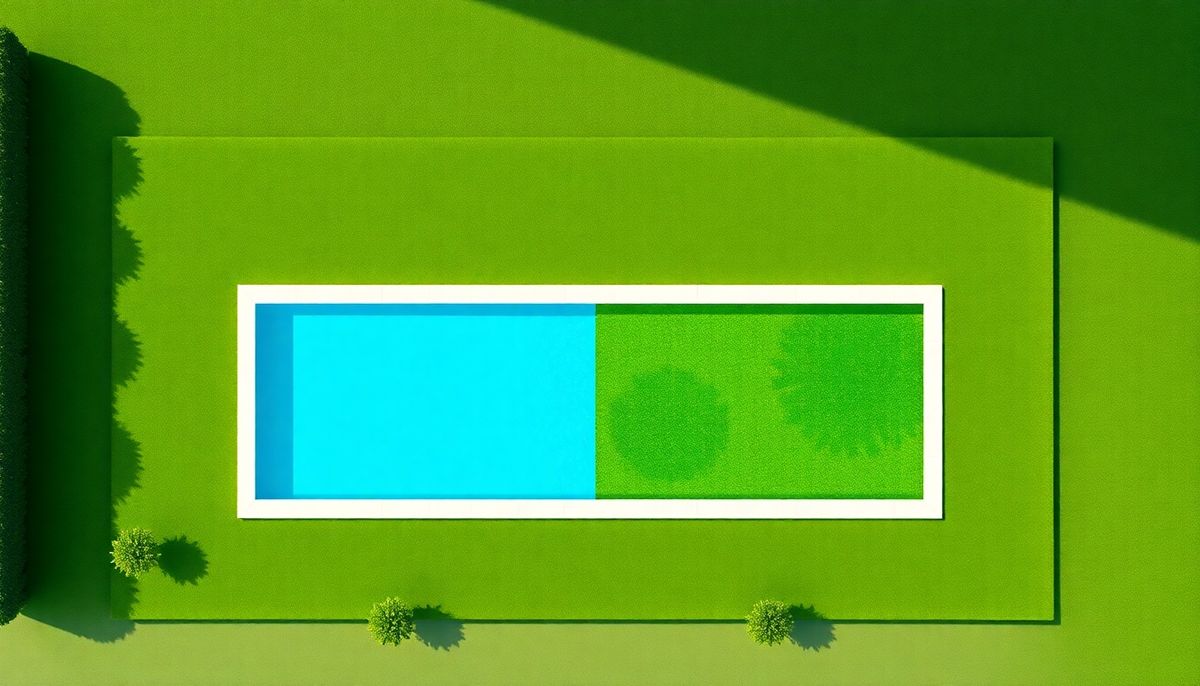
Copper-based algaecides catch your eye with the promise of a fast fix, but they carry baggage. If your water supply is already high in metals, copper can make things worse. Too much of it oxidizes and leaves ugly stains on your pool surfaces.
That's why a lot of owners switch to copper-free options. These use other ingredients to fight algae without the staining risk. Look for liquid, metal-free algaecides on the label—they slow algae growth and keep your surfaces clean. After one frustrating summer of stubborn algae and surprise discoloration, I switched to a copper-free product and got clearer water without the metallic aftermath.
If your fill water is high in metals, choose a copper-free algaecide to avoid blue-green stains on your pool surfaces.
A simple weekly routine
Keeping algae away comes down to steady habits, not a magic bottle. Once a week, grab your test kit and make sure your chemistry is right. Hold chlorine around 3 ppm with balanced pH, and the water stays an unwelcome place for algae.
Scrub the walls and floor so spores can't settle, and keep your filter clean and running enough hours a day to stop the still, stagnant water algae love. And after a day at the beach or on the river, wash swimsuits and toys before they go back in—that one habit blocks a surprising number of blooms. In sunny regions, some owners add a preventive dose of algaecide ahead of long, hot stretches, as an extra layer rather than a main defense.
Avoid Metal Stains in Pools
Heading off metal stains
Metal stains seem to appear out of nowhere and refuse to leave. They usually come from too much iron or copper in the water, and copper-based algaecides raise the risk.
The trouble starts when metal-rich water—from a well or a high-metal area—fills your pool. Under those conditions, copper-based algaecides speed up oxidation and leave blue-green or rusty marks on your liner. Those stains are hard, and sometimes expensive, to remove. Choose a copper-free algaecide, and test your water's metal levels now and then so you get an early warning. A simple switch to copper-free plus occasional metal testing spared me a lot of grief.
Utilize Chlorine for Algae Control
How chlorine wipes out algae
Not everyone realizes plain chlorine outperforms specialized algaecides. It works through oxidation—trading electrons with algae and bacteria, rupturing their cell walls, and cutting off their ability to survive and multiply. Without intact walls, algae can't hold nutrients or keep growing.
The trick is holding the right level. Aim for around 3 ppm and keep your pH balanced. If the water starts to turn, a shock treatment—briefly raising the chlorine way up—clears existing algae and helps head off the next bloom. Algaecide still helps with mustard or black algae, but it's the backup. Keep chlorine as your main defense.
Prevent Algae with Proper Chemistry
Tend your water like a garden
The real hero against algae isn't the algaecide—it's steady upkeep of your chemistry. Think of it like a garden: the right mix of light, water, and nutrients keeps plants healthy, and the right chemical levels keep your pool clear.
Chlorine is your main defender at around 3 ppm, breaking down algae before they spread. A pH between 7.2 and 7.6 keeps chlorine working, and alkalinity buffers against sudden swings. A weekly check catches problems early. And when maintenance slips—it happens to everyone—a quick shock resets the balance with a concentrated blast of chlorine that wipes out algae and guards against new growth.
Test, adjust, repeat
A clear pool reflects balanced water, and that balance is the heart of stopping algae before it starts. Treat your pool like a small ecosystem where every piece has to work together. Test and adjust regularly to keep your levels in range.
Watch your sanitizer closely, whether that's chlorine, bromine, or biguanide. Chlorine stands out for its oxidizing power, and around 3 ppm works best. But pH matters just as much; when it drifts, your sanitizer weakens and algae move in. Balancing alkalinity and calcium hardness rounds out your defense—alkalinity steadies pH, and calcium hardness helps prevent scaling. Build these simple checks into a routine and the water stays refreshing and clear.
Utilize Chlorine Effectively
Don't underestimate a good shock
Chlorine may not sound high-tech, but it's the steady soldier in the fight against algae. It oxidizes algae cells, breaking down their walls so they lose nutrients and stop growing. Keep it around 3 ppm and drifting spores get dealt with before they settle.
Don't skip shocking, either. A big dose of chlorine is especially useful after heavy rain or when you open the pool for the season—it clears the water and gives your defenses a strong reset. Just keep your pH in range so the chlorine can work at full strength.
Prevent Contaminant Invasions
Keep outside contaminants out
Even before algae shows up, outside contaminants sneak in on innocent-looking things—a swimsuit fresh from a lake, or an inflatable that spent the day in murky water. Staying on top of your chemistry is your main guard, but a few extra steps cut the risk further.
After a day in natural water, wash swimsuits in a regular laundry cycle and wipe toys down with a mild bleach solution before they go back in. If you live near lakes or rivers, a preventive dose of algaecide adds a shield on bright, algae-friendly days. And when you close the pool for winter, add algaecide then too—it keeps the water clearer for when you pull the cover off in spring.
Shock Your Pool Effectively

Shock the right way
A green pool feels like a problem you didn't ask for. Before you reach for algaecide, look at pool shock—a targeted way to reclaim clear water. It works by sharply raising the chlorine level for a short time, which overwhelms algae and bacteria and destroys their cell structures.
Timing and technique matter. Figure out your pool's volume first so you know how much to add—too little and the algae shrug it off, too much and you risk irritating swimmers and damaging surfaces. Add it in the evening, when the sun can't burn the chlorine off, and spread it evenly across the water. By morning you'll often see swampy water turn calm and blue. Afterward, test your balance and wait for the chlorine to settle before swimming. For stubborn mustard or black algae, a second round plus a good brushing and strong circulation usually finishes the job.
Always add pool shock in the evening, so the sun can't burn off the chlorine before it does its work.
Chlorine saved my barbecue
Waking up to a green, murky pool feels like a betrayal. But before the algaecide, look at the tool right under your nose. Chlorine disrupts algae's cells, rupturing their walls and stopping them from growing and reproducing. Keep it near 3 ppm for steady protection—that just means regular testing and adjusting, a small price for clear water.
One stubborn bloom nearly wrecked a family barbecue at my place. Armed with a test kit and some chlorine, I adjusted the levels, gave the pool a good shock, and the algae didn't stand a chance by the time guests arrived. For the occasional invader that rides in on a swimsuit, routine chlorine plus regular shocking handles it. Algaecide can prevent, but chlorine is your reliable fix.
Implement Preventive Pool Practices
Stop algae before it starts
Keeping a clean pool is about stopping algae before it takes hold. Start with a consistent routine: test at least once a week and keep chlorine around 3 ppm. Balanced pH matters just as much, since the wrong pH makes chlorine useless.
Your pool's physical shape matters too. Scrub the walls and floor to clear the slimy buildup where algae breeds—like pulling weeds, steady care makes the difference. Run your filter enough hours a day to clear debris and cut off algae's food. And after a beach or lake day, wash swimsuits and sanitize toys before they go back in. In sunny regions, a preventive dose of algaecide adds a buffer. Weave these in and algae rarely gets a chance to return.
Conclusion

If there's one thing to take from all this, it's that clear water doesn't come from a special bottle. It comes from steady chlorine, balanced chemistry, and regular skimming and brushing. Get those basics right and algae rarely gets a foothold.
Want to get really comfortable with pool care? Our free Pool School course walks you through everything, from basic upkeep to tricky troubleshooting. You'll learn how to:
- Save thousands on pool repairs and chemicals
- Keep your water crystal clear year-round
- Prevent and solve common pool problems
- Master water chemistry with confidence
Join over 10,000 pool owners who've already reworked their pool care routine. Get started with our free Pool School course today!
What you need
Grab a reliable water test kit, chlorine or shock, and a copper-free algaecide to keep as backup, plus a brush and skimmer for weekly upkeep.