



Stepping into a hot tub after a long day is a great way to unwind. But keeping the water clean and safe takes more than filling the tub. The real work is balancing the chemicals that keep your water clear and pleasant to sit in.
Plenty of first-time owners, me included, find the chemical side intimidating. There's chlorine, bromine, pH balancers, algaecides, and a pile of other products with names that sound like they belong in a lab. With so many choices, where do you even start?
Knowing what each product does makes all the difference. Sanitizers like chlorine or bromine hold off bacteria and viruses. pH balancers keep the water gentle on your skin and your equipment. Get the mix wrong and you end up with cloudy water, or water that isn't safe to sit in.
I'll share what I've picked up through trial and error, so you can hit that balance without the guesswork. Whether you're staring at murky water or just want to avoid the usual mistakes, these tips will point you in the right direction.
Your Action Plan
- Test your water first with strips or a liquid kit.
- Adjust alkalinity, then pH.
- Add your sanitizer of choice, chlorine or bromine.
- Set calcium hardness if it's off.
- Shock the water weekly or after heavy use.
- Retest and make small adjustments.
Choose Your Sanitizer
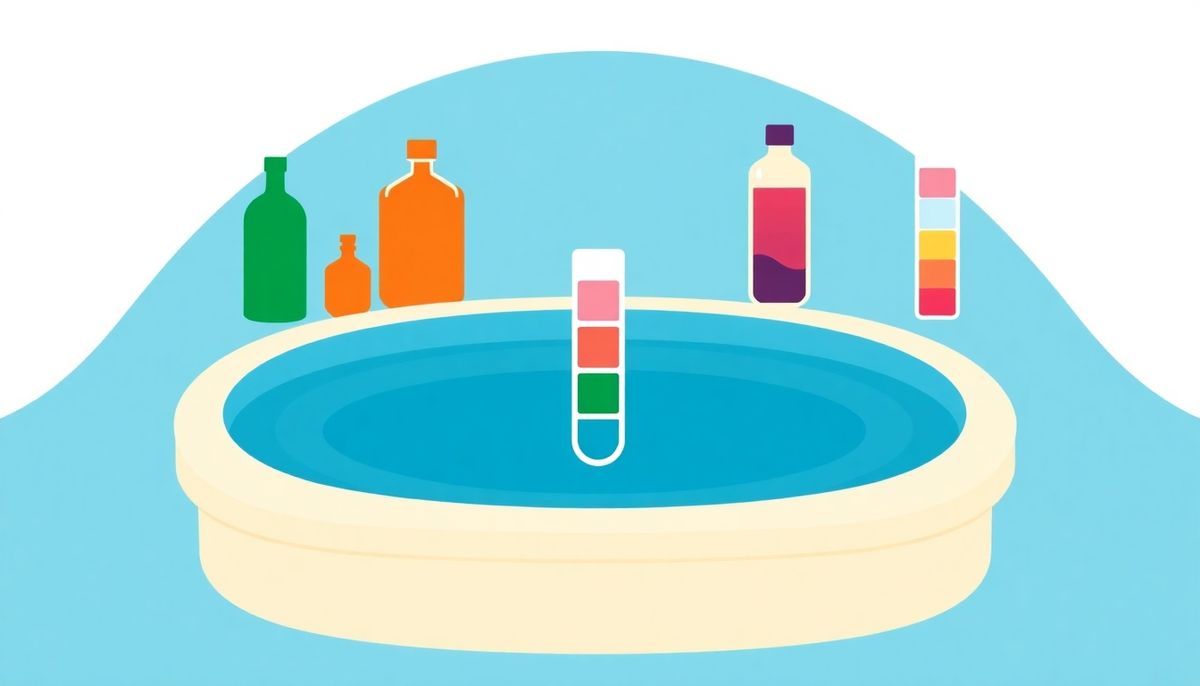
Chlorine, bromine, or a mineral boost
Picking a sanitizer comes down to how well it works, how easy it is, and what you prefer. Chlorine is the top pick for many owners. It's fast and strong, knocking out bacteria and algae quickly, which makes it dependable for outdoor tubs. The trade-off is that familiar pool smell. That smell comes from chloramines, which are spent chlorine that has already grabbed contaminants, and it's a sign your chlorine is working hard and may need topping up. Keep chlorine between 1 and 3 ppm.
Bromine is gentler and works well for indoor or covered tubs. It acts slowly and costs more, but it lasts longer and barely smells. People with sensitive skin often prefer it, and it makes pH easier to balance. Aim for 3 to 5 ppm.
Want a middle ground? A mineral system or an ozonator, a device that injects ozone gas to break down waste, cuts how much sanitizer you need and keeps the water fresher.
Select the Right Sanitizer
Chlorine is the usual pick for outdoor tubs because it's affordable and powerful against bacteria and algae. For outdoor setups, stabilized granular chlorine is smart: it dissolves fast and holds up under the sun's UV rays, so your water stays clear. Bromine is the alternative if that chlorine smell bothers you, with a milder scent and a softer feel on the skin. It's a good match for indoor or covered tubs, where UV exposure isn't much of an issue.
Understand Chlorine and Bromine Differences
Granular chlorine for outdoor tubs often includes CYA, short for cyanuric acid, a stabilizer that acts like sunscreen for your chlorine and keeps UV rays from burning it off too fast. The sharp chlorine smell still means chloramines are building up, a hint that you need more to hold that 1-3 ppm range. Bromine costs more and dissolves slowly, so keeping it in the 3-5 ppm range takes patience. Its softer feel on the skin wins a lot of people over, especially if you want a more relaxing soak.
Enhance Sanitation with Add-ons
Extras that make upkeep easier
A few add-ons can push your water past just clean. A mineral sanitizer uses metals like silver and copper to slow bacterial growth, so you use less chlorine or bromine and get softer water. An ozonator is a smart pick for a spa that gets heavy use; it breaks down contaminants at the molecular level and keeps the water feeling fresh no matter how often you soak. And if you have hard water, scale-prevention chemicals guard against the calcium buildup that damages your tub's inner workings. Keep scale in check and your equipment lasts a lot longer.
Test Before Adding
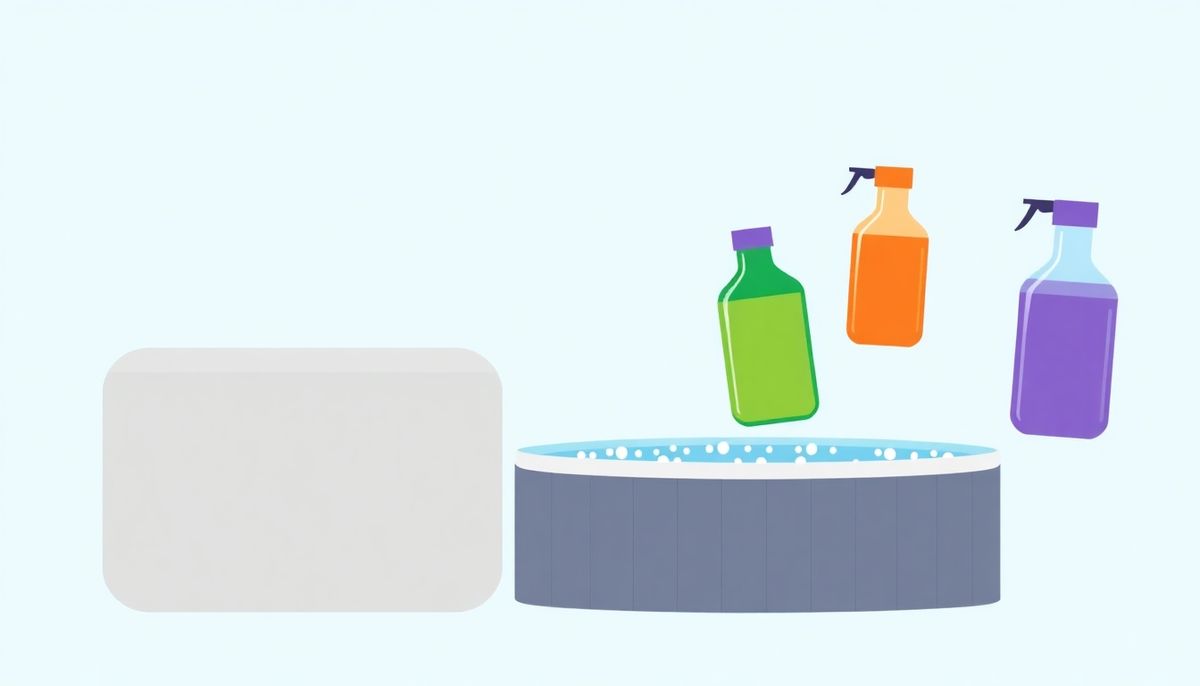
Test before you touch a chemical
Testing before you add anything is a must. A friend once dumped chemicals in without testing and ended up with a frothy mess like a bubble bath gone wrong. Test strips give a quick read on pH, alkalinity, and sanitizer levels. A liquid test kit gives more precise numbers. If your water seems tricky or you suspect metal, take a sample to a pool store. They can spot iron or copper, which cause stains and damage if you ignore them. With a baseline in hand, you can add what you need with confidence, keeping your water clear and your tub lasting longer.
Always test your water before you add a single chemical.
Test Water Before Adding Chemicals
Before you add anything, know what you're starting with. Keep test strips or a liquid kit on hand. Strips are convenient for a quick snapshot; liquid kits are more precise if you want a closer look. Worried about metals or minerals? A sample at a local pool and spa store reveals what you can't see. Once you have a baseline, adding chemicals becomes a plan instead of a guess. You know exactly whether to adjust pH, raise alkalinity, or add sanitizer.
Choose the Right Sanitizer
Which sanitizer fits your life and setup? Chlorine works fast, clears bacteria and algae, and is cheap and easy, which makes it a go-to for outdoor tubs. Keep it at 1 to 3 ppm. Bromine is gentler, with a milder scent and a longer-lasting effect, so it's a fine fit for indoor or shaded tubs. Keep it around 3 to 5 ppm, and remember sunlight wears it down. To use fewer chemicals overall, add a mineral dispenser or an ozonator; both let you soak with more peace of mind.
Adjust pH and Alkalinity First
Get pH and alkalinity right first
Before sanitizers and shock, handle pH and alkalinity. pH measures how acidic the water is, and alkalinity keeps that pH steady. High pH leaves you with dry skin and irritated eyes; low pH corrodes your tub's parts. When I set up my first hot tub, I skipped these adjustments and rushed to add chlorine, and I ended up with cloudy water and itchy skin.
Test first, then adjust alkalinity before pH, since alkalinity buffers pH against sudden swings. If you're only a little off, go small; a few tablespoons of the right increaser or decreaser can do it. Let each change circulate about 20 minutes, then test again.
Always balance your water in this order: alkalinity first, then pH, then sanitizer, then calcium hardness.
Maintain Water-Balance

Balance takes a steady hand. Start with alkalinity, the backbone of your chemistry, and aim for 100 to 150 ppm. Then set pH between 7.4 and 7.6; off-target pH turns a soothing soak into itchy skin and stinging eyes. Calcium hardness comes next: keep it between 175 and 250 ppm to stop corrosive water from damaging parts or leaving deposits behind. My neighbor let this slide once and paid for repairs to her spa's heating elements. Finally, add your sanitizer, chlorine or bromine, to keep bacteria and algae out.
#
Choose Your Sanitizer
Wisely
Chlorine and bromine are the mainstays of hot tub sanitizing. Chlorine hits bacteria and algae hard at a low cost, and its stability under UV makes it solid for outdoor tubs; the smell just tells you chloramines are building and it's time to add more. Bromine is subtler, holds up at high temperatures, and skips the sharp scent, which suits indoor tubs or ones out of direct sun. It costs more and dissolves slowly, but its staying power and skin-friendly feel win people over. Mineral dispensers or saltwater systems can back either one up and ease the load.
Test and Adjust Water Levels
Start by knowing your baseline with strips or a liquid kit, checking pH, alkalinity, and sanitizer. Testing shows what your water needs right now and sets the order you add things. If metals are present, a sequestrant, a chemical that locks up metals so they can't stain surfaces or damage equipment, goes in first. After that first test, make small adjustments rather than big swings. Fix alkalinity first, since it steadies pH, then keep retesting as you go. This back-and-forth of testing and tweaking keeps your tub a place to relax.
Implement Regular Shock Treatments
Why weekly shocking matters
Shock treatments sound scary, but they're basically a deep clean for your water. They break down organic waste and revive your sanitizer so it works well again. Shock weekly, or after heavy use, to clear the chloramines and bromamines behind murky water and that notorious "hot tub smell."
Non-chlorine shock is great for regular upkeep and lets you get back in soon after treatment. It oxidizes waste and refreshes your sanitizer without the strong chlorine odor. Chlorine-based shock is for deeper cleans, like stubborn algae or a bacterial bloom. I skipped my weekly shock once and the water lost its clarity fast; a quick shock brought the sparkle right back.
Regular shock treatments revive your sanitizer and break down the waste that clouds your water.
Prevent Cloudy Water
Clear water is about safety, not just looks. Cloudy water can hide bacteria and other contaminants. Test first, then adjust total alkalinity and pH, the foundation of balanced water. Bouncing pH undercuts your sanitizer and lets bacteria thrive. Next, use the right amount of sanitizer: too little leaves the water unsafe, too much irritates skin and eyes. Add chemicals slowly and let each dissolve before you retest. Finally, shock regularly with an oxidizer, a chemical that burns off organic waste, to keep the water from clouding.
Implement Proper Chemical Sequence
The order to add chemicals
Add each chemical in the right order to keep everything in harmony. Start with metal sequestrant if your water is high in metals, to prevent stains and equipment damage. Then adjust alkalinity to a comfortable 100-150 ppm, since it cushions pH against sudden swings. With alkalinity set, bring pH to that sweet spot between 7.4 and 7.6, so your sanitizer works well without making bathers uncomfortable.
Next comes your sanitizer: chlorine's fast action suits outdoor tubs, while bromine's gentler touch works better indoors. Let each chemical circulate and fully dissolve before you test again; rushing can cloud the water. Adjust calcium hardness last, once the other levels are stable.
Chlorine is the cheaper option, and it zaps bacteria and algae fast, which is why it dominates outdoor tubs where UV would otherwise break bromine down. The smell signals spent chlorine turning into chloramines, and that it's time to add more. Bromine works slowly but holds up in hot water without a strong scent, and it's gentle on the skin, so it suits indoor or covered tubs where sunlight won't sap its strength. To keep chemical levels low, add a mineral system or ozonator to back up whichever you choose.
Gather reliable testing tools before you reach for chemicals. Strips give a quick look; a liquid kit goes deeper with precise measurements; a pool and spa store can uncover hidden metals and minerals. Then start with alkalinity to buffer pH against wild swings, and land pH between 7.4 and 7.6. A slip-up here once turned my tub into a frothy chemical cocktail, so take it seriously. Once those settle, add your sanitizer, giving bromine extra patience for its slow dissolve. Small adjustments and steady retesting keep the water clean and relaxing.
Use Shock Treatments
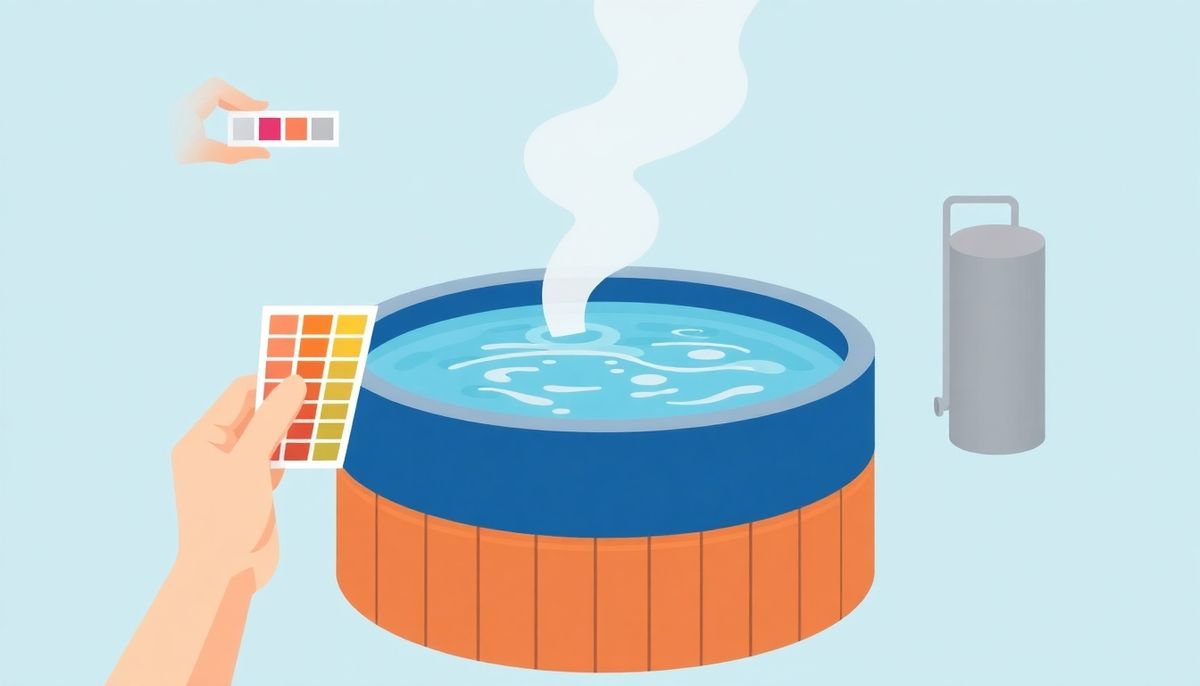
Shock treatments keep the water hygienic, not just clear. One weekend after a busy gathering, my water looked murkier than usual, and a quick shock revived the sanitizer and cleared the cloudiness. Shock treatments oxidize organic waste and clear the chloramines behind that chlorine smell, refreshing your sanitizer so it can keep fighting germs. Use non-chlorine shock regularly, after a soak or once a week, for a quick turnaround. Reach for chlorine shock for tougher jobs like algae or a heavily used spa; it needs a longer wait before you get back in, but it's a powerful cleaner.
Ensure Proper Chemical Sequence
Adding chemicals is like following a recipe: the order matters. Start with a water test for your baseline. Deal with metals first, neutralizing them before they stain surfaces or damage equipment. Then adjust alkalinity, the backbone that keeps pH steady, before you fine-tune pH. Sanitizers come after pH is set; give chlorine or bromine time to spread and do its work, because rushing can leave you short on disinfection. Calcium hardness comes last, protecting your tub's structure without getting in the sanitizer's way. Follow this order and you'll have a spa that's pleasant and safe.
Conclusion
This article gave you the basics of keeping your hot tub water clean and balanced. Start today.
Want to get really comfortable with spa care? Our free Pool School course walks you through everything, from routine upkeep to tricky troubleshooting. You'll learn how to:
- Save money on repairs and chemicals
- Keep your water clear year-round
- Prevent and fix common hot tub problems
- Handle water chemistry with confidence
Join over 10,000 owners who have already changed their care routine. Get started with our free Pool School course today!
What you need
Grab a test kit or strips, a sanitizer (chlorine or bromine), pH and alkalinity adjusters, and a shock product so you can test, balance, and refresh your water in order.