

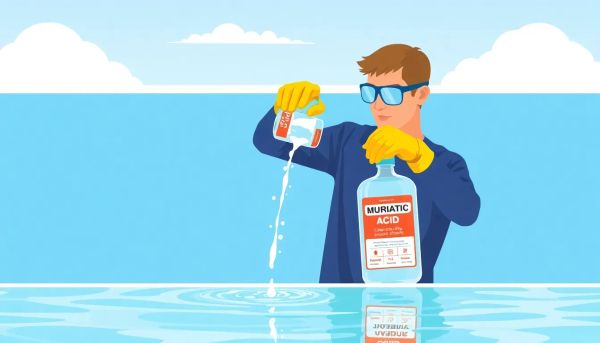
Pool Water Chemistry and Alkalinity Balancing
When your pool’s alkalinity level climbs above 150 ppm, it’s time to take action. High alkalinity can cause various issues, from cloudy water and scaling to uncomfortable swimming conditions. Fortunately, reducing alkalinity can be done easily with the right steps and a bit of know-how. This guide will take you through everything you need to understand about alkalinity, its impact on pool health, and how to safely lower alkalinity in your pool using either muriatic acid or sodium bisulfate.
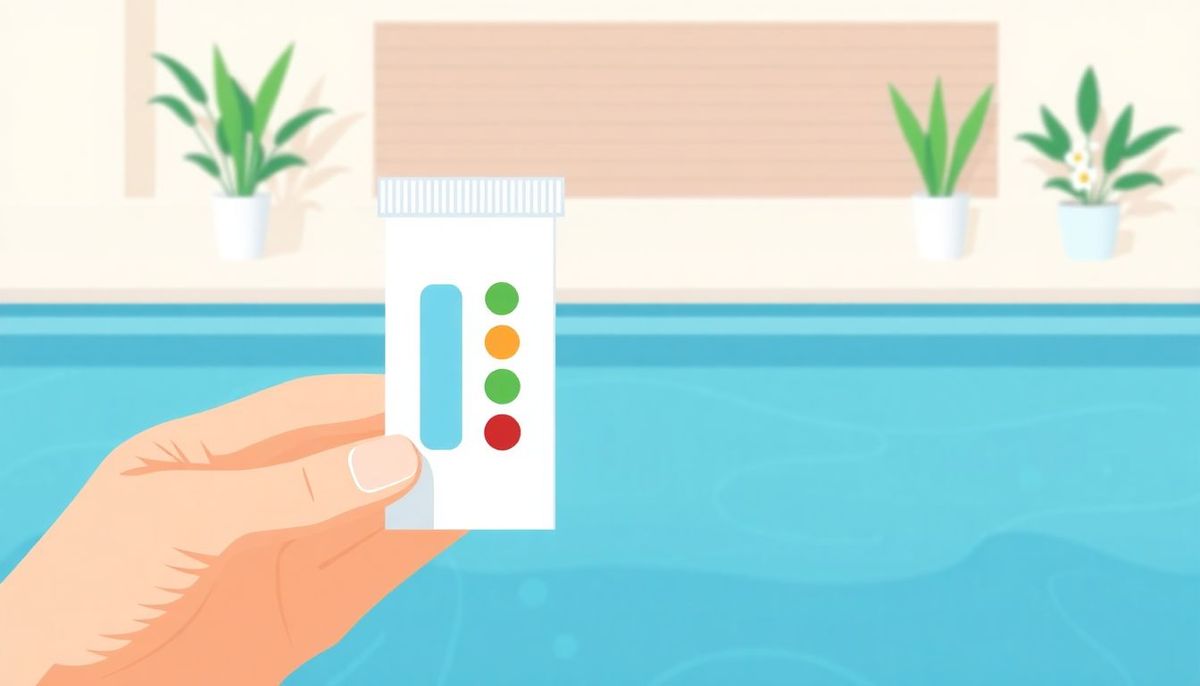
What Is Total Alkalinity and Why Is It Important?
Total alkalinity is a measure of the water's ability to buffer pH changes. It essentially stabilizes the pH, preventing it from fluctuating dramatically. Balanced alkalinity is vital to maintaining safe, clean, and clear pool water because it directly affects:
- Water clarity and the likelihood of cloudiness
- Chlorine effectiveness in sanitizing pool water
- The comfort of swimmers, reducing skin and eye irritation
- Equipment longevity, as balanced pH reduces corrosion and scale buildup
Ideal Alkalinity Levels
The ideal total alkalinity for pools is between 80 and 120 ppm. If alkalinity is too low, the pH will fluctuate, causing corrosive water that can damage pool surfaces and equipment. If it’s too high, pH levels become difficult to adjust, affecting chlorine effectiveness and leading to issues like cloudy water and scaling.
- pH Range: The ideal pH range for pool water is between 7.2 and 7.8, which balances safety and comfort for swimmers while ensuring chlorine works efficiently.
How Do Alkalinity and pH Affect Each Other?
Alkalinity and pH are closely linked, making it essential to balance both. Here’s how they interact:
-
High Alkalinity: Causes the pH level to rise. As alkalinity buffers pH, if it is too high, it prevents the pH from lowering naturally, even with the addition of acid. This can lead to a higher-than-normal pH, which reduces chlorine effectiveness and creates cloudy water.
-
Low Alkalinity: Causes pH to fluctuate, sometimes rapidly, making it harder to maintain consistent pool chemistry. A low alkalinity level means there isn’t enough buffer in the water to stabilize pH, so any minor addition (like pool shock) could drastically alter pH levels.
The Role of Chlorine in High Alkalinity Pools
High alkalinity can reduce the efficiency of chlorine, as it makes the water more basic (high pH). Chlorine works best in water with a pH between 7.2 and 7.8, so high alkalinity can force you to use more chlorine to keep the water sanitized. Regular testing and balancing of alkalinity and pH help keep chlorine levels manageable and effective.
Causes of High Alkalinity
There are several factors that can increase your pool's alkalinity levels:
1. Use of Stabilized Chlorine Products
- Stabilized chlorine products, like trichlor and dichlor, contain cyanuric acid (CYA), a chlorine stabilizer that helps protect chlorine from being degraded by sunlight. However, as it accumulates, CYA can also increase total alkalinity. This is why regular water testing is essential, especially if you use stabilized chlorine.
2. Lots of People in your Pool
- High bather loads, especially with low chlorine levels, introduce contaminants that can disrupt the pool’s chemistry. This can lead to higher pH levels, which in turn raises total alkalinity. Pool parties or periods of frequent use are common times when alkalinity may spike.
3. Frequent Use of Pool Shock
- Many types of pool shock contain high levels of alkaline substances. Regularly shocking your pool is essential for killing bacteria and maintaining cleanliness, but too much shock can drive up alkalinity levels. Monitoring alkalinity levels after each shock treatment can prevent these spikes.
4. High pH of Source Water
- Sometimes, high alkalinity is simply due to the pH of the water used to fill or top up the pool. Hard water from certain areas naturally contains high alkalinity levels. Testing the water source before using it in your pool can give you a heads-up on potential balancing needs.
Effects of High Alkalinity in Pool Water
High alkalinity impacts nearly every aspect of your pool, from water quality to equipment functionality. Here’s what you can expect if alkalinity levels remain too high:
Cloudy Pool Water
High alkalinity is often the culprit behind cloudy water. When total alkalinity levels rise, calcium levels can increase, leading to cloudy water with visible particles floating in it. If your pool looks dull or hazy, alkalinity should be one of the first things to test.
Reduced Chlorine Effectiveness
As mentioned earlier, high alkalinity pushes pH higher, which weakens chlorine’s sanitizing power. This can lead to inefficient sanitation, creating an environment where bacteria and algae are more likely to thrive.
Irritated Eyes and Skin
Unbalanced pool water can irritate swimmers’ skin and eyes. High alkalinity combined with high pH can make swimming uncomfortable and even lead to skin and eye irritation, which could discourage pool use.
Scale Buildup
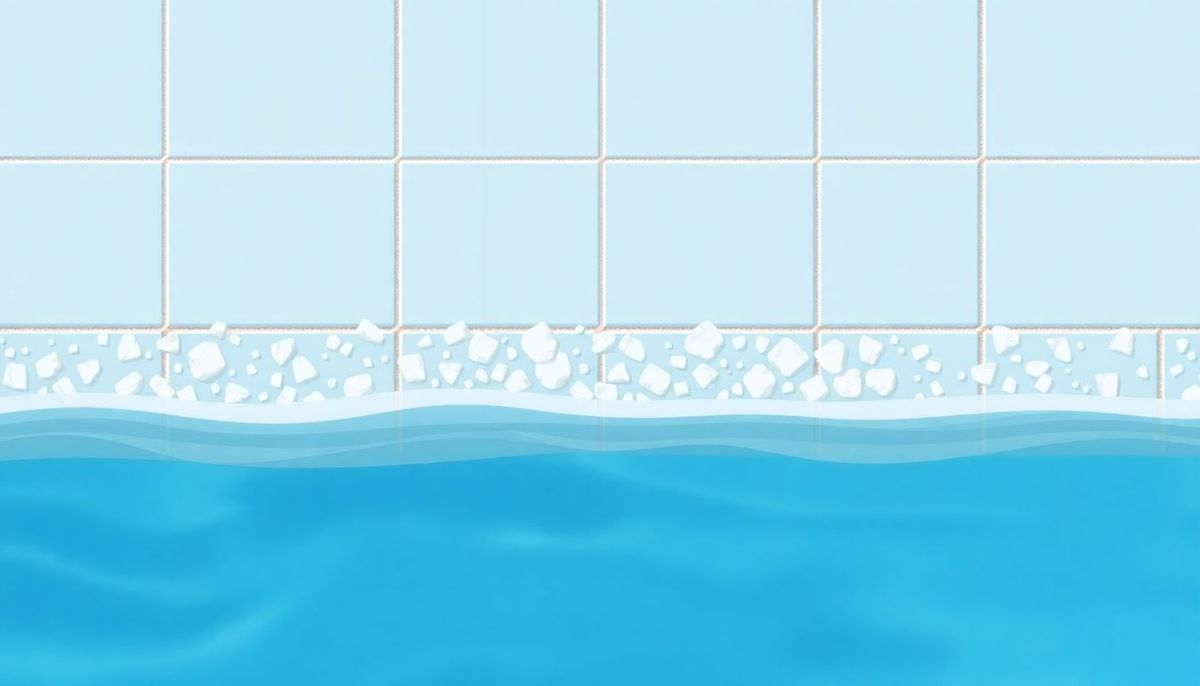
Calcium scaling is another common result of high alkalinity. When calcium levels combine with elevated alkalinity, scaling can occur on surfaces and equipment, eventually clogging filters and reducing water flow.
How to Lower Alkalinity in Your Pool
To reduce high alkalinity, two primary chemicals are recommended: muriatic acid and sodium bisulfate (also known as dry acid). Here’s how each method works:
Method 1: Using Muriatic Acid
Muriatic acid is a potent liquid acid that’s highly effective at lowering alkalinity and pH. It’s similar to hydrochloric acid but less concentrated. It can be dangerous if not handled correctly, so wear appropriate protective gear and follow these steps carefully.
Steps for Using Muriatic Acid:
- Turn off the pool pump to let the water settle.
- Measure the required amount of muriatic acid based on your pool’s volume and alkalinity levels. For example, 25.6 ounces of muriatic acid will reduce alkalinity by approximately 10 ppm in a 10,000-gallon pool.
- Pour the acid carefully into the deepest part of the pool, away from the walls.
- Turn the pool pump back on and allow it to circulate the water for at least 5 hours before retesting.
- Retest alkalinity and pH levels. Repeat the process after a few days if the levels are still high.
Note: Always handle muriatic acid with caution, and make sure to dilute it if required by the manufacturer’s instructions.
How Much Muriatic Acid Should You Add to Your Pool
| Your Starting pH Levels | 1,000 Gallons (4,546 Liters) | 5,000 Gallons (18,927 Liters) | 10,000 Gallons (37,854 Liters) | 15,000 Gallons (56,781 Liters) | 20,000 Gallons (75,708 Liters) |
|---|---|---|---|---|---|
| 7.6 - 7.8 | 1.25 oz / 35 ml | 6 oz / 170 ml | 12 oz / 340 ml | 18 oz / 510 ml | 24 oz / 680 ml |
| 7.8 - 8.0 | 1.5 oz / 45 ml | 8 oz / 227 ml | 16 oz / 454 ml | 24 oz / 681 ml | 1 qt / 907 ml |
| 8.0 - 8.4 | 2.5 oz / 71 ml | 12 oz / 340 ml | 24 oz / 680 ml | 1.25 qts / 1.18 L | 1.5 qts / 1.42 L |
| Above 8.4 | 3.0 oz / 85 ml | 16 oz / 454 ml | 1 qt / 907 ml | 1.5 qts / 1.42 L | 2 qts / 1.89 L |
How to Safely Handle Muriatic Acid
Muriatic acid fumes are strong and potentially hazardous. Always work in a well-ventilated area, wear gloves, safety goggles, and a mask, and never add water to acid directly, as it can cause splashing. Be cautious of splashing or spilling.
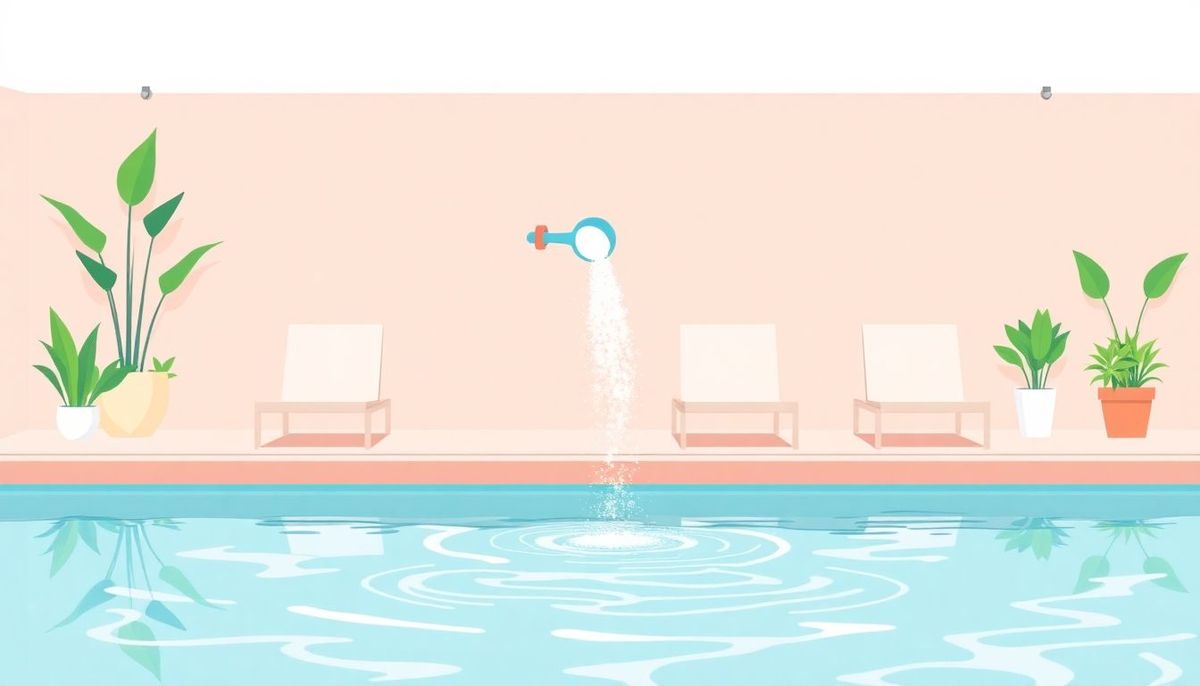
Method 2: Using Sodium Bisulfate (Dry Acid)
Sodium bisulfate is a dry acid often marketed as “pH decreaser” or “pH down.” It works similarly to muriatic acid, lowering both pH and alkalinity, but it’s generally safer and easier to handle.
Steps for Using Sodium Bisulfate:
- Calculate the amount of sodium bisulfate based on the pool’s size and the product directions.
- Mix the powder with water in a bucket to dissolve it completely.
- Pour the solution around the pool’s edge, beginning at the deep end.
- Run the pool pump for a few hours and test alkalinity and pH afterward. Repeat if necessary.
Note: Sodium bisulfate is more expensive than muriatic acid and must be stored in a dry place. Avoid moisture, as it can clump.
Pros and Cons of Sodium Bisulfate
While safer to handle than muriatic acid, sodium bisulfate is pricier and less commonly available. However, its granular form can make it a preferred choice for home use.
Aeration: An Option to Raise pH Without Affecting Alkalinity
After adding acid to lower alkalinity, you may find that pH has dropped too low. Aeration is a useful technique for raising pH without increasing alkalinity. Introducing air into the water encourages CO₂ release, naturally increasing pH levels without impacting alkalinity.
How to Aerate Your Pool
- Run fountains, waterfalls, or jets to agitate the water surface.
- Install an aerator if available.
- Avoid adding chemicals during aeration to prevent further chemical imbalance.
Aeration is a slower process but can help stabilize pH if needed after acid treatment.
Frequently Asked Questions About Lowering Alkalinity
What if My Alkalinity Remains High Even After Treatment?
If your alkalinity remains elevated, try repeating the acid treatment over several days. It’s best to lower alkalinity gradually to avoid a rapid drop in pH, which can create other imbalances. Check other factors like source water and CYA levels, which could be contributing to high alkalinity.
How Can I Prevent High Alkalinity in the Future?
Preventative measures can reduce the frequency of alkalinity issues:
- Regular Testing: Use a test kit or strips weekly to monitor pH and alkalinity.
- Use Non-Stabilized Chlorine: Avoid using stabilized chlorine regularly, as it contributes to higher alkalinity.
- Monitor Source Water: Test fill water and adjust alkalinity levels accordingly if it’s naturally high in alkalinity.
Additional Tips for Pool Alkalinity Maintenance
Maintaining balanced alkalinity is easier when you adopt a routine maintenance schedule. Here are some extra tips to keep alkalinity in check:
- Adjust Pool Chemistry in Small Doses: Lowering alkalinity too much at once can create new imbalances. Making incremental adjustments is key to keeping levels consistent.
- Regular Shock Treatments: While shocking your pool helps keep it sanitized, be mindful of the alkalinity impact. Test and adjust afterward.
- Opt for Rainwater Top-Ups: If possible, top off the pool with rainwater instead of hard water from your tap. Rainwater typically has lower alkalinity, helping dilute levels.
Conclusion
Proper alkalinity is a crucial aspect of maintaining a healthy, balanced swimming pool. High alkalinity can lead to issues such as cloudy water, skin irritation, reduced chlorine effectiveness, and scaling. By monitoring your pool’s chemistry and understanding how alkalinity and pH interact, you can avoid these common problems.
Final Checklist for Lowering Pool Alkalinity
- Measure Alkalinity and pH: Aim for 80-120 ppm alkalinity and pH between 7.2 and 7.8.
- Select the Right Acid: Use muriatic acid for a quick fix or sodium bisulfate for a safer approach.
- Aerate as Needed: Adjust pH using aeration if it dips too low after acid treatment.
- Test Regularly: Make weekly testing a routine to prevent sudden changes.
By following these steps and routinely balancing your water, you can keep your pool sparkling clear, comfortable, and always ready for use. Remember, a well-balanced pool is the cornerstone of enjoyable, hassle-free swimming all season long.