










Saltwater pools bring to mind easy, relaxing afternoons. But keeping one healthy is more like tending a small ecosystem than lounging by pretty water. My neighbor bought a saltwater pool last summer, dreaming of simple upkeep and swims that were kind to her skin. It didn't take long for problems she never saw coming to show up. She admitted the pool charmed her at first, but it asked for more know-how than she'd bargained for.
Plenty of owners get drawn in by the promise of fewer chemicals and less work, then miss the small details that keep these pools healthy. Skip checking the salt chlorine generator and your pool can end up under-chlorinated, which means cloudy water and algae you never invited. Let the stabilizer slip and you can end up fighting corrosion on your fixtures.
Every saltwater pool has its own needs, from the right salt level to a steady pH. As we walk through the common mistakes, you'll see why the little quirks of saltwater care matter. It's what keeps your pool a place to relax instead of a source of stress.
Your Action Plan
- Test salinity monthly and keep it between 2,700 and 3,400 ppm.
- Check free chlorine weekly and hold it at 1 to 3 ppm.
- Test pH weekly, keeping it between 7.2 and 7.6.
- Keep alkalinity between 80 and 120 ppm as a buffer.
- Hold calcium hardness at 200 to 400 ppm to prevent scaling.
- Inspect and clean the salt cell every three months.
Avoid Overloading with Salt
Add salt slowly, not by the scoop
Salt doesn't evaporate the way water does; it builds up. Add too much and you can wreck the salt generator and leave crusty deposits and ugly rings on your tiles. Many new owners dump in a big scoop after a rainstorm figuring more is better, then spend weeks undoing it. Precision is your friend here. Check the range in your generator's manual, usually 2,700 to 3,400 ppm, and confirm it with a digital salinity reader or salt test strips instead of trusting the system's display. Check monthly, and more often after heavy rain or a busy swimming weekend, since that's when levels shift. If salinity reads too high, drain a little water and refill to dilute it.
Salt builds up rather than evaporating, so always add it a little at a time and confirm the level with a separate reader.
Balance Chlorine Levels
Hold free chlorine between 1 and 3 ppm
The generator makes chlorine for you, but you still have to make sure it lands in the right range for a clear, safe swim. Aim for free chlorine between 1 and 3 parts per million, with 3 ppm as your target. Test weekly with strips or a liquid kit and tweak the generator's output to match. You can run chlorine a touch higher than in a traditional pool because saltwater generation is gentler, though it still sanitizes just fine. The generator also needs enough salt to run properly, so keep salinity in range and check by hand after heavy rain or a party. That little bit of diligence keeps the water clear and cuts down on calcium build-up on the salt cell.
Maintain Optimal pH Levels
Watch pH more closely, not less
Saltwater systems use fewer added chemicals, but pH usually needs more watching, not less. Generators tend to push pH up, sometimes past the ideal 7.2 to 7.6 range. High pH stings skin and eyes, and it leaves scaling on surfaces and equipment. A common mistake is brushing off cloudy water and stinging eyes until the pump starts struggling and pricey repairs loom. Keep a good liquid kit or digital meter handy and make pH checks part of your routine. If the reading comes back high, muriatic acid or a pH decreaser brings it down. And if pH stays high no matter what, look at your alkalinity or how long the generator runs each day for the real cause.
Test and Adjust Salinity
Adjust salinity slowly and verify by hand
The salt balance is everything: too little and the generator can't make chlorine, which opens the door to algae and bacteria; too much risks corroded equipment and a salty-tasting swim. Test at least monthly with a reliable digital reader rather than leaning on the generator's display, and check more often after heavy rain or splash-out. Adjusting salinity is slow work. Add salt a little at a time and let the generator settle before adding more, because overshooting is a pain to undo. If the level runs high, partly drain and refill to dilute. Learn what your particular generator needs and you'll save yourself a lot of guesswork.
Balance Chlorine Levels Regularly
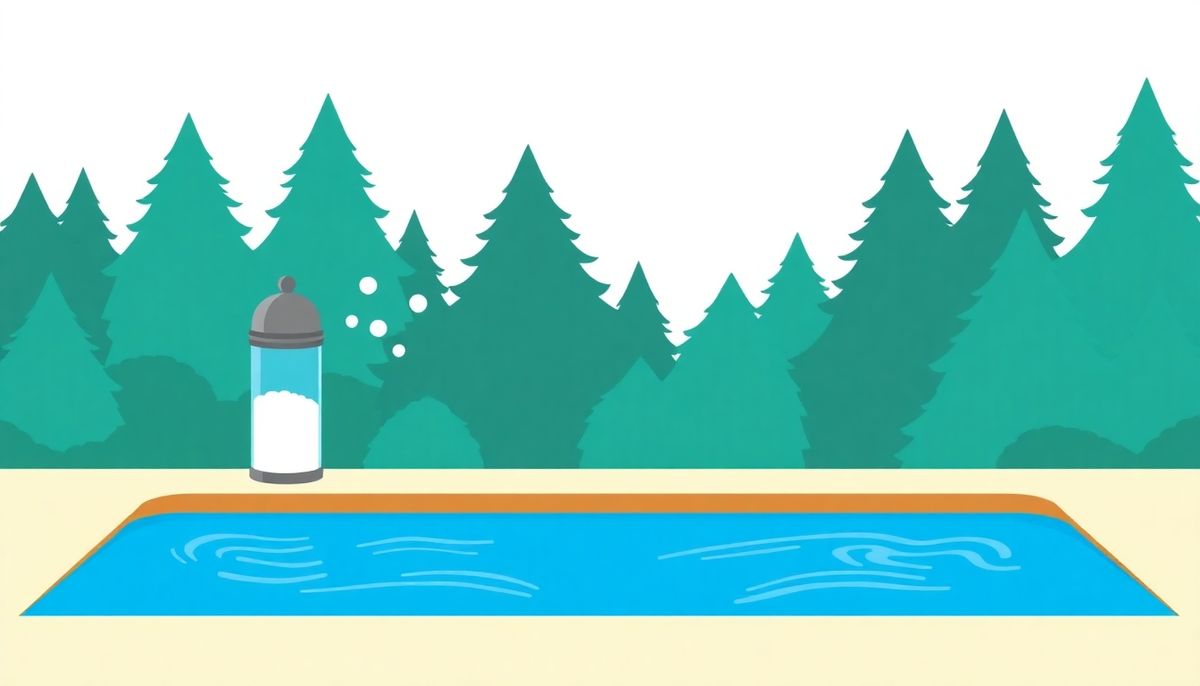
The saltwater chlorine myth
A common myth is that a saltwater pool makes chlorine a non-issue. The opposite is true. The generator turns salt into chlorine to keep the pool clean, and that process needs regular monitoring to hold the 1 to 3 ppm range. Test weekly with strips or a liquid kit, and remember that running chlorine slightly higher than a traditional pool can help, thanks to the way the generator spreads it out. Skip testing and you can get algae or a pool that isn't properly sanitized. Make the check as automatic as watering your plants and you'll avoid the green surprises.
A saltwater pool doesn't make chlorine less important; the generator just makes it for you, and you still have to check it every week.
Monitor Chlorine Production
Boost chlorine when the pool gets busy
The generator turns salt into chlorine around the clock, but you still keep an eye on that conversion to hold the right balance. Test weekly and aim for 1 to 3 ppm; if the level dips or spikes, a quick adjustment to the output sets things right. Hot weather and heavy swimming burn through chlorine faster, so don't get complacent just because saltwater is easy on skin and eyes. When you need a fast bump, most generators have a BOOST mode that ramps production up quickly, which is handy before or after a big weekend.
Adjust pH Levels
Don't forget alkalinity backs up your pH
Too-high pH makes the water uncomfortable and irritates skin and eyes; too-low pH weakens your chlorine and invites algae. Keep it between 7.2 and 7.6. When pH keeps running high, the generator is usually the reason, since it nudges pH upward as it makes chlorine. Test with a liquid kit or strips, then fix it carefully by adding muriatic acid or a pH decreaser gradually and rechecking after each dose. And don't ignore alkalinity. It buffers pH swings, so if it's off, your pH sits on a shaky foundation. Balance the two together and the water stays clear and inviting.
Test Salinity Consistently
Trust the test, not the generator's readout
Skipping the salinity test is an easy slip to avoid with steady monitoring. Check monthly, and more often after heavy rain or a big drop in water level, since those changes shift your salt when you least expect it. A digital reader gives you a precise number so the generator runs at its best. Your generator may display the current salinity, but verify it with a manual test; systems can falter and report misleading numbers, especially when salt drifts to the edges of the range. A storm once diluted my salt enough that the generator started struggling, and a quick test caught it before the water turned cloudy.
Test pH and Alkalinity
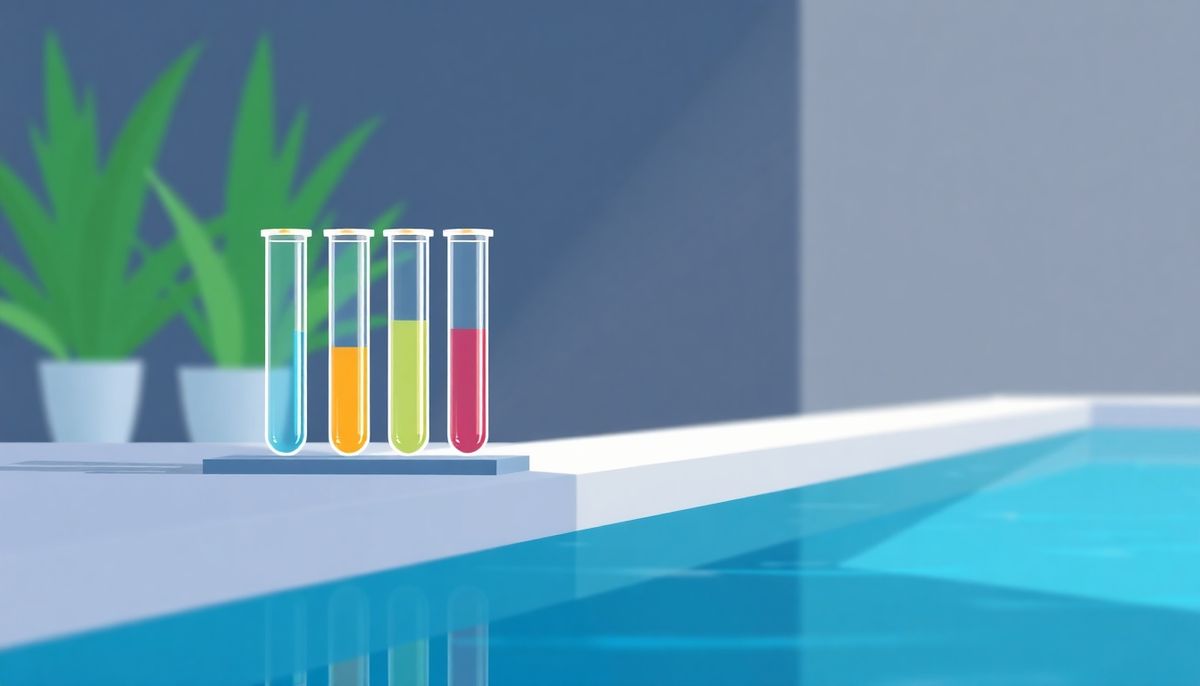
Test pH and alkalinity together
pH and alkalinity are the quiet workhorses that keep swimming comfortable and protect your equipment. Keep pH between 7.2 and 7.6 and alkalinity between 80 and 120 ppm. When alkalinity drops too low, pH can swing wildly; when it stays too high, you get ugly calcium deposits. To raise alkalinity, add baking soda; to bring a stubborn pH back down, use muriatic acid or a pH decreaser. Since the generator naturally lifts pH over time, regular checks with a kit or meter save you from scaling on tiles and mild skin irritation. Let pH climb above 8.0 and you'll notice both fast.
Balance pH Levels Weekly
Cap generator run time if pH keeps climbing
Check and adjust your pH every week with a reliable kit or digital meter. If the reading is above 7.6, a pH decreaser or a bit of muriatic acid brings it back into balance. Even a small adjustment stops calcium deposits from building and saves you from costlier repairs later. And if your pH keeps running high, look at how long your generator runs. Too much run time can make the imbalance worse, so you may need to limit it to no more than 10 hours a day.
If your pH keeps creeping up no matter what you add, cut your generator's run time to no more than 10 hours a day.
Adjust Alkalinity Carefully
Change alkalinity gradually
With fewer chemicals to fuss over, it's tempting to think there's less to track, but alkalinity does a big job by buffering sudden pH swings. When it drops too low, the water turns corrosive and damages surfaces and equipment. When it climbs too high, you get scaling and cloudy water. Aim for 80 to 120 ppm. Make any changes gradually: baking soda raises alkalinity, and a pH decreaser or muriatic acid lowers it. Shift levels too fast and you'll upset the balance you're trying to hold. Weekly testing lets you make small fixes before a slide becomes a weeks-long fight with cloudy water.
Monitor Salinity Regularly
Retest after storms and splash-out
Saltwater systems depend on precise salinity to make chlorine well, so monitoring it isn't optional. Salt gets thrown off by things outside your control, like heavy rain or splash-out from eager swimmers, both of which dilute what you carefully balanced. Pull out your digital reader for an exact number, especially at the start of the season or right after a storm. A monthly check keeps the generator running at its best and helps you avoid low chlorine production or corrosion on metal parts. It's a small, regular commitment that saves time and money down the line.
Prevent Calcium Build-Up

Keep calcium hardness in range
Calcium build-up can sneak up on even careful owners and quietly damage your salt cell and equipment. The main culprit is high calcium hardness, which starts forming deposits on the cell, surfaces, and equipment, dropping your efficiency. It's the same story as that white line around your kitchen kettle. Keep calcium hardness between 200 and 400 ppm and test regularly. If it creeps up, partly drain and refill with fresh water to dilute the minerals, and use a hose filter when topping up so you're not adding more. Cleaning the salt cell every three months helps too; a high-pressure hose usually does it, but tougher deposits may need a diluted muriatic acid solution, so follow the maker's directions closely.
Keeping calcium hardness between 200 and 400 ppm is the simplest way to stop scale from wrecking your salt cell.
Balance pH Levels Regularly
Consistency beats scrambling
Saltwater pools tend to run a higher pH because of how the generator works, and left alone that makes swimming unpleasant and scales your equipment. Check pH weekly to hold the 7.2 to 7.6 range, and if it creeps up, a pH decreaser or a bit of muriatic acid brings it back. Steady monitoring beats scrambling to fix cloudy water and itchy eyes after the fact. It also protects how long your whole system lasts, since scaling on equipment is far cheaper to prevent than to repair.
Inspect Salt Cell for Scaling
Inspect the salt cell every three months
Calcium scaling builds up on the cell over time, dragging down efficiency and setting you up for repairs. Every three months, and definitely at the start and end of the season, turn off the system and take the cell out for a close look. White, chalky deposits are calcium scaling, a common foe in saltwater pools. A high-pressure hose knocks off minor build-up, while tougher deposits need a diluted muriatic acid solution, so wear protective gear when you handle it. Then treat the cause: high calcium hardness makes scaling worse, so keep those levels in check and it won't keep coming back.
Maintain Ideal Salinity Levels
Salt is the generator's fuel
The salt in your water isn't just seasoning; it's the fuel your generator burns to make chlorine. More isn't better. Too much corrodes fixtures and damages the cell, and too little leaves the generator useless. Test regularly with a digital reader or salt strips, the way you'd check the oil in your car. Heavy rain or a pool party can dilute your levels a lot, so check after events like that, plus once a month in season, to keep the salt where the generator wants it.
Inspect and Clean Salt Cells
Clean before deposits harden
Over time, calcium deposits cut the cell's efficiency and can force a costly replacement. Check every three months, plus at the start and end of the season, and you'll keep it in top shape. Look closely for scaling; a high-pressure hose flushes minor build-up away, and a gentle soak in a diluted muriatic acid solution handles tougher deposits. Handle the acid carefully and follow your generator maker's directions. Neglect it for a whole season and you'll face a thick crust that takes hours to clean, so a few minutes now saves you real time and money later.
Inspect for Scale Build-Up
Scale costs more than clean water
Scale creeps up on you, staying hidden until it starts hurting performance. It forms when calcium deposits block the cell from making chlorine well. Work inspections into your routine: every three months, or at the start and end of the season, pull the cell and check for crusty white deposits. A strong rinse with a high-pressure hose clears the milder stuff, and a diluted muriatic acid solution handles the rest, following your generator's cleaning directions. Ignoring scale doesn't just cut your chlorine production; it raises your electricity use and shortens the generator's life.
Use High-Pressure Hose
Reach for the hose first
The salt cell is the heart of your pool's chlorine system, and calcium and other minerals pile up over time and choke its efficiency. A high-pressure hose is your first line of defense. Flushing the cell with a strong jet knocks loose stubborn deposits and keeps it working well, like giving the equipment a good rinse. Inspect it every three months, or sooner if you've noticed chlorine levels dropping. Skipping this simple step can lead to costly repairs or equipment failing early. And starting with the hose before muriatic acid cuts how much harsh chemical you have to use.
Conclusion

Taking care of a saltwater pool gets much easier once you know the basics. Stay on top of your salt, chlorine, pH, and salt cell, and the pool mostly looks after itself, giving you those easy swims you were after in the first place.
Want to become a pool maintenance expert? Our free Pool School course covers everything you need to know about pool care. From basic maintenance to advanced troubleshooting, you'll learn how to:
- Save thousands on pool repairs and chemicals
- Keep your water crystal clear year-round
- Prevent and solve common pool problems
- Master water chemistry with confidence
Join over 10,000 pool owners who have already transformed their pool care routine. Get started with our free Pool School course today!
What you need
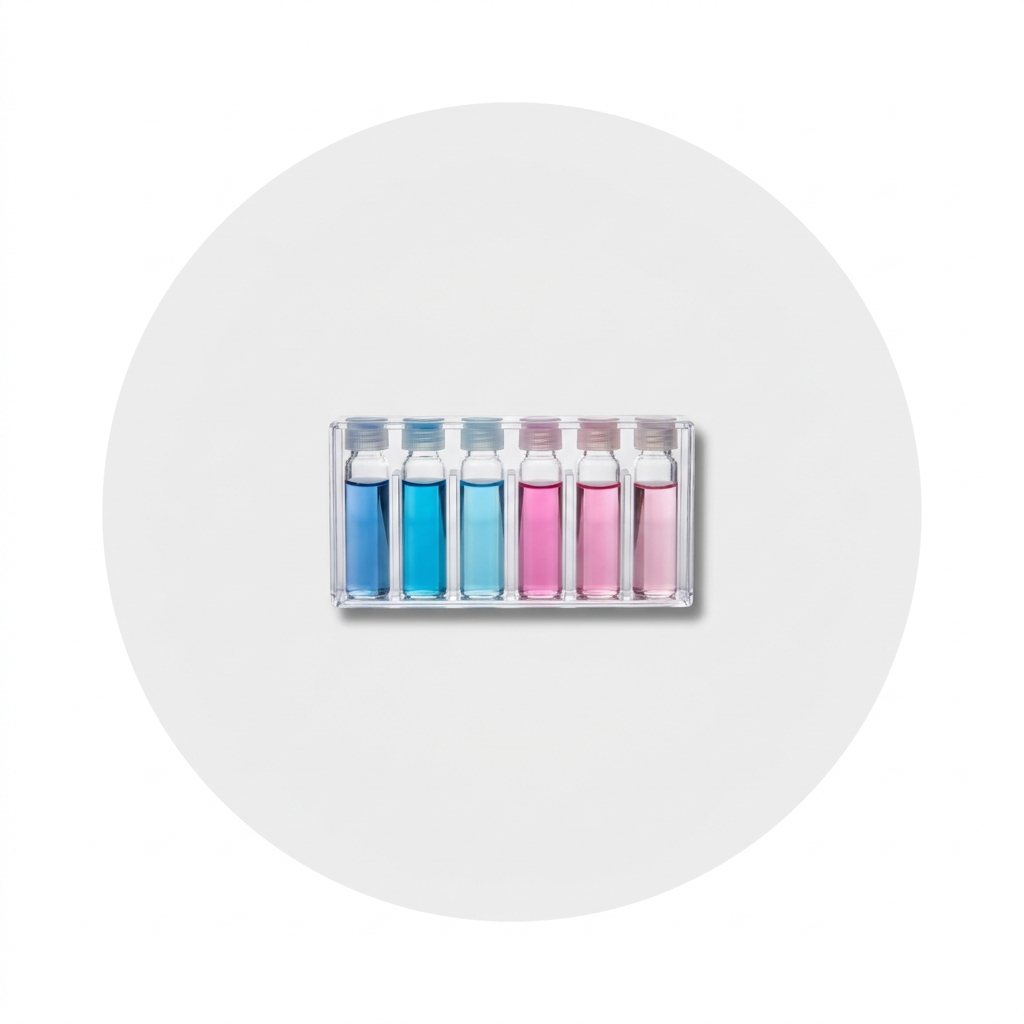
Grab a digital salinity reader, a reliable pH and chlorine test kit, baking soda, and muriatic acid or a pH decreaser so you can test weekly and adjust as you go.