



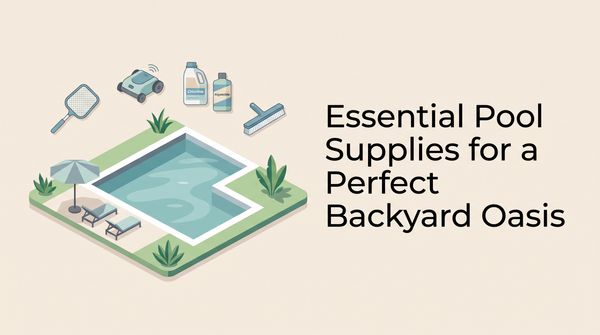
Pools have always meant relaxation and fun—a little slice of paradise a few steps from your back door. As the warm months roll in, nothing beats the sight of clear blue water calling you in for a swim. Whether you're new to this or an old hand, the right supplies turn your pool into a spot you actually love.
I once got caught mid-party with none of the cleaning tools I needed. My guests skimmed leaves with makeshift nets, and it drove home how much being prepared matters. A well-stocked pool looks better, stays safer, and lasts longer. Good filtration, automatic vacuums, gentle chemicals, a few fun inflatables—it all adds up, and the newest 2026 gear makes upkeep so much easier.
Your Action Plan
- Test your water weekly for pH, alkalinity, and chlorine.
- Balance chemicals with baking soda for alkalinity and soda ash or muriatic acid for pH.
- Skim, brush, and vacuum to clear debris and algae.
- Add an automatic or robotic cleaner to cut your weekly workload.
- Sanitize with chlorine or a lower-chlorine option, and shock when the water gets cloudy.
2026 introduces a variety of innovative products catering to every aspect of pool maintenance and enjoyment. New technologies promise easier upkeep, while eco-conscious solutions aim to minimize environmental impact. Meanwhile, novel accessories add an extra layer of fun and comfort for swimmers of all ages. The following guide is designed to help you navigate this evolving landscape, ensuring your pool remains a haven for relaxation and entertainment.
Discover Must-Have Pool Accessories
Accessories that do the work for you
Picture your pool kitted out with the best accessories of 2026. These gadgets make swimming more fun and cut the work. Solar-powered pool covers are a standout—they trap the sun's heat on their own, which lowers your energy bill and keeps the water warm after dark. A friend swears by hers; she says it cut her heating bill in half and let her swim into fall.
Robotic pool cleaners are just as handy—think of a robot vacuum, but for your pool. They roam on their own and keep debris in check, so you step into a clean pool every time. Pool alarms have improved too. Newer ones connect to your phone and alert you right away if someone climbs in or slips into the water.
Lighting has come a long way as well. LED color-changing lights turn an evening swim into something special, and floating speakers play your music as they bob across the surface. These extras make your pool a place you want to unwind.
Prioritize Essential Maintenance Tools
Start with the basics
Keeping a pool clean takes more than the odd skim, so focus on the tools that make care easy. A reliable skimmer and leaf net are your first defense against debris—attach one to a sturdy telescopic pole and you can clear leaves and bugs in minutes.
Next, a good pool brush. It looks simple, but it clears the algae and grime hiding in corners and along walls. Go for a wide brush with tough bristles that handle vinyl and concrete alike.
When you need to be precise, a manual vacuum is a great all-rounder. Automatic cleaners wander on their own, but a manual vacuum lets you target stubborn spots and awkward angles. Pair it with a durable hose and you're ready for any mess. These tools turn maintenance into a routine, and a well-kept pool is real peace of mind.
A few extra minutes of scrubbing now beats a whole weekend of deep cleaning later.
Optimize Chemical Balance
Balancing your pool's chemicals keeps the water safe and clear. pH, alkalinity, and calcium hardness each play a role, and if any drift too far, algae and bacteria move in fast.
Regular testing is your first defense. A simple test strip measures chlorine, pH, and alkalinity so you know where you stand. If a number drifts out of range, act fast. Low alkalinity, for example, causes wild pH swings. Baking soda raises alkalinity naturally and steadies things.
Calcium hardness matters too, especially for inground pools. Without enough calcium, surfaces can erode or stain. A calcium hardness increaser, used sparingly, guards against that and helps the lining last.
Enhance Pool-Care Efficiency
Let automation do the heavy lifting
Efficient pool care saves your weekends. An automatic pool cleaner turned my old Saturday chore into a quick weekly check. It quietly works while you're out, so you come home to a spotless pool.
Better testing speeds things up too. A digital test kit saves time and cuts mistakes, so I catch an imbalance before it becomes a real problem. And don't overlook a telescoping pole with swappable heads—it switches between skimming, brushing, and vacuuming in seconds. Whether it's leaves from last night's storm or a scrub of the tiles, the right head is right there.
Simplify Pool Maintenance with Essentials
Owning a pool can feel like a trade-off between fun and work, but the right basics make maintenance a breeze. Start with a water testing kit. Weekly testing keeps algae and bacteria away—test strips for convenience, digital kits for precision. Either way, you get reliable readings on pH and alkalinity.
When your pH needs a nudge, reach for baking soda. It's a cheap way to raise alkalinity, and it doubles as a tile cleaner.
For cloudy water and bad smells, shock the pool. Chlorine shock once a week or two stops unwanted growth and keeps the water clear. On busy weeks, an automatic cleaner sweeps up debris while you get on with your day. Simplifying care isn't about cutting corners—it's about having the right tools ready.
Optimize Water Testing Routine
Clear water doesn't happen on its own, and regular testing is the backbone of good pool care. Every test tells you something about your chemical balance, which keeps the water safe and pleasant.
Say you're planning a weekend party after a storm and you're worried the water's off. A solid testing routine saves you. Pick tools that fit your life—liquid kits are precise if you like the details, while strips give quick results when you're busy. I keep both: strips for weekly checks, a liquid kit for when the water seems off.
Once a week, spend a few minutes testing pH, alkalinity, and chlorine. This small habit catches problems before they turn into costly repairs or an algae bloom.
Ten minutes of testing each week is the cheapest insurance you'll ever buy against green water.
Master Pool Chemical Balancing
Get chemical balance right and you keep the water clear and help your pool last. My friend Sam learned this the hard way—he ignored his pH, and his pool turned an alarming shade of green that took weeks to sort out.
Start with test strips. They tell you the story behind your pH, alkalinity, and calcium hardness, so you can adjust precisely and avoid pricey repairs. For pH, soda ash or baking soda are simple, cheap, and effective. One weekend a fast pH drop nearly derailed my barbecue; a quick dash of soda ash and we were back on track.
Alkalinity increasers and pH balancers keep levels from swinging wildly, which can irritate skin or damage your pool surface. If you have an inground pool, don't forget calcium hardness increasers—they protect the lining for years. It seems like a lot at first, but with practice it becomes as routine as your next swim.
Enhance Cleaning Efficiency
The right tools make a huge difference against pool grime. A robotic pool cleaner is your quiet underwater helper, scrubbing the bottom, walls, and even the steps while you enjoy the afternoon. There are models for pools of every size, and they can cut your cleaning time in half.
Pair yours with a sturdy telescopic pole and a few attachments—leaf skimmers and brushes—to reach the corners a robot might miss. When our pool's nooks seemed to collect every leaf around, a quick sweep with the net made an instant difference.
And don't underestimate a manual vacuum. Automatic cleaners do the heavy lifting, but a manual vacuum gives you precision for stubborn spots and surprise messes.
Master Water Testing for Pool Health
Water testing might seem dull, but it's the secret to a healthy pool. Each week, a quick swirl of a test strip can save you from an algae and bacteria mess. My time as a pool owner changed once I started testing regularly—no more sudden green-water surprises.
Start with a reliable liquid test kit or handy salt test strips. They measure pH, alkalinity, and chlorine, giving you a snapshot of your pool's health. I skipped this during one busy month and ended up with water that looked more like a swamp.
Digital testers go further, checking for iron and copper and giving precise readings. With regular testing, you'll know exactly when to adjust so everyone gets a safe, odor-free swim.
Select Essential Pool Supplies
The pool-supply aisle can feel overwhelming, with gadgets and chemicals all fighting for your attention. Before you buy everything in sight, figure out what really matters.
The must-haves
Water testing kits come first—they're the foundation of good care. Liquid kits are the most precise, but strips get the job done fast, tracking chlorine, pH, and alkalinity.
Chemicals matter too. Baking soda is a cheap way to raise both alkalinity and pH. When chemistry drifts, soda ash and muriatic acid bring pH back in line, and keeping calcium hardness in check protects your surfaces.
Chlorine tablets are the tried-and-true way to sanitize. For a budget-friendly route, look at PoolRX—a small device that cuts chlorine use by adding sanitizing minerals to the water.
Master Pool Chemical Balance
Balancing pool chemicals is a bit like seasoning a dish—it's all about the right amounts. We've all known someone whose pool turned into a chemistry experiment gone wrong, too cloudy to see the bottom. The trick is holding the right mix of pH, alkalinity, and calcium hardness so both swimmers and surfaces stay happy.
There's something satisfying about tossing in baking soda and watching alkalinity climb. It's simple, eco-friendly, and doubles as a tile cleaner. Muriatic acid lowers alkalinity when the water gets too basic. For pH, soda ash and dedicated pH decreasers handle the fine-tuning, heading off irritation and corrosion.
Calcium hardness rarely gets attention, but it quietly helps your lining last—vinyl, fiberglass, or concrete. It's usually a once-a-year adjustment that pays off over time.
Utilize Proper Testing Tools
Clear water starts with the right testing tools. A trusted liquid test kit gives you precise readings for chlorine pools and hot tubs. When you're short on time, salt test strips give a quick read on sodium chloride levels without measuring liquids.
My neighbor loves her digital water test kit because it saves her an hour every weekend—it checks free chlorine, pH, alkalinity, and more with no fuss. Still, basic strips work just as well for the essentials like total chlorine and cyanuric acid.
Liquid or strip, the goal is the same: holding that careful balance of pH, alkalinity, and calcium hardness. A well-balanced pool is fun to swim in and protects against bacteria and algae.
Balance Pool Chemicals Effectively
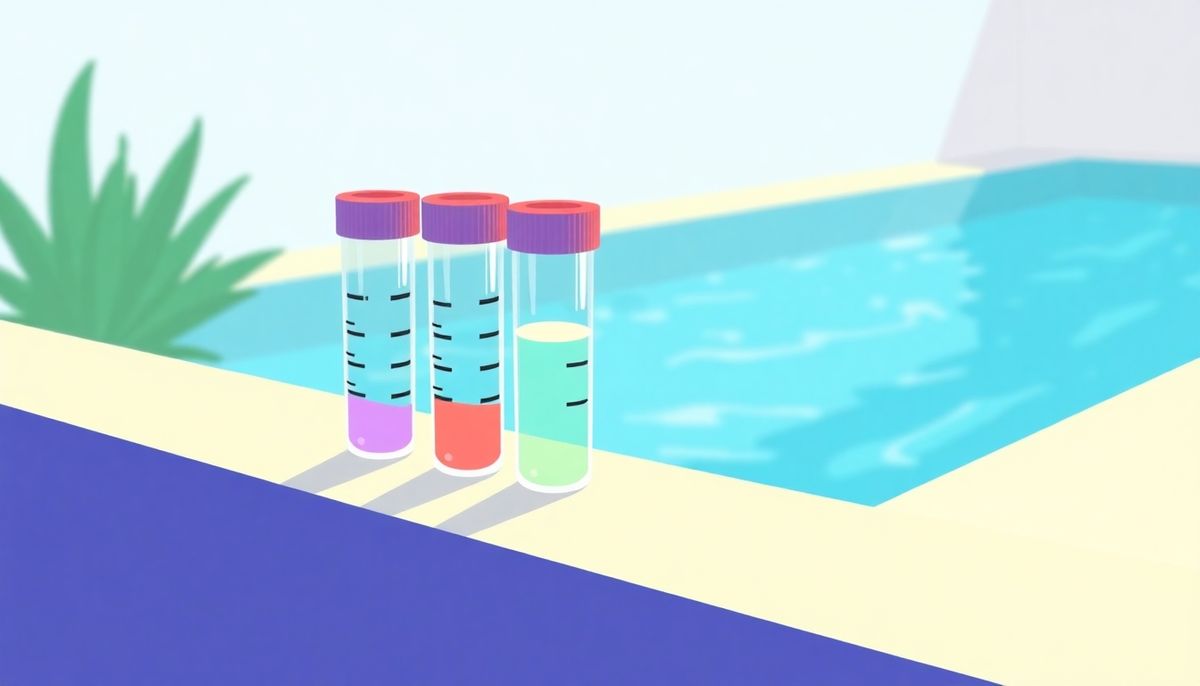
Getting chemical balance right takes care with every ingredient, and it starts with regular testing. Keeping pH, alkalinity, and calcium hardness in harmony matters for both comfort and how long your pool holds up.
Take pH. Too low and the water turns acidic, which irritates skin and damages surfaces. Too high and it gets cloudy, with scaling close behind. pH increasers like soda ash and decreasers handle this. I once had a stubborn algae problem and found my pH way off the charts—a quick adjustment, and the algae was gone.
Alkalinity buffers pH, keeping it from swinging too hard. When it drops, baking soda brings it back up. Calcium hardness gets overlooked, but it protects your lining and equipment; a once-a-year top-up works wonders.
With pool chemicals, less is almost always more—test and adjust in small steps.
Stock Essential Pool Supplies
Summer days drift by, full of sunshine and splashing. But keeping that going takes more than a good playlist. Most of us have stared at endless shelves of pool products, unsure what we need. To keep your pool clean and your wallet intact, stick to the essentials.
A reliable test kit is your first defense—regular checks keep green guests like algae away. Options run from simple strips to high-tech digital kits.
Balancing chemistry is key. Baking soda and muriatic acid manage the give-and-take between pH and alkalinity, while calcium hardness increasers protect your surfaces. And don't forget chlorine—tablets or granules, it keeps bacteria away.
After the regular upkeep comes the deeper clean. A versatile telescoping pole, a durable skimmer, and a dependable brush make a big difference. If you'd rather lounge than labor, an automatic pool cleaner is a huge help.
Test Water Regularly
Water testing is the watchdog for your backyard pool. Keeping the chemicals balanced takes precision and the right ingredients. Regular testing keeps your pool clean and safe and holds off the sneaky spread of algae and bacteria.
Every week, grab your test kit—liquid reagents or strips—and make it a ritual. It's good for your health, and it helps your surfaces and equipment last. One summer I let this slide and spent a whole weekend fighting green water. A few minutes each week is a small price to avoid that.
If you like a bit of tech, a digital kit gives quick, accurate readings on pH, chlorine, and alkalinity. Either way, watching your chemistry keeps your pool a place to relax instead of a chore to dread.
Adjust pH and Alkalinity
Balancing pH and alkalinity keeps everything running smoothly and heads off nasty surprises. If you've ever had itchy skin after a swim or watched your liner fade faster than it should, you've seen what unbalanced water does.
Alkalinity first
Alkalinity works as a buffer, steadying your pH so it doesn't swing too far—think of it as your pool's shock absorber against acidic rain or too much chemical. As we mentioned earlier, a box of baking soda is a cheap stand-in for specialized alkalinity increasers. When a friend's party was headed for murky water, a quick scoop brought the clarity right back.
Then pH
pH controls how acidic or basic the water is. Keep it between 7.2 and 7.8 and swimmers stay comfortable while your sanitizer works well. Soda ash raises pH when it dips too low; muriatic acid brings overly alkaline water back down. A small tweak with muriatic acid can take a pool from a swampy mess to sparkling overnight.
Sanitize with Chlorine Alternatives
Alternatives to chlorine
More pool owners are paying attention to the chemicals they use. Chlorine works, but it's not the only way to keep water clean. Some alternatives go easier on skin and eyes—great if you're sensitive or want a greener approach.
Take bromine. It works especially well in warm water, which makes it a favorite for hot tubs. Bromine tablets sanitize steadily and are gentler on skin and swimwear. Mineral systems use silver and copper ions to kill bacteria and check algae, and they slot into your existing setup while cutting the chemicals you need.
Non-chlorine shock is another option—these oxidizers break down contaminants without bumping up your chlorine, keeping water clear and cutting that chemical smell. It's handy after heavy rain or a big party. Saltwater systems are worth a mention too; they're technically chlorine pools, but the chlorine they make is more diluted, so the swim feels softer.
Utilize Effective Pool Cleaning Tools
Cleaning a pool can feel like a chore, but the right tools make it manageable. Start with a sturdy telescopic pole—it holds different cleaning heads and lets you reach every corner without straining.
Add a reliable leaf net skimmer and you'll spend far less time fishing out debris. Go for a deep net that holds plenty before you empty it, especially on windy days.
For stubborn algae, a durable brush is a must. Nylon bristles suit delicate surfaces like vinyl or fiberglass; stainless steel suits concrete. Brushing regularly stops buildup. Don't skip a vacuum head either—manual vacuuming takes elbow grease, but nothing beats it for spot-cleaning. And for hectic stretches, an automatic cleaner works quietly so you come home to a sparkling pool.
Optimize Chlorine Usage with Tools
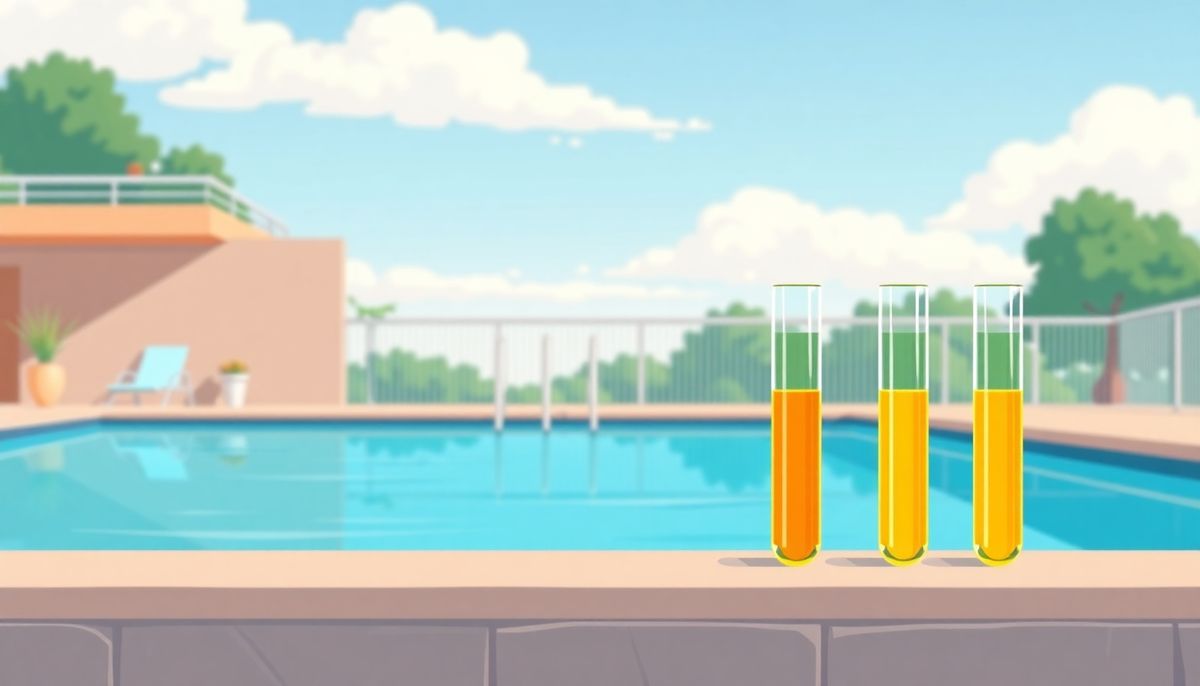
Chlorine is the workhorse of pool cleaning, and managing it well keeps your water clear without breaking the bank. Plenty of longtime owners learn the hard way, dumping in too many chemicals and watching costs climb. There's a smarter way.
Start with a reliable chlorinator. It spreads chlorine automatically, keeping the pool sanitized while wasting less. If you like automation, a smart pool monitor gives real-time updates on your levels and tells you when to adjust—like a little lifeguard on duty.
To trim chlorine use even more, PoolRX units have caught on. Drop the mineral technology into your skimmer and you keep the water sanitized with less chlorine. It saves money and softens the water for a nicer swim.
Conclusion
With a few good habits and the right tools, keeping your pool in shape doesn't have to be a headache.
Want to get even better at it? Our free Pool School course covers everything from basic maintenance to advanced troubleshooting. You'll learn how to:
- Save thousands on pool repairs and chemicals
- Keep your water crystal clear year-round
- Prevent and solve common pool problems
- Master water chemistry with confidence
Join over 10,000 pool owners who've already transformed their pool care routine. Get started with our free Pool School course today!
What you need
Grab a weekly test kit, baking soda and soda ash for balancing, chlorine or a lower-chlorine sanitizer, and a telescopic pole with a skimmer and brush to start your routine.