



Key Takeaways
- The three common inground builds are concrete (gunite), fiberglass, and vinyl liner, plus above-ground pools. Compare their installed cost, schedule, maintenance, and design limits.
- Typical installed ranges start around $3,000–$15,000 for above-ground pools and $40,000–$120,000+ for inground pools, before unusual site work or premium finishes.
- A right-sized pump, filter, and heater affects operating cost, water care, and how consistently the pool meets your needs.
- Request at least three itemized bids, verify licenses and insurance, and review recent local projects before choosing a builder.
Choose the pool type, full project scope, and equipment plan before comparing bids. This guide covers how each build fits a yard and budget, typical costs in 2026, the equipment required to operate it, and the documents to verify before hiring a builder.
What Type of Swimming Pool Is Best?
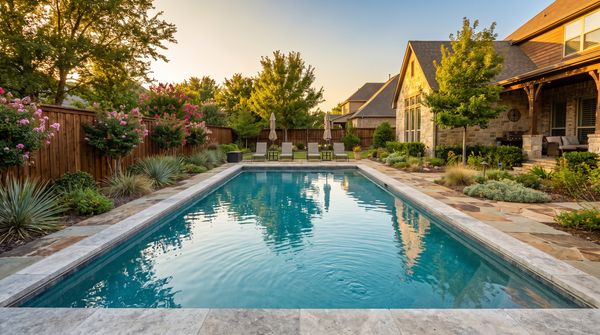
Start by choosing between an inground and above-ground pool. For an inground pool, the shell material then sets major limits on cost, schedule, shape, finishes, and long-term maintenance.
Inground vs. Above-Ground Pools
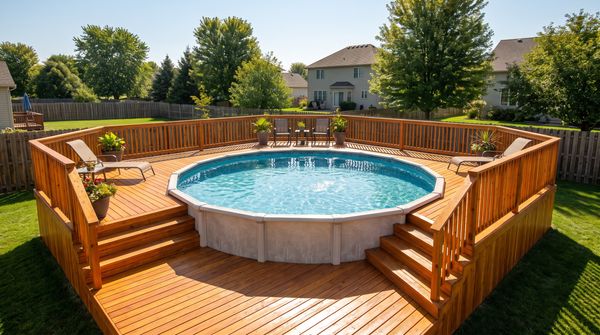
Inground pools are permanent installations with more options for depth, decking, and integrated features, but they require excavation, permits, and a larger budget. Above-ground pools usually cost less and install faster, though site preparation, electrical work, barriers, and a surrounding deck can add to the project. See the inground vs. above-ground comparison for the tradeoffs.
Concrete, Vinyl, or Fiberglass?
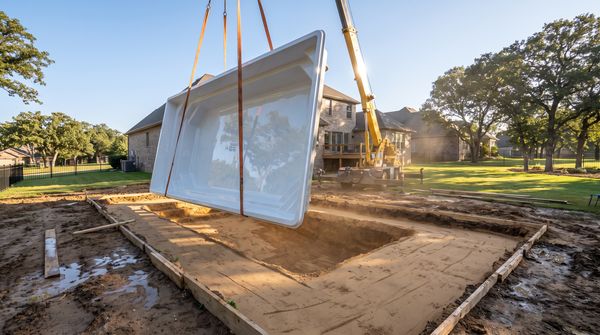
Inground pools generally use one of three shell systems:
| Build | Upfront cost | Install time | Common fit |
|---|---|---|---|
| Gunite / concrete | $60k–$120k+ | 8–16 weeks | Custom shapes, depths & integrated features |
| Fiberglass | $55k–$90k | 2–6 weeks | Shorter installation & nonporous finish |
| Vinyl liner | $40k–$65k | 4–8 weeks | Lower inground entry price |
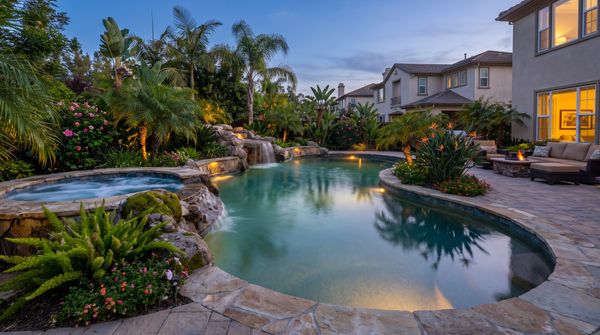
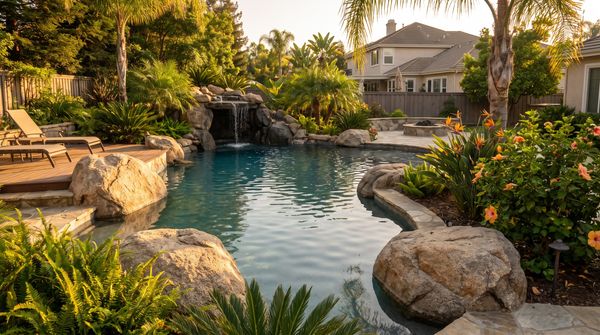
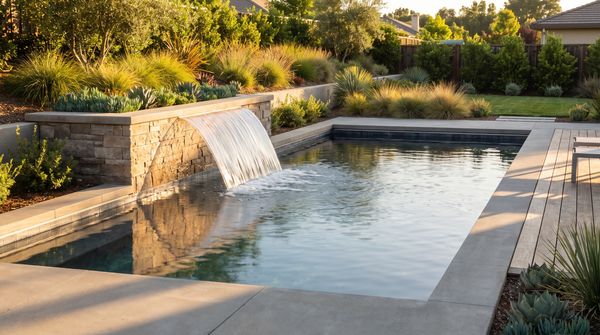
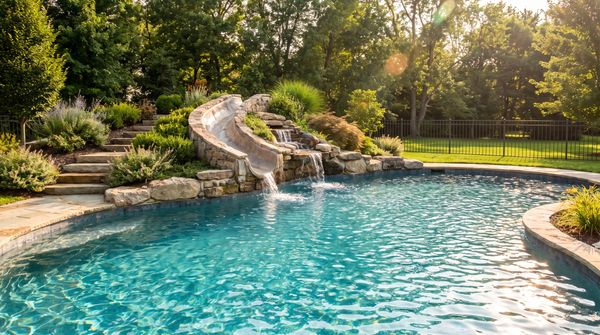
Concrete supports custom shapes, depths, vanishing edges, and integrated grottos or waterfalls, but it takes longer to build and its finish needs periodic care. Fiberglass arrives as a finished shell, which shortens site work but limits size and shape to available molds. Vinyl uses a panel structure and replaceable liner, often lowering the initial cost while adding a liner replacement every 7–10 years.
Custom vs. Pre-Fabricated
A custom pool shape tailored to a difficult lot usually points toward gunite. Prefabricated fiberglass shells and standardized vinyl panel systems limit geometry but can shorten design and installation. If a stock shell fits the yard and access route, coping, decking, and landscaping can carry much of the visual design.
How Much Does a Swimming Pool Cost?
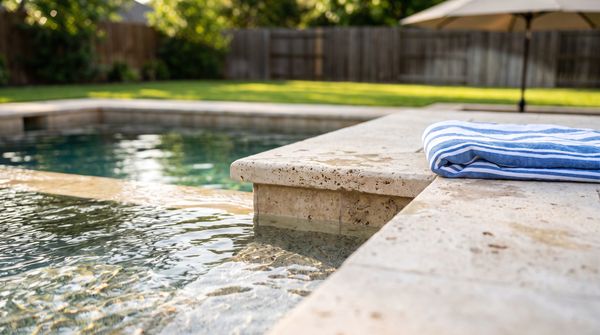
In 2026, typical installed ranges are $3,000–$15,000 for above-ground pools and $40,000–$120,000+ for inground pools, depending on shell type, size, access, soil, drainage, labor, and local permits. Confirm whether each quote includes decking, barriers, electrical and gas runs, drainage, landscaping, and yard restoration.
Use these three steps to build a complete project budget:
- Price the whole project, not only the shell. The inground pool cost guide lists common items from excavation through landscaping so you can compare bids on the same scope.
- Estimate water volume before sizing equipment. The pool volume calculator gives you the gallon figure used for pump, filter, heater, and chemical planning.
- Compare financing by total cost. The pool loan calculator shows the monthly payment and total interest for the amount, APR, and term you enter.
Budget note
A shell quote may exclude substantial work outside the waterline. Get separate allowances or bids for landscaping, decking, barriers, drainage, utility runs, and yard repair before setting the total budget.
Swimming Pool Ideas & Inspiration
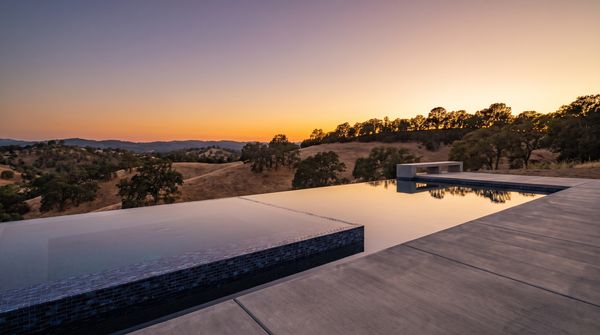
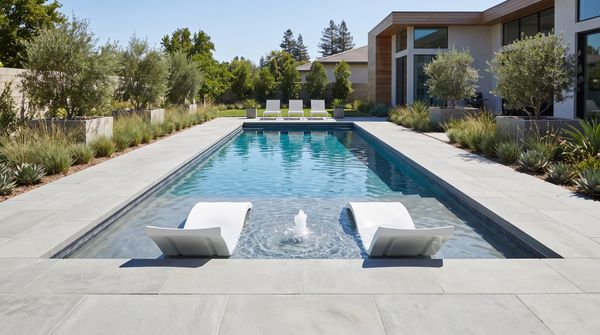
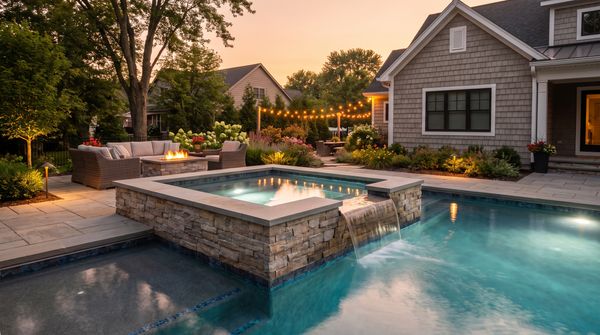
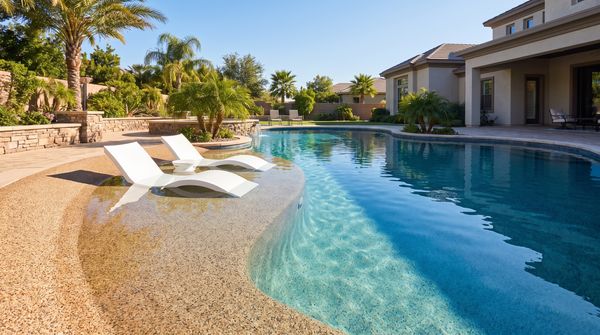
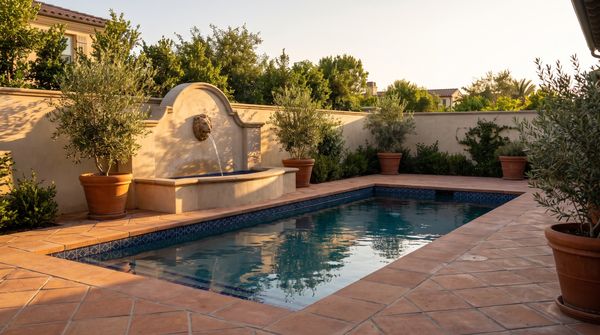
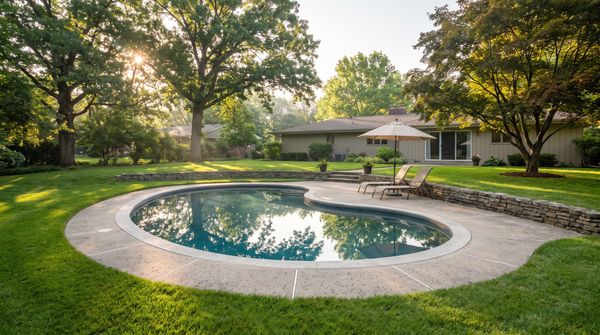
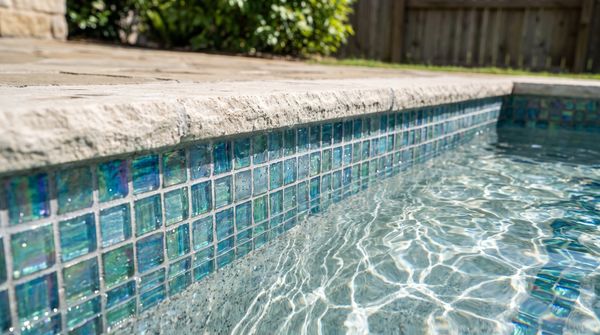
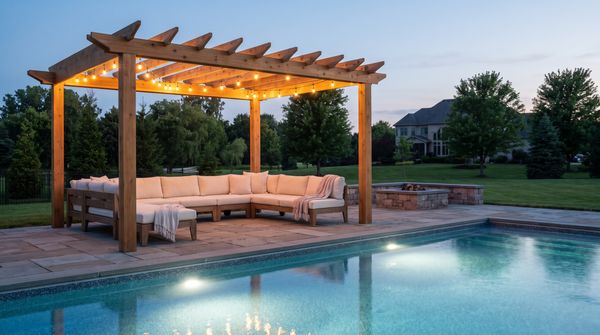
Once the build type is settled, compare layouts and finishes. Modern pool designs often use simple geometry, tanning ledges, and integrated lighting. Higher-budget pool designs may add infinity edges, glass tile, or swim-up features. Save examples from the pool design ideas library and note what you want the builder to price.
Big Ideas for Small Backyards
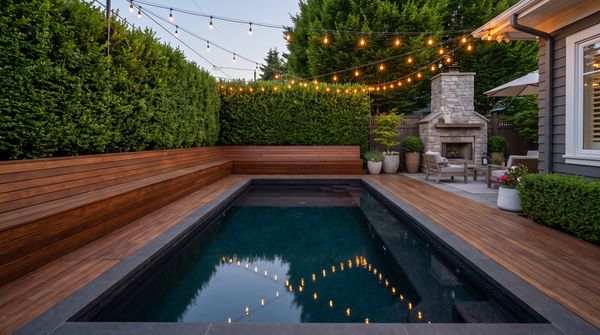
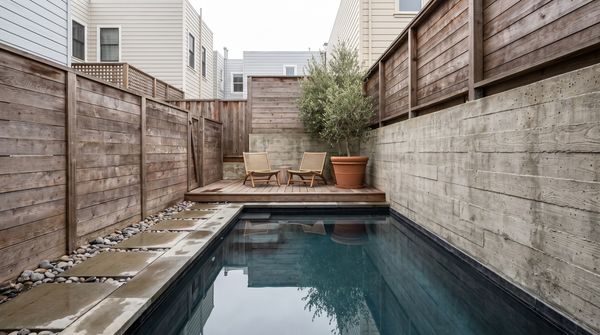
On a tight lot, small pool ideas and plunge pools prioritize cooling and seating in a compact footprint. A swim spa combines a current for stationary swimming with heated seating. Dedicated swimmers can compare lap pool layouts that run along a side or rear setback.
The Equipment Every Pool Needs
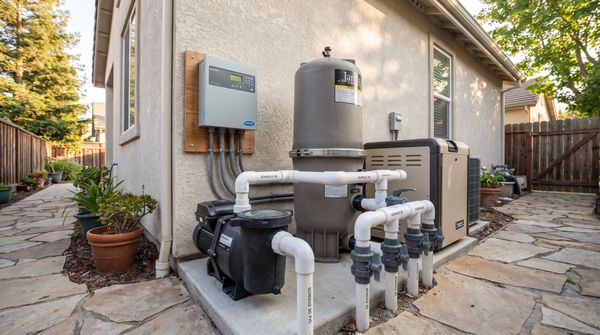
The equipment plan affects circulation, heating time, noise, energy use, and routine maintenance.
Pump & filter. A variable-speed pump can move water at lower speeds for longer periods and may reduce energy use when it is sized and programmed correctly. Use the pump run time calculator for a turnover estimate. Sand filters are straightforward and require backwashing, cartridge filters avoid backwashing, and DE filters capture finer particles but require more involved maintenance.
Heating & Cooling
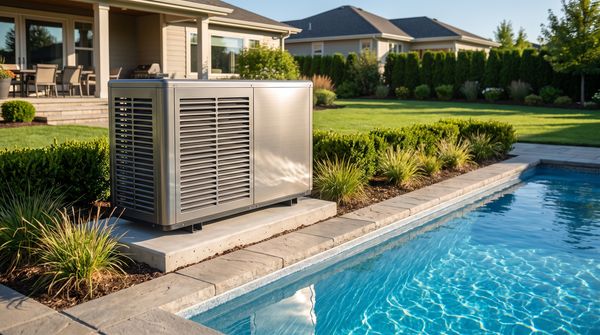
Heat pumps usually warm water gradually and suit regular use in milder weather. Gas heaters raise temperature faster and can operate in colder air, but fuel cost and gas-supply requirements matter. The pool heater guide compares capacity and operating tradeoffs, with separate options for above-ground pools.
Sanitization. Manually dosed chlorine has a low equipment cost but requires regular handling. A saltwater system generates chlorine from dissolved salt, reducing manual dosing while adding a salt cell that needs monitoring and eventual replacement. Use the salt calculator for an initial dose estimate.
Benefits of Owning a Pool
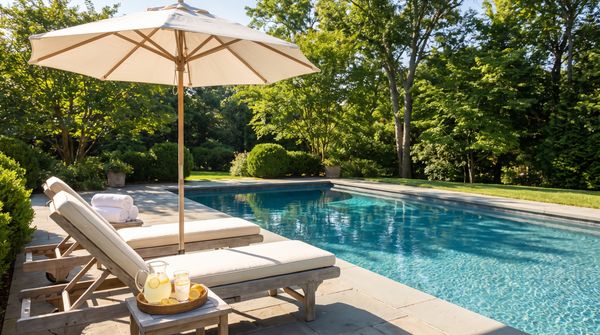
A pool can support lap swimming, low-impact water exercise, cooling off, and gatherings such as a pool party. For households with children, barriers, alarms, supervision, and clear pool rules must be part of the design. Resale impact varies by climate, neighborhood, condition, and buyer demand, so base the budget primarily on how your household will use the pool.
Choosing the Right Pool Builder
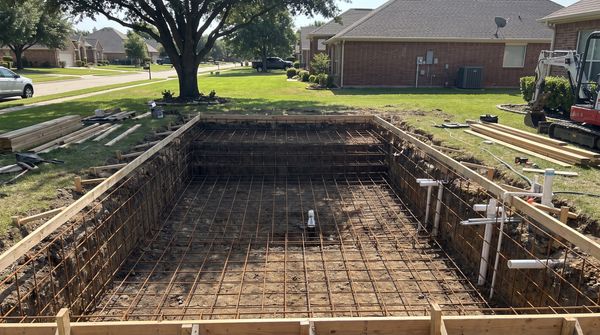
Compare builders on years in business under the same name, recent projects similar to yours, current licensing and insurance, and references you contact. Ask every bidder the same questions: who pulls permits, who supervises subcontractors, what the bid excludes, how change orders are priced, and how weather or inspection delays affect the schedule.
Bid comparison
Get at least three itemized bids based on the same scope. A lower total may exclude decking, barriers, utility work, drainage, permits, or yard repair. The pool builder finder searches local companies and displays available ratings, review counts, and contact details.
Swimming Pool Maintenance, Simplified
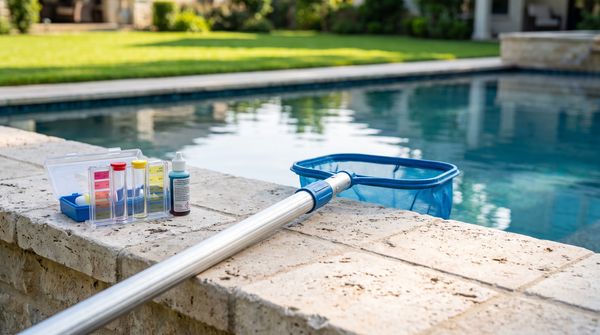
Use a repeatable schedule: skim, empty baskets, brush, test, and adjust as needed. Start with the maintenance essentials checklist, keep sanitizer and pH within the range for your pool, and use the shock calculator when a measured chlorine correction is required. The maintenance mistakes guide covers problems that can lead to staining, scale, algae, or an acid wash.
Closing for Winter
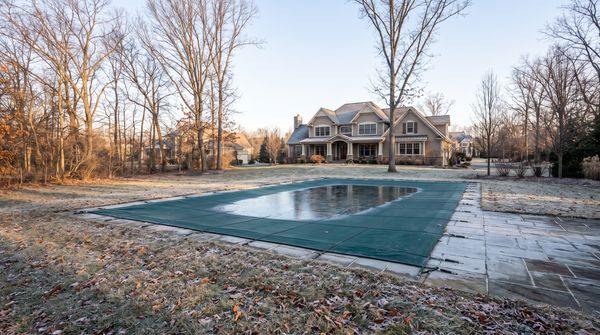
In freeze-prone climates, closing usually includes balancing the water, lowering it as required, clearing and plugging plumbing lines, protecting equipment, and securing a safety cover. Above-ground pools use a different sequence; see how to winterize an above-ground pool.
Accessories & Upgrades Worth the Money
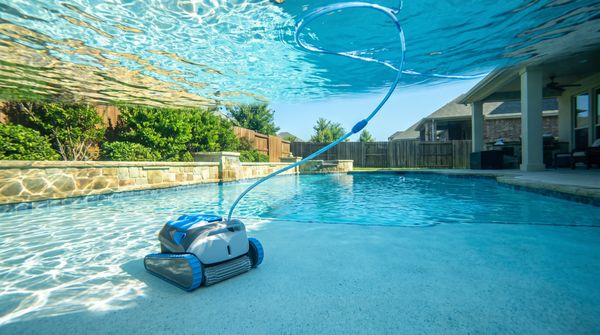
Three upgrades address recurring ownership tasks. A robotic pool cleaner can scrub the floor and, on supported models, walls and the waterline; compare models in the robot rankings and review library. An automatic cover can reduce evaporation and heat loss while limiting access when closed. Lighting extends usable hours and improves visibility around steps and entries.
Light It Right
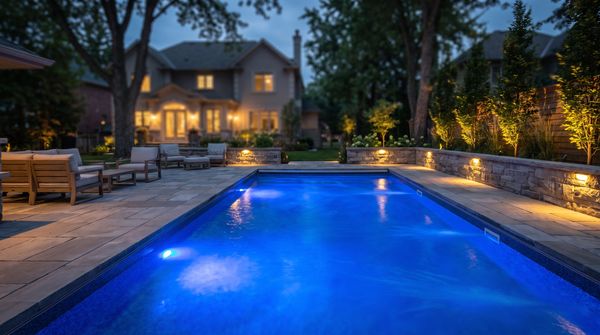
Color-capable LEDs use less power than older incandescent pool lights and offer adjustable scenes. Coordinate them with path and landscape lighting using the pool lighting ideas guide. If barriers are still being planned, compare fence designs against local height, spacing, latch, and gate requirements.
Continue with pool equipment in Reviews or use the calculators in Tools.
Pool Inspiration Gallery
6 more ideas to save — tap any photo to view full screen.

Kelly E.
Pool Design Editor, PoolPad
Kelly writes about residential pool planning, equipment, and maintenance for PoolPad, with an emphasis on measurements, operating tradeoffs, and current material costs.
Frequently Asked Questions
How much does a swimming pool cost?
How long does it take to install a swimming pool?
What is the cheapest type of pool to build?
Which type of swimming pool is best?
How much does pool maintenance cost per month?
Do swimming pools add value to your home?
How do I winterize my swimming pool?
Ready to request bids?
Compare local pool builders, review ratings and contact details, and ask each company for recent projects that match your scope.
Find a Pool Builder Near You