



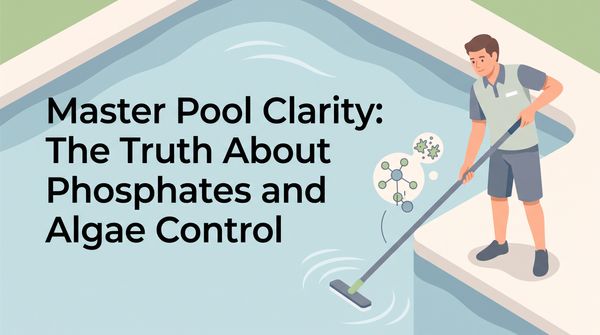
Nothing beats a clear pool on a hot day. But under that shimmer, something you can't see is shaping your water: phosphates. These compounds get ignored a lot, yet they affect your pool more than you'd expect.
In my own backyard, phosphates turned into a real headache when my once-clear pool started growing algae. It made no sense. I cleaned regularly and stuck to my chemical routine. Then a veteran pool tech pointed out my high phosphate levels, and things started to click.
Phosphates turn up everywhere, in fertilizers, detergents, even rainwater, and all of that can wash into your pool and feed algae. Algae love the stuff, and the result is cloudy water that looks bad and causes trouble if you let it slide.
In this guide I'll walk through how phosphates get into your pool, what they do to your water, and simple ways to keep them in check. By the end, you'll know enough to tell the difference between a pool that just works and one that stays clear all season.
Your Action Plan
- Test your chlorine regularly and keep it steady.
- Add a copper-free algaecide to your weekly routine.
- Shock the pool now and then to clear out organic buildup.
- Skip phosphate removers and other chemicals you don't need.
- Set reminders so testing and treatment become a habit.
Debunk Phosphate Myths
Why phosphate removers won't fix algae
Plenty of pool owners have been told phosphates are the main reason algae grows. Phosphates do feed algae, that part's true. But removing them is only one piece of a much bigger picture.
A neighbor of mine was sure phosphates were wrecking her pool. She stocked up on removers, and the algae kept coming. Things only turned around when she fixed her chlorine and started using algaecide regularly. The lesson: you don't need to wipe out phosphates, you need to fix the conditions that let algae grow.
Phosphate removers often contain lanthanum. They work, but they carry their own environmental worries, and fussing over them pulls your attention from what matters, good filtration and sanitation. Keep your chlorine balanced, use algaecide, and shock the pool on a schedule.
Algae blooms come from weak sanitizer, not from the phosphates in your water.
Challenge Misleading Claims
Here's a myth that won't quit: phosphates are the sinister force behind algae. That story leaves out most of the picture. Algae don't show up because phosphates are present. They show up when there isn't enough sanitizer to hold them back.
Chlorine is what actually does the job. It's your defense, and keeping levels up stops algae from ever getting comfortable. So before you grab a phosphate remover, remember your water's clarity comes from a strong sanitizer routine, not from erasing phosphates. That saves money and keeps you from adding chemicals you don't need.
Prioritize Effective Algae Control
Prevent algae instead of starving it
Spotting algae is a gut-punch. Your first instinct might be to reach for a phosphate remover to cut off the algae's food. Hold that thought. The trick isn't starving algae, it's stopping it from showing up at all.
That comes down to keeping the right amount of chlorine. Test and adjust it regularly, and algae never gets the chance to bloom. Algaecide is your backup, keeping new spores from settling in. Shock the pool now and then to catch anything sneaky early. Put these habits ahead of expensive removers and you'll save money and enjoy your pool.
Avoid Unnecessary Chemical Use
Adding another chemical can seem like the simplest answer. Before you grab one more product, think about the wider effect, on your budget and on your pool's balance. A lot of owners get caught up in phosphate panic and spend on removers that promise to hold off algae.
The best way to handle algae isn't to remove its food, it's to keep it from getting established. If your chlorine is where it should be and you're using algaecide, algae won't get a foothold. Steady, basic upkeep beats the newest chemical trend every time.
There's an environmental side too. Phosphate removers often contain lanthanum, which can be toxic to wildlife. Skip the extra chemicals and you're making a responsible choice for your pool and the world around it.
Prioritize Chlorine Over Removal
Chlorine does the heavy lifting
Phosphates hog the conversation, but chlorine is the one to watch. A properly chlorinated pool is a place algae simply can't survive. Keep your levels steady and high enough, and you create an environment algae hate, which leaves phosphates powerless.
Think of chlorine as prevention, not a last-minute rescue. Regular shock treatments and algaecide, backed by solid chlorine upkeep, keep unwanted growth from settling in. The first time I ran my pool this way, the difference was night and day. It stayed sparkling, and I spent less on extra chemicals. Putting chlorine first is cheaper and more sustainable over the long haul.
A well-chlorinated pool is one where algae can't gain a foothold, no matter how many phosphates are floating around.
Emphasize Chlorine for Algae Control
Used right, chlorine is an efficient weapon against algae. Keeping your levels correct sanitizes the water and makes it a place algae struggle to survive. Consistency matters, so test and adjust from time to time.
Add a trusted algaecide for an extra layer of protection. Then there's the heavy hitter, the pool shock, a big dose of chlorine that wipes out lurking contaminants, algae included.
Spending on these habits is smarter and cheaper than chasing phosphates. Phosphates feed algae, sure, but without algae present, phosphates are no real threat.
Avoid Unnecessary Phosphate Removers
The real problem is poor sanitizing
It's easy to fall for the marketing from companies selling phosphate removers, but those products probably aren't as important as you think. Phosphates act as a nutrient for algae, yet they aren't the root of the problem. Poor sanitizing is.
If your pool is well chlorinated, algae will struggle to grow, phosphates or not. Regular chlorination and the occasional shock do far more than chasing down every trace of phosphate. Add an algaecide and any sneaky spores stay in check.
Removers can create problems of their own. Many contain lanthanum, which can upset your pool's balance. And if you're already using a product to prevent metal stains, a phosphate remover can cancel it out, which means more cost and more frustration.
Maintain Effective Pool-Care Routine
Build a simple routine and stick to it
A solid pool-care routine is a lot like caring for a favorite houseplant. It does well with regular attention. Start with the basics: keep your chlorine steady so algae spores never get going.
Use a regular algaecide, and pick a copper-free type to avoid metal buildup. The goal is prevention, catching outbreaks before they start. Every so often, shock the pool to clear out lurking bacteria and organic gunk.
Piling on chemicals you don't need, like phosphate removers, can do more harm than good. Finally, make upkeep a habit. Set reminders for testing and treatment. Keep it simple but consistent, and your pool stays clean and inviting.
Discover Phosphate Origins
Where phosphates actually come from
Phosphates aren't sneaking into your pool under cover of darkness. They've had a long journey, one tied closely to the conveniences of modern homes.
In the mid-20th century, phosphates became a big part of the soap and detergent business. In the post-war years, products like Tide were celebrated for how well they handled hard water and stubborn stains. As those detergents washed through homes, phosphates ended up in wastewater and eventually in natural water bodies.
There they turned into a problem, feeding algae blooms that choke out aquatic life. In your pool, phosphates are just faint echoes of that larger story. Unlike lakes and rivers, your pool is a controlled space protected by chlorine and steady upkeep. Knowing where phosphates come from takes the mystery out of them.
Explore Phosphate Myths
Pool care can feel like wading through rumors, especially with phosphates. One of the most common myths is that they're the main villain in the algae fight. Sure, they're a food source, but blaming them alone is like blaming breadcrumbs for the birds in your yard, when those birds can find food plenty of other places.
Another myth says phosphates can mess up salt water chlorinators, but there's little evidence for that. If a chlorinator isn't working well, the cause is more likely the wrong size or poor maintenance. Next time someone tries to sell you a remover, remember that steady, routine care keeps a pool clear, not a magic potion.
Understand Environmental Impact
The environmental cost of extra chemicals
Phosphates aren't dangerous on their own, but in excess they feed algae blooms in natural water systems. Those blooms smother aquatic life by using up oxygen, a process called eutrophication that throws ecosystems off and hurts biodiversity.
Like household waste, pool water sometimes makes its way into larger bodies of water, carrying whatever chemicals went into it. If every pool owner used removers heavily, the buildup could add up, especially since these chemicals don't break down easily.
Popular phosphate removers often contain lanthanum, a rare earth element that studies suggest can be moderately toxic to freshwater life. Keeping your chlorine right and using an algaecide is a more sustainable fix, clear water with a smaller footprint.
Keeping your sanitizer balanced does more for clear water, and for the environment, than any phosphate remover.
Avoid Unnecessary Pool Treatments
Swayed by a good sales pitch, owners often think removing phosphates is the secret to beating algae. It's like sweeping up crumbs to fight ants while forgetting you need a real deterrent.
Phosphates aren't the root of the trouble. Consistent, balanced pool chemistry is. Chlorine and algaecides stop algae from settling and multiplying, which makes the nutrient levels in the water beside the point. Now and then a good shock resets the balance. Before you reach for another expensive chemical, remember the answer is proper upkeep, not chasing every new product on the shelf.
Protect Aquatic Ecosystems
Respecting the water beyond your backyard
Our water ecosystems are rich webs of life, each part depending on a fragile balance. Phosphates matter here. They're not harmful on their own, but they become a problem in excess, feeding algae blooms that block the oxygen and light lakes and rivers need.
You've probably seen a lake turn into slimy green soup in summer. That rapid growth isn't just ugly, it threatens the whole ecosystem. Fish struggle to breathe, plants suffocate, and the water turns murky.
Fixing this doesn't mean stripping every phosphate from your pool. It means keeping a healthy one. Proper chlorine and regular algaecide hold algae back without overloading local water systems. That protects your pool and does right by the wider environment.
Reduce Chemical Dependency
Fewer chemicals, better results
Pools push owners into a chemical-buying spree, driven by the fear of algae. But a clean pool comes from leaning on fewer chemicals, not more. When I first got my pool, the wall of bottles overwhelmed me. One salesperson swore I needed a phosphate remover, but simplicity and balance turned out to be my real allies.
Keeping your chlorine steady is the big one. It sanitizes the water and makes it a place algae can't grow. Regular testing keeps it where it should be, so you're not scrambling for emergency fixes. Adding an algaecide heads off algae before it takes hold, and the occasional shock breaks down the organic gunk that feeds unwanted growth. Those core habits kept my pool bright and saved me money.
Promote Natural Algaecide Use
Natural alternatives worth trying
Natural algaecides appeal not just because they work, but because they're easy on the environment. Chemical removers can add possibly toxic elements like lanthanum to your pool, while natural options are gentler.
Take barley straw. As it breaks down, it releases compounds that slow algae growth. My friend Jess swears by her floating bags of barley straw. They keep her garden pond clear without exposing her pets or local wildlife to harsh chemicals.
Enzymes from natural sources work similarly, breaking down organic matter and starving algae of the nutrients it needs. They work quietly in the background, cutting how often and how badly algae blooms without upsetting your pool's balance. Leaning on these options skips the extra cost and environmental downsides of chemical removers.
Minimize Nutrient Pollution
If you've wondered about all the phosphate paranoia in pool care, you're not alone. To really cut down on nutrient pollution, take a many-sided approach instead of fixating on phosphates alone.
Being proactive is what matters. Keeping your chlorine right and using a reliable algaecide are your first line of defense. Shocking your pool regularly clears out the contaminants that would otherwise feed algae.
I learned this the hard way. After a couple of weeks of neglect, my pool turned into a green monster. The cause wasn't phosphates, it was skipping my regular chlorine upkeep. A quick return to balanced water chemistry turned it around. Leaning too hard on removers distracts you from the fundamentals and can lead to chemical buildup you don't need.
Avoid Unnecessary Pool Chemicals

What your pool actually needs
We've all stood in the pool supply aisle, staring at a wall of chemicals that all promise crystal-clear water. Here's the secret: a lot of them aren't necessary.
Keeping your chlorine right and using a regular algaecide does far more to hold off algae than a cabinet full of additives. It's like a simple skincare routine. You wouldn't slather on ten creams if two do the job.
There's the environmental angle too. Every chemical you add has to be dealt with eventually, whether it breaks down naturally or gets caught by your filter. Overdoing it can cause problems you didn't expect. Skip the chemicals you don't need and you protect your wallet and your pool for the long run.
Focus on Effective Algae Control
Removing phosphates isn't the magic answer for algae. The secret to clear water is in methods that have always worked: steady sanitizing, preventive algaecide, and well-timed shock.
Owning a pool was overwhelming for me at first. Algae seemed to appear overnight. I was sure removers were the fix, but they just thinned my wallet. Real results came when I switched to a steady chlorine level with regular algaecide. After a thorough shock knocked out bacteria and stubborn algae clumps, the change was obvious.
Chlorine fights algae before it can take hold, algaecide stops blooms before they start, and the occasional shock clears out any leftover threats. Use those three together and you get clear, algae-free water without wasting money on phosphate removers.
Prioritize Chlorine and Algaecides
While everyone's busy chasing that one nutrient, the real champions of clear water are chlorine and algaecide. Chlorine handles sanitation, killing off harmful bacteria and keeping your water clear. A pool party can throw off your chemical balance fast, so check your levels after heavy use or a hot day.
Algaecide is the prevention side, stopping algae before it can spread. Adding it regularly is the key, though a lot of people don't realize how much it helps until they're staring down a green mess. Keep those two doing their jobs and you can stop stressing over phosphates.
Avoid Misleading Chemical Solutions
Phosphates have been the pool community's villain for a long time, but the real trouble is the misleading chemicals sold to fight them. Sellers pushing removers often skip the part where these products may be both unnecessary and a little risky.
Plenty of owners get talked into believing phosphates cause every algae problem. They pour gallons of remover into their pools and still see algae. That's a drain on your money and a concern for the environment, since many removers contain lanthanum, which can hurt aquatic life.
Spending on phosphate removers is usually a waste. Balanced pool chemistry with regular upkeep beats any quick fix. Stick to what's proven: keep your chlorine and sanitizing strong, and enjoy every clear swim.
Balanced water chemistry and regular upkeep beat any bottle promising to erase your phosphates.
Conclusion

Now that you know the truth about phosphates, you can spend less time stressing over chemicals and more time enjoying your pool. Keep your chlorine steady, add an algaecide, shock now and then, and you're set.
Want to become a pool maintenance expert? Our free Pool School course covers everything you need to know about pool care. From basic maintenance to advanced troubleshooting, you'll learn how to:
- Save thousands on pool repairs and chemicals
- Keep your water crystal clear year-round
- Prevent and solve common pool problems
- Master water chemistry with confidence
Join over 10,000 pool owners who have already transformed their pool care routine. Get started with our free Pool School course today!
What you need
Stock up on the basics that actually keep water clear: reliable chlorine, a copper-free algaecide, pool shock, and a good test kit to check your levels.