

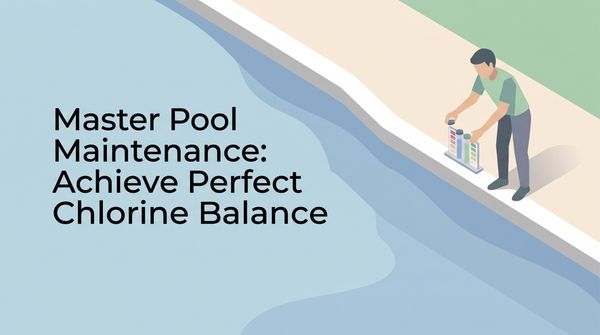
Open the gate to your backyard and that shimmering blue water looks like the perfect spot on a hot day. But before you jump in, there's an invisible job waiting: getting the chlorine right. Chlorine is the quiet workhorse of pool care, keeping your water free of harmful bacteria and algae. Without it, your pool stops being a refreshing escape and turns into a home for things you don't want to swim with.
I still remember my first summer with a pool. The spread of test strips and bottles across the deck looked like a chemistry set. A neighbor who'd owned a pool for years told me the amount of chlorine you need isn't the same for everyone. It depends on your pool's size, the water temperature, and how many people swim.
Working out the right dose feels like a lot at first, but it's a skill worth having. You're aiming for water that's clean but still easy on your skin and eyes. With a little know-how and a routine, it becomes second nature.
Your Action Plan
- Test your water weekly for pH, alkalinity, free chlorine, and CYA.
- Balance pH (7.2–7.6) and alkalinity (80–120 ppm) before anything else.
- Measure your pool's volume so you can dose accurately.
- Pick your chlorine: granules, tablets, or liquid.
- Add chlorine with the pump running, keeping free chlorine at 1–3 ppm.
- Shock the pool when levels crash or the water turns.
Determine Chlorine Needs

Start with the numbers
Figuring out what your pool needs comes down to a little math and a little watching. Start with the basics: your pool's size, the current chlorine level, and the type of chlorine you use. An average pool might need a few tablets or a measured cup of granules, but that shifts with capacity and the form you choose.
Regular testing is your best friend. Check your chlorine every week so you catch dips and spikes before they become a problem. A good test kit or strips will keep free chlorine in the 1 to 3 ppm range, with 3 ppm as your target. Heavy rain, a busy pool party, and debris can all move those levels fast.
Balance your pH and alkalinity before you touch the chlorine — it makes every dose work harder.
Choose the Right Chlorine Type
Granules, tablets, or liquid
Each type of chlorine has a job it does best. Granules give you precision. You sprinkle the exact amount over the water, so you control the dose. They're stabilized with cyanuric acid (CYA), which works like sunscreen for chlorine and keeps the sun from burning it off. That's a real plus in sunny climates.
Tablets are the easy route. These trichlor pucks drop into a floater or automatic chlorinator and release chlorine slowly. In cooler weather they keep your chlorine steady without daily fuss. The catch is they push your CYA up over time, so keep an eye on it.
Liquid chlorine is more of a quick fix. It's not as strong, but it gives a fast boost without adding CYA, since it has no stabilizer. That also means you'll need to add stabilizer separately if your pool gets a lot of sun.
Test and Balance Pool Chemistry
Test before you treat
Before you reach for the chlorine, test and balance your water. Test strips give a quick read; a liquid test kit gives you real precision. Either way, check total alkalinity, pH, and CYA for a full picture of your water's health.
If your pH is off, your chlorine has to work twice as hard to keep the water clean. An unbalanced pool burns through chlorine faster, which wastes product and can leave the water cloudy. Aim for pH between 7.2 and 7.6 and total alkalinity between 80 and 120 ppm. Once your chemistry holds steady, keep free chlorine between 1 and 3 ppm and test about once a week.
Adjust Chlorine Levels Safely
Adjust chlorine safely
Start by knowing what your pool needs. A small above-ground setup and a deep 20,000-gallon pool call for very different doses. If you like tablets, they dissolve steadily to keep the water protected, but watch your CYA so it doesn't quietly build up. Granules need a measured hand when you spread them, and liquid loses strength fast in direct sun without stabilizer.
Test your pH and alkalinity first, then add chlorine with the pump and filter running so it spreads evenly. If you overdo it, patience helps. Chlorine usually drops on its own, and fresh water or a neutralizer speeds things along.
Choose Chlorine Type

Match the chlorine to your routine
Granular chlorine, often dichlor, suits the hands-on crowd. You control the dose and it dissolves quickly across the surface. Too little does nothing; too much and you've overshot. It holds up well in sunlight thanks to its built-in CYA.
Tablets are the set-it-and-forget-it option. Drop a few trichlor tablets into a floater or chlorinator and let them work. The only downside is that they dissolve at different speeds depending on your water temp and pump flow, and they slowly raise CYA.
Liquid chlorine spreads fast and cleans hard at 10 to 12 percent concentration. With no built-in stabilizer, it fades quickly in the sun, so add your own CYA to keep it working longer.
Determine Chlorine Quantity
Know your pool's volume
Getting the dose right starts with knowing your pool's size, whether it's a small plunge pool or a big 20,000-gallon one. Volume tells you how much chlorine to add.
Then match the chlorine type to your habits: granules for manual control, tablets for convenience with a watch on CYA, and liquid for a strong but unstabilized boost. Balance pH and alkalinity first, keep free chlorine between 1 and 3 ppm, and shock if levels crash. If chlorine runs too high, stop adding it and let it fall, or add fresh water to dilute faster.
Keep free chlorine between 1 and 3 ppm — that's the range that keeps water safe without stinging your eyes.
Select Chlorine Form
Weigh convenience against control
Granules, usually dichlor, are for people who want precise control. You add them by hand, and they come already stabilized with CYA. Tablets, usually trichlor, are more hands-off; they release slowly in a floater or chlorinator, but they dissolve at their own pace and need you to watch CYA. Liquid chlorine is the uncomplicated choice: strong, no gadgets, just a steady pour, though it fades fast in the sun unless you add stabilizer. Match the form to your pool and how involved you want to be.
Test and Maintain Water Balance
Keep the balance steady
Test your water regularly. Weekends are an easy time to make it a habit. Check free chlorine, pH, alkalinity, and CYA. If your pH or alkalinity drifts, chlorine's ability to sanitize takes a serious hit.
I once couldn't figure out why my chlorine kept dropping even though I dosed on schedule. A quick test showed high pH and alkalinity. Bringing them back into range (pH 7.2 to 7.6, alkalinity 80 to 120 ppm) fixed it overnight. Big swings from heavy rain or a pool party throw things off fast, so stick to a schedule and watch CYA closely when you use stabilized chlorine.
Test Water First
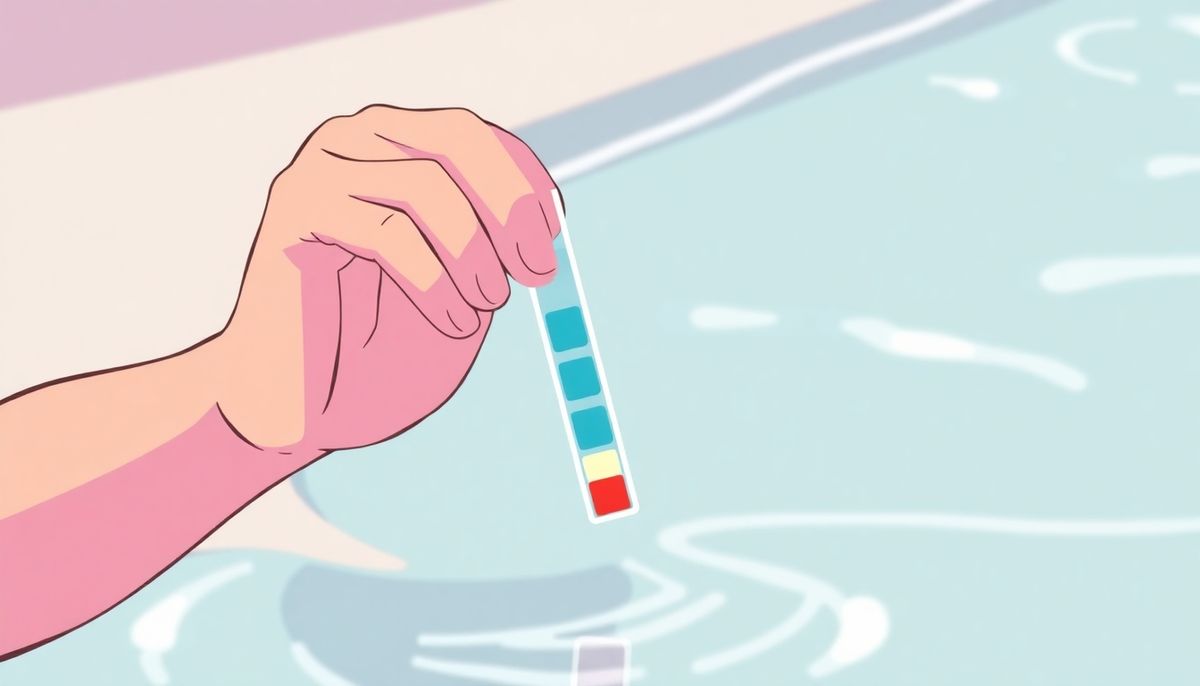
Why testing comes first
Skip testing and you're guessing at your dose, which leaves you with weak sanitation or too much chlorine. A friend of mine skipped it one summer because his pool looked clear enough. A week later, it was green.
Debris, weather, and how much the pool gets used all move your chlorine, so testing belongs in your routine, not as a one-time chore. Strips give a quick read on pH, alkalinity, and free chlorine; a liquid kit digs deeper. Knowing where you stand tells you the right dose and helps your equipment last longer.
Choose the Right Chlorine-Type
Pick by how fast you need results
Granular chlorine spreads fast across the surface for an immediate, measured bump, and its CYA keeps it protected from the sun. Tablets dissolve slowly for a steady release — convenient, but keep an eye on the CYA they add. Liquid chlorine is the quick fix when levels drop; it's less strong and unstabilized, so pair it with CYA. Each has its own rhythm, so let your pool and how often you tend it guide the choice.
Test and Balance Pool Water
Set the stage, then dose
Test your water regularly with strips or a liquid kit, checking chlorine along with pH, alkalinity, and the rest. Get pH and alkalinity in line first, because that's what lets your chlorine actually work. Then, once you know your pool's volume, add the right amount with the pump and filter running so the water circulates and dissolves the chlorine evenly.
Maintain Ideal Chlorine Levels
Hold your levels through the season
Aim for free chlorine between 1 and 3 ppm. Debris, rain, and strong sun can push those levels around when you least expect it, which is why weekly testing keeps you consistent. Read your water with strips or a liquid kit, then adjust: granules for precision, tablets for convenience, liquid for speed. Balance pH and alkalinity before dosing to make the chlorine far more effective, and shock the pool if levels keep falling short.
Balance Chemical Levels
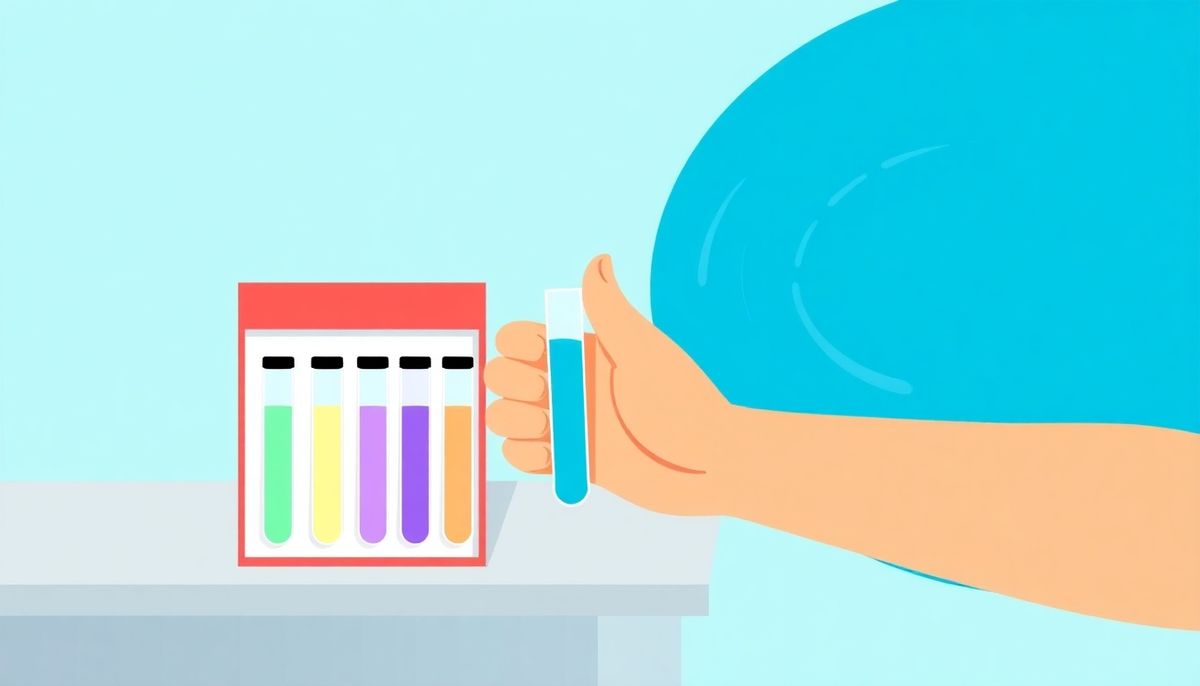
Get the supporting numbers right
Chlorine leans on your other numbers to do its job. Start with pH and alkalinity. Keep pH between 7.2 and 7.8; too high or too low and chlorine loses its edge. Alkalinity should sit between 80 and 120 ppm so pH doesn't swing around.
With those confirmed, test free and total chlorine to see how much is actively fighting contaminants. If your chlorine wobbles no matter what you do, check your CYA.
Too much CYA acts like a blanket on your chlorine — it protects it from the sun but slows it down, so keep stabilized products in check.
Determine Chlorine Type
One more look at the three forms
Granules are the hands-on choice if you like a direct say in your chemistry, and they come stabilized. Tablets are the convenient pick; drop them in a floater or feeder and relax, but remember they dissolve unpredictably and raise CYA over time. Liquid chlorine is the no-fuss, strong option that needs a little CYA so the sun doesn't sap it. Shape your routine around whichever fits your life.
Test and Adjust Pool pH
Fix pH first
pH shapes how well your chlorine works. Ignore it and you get cloudy water and stinging eyes no matter how much chlorine you add. I learned that the hard way. Test with strips or a liquid kit and aim for 7.2 to 7.6. Below that range, chlorine burns off too fast; above it, you get scaling and weak sanitation.
Once pH is in line, make gradual changes with pH increaser or decreaser, a little at a time so you don't overshoot. Watch total alkalinity too, since it buffers against sharp pH swings and saves you a lot of headaches.
Implement Chlorine Dosing Strategy
Build a simple dosing routine
Start with what your pool needs: its volume, the usual number of swimmers, and how much sun it gets. That tells you whether granules, tablets, or liquid suits you best. Granules let you sprinkle just the right amount; tablets are hands-off but can build CYA; liquid is simple and strong but won't hold up in the sun without help.
Test weekly to keep free chlorine between 1 and 3 ppm, adjust pH and alkalinity before dosing, and run the pump so the chemical spreads evenly. If levels keep bottoming out or spiking, shock the pool to reset the chemistry.
Shock Your Pool Safely
How to shock your pool
When your chlorine won't hold steady, shocking resets the water. First, balance your pH, since chlorine works best between 7.2 and 7.6. Then figure out how much shock you need based on your pool's volume and current chlorine level. A 20,000-gallon pool sitting at zero free chlorine might need around 2 pounds of shock for a solid boost.
Dissolve granular shock in a bucket of water first, and never pour it straight into the pool. Pre-mixing keeps the granules from settling on the floor and staining or damaging surfaces. With the pump running, spread the solution across the water.
Shock in the evening so it works overnight instead of burning off in the sun.
Determine Chlorine Requirements
Measure, then fine-tune
Start by measuring your pool's volume so you can hold that 1 to 3 ppm range. Then pick your form: granules for precise dosing, tablets for convenience in a dispenser, liquid for a quick if less concentrated boost that needs stabilizing in the sun.
Regular testing matters more than anything. A strip or liquid kit shows you pH, alkalinity, and CYA, not just chlorine, and balancing those makes your chlorine work more efficiently. Watch for rain, more swimmers, and sunlight, which can shift levels fast. If chlorine drops out of nowhere, it may be time to shock.
When I first started, granules were my go-to. I could tweak the dose week to week based on how busy our pool gatherings were, and being stabilized, they held up under strong sun. Tablets saved me during busy weeks; dropping them in a floater meant less hands-on work, as long as I watched the CYA. And when I needed an instant fix after heavy rain or a party, liquid chlorine did the job, though I'd add CYA to keep it working in the sun. The right chlorine really comes down to how hands-on you want to be and what your pool needs.
Conclusion
Getting your pool chemistry right takes a little practice, but once you find your rhythm, keeping the water clear becomes second nature.
Want to go deeper? Our free Pool School course covers everything about pool care, from basic maintenance to advanced troubleshooting. You'll learn how to:
- Save thousands on repairs and chemicals
- Keep your water clear year-round
- Prevent and solve common problems
- Handle water chemistry with confidence
Over 10,000 pool owners have already used it to reshape their routine. Get started with our free Pool School course today!
What you need
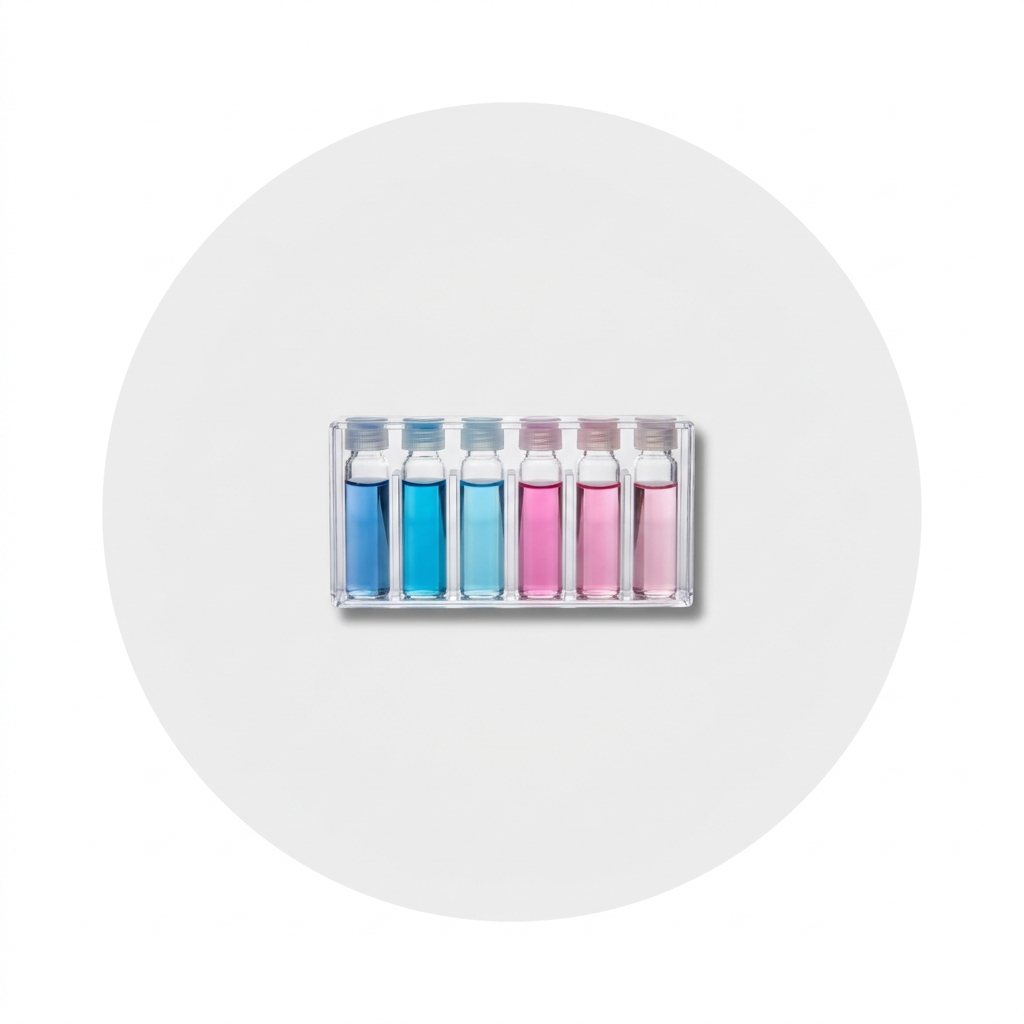
Grab a reliable test kit or strips, your chlorine of choice (granules, trichlor tablets, or liquid), a stabilizer if your pool sees a lot of sun, and pool shock for a reset. Test first, then dose.