






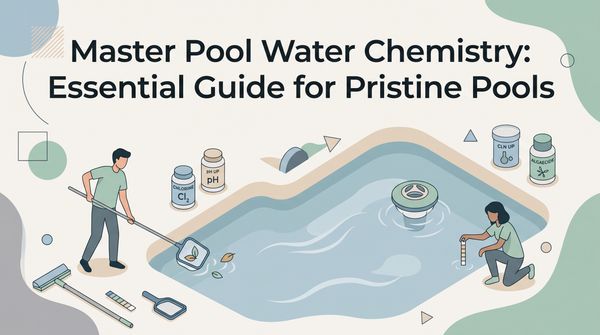
On a warm summer afternoon, a sparkling pool can be the heart of your backyard. Whether you're hosting a barbecue or lounging with a good book, those moments are best when your pool is in great shape. But keeping that inviting blue water safe takes more than a quick glance. You need to understand pool chemistry, which trips up a lot of new owners.
Growing up, I watched my dad test our pool water like it was some kind of mystery, measuring and adjusting chemicals with care. It looked complicated, but it clearly mattered. Years later, when pool care became my job, I learned that behind all that fuss is a simple science anyone can pick up. It's not just about clear water. Good testing keeps swimmers healthy, extends the life of your equipment, and helps you avoid expensive repairs.
This guide breaks pool water testing into steps you can handle, from pH and chlorine to reading test strip results. Whether you've owned a pool for years or you're brand new to it, this will change how you see your water.
Your Action Plan
- Take a sample from the center of your pool, away from jets and skimmers.
- Test pH, chlorine, alkalinity, and calcium hardness every week.
- Check monthly for metals like copper and iron, plus salt in saltwater pools.
- Balance your chemistry: pH 7.2-7.6, alkalinity 80-120 ppm, chlorine 1-3 ppm.
- Add a metal sequestrant and clean your filter to prevent stains and cloudy water.
- Get a professional store test once a month to confirm your readings.
Master Pool Water Testing
Crystal-clear water starts with a solid testing routine. It's not just about avoiding murky water or ugly stains. It's about giving you and your guests a safe place to swim.
There's more to testing than chlorine and pH. Watch the hidden issues too: phosphates, which feed algae, and metals like copper and iron, which stain and damage surfaces. Each one affects your pool's health, and knowing their levels can save you costly repairs.
Weekly checks for pH and sanitizer, plus monthly checks for metals, turn maintenance into something you stay ahead of instead of scramble to fix. A friend of mine skipped his routine once and spent a whole summer fighting algae blooms. With the right tools on hand, keeping everything balanced might be the easiest part of your day.
Weekly pH and chlorine checks plus a monthly metal test keep small problems from turning into a whole summer of algae.
Conduct Comprehensive Chemical Testing
Full chemical testing sounds complicated, but it's easier than you'd think. Beyond chlorine and pH, a complete check looks at phosphates, heavy metals, and calcium. Each affects how your pool looks and how safe it is to swim in.
When I started, I leaned on my local pool store. One visit taught me that copper was quietly damaging my liner, turning it greenish in spots. The source was my well water, full of minerals. Knowing what's in your water before it hits the pool saves a lot of trouble.
Take a sample from the middle of your pool, away from jets and skimmers, then use test strips or a liquid kit for the full story. Check every couple of weeks during heavy use and you'll stay ahead of any problems.
Prevent Contaminant-Induced Damage
A pool shimmering in the sun can hide a lot. Copper, iron, and calcium don't just dull the sparkle, they cause lasting damage, staining liners and clogging filters with mineral buildup. Repairs like that get expensive, so heading them off is the smart move.
Most owners check pH and chlorine, but adding tests for metals and hardness makes a real difference. A friend caught copper creeping in through her plumbing early, before it turned her pool green, and saved herself a costly fix.
Metal sequestrants stop staining, balancing your pH cuts the corrosion that releases copper and iron, and watching calcium keeps surfaces smooth and equipment running well. Build these habits into your routine and you protect both your pool's looks and its lifespan.
Optimize Pool Maintenance Routines
Keeping a pool in top shape is a bit like tending a garden. It takes steady attention and a plan. Set up a regular maintenance schedule, a standing weekly date with your pool, so you catch problems before they turn into pricey headaches. A calendar alert or a note on the fridge keeps you consistent.
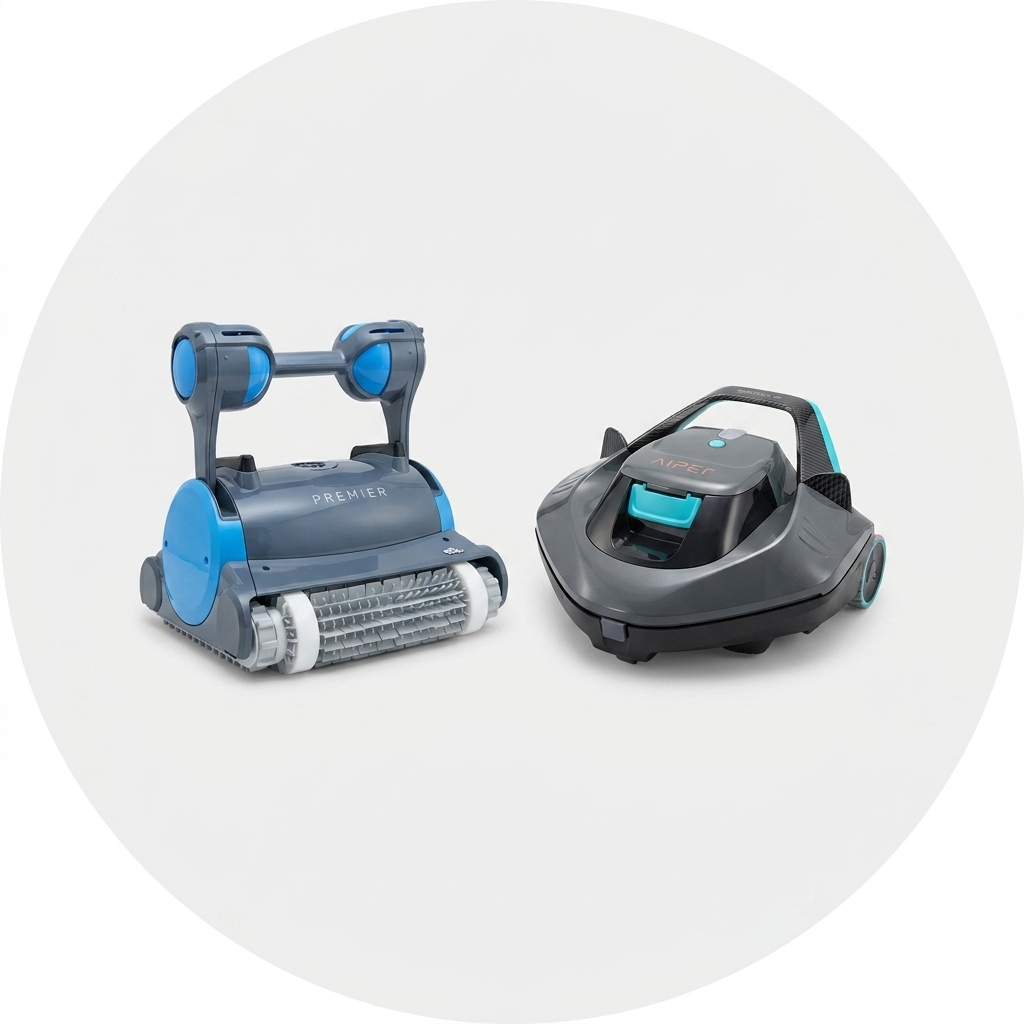
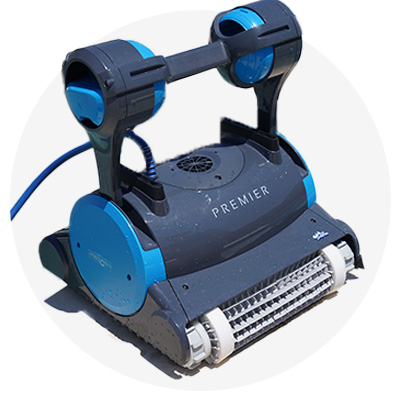
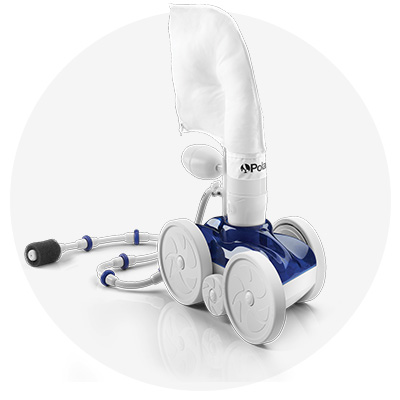
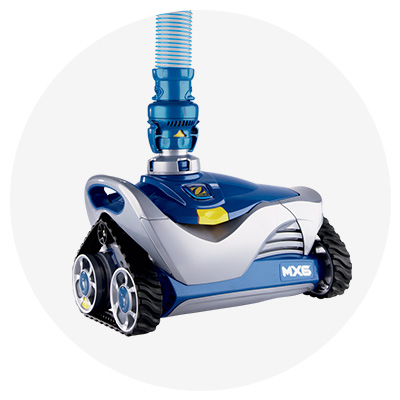
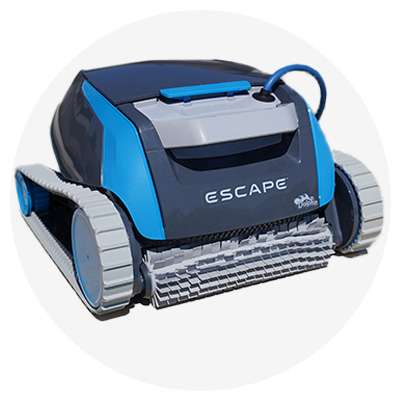
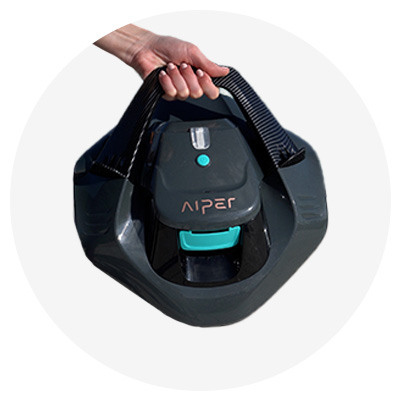
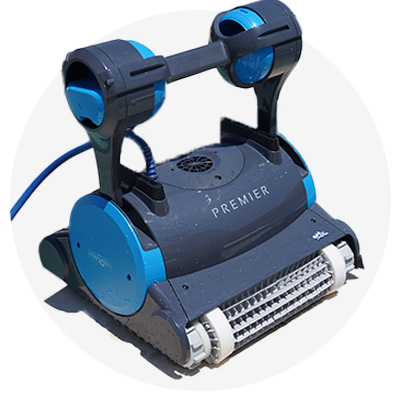
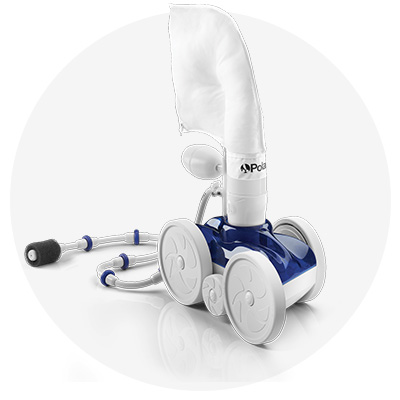
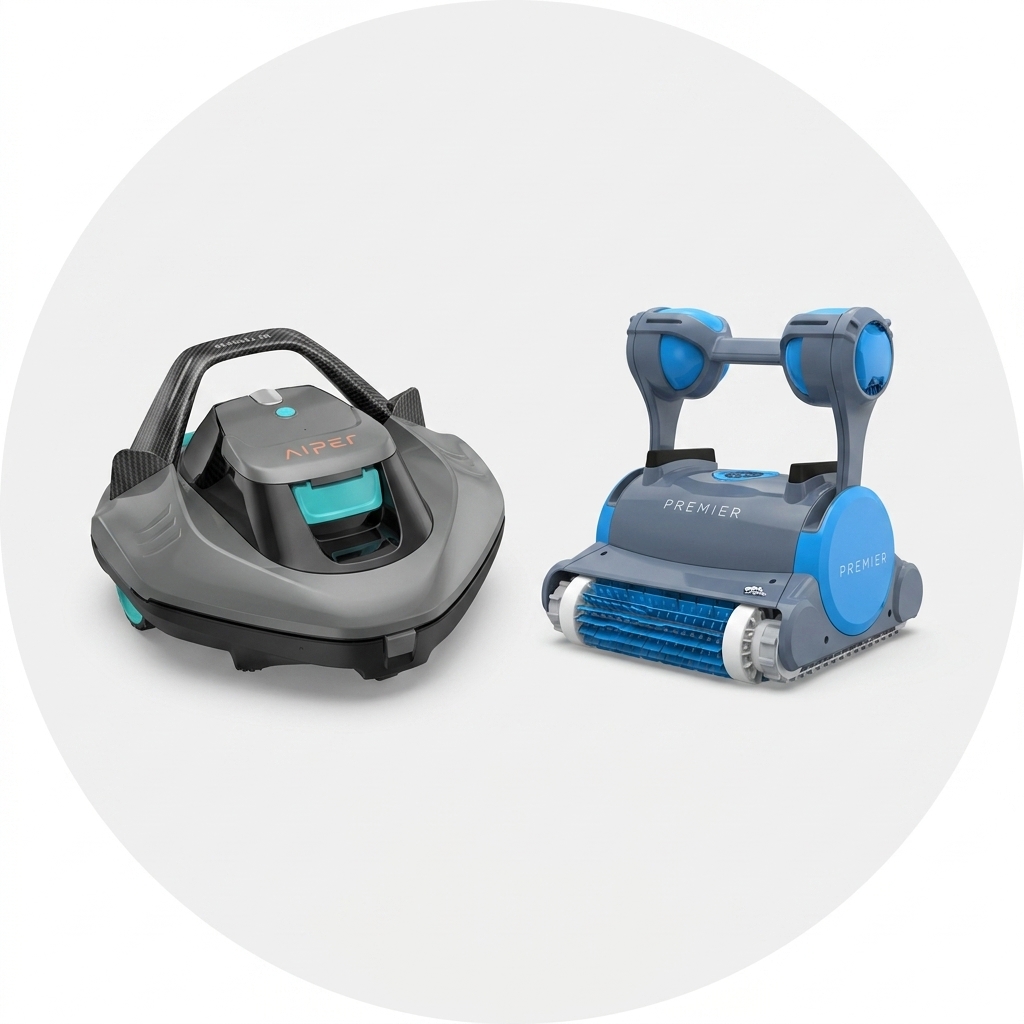
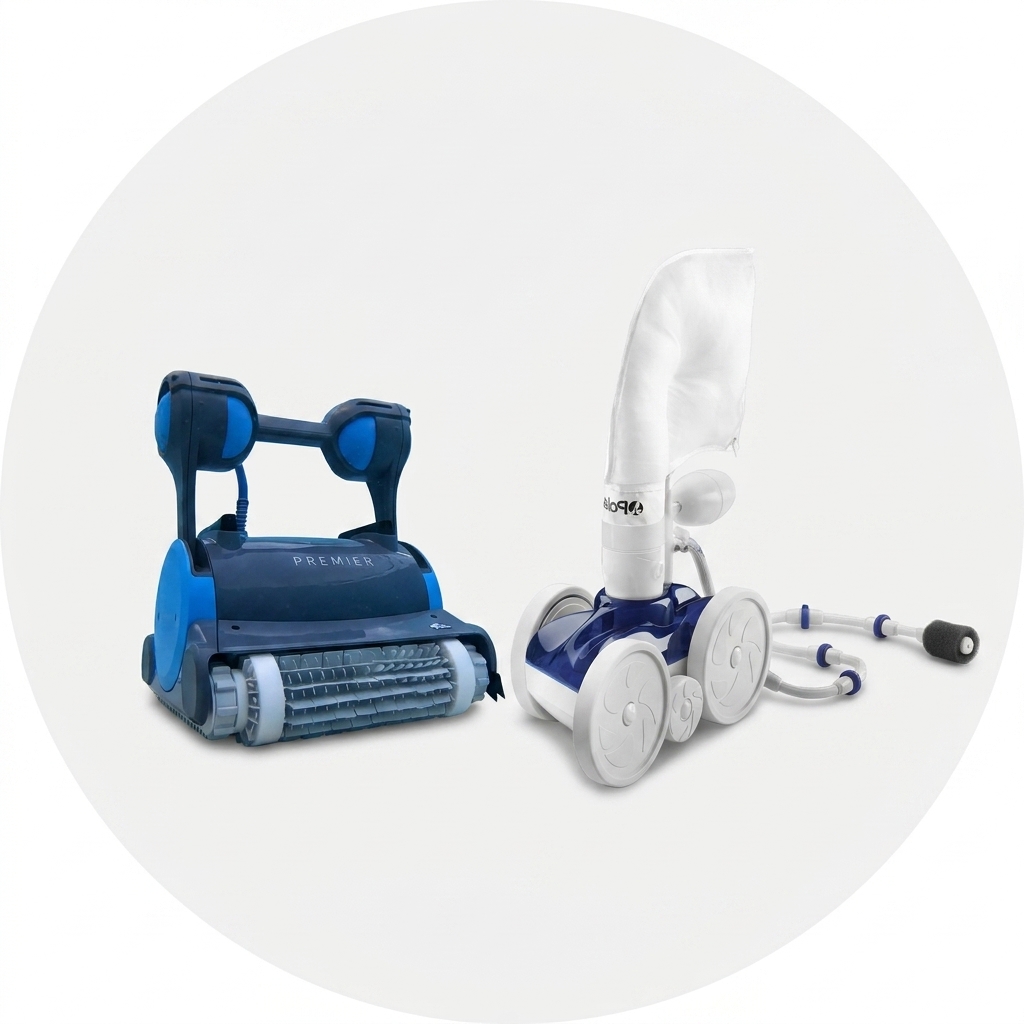
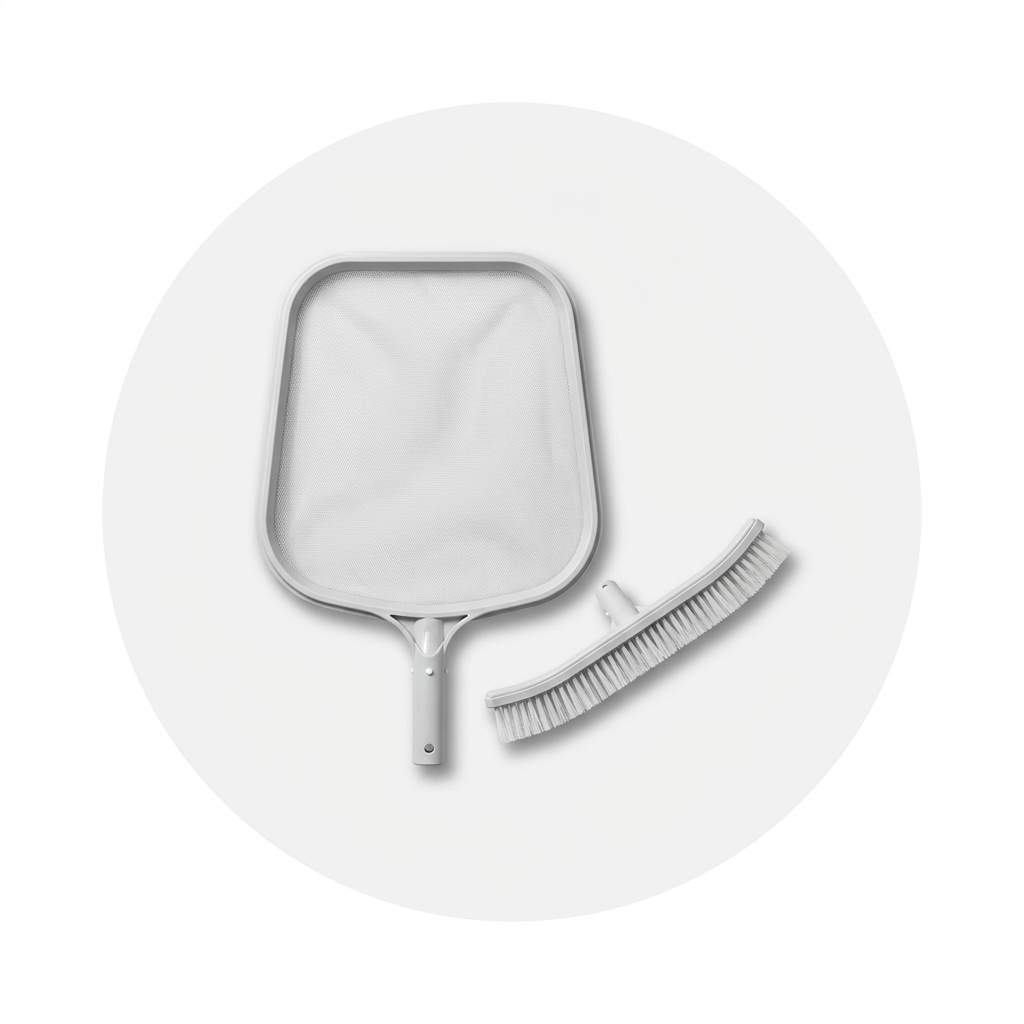
Start each session by skimming debris off the surface, then brush the walls and floor to keep algae from taking hold. A good pool vacuum, especially an automatic one, handles the heavy lifting while you focus on testing and balancing your water.
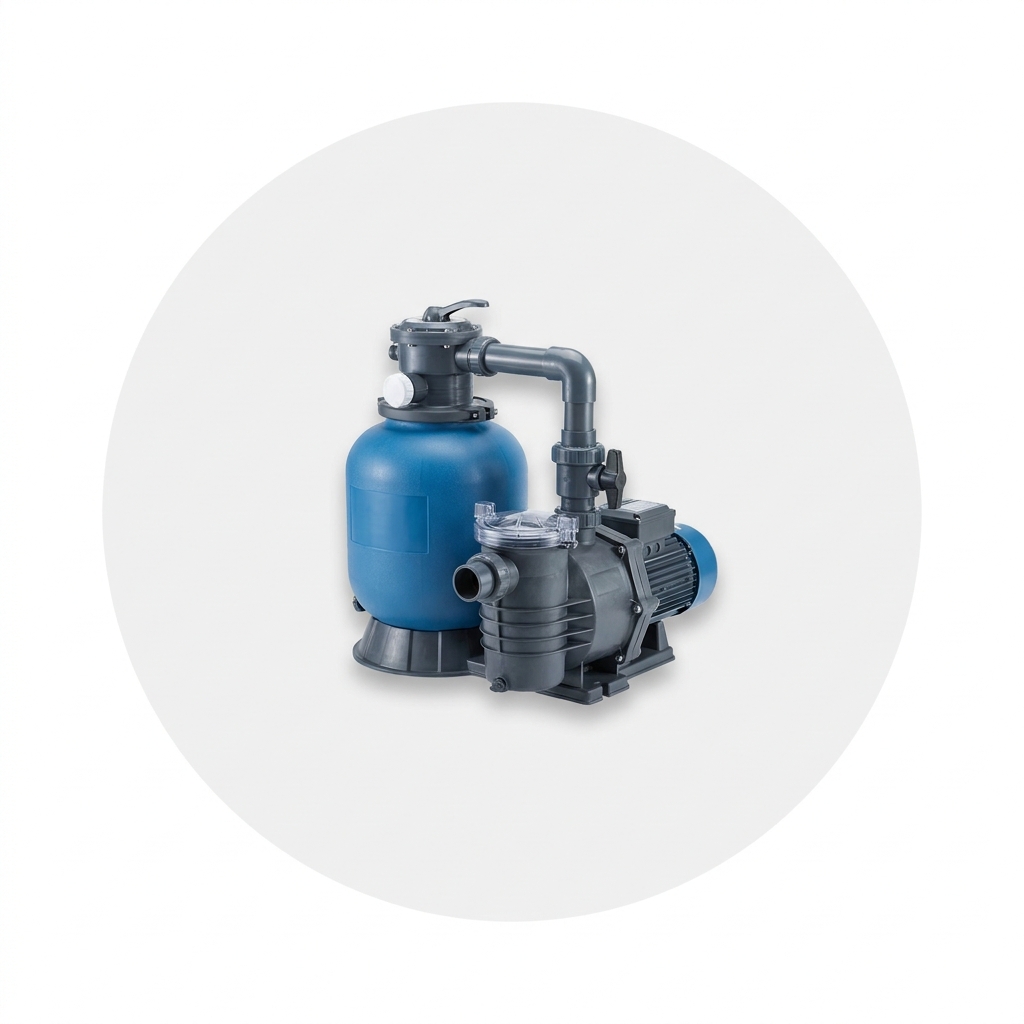
Don't forget your filter. Check the pressure each week and clean or backwash when it's needed, since a clogged filter turns clear water cloudy fast. And get your family or housemates involved. Handing out tasks turns pool care into a shared job instead of a chore.
Detect Contaminants in Water
Water hides things beneath its clear surface, so it pays to keep a close watch on what's down there. Plenty of owners focus only on chlorine and pH, and skipping the other contaminants leads to nasty surprises.
Metals you can't see
Copper and iron may be invisible at first, then discolor your water and surfaces. Last summer a friend noticed his pool losing its shine. Tests turned up too much copper from his tap water, built up as the water evaporated. Because he caught it early, some sequestrant and regular testing were all he needed to avoid a bigger mess.
Calcium and salt
Calcium that's out of balance causes scaling or etching, both costly to fix if you let them slide. Regular calcium tests protect your surfaces and your pool's lifespan. In saltwater pools, salt is the backbone of chlorine production. Too little or too much strains the chlorinator, so a monthly salt check, especially after heavy rain or topping off the water, keeps your chemistry in line.
Conduct Comprehensive Water Testing
If you want top-shape water, thorough testing is a step you can't skip. Many owners nail the basics but miss what's under the surface: phosphates, salt levels, and metals like copper and iron that slip by until they cause real trouble.
I learned this the hard way when my pool developed ugly stains out of nowhere. A trip to the store turned up high copper as the cause. Accurate results start with a good sample. Stay away from the skimmer and return jets, and collect from the center of the pool where the water mixes well. From there, pick your method, strips for ease or liquid kits for precision, and keep an eye on those less obvious readings.
Utilize Effective Testing Tools
Good testing tools are what keep your water clean, and these days you're not stuck with the old methods.
Digital, liquid, and specialty tests
Digital testers give you precise readings for chlorine, pH, and other essentials with almost no guesswork, an instant answer instead of squinting at colored strips. If you like a hands-on approach, liquid kits are still dependable, using phenol red for pH and orthotolidine for chlorine, so you get a real feel for how your pool is doing. And don't overlook specialty strips for phosphates or heavy metals, so your pool isn't just clear but truly clean.
Implement Contaminant-Prevention Strategies
Keeping your pool a safe retreat takes more than testing. It also means real prevention habits, and dealing with problems fast saves both time and money on repairs.
Watch your pool's surroundings. Leaves, dirt, and twigs bring unwanted phosphates and metals into the water, so skim daily and keep the deck clean. A cover cuts down on debris when the pool isn't in use. A quality filter traps contaminants before they settle, so make cleaning and backwashing a regular habit.
Keep your chemistry balanced too. Steady pH and alkalinity prevent the corrosion that puts copper and iron into your water. Metal sequestrants capture those metals so they float harmlessly instead of staining your walls, though you'll need to top them up. Finally, stay in touch with your local pool store, since they know your area's water and can flag issues before they grow.
Optimize Chemical Balance
Balancing your pool's chemistry is a lot like following a good recipe. Each ingredient has to be measured just right to get that clean, inviting water.
The numbers to hit
Keep your pH between 7.2 and 7.6 so swimmers stay comfortable and your chlorine can do its job. I ignored this once and cut a pool party short with irritated eyes and skin.
Steady your alkalinity between 80 and 120 ppm. It buffers pH and keeps it from swinging suddenly. When mine dipped, my pH went on a rollercoaster and I was testing constantly.
Chlorine, your guard against bacteria and algae, should stay around 1 to 3 ppm. Too little invites a murky mess; too much and you get that unmistakable bleach smell. I overdid it after a rainstorm once and turned my backyard into a chemical-smelling swamp.
Last, keep calcium hardness between 200 and 400 ppm to prevent scaling and corrosion. In hard-water areas, a bit of calcium increaser after a refill keeps things in balance.
Aim for pH 7.2-7.6, alkalinity 80-120 ppm, chlorine 1-3 ppm, and calcium hardness 200-400 ppm, and most problems never get a chance to start.
Conduct Accurate Water Testing
Whether you're planning a lazy day by the pool or a lively party, murky water is the last thing you want, and accurate testing is your first line of defense. The trick isn't just testing, it's testing the right way.
Start with your sample. Reach past the surface and collect from the center of the pool, away from the return jets and skimmer where readings can be off. And look past chlorine and pH to phosphates, calcium, and metals like copper and iron.
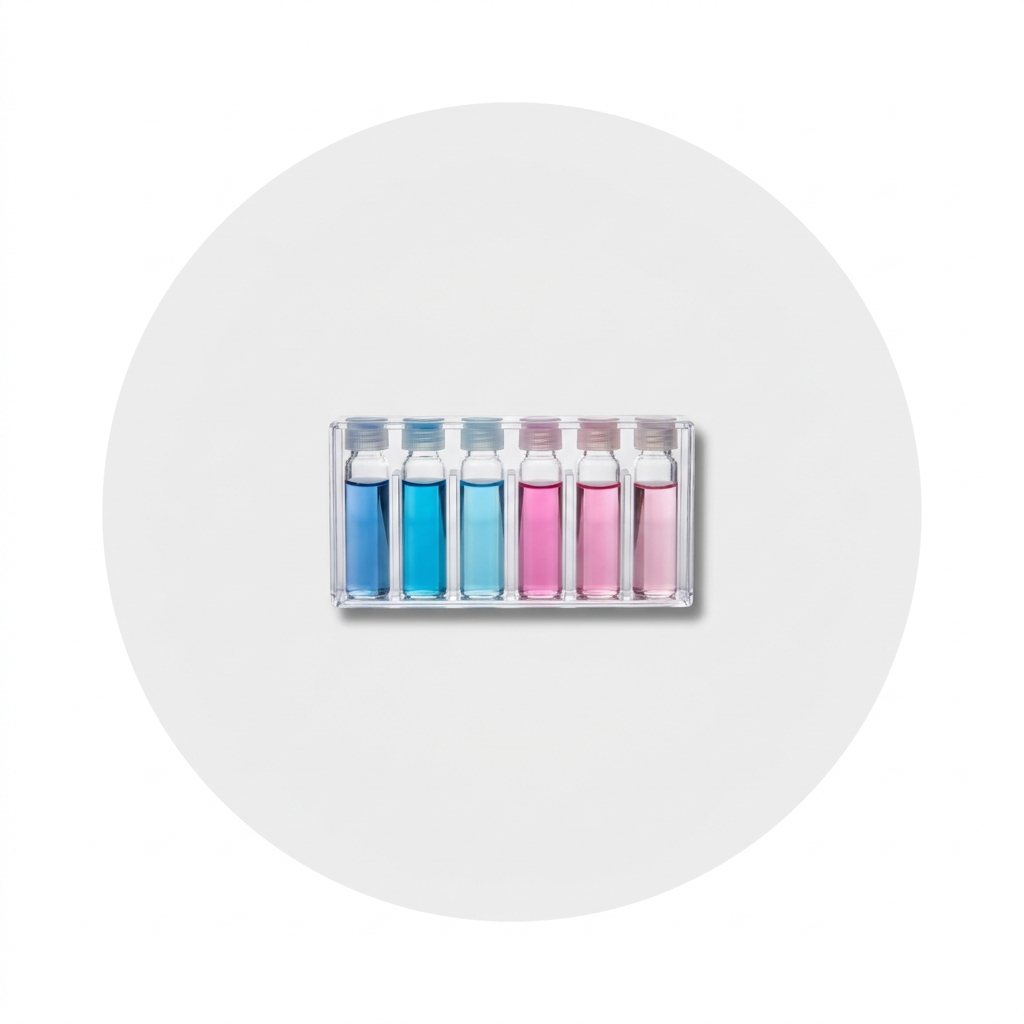
Test strips are your quick go-to, giving an instant snapshot while cutting down on human error. For a deeper look, liquid kits are still worth having, just check the colors against a white background for accuracy. Test weekly, add extra checks after summer storms or busy afternoons, and get a store test once a month even if you feel like a seasoned pool chemist.
Prevent Metal Contamination
The shine of a perfect pool can fade fast if metal contamination slips in. Copper and iron sneak in through well water, city supplies, or aging equipment, and left alone they stain surfaces and cloud the water.
Standard strips often miss metals, but specialized kits are affordable and catch even trace amounts, giving you a jump on the problem. A simple monthly test on my own backyard pool flagged high copper and spared us a staining nightmare.
Once you find metals, sequestrants capture them so they float harmlessly instead of oxidizing and staining your walls. Keep in mind they don't remove metals, they just neutralize the trouble they cause. For a deeper clean, a metal trap filter physically pulls them out of the water.
Sequestrants hide metals so they can't stain, but only a metal trap filter actually removes them from your water.
Maintain Optimal Salt Levels
Saltwater pools live or die by the salt balance, and it deserves your full attention. Salt may seem simple, but its role in your system is anything but minor. Drift too far from the ideal range and everything gets thrown off.
Too much salt once sent my chlorinator into overdrive and taught me a lesson the hard way. Too little, and it can't make enough chlorine to keep the water safe. Your target is around 3,200 parts per million. Specialty strips make it easy, a quick dip and a 20-second wait tells you where you stand.
Test monthly, or sooner after a storm or a fresh top-off. If your salt runs high, drain some water and refill to dilute it. If it's low, add a bit more. With those steps in your routine, a saltwater pool stays sparkling all season.
Choose the Right Test Kit

Every pool has its own quirks, shaped by location, use, and water source, so pick a kit that fits yours. It's tempting to grab the first one on the shelf, but a little thought pays off in clear water down the road.
Start with the basics, chlorine and pH, which a simple strip kit handles fine with quick results. If you're fighting cloudy water or stubborn stains, get a kit that tests for metals like copper and iron, which ride in through well water or corroded plumbing. For a saltwater pool, add salt strips so your chlorinator runs efficiently. And if precision is your top concern, a digital tester takes out the guesswork with easy-to-read numbers, worth the extra cost for big pools or tech-minded owners.
Understand Testing Options
Knocking out a quick, accurate water test is the best way to make sure you can actually settle in and relax by the pool. Test strips are the quick option, cheap and simple, with results in seconds, great for regular pH and chlorine checks. Liquid kits go deeper, rewarding a little careful measuring and color matching with detailed readings. And if you love gadgets, digital testers hand you numbers that are easy to read and act on. Pick whichever suits how you like to work, and you'll keep your pool safe and inviting all summer.
Prioritize Accurate Sampling
A good sample is the key to a summer of clear water, so it's worth doing right. Take a proper scoop from the center of the pool and your readings will actually reflect what's going on.
Where to scoop
Skip the water near skimmer openings and return jets, where the chemicals aren't spread evenly. Aim for the center of the pool instead, and you'll capture a true read on its overall health.
When and how
Sample in the early morning or late afternoon, when the sun is gentler and hasn't shifted your chemistry. Dip your container elbow-deep and scoop with a slow, sweeping motion to skip the surface debris. I once had murky water despite testing regularly, and it turned out I was sampling too close to my filter return. One change in where I scooped revealed the real chemistry, so I could adjust and get back to clear water.
Choose Effective Test Kits
Not all test kits are the same, and picking the right one is where clean water really starts. A full kit that covers the basics like chlorine and pH plus the lesser-known troublemakers like phosphates and heavy metals is a smart move. A friend of mine relied only on basic strips at first and paid for it with stubborn algae and staining.
Liquid kits offer more precision if you don't mind matching colors. Digital kits simplify everything, giving readings that take out the guesswork, and they really shine in areas with tricky water. In the end, match your choice to your pool type and your local water, and you'll get both a clear pool and a safe season.
Prevent Pool Metal Stains
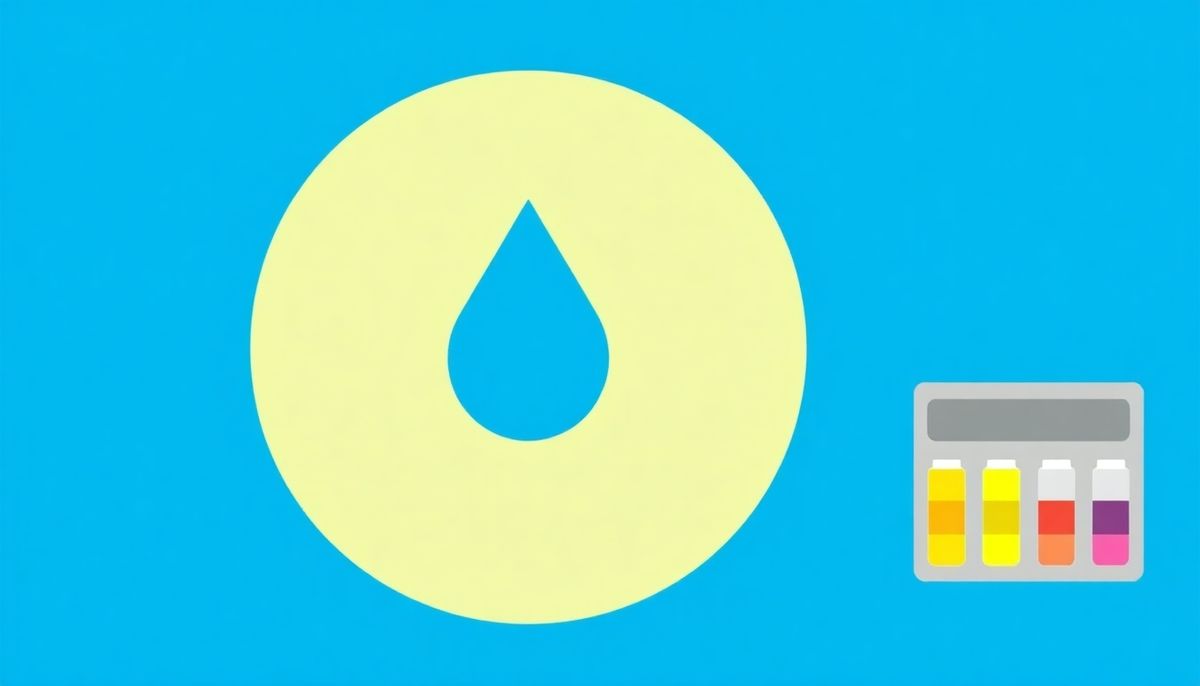
Metal stains on your pool surfaces can turn a dream pool into a maintenance headache. Fighting them takes a little know-how and some steps ahead of time.
Copper often comes from your source water, a garden hose or a nearby well, and it builds up as water evaporates and leaves minerals behind. Iron usually follows the same path or comes from corroding metal parts in your equipment. Testing your source water regularly helps you spot both before they spread.
Prevention works best. Add a metal sequestrant to your routine to keep metals suspended so they don't oxidize and stain, and reapply it consistently since it breaks down over time. A specialized metal trap filter captures metals your regular filter misses, and a hose filter stops them at the source when you're filling the pool. Stay on top of testing and you can enjoy your pool without the hassle of stubborn stains.
Conduct Regular Water Testing
Opening your backyard pool for long, sunny days is a joy, as long as it's as ready as you are. The simple habit of regular testing keeps water as clean as it looks. This isn't just about blue water. It's about safety, preventing damage, and keeping your investment fun to use.
Think of testing as a regular checkup. Basic chlorine and pH tests are only the start. Beyond those, watch your phosphates, salt in saltwater pools, and metals like copper and iron, which cause stains, cloudy water, and equipment damage if left unchecked.
Before a busy weekend, a quick test has saved more than one of my gatherings from green, murky water or irritated skin. Keep reliable strips or a liquid kit on hand and you're always ready to act. Testing isn't only about adding chemicals when things go wrong. It's about getting to know your pool's unique makeup so it stays a place to relax.
Conclusion
Testing your water doesn't have to be a mystery. Once you build the habit, keeping your pool safe and clear becomes second nature.
Want to go further? Our free Pool School course covers everything from basic maintenance to advanced troubleshooting. You'll learn how to:
- Save thousands on pool repairs and chemicals
- Keep your water crystal clear year-round
- Prevent and solve common pool problems
- Master water chemistry with confidence
Join over 10,000 pool owners who have already transformed their pool care routine. Get started with our free Pool School course today!
What you need
Grab a reliable test kit or strips (with metal and salt testing if your pool needs it), a metal sequestrant, and a clean filter to keep your water balanced and stain-free.