





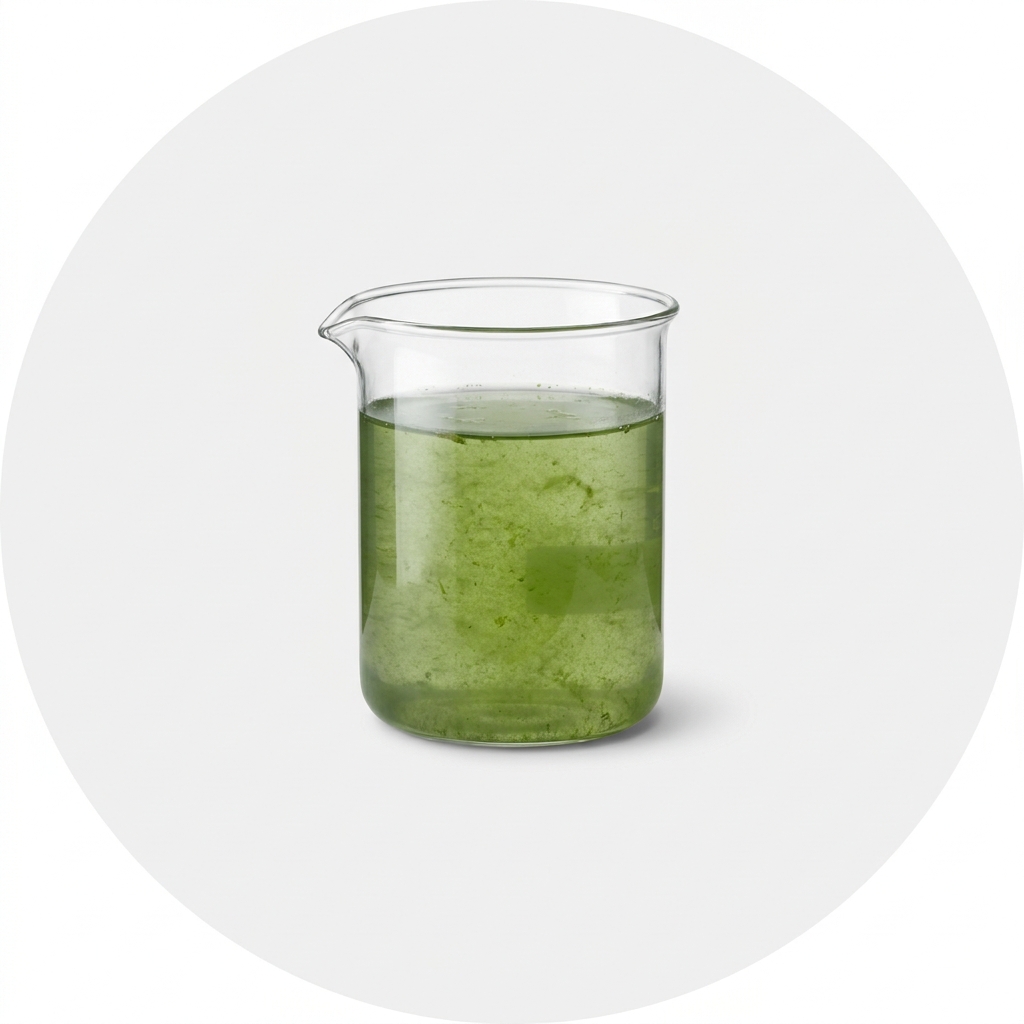
On a hot afternoon, a pool's blue water promises a cool escape. But clear water takes more than skimming leaves or nudging the chlorine. It takes pool shocking, the step that keeps your water clear and safe. Do it right, and your backyard becomes a truly clean place to swim, free of bacteria and algae.
I learned how much this matters one humid July day. My pool looked cloudy despite regular upkeep, and it clearly needed a deeper clean. Shocking means adding a strong dose of chlorine, or a non-chlorine oxidizer, to wipe out contaminants. It's not a toss-and-forget job. You need a feel for water chemistry and for the chemicals your pool actually needs.
Every pool is different. Sun exposure, how often you swim, and recent weather all shape how often and how hard you shock. Get it right, and you're giving your family a safe, fun place to swim all season.
Your Action Plan
- Test your water and balance pH (7.4–7.6) and alkalinity (100–150 ppm) first.
- Figure out your pool's volume so you know how much shock to add.
- Pick the right shock for your pool: cal hypo, dichlor, or non-chlorine.
- Add the shock after sunset with the pump running.
- Run the pump 8 to 12 hours, then retest before anyone swims.
Master Pool-Shocking Techniques
Once you get pool shocking, the routine stops feeling like a chore. One evening I caught a faint, off-putting smell by my pool, a sure sign of chloramines below the surface. Chloramines are the byproducts left behind when chlorine fights impurities. They cloud the water and sting your nose with that harsh chlorine smell.
Timing matters. UV rays break down chlorine, so if you wait until after dark, the chemicals work at full strength. You have plenty of products to choose from, from calcium hypochlorite to non-chlorine options. Pick the one that fits your pool.
Shock after sunset so the sun's UV rays don't burn off your chlorine before it can do its job.
Precision counts too. Run your pump and filter full tilt so the shock spreads evenly, then let the system run 8 to 12 hours so everything mixes well. Follow these steps and you'll keep your pool sparkling and healthier to swim in.
Prevent Algae with Regular Shocking
Fighting algae can feel like an uphill battle. Just when you think you've won, a stubborn green patch pops back up. The best defense is regular shocking, which zaps algae and keeps your water clear and odor-free.
Every time you shock, you give the pool a deep clean. A strong dose of chlorine breaks down chloramines, the compounds behind that strong smell and cloudy water, and clears out the contaminants that let algae take hold. Skip it and you'll pay for it later.
For the best results, stay consistent. Shocking weekly or every other week, depending on use and weather, keeps your pool clean and ready whenever you want a dip.
Choose the Right Shock Product
Each shock has its strengths, and knowing what sets them apart keeps your pool inviting.
Cal hypo, lithium hypo, and dichlor
Calcium hypochlorite, or cal hypo, is a staple. It has a long track record and a good price, which makes it popular. But if your water is already high in calcium, look at lithium hypochlorite instead. It costs a bit more and can be harder to find, but it dissolves fast, so you get quick results without pre-dissolving it.
For something easier to handle, dichlor might be your pick. It's stabilized, so you can add it straight to the pool, and it works for both regular and saltwater pools. It also contains cyanuric acid, which shields chlorine from the sun and keeps your pool sanitized longer.
If you'd rather skip chlorine, non-chlorine shock works fast, so you can get back in the water sooner. It's a favorite in saltwater pools since it prevents chloramine buildup without throwing off your levels much.
Optimize Shocking for Saltwater Pools
Saltwater pools might bring to mind ocean breezes, but keeping one clear takes more than a daydream of the seaside. Saltwater pools are chlorine pools. The salt turns into chlorine through a generator, so regular shocking still matters.
Saltwater pools are still chlorine pools, so they need regular shocking just like any other.
One nice thing about saltwater pools is that they work well with non-chlorine shock, which quickly oxidizes organic contaminants without the harshness of chlorine. That's a real plus if you have sensitive skin or eyes. I've found dichlor strikes a good balance too. It sanitizes well while keeping cyanuric acid levels steady, which protects your chlorine from the sun.
Even though saltwater systems make their own chlorine, they still need regular checks. After heavy use or a rainstorm, hit the "super chlorinate" button on your generator to mimic a shock treatment. That boosts chlorine production and keeps your pool clear.
Combat Algae with Pool Shock

Algae can crash the party fast and turn a clean pool into an ugly green swamp. My cousin ran into this exact problem. A weekend away turned her pool into an algae playground, and a well-timed shock brought the water back to life.
Shocking adds a high concentration of chlorine, enough to wipe out algae and break down chloramines, those compounds that form when chlorine reacts with organic waste. That improves hygiene and clears out the smell chloramines leave behind. Skip these steps, and you may end up replacing your pool water more often than swimming in it.
If you swim often or your pool gets heavy use, weekly shocks are a smart preventive step. This keeps algae away and holds your water chemistry steady, so clear water is always ready when you are.
Implement Regular Pool Shocking
Keeping pool water clean takes more than routine vacuuming or skimming. Every time swimmers get in, they bring body oils, sweat, and sometimes worse, all of which mix with chlorine to form chloramines. Those chloramines cause that overpowering chlorine smell, a sign the water is struggling to stay clean.
Shocking weekly, or at least every other week, keeps chloramines from piling up. A concentrated dose of chlorine destroys them and brings back your water's freshness. You've probably stepped into a pool that looked cloudy or smelled off. Odds are, it needed a shock.
If you're new to this, it can seem complicated, but with practice it becomes second nature. Like changing the oil in your car, shocking is basic upkeep that stops small problems from turning into costly ones.
Choose the Right Shock
Murky water or an unusually strong chlorine smell are your two clearest signals that it's time to shock. Both point to chloramine buildup or an algae invasion.
Calcium hypochlorite is the classic pick. It hits bacteria and algae hard, and it's cheap and effective, especially for pools with steady calcium levels. If your pool already runs high in calcium, lithium hypochlorite could be a better fit. It dissolves fast, though it costs more and can be harder to find.
For a saltwater system, or when you want to swim soon after treating, non-chlorine shock gives you a gentle but effective clean without the wait. Dichlor is another flexible choice, good for both saltwater and traditional pools, and it helps stabilize cyanuric acid as a bonus.
Maintain Balanced Water Chemistry
A great pool isn't just about adding shock and hoping for the best. It's a careful balance of water chemistry. When I first ran my own pool, I underrated balanced chemistry and ended up with murky water that was anything but inviting.
Start with pH and alkalinity
Keep pH between 7.4 and 7.6. That range lets your chlorine work well and keeps skin and eyes from getting irritated. I remember itchy eyes after a swim, only to find my pH was off. Test and adjust regularly, and you'll dodge that discomfort.
Next comes alkalinity, which buffers the pH and prevents wild swings. Keep it between 100 and 150 ppm. A rainstorm once threw my pool's balance into chaos, and regular testing spared me a repeat by catching the shift early.
Don't forget calcium hardness
Calcium hardness is especially important for concrete or plaster pools. Aim for 200 to 275 ppm to prevent etching or scaling on the surfaces. Vinyl and fiberglass pools can run a little lower. Watching these numbers makes your shocking more effective and extends the life of your pool's structure.
Balanced water — the right pH, alkalinity, and calcium — is what lets your shock actually do its job.
Optimize Pool Water Chemistry

Ignore your water balance and you get murky water and algae, both of which can wreck your quiet poolside spot. Start with regular testing. Your pH should sit between 7.4 and 7.6, so the water doesn't sting your eyes or eat away at your equipment.
Next, watch your alkalinity, keeping it between 100 and 150 parts per million (ppm). Alkalinity works as a buffer, holding pH swings in check. While you're testing, don't skip calcium hardness. For vinyl or fiberglass pools, aim for 175 to 225 ppm, and for a concrete pool, 200 to 275 ppm works.
A few summers back, after a family barbecue, my pool turned cloudy. A quick check showed the pH and alkalinity were off. Fixing them before I shocked made a huge difference. Balanced water lets the shock clear the cloudiness and keeps chloramines from creeping back.
Clear pool water is every swimmer's dream, and regular shocking is the quiet hero that gets you there. Shock on a schedule, and you stop algae and bacteria from digging in, keeping the water from turning into an ugly green swamp. Routine shocking also clears out chloramines, the cause of that nose-wrinkling odor, so your pool stays fresh.
Weekly shocks might sound like a lot, but every splash adds sunscreen, sweat, or spills to your pool's chemical load. If your pool sees frequent parties or heavy use, add an extra session.
Last summer, I let pool care slide during a busy week. The result was cloudy water and a frantic Saturday spent bringing my pool back to life. After that, scheduled shocks became as routine as mowing the lawn, and my pool stayed clear for the rest of the season.
Choose Effective Shock Products
Picking the right shock isn't just about convenience. It's the foundation of good maintenance, and each option serves a distinct purpose. Cal hypo is popular and budget-friendly. I've used it myself, and it quickly wipes out bacteria and algae. But if your pool tends to run high in calcium, lithium hypochlorite may suit you better. It costs more and can be hard to find, but it dissolves fast and lowers the risk of cloudiness.
For saltwater systems, dichlor often gets the nod. It's a stabilized chlorine product, great for pools that take a beating from harsh sunlight, and its cyanuric acid protects both water clarity and chlorine longevity. If you want to swim right away, a non-chlorine shock is your best bet for a fast, residue-free option, perfect for spur-of-the-moment pool days.
Keep pH, alkalinity, and calcium hardness in harmony, and your shock treatments will actually pay off. Test your water regularly. Your pH should sit between 7.4 and 7.6 for swimmer comfort and good chlorine performance. Alkalinity buffers the pH, so keep it between 100 and 150 ppm. Calcium hardness depends on your pool's material: fiberglass and vinyl want 175 to 225 ppm, while concrete pools need 200 to 275 ppm.
Build these checks into your routine, and when you shock, the treatment works as it should. A little proactive care saves countless headaches and keeps your pool clear and inviting.
Choose the Right Pool Shock

Your choice of shock usually comes down to what your pool needs. Cal hypo is the go-to for the budget-minded, a strong solution for killing bacteria and controlling algae. But if your pool already has high calcium, it could make things worse. Lithium hypochlorite dissolves faster, a real plus if you want to swim soon after shocking. The catch is that it costs more and can be hard to find.
For a gentler touch, especially in saltwater pools, dichlor steps in. It's easy to use and contains cyanuric acid, which helps stabilize chlorine against the sun. To skip chlorine altogether, non-chlorine shock is fast-acting and keeps all the sanitizing power without the smell.
A friend fought persistent algae because she kept grabbing the wrong shock. Once she switched to a non-chlorine option, her pool cleared up almost overnight. Size up your pool's quirks and pick the shock that matches your goals.
Understand Pool Shock Types
Cal hypo is probably the most common choice. It's affordable, dissolves quickly, and kills bacteria well, but if your water is already hard, you may see some cloudiness. One summer, after a weekend pool party, a sudden algae bloom called for cal hypo. It worked like a charm but left a slight haze because my water was hard.
If you have soft water or high calcium, lithium hypochlorite mixes in fast with no pre-dissolving needed, though it's more of a splurge. Dichlor is stabilized, works for saltwater pools, and is simple enough to add straight to the water. It doesn't move the water's pH much, which is why some owners swear by it.
For a chlorine-free option, non-chlorine shock is a favorite, especially when you want to swim again soon. It plays nice with both chlorine and bromine pools and doesn't affect your other water chemicals.
Manage Chlorine Effectively
Manage your chlorine
Think of chlorine as your pool's invisible lifeguard, working nonstop to keep bacteria and algae out. Add too much and you irritate swimmers' skin and eyes; add too little and you're inviting algae in.
Your first step is choosing the right chlorine shock. Cal hypo is a classic, trusted for being cheap and efficient. After a busy summer weekend with friends, a quick cal hypo treatment cleared my water fast. Just be careful if your calcium is already high. Lithium hypochlorite may work better, though it can cost more and be harder to find.
Timing matters just as much. I once tried a midday shock and found the chlorine levels disappointingly low the next morning. Nighttime is the right time.
Optimize Shock Timing
The sun burns off unstabilized chlorine and cuts its strength, which makes nighttime the best window for shocking. If you've ever tried to revive your pool during the day and gotten weak results, the sun was probably the culprit.
Evening and night have another perk: the shock can do its oxidizing work without swimmers stirring things up. Let the pump run overnight to mix the chemicals thoroughly, leaving your pool clean and ready for the next sunny day.
Keep an eye on your chlorine levels, especially after heavy use or rain, since both can dilute your efforts. Line up your shocking with the setting sun, and you'll get the full power of your shock every time.
Safely Superchlorinate Your Pool
Keeping your water clear takes a careful hand when you superchlorinate. This isn't just a splash of chemicals. It's a process that protects you and your family.
Gather your gear and test
Before you start, gather the essentials: safety goggles, gloves, a sturdy bucket, and your chosen shock product. Then test your pool water. Your free chlorine shouldn't lag behind total chlorine. In a well-ventilated spot, measure out the shock based on your pool's volume. Don't guess at the amount, because too much can do more harm than good.
Add, circulate, and wait
Add the shock after dusk, when the sun's rays won't sap the chemicals' strength. Keep the pump and filter running so the chemicals circulate and work overnight. For even coverage, pour the dissolved shock slowly as you walk the pool's edge.
Now comes the wait, and it matters. Give it at least eight hours before anyone gets in. Test the water once more to be sure it's safe, then let the swimming begin.
Understand Chlorine Types
Each type of chlorine has its perks and sometimes its drawbacks. Cal hypo is often the first pick because it's affordable and effective. This granular shock hits bacteria and algae hard, but if your water already runs high in calcium, tread carefully to avoid scaling.
If you like speed, lithium hypochlorite dissolves fast with no pre-mixing, which is ideal when a pool party is right around the corner. The downsides are its higher cost and occasional scarcity, thanks to the lithium boom in batteries.
Then there's dichlor, a stabilized form of chlorine that suits both traditional and saltwater pools. You can apply it directly, and it often contains cyanuric acid to guard against UV. Overuse it, though, and cyanuric acid can build up and cut your chlorine's effectiveness. If chlorine isn't your pool's best friend, non-chlorine shock quickly oxidizes contaminants without changing your chlorine levels, so you can get back in the water sooner.
Prepare Pool for Shocking
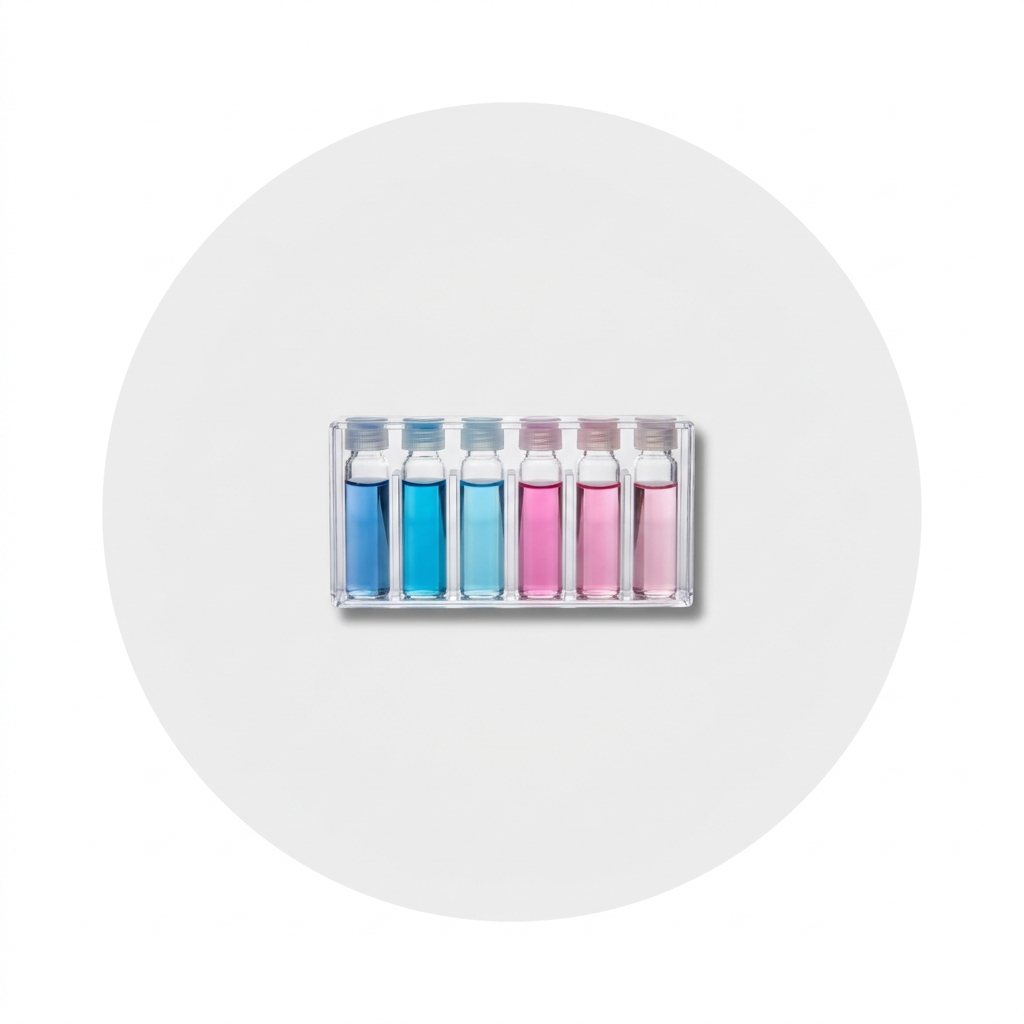
Getting your pool ready to shock takes a little chemistry know-how. Before you touch any chemicals, grab your test kit. Check that your pH sits between 7.4 and 7.6, and that alkalinity stays in the 100 to 150 ppm range. That clears the way for the shock to do its job.
Next, know your pool's capacity. The exact volume tells you how much shock you'll need. Too little, and you won't reach the chlorine needed to completely destroy the waste in the water. Too much, and you risk a chemical imbalance that can irritate swimmers.
Test and balance your water before you shock, or you're just pouring expensive chemicals into cloudy water.
Gear up with gloves and goggles. Safety comes first with pool chemicals. If your shock needs dissolving, fill a bucket with warm water and stir it in slowly. This pre-mix step spreads the shock evenly and keeps undissolved bits from bleaching your pool surfaces. Finally, make sure your pump and filter are ready. They're your best allies for spreading the shock so every inch of the pool gets treated.
Conclusion
This article covered the basics of keeping your pool in shape. Ready to get your water sparkling?
Want to become a pool care pro? Our free Pool School course covers everything from basic maintenance to advanced troubleshooting. You'll learn how to:
- Save thousands on pool repairs and chemicals
- Keep your water crystal clear year-round
- Prevent and solve common pool problems
- Master water chemistry with confidence
Join over 10,000 pool owners who have already transformed their pool care routine. Get started with our free Pool School course today!
What you need
Grab a reliable test kit and the right shock for your pool (cal hypo, dichlor, or a non-chlorine oxidizer), plus gloves and goggles for safe handling.