



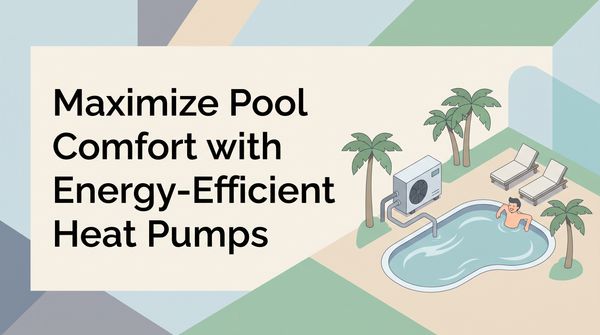
There's something special about slipping into a perfectly heated pool on a chilly evening. But hitting that ideal temperature isn't only about comfort. It's about getting more out of your pool, swimming for more of the year, and keeping your energy use in check. That's where pool heat pumps come in.
Here's the trick that makes them so efficient: instead of burning fuel like a gas heater, a heat pump pulls warmth out of the surrounding air and moves it into your water, a bit like a fridge running in reverse. Because it's moving heat rather than making it, your bills stay reasonable and your pool stays warm.
Finding the right heat pump is about matching your setup to your lifestyle. Your climate, pool size, and how often you swim all shape the best choice. Get those right, and every swim is as refreshing or relaxing as you want.
Your Action Plan
- Put the heat pump in an open spot with plenty of airflow.
- Connect it after the filter and before the chlorinator, following local codes.
- Add a solar cover to hold in heat overnight.
- Clean the filter and clear debris off the evaporator coil regularly.
- Set the thermostat a little above your target water temperature and leave it steady.
- Shut the pump off when the air drops below 50°F (10°C).
Maximize Pool Time with Heat Pumps
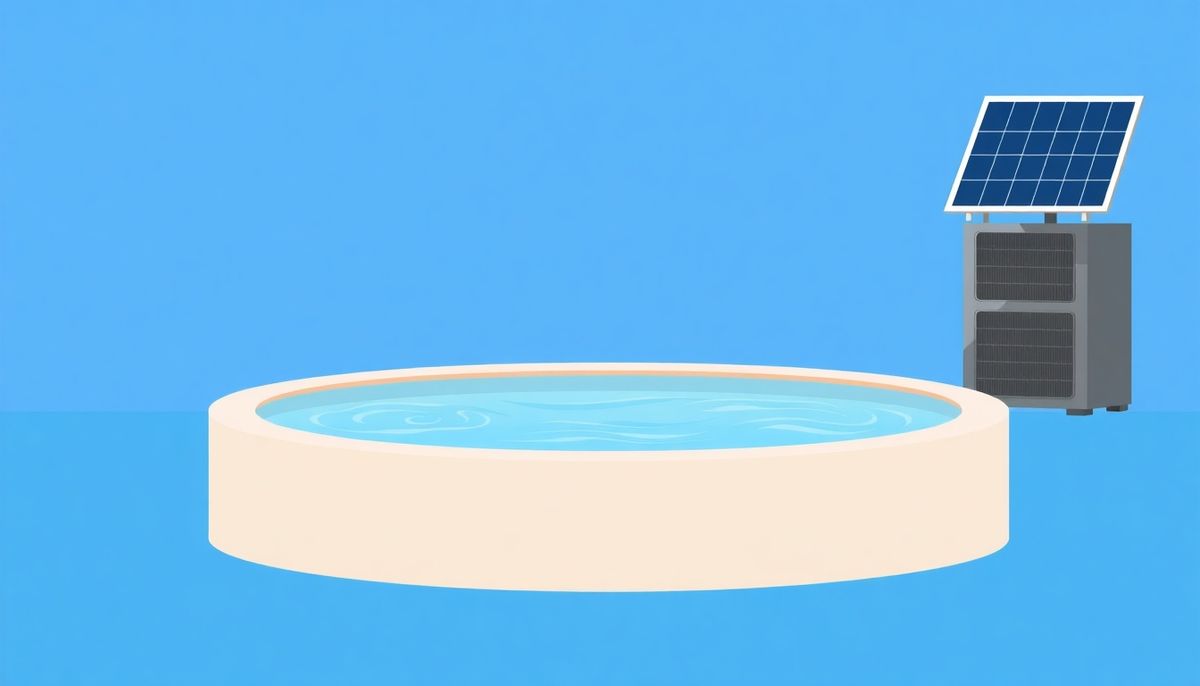
Owning a pool is about more than splashing around on hot afternoons. Picture lounging in warm water even as crisp fall air hints that winter's coming. That's what a heat pump adds.
Warm water without the sticker shock
A good unit keeps your water warm well into autumn without sending your electricity bill through the roof. Many run quietly too, thanks to an acoustic compressor cover, so no mechanical hum breaks the calm.
In a cooler climate, it helps to know a heat pump's limits. Its efficiency drops below 50°F (10°C), because the outside air isn't warm enough to pull much heat from. But where winters are mild, a heat pump stretches your pool season a lot, keeping you comfortable without a heavy toll on your wallet or the planet.
A heat pump works best when the air stays above 50°F (10°C); below that, there just isn't enough warmth in the air for it to grab.
Extend Pool Season Efficiently
As summer fades, it's natural to miss those long afternoons by the pool. A heat pump means warm swims don't have to end after a few months. It stretches your season into crisp autumn, and even into early spring.
Picture a family gathering in October, leaves turning and the temperature dipping. With a heat pump, your pool becomes a cozy retreat for an evening swim. And because the unit sips electricity rather than burning fuel, that extra season doesn't come with a dreaded bill.
For best performance, run it when the air is above 50°F (10°C). A little regular upkeep, like clearing debris off the evaporator coil (the outside fins that pull in air) and checking your water flow, heads off problems and keeps the pump running for years.
Optimize Heat-Pump Performance
A few small tweaks can boost your heat pump's efficiency and lifespan. It starts with location.
Give it room to breathe
Put the unit somewhere with plenty of airflow, away from bushes or fences, so it can pull in as much air as possible. I've seen pool owners learn this the hard way, running a pump crammed in a corner for years. Move it to an open space and the performance jump can be dramatic.
Keeping the unit clean matters just as much. Check the evaporator coil and fan regularly for leaves and dirt. A blanket of fallen leaves smothering the coil is one of the most common reasons a pump struggles in autumn, and a quick cleanup usually brings it right back.
Hold the heat and set it smart
A solar cover is a cheap addition that keeps heat from escaping when the pump is off, the way a lid keeps your coffee warm. Then set the thermostat with some sense. Hold a comfortable temperature rather than pushing it to extremes. That extends the pump's life and keeps your bills in check.
A solar cover is the cheapest upgrade you can make: it traps heat overnight so your pump starts each morning with a head start.
Troubleshoot Common Heat-Pump Issues
Heat pumps are efficient, but now and then they'll test your patience with an odd quirk. Most of the time you can fix it yourself.
When the pool isn't as warm as it should be, first make sure the pump is actually switched on. It sounds obvious, but you'd be surprised how often that's the culprit. If power isn't the issue, check for a tripped breaker.
If the water flow feels sluggish, a clogged filter could be to blame. Rinse it to clear any blockage, and make sure all valves are fully open. Sometimes the problem isn't water but air. If the evaporator coil looks choked with garden debris, clear it so the unit gets enough airflow.
Don't underestimate the thermostat. A thermometer will tell you whether the water temperature matches what you set. If the numbers keep disagreeing, a faulty thermostat might need replacing.
In cold spells, ice can form and shut things down. Once the air drops below 50°F (10°C), it's wise to shut the pump off until warmer days return. And what looks like a leak might just be condensation. A chlorine test strip can tell the difference between a real leak and plain humidity. If the mystery drags on, a professional's help keeps both the unit and your warranty in good shape.
Troubleshoot Common Heat Pump Issues

A heat pump is a great way to extend your season, but like any technology it hits a few bumps. Say your water feels chilly even though the pump is running. Check the obvious first: is the unit actually getting power? A tripped breaker can stop everything without warning. Be careful around electricity near water, and when in doubt, bring in an expert.
Next, look at water flow. Low flow is a sneaky problem, often caused by closed valves or a dirty filter. Open all the valves and give the filter a good clean. Then check the evaporator coil, since leaves or dirt can block the airflow the pump needs.
Thermostat settings can leave your pool cold too. Make sure it's set higher than the current water temperature; if the water stays stubbornly cold, the thermostat itself may be faulty. That said, when it's below 50°F (10°C) outside, it may simply be too cold for the pump to work well. Wait for warmer weather.
Diagnose Heat Pump Power Issues
The calm of a warm swim can turn to frustration fast when the pump acts up. Tracking down a power problem is manageable, though, and often ends in a simple fix.
Start by making sure the unit has power. An unresponsive pump might come down to a tripped breaker or faulty wiring. Treat electrical parts with care, and call an expert if anything feels beyond your comfort level.
Next, think about water flow. Too little flow drags down efficiency and leaves the water cooler than you'd like. Check that all valves are open and inspect the filter for clogs. A good cleaning might be all it takes. Keep an eye on the evaporator coil too, since debris can choke the airflow.
Then double-check the thermostat is set higher than the water temperature. A failing one might need replacing, a small job that makes a big difference. And if ice is forming on the pump, it's time to pause it, which usually happens once the air drops below 50°F (10°C). For stubborn or complicated repairs, a professional makes sure it's done safely.
Ensure Proper Water Flow
Good water flow is the lifeblood of your heat pump. A steady flow through your plumbing spreads warmth evenly, so you can enjoy those unseasonably warm swims. Even a small blockage can cause big trouble.
Start with the filter. A filter packed with debris acts like a dam, restricting flow and forcing your pump to work overtime. Clean or replace it regularly.
Next, inspect the valves. Sometimes they're partly closed or stuck, breaking up the smooth passage of water. Adjust them so the water flows freely again. Check the pump basket for leaves or twigs, too. Those sneaky bits can quietly cut your flow.
Keep a close eye on flow and you'll extend the life of your pump while making every swim, from spring to the chillier days of fall, as warm as possible.
Address Temperature-Sensitivity Problems
In early autumn, right as the air picks up a cooler edge, your pool's warmth becomes something you really treasure. But the shift out of summer can expose how sensitive heat pumps are to temperature.
When the cold bites
A common snag shows up when the outdoor thermometer dips below 50°F (10°C). At those temperatures the pump struggles as its refrigerant nears freezing, which often leads to ice buildup. A surprise cold snap can leave you with a frosty unit and your pool plans on hold. Watch the forecast and switch the pump off during especially cold stretches.
Humidity and airflow
Humidity plays a bigger role than most people realize. Damp air makes a heat pump more efficient, while dry, crisp air holds it back. In drier climates, a solar cover traps warmth overnight and gives the pump a head start each morning. And keeping airflow clear by cleaning the evaporator coil is simple but effective. A clear coil means the best heat transfer, which keeps your pool toasty.
Harness Energy-Efficient Pool Heating
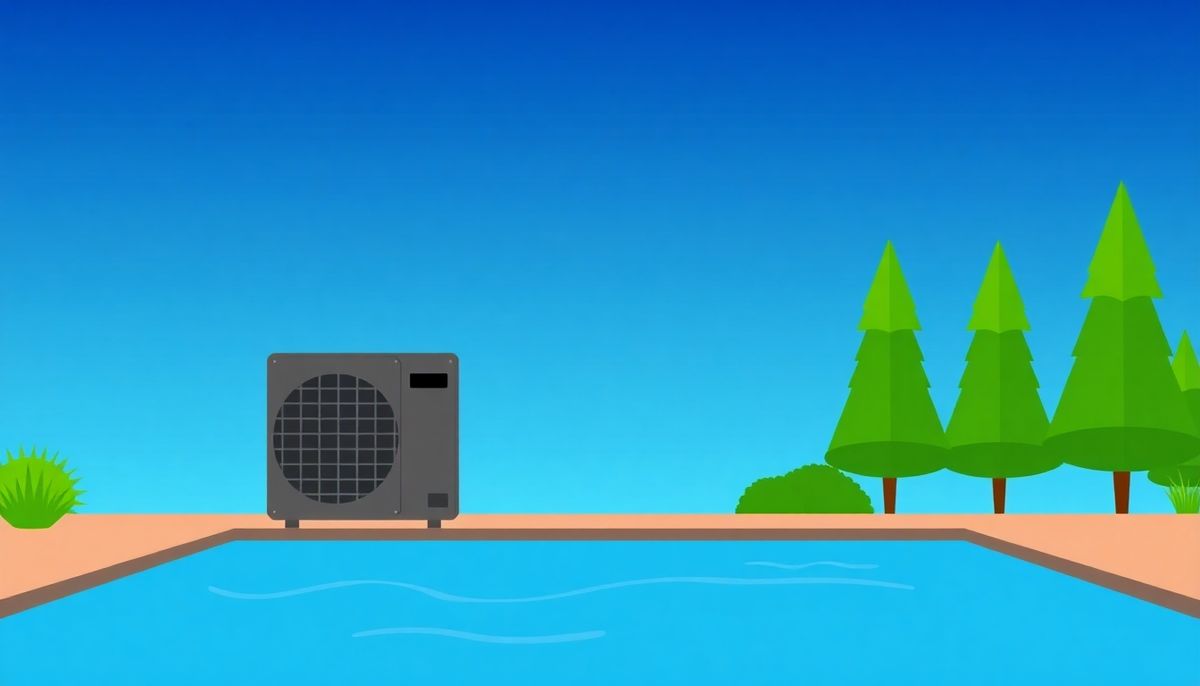
When summer days fade and crisp autumn breezes start to bite, the urge to soak in a warm pool sticks around. An energy-efficient heat pump lets you stretch the season without eating up your utility budget.
Think of it as tapping into a free resource: the air. The pump draws in warm air, compresses it to raise the temperature, then moves that heat into your water. The process is easy on the environment and your wallet, since it mainly uses electricity to move heat rather than make it.
You might expect a loud, clunky machine, but modern units come with quiet compressors and titanium heat exchangers, so your backyard stays peaceful. These pumps shine brightest in warmer, humid climates, where the air holds plenty of heat to draw from. Don't let a cooler region put you off, though. As long as the outdoor temperature stays around 50°F (10°C) or above, your pump will prove itself.
Maximize Year-Round Pool Enjoyment
Picture slipping into warm water while the leaves change color, or even as snowflakes drift down. Stretching your season past the sun-soaked months is possible with a heat pump. Suddenly autumn weekends mean calm swims under a canopy of orange and gold, and chilly spring mornings become an invitation to jump in.
Keeping your pump at its best takes just a few simple checks. Make sure the airflow is clear and clean the filter regularly. These small actions prevent common problems like low flow or weak heating. It also helps to know your exact temperature settings, since a properly adjusted thermostat holds your pool right where you want it.
Ultimately, a heat pump gives you more good days in the water, whatever the season, and a greener way to enjoy your backyard.
Troubleshooting a heat pump can feel like piecing together a puzzle. A pool that feels more like a brisk dip than a warm embrace often comes down to something small. One of the most common causes is a pile of leaves blocking the evaporator coil and choking the airflow. Clearing the debris is usually all it takes.
The settings trip people up too. You might think the thermostat is right, but double-check that it's set above the water's current temperature. A quick adjustment can be the whole fix.
On really cold days, a heat pump can struggle to keep up. If you notice frost building on the unit, chilly weather is probably the cause, and below 50°F (10°C) it's best to give the pump a break until the weather cooperates.
If you find a puddle around the unit, don't panic. It might just be condensation, not a leak. A chlorine test strip will confirm it, and if it's water vapor, unclogging the drain should set things right. If a problem sticks around or feels too big to tackle, call an expert.
Choose the Right Heating Solution
Picking the right way to heat your pool can feel like standing at a crossroads. If you love a longer season, the heat pump is a strong front-runner, offering efficient, reliable warmth. It's a bit like having a sunbeam on standby, keeping your pool toasty while barely nudging your electricity meter.
Solar heaters share that energy-efficient reputation, but heat pumps have the edge in flexibility, especially across different climates. If you live somewhere with steady warmth and humidity, a heat pump is an excellent pick, since its efficiency peaks in balmy conditions. If you're in a cooler or drier area, you might pair the pump with a backup heater for those extra cold days. Match your heating to your environment and how you actually swim, and your pool becomes a warm haven.
Optimize Pool Comfort in Any Season

If you love swimming year-round, keeping your pool comfortable across the seasons can turn a simple backyard into a place you use every month. A heat pump stands quietly on guard, keeping the water inviting no matter how cool the air gets.
Think about the cool mornings of early spring or the crisp evenings of late autumn. A heated pool is hard to resist then, and that's when a heat pump really shines. It's quiet, it leans on the natural air temperature, and it works even better in warmer, humid climates.
Routine upkeep keeps it running at its peak. Watch for the usual suspects, debris in the evaporator coil or a clogged filter, both of which can hold it back. Handle these small tasks and your pool stays swimmable in all but the coldest weather, whether you're taking a quiet early-morning dip or hosting a lively poolside party.
Install a Pool Heat Pump
Turning your pool into a year-round spot starts with installing a heat pump. It's not just about extending your season; it's about adding comfort without inflating your bills. Installation sounds intimidating, but with a bit of guidance it's straightforward.
Pick the right spot and connect it safely
The pump should sit on a level surface with plenty of airflow, so give it room to breathe. Placing it near the pool's plumbing keeps the pipework short, which saves money and makes the setup more efficient. Follow your local electrical codes when you connect the pump to power. This is one job worth handing to a professional to keep things safe.
Plumb it in the right order
Most units connect after the filter and before the chlorinator. That order sends clean, treated water through the pump, which protects its lifespan and performance. Skip it, and debris or harsh chemicals can shorten the unit's life.
Finally, set the thermostat to your desired temperature and let the machine do the work. Careful installation buys you many extra months of warm swimming.
Always plumb the heat pump after the filter and before the chlorinator, so only clean, treated water flows through it.
A heat pump can transform your swimming, but like any complex system it can have hiccups. If the pool isn't as warm as you'd like, the cause is often simple.
First, make sure the unit has power and the breaker hasn't tripped. If it has, reset it and watch whether it happens again, which might point to a deeper electrical problem. Safety first, though; if electrical issues feel over your head, call a pro.
When the pump hums but won't heat, suspect low water flow. Check that the valves are fully open and inspect the filter. A clogged filter chokes the flow, so give it a thorough cleaning. A filter packed with leaves is one of the most common reasons for a chilly pool.
Next, think about airflow. The evaporator coil has to be clear of debris to work well, so sweep away leaves and dirt. Check the thermostat too, making sure it's set higher than the current water temperature; if it won't respond, you may need to replace it. And if the weather drops below 50°F (10°C), the pump might freeze up, in which case turning it off until temperatures rise is your best bet.
Maximize Energy Efficiency
Getting the most from a heat pump isn't only about setup. It's about smart habits that squeeze out every bit of efficiency.
Start with your surroundings. If you're in a sunny area, placing the pump where it catches plenty of sunlight lets it soak up ambient warmth, which eases its workload and cuts its energy use. Next, hold your pool's temperature with a solar cover. It keeps debris out and holds in heat, lowering the demand on your pump. Many owners see a noticeable drop in their bill while keeping the water nice and warm.
Regular maintenance matters too. Cleaning the filter and clearing blockages in the evaporator coil keeps airflow smooth, and airflow is central to how the pump heats. Clogged coils force it to work harder and burn more power.
It also pays to set your thermostat wisely. Nudging it a little lower when the pool isn't in use saves real energy over time, and a moderate setting in cooler months keeps the water comfortable without waste.
Enhance Pool Experience with Heat Transfer

The joy of swimming shouldn't be boxed into a summer schedule. With the right technology you can stretch those blissful moments from early spring to late autumn, even into winter's chill.
Picture hosting a crisp October gathering where your guests are amazed by how warm your outdoor pool is. It's not magic; it's the clever science of heat transfer. A heat pump uses little energy beyond the electricity that runs its mechanism, which makes it a friend to both the planet and your wallet. In humid climates it works even better, drawing more heat from the moist air.
Maintenance is straightforward. Regular checks on airflow and water circulation keep everything running smoothly, and when something goes wrong, a simple adjustment or cleaning usually fixes it. Invest in a heat pump and you're not just improving your swims. You're getting more enjoyment from your backyard all year.
Maximize Seasonal Pool Usage
Who says pool season has to end with the first autumn leaf or the last spring frost? With a heat pump you can stretch your swimming days well past the usual window and take a warm dip even when the weather's cool.
Picture waking up to a crisp fall morning and starting the day with a swim. Thanks to the pump's efficient design, even chilly air can be turned into a toasty pool. In a milder climate these units keep the water inviting year-round, as long as the air stays above 50°F. Your pool becomes a daily escape.
A heat pump means more spur-of-the-moment pool parties, early-morning laps, and calm evening swims. It's not just about a longer season. It's about getting more out of the whole experience. So why let cooler weather decide when you swim?
Solve Heat Pump Performance Problems
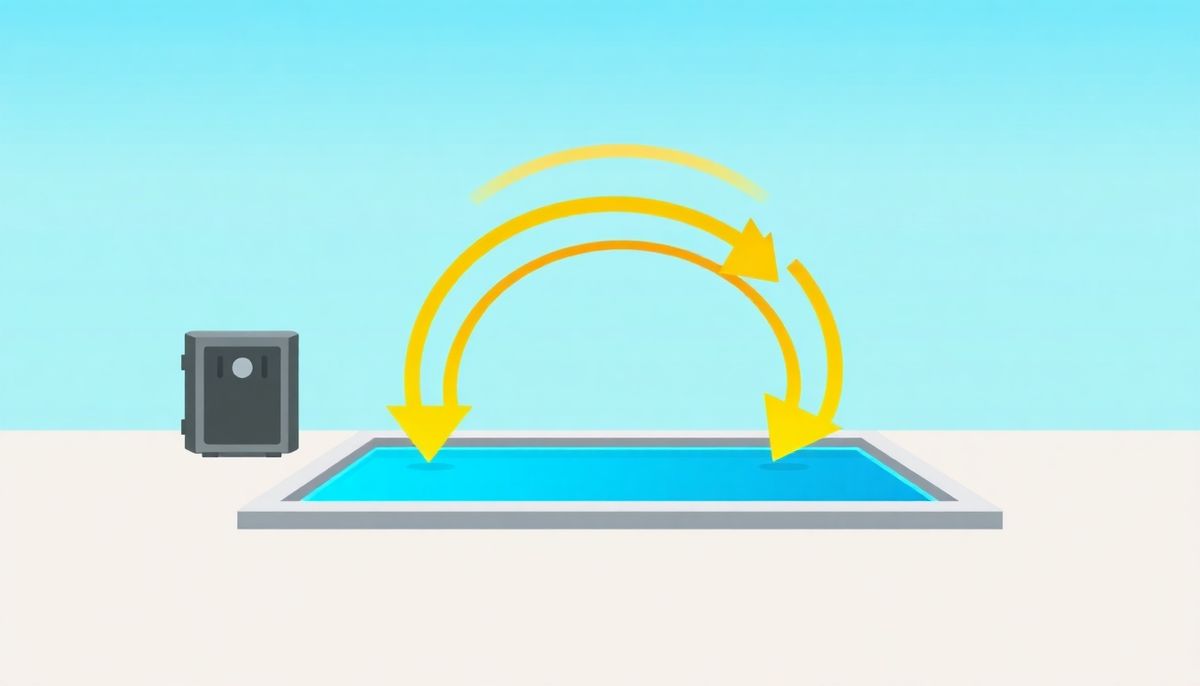
An unexpected hiccup can turn a relaxing swim into a real head-scratcher. When the warmth seems to have vanished from your pool, start with the basics.
First, make sure the pump is getting power. A tripped breaker or faulty wiring can be the hidden thief. If the trouble involves electricity, especially near water, go with professional help when you're unsure.
Next, check the water flow. A sluggish or blocked flow undoes your pump's work. Confirm that all valves are open and the filter is free of debris. If air isn't moving through the evaporator coil, the heat transfer stalls, so clear away leaves and dirt.
Temperature settings matter here too. Make sure the thermostat is set above the current water temperature; a mismatched setting can trick you into thinking there's a bigger problem, and once in a while a faulty thermostat needs replacing.
Finally, look at the weather. If frost is forming on the unit, you're likely dealing with a cold-induced shutdown, common below 50°F (10°C). Wait for a warmer day to start it up again. If these quick fixes don't work, or the problem feels beyond your skills, call a professional. Better to have it sorted correctly than risk making things worse.
Conclusion
Now that you know how to keep your pool perfectly warm, you can put these habits to work and enjoy heated water for far more of the year.
Want to go deeper? Our free Pool School course covers everything you need to know about pool care. From basic maintenance to advanced troubleshooting, you'll learn how to:
- Save thousands on pool repairs and chemicals
- Keep your water crystal clear year-round
- Prevent and solve common pool problems
- Master water chemistry with confidence
Join over 10,000 pool owners who have already transformed their pool care routine. Get started with our free Pool School course today!
What you need
To keep your heat pump humming, stock up on a solar cover, a spare filter cartridge, and a chlorine test strip for spotting leaks versus condensation.