









Your backyard pool should be the best part of summer, the spot where everyone laughs and relaxes. But when the temperature drops, that inviting water can feel like a glacier. The good news is that warming it up fast doesn't have to drain your wallet. It mostly comes down to trapping heat efficiently and using energy wisely.
A few years back, my neighbor turned his icy pool warm in record time. He didn't buy pricey gadgets, just used a little creativity and a few smart purchases.
Instead of leaning on heavy gas heaters or costly electric systems, there are clever, budget-friendly ways to speed things up. Solar covers and solar rings catch free warmth from the sun, even on cooler days. Time your pump well or add a thermal blanket, and you can nudge the temperature up while keeping energy costs low.
Your Action Plan
- Put a solar cover on the pool to trap the sun's warmth and stop evaporation.
- Run your pump during the sunniest hours to move warmed water through the pool.
- Build a DIY solar heater from black irrigation hose and a submersible pump for under $100.
- Add a solar dome for free ongoing heat, especially on above-ground pools.
- For fast heat use a gas heater; in mild climates use an electric heat pump.
- Block cooling breezes with a windbreak like hedges or a fence.
Choose Solar Solutions
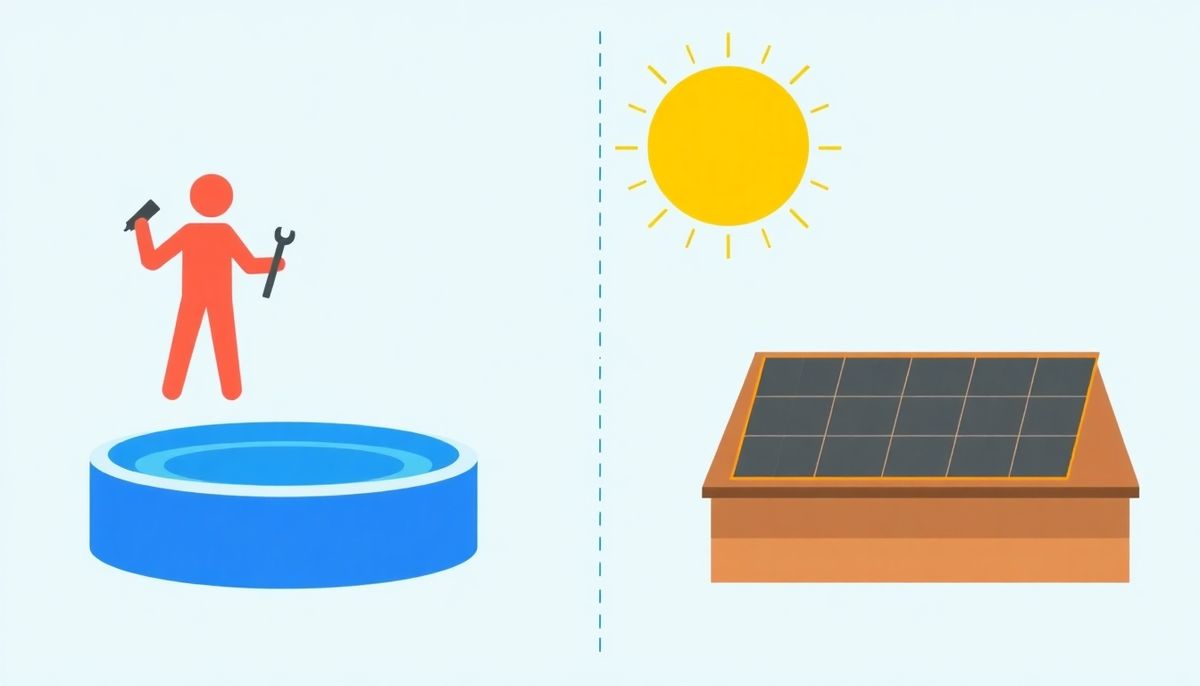
Using the sun to heat your pool is easy on the planet and easy on your budget. Solar covers, which look like oversized bubble wrap, do the heavy lifting. Floating on top of the water, they trap the sun's warmth and cut way down on evaporation, one of the biggest reasons pools lose heat. On a sunny stretch, a cover can raise your water temperature by up to 15 degrees while protecting your pool chemicals.
A solar cover is the cheapest upgrade you can make, adding up to 15 degrees while slashing evaporation.
A cheap DIY solar heater
If you like a good project, black irrigation hose makes a low-cost solar heater. Run the hose back and forth in direct sunlight, then circulate pool water through the sun-warmed tubing and back again. It's clever, and it usually costs under $100. For a tidier option, solar domes push water through sun-exposed coils. They cost more up front and take some effort to install, but running them costs almost nothing.
Optimize Solar Pool Heating
One weekend, with nothing but a black irrigation hose, I turned my backyard into a small solar heater. I coiled the hose in the sun to soak up as much heat as possible and used a submersible pump to move water through it, slowly warming the pool.
Solar domes work like tiny greenhouses. They take some money up front and a knack for installation, but the reward is a pool heated by the sun with no ongoing costs.
If you'd rather keep things simple, solar covers are a great mix of easy and effective. A clear cover lets sunlight sink straight into the water, while a dark blue one traps heat overnight. Both act like insulation, soaking up energy by day and holding it in after dark, so the pool stays swimmable even after the sun sets.
Explore DIY Heating Solutions
When the water nips at your toes and swimming feels like a dare, it's time to get creative. These DIY methods use everyday materials to warm your pool without a big utility bill.
The classic black hose
Set a long black irrigation hose in a sunny spot and coil it to spread out its surface area. As water pumps through the sun-soaked hose, it warms up before flowing back into the pool. This can raise the temperature by several degrees, and it won't cost more than a tank of gas.
A homemade solar blanket
Sturdy bubble wrap gives you insulation and heat retention at once. Pick a heavy-duty roll, cut it to fit your pool's surface, and let it trap the sun's energy while cutting evaporation. It works on the same idea as a store-bought cover, without the price tag.
You can even build a wood-fired heater from a metal drum and some copper piping. It takes more mechanical skill, but few projects beat the satisfaction of a working heater you built yourself.
Select Efficient Pool Covers
The right cover makes a real difference in keeping your pool comfortable. A solar cover, sometimes called a solar blanket, is more than a plain sheet of plastic. Think of it as your pool's personal comforter, holding warmth in and keeping the chill out.
A friend of mine kept complaining about her pool turning icy overnight. I suggested a clear solar cover, and her pool gained up to 15 degrees while saving water and chemicals. Clear covers let the sun's rays through, so they're best for raising temperature. Dark blue covers hold heat in, which helps your gas heater or heat pump run less.
Pulling a blanket off a big pool can be a chore, so a solar cover reel is worth it. If you'd rather skip the hassle, liquid solar covers form an invisible layer on the surface. They don't capture as much heat, but they're great at slowing evaporation. Whichever style you pick, a quality cover means warmer, cheaper swims.
Explore DIY Heating Hacks
Here are a few cheap, clever ways to warm the water. My friend John, a real DIY type, warmed his chilly pool over a single weekend with a handful of supplies.
First, the power of a black hose. John zip-tied about 200 feet of cheap black irrigation tubing to his sunny back fence and connected one end to a small submersible pump in the pool. The water ran through the sun-soaked tubing and came back much warmer. This trick can raise the temperature a good bit while barely touching your energy bill.
If you like the science side, try a solar heater made from soda cans. Collect empties, paint them black, and stack them in a wooden frame with glass or plexiglass on top. Sunlight heats the air inside the cans, which warms the water pumped through the system. John's version added a few degrees and surprised everyone at the barbecue.
Harness Solar Power
Walk around the backyard on a sunny afternoon and you'll feel free energy going to waste. Solar heating puts that energy to work for very little money.
A solar cover traps that warmth while sharply cutting evaporation, and you can gain up to 15 degrees. Clear covers let more heat through; dark blue ones hold it in longer. A black irrigation hose paired with a submersible pump makes a homemade heater that channels sunlight well.
For something more polished, solar domes catch warmth and circulate it through the pool. Installation tests your patience and your budget, but running them costs nothing, so you get free heat after the initial setup.
Implement Solar-Cover Solutions
Solar covers pair low cost with real efficiency. The cover catches the sun's warmth during the day, then holds it through the cooler night hours. The bubble-style design soaks up energy and cuts evaporation, the main cause of heat loss, so you swim in warmer water without sky-high bills.
For anyone who's wrestled with a traditional heater, a solar cover is a relief. Clear covers work especially well, letting sunlight sink in and raising temperatures by up to 15 degrees, which makes an early-morning or late-evening swim far more inviting. Dark blue covers hold warmth in, so any extra heating system has to work less.
If a big cover feels awkward, cut it into manageable sections or get a solar cover reel. Liquid solar covers are even simpler: pour, and you're done. Both slow evaporation a lot, keeping the pool warmer and easier on chemicals.
Craft a DIY Pool Heater
Building your own heater is a fun, budget-friendly project. My favorite uses a black irrigation hose and a submersible pump, both cheap at any hardware store. Dark colors soak up more heat, so looping black hose in the sun creates a path that warms the water as it circulates.
Lay the hose in a sunny area in loops or spirals to catch as much sunlight as possible. Connect one end to your pool's pump so water pushes through and heats up on the way, then flows back into the pool.
A few summers ago I set this up beside my garage without expecting much. It raised the pool temperature by about five to ten degrees over a sunny weekend, and it became a conversation starter at barbecues.
You can build a working solar heater from black irrigation hose and a submersible pump for under $100.
Maximize Heat Retention
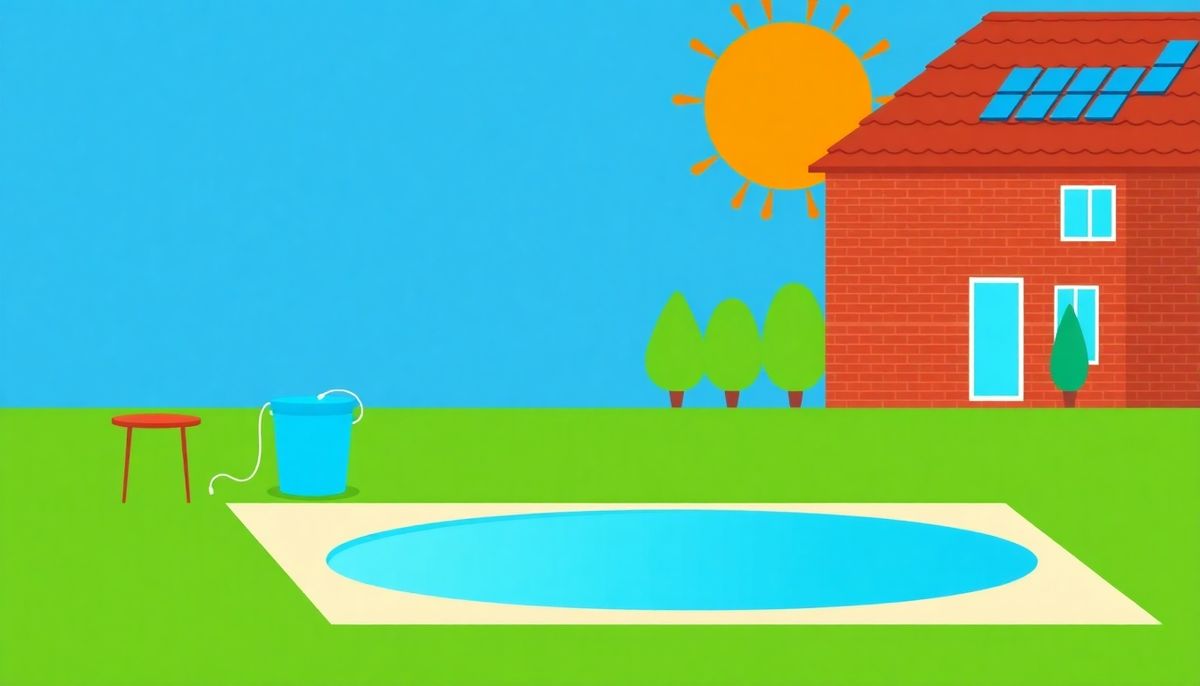
To keep your pool warm without constantly running the heater, focus on holding onto the heat you already have. Think of wrapping up in a blanket on a cold night; the same idea applies to your water.
Solar covers are your pool's best friend here. They cut heat loss in a big way. A clear cover lets the sun's rays through and adds up to 15 degrees. A dark blue cover is less see-through but excellent at holding warmth, so the pool stays inviting after the sun goes down.
For low effort, liquid solar covers create an invisible barrier that slows evaporation, with no cover to reel in. They're a little less effective but very convenient. And a solar dome circulates sun-heated water back into the pool for free, sustainable warmth once it's installed.
Holding onto heat matters as much as making it, so cover the pool every time you finish swimming.
Utilize Solar-Powered Solutions
Putting the sun to work is easier than ever. The simplest method is a solar pool cover. Lay it over the water and it catches the sun's warmth while cutting evaporation by up to 95 percent, which saves a lot of water and heat.
For something more permanent, a solar dome cycles pool water through sun-heated channels and can raise your temperature by as much as 10 degrees over a stretch of sunny days. It needs good sun exposure, but the payoff is free warmth.
And for the DIY crowd, a black irrigation hose and a submersible pump make a heater that warms circulating water and sends it back to the pool, all for under $100.
Implement Pool Cover Strategies
Smart pool heating often starts with the pool cover. A solar blanket looks like fancy bubble wrap, but it does more than float. By cutting evaporation by up to 95 percent, it locks in heat that would otherwise slip away overnight. If you've ever felt the chill after a late swim, you'll appreciate how much warmth a cover holds. With less water evaporating, you also keep more of your pool chemicals, so you're not always rebalancing.
For extra convenience, liquid solar covers form a thin, invisible layer on the surface. They keep heat in with no bulky cover to wrestle with. They're less effective than the physical kind, but they're an easy way to stay warm and thrifty.
Explore DIY Heating Methods
When you're heating on a budget, creativity pays off. One trick uses black plastic bags filled with water, left out to soak up the sun. As the water warms, you pour it into the pool for a small thermal boost. It costs next to nothing and uses stuff you already have.
Another approach uses black irrigation hoses. Coil them in a sunny spot, pump pool water through with a small submersible pump, and the dark hose passes its heat to the water flowing through. You can pull this off for under $100.
Feeling experimental? Build a solar water heater with an old window frame and black PVC piping. It works like a mini greenhouse: sunlight comes through the glass, heats the trapped air, and warms the water in the pipes. It's a fun weekend project that can shave several degrees off your heating needs.
Invest in Efficient Pool Heaters
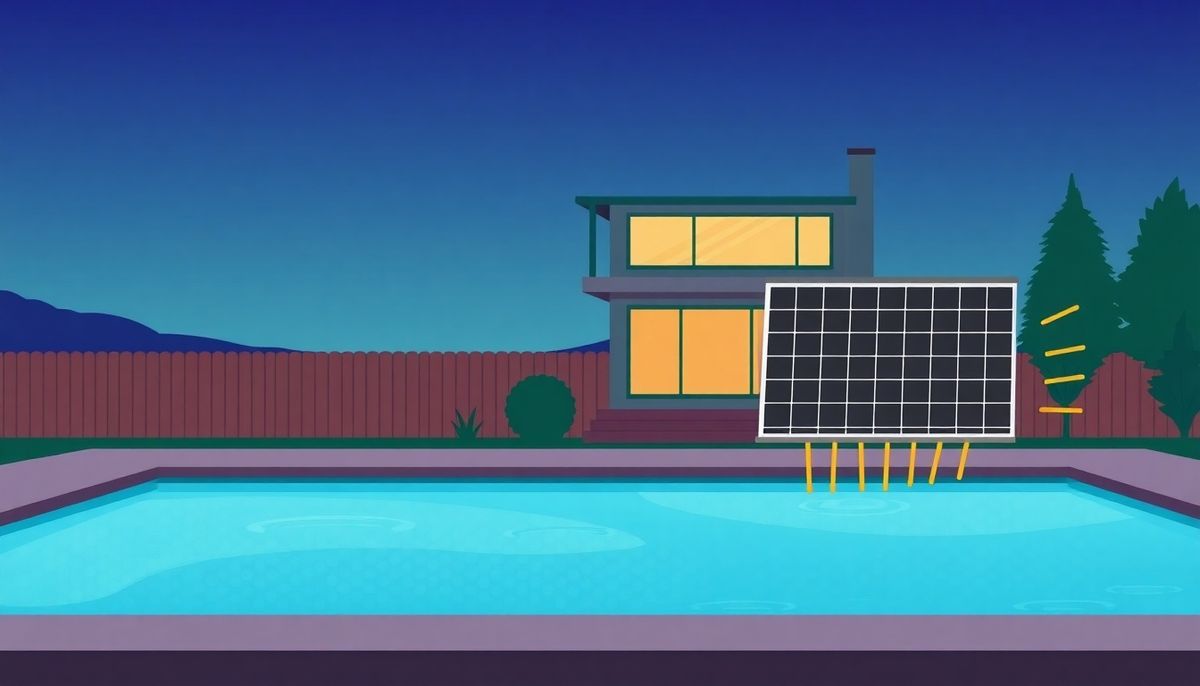
Sorting through heating options can feel overwhelming, but the right heater changes your whole swimming season. Remember an afternoon swim cut short by a sudden chill? A reliable heater puts those days behind you.
Gas, electric, or solar
Gas heaters are your fastest option if you need the pool ready for a last-minute weekend party. They heat water quickly even in cold weather, though you'll pay for ongoing gas and upkeep. For a greener, cheaper choice, an electric heat pump pulls warmth from the surrounding air and heats slowly, which suits mild climates.
In sunny areas, solar heaters cost more up front, but once installed the sun takes over and the heat is nearly free. My neighbor's solar heater cut his energy bill and became a talking point at summer get-togethers. Weigh each option against your climate and how fast you need warm water.
Choose the Right Heating Method
Choosing a method means balancing efficiency, cost, and ease of use. Solar is a great starting point. If you have an above-ground pool, a solar dome collects sunlight and warms the water through sun-heated channels, bumping the temperature up nicely after a few sunny days. Beyond the initial cost, the heat is free.
If you like a hands-on approach, a DIY heater from black irrigation hose and a submersible pump works well for a fraction of the price, and plenty of tutorials walk you through it.
If speed matters most, a gas heater brings the pool up to temperature fast, especially in cooler areas. The trade-off is higher running costs and regular upkeep. Whatever you choose, pairing it with a solar cover will boost efficiency and cut heat loss.
Holding onto heat comes down to a few small tricks. Start with a solar blanket. It seals in warmth and sharply cuts evaporation, protecting the temperature your heater worked so hard to reach.
If blankets feel like a hassle, liquid solar covers offer an invisible shield. A few ounces a week form a barrier that slows heat loss, much like a lid keeps soup warm on the stove. They're a touch less effective but easier on your routine.
A solar dome is worth considering if your pool gets all-day sun. It pumps water through sunlit coils and returns it warmer. Setup takes some patience, but the free heat makes it worth the effort.
Finally, don't underestimate a windbreak. Hedges or a fence shield the pool from cooling breezes, which helps you hold onto more heat and enjoy longer, warmer swims.
Explore Solar Heating Solutions
Solar heating offers a clear path to warmth without a big bill. Solar blankets are a great start. Spread one over the pool and it traps the day's warmth and cuts evaporation, raising the water temperature by as much as 15 degrees while reducing chemical loss.
For a more advanced approach, solar domes cycle pool water through a sun-soaked dome and send it back warmer. They take an initial investment, but the sun's free energy makes them a sound choice over time.
Feeling adventurous? A solar heater built from black irrigation hose and a submersible pump is budget-friendly and satisfying, warming your pool while giving you the good feeling of doing it yourself.
Optimize with Solar Domes
A Solar Dome turns pool heating into an earth-friendly win. It catches sunlight and sends your pool water through warming channels before cycling it back, and over a run of sunny days it can lift the temperature by up to 10 degrees.
Setting one up takes some elbow grease. You'll place it for maximum sun and may need a few extra connectors. The up-front cost can be significant, but the long-term savings pay off since the sun's energy is free. Installing mine was a worthwhile weekend job, with a toasty swim as the reward.
If you're hands-on and on a tighter budget, a black irrigation hose and a submersible pump make a cheaper solar heater, with plenty of online tutorials to guide you.
Install Solar Domes Efficiently
Installing a solar dome might look daunting, but a little know-how makes it manageable. A friend once turned his chilly backyard pool into a cozy retreat this way, and the process was simpler than he expected.
Pick the right spot
Placement is everything. You want a south-facing area that gets sun all day, free of shade from trees or buildings. Good placement is what lets you get the most from the sun. Once it's in position, the dome cycles your pool water through its warming channels, raising the temperature by up to ten degrees over several sunny days.
Setup takes some elbow grease and a few extra connectors, but the payoff is real: beyond the up-front cost, the system runs on solar energy, so there are no ongoing heating bills.
If you enjoy a challenge, building a similar heater from a black irrigation hose and a submersible pump is budget-friendly. If you'd rather have a polished setup with less tinkering, a commercial solar dome delivers long-term benefits.
Conclusion
Now that the water temperature is sorted, keeping it clean and clear is your next step. Good habits here save you money and headaches down the road.
Want to become a pool maintenance expert? Our free Pool School course covers everything you need to know about pool care, from basic maintenance to advanced troubleshooting. You'll learn how to:
- Save thousands on pool repairs and chemicals
- Keep your water crystal clear year-round
- Prevent and solve common pool problems
- Master water chemistry with confidence
Join over 10,000 pool owners who have already transformed their pool care routine. Get started with our free Pool School course today!
What you need
Grab a solar cover sized to your pool, plus a black irrigation hose and a submersible pump if you want a cheap DIY heater. A solar cover reel makes daily use painless.