



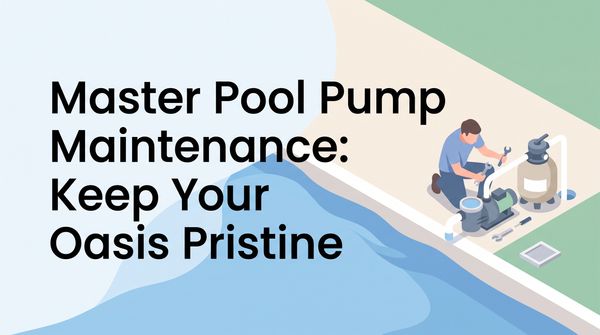
Under the summer sun, a backyard pool is a great place to cool off and relax. But behind that easy scene, one quiet workhorse does the heavy lifting: the pump. It's usually tucked out of sight, yet it handles one of the most important jobs in pool care, keeping your water clean and inviting.
The pump's main job is to move water, pulling it from the pool, pushing it through the filter, and sending it back. That steady motion matters, because still water is where algae and bacteria love to grow. Think of the pump like your heart pushing blood through your body: as long as it keeps a constant flow going, the water stays healthy. I grew up watching my dad fuss over ours, adjusting each setting until it was right. He'd remind me it wasn't only about moving water, but about filtering out debris and spreading chemicals evenly.
So the pump is one player in a bigger system, working nonstop to balance the chemistry, clear out junk, and keep your swim safe and fun. Because it handles all that quietly in the background, you get to float around and relax.
Your Action Plan
- Turn off the pump and empty the pump basket.
- Check the lid O-ring, then lubricate or replace it.
- Tighten loose fittings with plumber's tape to stop air leaks.
- Keep the water level above the skimmer.
- Work out your turnover rate and run the pump long enough to cycle all the water once a day.
- Clean the skimmer basket and backwash the filter.
Understand Pool Pump Mechanics
The pump sits at the center
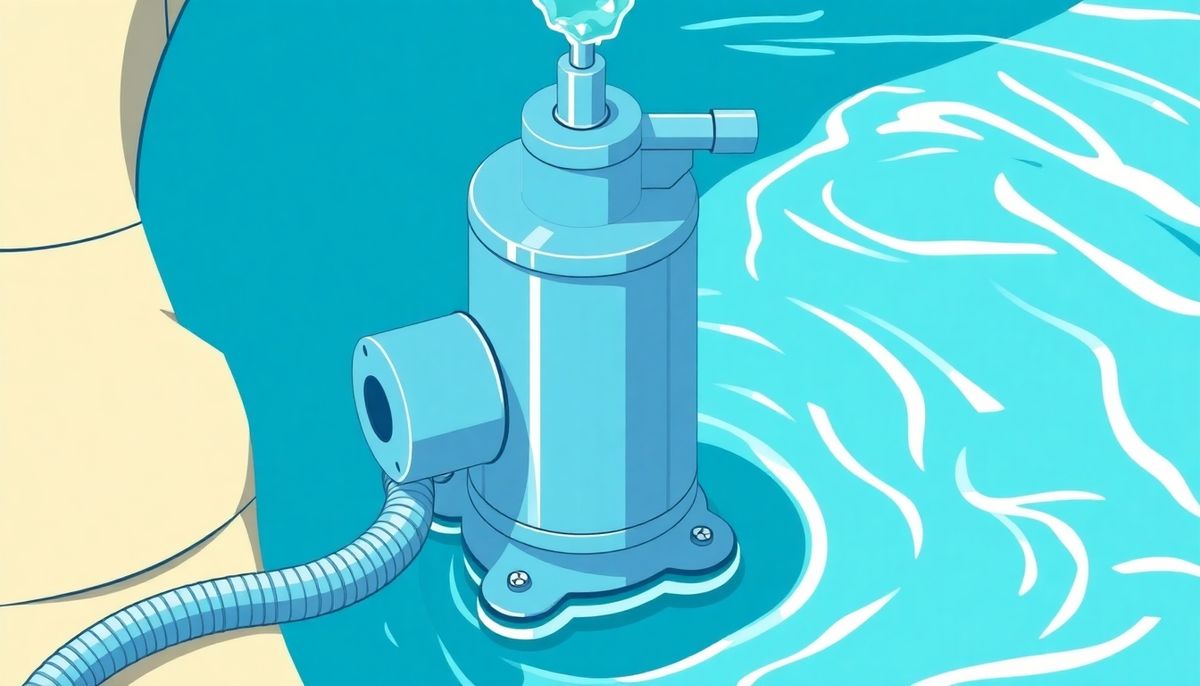
At the center of a clean pool is the pump. It pulls water through the plumbing and filter and sends it back, over and over. The trip starts at one or more valves that control how water flows in. Think of these as traffic signals; they set the pace and route the water toward the filter, where debris and dirt get trapped.
Like any hard worker, a pump needs attention now and then. A quick look at the basket for debris, or the lid seal for air leaks, can head off bigger trouble. Left alone, small issues grow into large ones, like air getting into the system or the motor overheating. Keep up with those checks and your pump keeps doing its job without a hitch.
Explore Water Flow Dynamics
How the water actually moves
Water flow tells you a lot about how a pool stays clean. It starts when the pump pulls water from the pool through the plumbing lines. Those lines meet at valves, which let you steer the flow, pulling more from the main drain or the skimmers, or shutting it off for maintenance.
Each part has a role. Skimmers grab floating debris. Drains pull water from deeper down. The pump pushes it all through the filter to catch the finer stuff, then the return jets send it back clean and refreshed. Not long ago I found a blocked skimmer line that was throwing off my flow. Small fix, big reminder: regular checks keep the whole system in tune.
Good circulation is the real secret to a healthy pool, so keep the water moving day and night.
Troubleshoot Common Pump Problems
Troubleshooting a pump that quits
A pool pump barely rests, but every so often it stumbles. When that steady hum goes quiet or turns into a worrying rattle, it's time to roll up your sleeves.
Start with the basics. Leaves, bugs, or a forgotten toy can slip past the skimmer and clog the pump basket. Switch the pump off first, then clear out anything stuck so water can flow freely again. Next, look at the lid seal. A lid that isn't sealed lets air in and messes with the flow, so check the O-ring for wear. A little lubricant often does the trick; if you spot cracks, replace it. Then check every connection between the pump and the plumbing for air leaks, and shore up loose spots with plumber's tape. Finally, watch your water level. If it drops below the skimmer, the pump sucks in air and can overheat.
Always shut the pump off before you open the basket or the lid; that one habit prevents most poolside mishaps.
Maintain Optimal Turnover Rate
Getting the turnover rate right
Getting the turnover rate right is about finding the right rhythm. Turnover just means how long your pump takes to send all the water through the filter once. For clear water, aim for at least one full loop every 24 hours.
Here's the math, and it's simple. Take your pool's volume and divide by your pump's flow rate. A 15,000-gallon pool with a pump moving 40 gallons per minute takes about 375 minutes, a little over six hours, for one full turnover. A bigger 20,000-gallon pool at 50 gallons per minute needs about 400 minutes, just under seven. Most pools do fine with the pump running around eight hours a day, though heavy use and hot weather may mean more. A friend's pool stayed cloudy no matter how often she cleaned it, and the culprit was a turnover rate that was simply too slow.
Run your pump long enough to cycle all the water at least once a day, and most cloudy-water problems clear up on their own.
Ensure Optimal Water Circulation

Circulation you can hear
Stand beside a well-running pool and you'll hear that gentle hum, the sound that tells you everything's working. The pump draws water in, pushes it through the filter to pull out debris and dirt, then sends it back sparkling, spreading chemicals evenly as it goes. It's not only about moving water; it's about making sure every drop gets its share of filtering and sanitizing.
When my family put in a new pool, the water got noticeably clearer and fresher once we dialed in the circulation, setting the valves right and keeping up with the filter. Steady turnover, plus quick checks on the basket and lid seal, keeps that circulation strong and helps you avoid costly repairs.
Troubleshoot Pump Issues
A few fixes that have saved me
When your pump takes an unscheduled break, it can turn clear water murky fast. The basket is usually the first suspect, so check and empty it often, and always switch the pump off first so you don't get any surprises.
The lid seal is next. A tiny crack in the O-ring is enough to make the pump wheeze and pull in air instead of water. A dab of lubricant can work wonders, but if it's worn out, a new ring saves you headaches later. And don't skip the connections. I once spent a whole afternoon chasing an air leak, only to find a single loose union. A little care up front goes a long way toward keeping your pump humming.
Maintain Proper Pump Function
Why regular checks pay off
A friend once neglected their pump and walked out one morning to find the pool looking more like a frog pond than a place for the kids to swim. That's the case for regular maintenance in a nutshell.
Keep the basket empty so debris doesn't slow the water down. Give the O-ring some respect, since it wears out over time and lets air in. And keep every connection tight and leak-free, because air leaks can run the pump dry and risk overheating or permanent damage. These are small habits, but they protect both your wallet and the simple joy of jumping into clear water on a hot day.
A worn O-ring is small and cheap, but ignore it and you can run the pump dry and end up buying a whole new motor.
Optimize Water Flow Paths
Setting your flow paths
Good flow starts with your inlet valves. They act like traffic directors, deciding how much water comes from where. Many setups use a three-way valve, which balances the pull between the skimmers and the main drain. Adjusting it changes how quickly and how efficiently water moves through the system. During a leafy autumn, you might send more flow through the skimmers to catch falling debris.
Once the water's inside, the pump drives it through the filter, which traps debris so only clean water returns to the pool. A well-set path does more than clean, though; it also helps spread chemicals evenly and keep the balance in check. Clearing clogs from the skimmer and keeping the seals airtight keeps it all running smoothly.
Troubleshoot Common Pump Issues
Working through the usual suspects
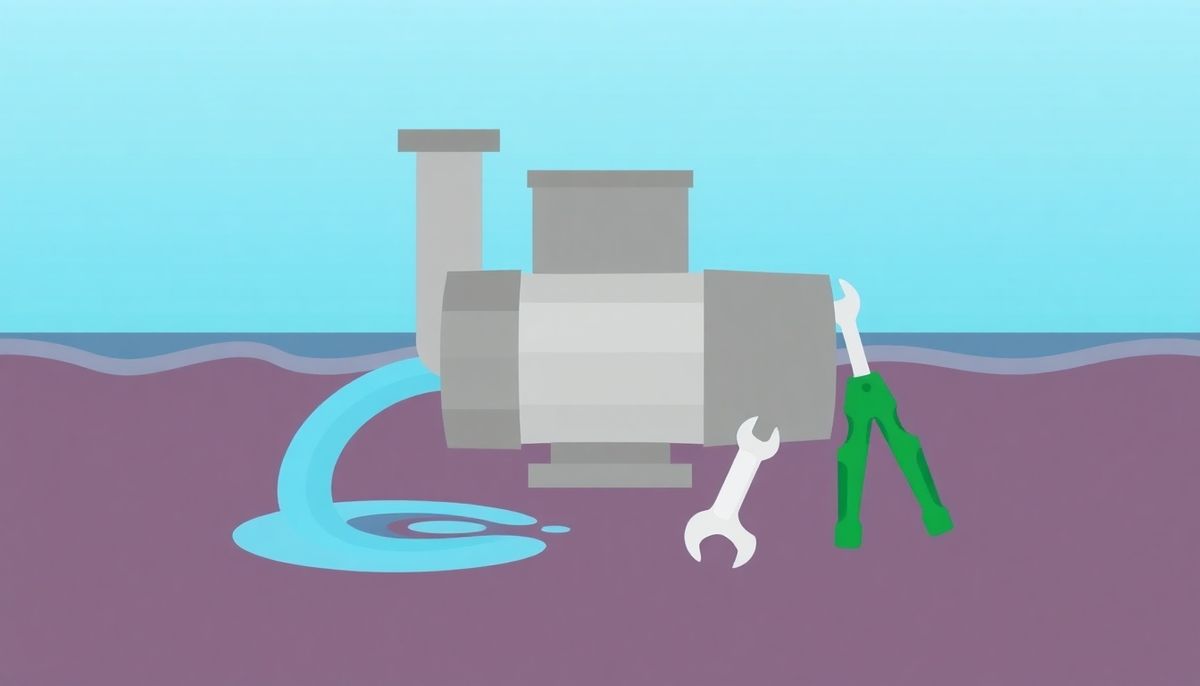
When your pump hits a snag, run down a short list. Empty the basket so debris can't choke the flow. Check the lid's O-ring, and replace it if it's cracked or brittle, or revive a slightly worn one with a little lubricant. Look over the joints between the pump and the plumbing, and tighten loose fittings with plumber's tape for a snug, airtight fit.
And don't underestimate a clean skimmer. A blocked skimmer line, maybe from a stray toy, cuts your flow. Clear the skimmer basket regularly, and if pressure problems stick around after all that, it's time to backwash or clean the filter.
Identify Pump Air-Leak Issues
Chasing down an air leak
An air leak is like sipping through a straw with a hole in it, frustrating and useless. The first sign is often a noisy pump that sounds like it's gasping for air. Listen closely, because it's trying to tell you something.
A visual check comes next. Start with the lid, where a cracked or damaged O-ring is a common culprit; a swap or a dab of lubricant usually fixes it. Then check the fittings and unions where the pump meets the plumbing, since loose joints are another frequent offender. A few turns of plumber's tape seal them off. Last, check your water level, because a low pool lets the skimmer gulp air and puts your pump in trouble.
Ensure Proper Water Turnover
Sizing and scheduling your pump
To hit the right turnover, your pump has to be the right size and run long enough to filter all the water at least once a day. Think of it as your pool's heartbeat; without a steady rhythm, everything else falls out of sync. About eight hours works for most pools, but adjust for size, how much the pool gets used, and the weather.
Keep the parts in shape while you're at it. Clear debris from the basket, make sure the lid seals so air stays out, and check the skimmer and filter for blockages. A well-kept pump holds its turnover and lasts longer.
Check and Clean Pump Components
Caring for the pump's parts
Careful care of the pump's parts heads off most common pool problems. Empty the basket regularly of leaves and twigs, a habit as simple as brushing your teeth, since it keeps the flow rate up and helps the pump last.
Treat the lid like the seal on a vacuum container. Any crack or misalignment lets air in and throws off performance, so check the O-ring, lubricate it when needed, or replace it if it's beyond help. Check the connections too, especially after the pump's sat idle a while, and tighten them with plumber's tape. Then keep the skimmer basket clean and backwash the filter to ease pressure buildup so the pump works with less effort.
Maintain Proper Turnover Rate
Turnover and the life of your equipment
Getting turnover right isn't only about clear water; it also makes your equipment last. Picture the pool as a busy highway with water as the traffic; any jam or slowdown drags the whole system down. A pump that's too weak or on the wrong schedule can't filter enough, and bacteria and debris start to build.
There's a balance here. Overwork the pump and it wears out early; underwork it and the water quality suffers. Check its efficiency now and then and adjust the runtime as use and weather change. That kind of attention keeps your pool inviting and saves you from expensive repairs later.
Ensure Pump Efficiency
Keeping every part in tune
A pump runs like a well-rehearsed orchestra; every part has to play in time, and regular maintenance is the conductor. The basket, often overlooked, needs steady attention, since debris there cuts the flow and strains the motor. Empty it with the pump powered down.
The lid seal keeps the pool clear, so a silicone-based lubricant on the O-ring extends its life, or replace it if it's past its prime. The connections are the quiet heroes; loose fittings are a sneaky way for air to get in, and plumber's tape can be the difference between smooth running and frustrating downtime. And keep the water above the skimmer line so the pump never runs dry and overheats.
Troubleshoot Common Issues
Playing pool detective
Start by listening. Grinding or screeching usually means worn bearings or debris stuck inside. Power down and take a look, since pulling off the cover often turns up leaves or twigs that slipped past the skimmer.
Next, check the flow. Weak or no flow points to a blockage or an air leak, so look in the basket first, then at the lid O-ring, which can crack and let air seep in. Water pressure problems can also stir things up. If the pump struggles even with an empty basket, a clogged filter is often to blame, and regular backwashing keeps it performing well.
Optimize Water Flow
Fine-tuning the flow
Think of the valves as your control room. They decide whether water comes from the skimmers or the main drain, and adjusting them isn't just flipping switches; it's steering the whole system. The turnover rate is your measure of success here, so it takes a bit of figuring and tweaking.
When I first set up my pool, I learned how much this balance matters. A few hours less on the schedule and the water lost its sparkle and started showing signs of algae. The trick is learning your own pool's needs and rhythms, then checking in regularly to keep the pump at its best.
Prevent Air Leaks in System
Sealing air out for good
Air sneaking into your system is as annoying as a mosquito on a sunny afternoon; it weakens filtration and can damage the pump. Start at the lid seal, replacing a brittle or cracked O-ring or reviving it with silicone lubricant. That small rubber ring is your first line of defense.
Your plumbing is like a chain, and one weak link breaks it, so tighten the unions where the pump meets the lines and add plumber's tape. A friend fought persistent air leaks for weeks until a few turns of tape changed how her system ran. Keep the water above the skimmer, and keep the baskets clear, since blockages slow the flow and let air slip in.
Inspect Valve Functionality
Getting to know your valves
Valves are the gatekeepers of water flow, keeping it moving cleanly from your pool to the pump and on through the filter. You'll mainly meet two kinds. A shut-off valve simply stops the water, which is handy for maintenance without causing a flood. A three-way valve lets you direct water from several sources, like the skimmers or the main drain, so you can balance the intake for the best efficiency.
Check these valves now and then for wear or leaks, because pool chemicals and weather break down the seals over time. Twisting a valve seems minor, yet a worn one can let in enough air to make the pump suck in air and run dry, which damages it. Keep your valves in good shape and the pump keeps delivering clear water, to the delight of everyone who swims.
Conclusion
Taking care of your pump might feel daunting at first, but with a few simple checks it becomes second nature, and you'll be swimming worry-free.
Want to go further? Our free Pool School course covers everything you need to know about pool care, from basic upkeep to tricky troubleshooting. You'll learn how to:
- Save thousands on pool repairs and chemicals
- Keep your water crystal clear year-round
- Prevent and solve common pool problems
- Master water chemistry with confidence
Join over 10,000 pool owners who've already transformed their pool care routine. Get started with our free Pool School course today!
What you need
Grab a fresh lid O-ring, a tube of silicone lubricant, and a roll of plumber's tape, then set your pump to run about eight hours a day.