




When cold weather rolls in, keeping your pool warm becomes a priority. If you love a swim no matter the season, a reliable heater is a must. With 2026 bringing new tech, shopping can feel exciting and a little overwhelming. Picking the right heater is about more than brand or model. It's finding the mix of efficiency, sustainability, and cost that fits your needs.
Last summer, a friend decided to upgrade. After days of research, he found the options vast and varied, weighing his pool size, local climate, and energy efficiency ratings. His experience taught me that buying a heater isn't only about immediate warmth. It's about long-term savings and your impact on the environment.
The technology has come a long way. From solar-powered models to traditional gas heaters, each option has perks and catches. Whether you're a first-time buyer or replacing an old unit, knowing the small differences keeps those poolside moments as enjoyable as they are warm.
Your Action Plan
- Figure out your local climate and how you use your pool.
- Measure your pool's surface area and calculate the BTU output you need.
- Compare gas, electric heat pump, and solar heaters.
- Weigh upfront cost against long-term running costs.
- Add a solar cover to trap heat and cut energy use.
- Plan placement, plumbing, and electrical before you install.
Choose Your Ideal Pool-Heater
Start with your climate and how you use your pool. Are you somewhere sunny most of the year, or do chilly breezes visit often? If you want year-round dips, a strong gas heater warms your pool quickly, even in cooler temperatures.
Solar heaters use the sun's rays, perfect for sunny regions and anyone who wants to shrink their carbon footprint. Just make sure your roof or yard has room for the panels. For a balance of efficiency and low environmental impact, an electric heat pump pulls heat from the air, a cost-effective choice in milder climates where hard frosts are rare.
Your pool size matters too. Larger pools need a higher BTU (British Thermal Unit) output to hold a cozy temperature. And look at installation and running costs, not just the sticker price.
Evaluate Your Heating Options
Match the fuel type to your goals
The heater you choose can stretch your swim season or just give you a warm dip on cooler days.
Gas heaters heat fast, perfect for brisk northern mornings. They burn natural gas or propane to warm the water quickly. Running costs swing with fuel prices, so if you want speed and don't mind higher bills, a gas heater fits.
Electric heat pumps are greener. They pull heat from the air into the water, which makes them more energy-efficient than gas. They struggle in colder climates, though, so check your local weather first.
Solar heaters use panels to soak up the sun with very little environmental impact. They pay off over time but lean on sunny days and can call for a hefty upfront investment.
The right heater comes down to balancing budget, climate, and how eager you are to swim in warm water whatever the season.
Maximize Energy Efficiency
Energy efficiency isn't thrilling, but with pool heaters it's where the real payoff happens. A heater that works smarter, not harder, saves you money and time.
Solar heaters run on the sun's power, so your bill stays low while your pool stays warm. They need more space and money up front, but low running costs pay you back. Heat pumps work like air conditioners in reverse, pulling heat from the air into your pool. They cost a bit more up front than gas but shine where temperatures rarely drop too low. Pair one with a solar cover, which traps heat like a snug blanket, and you cut overnight heat loss.
Gas heaters warm your pool fast but are hungrier on energy, great for quick, on-demand heating in cooler months. Look for models with low NOx emissions, which means low nitrogen oxide, the pollutant that fuels smog, so you get better efficiency and cleaner operation.
A solar cover is the cheapest upgrade you can make, and it can raise your water temperature by up to 10°F while cutting evaporation.
Calculate Heater Size Requirements
Do the BTU math
Getting the size right means efficient heating without wasting energy or money. Pools and climates vary, but there's a simple way to work out what you need.
First, measure your pool's surface area in square feet. A rectangular pool 20 by 40 feet gives you 800 square feet. Next, find your desired temperature rise by subtracting the average outdoor temperature from the water temperature you want. Say you want 82°F but the average is 60°F. That's a 22-degree rise.
Now the formula: Pool Surface Area x Temperature Rise x 12. For our example, 800 x 22 x 12 comes to 211,200 BTUs. That 12 is a standard multiplier used to figure out heating power.
If your area gets sudden cold snaps, or your pool sits out in the wind, size up a little. Get it right and you enjoy a warm swim instead of a chilling shock.
Match the heater's BTU output to your pool and climate, and you'll avoid both wasted fuel and disappointingly cold water.
Compare Fuel Options
Three fuel types dominate: gas, electric heat pumps, and solar, and each has its own trade-offs.
Gas heaters run on natural gas or propane and give quick, efficient heating, ideal for brisk mornings. They warm fast but cost more to run, especially on propane. In colder climates they hold steady warmth even when temperatures plunge.
Electric heat pumps do best in milder climates. They use the surrounding air, which makes them cost-effective and eco-friendly over time despite the higher upfront cost. Cold weather drags down their efficiency.
Solar heaters are the green champions. Once installed they cost almost nothing to run, but they need plenty of sun and space for panels. The long-term savings are hard to ignore.
Weigh your budget, your environmental concerns, and your climate. The right heater makes your swims better and fits your values too.
Evaluate Heating-System Efficiency
Efficiency affects both your comfort and your utility bills. When I picked a heater for my backyard, I realized it isn't just about warm water. It's about doing it without breaking the bank.
Start with the type. Gas heaters heat fast, great for spur-of-the-moment chilly swims. But for keeping your pool warm all season, an electric heat pump is more cost-effective, since it uses the surrounding air.
BTU ratings matter more than I expected. A higher BTU heats faster but burns more fuel. A mid-range BTU suited my moderate pool and mild climate, balancing performance and cost. Don't forget install and maintenance either, since a well-installed, well-maintained heater runs more efficiently.
Assess Climate Suitability
Let your climate lead
Overlook your climate and even the perfect-looking heater can fall flat. In a mild, sun-drenched region, a solar heater can be ideal, soaking up sunlight while saving energy. But where sunshine is scarce for part of the year, leaning only on solar might leave you shivering.
In a cooler climate with frequent cold spells, a gas heater is your best ally. It heats fast, so your pool is ready even on brisk mornings. My cousin in Minnesota swears by hers. It takes her pool from icy to inviting in under an hour and stretches her swim season.
For a middle ground, electric heat pumps are efficient but lose steam once temperatures fall below 50°F (10°C). A friend in Georgia finds hers perfect for mild winters, holding the pool warm with low running costs.
Your local climate is the single biggest factor in which heater will actually save you money.
Weigh Cost-Benefit Options
Buying a heater means weighing costs and benefits. Each type carries its own financial story, up front and over time.
Solar heaters shine on efficiency, using the sun to warm your water. They cost more to install, and you need roof or yard space for panels, but they can cut your monthly bills sharply. Think long-term savings rather than a quick win.
Gas heaters are the fastest option. They warm your pool quickly, ideal for spontaneous chilly nights. That speed comes at a price, with running costs that climb, especially on propane.
Electric heat pumps land in the middle, balancing efficiency and speed. They're appealing in milder climates, holding a steady temperature without draining your wallet, though they lose their edge in the cold.
Choosing means taking a hard look at what you value most: upfront savings, long-term efficiency, or fast temperature control.
Discover Energy-Saving Features
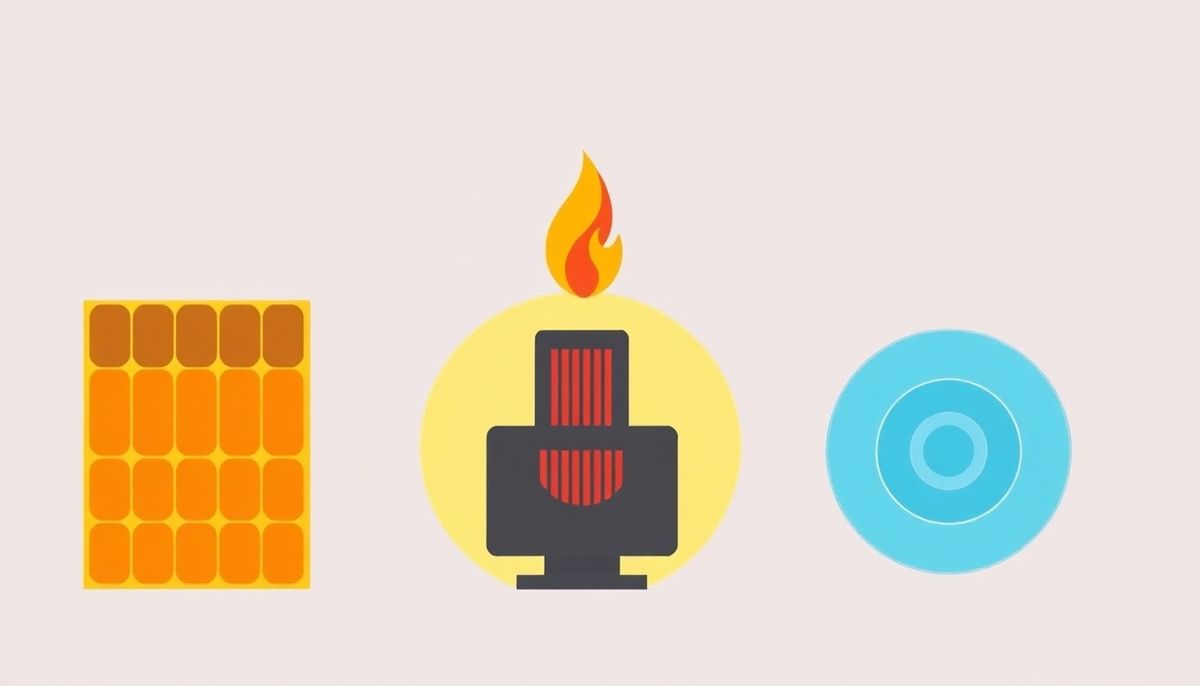
Spend time with pool heaters and you see energy efficiency isn't a bonus, it's a must. Heating a pool eats up energy, but modern features keep your bills in check while your water stays comfortable.
Take the heat pump. It uses the surrounding air to make heat and works well even as the air cools. It turns every unit of electricity into up to five units of heat, so you get far more back than you put in. In warmer climates these pumps quietly hold pool warmth without any fossil fuels.
Solar collectors tap the sun's free power and can raise your water temperature noticeably, given enough sun and space. Pair them with a solar cover, which traps heat and cuts evaporation when the pool isn't in use, like a cozy blanket holding warmth through cool nights.
Low NOx gas heaters use advanced combustion to cut emissions, again meaning lower nitrogen oxide, which contributes to smog, while boosting efficiency. They fit quick heating and cooler climates, balancing speed with cleaner operation.
Choose the Right Heater
Picking the ideal heater usually comes down to three types: solar, gas, and heat pump. Your choice should match your climate, budget, and swimming habits.
Start with your climate. Somewhere sunny? A solar heater is a smart, eco-friendly pick, though it needs a lot of surface area, often as much as your pool's footprint, spread across your roof or yard.
For cooler climates or fast heating, gas heaters are a strong solution. They raise the temperature quickly and don't depend on the weather, perfect for last-minute swims. They cost more to run, especially on propane, so factor in both installation and fuel.
Heat pumps sit in the middle, using the surrounding air to heat efficiently if a bit slower. They suit moderate climates and pair well with solar covers to hold warmth and trim bills.
Your pool size, how long you want your swim season, and your environmental priorities should all guide the choice.
Explore Eco-Friendly Options
Green options that save money
Heating your pool cleanly and cheaply has real appeal. Solar pool heaters are a popular, sustainable choice, capturing solar energy with panels on your roof or in your yard. About 80 square feet of panels can raise your pool's temperature by 6°F to 10°F. The initial cost runs between $3,000 and $4,000, but the savings on running costs add up fast.
Electric heat pumps balance green energy and reliability. They pull in the surrounding air, warm it, and pass that heat into your pool. They work well in moderate climates and can be cheaper to run than gas. Upfront cost runs $2,000 to $5,000, but their durability and efficiency make them worth it.
Both pair well with a solar cover, a thermal blanket that traps heat and cuts evaporation. This simple add-on saves a good chunk on heating costs while keeping your pool ready to swim.
Optimize Pool Heating Efficiency
With pool heating, efficiency is the name of the game, and tuning your setup saves real energy and money. A solar cover is like wrapping a blanket around your water. On sunny days it captures heat, raising the temperature by up to 10°F, and at night it cuts heat loss and evaporation, like the lid on a steaming mug.
Placement and use matter. Electric heat pumps do best in milder climates, so setting one in a sunny, open spot gets the most out of it. A family in Florida will see a far kinder electric bill than one facing chilly northern winds.
Routine maintenance matters too. Check your pool's pH regularly, since imbalances wear down even sturdy heaters and waste energy. My neighbor learned this the hard way, watching her bill climb as her heater fought corroded parts. Care for it and your system runs smoothly, extending its life and keeping every swim comfortable.
Find the Right Heater Size
Finding the right size is about precision, not grabbing the biggest or priciest unit. Every pool has its own quirks, from size and depth to location and climate, and they all affect performance.
A pool in sunny Florida needs a different size than one in chilly Massachusetts. The formula starts with your pool's surface area in square feet. Multiply by the temperature rise you want (the gap between air temperature and your target pool temperature), then multiply again by 12, the standard multiplier for this calculation. That gives your total BTU (British Thermal Unit) need. If your pool is 500 square feet and you want to raise the water 15°F, you need at least 90,000 BTUs.
BTU isn't the only factor. The efficiency of your heater type, whether gas, electric, or solar, plays a big role too. Guess wrong on size and you get higher costs and poor heating. Match the heater to your pool's conditions and you save money and energy for years.
Evaluate Pool-Heater Options
Shopping for a pool heater in 2026 comes down to three main choices: heat pumps, gas heaters, and solar. Each brings its own benefits and things to weigh.
Heat pumps are energy-efficient and do well in warmer climates. By pulling warmth from the outside air, they give steady heating with lower running costs. In cooler areas they lose punch once the temperature drops below 60°F (15.5°C).
Gas heaters heat fast, ideal for cooler climates. They burn natural gas or propane to raise temperatures quickly, so you can make the most of crisp mornings and chilly evenings. That speed brings higher running costs and a bigger environmental footprint.
Solar heaters use the sun to gently warm your pool with very low operating costs, perfect if you have plenty of sunlight and a taste for sustainability. They lean heavily on steady sunny weather.
Match your choice to your lifestyle, location, and budget, and your poolside time takes care of itself.
Optimize Pool-Heating Efficiency
Squeeze more from your heater
A smart approach cuts your energy costs and stretches your swim season. Start by choosing the right heater for your climate and use. In warmer regions where temperatures rarely dip below 60°F, an electric heat pump with a solar cover gives steady warmth without heavy gas bills. In chillier climates, a gas heater heats fast even in brisk weather.
A digital pool thermometer helps a lot. Watching the water temperature closely, you run the heater only when you have to. A solar or liquid solar cover when the pool sits idle traps heat and eases the load, like wrapping a blanket around your pool overnight.
Routine maintenance is key. Check regularly for leaks, debris, and scale buildup inside your heater. That keeps things running smoothly and avoids wasted energy, boosting both efficiency and lifespan.
Choose the Ideal Heat Source
Picking the right heat source depends on your needs and situation. The main contenders are gas heaters, heat pumps, and solar heaters.
Gas heaters are the fastest option. They run on natural gas or propane and are perfect for chilly evenings when you want to jump into a warm pool right away. They cost more to run, especially on propane, so watch those monthly bills.
Heat pumps heat gradually, drawing in the surrounding air and turning it into heat that slowly warms your pool. The upfront cost is higher, but their efficiency in mild climates makes them economical over time. Pair one with a solar cover to cut bills further.
Solar heaters use the sun, so they're eco-friendly and cost almost nothing to run once installed. Their performance is tied to available sunlight, so they're less reliable in overcast or cooler seasons.
Balance your budget, your environmental priorities, and how quickly you want the pool to warm.
Explore Installation Tips

Get the install right
When a heater lands on your doorstep, placement is your first decision. Solar panels belong where the sun hits generously, usually a roof or a sunny part of the yard. Gas heaters need to be close to both the pool and a gas line. Electric units need a spot away from splashing water but near enough for efficient heating.
Next, the plumbing. If you're replacing an old heater, you might reuse the existing pipes, but it's often smart to inspect and maybe upgrade for better efficiency. My neighbor found a mismatched pipe size mid-swap. It set them back a few days, so getting the right fit from the start saves hassle.
Electrical connections need attention too. An electrician can make sure they're safe and head off future headaches. Finally, set your expectations by climate. In cooler areas, a solar cover helps hold heat overnight. Follow these steps and your pool is ready for warm, leisurely swims even when the thermometer dips.
Choose the Right Pool Heater
The right heater should suit your pool's needs and your lifestyle. Start with your local climate, since that's your compass. If chilly winters give you pause, a gas heater warms quickly and holds up in the cold, keeping your pool inviting even when the air isn't.
If you live somewhere sunny, solar heaters are eco-friendly and cost-effective, using all that sunshine to keep your pool warm. They need plenty of room for collectors on the roof or in the yard, so check your layout and how much sun you get first.
In a moderate climate, electric heat pumps bridge the gap. They pull warmth from the air, an efficient, sustainable pick, though they work best when the air is above 60°F (15.5°C). If your area often drops below that, reconsider.
Weigh the upfront cost against long-term savings, and you'll find a heater that turns your pool into a year-round oasis.
Conclusion
Choosing the right heater is just the first step in getting the most out of your backyard oasis. With the right unit, correct sizing, and a solar cover, you can swim comfortably far longer than one short summer.
Want to become a pool maintenance expert? Our free Pool School course covers everything you need to know about pool care. From basic maintenance to advanced troubleshooting, you'll learn how to:
- Save thousands on pool repairs and chemicals
- Keep your water crystal clear year-round
- Prevent and solve common pool problems
- Master water chemistry with confidence
Join over 10,000 pool owners who have already transformed their pool care routine. Get started with our free Pool School course today!
What you need
Start with a heater sized to your pool and climate, then add a solar cover and a digital thermometer to lock in the heat and cut your running costs.