



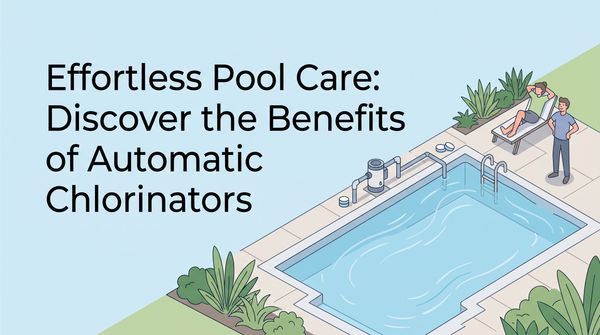
When you step into your backyard, the last thing you want is to spend it juggling chlorine tablets and testing pH. But if you own a pool, keeping that water clear takes steady attention. That's where automatic pool chlorinators come in. These devices tuck quietly into your pool's circulation system and release chlorine at a steady rate, so the water's always ready for a swim.
I was skeptical at first. Handing the balance of my pool's chemistry to a machine felt handy but a little risky. Then one especially busy summer changed my mind. A chlorinator pulls from a steady supply and doses evenly based on what your pool needs, which cuts way down on manual checks and constant tweaking.
You've got options too, from basic tablet feeders to saltwater systems, so there's a fit for most pools. The real question is whether one earns its place in your routine. Let's look at how they work and what they're worth.
Your Action Plan
- Decide between an inline or offline model based on your plumbing and space.
- Match the chlorinator's rated capacity to your pool's gallons.
- Pick a reliable brand and one type of slow-dissolve trichlor tablet.
- Turn off the pump and install the unit while wearing goggles and gloves.
- Start on a low setting and test the water often.
- Keep your chlorine in the ideal 1 to 3 ppm range.
Discover Automatic Chlorinator Benefits
Less hassle, steadier water
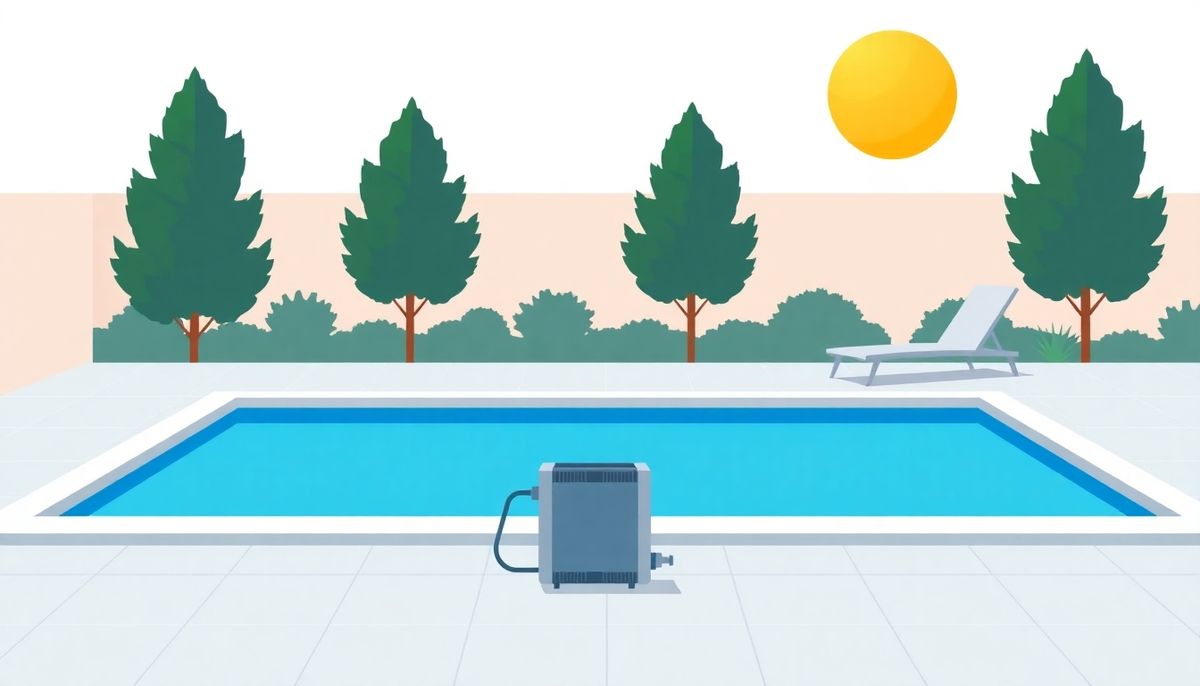
Watching chlorine levels closely is where these devices earn their keep. They release chlorine at a steady rate and hold your water balanced with hardly any effort. Picture spending your Saturday morning actually swimming instead of playing mad scientist with a testing kit. Once installed, a chlorinator fits into your existing system and keeps sanitizer flowing all summer.
On money, it's a smart buy. Steadier chemistry can extend the life of your equipment and cut how often you buy chemicals, so it pays for itself over time. It also gives you peace of mind when you travel, since your pool keeps itself clean while you're away.
Once it's dialed in, an automatic chlorinator keeps your water swim-ready with barely any daily effort from you.
Optimize Chlorine Distribution
Keeping chlorine balanced by hand can feel like spinning plates when life gets busy. An automatic chlorinator works with your pool system and doses evenly, which sidesteps the usual problems of hand-chlorinating: uneven amounts and wasted chemicals.
Back with my first pool, I was always checking and adjusting, never sure if I'd added too much or too little. After I installed a chlorinator, that worry went away. Most units let you set the release rate to fit your pool, and they spare you the floating dispensers that jam and the skimmer baskets that can damage your liner. There's some upfront cost and installation work, but a worry-free swim is worth it.
Simplify Pool Maintenance
An automatic chlorinator connects to your pool's pump and filter, adds chlorine with real precision, and keeps a steady supply going all season. Instead of forever measuring and dropping tablets into skimmers, you load it with tablets, set the level you want, and let it run. Pool owners who travel a lot tell me this is the change that finally let them enjoy the pool instead of babysitting it.
It doesn't erase maintenance entirely, though. You'll fiddle with the settings at first to match your pool, and it's smart to check your chlorine now and then to confirm it's doing its job. Even so, it cuts the manual work way down.
Choose the Right Chlorinator
Inline or offline?
Start by deciding between an inline or offline model. Inline chlorinators sit inside your pool's plumbing for a sturdy, tidy setup with no extra tubing cluttering the equipment pad. Offline chlorinators mount on the outside and are great when space is tight or you'd rather keep the plumbing simple.
Size, brand, and tablets
Match the chlorinator to your pool's volume, whether that's 10,000 or 40,000 gallons. An undersized unit won't keep up, leaving cloudy, possibly unsafe water. Stick with well-known names like Hayward for reliable parts and solid warranties. And pick your tablets: most units use slow-dissolve trichlor tablets, the most common densely packed form of chlorine.
Always run one type of chlorine tablet from a single brand, since mixing kinds can set off dangerous chemical reactions.
Understand Chlorinator Types
Automatic chlorinators come in two main kinds, inline and offline. Inline units tie directly into your plumbing and make a sturdy, reliable option with no extra tubing to clutter your setup. Offline units connect through a separate bypass line that skips the rest of the filtration gear, which gives you flexibility when space is limited or your filtration is complicated.
Which one you choose comes down to your pool's layout and how much room you have around the equipment. Either way, both hold your chlorine steady and give you back time you'd otherwise spend tending the water.
Explore Automatic Chlorinator Benefits
Those warm afternoons often come with a hidden chore: keeping chlorine just right. A chlorinator makes it easy, doling out a consistent amount so you can skip the daily chemical checks. If you've ever fought a jammed floating dispenser or watched tablets slip behind the ladder, the upside is obvious. By tapping into your existing pump and filter, it spreads chlorine evenly and keeps the water clear without you hovering. A summer storm won't send you into an algae panic, because it just keeps working. The first install may look daunting, but it's a one-time job that pays off every season. A chlorinator becomes the quiet hero of your backyard, working away so every splash is fresh and safe.
Compare Inline and Off-line Options
Inline chlorinators tie right into your plumbing, placed just after the filter or heater, adding chlorine as water flows back to the pool. That spot also helps protect your equipment from corrosion. The catch: installing one usually means cutting into PVC piping, so it's best done during construction or a renovation.
Offline chlorinators are the less invasive choice. They connect with small tubes that bypass the main line, which is handy when there's no room for an inline unit or you want something less permanent. They do need rigid PVC piping rather than the soft hoses common on above-ground pools.
Select the Right Chlorinator Model
Finding the right model starts with your pool system. Inline chlorinators tie into your plumbing and are ideal if you're building or renovating; they treat water after it's filtered, which protects your equipment. If space is tight or your setup is already in place, offline models attach with hoses and skip major plumbing changes.
Size comes next. Chlorinators are built for different water volumes. Too small and your water stays under-sanitized and prone to algae; too big and you're paying for capacity you won't use. Brands like Hayward make it easier to find parts down the road. Finally, plan on slow-dissolving trichlor tablets, and stick to one type and brand to avoid dangerous reactions.
Install Your Pool Chlorinator
Pick your model first
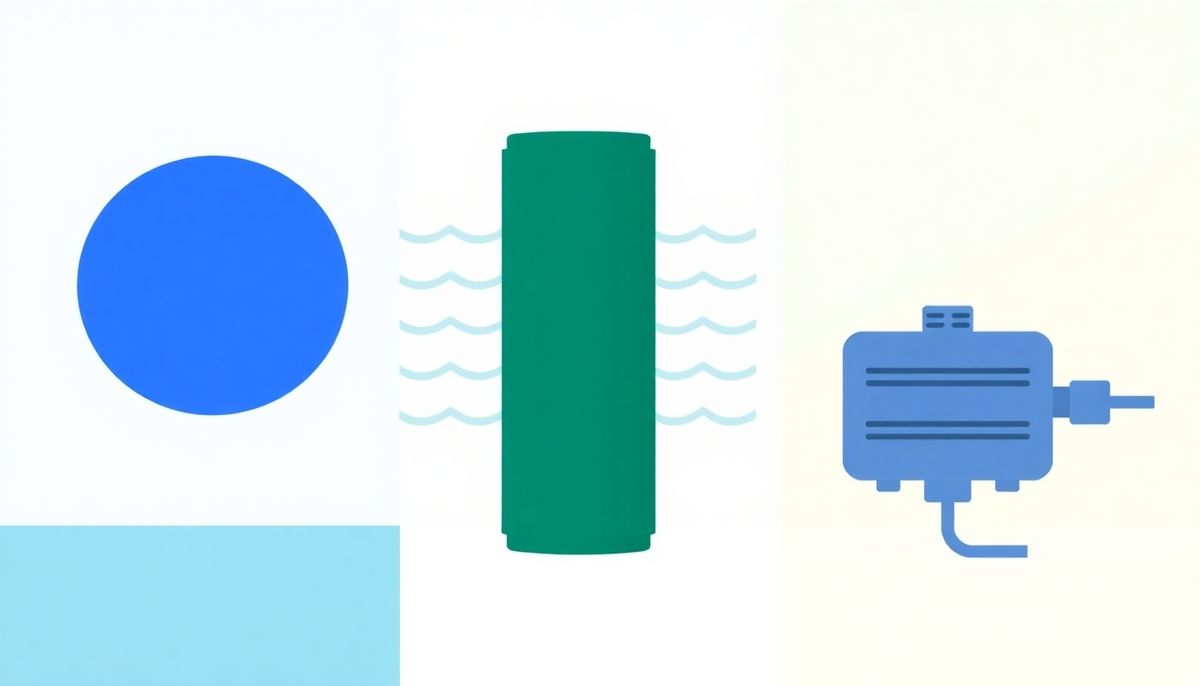
Figure out whether your pool suits an inline or offline unit. Inline chlorinators insert straight into the plumbing, ideal for new builds or big overhauls, and blend right into your filtration. Offline chlorinators are the clever fix for pools that are already built, connecting through a bypass line with less pipe cutting.
The install itself
Start by shutting off your pool pump for safety. With your tools ready and maybe a friend on hand, set the chlorinator in place. For inline models, you'll cut the PVC and fit the unit snugly between the filter and heater. Offline models mean attaching tubes and fitting adapters into your current setup. Then give it a break-in period: start slow and test your water often to dial in the chlorine. Before long, your pool holds its sparkle on its own.
Get the choice right and maintenance gets simpler. Inline models tie directly into your plumbing and work well when you've got room; they're especially good for larger pools where steady flow matters for even distribution. Offline models suit tight spaces, connecting through a separate line.
Match the unit to your pool's size. Buy a chlorinator rated for 10,000 gallons for a 20,000-gallon pool and you'll be back to constant manual fixes. A reputable brand like Hayward makes parts easy to find and usually comes with a solid warranty. And use slow-dissolving trichlor tablets, never mixing types or brands.
Install with Safety Precautions
Installing safely matters as much as picking the right model. Put on goggles and gloves first; they're your defense against strong fumes and splashes when you handle tablets. Turn off the pool pump to stop water moving through the system. Then slowly release the air pressure with the vent, or ease the cap off carefully to avoid a sudden rush of chlorine fumes. A mask helps here.
When you load tablets, use a single type from one reliable brand, since mixing can trigger dangerous reactions. Snug the lid back on before you restart the pump so the system stays sealed. Then check your chlorine now and then to be sure it's working.
Always shut off the pump and put on goggles and gloves before you open the chlorinator or add tablets.
Adjust Chlorine Levels Correctly
Setting it up right keeps your pool healthy. Start by knowing your pool's volume, since that decides how much chlorine you need, then set the control valve to match. Begin conservative for a few days and test the water. When I first used a chlorinator, I was surprised how fast the levels moved, so testing often early on helped me find the sweet spot and hold chlorine in the ideal 1 to 3 parts per million (ppm) range. Watch pH and alkalinity too.
Keep your pump schedule in mind. Chlorine only spreads when water is flowing, so if your pump runs on a timer, match the chlorinator to it. And keep safety first: turn off the pump, release air pressure, and wear protective gear whenever you add tablets.
Maintain Consistent Chlorine Levels

Automatic chlorinators are the silent helper here, giving every splash properly sanitized water without you measuring by hand. Unlike floating dispensers that snag in awkward spots or skimmers that can stain your liner, they give a steady, controlled release and hold that 1 to 3 ppm sweet spot.
Pool owners often tell me the change is obvious right away: no more breaking up a weekend to check levels. The unit fits into the existing pump and filter, and you fine-tune the output with a simple dial. Don't sweat the early adjustment phase. It takes a little monitoring to dial in, but once it's set, it runs with barely any attention.
Install an Automatic Chlorinator
An automatic chlorinator turns maintenance from a constant chore into an occasional check-in. I decided to try one the summer I noticed my chlorine was out of whack every time I got back from a weekend trip, and it made all the difference.
First, choose between inline and offline based on your setup. Short on space or working with a complex pump system? An offline chlorinator connects with a bypass line and skips most of the pipe cutting. Inline units are sturdier and connect straight to the filtration, but they take more care to install.
Then turn off the pump, work the chlorinator into the system, and make every connection tight so nothing leaks. Wear goggles and gloves for the fumes. Load the right tablets, start on a conservative setting, and adjust until the pool holds a steady 1 to 3 ppm.
Choose the Right Chlorinator Type
Each type has its strengths, so the best choice depends on your setup. Inline chlorinators tie into your plumbing and dose smoothly; they're sturdy, usually installed during construction, and run efficiently without taking extra space. Offline chlorinators give you flexibility when plumbing space is tight, connecting through a bypass line, though installing one means small changes to your PVC.
For smaller above-ground pools, an offline unit is often more practical because of space. Whichever you pick, match it to your pool's volume and plumbing type and you'll get smooth chlorination without the hassle of constant hand-dosing.
Optimize Chlorine Dispensation Settings
Dialing in the settings is all about balance. When I first installed mine, I learned that cranking it to the highest level didn't mean a cleaner pool. Instead, weigh your pool's size, how often you swim, and the weather.
Start with size. A small backyard pool needs far less chlorine than a big one. Begin low, around 1 ppm, watch it over a few days, and use a reliable test kit to check the free chlorine and adjust. Then factor in use: a pool full of neighborhood kids all summer needs a higher setting, while one that rarely gets used can run lower. Rain and heat waves shift things too. Fine-tune over time and your pool stays ready for a spur-of-the-moment swim.
The trick is matching the chlorinator to your filtration system and volume. Decide on inline or offline first. Inline models tie neatly into the plumbing and spread chlorine as water returns to the pool; they're rugged but need room. If space is cramped, an offline unit that connects with flexible tubing may be your best bet, as long as your plumbing can handle it.
Stick with established brands like Hayward for reliability and easy parts, and buy slow-dissolving trichlor tablets that suit your unit, never mixing types.
Match the chlorinator's rated capacity to your pool's gallons, or you'll be fighting cloudy water all season.
Both main types meter out chlorine efficiently. Inline chlorinators tie directly into your plumbing, mounted after the filter or heater but before the water returns. That spot shields sensitive equipment from chlorine's harsh effects and extends its life. Offline chlorinators connect through a separate bypass line, a real plus when space is tight since it skips extensive pipe cutting, though it does mean small changes to your PVC.
When deciding, look at your current setup. Inline models are durable with fewer parts to fuss over; offline models give flexibility when space is limited. Both work with standard trichlor tablets, and remember they only run when the pump is running, so plan your timer and check in regularly.
Note which type suits your setup, then gather your tools: PVC cutters, pipe wrenches, and Teflon tape. Turn off the pump first. For inline installs, cut the PVC after the filter, fit the chlorinator in place, and seal it tight, adding Teflon tape on threaded connections to prevent leaks. Offline models need you to drill into the PVC for a bypass, which feels less nerve-racking if you're not comfortable cutting main pipes.
Once everything's secure, load the correct tablets, restart the power, set the control valve to your target level, and watch the water chemistry over the next few days. Soon you'll have a well-kept pool with little effort, leaving more time for easy swims and poolside lounging.
Conclusion
Now that you know your options, you're ready to spend less time testing water and more time actually enjoying it.
Want to get even more confident with pool care? Our free Pool School course covers everything from basic maintenance to advanced troubleshooting, so you'll learn how to:
- Save thousands on pool repairs and chemicals
- Keep your water crystal clear year-round
- Prevent and solve common pool problems
- Master water chemistry with confidence
Join over 10,000 pool owners who have already changed their pool care routine. Get started with our free Pool School course today!
What you need
Grab an automatic chlorinator sized for your pool, slow-dissolve trichlor tablets from one brand, and safety goggles and gloves for the install.