



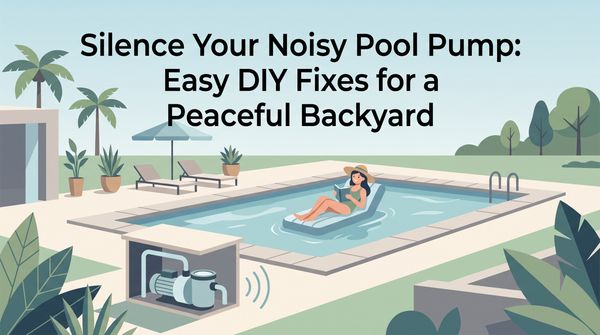
The calm of a backyard pool can shatter fast when your pump won't stop clattering. I've been there, sipping coffee on a sunny morning only to have it cut off by a harsh grind. That noise is more than an annoyance. It's a sign something's wrong, usually a mechanical problem or wasted energy hiding below the surface. Ignore it and it tends to get worse.
Figuring out why a pump is noisy can feel like a lot, but a clear plan gets you through it. Here I'll share practical fixes that quiet the noise and help your equipment last longer, from checking for debris to making sure the pump's installed right. Let's turn that racket back into a soft hum.
Your Action Plan
- Reset the breaker to clear minor electrical hiccups.
- Check the water level and top it up to at least halfway up the skimmer.
- Clear the skimmer and pump baskets of leaves and debris.
- Free a jammed impeller with a bent wire hanger or screwdriver.
- Inspect the bearings and housing, then lubricate or replace as needed.
- Prime the pump by filling the housing with water.
Silence Your Noisy Pump
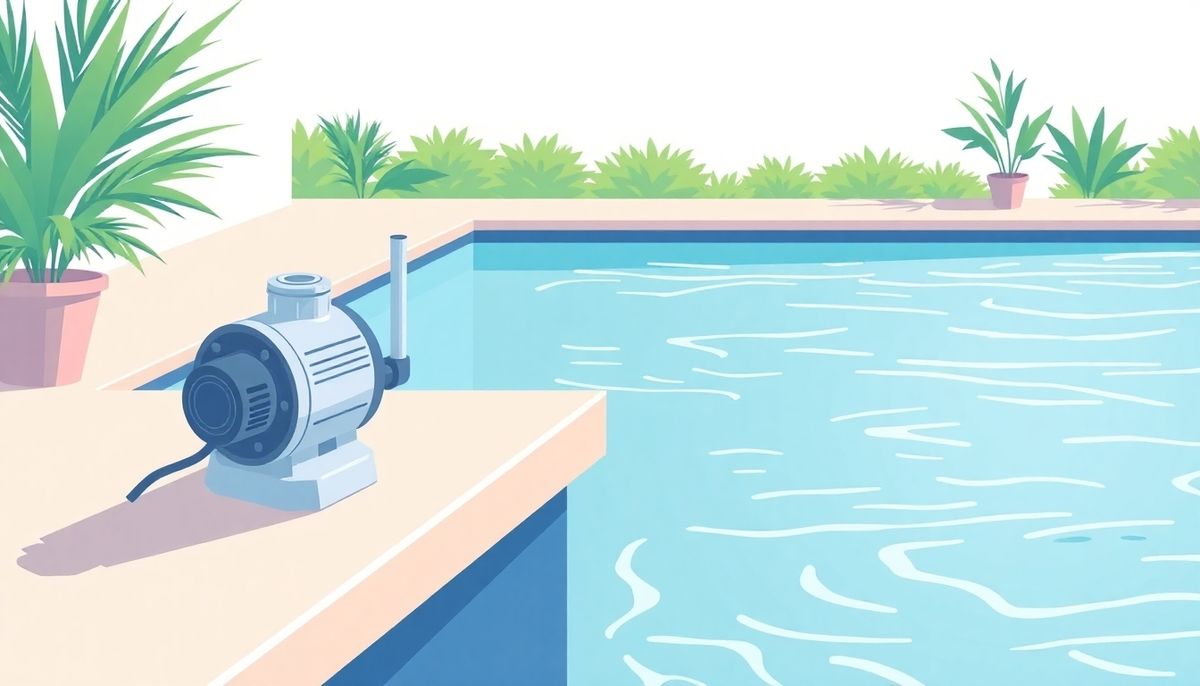
A noisy pump is your cue to play detective. Different sounds point to different causes, and learning to read them saves you time and headaches.
Start with placement and hardware
An easy thing to miss is where the pump sits. On an uneven surface or a poorly built pad, the vibrations get louder. Slip rubber pads or vibration-dampening material under the base to soak up the sound and hold it steady. Next, check the housing for loose or cracked parts. Weather and steady use can loosen bolts or crack the casing, which gives you a mess of rattles. A close look often turns up loose housing or missing screws, and those are easy to tighten or replace.
Rubber pads or vibration-dampening material under the pump base can turn a rattling machine back into a quiet one.
Listen for bearings and debris
Aging bearings can start to squeal. Replacing them takes some know-how, but smooth bearings keep the pump quiet and efficient. Sometimes it's simpler. A small stone once lodged in my impeller and drove me crazy. A quick disassembly and a fished-out pebble brought back the quiet.
Troubleshoot Motor Issues
When your pump growls or whirs at odd times, the noise usually flags motor trouble. Start with the power. Flip the breaker off and back on. You'd be amazed how many problems a simple reset solves.
If that doesn't do it, look at the impeller, the part that spins nonstop to keep your water moving. When it jams, the motor can make alarming sounds. Cut the power, then poke around with a bent wire hanger and a flashlight to find any debris stuck inside. Clearing it often brings back the quiet.
There's also a quick diagnostic tap. With the motor trying to start, a light knock from a rubber-soled shoe can jolt it into action. It's temporary, though, and usually points to deeper trouble like failing bearings. If a steady roar sticks around, it's time to call a pro or plan for a new motor.
Inspect Impeller Functionality
Your impeller is a small part with a big job. If your pump hums loudly or roars, a jammed impeller is often behind it. This swirl of plastic or metal spins constantly to push water through the system, but when debris slips past the basket or algae builds up, it can jam.
Shut off the pump at the breaker first. Take out the pump basket and feel your way to the impeller near the back. Use a screwdriver or a bent wire hanger to nudge it into motion; that gentle coaxing usually frees any trapped debris. Last summer a stubborn leaf wedged in mine. Some patient prodding turned the roar back into a hum. It's often that simple, and it saves you a service call.
Address Water-Flow Problems
Your pump's sound should be a soft background hum. When it's off, the cause might be a water-flow problem.
Check the water level
If the level's too low, the pump sucks in air, struggles, and whines. A quick top-up with the garden hose often sets it right. When water flows properly into the skimmer, the pump breathes easy and quiets down.
Low water is a top cause of pump noise, so keep it at least halfway up the skimmer opening.
Clear the clogs
Leaves, debris, or a stray toy can lodge in the skimmer basket or pump strainer. Clear these out regularly so the pump doesn't strain. You may also need to prime the pump, which just means filling the housing with water so it can catch its suction. A little care keeps it running at its best.
Troubleshoot Humming Motors
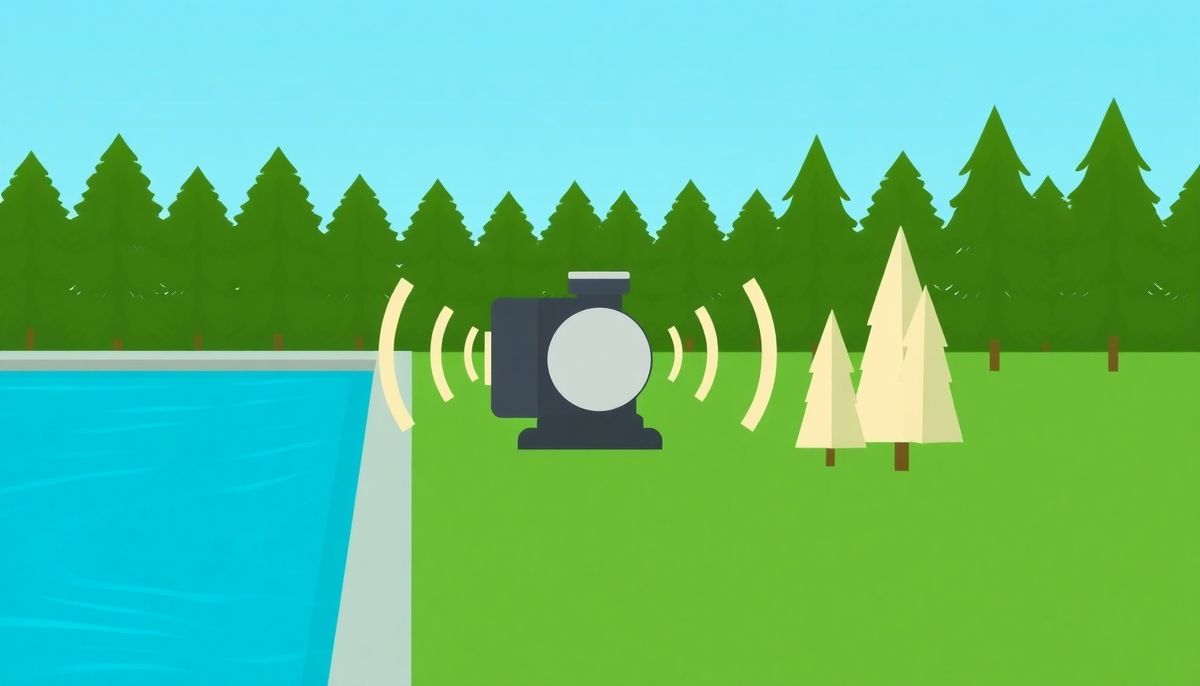
A humming motor usually means trouble, but try a few steps before you call for help. When this hit my own pump, the motor was struggling to start.
First, reset the breaker. Flipping it off and on can clear the circuit. If that doesn't work, get your hands a little dirty. A jammed impeller keeps the motor from running right. Cut power at the breaker and take out the basket, then reach into the housing. A bent wire hanger works well for spinning the impeller by hand.
If the motor's still stubborn, a gentle tap with a rubber mallet or shoe as it starts can nudge it back to life. Go easy so you don't cause damage. When you find yourself needing this trick, take it as a sign to start budgeting for a new motor.
Reset the Breaker
Sometimes resetting the breaker is all it takes. Find the breaker that powers your pump, usually in your home's breaker box and often labeled. Flip it off, wait a few moments, then switch it back on. That resets the current and might bring the quiet back.
My own pump acted up in the middle of a family barbecue once, and the noise nearly drowned out our conversation. I reset the breaker, and the humming stopped. A reset can also protect the pump. One struggling because of a tripped breaker can overheat or wear its parts faster. So before you call a costly pro, try a reset first.
Inspect and Spin the Impeller
A pump that sounds more like a jet engine than a water feature often has a stuck impeller. This small part draws water in and pushes it through the filter.
Switch the pump off at the breaker. Safety first. Remove the basket and reach inside to find the impeller, which usually hides toward the back. Use a bent wire hanger or a screwdriver to gently coax it into motion. Once it spins freely by hand, power the pump back on and listen for a smooth hum. If the problem sticks around, it may need a deeper clean or professional advice, but this hands-on approach often saves you time and money.
Tap the Motor with Caution
Some of the simplest fixes seem a bit odd. Tapping your pump with a rubber-soled shoe is one. A little mechanical jostling can shake loose stubborn particles or nudge a stuck part back into place.
Switch off the pump at the breaker first so you don't risk an electrical mishap. Then grab a rubber-soled shoe or a rubber mallet; both give just enough force to free a jammed part without causing damage. As the pump tries to start, a couple of measured taps can sometimes get it going again.
This can breathe temporary life into your pump, but it can also mean bigger repairs are coming. If it responds to the tap, follow up with a thorough check of the motor for wear so you don't end up right back here.
Fix Squealing With Simple Steps
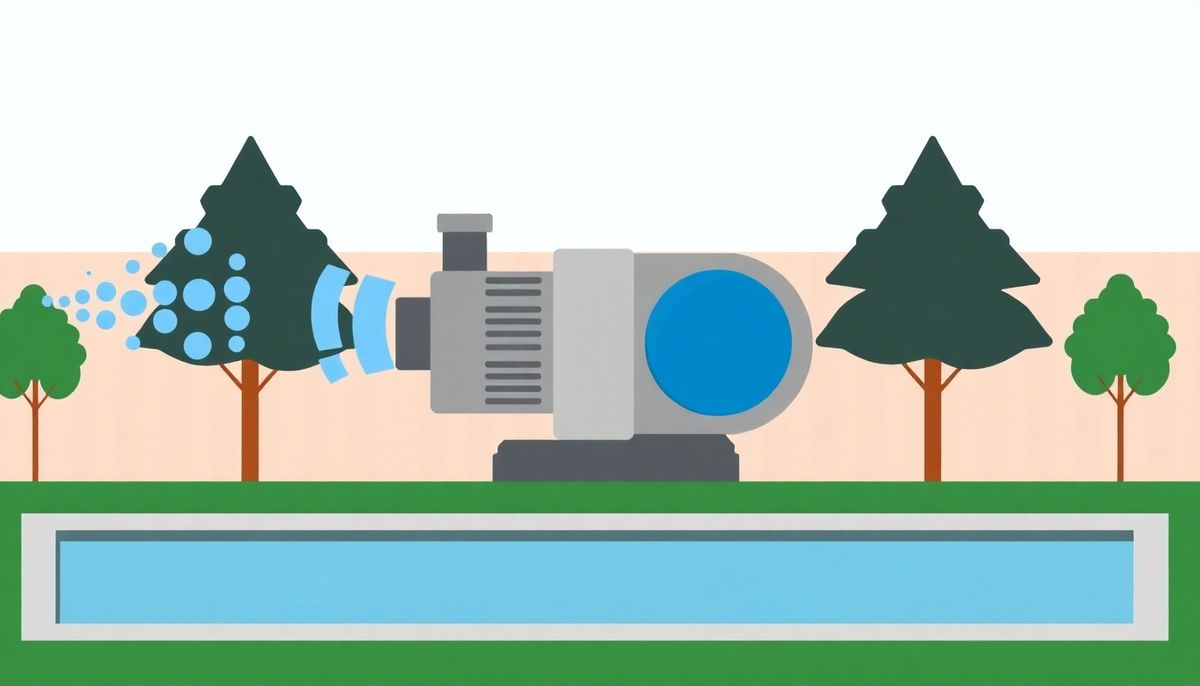
When a squealing pump cuts through the quiet of your backyard, the bearings are often to blame. Bearings let the pump spin smoothly, but they wear out, especially with constant exposure to chlorinated water.
Unplug the pump first. Wet surroundings and electricity are a dangerous mix. Remove the pump housing to reach the bearings, and have a wrench or screwdriver ready. Inspect them, and if they're corroded or clearly damaged, replace them. Most hardware stores carry the parts, and the swap is usually pretty straightforward.
Not ready for a replacement? Lubrication can quiet the squeal for a while. Apply a suitable lubricant right onto the bearings. It won't undo any damage, but it buys time until a proper repair.
A high-pitched squeal almost always means worn bearings, and running them too long turns a cheap fix into an expensive one.
A humming noise often means the motor's in distress. Check the obvious first: the electrical breaker. It might have tripped, and a simple reset can bring the peace back.
Past the breaker, look at the impeller, which pushes water through the system without a break. When it jams, it can seize up the motor. Make sure the pump is off at the breaker, open the basket, and check the impeller by hand. A gentle poke with a bent wire hanger helps you find and free any blockage. That manual spin might be just the kick-start the impeller needs.
If all else fails, firmly tapping the motor with a rubber mallet or a rubber-soled shoe can jiggle things back into place for a while. A word of caution, though. This can point to deeper motor trouble on the way, and a temporary fix won't hold forever. Regular maintenance is what keeps your pump quiet.
When your pump starts making unsettling noises, a water-flow problem is a likely cause. First, glance at the water level. It should be at least halfway up the skimmer opening. If it's lower, the pump sucks in air instead of water, which creates a gurgling or screeching sound. Topping up the pool often quiets it.
Then think about priming the pump. That means filling the pump housing with water so it can move water efficiently again. A garden hose is your best friend here. Gently add water until the housing is full, then switch the pump back on and watch. If the noise fades, you've likely cleared an airlock. Debris can block flow too, so check the pump basket and filter for anything in the way.
Use Impact Techniques Safely
Tapping the pump can help, but it's not about brute force. A gentle tap with a rubber mallet or even a rubber-soled sneaker can shift a misaligned part inside the motor. Make sure your tool has a soft, forgiving surface so you don't crack the housing. Tap the motor right as it powers on, using a light touch and good timing. Think of it as a delicate nudge, not a forceful blow.
Tapping the motor is only a temporary diagnostic fix, so if you need it often, start planning for a new motor.
Leaning on this too much signals a failing motor and a repair or replacement to come. A friend once turned a raucous pump quiet with a few strategic taps, buying time until a proper fix. Use it sparingly, respect what it can and can't do, and you'll stretch the life of your pump.
Revive Your Pump With DIY
You can often bring a noisy pump back to life yourself. One summer mine sounded like it was chewing rocks, and a few simple checks sorted it out.
Clear the impeller
Switch off the power, then reach into the pump housing carefully, maybe with a screwdriver or a bent wire hanger. Even a small twig can wreak havoc, so make sure it's clear before you give the impeller a gentle spin.
Try a tap, then check the water
With the pump trying to start, a few well-placed taps from a rubber-soled shoe or mallet can coax it back to life. It worked for me, though I knew it meant a motor check-up was coming. Water flow matters too. A gurgling sound often means the pump is low on water. Keep the pool at the right level and prime the pump with a garden hose, and you might find it purring instead of roaring.
When the motor's behind the noise, start with the breaker. Flipping it off and back on resets minor hiccups. Next, with the breaker off, inspect the impeller. It often gets jammed, which makes the motor struggle. Remove the pump basket and spin it by hand; a simple twist can dislodge the debris that's bringing your pool day to a halt.
If the motor is still acting up, gently tap it with a rubber mallet or a shoe as it tries to start. Just be careful so you don't cause more damage. If the problem sticks around, it might be time to face the fact that a new motor is coming.
Clear a Jammed Impeller
If you hear a steady hum but see no water flow, a jammed impeller is a common cause. Stay safe and switch off the breaker first. This isn't optional when you're working on pool equipment.
With the power off, remove the pump basket to reach the impeller. Reach into the housing with your hand, or if you're hesitant, use a bent wire hanger or a screwdriver. Gently clear out anything wrapped around the impeller blades so nothing blocks its movement.
Then spin the impeller by hand to make sure it's free and moving. Power the pump back on, and the water should flow again. This simple fix saves you the cost of a service call, and regular checks can head off future jams.
Ensure Proper Water Flow
A racket can also point to a water-flow problem. Make sure the level is at least halfway up the skimmer. If it drops too low, air sneaks into the system and creates that irritating gurgle. Once, a quick check showed evaporation had quietly dropped mine.
Beyond the water level, check the skimmer and pump basket for debris. Leaves, twigs, or even a stray toy can block the flow. I once found a small toy stuck in the basket, proof that kids and pools lead to some odd discoveries. Then check your valves; wrong settings choke the flow and strain the pump. Finally, consider pipe size. Too narrow, and it restricts flow, forcing the motor to work harder and louder. Your pump's manual can help you get everything set right.
Inspect Water Flow Issues

Water flow is the lifeblood of any pool system, and a problem here turns calm into chaos. When your pump sounds more like a gurgling drain, start by checking that the water level is at least halfway up the skimmer. It seems basic, but low water lets air into the system, and that's what causes those distressing noises.
Blocked pipes are another sneaky culprit. Fallen leaves or debris can find their way into the skimmer basket or pump strainer and choke the flow. Clear the blockage, and the water should glide smoothly through the system again.
Don't stop there, though. If the pump still howls with a clean skimmer, check the impeller. A clogged impeller causes the same symptoms, and reaching it might take a bit of disassembly. Use a flashlight and a thin coat hanger to gently dislodge any debris. Sort out these flow problems and you'll quiet the pump while keeping the water circulating well.
Troubleshoot Humming Motor Sounds
That relentless hum usually means a motor problem. Before you call your pool guy, try a few DIY fixes that might save you some cash.
Start with the simple stuff: the electrical breaker. Power issues often look like mechanical failures. Find the breaker that runs your pump, switch it off, then back on. That quick reset might be all it takes to shake off a tripped circuit.
Next, turn to the impeller, the real workhorse. If it's jammed, the motor hums its complaint. With the power off, take out the pump basket and reach inside the housing. Use a screwdriver or a bent wire hanger to gently nudge the impeller, clear any blockage, and try a restart.
Last, a light tap with a rubber-soled shoe or a mallet as the pump powers on can jolt it back into action. Be gentle; think of it as a nudge, not a karate chop. There's a catch, though. Frequent humming is a red flag for the motor's health, a sign that a replacement is coming.
Check and Clear Impeller Blockages
A loud racket is often a cry for help from a blocked impeller, which spins fast to move water through the system. When it hits debris, your pump can sound like it's chewing gravel.
Clearing a blockage is usually a simple job. Start by cutting power to the pump at the breaker. Safety first. Water and electricity are a dangerous pair. Then remove the pump basket. You might find the culprit right there in leaves or twigs.
Now get hands-on. Reach into the housing where the impeller sits and use a screwdriver or a bent wire hanger to gently coax out any stubborn bits lodged inside. Be patient and thorough. Rushing this step could leave you with an even more stubborn clog later. Once it's clear, put everything back together, power up, and listen for that smooth hum.
Conclusion

Now that your pump is running quietly, you can get back to relaxing by the water. A little regular attention keeps it that way.
Want to become a pool maintenance expert? Our free Pool School course covers everything you need to know about pool care. From basic maintenance to advanced troubleshooting, you'll learn how to:
- Save thousands on pool repairs and chemicals
- Keep your water crystal clear year-round
- Prevent and solve common pool problems
- Master water chemistry with confidence
Join over 10,000 pool owners who have already transformed their pool care routine. Get started with our free Pool School course today!
What you need
Keep a few basics on hand: rubber vibration pads, a bent wire hanger or screwdriver for the impeller, pump bearing lubricant, and a garden hose for priming and topping off the water.