



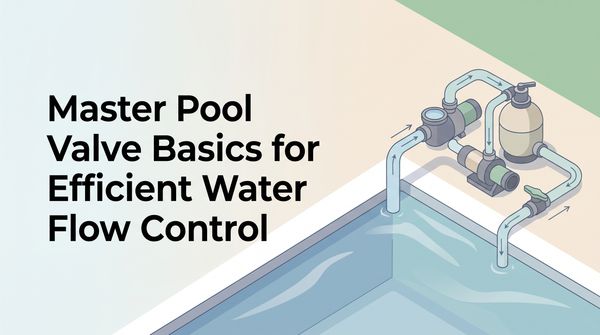
Learning to take care of your pool usually starts with the parts that do a lot of unnoticed work: pool valves. These simple components decide where your water goes, so every corner of your pool gets what it needs, whether that's heating, cleaning, or just staying fresh.
I once stood in my backyard, hose in hand, baffled by the tangle of pipes and levers under my pool. Once I got to know the valves, maintenance went from a headache to something I could handle.
Each valve has its own job. The diverter valve decides where water flows, the check valve stops water from running backward, and the ball valve simply opens or shuts. Know what each one does and you can make your pool run better and last longer. On a cool day, for example, the diverter valve lets you send water straight to the solar heater for extra warmth without spending more.
The more you learn about these parts, the less scary troubleshooting gets. When your pool's circulation acts up, a quick valve adjustment is often all it takes. Let's get to know these workhorses.
Your Action Plan
- Learn what each valve does, from the multiport to the diverter to the check valve.
- Set your multiport valve to the right mode for each job, like filter, backwash, or recirculate.
- Position your diverter valves correctly to control flow between the pool, spa, and features.
- Make sure your check valves are working so backflow can't contaminate the water or damage equipment.
- Add valve actuators to automate flow control from a panel or phone.
- Inspect valves regularly for leaks, blockages, and wear, and replace aging ones.
Discover Essential Pool Valves
Look inside any pool system and you'll find valves running the show. Under that calm blue surface sits a busy network of pipes and valves, each doing its part.
The multiport valve runs your filter
The multiport valve is the leader of the filtration setup. It sits right on the filter and lets you control where the water goes, whether that's cleaning itself by backwashing or skipping the filter for a recirculation run. Small part, big say in how clean your pool stays.
Diverter valves steer the flow
Diverter valves are the traffic cops of your pool. They come in two-way and three-way setups, and they send flow exactly where you want it. Want to clean just the skimmer or the main drain without touching the rest of the pool? That's a diverter valve at work.
Check valves stop backflow
Check valves guard against water running backward and causing trouble. They protect sensitive equipment, keep a spa's water level steady, and keep things in order. Learn these parts, because each one keeps your pool clean and puts you in charge of your own water.
Once you know what the multiport, diverter, and check valves each do, most pool troubleshooting comes down to a simple flip of a handle.
Control Water Flow Effectively
Water always looks for the easiest path. In pool care, guiding that flow is the whole game, and valves are how you do it. They send water exactly where it needs to go, whether through the filter to catch debris, the heater to warm chilly water, or straight back to the pool once it's clean.
The diverter valve is one of the handiest tools a pool owner has. It reroutes flow, giving you fine control over which parts of your system get water. Put in a three-way diverter and you can shift flow between the pool and spa, so each keeps its own conditions without unwanted mixing.
The check valve matters just as much. Say you turn your pump off after a swim and the power stays off overnight. A check valve makes sure the standing water in your lines can't drift backward and pull grime into places that should stay clean. It also keeps hot tub water from seeping into the pool, so both stay in balance.
If you like a little modern convenience, valve actuators turn manual work into fingertip control. Get a handle on these valves and you've got a handle on your pool's health and efficiency.
Master Multiport Valve Functions
Once you understand the multiport valve, pool care starts to feel less like a chore. It works like a conductor, sending water where it needs to go for each job. It sits on your pool filter and handles things precisely, whether that's cleaning, rinsing, or backwashing the filter, or sending water to waste.
Match the setting to the task
Say you're vacuuming your pool. You want that debris-filled water to skip the filter and leave through the waste port, and the multiport valve sends it there. Or say you've added a flocculant, a chemical that clumps tiny particles together so they sink to the bottom where you can vacuum them up. You might set the valve to recirculate, moving water without filtering while the chemistry does its work.
This valve also has a winter setting that helps prevent freeze damage in the colder months. Think of it as setting your pool's mode for action or rest.
As you get familiar with its settings (filter, rinse, waste, recirculate, closed), you'll work the multiport valve like a pro and keep your pool clear.
Prevent Backflow with Check-Valves
If you want your pool's water system to stay in balance, check valves do a lot of the heavy lifting. They keep water from wandering back into places it shouldn't. Their job matters most when the pump is off, since that's when grime and contaminants could sneak into water that should be clean.
Protecting your chlorinator setup
Check valves really earn their keep with automatic chlorinators. Set between the chlorinator and the equipment before it, like a filter or heater, they protect those parts from undiluted chlorine. Without that protection, your heater or filter could take damage, and that means costly repairs.
Spas, water features, and solar
Spa owners will appreciate them too. Since a spa usually sits higher than the pool, it can drain into the pool once the pump stops without a check valve, throwing off the water levels and chemistry in both.
Water features like fountains rely on check valves to keep their reservoirs from emptying back into the pool when they're off. That keeps the backyard looking good and the plumbing healthy. And if you use solar panels to heat your pool, check valves are a must. They stop water from siphoning backward, so the system stays full even when the pump is off and you can enjoy that solar warmth without a hitch.
Master Pool Water Flow
Controlling the flow of water in your pool is a bit like leading a band, where each valve plays its part on cue. The multiport valve sits on top of your filter like a conductor, sending water through different functions, whether that's backwashing the filter or skipping it during a treatment.
Diverter valves, in two-way and three-way versions, let you send water exactly where you need it. Think of them as traffic cops, deciding whether more water heads to the skimmer or the main drain to keep circulation working well. With a more complex setup like solar heating or a hot tub, check valves become essential. They guard against backflow, which can otherwise dilute chemicals or mess with carefully balanced temperatures.
Check valves matter most in setups with automatic chlorinators or solar panels, where backflow can push concentrated chemicals where they don't belong or let gravity drain your panels when the pump stops. It might feel overwhelming at first, but once you know what each valve does, you'll see how they keep your pool running in harmony.
Manage Pool Valve Settings
Managing your valve settings comes down to precision and timing. Each valve directs where the water goes, whether it's heading through a filter, a heater, or back into the pool. Knowing when and how to adjust them makes a real difference in how clear your pool stays.
Take the multiport valve, usually at the heart of your filter system. It's not just for backwashing. It can reroute water for jobs like vacuuming or keep things from freezing in winter. Turn its handle and you instantly change the water's route. Fought with a murky pool lately? A simple switch to "recirculate" can sometimes clear that right up.
Diverter valves matter too, especially if your setup includes a spa or waterfall. They split water or shut it off to certain areas. If your spa needs a quick fill-up, a turn of the diverter sends water straight there without disturbing the rest of the pool.
The check valve acts as your pool's security guard, stopping unwanted backflow. That's key for protecting delicate chlorinators and heaters from damage. Get the hang of each setting and you'll improve how your pool runs and enjoy your swims more.
A single wrong valve position is behind a surprising number of cloudy pools, so check your settings before you reach for more chemicals.
Prevent Water Backflow
Water backflow can turn a clean pool into a murky mess. Left unmanaged, unfiltered water can flow back into the pool, dragging debris and bacteria along with it. Pool valves are your main defense here.
Think of your pool's plumbing as a well-rehearsed routine where each valve has a role. Multiport valves send water through the filter so only clean water returns to the pool. During maintenance especially, they let you backwash the filter, flushing out built-up gunk instead of letting it sneak back in.
Check valves are another key player. Worried about a power outage or shutting off the pump? These valves keep water from flowing backward. Placed in the right spots, they protect equipment from concentrated chemicals and head off expensive damage.
In my own backyard, I learned about backflow the hard way. After one stormy night, I found my once-sparkling pool clouded with debris. A check valve had failed and let dirty water flow backward. Since then, making sure my valves work has been a fixed part of my routine. Looking after these parts keeps your pool clear and helps your equipment last.
Automate Valve Operations
Automating your valves turns pool management from a chore into something almost effortless. Instead of walking out to the equipment pad to switch water flow, turn on the spa, or start the waterfall, you press a button. Valve actuators make that possible. These small devices attach to diverter valves and connect to your pool's control system, so you can adjust flow from a distance.
How does it work? The actuators are wired to your pool's control box, so instead of twisting knobs and handles by hand, you use a control panel. It's not only about convenience. It gives you precise control over water flow, so every part of your system runs the way it should.
Years ago, I had to run out to the equipment every time I wanted to switch from pool to spa mode. It was a hassle, especially with guests over. Installing valve actuators changed that. Now a single button press gets it all going.
Automating your valves also helps your system last. Handling the valves by hand less often means less wear and tear. If you're ready for a more modern approach to pool care, valve automation blends smart tech with real ease.
Automate with Valve Actuators

Pool care is full of gadgets that promise to make life easier. Valve actuators actually deliver by changing how you manage water flow. Instead of wrestling with diverter handles out at the equipment area, you let a device handle those repetitive tasks.
Ever wished you could switch pool settings without leaving your lounge chair? Mount these compact devices on your diverter valves, connect them to your pool's control system, and you can redirect flow at the push of a button. Whether you're adjusting the skimmer or setting the hot tub temperature, it becomes easy.
This setup also helps other water features work together. Start your fountain or waterfall from across the yard and turn your backyard into a lively spot with almost no effort. Valve actuators save time and give you precise control over flow. If you're still adjusting everything by hand, it might be time to add a little automation.
Implement Valve Automation
Adjusting diverter valves by hand can feel like an old ritual that doesn't fit the rest of your automated life. Valve automation turns that job into a button press. You can sit with your morning coffee on the patio and adjust water flow to the hot tub with a tap on your phone.
Installing them is simple. They sit on top of your existing diverter valves and connect to your pool's control system. Once that's set up, you can manage flow from anywhere, whether you're beside the pool or across town. If you have a solar heating system that needs frequent tweaks as the sun comes and goes, automation lets you fine-tune flow through the panels without walking outside, so your pool holds a steady temperature.
Automation also adds precision. Switching between pool and spa modes automatically keeps your system running efficiently and saves energy. Add this tech to cut down on manual work and free up your time. Easy pool upkeep is here now.
Enhance Water-Flow Control
Working through pool plumbing can feel overwhelming, but once you learn to control water flow, a simple pool becomes a finely tuned setup. These plain-looking valves direct, pause, and regulate the water, keeping your pool clean and relaxing.
Take the multiport valve, usually on the filter. It lets you choose how water works with the filter, whether that's catching debris, backwashing to clean the system, or skipping the filter in recirculation mode. That flexibility helps a lot when you're fighting stubborn cloudiness or clearing lines during seasonal maintenance.
Then there are diverter valves, which manage the water's route. A simple two-way turn controls flow direction, while a three-way setup channels water between different paths. That's crucial when you're moving water between your pool and an attached spa, keeping things running without mixing or waste.
Don't overlook check valves, which stand guard against backflow and protect your investment. Whether they're keeping heavily chlorinated water away from delicate equipment or holding the right levels between connected features, they keep things steady. There's real satisfaction in understanding these small but mighty parts and putting them to work.
Optimize Pool Maintenance
Understanding your pool's plumbing is only half the job. The real payoff comes from keeping it well maintained. A well-cared-for system stays clean and lasts a lot longer, and it starts with those key valves. They may look small, but they regulate water flow and keep your pool healthy.
Check positions first when trouble starts
Walk outside to find your pool looking murky, and the cause is often a valve issue, like water not being sent through the filter properly. Checking your valve positions regularly can save you time and frustration. When you're moving water through the diverter valves, make sure they're set right to prevent backflow, which could send debris back into the pool. A quick adjustment keeps things clear.
Automate, then inspect
Switching to automatic valve actuators can make maintenance easier, letting you go from pool mode to spa mode with a button. And catching wear and tear early is key. Valves can develop leaks or blockages over time. Inspecting them and replacing aging ones can mean the difference between smooth operation and costly repairs.
Regular valve checks catch small leaks and blockages before they turn into the kind of repairs that empty your wallet.
Control Water Features Efficiently
Pool care can feel like learning a new language, especially the ins and outs of water flow. But once you know how to control your water features, the whole experience changes. On a hot day, a fountain adds both a nice look and a soothing sound, and getting features like that to work smoothly comes down to your valves.
Take the diverter valve. Its knack is sending flow exactly where you want it, from the pool to a waterfall or a poolside grotto. A simple turn of the handle adjusts the route, letting you send full or partial flow, or shut it off completely. That flexibility matters when you want to turn features on or off without changing the pool's main circulation.
Check valves keep your pool balanced too. Turn off a water feature for maintenance, and without a check valve the water could flow back and throw off your pool's balance and cleanliness. These valves keep water where it belongs so your features are always ready to go. Paying attention to these details keeps your poolside looking great and helps your equipment last.
Understand Pool Valve Types
Valves keep water flowing smoothly and with purpose. They might look like just another piece of the plumbing puzzle, but knowing the different types can make a big difference in how well your system runs.
The versatile multiport valve
One of the most versatile is the multiport valve, the workhorse on your filter. It's like a Swiss Army knife for your pool's water. It can backwash, rinse, or skip the filter entirely. That flexibility comes in handy during cleaning, letting you isolate parts of the system without stopping the whole flow.
Diverter and check valves
Diverter valves redirect water so it goes exactly where you want. Say you need to balance flow between a skimmer and a drain. Two-way and three-way diverters handle that easily, whether you're cutting flow for maintenance or boosting it for better circulation.
Check valves are the guards that stop backflow before it can damage your equipment. They're essential with automatic chlorinators, keeping strong chlorine from sneaking back into other parts, and they help hold separate water levels between a pool and a connected spa. Valve actuators add modern convenience, automating the work so you can control everything from a panel instead of heading outside every time. Once you understand these types, your pool care gets easier and your equipment stays protected.
Automate Water-Flow Control
Pool care can feel like a walk through a maze of pipes and valves. There's something satisfying about turning that tangle into a smooth, automated system.
Say you need to switch from pool mode to spa mode. Adjusting diverter valves by hand under the summer sun isn't the most fun chore. Valve actuators make it simple. Mounted on top of your diverter valves, they let you redirect water from your control panel. Whether you're warming up the spa for the evening or turning on a feature to wow your guests, it's a button press away.
In my own backyard, adding valve actuators felt like finding a hidden superpower. I no longer had to juggle valve positions by hand. That saves time, and it adds precision, cutting the risk of a wrongly set flow that could drag down how well the system runs. Automating your plumbing makes your water management more reliable and better performing.
Preventing water backflow is a big part of pool care that goes unnoticed until something goes wrong. Check valves keep water moving in the right direction and never backward, which could cause contamination or equipment damage.
Take an automatic chlorinator, which adds chlorine just before the water heads back to the pool. Without a check valve, when the pump stops, concentrated chlorine could seep back into the system and risk damaging your filter or heater. A tiny valve saving you from costly repairs.
The same goes if you've got a hot tub next to your pool. You don't want that spa water, loaded with different chemicals, draining back into the main pool and throwing off the chemistry. Check valves keep each body of water where it belongs. Water features and solar heating systems count on them too. When the pump shuts off, gravity can pull water backward and drain key parts like solar panels. Check valves prevent that, keeping your heating efficient and your features looking great.
In pool care, check valves play a quiet but crucial part. They make sure the work you put into cleaning and heating your pool doesn't get undone by backflow. Think of a check valve as a one-way gate that insists water flow only in the intended direction. That keeps your water clean and protects delicate equipment.
Your automatic chlorinator steadily doses your pool with chlorine to hold back bacteria. Without a check valve, once the pump stops, that concentrated chlorine could seep backward and attack filters and heaters that aren't built to handle such a strong mix. A well-placed check valve keeps the chlorinated water put until it's safe to move on.
Now picture your hot tub beside the pool, set a little higher. When its pump rests, the water wants to level out. A check valve keeps the spa water from spilling back into the pool and upsetting your chemistry. And if you're using solar heating, check valves matter even more, stopping solar-heated water from draining out of the rooftop panels when the pump is off. Each check valve is a small investment that pays off in peace of mind.
Implement Check-Valves Effectively
A pool that works beautifully isn't just about clear water. It's about the plumbing that keeps everything flowing, and the check valve is one of the biggest helpers here. This small part keeps water moving in one direction, protecting your equipment and keeping the whole system running smoothly.
An automatic chlorinator is the last stop for water before it returns to the pool. That water, now mixed with strong chlorine, can't be allowed to flow back into other equipment. A check valve set between the chlorinator and the equipment before it acts as a gatekeeper, stopping reverse flow and shielding your devices from corrosive chlorine.
If you have an attached spa, keeping the hot tub and pool water levels balanced matters. A check valve makes sure that when the spa pump stops, water doesn't sneak back into the pool. Water features and solar heating gain a lot too. A fountain that shuts off without a check valve risks draining its reservoir into the pool, ruining both the look and the function. Solar panels also rely on check valves to fight gravity-driven backflow. Making them part of your pool care plan protects your investment and makes your swims better.
Conclusion

Now that you know how your valves work, you're ready to take real control of your pool's plumbing. Start with what each valve does, keep them positioned right, and check them now and then, and the rest of your pool care gets a lot easier.
What you need
Grab the basics for confident valve care: a multiport valve in good shape, correctly placed check valves for your chlorinator, spa, and solar lines, and valve actuators if you want push-button control.
Want to become a pool maintenance expert? Our free Pool School course covers everything you need to know about pool care. From basic maintenance to advanced troubleshooting, you'll learn how to:
- Save thousands on pool repairs and chemicals
- Keep your water crystal clear year-round
- Prevent and solve common pool problems
- Master water chemistry with confidence
Join over 10,000 pool owners who have already transformed their pool care routine. Get started with our free Pool School course today!