



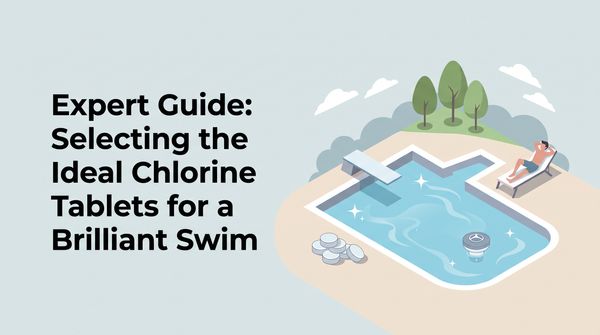
On a hot afternoon, few things beat the pull of a backyard pool. But clear water doesn't happen on its own. It takes steady care, and chlorine tablets do a lot of the work, keeping the water free of harmful bacteria so you can relax.
My own pool story started when my family moved into a house with a neglected, leaf-filled pool. Fixing it taught me fast how much the right tablets matter. The choices can make your head spin, and every product claims to be the best. But they're not all the same. Some dissolve too fast and throw the water off balance. Others don't play well with certain pool systems.
As you shop, keep a few things in mind: tablet size, how fast they dissolve, and extras like stabilizers. It's just as important to know how to add them right. Do it wrong, and you can end up with weak sanitizing or damaged equipment.
So think of this less as a rulebook and more as a chat about the small details that turn a chore into something you're good at.
Your Action Plan
- Measure your pool's volume in gallons.
- Pick 3-inch tablets for pools over 5,000 gallons, 1-inch for smaller pools.
- Choose a delivery method: automatic chlorinator, floater, or skimmer.
- Test your water weekly for pH, alkalinity, and cyanuric acid.
- Store leftover tablets in a cool, dry, sealed container away from kids.
Choose the Right Chlorine Tablets
Match the tablet to your pool's size
Buying chlorine tablets is a bit like buying shoes: comfort and practicality have to match up. Here's the rule that sorts most of it out. Pools over 5,000 gallons do best with 3-inch tablets. These chunky pucks dissolve slowly and release sanitizer at a steady pace, which suits a lot of water and cuts down on maintenance.
Smaller pools, like above-ground types or anything under 5,000 gallons, do better with 1-inch tablets. You might be tempted to drop a big puck in instead, but the smaller ones let you dose more precisely. That lowers the risk of over-chlorination, a common slip-up that leads to stinging eyes. They also dissolve faster, so you get tighter control.
The simplest rule in pool care: 3-inch tablets for pools over 5,000 gallons, 1-inch tablets for anything smaller.
How you add them matters too. Whether you use a floating dispenser, the skimmer, or an automatic chlorinator, the goal is a steady supply. An automatic chlorinator connects right into your pump system, so it spreads chlorine evenly. Match your tablets to your pool's size and gear, test the water often, and your splash zone stays ready.
Select the Appropriate Tablet Size
Picking the right tablet isn't a grab-the-first-thing job. Every pool is a little different, and it starts with knowing how big yours is.
A large pool holds a steady chlorine level nicely with 3-inch tablets. They dissolve slowly and keep your water clear without you hovering. Drop them in an automatic chlorinator and they'll do their thing with hardly any fuss.
A smaller pool calls for 1-inch tablets. They dissolve faster and give you tighter control, like the volume dial on a stereo. That matters, because too much chlorine in a small pool can leave swimmers uncomfortable and wear down your surfaces.
Whatever size you choose, balance is what counts. Test your water regularly so your pH, alkalinity, and chlorine all stay in step. A well-cared-for pool is a spot to unwind, not a project.
Understand Tablet Composition and Effects
Knowing what's inside your tablets is like having the recipe for a healthy pool. These pucks mix chlorine with cyanuric acid, a stabilizer that shields chlorine from the harsh sun so it lasts longer. Cyanuric acid, or CYA, is worth knowing by name because you'll see it on test kits. Stick with the size rule: big tablets for large pools, small tablets for small ones.
They're easy to use. Drop them in a floater, skimmer basket, or automatic chlorinator and let them work. But keep an eye on things. Tablets can shift your pool's pH and alkalinity, which can irritate skin or damage surfaces. And too much cyanuric acid building up over time makes your chlorine less effective.
Different brands often use similar ingredients, so check for a quality seal and intact packaging. Storing them right keeps them potent. Even with these handy pucks, regular testing and upkeep still matter.
Optimize Chlorination Methods
How you deliver the chlorine
Getting the most out of your tablets takes some thought about how you deliver them. The three common systems each behave a little differently.
Automatic chlorinators wire right into your pump and filter setup, so they release chlorine at a steady rate and let you control levels precisely. If you've ever crouched over a floating dispenser in the blazing sun, you'll appreciate how hands-off a chlorinator is.
Floating dispensers are flexible and work well for smaller pools or ones you don't use much. They drift across the surface, releasing chlorine as the tablets dissolve. The catch is they can be unpredictable and give you uneven chlorination. I still remember finding a bleached patch on a friend's pool liner where the floater had parked itself too long.
Skimmers work too, but there's a downside. The tablets keep dissolving even when the pump is off, which can leave a concentrated pocket of chlorine that damages your equipment over time. Mix any of these methods with routine testing and small adjustments, and your pool stays fresh all season.
Safely Add Chlorine Tablets
Adding tablets looks simple, but there's a right way to do it. Start with your pool's size, then pick your tablet. Large pools get 3-inch tablets for a slow, steady release. Small pools stick with 1-inch tablets to avoid over-chlorination, which happens when too much chlorine goes into too little water.
Next, decide how to get them in the water. An automatic chlorinator is a favorite for precise control. You load it with tablets, set the dissolve rate, and let it do the rest. A floating dispenser is simpler but still effective, though it can get stuck in corners or against a ladder, leaving your chlorine uneven. Keep an eye on it so it keeps moving.
Whichever method you use, test your water regularly. It's your compass through the chemistry. Keep your pH, alkalinity, and cyanuric acid in balance, and your chlorine stays effective.
Choose the Right Tablet Size
Tablet size isn't just about convenience; it's key to keeping your chemistry balanced. A big pool does its best work with 3-inch tablets. These hefty pucks dissolve slowly, so a single one can do the heavy lifting, keeping the water clear without daily attention.
A smaller setup, like an Intex or a compact above-ground pool, does better with 1-inch tablets. They let you make precise tweaks and steer clear of over-chlorination. I once helped a friend with a small pool switch to 1-inch tablets, and it took the harsh chlorine edge right out of their water. Match your choice to your pool's capacity and how easy you want maintenance to be.
Utilize Automatic Chlorinators Effectively
Poke around pool care long enough and you'll meet the automatic chlorinator, a real help if manual dosing is a pain. Unlike a floating dispenser, it stays put and gets to work. Tucked into your circulation system, it releases chlorine at a steady rate.
A friend told me how well one worked after he'd wrestled with chlorine levels that were all over the place. He kept fighting green water until he installed one, and the balance he could never manage by hand finally clicked. Turning the control valve let him match the chlorine release to what his pool needed.
Keep your chlorinator working
To get the best out of one, remember a few things. It only works while the pump runs, so set your pump to run during the day, when the sun breaks down chlorine fastest. Check the device now and then to make sure it's dispensing right and the tablets haven't turned to sludge. And keep testing weekly, because a chlorinator doesn't get you off the hook for watching pH, alkalinity, and cyanuric acid.
Manage pH and Alkalinity Levels
Balancing pH and alkalinity is a lot like tuning an instrument. Tablets keep your water clear, but they can quietly throw your chemistry off. Because they dissolve slowly, they drip acidic compounds into the water little by little, which pulls your pH and alkalinity down. Low pH can sting skin and eyes and start eating away at your surfaces and equipment. To head that off, test regularly with a good kit and use a pH increaser or baking soda to bring alkalinity back up when you need to.
I saw this firsthand when my neighbor ignored their pH and their pool ended up about as inviting as a vat of pickle brine. It took weeks to fix. Keep your pH between 7.4 and 7.6, and your alkalinity between 100 and 150 on your test kit (that's parts per million), and you'll sidestep that mess.
Test weekly and hold your pH between 7.4 and 7.6, because slow-dissolving tablets constantly nudge your water toward acidic.
Maximize Pool Hygiene with Tablets
Keeping your pool spotless can feel like a lot, but chlorine tablets make it surprisingly easy. Just match the size to your pool's volume: big pools get 3-inch tablets that dissolve at a measured pace, while smaller pools get 1-inch tablets for more precise dosing.
To get the most from them, consider an automatic chlorinator. It works nonstop to keep your water evenly sanitized, so you get more swim time and less worry about chemical swings. Load the tablets, set the rate, and let it run.
Still, don't lean on the tablets alone. Testing your water regularly is a must. Keeping pH, alkalinity, and cyanuric acid in their ranges protects your equipment and makes swimming pleasant for everyone.
Choose the Right Tablet-Size
Picking the right size is a bit like following a recipe: precision matters. Large pools want 3-inch tablets. They dissolve slowly, so you get steady chlorine without constant checking. These sturdy pucks, about the size of the bottom of a coffee mug, drop right into automatic chlorinators for a hands-off routine.
Smaller pools, like those cute Intex models, do better with 1-inch tablets. These little powerhouses give you more dosing flexibility and lower the risk of over-chlorination. Picture a 3-inch tablet in a tiny pool: it's like wearing shoes two sizes too big.
My neighbor once used big tablets in her above-ground pool, and her water turned harsh fast. Switching to 1-inch tablets made it welcoming again. Weigh both pool size and what you prefer, and pick accordingly.
Building the right chlorination routine isn't about grabbing any old tablet off the shelf. It's about knowing how the tablets work with your pool's needs. Large pools do well with 3-inch tablets, whose slow-dissolving nature keeps chlorine coming at a consistent rate. In smaller pools, those big tablets can quickly tip you into over-chlorination.
Then there's the balancing act with pH and cyanuric acid. Handy as they are, tablets can shift these levels, sometimes a lot. Too much cyanuric acid can leave your chlorine useless against bacteria and algae, which is why a weekly test really matters.
Automatic chlorinators help here too. They fit into your filtration system and dole out chlorine steadily, which simplifies upkeep and lowers the chance of damaging equipment with undissolved tablets. Whichever you pick, adjust for your pool's size and use.
Balance Water Chemistry Regularly
Clear water isn't just about tossing in tablets and walking away. Regular balancing is the quiet hero of a good swimming season. Remember my friend Jim, whose pool once looked like a green swamp because he skipped testing? Take that as a warning.
Make testing a weekly habit. With a reliable kit or strips, check that your pH sits between 7.4 and 7.6 and your alkalinity between 100 and 150 parts per million. Those numbers keep the water safe and help your equipment last. Tablets slowly release cyanuric acid, which builds up over time, and high cyanuric acid actually weakens your chlorine, leaving you with water that looks clear but isn't safe.
If you use a chlorinator or a floater, the urge to set it and forget it is strong. Resist it. Take a minute each week, before you drag out the loungers, to check your chemistry. A crystal-clear pool is worth the routine.
Compare Chlorine Types for Pools
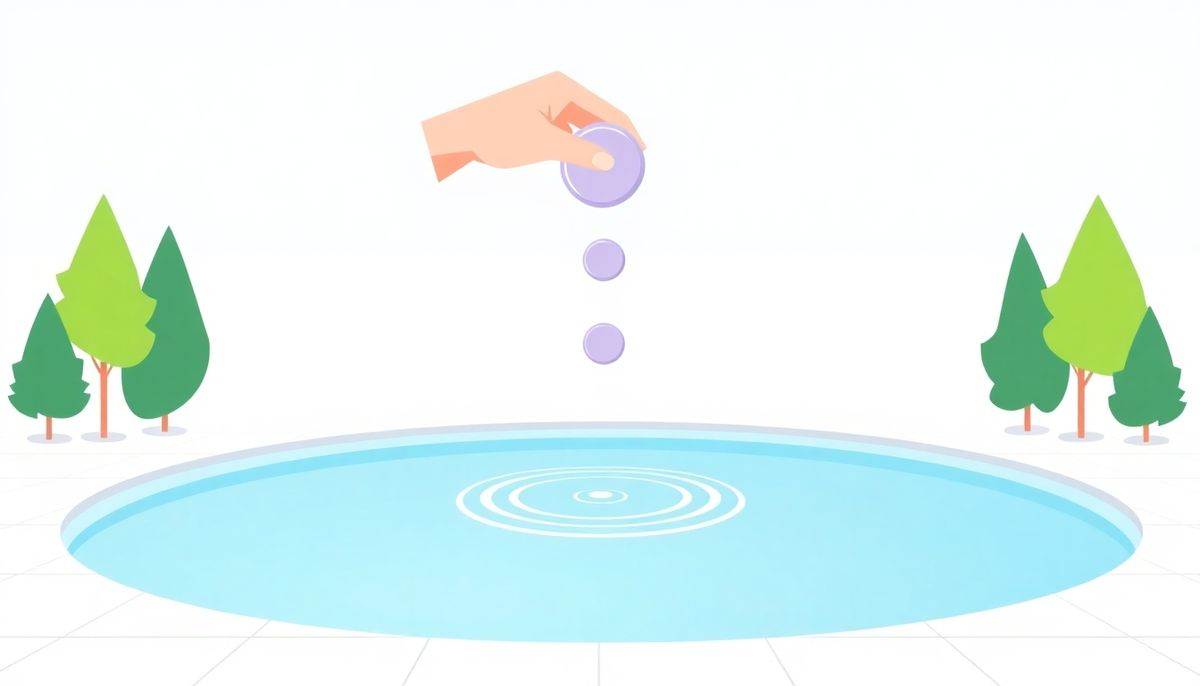
Tablets, granules, or liquid?
Choosing your kind of chlorine is about finding something that fits how you live. Tablets, with their handy size and slow dissolve, keep upkeep pretty hands-off and shine with automatic chlorinators. The catch is that over time they can nudge your pH and push cyanuric acid up, which makes chlorine less effective.
Granular chlorine gives you more immediate control. If you'd rather hit algae and bacteria head-on, granules let you fine-tune the dose. The trade-off is more measuring and handling than just dropping a puck in a floater.
Liquid chlorine, or bleach, is another route and often cheaper up front. But it has no stabilizer, so the sun breaks it down faster. Its high pH can also shift your water chemistry, so you'll need to balance it carefully.
For me, tablets have been a lifesaver on weekend getaways, keeping the pool clear with barely any effort. But if you like tinkering, or your water has its own quirks, granules or liquid might suit you better.
Evaluate Chlorine Tablet Sizes
Tablets come in two sizes, and each fits a different kind of pool. A good-sized backyard pool does well with 3-inch tablets. They dissolve slowly and can sanitize up to 5,000 gallons per tablet, so they suit pools holding more than that. They cut down on how often you dose and work with automatic chlorinators to hold steady levels.
A more modest pool, an above-ground model or a smaller in-ground, may do better with 1-inch tablets. These give you tighter control in pools under 5,000 gallons and lower the risk of over-chlorination. Running several 1-inch tablets lets you fine-tune the dose where precise balance matters. The right size keeps your water clear and safe and helps your equipment last.
Choose the Right Chlorinator
The right chlorinator can turn upkeep from a chore into an easy weekend. My neighbor struggled to keep his chlorine steady until he switched to an automatic chlorinator, and his pool stopped being a headache.
Automatic chlorinators stand out for precision and ease. Hooked straight into your pump and filter system, they let you control how fast the tablets dissolve, so chlorine spreads evenly. That consistency matters for a busy or big pool, and a simple dial means even a beginner can handle it.
Floating dispensers are the lower-tech option if you like keeping things simple. They drift along the surface, slowly releasing chlorine. They can leave chlorine uneven and over-saturate one spot if they get stuck, but for a smaller pool or one you don't use often, that may not be a big deal. Either way, think about your pool's size and use, then pick the one that fits.
Balance Pool Chemistry Effectively
Keep an eye on cyanuric acid
Balancing pool chemistry means every part has to be in tune. Tablets provide the steady sanitizing, but they add a few surprises that need attention.
As they dissolve, they release chlorine to keep the water clean, but they also lower pH and alkalinity. A friend told me how a pH drop turned a casual swim into an eye-stinging one. A weekly look at your pH, alkalinity, and chlorine heads that off.
Cyanuric acid is the other piece. It shields chlorine from the sun, but left unchecked it can over-stabilize the water and make your chlorine less effective. Keep it between 30 and 50 parts per million. On one especially sunny day I noticed my chlorine wasn't doing much, and sure enough my cyanuric acid had crept too high. Small adjustments make all the difference.
Store and Handle Tablets Properly
Store your tablets right
In the thick of summer heat, storing and handling your tablets right matters as much as knowing how to use them. Protecting these slow-dissolving pucks keeps them working all season. I've learned the hard way that badly stored tablets can damage your equipment or irritate swimmers' skin.
Start with a cool, dry spot. If you're tempted to stash them in the garage, watch out for swinging temperatures and humidity. Too much moisture can crumble the tablets, and heat cranks up their chemical smell. A well-ventilated shed or an indoor closet is a better choice.
Mind the packaging. Containers should seal tight so nothing breaks the tablets down. Some brands wrap them individually, which adds protection against moisture.
Handling calls for care too. Wear gloves and avoid breathing in the fumes when you open a container, since contact with skin or clothes can cause irritation or bleaching. And keep these strong pucks away from kids, who might mistake them for toys or candy.
A little planning in how you store and handle tablets saves you money and keeps your pool clear all summer.
Picking the right size is like finding the right puzzle piece. Large pools get the workhorses, 3-inch tablets, which release chlorine slowly and steadily for consistent sanitizing over a long stretch. Think of it like a slow cooker.
Smaller pools do better with 1-inch tablets. They dissolve faster and give you more precise control, so you dodge the heavy chlorination that irritates skin and eyes or damages surfaces. The right size also stretches the life of your equipment, since over-chlorination in a small pool can damage filters and liners. Pick the right size, and the tablets will do the hard work for you.
Ensure Proper Storage Conditions
Storing tablets well protects the thing that keeps your pool clear. These strong pucks look plain, but store them wrong and they lose punch or become a safety risk. Keep them in a cool, dry place, since heat or moisture can break them down early or clump them together.
A pool shed or a dedicated bin works well, as long as it's well-ventilated and out of direct sun. Keep the tablets in their original, tightly sealed container, which helps them last and keeps them away from kids or pets. I once left mine in a slightly damp garage corner, and they fused into what looked like a brick of calcium. Lesson learned. If storage is tight, a plastic bin with a lid adds a layer against surprise leaks. Tablets may be hands-free once they're in the pool, but they still need a little care in storage.
Conclusion

Taking care of your pool doesn't have to be a guessing game. Get the tablet size right, keep an eye on your chemistry, and the rest gets a lot easier.
Want to go deeper? Our free Pool School course covers everything about pool care, from basic maintenance to advanced troubleshooting. You'll learn how to:
- Save thousands on pool repairs and chemicals
- Keep your water crystal clear year-round
- Prevent and solve common pool problems
- Master water chemistry with confidence
Join over 10,000 pool owners who have already changed their pool care routine. Get started with our free Pool School course today!
What you need
Grab the right tablets for your pool size (3-inch for large pools, 1-inch for small), a delivery method like an automatic chlorinator or floater, and a reliable test kit to track pH, alkalinity, and cyanuric acid.