

When you're getting your pool ready for the weekend, the chemistry keeping the water clear is probably the last thing on your mind. But if you care for a pool, the choice between liquid chlorine and chlorine granules matters more than it seems. It shapes how clear your water stays, how easy your routine feels, and how much you spend.
Choosing between the two is a bit like picking a paperback over an e-reader. Each has its strengths and its headaches. Liquid chlorine is easy to use and dissolves fast, so it's handy when your pool needs treating right now. Granules last longer on the shelf and take up less room to store, which suits people who like to plan their pool care ahead of time.
Your pool type, your weather, even your storage space can steer you one way or the other. Knowing how each one behaves is your first step toward a smart choice.
Your Action Plan
- Test your water and check the pH and chlorine level first.
- Pick liquid chlorine for large or high-traffic pools, or granules for a home pool.
- Choose dichlor for routine sanitizing or cal hypo for a cheaper shock treatment.
- Add acid to rebalance the pH after dosing, especially with liquid chlorine.
- Wear gloves and goggles, and always add chemicals to water, not water to chemicals.
- Store your chlorine cool, dry, and well out of reach of kids.
Choose the Right Chlorine
How the two forms differ
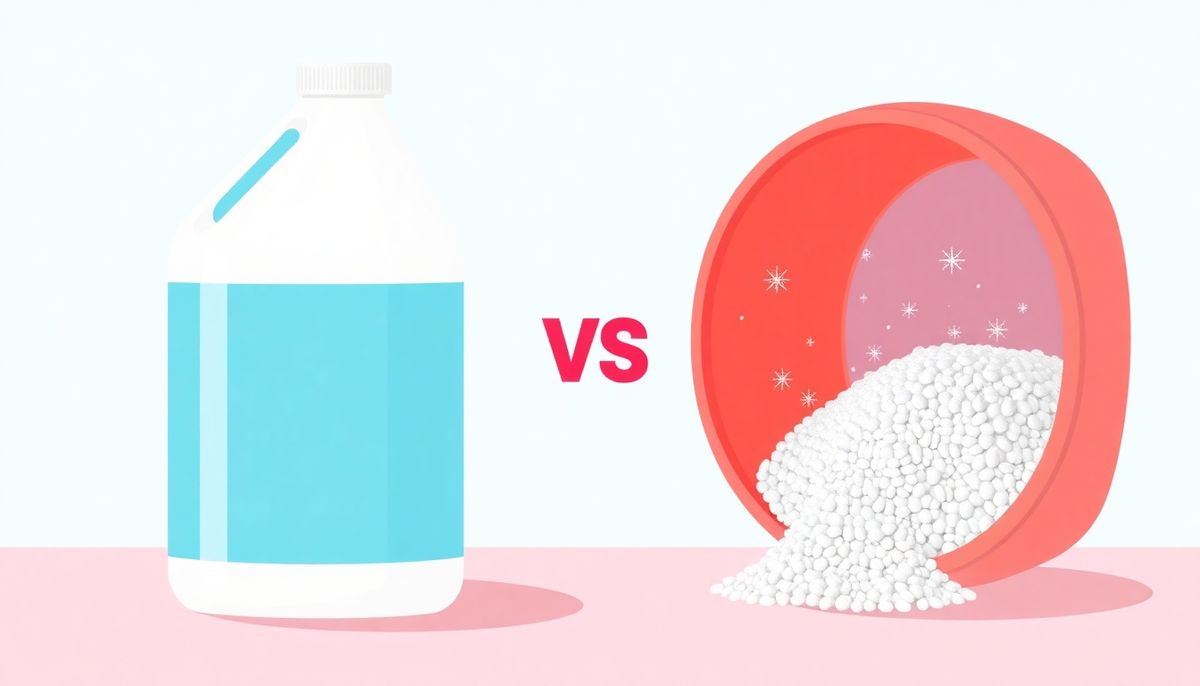
Liquid chlorine is the no-frills option. You pour it in and you're done, which is why commercial pools rely on it for large-scale cleaning. The catch is its high pH, so you'll add acid to keep the water balanced, and that pushes your costs up. It's also corrosive, so handle it carefully to avoid harming your pool surfaces.
Chlorine granules give you more flexibility. Their lower pH cuts down on acid adjustments, which makes them a practical pick for home pools. You can go with dichlor, which dissolves fast, or cal hypo, which costs less but gives off strong fumes. Neither form is better or worse. The right chlorine is simply the one that fits your pool and your life.
Compare Liquid and Granule Chlorine
Keeping up with heavy use
Liquid chlorine works fast, and that makes it a staple for big, busy pools. On a community pool with heavy foot traffic, it keeps up easily and pours in with almost no fuss. Just remember the high pH means you'll be adding acid to keep the water balanced, and its corrosive nature means keeping a close eye on your surfaces and equipment.
Granules cost a little more, but they're easy to use and gentler on your pH. With dichlor and cal hypo, you can match the product to the job, whether that's a quick shock treatment or steady week-to-week upkeep.
Liquid chlorine is cheaper up front and great for big pools, but the acid you buy to offset its high pH eats into those savings.
Choose Between Cost and Efficiency
Weighing cost against effort
Liquid chlorine usually grabs you with a lower price at the register, which is great for a large commercial pool. Handling a 55-gallon drum sounds like a lot, but for a busy aquatic center it's a practical way to keep costs down. The hidden cost is the extra acid you'll need to balance its high pH.
Granules cost a bit more but streamline your routine. Pick a low-pH type like dichlor and you'll use less acid, make fewer trips to the pool store, and spend less time fussing with your water chemistry. Match your choice to how much balancing you actually want to do.
Understand Chlorines Role in Pool Care
What chlorine actually does
Chlorine works quietly in the background every time you swim, breaking down the cell walls of bacteria and algae before they can multiply and spoil the water. It does two jobs at once: it sanitizes, and it oxidizes, meaning it burns up sweat, sunscreen, and other waste. But that action doesn't last. As chlorine does its job, it gets used up, so you have to top it off on a regular schedule.
Liquid or granular, the difference is mostly in handling and pH. Liquid pours straight in. Granules run a lower pH and need less acid. Your decision comes down to your pool's size, how often you use it, and your budget.
Chlorine sanitizes and oxidizes at the same time, but it burns off as it works, so regular topping-off isn't optional.
Understand Chlorine Differences

Dichlor versus cal hypo
Liquid chlorine is the workhorse for large, busy pools. It flows straight in with little effort, but its high pH means watching your balance and adding acid, and its corrosive edge means careful handling to protect your surfaces.
Granules bring a lower pH and dissolve quickly, which is why home owners tend to love them. They come in two types. Dichlor dissolves fast and acts right away, so it's ideal for quick fixes. Cal hypo costs less but is less stable, so it needs more caution. Match the form to your pool's size, how much it gets used, and what you want to spend.
Choose Between Liquid and Granules
Fast splash or slow release
Liquid chlorine is simple. Think of a quick pour that spreads through the water fast. That high pH is a double-edged sword: it neutralizes acidic elements well, but it also makes your water more alkaline, so you'll add acid to bring things back in line. It shines in large pools, especially commercial ones, where bulk dosing is a real plus. Its corrosive nature just means handling it with care.
Granules act more like a slow release. They cost a bit more up front, but their lower pH cuts down on balancing chemicals. Dichlor dissolves quickly and includes cyanuric acid, which acts like a sunscreen to protect your chlorine from the sun. Cal hypo is a strong, cheaper shock, though it's less stable.
Evaluate Chlorine Costs and Efficiency
Long-term value, not just the sticker price
Liquid chlorine wins fans for its low up-front cost and looks like the budget pick at first. You just pour it into the pool, which suits large commercial pools buying in bulk. But it's worth thinking about the hidden costs. With a pH of around 13, the acid you need to keep the water balanced adds up quickly, and that cheap option gets pricier over time.
Granules cost a little more per purchase but carry an efficiency edge. Their lower pH means fewer balancing chemicals, which is a relief if you'd rather not fuss with constant adjustments. Dichlor handles routine sanitizing, while cal hypo is a strong, budget-friendly shock. Real value shows up over a full season, not on one receipt.
Handle Chlorine Safely
Handling chlorine safely
Chlorine is a key part of clear water, but it demands respect. Anyone who's opened a bottle of bleach knows how sharp it smells, a reminder of how strong it is.
With liquid chlorine, keep its high pH and corrosive nature in mind. People have damaged liners and metal fixtures by letting it sit too long or splash around carelessly. Pour it straight into the water with a steady hand, wear gloves, and add goggles to shield your eyes.
Granules are gentler on surfaces but have their own risks. Don't breathe in the dust that puffs up when you open the container or scoop, especially on a breezy day. And always add the granules to water, never water to the granules, so you don't set off a reactive splash. Keep everything out of reach of children and follow the manufacturer's directions.
Whichever form you use, wear gloves, add chemicals to water rather than the reverse, and store everything away from kids.
Compare Liquid vs Granules
Matching strength to your pool
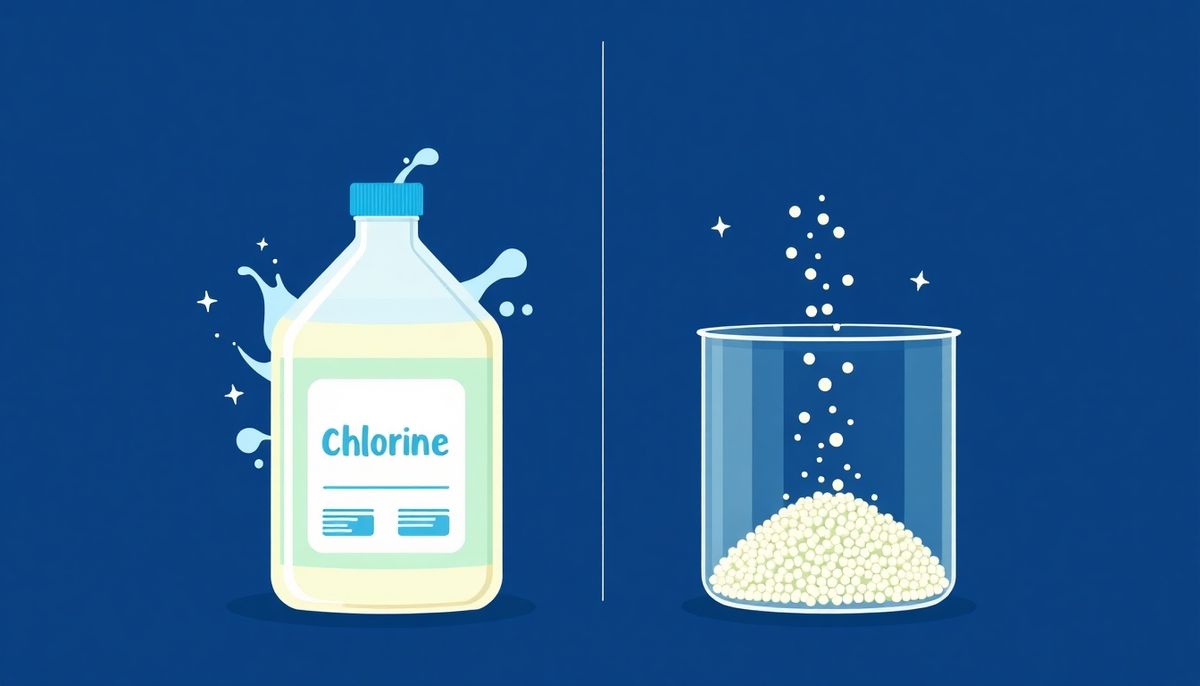
Liquid chlorine is the go-to for large pools because it's so easy to use in bulk. A quick pour and it's working. But its high pH, close to household bleach, can throw off your balance and calls for extra acid, and its corrosive edge means protecting your surfaces.
Granules take a more home-friendly approach, and the type you pick makes a difference. Dichlor is more stable and easier on your pH. Cal hypo is a cost-effective choice with a robust 65% chlorine content, so a little goes a long way, but handle it carefully to avoid breathing in the fumes. If constant balancing feels like a chore, granules are probably your better fit. If you've got a larger, busier pool, liquid's convenience may win out.
Explore Chlorine Effectiveness
Two ways to apply it
Both forms chase the same goal: clear, bacteria-free water. Plenty of large community pools lean on liquid chlorine because it's as simple as pouring a jug of milk. The trade-off is that high pH, so you'll watch the balance and add acid to counter the alkalinity.
Granules are the favorite for smaller home pools because they're easy and need fewer adjustments. Dichlor granules in particular dissolve fast and need less acid, which keeps upkeep simple. You've also got options for how you use them. Sprinkle them right into the pool, or dissolve them in a bucket of water first and pour that in. Either way works, and the result is the same clear water.
Evaluate Cost-Effectiveness
Counting today's costs and tomorrow's
The form you pick affects your wallet in more ways than one. Liquid chlorine often looks cheap, especially for large or commercial pools buying in bulk. But its high pH means extra acid over time, and its corrosive nature can cause slow damage that leads to costly repairs to surfaces or equipment if you're not careful.
Granules cost a bit more up front, but their lower pH means less acid, which saves money down the line. Dichlor dissolves quickly and gets to work right away, so you get efficiency without the harshness. Many home owners also favor granules for their stability and ease. Weigh today's price against tomorrow's savings, then factor in your pool's size and how you use it.
Consider Application Convenience
Fitting pool care into a busy week
Convenience counts when you're squeezing pool care between everything else. Liquid chlorine is about as simple as it gets: tilt the bottle and let it flow. That suits people who want a quick job, especially on larger pools that need big quantities. Just know that the higher pH may add a balancing step to your routine.
Granules take a little more effort but give you control. With a scoop in hand, you can target trouble spots directly, which works well for smaller home pools. And because granules run a lower pH, you'll usually need fewer adjustments, sparing you extra balancing chemicals. Think about how each one fits the rhythm of your week.
Evaluate Pool-Cleaning Options
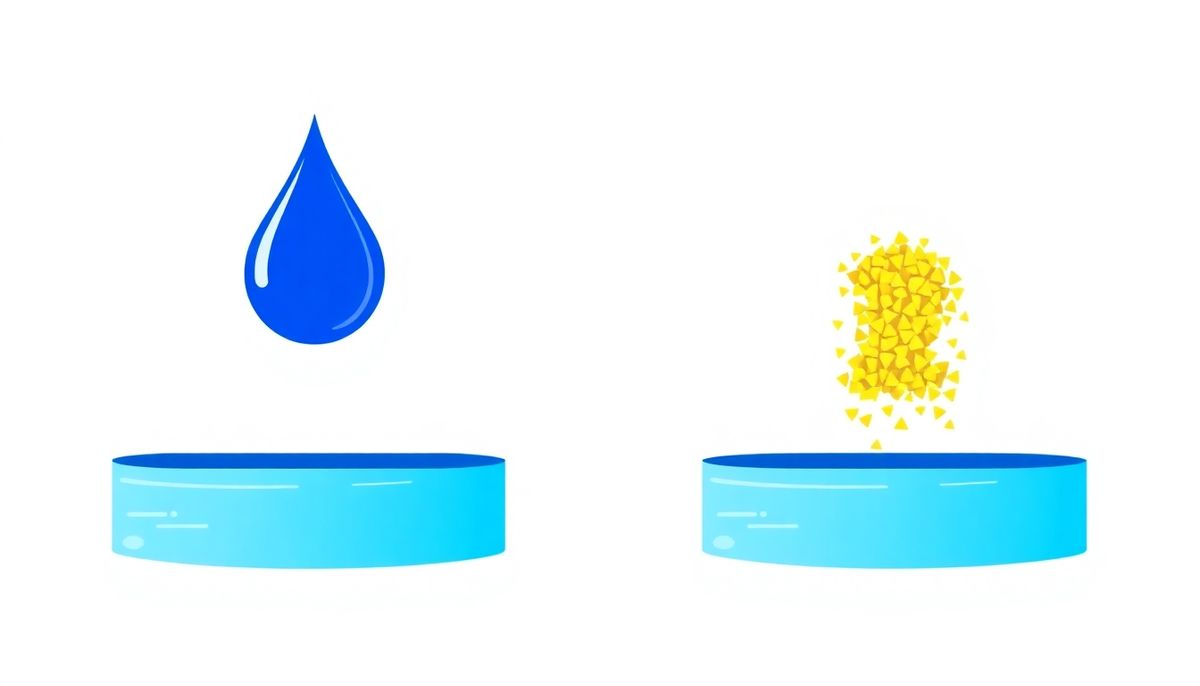
The right fit for your pool
Both forms have real upsides, and knowing them helps you make the best call. Liquid chlorine, a staple for larger commercial pools, is simple to apply and handles big volumes with ease. Its high pH needs careful balancing so it doesn't harm your surfaces, but for heavy-duty jobs that trade-off is often worth it.
Granules are a favorite with home owners. Their lower pH cuts the need for acid, so upkeep stays more balanced. Dichlor dissolves quickly and is stable, though it costs more. Cal hypo is friendlier on the budget but needs extra caution because of its strong fumes. Either one keeps your water clean when you handle it right.
Compare Chlorine Forms
The chemistry behind clear water
Liquid chlorine is loved for its simple application, but its high pH sits close to that of caustic soda, so you'll add acid to balance the pool's chemistry. That extra step can strain the budget on a smaller home pool, and its corrosive nature means careful handling.
Granules are the more stable choice for home owners. Their lower pH means less corrective acid, which keeps chemical costs down. Dichlor granules dissolve quickly and include cyanuric acid, that sunscreen for your chlorine, so they work for both routine upkeep and shock treatments. Cal hypo granules are cheaper but unstable and can give off harmful fumes, so treat them with respect.
Dichlor comes with cyanuric acid built in, which shields your chlorine from burning off in the sun and keeps it working longer.
Choose Your Sanitizer
Ease of handling
Liquid chlorine acts right away, needing nothing more than a simple pour. But it calls for balance. Its high pH means countering with acid, which nudges your maintenance cost up, and on a smaller home pool its corrosive nature can harm surfaces if you're careless.
Granules are easier to handle and better balanced. They dissolve quickly, run a lower pH, and need fewer balancing agents, which is why so many private pool owners favor them. Whether you go with dichlor, which is ready to use, or cal hypo, which costs less, granules give you flexibility and stability. Both keep the water clear all season.
Analyze Cost-Efficiency
The full picture on value
Once you dig into the details, the money question isn't just about clearing algae. It's a balance between cost and easy upkeep. Liquid chlorine, common in commercial settings, tempts you with a low up-front price and comes in large quantities that suit huge, busy pools. The catch is that high pH and the acid spending it brings, plus the risk of damaged pool walls that hint at repair bills down the road.
Granules cost more at first but carry quiet savings. Their lower pH means less acid, they dissolve fast, and they start working almost right away. For a careful owner with a midsize pool, the peace of mind and longer gaps between doses can make the extra pennies worth it.
Explore Chlorine Forms

Keeping algae and bacteria out
Liquid chlorine is a convenient pick for large operations or busy public pools where speed matters most. With its high pH of around 13, you pour it straight in for a quick fix. It just takes balancing, since that high pH means more acid to keep the chemistry in check, and it needs careful handling to avoid corrosion.
Granules appeal to home owners who want something easy and effective. They dissolve quickly and run a lower pH, so there's less worry over acid adjustments. Toss them in and let them work. With dichlor and cal hypo, you can pick based on your pool's needs and your budget. Both forms fight algae and bacteria well.
Compare Liquid and Granular Chlorine
Your weekly routine
Both forms promise a clear pool, but each has its own quirks. Liquid chlorine, favored by commercial operators, brings convenience and quick action. You pour it into the water like stirring sugar into tea. But its high pH means extra acid to keep the balance, which can nudge up your budget, and it's corrosive, so handle it with care around your surfaces.
Granules give home owners a stable, lower-pH option that's easier on the wallet when it comes to acid. Dichlor dissolves fast, while cal hypo is cheaper but needs more caution because it's unstable. Granules dissolve at their own pace, giving you a slow, steady defense against algae between doses.
#
Choose the Right Chlorine
Type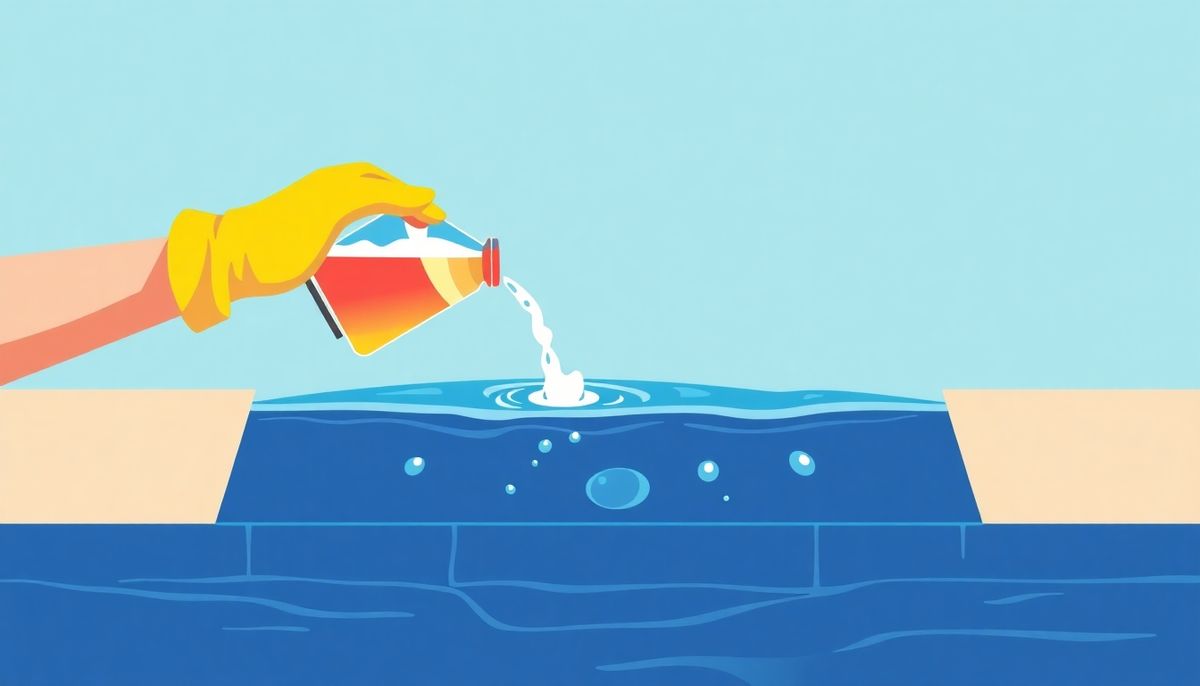
Deciding by size and use
Liquid chlorine is simple and shines in large, busy pools. Its high pH, around 13, makes it a powerhouse for fast sanitizing in commercial settings. The trade-off is the acid you'll need to keep the water balanced, plus the risk of corrosive damage if you mishandle it.
Granules take a more stabilized approach for home owners. Dichlor dissolves fast, runs a near-neutral pH, and cuts down on constant adjustments, so it fits a set-and-forget routine. Cal hypo is cost-effective but unstable and strong-smelling, so handle it carefully. In short, liquid suits larger, high-traffic pools, while granules are the cheaper, more manageable pick for smaller private ones.
Conclusion

Now that you know how each chlorine behaves, you can make the best call for your backyard. Both keep your water clear and safe. Liquid suits bigger, busier pools; granules are the easy, balanced choice for a home pool. Whichever you pick, handle it with care and keep your levels steady.
Want to go deeper? Our free Pool School course covers everything from basic upkeep to advanced troubleshooting. You'll learn how to:
- Save thousands on pool repairs and chemicals
- Keep your water crystal clear year-round
- Prevent and solve common pool problems
- Master water chemistry with confidence
Join over 10,000 pool owners who have already transformed their pool care routine. Get started with our free Pool School course today!
What you need
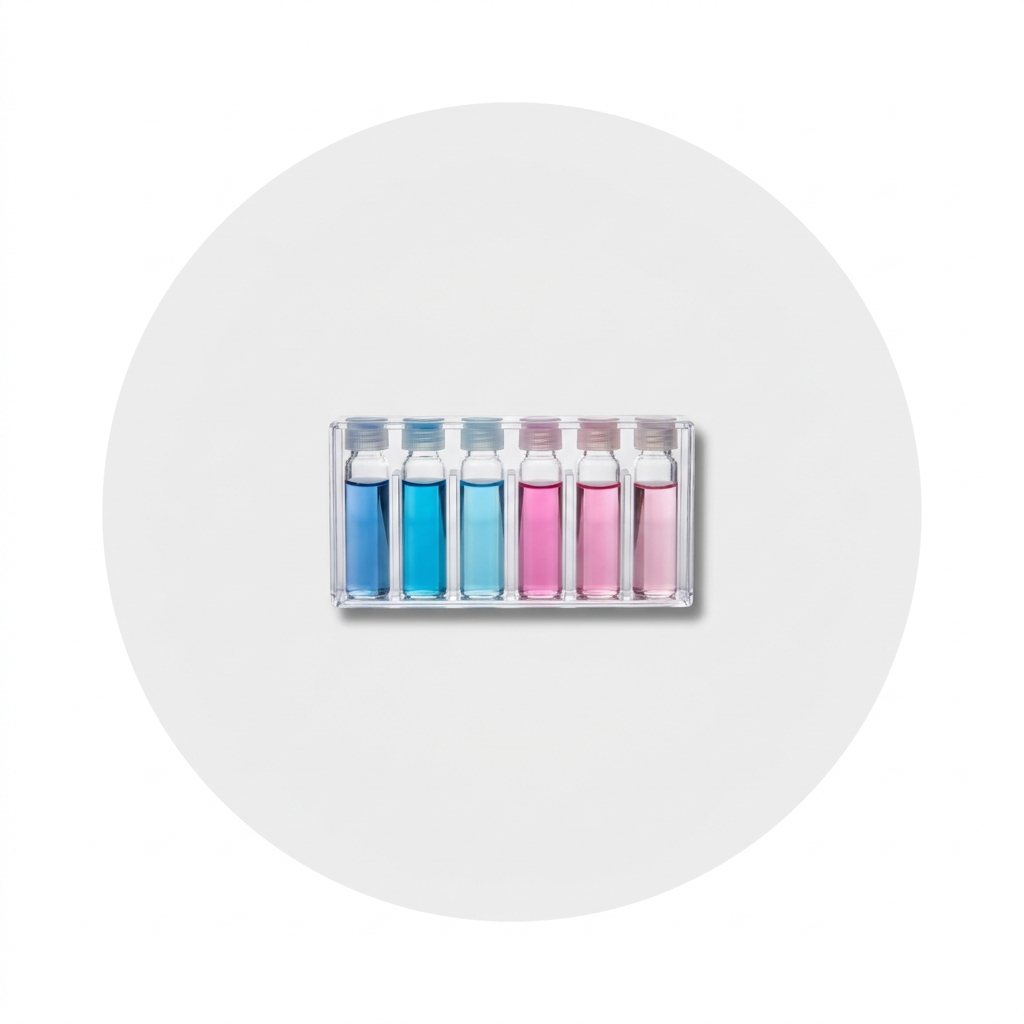
Grab a good test kit, then stock the chlorine that fits your pool, liquid for big pools or dichlor and cal hypo granules for home use, plus acid to balance pH and gloves and goggles for safe handling.