



Summer afternoons practically beg for a cool dip. Keeping that water clear, though, is real work. Plenty of pool owners struggle with upkeep, especially the part where you have to keep bacteria in check. Of all the options out there, bleach comes up more than you'd expect. People wonder: Is it safe? Does it work? Is it cheap?
The idea of using bleach in a pool stirs up both curiosity and caution. On one hand, it's a familiar household item you can grab anywhere for a few dollars. On the other, pouring laundry-aisle stuff into water you plan to swim in feels a little unnerving, and that's fair. So it helps to understand what bleach is made of and how well it works before you go this route.
We'll cover how to use bleach safely, how it compares with regular chlorine, and where it fits in your routine. Whether you want to save money or just make upkeep simpler, this is a good place to start.
Your Action Plan
- Check the label and use only 100% sodium hypochlorite bleach with no added scents, dyes, or thickeners.
- Test your water weekly for chlorine, pH, alkalinity, and stabilizer.
- Raise alkalinity with baking soda, about 1.5 pounds per 10,000 gallons for a 10 PPM bump.
- Adjust pH with soda ash to raise it or muriatic acid to lower it.
- Add cyanuric acid so the sun doesn't burn off your chlorine.
- Pour bleach around the pool's edge in the evening with the pump running.
Use Household Bleach Safely
Handling bleach the safe way
Used wisely, bleach works as a budget sanitizer, but a little care goes a long way. Before you head to the store, check the label and make sure your bleach is 100% sodium hypochlorite with no added fragrances or thickeners. Scented bleach can turn a pool into a bubble bath, so read the fine print.
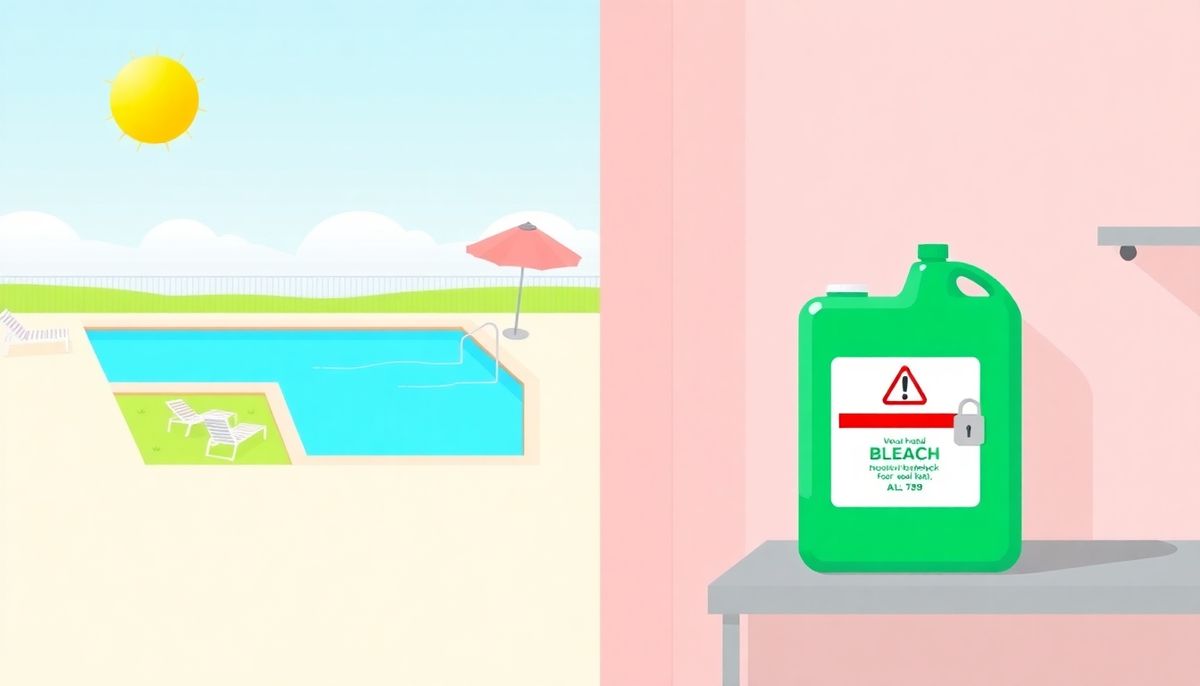
Add bleach in the evening, when the sun is less likely to burn off the chlorine fast. Pour it slowly around the pool's edge with the filter running, which spreads the chlorine evenly and keeps concentrated bleach off your liner. Wear gloves and eye protection while you work, since a surprise splash can sting or worse. And store the jug well away from kids and pets. Curious animals knock things over, so keep it sealed and out of reach.
Only use bleach labeled 100% sodium hypochlorite with no added scents, dyes, or thickeners.
Choose Cost-Effective Alternatives
The cheapest pool fixes are often hiding in plain sight. Baking soda doubles as an alkalinity booster, straight from your kitchen. Soda ash from the laundry aisle rivals pricey pH increasers, quietly leveling out your water without any drama, as long as it's pure sodium carbonate. To bring pH down, muriatic acid does the job with precision, though it demands gloves and respect. And plain bleach handles sanitizing. None of these are quite as convenient as tablets, but they cost far less. Pour carefully to avoid bleaching surfaces, and you save money without settling for worse results.
Maintain Balanced Water Chemistry
The four things worth watching
Getting the chemistry right is like conducting a small orchestra, with each part playing its role. Balanced water keeps your pool clear and protects the people in it. Four pieces matter most: chlorine, pH, alkalinity, and cyanuric acid.
Chlorine is your first line of defense against bacteria and algae, but pH decides how the water feels. Too high and your eyes sting; too low and it corrodes your equipment. Alkalinity is the buffer that keeps pH from swinging around, and a bit of baking soda keeps it steady. Cyanuric acid stabilizes your chlorine, working like sunscreen so a blazing sun doesn't burn it off. Skip it, and you'll be adding chlorine endlessly through the hottest weeks.
The cheapest way to keep your pool clear is understanding what each chemical does, then testing weekly and making small tweaks.
Handle Chemicals with Care
Simple safety habits
A day at the pool should mean relaxing, not cleaning up a chemical mishap. Start with the label. Skimming feels tedious, but the warnings and measurements matter. Adjusting pH without gloves once left me with irritated skin, so now I keep gloves, goggles, and an old pair of sneakers set aside just for this.
Mix and add chemicals in a well-ventilated spot. Fumes from products like muriatic acid can bother your lungs. Never combine chemicals directly, since that can trigger dangerous reactions. Add each one separately and let the water circulate between additions. For storage, keep everything in its original container, out of direct sun and away from moisture, so nothing breaks down or mixes by accident.
Replace Pool Chemicals Affordably
Turning your pool routine into a cheap one doesn't take a chemistry degree, just a sharp eye at the store. Baking soda handles alkalinity for a few dollars a bag. Soda ash, from the laundry aisle, works as a pH increaser: about half a pound for an average-sized pool of 10,000 gallons raises pH by roughly 0.2. And if you'd rather skip chemicals altogether, a fountain or water feature aerates the water and nudges pH up on its own. Swaps like these make pool care feel less like a chore and more like smart resourcefulness.
Utilize Household Alternatives
Pantry staples really can replace costly branded chemicals, and often just as well. Baking soda looks plain, but a few pounds steady your pool's pH and alkalinity, keeping the water gentle on skin. Soda ash, tucked in the laundry aisle, raises pH for a fraction of the branded price. And muriatic acid, often already sitting in the garage, adjusts pH with precision that rivals any store-bought product. It calls for caution, but there's no arguing with how well it works. Reach for these everyday items and you keep both a clean pool and a fuller wallet.
Simplify Water Chemistry Maintenance
A quick household routine
Enjoying your pool without stressing over complicated chemistry is easier than it looks. Baking soda balances alkalinity, keeping pH steady and the water from turning corrosive. Soda ash raises pH efficiently; when your reading dips below 7, half a pound in an average-sized pool will push it back up. Prefer nature? A water feature aerates and lifts pH without any chemicals.
To lower pH, muriatic acid is a sturdy stand-in for store-bought decreasers. Handle it with safety gear, since it's corrosive. About a pint per 10,000 gallons brings pH back into range. Chlorine is still essential, so skip the tablets and pour unscented, additive-free bleach around the edge with the jets running.
Optimize Chlorine Usage
Chlorine works around the clock to keep your water free of bacteria and algae, and the answer to using it well may be sitting in your laundry room. Everyday liquid bleach and pool chlorine share the same active ingredient, sodium hypochlorite; the difference is strength. Liquid chlorine is more concentrated, so a gallon per 10,000 gallons usually covers regular upkeep, while bleach takes more. Spread it gently around the edge with the filter running to protect your liner. Pair that with cyanuric acid to shield chlorine from harsh sun, plus regular pH and alkalinity checks, and your pool stays clear.
Household bleach runs about 7-8% strength, so you'll need roughly double the amount of pool-grade liquid chlorine.
Sanitize Water with Liquid Chlorine
Bleach versus liquid chlorine
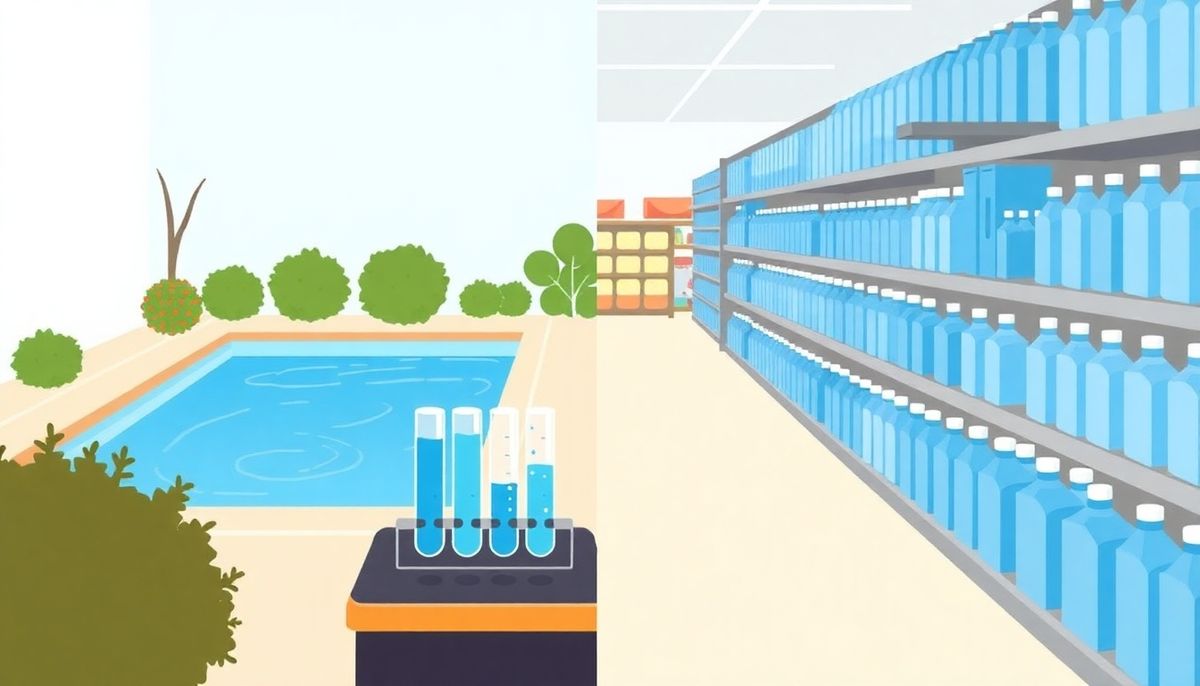
Both contain sodium hypochlorite, the ingredient that keeps your water clean. Grocery-store bleach runs about 7-8%, while industrial liquid chlorine packs more punch at 10-12%. Don't just toss in any jug you find. Make sure yours has no added scents or ingredients; a label that reads "chlorinating liquid" is usually your best bet for a pool-grade product.
To hold a steady chlorine level, pour about a gallon of liquid chlorine per 10,000 gallons of water, and roughly double that for bleach. Let the jets run to spread it evenly and avoid bleaching the liner. The one real downside is bulk. Stocking up takes more room than tablets, and clearing an algae bloom or cloudy water may take extra. For smaller pools, though, it's a solid, affordable choice.
Replace Expensive Pool Chemicals
The laundry aisle holds more answers than you'd think. Soda ash, also called washing soda, is a budget stand-in for pH increasers, made purely of sodium carbonate. Add about half a pound per 10,000 gallons to raise pH by 0.2, and watch for a slight bump in alkalinity too. Here's a nice trick if you'd rather skip chemicals: aerating your water raises pH without changing alkalinity, and a fountain or waterfall does the job while adding a bit of charm. For stubborn stains and high pH, muriatic acid from the hardware store lowers pH efficiently when handled with care.
Optimize Water Chemistry
Balancing your water is a lot like following a recipe, a bit of this and a pinch of that. Baking soda boosts alkalinity so pH stops swinging wildly and the water stays comfortable. Soda ash raises pH when the water turns acidic. If pH climbs too high, muriatic acid brings it back, lowering both pH and alkalinity, though it deserves respect and the right safety gear. For sanitizing, liquid bleach holds its own against tablets. Pour it evenly around the pool with the jets running so it doesn't bleach your liner. Each step protects swimmers and keeps costs down.
Use Alternative Household Products
What's already in your cupboard
Rethinking your supplies might change your whole routine. Baking soda, also called sodium bicarbonate, raises alkalinity: about 1.5 pounds per 10,000 gallons lifts it by 10 PPM, or parts per million, which is a small measure of concentration. That single swap saves a trip to the pool store and a good chunk of change.
Soda ash hides in your laundry supplies under the name washing soda. Its sodium carbonate adjusts pH, with a standard baseline dose of half a pound per 10,000 gallons raising pH by 0.2. Want a no-chemical option? Aerate with a fountain or waterfall and watch pH climb on its own. And bleach, with the same active ingredient as liquid chlorine, keeps the water clear; use about a gallon for every 10,000 gallons, poured carefully around the edge with the jets running.
Optimize pH with Soda Ash
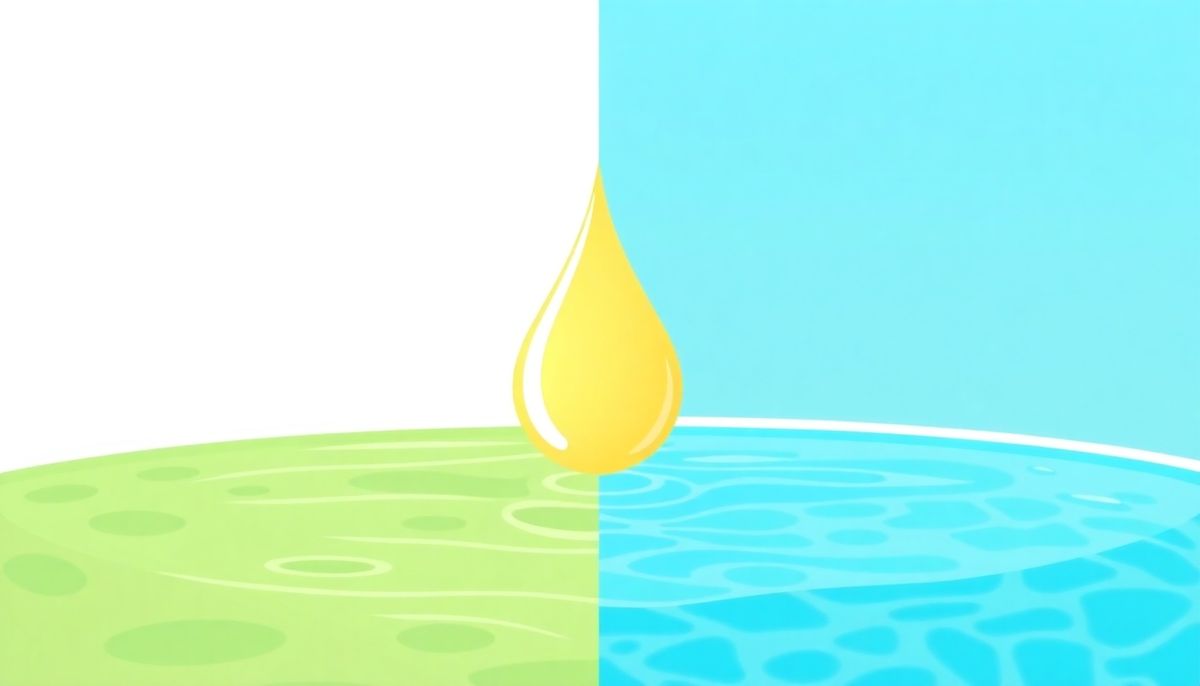
Soda ash earns its place in the laundry aisle and in your pool. When pH drops too low, it can corrode equipment and irritate swimmers, and soda ash gently lifts it back to a balanced level. Half a pound raises pH by about 0.2 for every 10,000 gallons, bringing the chemistry right back to life before a pool party or a busy weekend. Use only 100% pure sodium carbonate with no additives. Keep in mind that raising pH also nudges alkalinity a little, though the shift shows up mostly in pH, which makes soda ash a handy two-for-one adjustment.
Keeping a clean pool without spending a fortune comes down to being resourceful. Baking soda raises alkalinity, so a few pounds from the pantry shift your chemistry toward ideal levels. Soda ash, pure and additive-free, raises pH efficiently for far less than commercial increasers. Muriatic acid, often already a cleaning staple, lowers pH and alkalinity quickly, though it needs careful handling. And unscented liquid bleach stands in for pricier tablets; it's a little bulkier, but its sanitizing power holds up. Each swap turns an everyday item into a cost-saving tool while your pool stays clean.
Implement Safe Handling Practices
Storing and pouring bleach without incident
Safety comes first with bleach. It sanitizes well but needs careful handling. Start by reading the label to confirm it's 100% sodium hypochlorite with no scents or dyes. Get the right gear on: gloves are non-negotiable, and goggles guard your eyes against splashes. Pour slowly and steadily around the edge while the pump circulates, so the bleach spreads evenly instead of settling on the liner.
Keep the air moving if you're working in an enclosed pool area, and never mix bleach with other chemicals. Store it in a cool, dry place, out of direct sun and away from children and pets. Heat is a real hazard here; a container left in the sun can expand, crack, and spill. Last, measure carefully for your pool's volume, since overdoing it drives chlorine dangerously high.
Pool care is a balancing act, and each ingredient plays its own part. Alkalinity is the buffer that shields pH from wild swings, and a sprinkle of baking soda keeps acidity from corroding surfaces or stinging eyes. Soda ash counters low pH by adding sodium carbonate, nudging the scale back to its sweet spot and helping your sanitizer work. Watching these levels becomes a reassuring weekly habit: a quick dip of a test strip tells you what's happening below the surface, and adjusting is as simple as adding a dash of baking soda or a trickle of soda ash, much like seasoning a pot of soup.
Maintain Pool with Everyday Products
Some of the best pool helpers are sitting in your pantry right now. Baking soda, known chemically as sodium bicarbonate, adjusts alkalinity with ease; about 1.5 pounds for every 10,000 gallons raises it by 10 PPM, a small investment for real results. The laundry aisle hides soda ash, your go-to for raising pH, with sodium carbonate as its active ingredient. Start with half a pound per 10,000 gallons to see a noticeable difference. And plain, unscented bleach sanitizes just like liquid chlorine at a fraction of the cost, as long as you handle it carefully to protect your surfaces. No flashy labels required.
Replace Chemicals with Household Items
Instead of raiding the pool store, turn to the kitchen and laundry room. Baking soda raises alkalinity by about 10 PPM at 1.5 pounds per 10,000 gallons, and you may see a small rise in pH too. Soda ash, made of sodium carbonate, is a budget pH increaser; half a pound in an average-sized pool usually raises pH by 0.2, depending on your starting point. When pH insists on staying high, a pint of muriatic acid smoothly brings it down from the 7.8 to 8.0 range in a typical pool, with gear and exact measurements. For sanitizing, a gallon of unscented, pure sodium hypochlorite bleach per 10,000 gallons keeps bacteria in check.
Conclusion

At the end of the day, keeping your pool swim-ready doesn't have to be complicated or expensive. A few household staples, weekly testing, and careful handling will carry you through the season.
Want to go further? Our free Pool School course covers everything you need to know about pool care, from basic maintenance to advanced troubleshooting. You'll learn how to:
- Save thousands on pool repairs and chemicals
- Keep your water clear year-round
- Prevent and solve common pool problems
- Master water chemistry with confidence
Join over 10,000 pool owners who have already transformed their routine. Get started with our free Pool School course today!
What you need
Grab unscented 100% sodium hypochlorite bleach, baking soda, soda ash, muriatic acid, a test kit, and gloves and goggles to start balancing your water this week.