

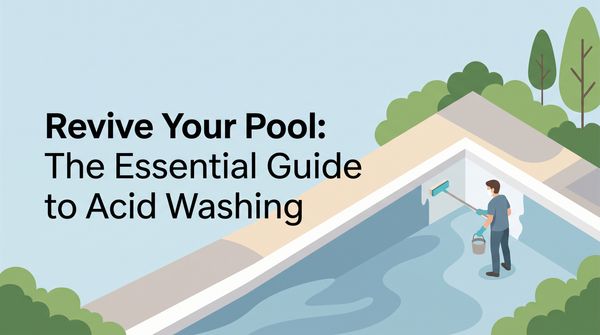
A pool is often the heart of the backyard, promising cool dips on hot afternoons and get-togethers that run past sunset. But over time, even a well-kept pool picks up ugly stains and mineral deposits. When your usual cleaning routine isn't enough, acid washing brings back the shine and the appeal of your backyard escape.
Here's what it involves: you apply a diluted acid solution to the pool's plaster or concrete, which removes a thin top layer, strips away stubborn stains, and reveals the fresh surface underneath. It's a deep clean that regular care can't match.
You'll want to approach this carefully, with plenty of prep, because the chemicals are strong. Safety is the top concern, so protective gear and solid planning matter as much as the wash itself. Whether you've owned a pool for years or you're new to backyard upkeep, knowing how acid washing works is the difference between a cloudy pool and a sparkling one.
Your Action Plan
- Confirm your pool is concrete or gunite, never vinyl.
- Check your local rules for wastewater disposal.
- Suit up in a respirator, chemical-resistant gloves, and goggles.
- Pick a calm, dry day and ventilate the work area.
- Apply the diluted acid, scrub, and rinse the surface.
- Neutralize the runoff with soda ash and dispose of it safely.
Ensure Pool Safety First

Acid washing isn't just another weekend chore. You're handling strong chemicals, so safety has to come first, and good prep makes the whole job go smoothly.
Gear up before you start
Getting ready begins with the right tools and protective gear. Industrial-grade masks, chemical-resistant gloves, and eye protection are must-haves against fumes and splashes. This isn't about looking the part; it's about keeping your skin and lungs safe.
Pick a calm day and know the rules
Work in a well-ventilated spot on a calm, windless day so the fumes don't drift toward the neighbor's patio or back into your face. Long sleeves and goggles add another layer of protection. You also need to know your local rules for wastewater disposal, because acid can harm the environment if you get rid of it the wrong way. Check the guidelines before you start so you avoid fines and protect the area around you. A good acid wash comes down to careful prep and steady attention to safety.
Prioritize Personal Protective Gear
Before you start, treat protective gear as the job's real starting point. A respirator, not just any dust mask, blocks the hazardous fumes from muriatic acid so you can breathe safely.
For the hands-on work, sturdy chemical-resistant gloves guard against nasty burns. When you're done, rinse them and treat them with soda ash to neutralize any leftover acid so they're ready next time.
Don't forget your eyes, the most vulnerable part of you. Safety goggles aren't optional. A splash of acid can cause serious harm, so put them on before you start and keep them on until the area is fully rinsed. Good gear is what lets you walk away from this job unharmed.
Never skip the respirator, chemical-resistant gloves, and goggles, because muriatic acid burns skin and lungs on contact.
Avoid Vinyl-Pool Damage
Why vinyl and acid don't mix
Vinyl pools are popular for their smooth surface and lower cost, but they have one big weak spot: acid. Unlike concrete or gunite, vinyl can't take an acid wash. A close friend learned this the hard way. Trying to freshen up a vinyl pool, they used methods meant for plaster and ended up with a ruined liner and a surprise replacement bill.
Never acid wash a vinyl-lined pool; the acid eats straight through the liner and the damage can't be undone.
Stick with gentle, vinyl-safe cleaning products that handle stains without hurting the liner. If stains stick around, ask a professional for a fix that doesn't involve acid. Prevention helps too: keep your water chemistry balanced and use a cover when the pool sits unused, which stops marks before they form.
Safely Dispose of Acid-Waste
Handle the runoff responsibly
Once you finish, you'll have wastewater in the deep end holding both acid and soda ash. Even neutralized, it needs careful disposal.
Check your local rules first. Many communities have specific guidelines for chemical mixtures like this, and ignoring them can bring fines. Your local water authority can tell you the best way to handle it. Some places want you to haul the waste to a designated facility, while others let you dilute it further and discharge it.
Once you know the procedure, get the mixture's pH as close to neutral as you can, confirming with a test kit and adding more soda ash if you need to. Then dispose of the water following the plan you worked out with your local authorities. Handling acid waste responsibly protects your pool and the wider environment.
Choose the Right Equipment
Round up your supplies
Gathering the right tools is a bit like packing for a trip; having the proper gear makes the difference between a smooth ride and a rough one.
Start with protection: chemical-resistant gloves made for acidic substances (not everyday garden gloves), a respirator built to filter harmful fumes, and safety goggles, since splashed acid can cause serious eye damage. Cover your skin too, with long sleeves, pants, and closed-toe shoes.
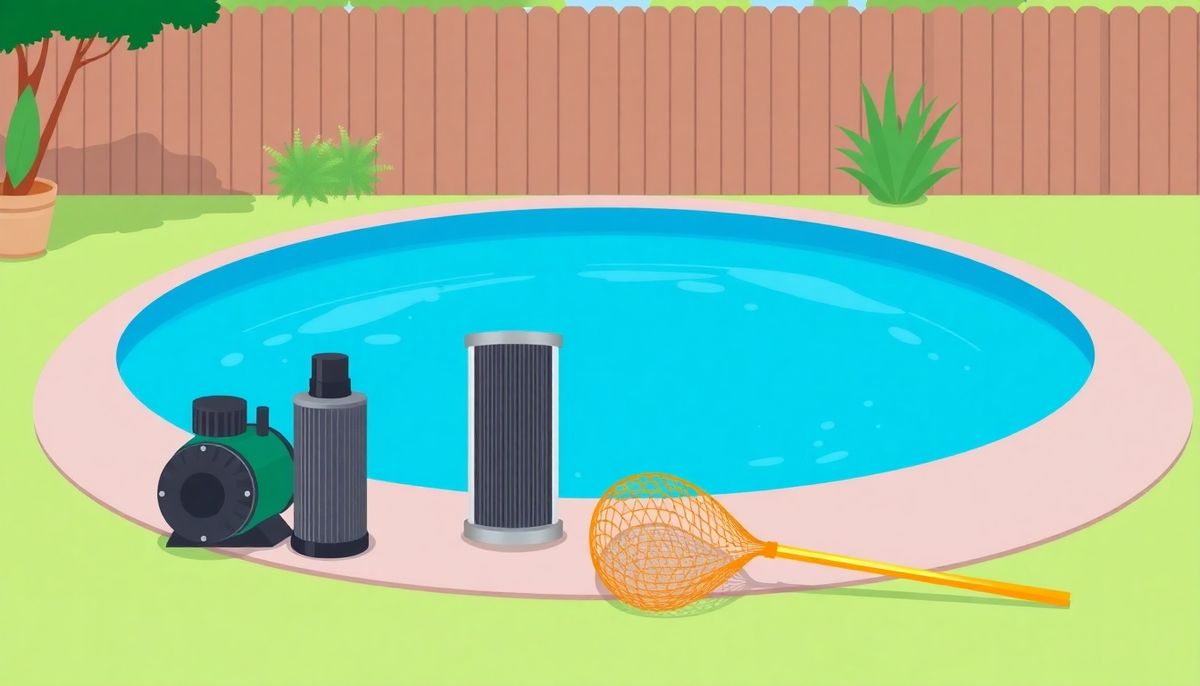
On the tool side, you'll want a durable acid brush for scrubbing, a watering can for applying the acid mix, and two garden hoses, one for rinsing and one for neutralizing with soda ash. A submersible pump helps you manage the acid-water mix. Round up these basics before you start so everything's within reach.
Select Appropriate Protective Gear
Think of your protective gear as what stands between you and the hazards. Start with a proper respirator. Muriatic acid's fumes can be dangerous, especially if you deal with breathing problems like asthma, and a simple dust mask won't cut it.
Next, your hands. Ordinary household gloves look convenient but aren't up to this. A common mistake is reaching for kitchen gloves to save time; the acid eats straight through and leaves a nasty burn. Use chemical-resistant gloves, and rinse them well when you're done.
Your eyes are just as vulnerable, so wear good safety goggles. Acid splashes can cause severe injuries, even blindness. Finally, cover up with long sleeves, pants, and closed-toe shoes, plus chemical-resistant boots if you have them. A little discomfort on a hot day beats an acid burn.
Choose Suitable Pool Materials
Match the method to your pool's material
The material your pool is made from decides how you should approach acid washing, or whether you should at all.
Concrete and gunite pools are your best candidates. They're tough enough to handle the stripping of a thin plaster layer. Vinyl liners are the opposite; acid eats straight through them, so an owner who tries it to clear stains usually ends up with a ruined liner and a hefty repair bill.
Consider your pool's age and surface condition too. Plaster laid decades ago may be near the end of its life, and an aggressive wash could expose hidden problems. Newer surfaces take a wash more gracefully and reveal a clean layer underneath. Check that your pool is a good match before you start, so this deep clean refreshes your backyard instead of wrecking it.
Ensure Proper Acid-Handling Tools
Going in without the right equipment is a mistake. Start with a solid respirator mask made specifically to block acid fumes, since muriatic acid gives off strong vapors that irritate your airways. Add chemical-resistant gloves to keep acid from seeping through to your skin, then rinse and treat them with soda ash afterward. Non-negotiable safety goggles guard against splashes, and long sleeves, pants, and closed-toe shoes, ideally chemical-resistant boots, shield the rest of you. With the right gear, you can refresh your pool without risking your health.
Protect Yourself with Safety Gear
Putting safety first is everything here. This job demands respect for the chemicals and the risks that come with them.
Start with your hands. Ordinary gloves won't do, so use chemical-resistant gloves built to stand up to acid. Even brief exposure with the wrong gloves leaves a sharp reminder of why the proper equipment matters. For your eyes, skip the sunglasses and wear real safety goggles; anything less could mean a trip to the hospital.
For clothing, go with long sleeves and pants. It's better to sweat a little than to suffer a chemical burn. Add closed-toe shoes or, better, chemical-resistant boots. It only takes a second for things to go wrong, so dress for it before you open that container of acid.
Wear Proper Safety Equipment
When you're ready to take on that stubborn pool grime, safety comes first. A high-quality respirator mask is your starting point; the fumes from muriatic acid call for a mask made to filter harsh chemicals, not a basic one. Standard gloves won't cut it either, so use chemical-resistant gloves that can stand up to acid, and never work with bare hands. Add goggles, because a splash of acid in the eyes can cause severe, even permanent, damage.
Round it out with long sleeves, pants, closed-toe shoes, and chemical-resistant boots. Every inch of skin you cover is an inch you protect. When you're done, rinse all your gear well to neutralize any lingering acid.
Protect Your Eyes and Skin
Protect your skin and eyes
The word "acid" isn't there for effect; it points to a powerful chemical. Your skin and eyes deserve top-notch protection.
Start with your eyes. A small splash can cause serious, lasting damage, so safety goggles are a must. Make sure they fit snugly, with no gaps for fumes to sneak through, and rinse them well before you put them away.
Your skin is at just as much risk. Use chemical-resistant gloves made for acidic substances, and wear long sleeves and pants for another layer. If any acid touches your skin, rinse it off right away with plenty of water to limit the damage.
Use Chemical-Resistant Gear
Chemical-resistant gear isn't a nice idea here; it's essential. Ordinary gardening gloves won't cut it. You need gloves made to stand up to acid, and if any reaches your skin, rinse right away with plenty of water. Protect your eyes with goggles that resist chemical splashes and fogging so you can see clearly the whole time. Long-sleeved shirts and pants made from tough, non-absorbent material form a barrier against splashes, and chemical-resistant boots protect your feet better than plain closed-toe shoes. With the right gear on, you work with more confidence and turn your pool into a sparkling spot without risking yourself.
Follow Proper Acid Handling
Respect how strong the acid is
Handling acid takes more attention than your usual pool chores. Start by picking a day with calm weather, because wind will carry acid fumes where you don't want them.
Dressing right is a must: long sleeves, pants, and closed-toe shoes against splashes, plus quality goggles and chemical-resistant gloves for your eyes and skin.
Staying organized is huge. Before you add acid to water (always in that order to prevent dangerous reactions), have everything ready: the soda ash for neutralizing, a reliable watering can for careful application, and a clear workspace with your tools within reach. Approach the job with caution and preparation, and you'll protect yourself and your pool while walking away with a result that's worth the effort.
Wear Protective Safety Gear
Acid washing is effective but risky, and protective gear matters before you take on a job this careful.
Before you even mix the acid, gear up. A common mistake is underestimating the fumes and figuring a simple face mask and kitchen gloves are enough. That route tends to end in skin burns and a hard lesson. Use a respirator made specifically to block acid fumes; regular masks won't stand up to muriatic acid.
Chemical-resistant gloves are another must, tough enough to handle direct contact. If you're not sure yours qualify, put a drop of vinegar on them; any weakness means you need something sturdier. Keep safety goggles on the whole time, and dress in long sleeves, pants, and closed-toe shoes. A small investment in quality gear saves you a world of pain.
Ensure Proper Ventilation
Ventilate the work area
Opening a bottle of muriatic acid releases sharp fumes, so good ventilation is essential. Indoor pools or ones in enclosed spaces are trickier; the air can fill with noxious gas fast if you don't manage it.
Open all the doors and windows to get a cross-breeze going, inviting fresh air in to sweep the fumes away. If you can, set up fans to push airflow out of the area. It's not just about diluting the fumes; it's about making sure every breath isn't laced with acid. Scrubbing in a poorly ventilated space can leave you dizzy within minutes, which is exactly why this step gets stressed so hard.
If your pool sits inside a larger building, look into a portable ventilation system to move fumes out efficiently. It's tempting to skip this step, but safety shouldn't take a back seat to convenience.
Neutralize and Dispose Safely
Neutralize and dispose safely
Once your pool shines with a refreshed layer of plaster, you still have to neutralize and get rid of the acidic residue. Skip this and you risk real trouble for both your property and the environment.
Soda ash is your tool here. As the acid pools in the deep end, slowly add soda ash and stir it in to balance the pH. As a rule of thumb, two pounds of soda ash neutralizes about one gallon of acid. Keep testing with a kit until you hit a safe, near-neutral level.
Don't ignore local rules. Cities often have strict wastewater disposal requirements for hazardous material like this, so check with local authorities and use any disposal facilities they offer. Once it's neutralized, a submersible pump clears out the water mix efficiently. Follow up with a final rinse, pump that out too, and handle it properly.
Neutralize the runoff with soda ash and test the pH before you dispose of a single drop.
The safety doesn't end when the scrubbing does. Before you send any water off, double-check its pH with a test kit, never skipping the neutralizing step, and follow your area's rules, since some places require you to haul the wastewater to a treatment facility. Improperly dumped acidic water can wreck plants and wildlife, so these final checks give your pool a clean start without unintended fallout.
Ensure Safe Acid Handling
Muriatic acid is potent enough to make safety a real priority. Gear up properly with chemical-resistant gloves, a respirator that actually blocks fumes, and safety goggles, plus a long-sleeved shirt, long pants, and closed-toe shoes.
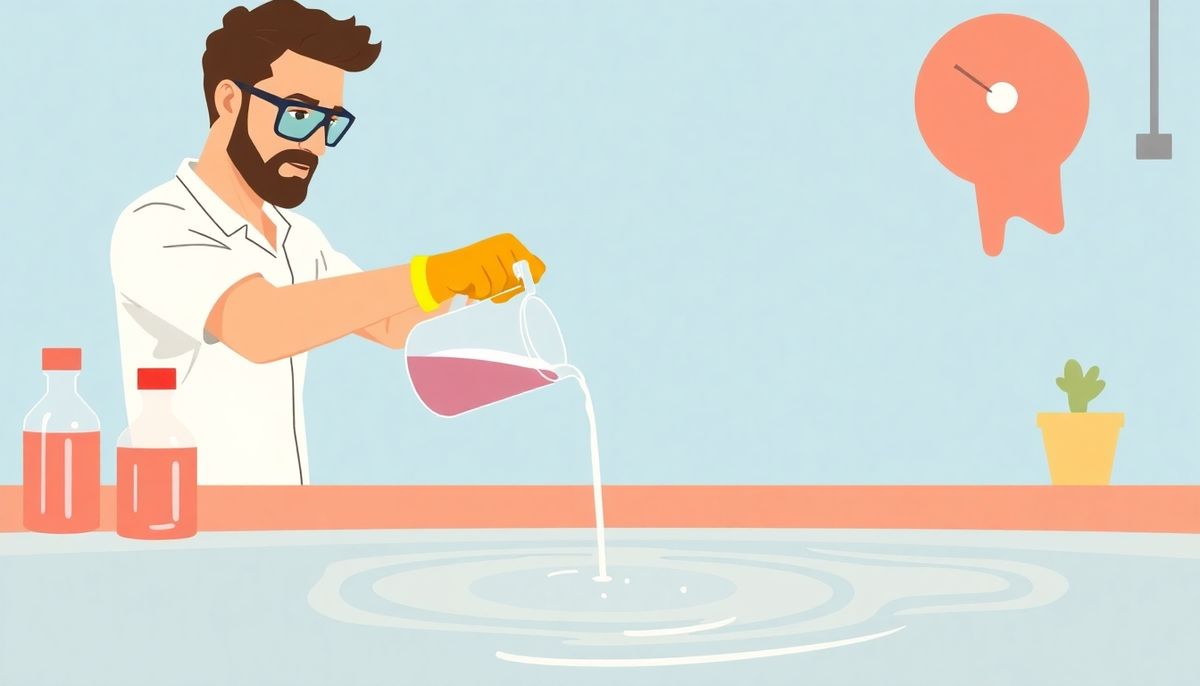
When you mix the acid with water, always add the acid to the water, never the reverse. This one step prevents a dangerous reaction that can splash caustic liquid.
Always pour acid into water, never water into acid, or the reaction can splash caustic liquid at you.
Finally, keep your workspace free of distractions. Pets and kids should stay well clear, and remember that even a gentle breeze can carry fumes into spaces you didn't plan for. With preparation and respect for the process, handling acid becomes manageable, and you'll end up with a pool that's clean and safe for future swims.
Conclusion

Acid washing takes a bit of elbow grease and prep, but a sparkling pool is worth the effort. Get the gear right, respect the chemicals, and you'll restore a surface you thought was gone for good.
Want to become a pool maintenance expert? Our free Pool School course covers everything you need to know about pool care. From basic maintenance to advanced troubleshooting, you'll learn how to:
- Save thousands on pool repairs and chemicals
- Keep your water crystal clear year-round
- Prevent and solve common pool problems
- Master water chemistry with confidence
Join over 10,000 pool owners who have already transformed their pool care routine. Get started with our free Pool School course today!
What you need
Grab muriatic acid, soda ash for neutralizing, a chemical-resistant respirator, gloves, and goggles, an acid brush, and a submersible pump before you start.