



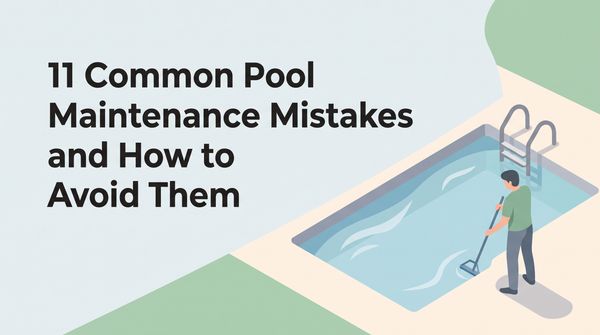
On a hot summer afternoon, few things are as inviting as the clear water of a well-kept pool. But under that calm surface sits a long list of tasks and responsibilities. Owning a pool is a lot like caring for a living thing: neglect one part, and the whole system can fall apart. I learned this the hard way one weekend when an overlooked filter turned my clear pool into cloudy water.
It's not just about looks, though. Good pool maintenance keeps everyone safe and makes your pool last, heading off costly repairs and health hazards. Sadly, a lot of pool owners fall into the same maintenance traps, usually from bad information or simple oversight. For instance, did you know that adding too much chlorine can be just as bad as adding too little?
My neighbor, an eager first-time pool owner, found out that balancing chemical levels is more art than science. She assumed more chemicals meant cleaner water, and the result was irritated skin for her and her family.
Understanding these traps matters. By spotting and avoiding the usual mistakes, you can save yourself a lot of headaches and money. This guide walks through the eleven most common missteps pool owners make, so you'll know how to keep your own swim spot clean and inviting all season long.
Avoid Chemical Mishaps

Mishandling chemicals sets off a chain of problems, and they're worse than just cloudy water. Let's talk about using pool chemicals safely. One afternoon, a friend of mine, let's call him Jake, learned this the hard way. He poured pool shock straight onto his vinyl liner, which left a bleached, brittle patch that eventually leaked. The fix? Always dissolve pool chemicals in a bucket of water first, before they go in your pool. This one step spreads the chemical out evenly and keeps it from bleaching or damaging your pool's surfaces.
One golden rule in pool chemistry: never add water to chemicals. Add the chemicals to the water instead. It sounds like a riddle, but it matters, because doing it backwards causes splashback that can erupt right in your face. Trust me, you don't want that. Warm water dissolves chemicals faster, but keep in mind it can release chlorine fumes. So don't forget your goggles, mask, and gloves. The safety gear is there for a reason.
Handled right, pool chemicals keep bacteria and algae in check. Avoid the chemical mishaps, and you keep your pool safe and inviting, ready for that perfect summer afternoon swim.
Ensure Safe Chemical Handling
Handling chemicals safely comes first, not just for the life of your pool, but for the safety of everyone who swims in it. Mishandling chemicals can cause anything from skin irritation to serious accidents, and trust me, neither one makes for a fun summer memory.
Start by reading the labels on all your pool chemicals carefully. Each one comes with specific directions that aren't just suggestions, they're key to using the product right. A friend of mine once skipped the directions on a new algae product, figuring it worked like the one he'd used before. He ended up with a foamy mess that took days to clean and put his pool out of action.
Always store chemicals in a cool, dry spot, out of direct sunlight and away from kids and pets. Mixing different chemicals can be dangerous, so use separate tools and containers for each type. And even when you're in a hurry, never pour chemicals straight into the pool. As I mentioned, mixing them with water in a bucket first protects your pool surface and spreads the chemical more evenly.
Put on your safety gear, the gloves, mask, and goggles, especially with strong stuff like pool shock. Handling chemicals might feel like a dull chore, but making safety the priority turns it into a routine that protects both your pool and the people who enjoy it.
Optimize Your Pool Cleaning Routine
A smoother pool cleaning routine can turn a weekly chore into something manageable, leaving you more time to actually swim. Start with the basics: give your pool a reliable schedule. A steady plan for skimming, vacuuming, and brushing cuts down on grime buildup, so each cleaning session is quicker and less of a slog.
Add a personal touch to your routine. For example, give each task its own day: skim on Mondays and Thursdays, vacuum on Wednesdays, and brush thoroughly on Saturdays. This spreads out the work and makes it easier to keep track of. I used to dread the weekly pool upkeep, but setting reminders on my phone kept me organized and even made the whole thing oddly satisfying.
Mixing up your cleaning tools helps too. Automatic pool cleaners are handy, but manual tools often catch the spots machines miss. A wide pool brush with a 360-degree reach makes a real difference, especially on algae-prone areas. And don't forget to backwash your filter now and then to clear out debris and keep the water flowing well. Watch the pressure gauge, since it tells you when it's time.
Last, get your family or housemates involved. Handing out roles turns a solo task into a shared one, and maybe even some bonding time. With a smoother routine, you'll spend less time scrubbing and more time swimming.
Master Proper Water Testing Techniques
To keep your pool clean and safe, you need to get water testing right. Think of water testing as a regular check-up for your pool. Skip it, and you might end up with mystery skin irritation or water that looks more like a green mess than clear water. It's not just about testing, though, it's about testing correctly.
Start with a reliable test kit, either liquid-based or test strips. Both have their pros and cons, but the real key is doing it consistently. Your kit should test the essentials: pH, chlorine, alkalinity, and calcium hardness. Calcium hardness matters because keeping those levels right stops the water from eating away at your pool walls. It's how you make sure your swim space hits all the marks for a comfortable dip. Keep the pH between 7.2 and 7.6 for swimmer comfort and to help your equipment last.
Once a week, get in the habit of testing your water, ideally at the same time of day. Staying consistent accounts for things like sunlight and temperature, which can shift your chemical levels. If a reading has you stumped, take a sample to your local pool store for a fuller analysis.
I once skipped regular testing, and my water turned cloudy overnight. A quick look showed the pH and chlorine were out of whack. Testing regularly saved me from surprise scrubbing sessions and protected my investment. So grab your kit, put on your detective hat, and keep your pool in great shape with proper water testing.
Master Pool-Shocking Techniques
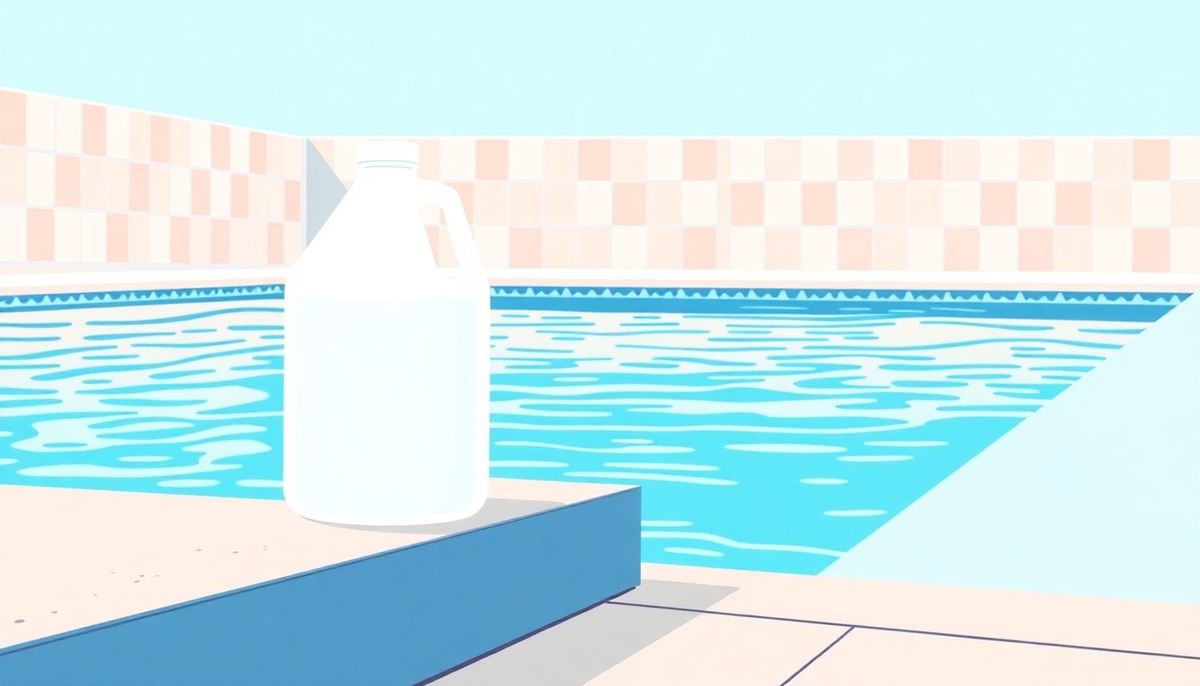
Getting pool shock right might sound intimidating, but with a few key tips it becomes manageable, even satisfying. A common mistake is tossing chlorine shock straight into the pool, which can backfire, especially on vinyl liners. If the granules don't dissolve, they can settle and bleach the liner, weakening it and causing leaks over time.
To avoid this, always dissolve the shock in a bucket of water first. Fill the bucket with warm water, which helps the shock dissolve faster and cuts down on harmful splashback. And remember, add the chemical to the water, never the water to the chemical. That gives you safer, more even distribution throughout your pool.
Safety comes first here. Chlorine fumes are no joke, so wear protective eyewear, gloves, and a mask while you mix your shock solution. These steps might feel like a hassle at first, but they're small ways to protect both your pool and your health.
Once it's dissolved, pour the solution evenly across the pool, ideally in the evening. Without sunlight, the chlorine won't burn off too fast, so it can work through the night. Shock your pool weekly for the best results, using about one pound for every 10,000 gallons of water. With these habits, you'll keep your pool clear and a pleasure to swim in, free of the algae and bacteria that can spoil the fun.
Working with pool chemicals can feel like a balancing act. Get it wrong, and you'll deal with more than cloudy water; you can put the safety and life of your pool at risk. I remember a friend who, in a rush, dumped shock granules straight into his vinyl-lined pool. What followed was a lesson in patience and caution: the granules settled and bleached spots on the liner, which eventually led to ugly leaks.
It bears repeating: always dissolve shock in a bucket of water before it goes in your pool. That one step spreads it evenly and shields your liner from undiluted chemicals. The basic rule is to add chemicals to water, not the other way around. Do that, and you cut the risk of dangerous splashback.
Warm water speeds up dissolving, but it can also give off chlorine steam. Don't skip the safety gear, protective eyewear, a mask, and resistant gloves are your best defense. Remember, your pool is a delicate ecosystem, and every chemical you add deserves care and a bit of know-how. Stick to these guidelines and you protect your pool while keeping it clear and safe, so it stays a spot for relaxing and having fun.
Prevent Algae Reoccurrence
Algae: the uninvited guest that loves to crash your pool party. Fighting off one algae bloom is frustrating enough, but keeping it from coming back is the real challenge. Start with balanced water chemistry. Test your water regularly, aiming for chlorine between 1-3 ppm and a pH of 7.2-7.8. Those levels make it hard for algae spores to take hold.
Every pool owner knows good circulation matters. Run your pump and filter at least eight hours a day so all the water gets filtered. Still water is a breeding ground for algae, so keep it moving.
Brushing is the easiest way to stop algae before it starts. Hit the hard-to-reach places like ladders, corners, and behind lights at least once a week. Your pool brush is your best defense against stubborn algae.
Think about adding an algaecide as extra insurance. It's not a replacement for good cleaning habits, but it gives you another layer of protection. Go with a non-foaming type so you don't turn your pool into a bubble bath.
Finally, don't underestimate regular maintenance. Like an old car, your pool runs better with routine check-ups. Stay ahead with these steps, and you'll keep your pool clean and algae-free, so your swim space stays clear instead of turning green.
Perfect Your Pool Brushing Technique
Brushing is the easiest way to keep your swim spot clean. A lot of owners figure vacuuming alone does the job, but brushing is what truly cleans the surfaces. Every corner and crevice in your pool can turn into a home for algae and dirt if you ignore it. That's why good brushing technique matters.
Think of your pool brush as a tool meant to reach every nook and cranny. Begin with the walls, working steadily from top to bottom. Always match the brush to your pool's surface, nylon bristles for vinyl and fiberglass, stainless steel for concrete. A quick tip: start at the shallow end and move toward the deep end, so the debris settles where your filter can grab it.
Consistency is what counts. A weekly brushing is usually enough, but if your pool sits under trees or tends to get algae, brush more often. From my own experience, picking one day each week helps turn it into a habit. It doesn't just improve how the pool looks; it also helps your chemicals work better, since clean surfaces absorb them more easily.
Make it part of your pool care routine, and before long you'll see a real difference in how clean your pool stays and how long it lasts.
Brush Away Pool Algae
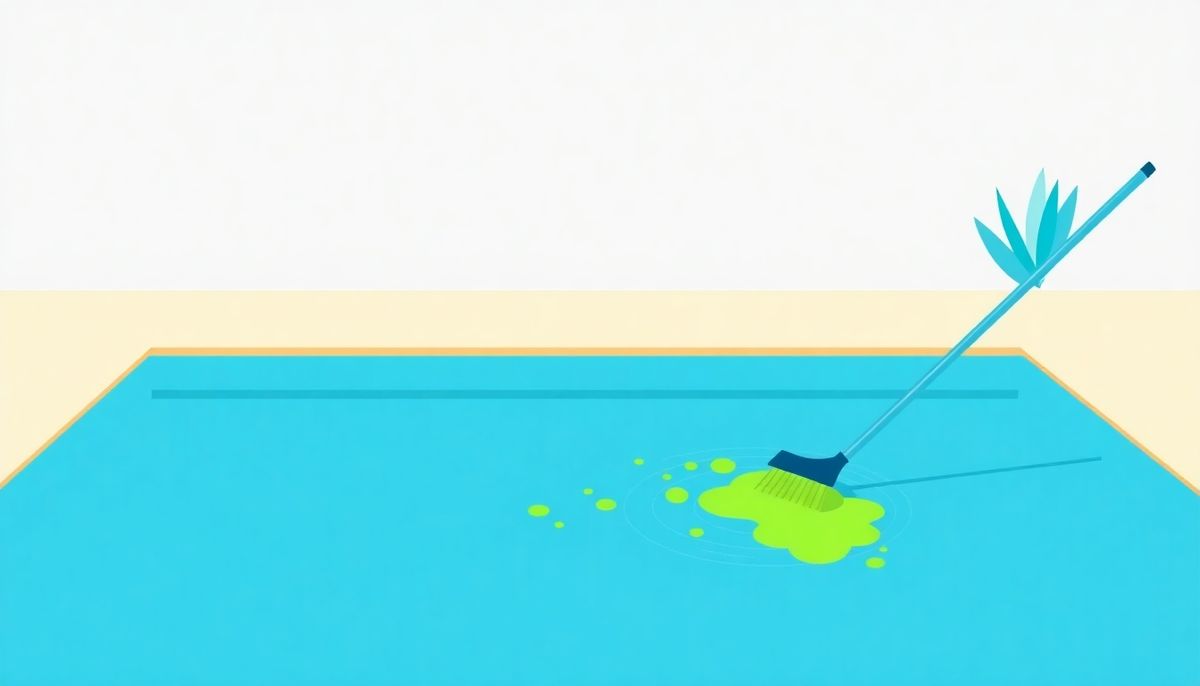
Fighting pool algae can feel like a constant battle, and one of your best tools is a good old-fashioned pool brush. Algae love those sneaky nooks and crannies, the corners and steps where your robotic vacuum can't quite reach. A weekly brush-down stops these tiny invaders from getting a foothold.
When I first got my pool, I thought the vacuum did all the heavy lifting. Then a particularly stubborn algae bloom taught me the hard way that brushing matters. Grab a sturdy pool brush, ideally one with a wide head for better coverage, and go after those hard-to-reach spots. Pay special attention to the waterline, steps, and ladders. Those are prime real estate for algae.
You might be tempted to skip brushing, especially if your pool looks clear. But trust me, this small effort goes a long way toward heading off bigger problems later. Regular brushing keeps algae away and also stops calcium and other minerals from building up and making your surfaces look bad.
If you have a vinyl liner or a delicate finish, check that your brush bristles are gentle enough to avoid damage. Brush consistently and you'll keep your pool clean and dodge the headache of stubborn algae outbreaks. It's a simple habit that turns pool care from a chore into a routine, and keeps the water clear all season long.
Master Pool Brushing Techniques
Grabbing a pool brush might not seem like much, but getting the technique down can turn your pool from a plain backyard fixture into a clean, clear place to swim. With brushing, being thorough is what counts. Pool walls, steps, and the easy-to-forget waterline all need regular attention to stop algae and mineral deposits.
Start by picking the right brush for your pool. For plaster or concrete, stainless steel bristles are ideal; for vinyl and fiberglass, nylon bristles work best. Each part of the pool calls for the right approach. Start at the top and work down, steering debris toward the main drain for easy removal. Circular motions get into corners and curves and knock loose stubborn grime.
Timing matters too. Early morning or late afternoon, when the sun isn't at its peak, are the best times to brush. That keeps the chlorine from evaporating too fast, so it works better against algae and bacteria. Some folks even find a rhythm in it, a calming quality to the sweeping that makes pool care a quiet moment in the day.
In the end, regular brushing along with steady vacuuming and skimming keeps your water clear and healthy. If you're ever tempted to skip it, remember that a little elbow grease now saves you heaps of effort later.
Safely Pre-Dissolve Pool Shock
Your pool is a place for laughter, relaxation, and maybe a cannonball contest or two. But all that fun can turn to frustration fast if you mishandle your pool chemicals, especially pool shock. This is powerful stuff, and it needs careful handling. One of the most common mistakes? Dumping undissolved shock straight into the pool.
My neighbor learned this the hard way. The shock settled at the bottom and left the liner covered in stark white spots against the once-even blue. To avoid that, dissolve your pool shock first. Just fill a bucket halfway with water before adding the shock, and stir until it's fully dissolved. That gives you a more even spread and spares your pool from bleaching disasters.
Always put safety first when handling chemicals. A friend of mine once underestimated the fumes from dissolving shock and ended up in quite a coughing fit. Warm water speeds up dissolving but also releases chlorine steam. Protective eyewear, a chemical mask, and gloves are your best friends here. Take these steps, and you protect your pool liner and your health while keeping your pool a clean playground for all those summer adventures.
Maintain Balanced Water Chemistry
Keeping your pool's water chemistry balanced takes a little practice, but get the hang of it and your pool stays a safe, inviting place to swim instead of a home for bacteria. Each day brings new chemical surprises, whether it's a cannonball splash or a sudden rain shower, all nudging your pH and alkalinity around.
Friends who own pools often share their tales of woe: cloudy water, itchy eyes, or the dreaded algae bloom. These usually come from unbalanced water chemistry. Picture a pool with very low pH. It might look inviting, but it can be as corrosive as vinegar, slowly eating at your pool's structure. On the flip side, high pH can turn the water cloudy and weaken its ability to sanitize. Neither is great for an afternoon swim.
Regular testing is your first line of defense. Use test strips or a liquid kit weekly, keeping an eye on the big three: pH, alkalinity, and chlorine. Adjusting might mean adding a pH increaser or decreaser, and now and then a splash of alkalinity booster. Fine-tuning these keeps the water inviting and protects your pool's parts.
In our backyard pool, a steady schedule works best. Every Sunday morning, coffee in hand, I find it both calming and rewarding to get our water clear for the week ahead. Keep the chemistry balanced, and you protect your investment and get the most enjoyment out of it.
Keep Filters Running Smoothly
Looking after your pool filter is like keeping the heart of your pool beating without a hitch. As with any machine, ignoring this key part sets off a chain of problems that hurt water clarity and your pool's overall health. A friend of mine learned this the hard way when his once-clear pool slowly turned cloudy and murky. Turns out he hadn't cleaned his filter in months, and all that trapped debris was choking its efficiency.
To avoid a problem like that, backwash your filter regularly. It clears out trapped dirt and debris and keeps pressure from building up. Watch the filter's pressure gauge; a spike tells you it's time for a good clean. And if your filter uses sand or diatomaceous earth, plan to replace that material now and then to keep it working well.
But it's not just about cleaning. Running your filter consistently matters too. Aim for at least eight hours a day so all your pool water cycles through. This keeps the water clear and cuts the odds of algae and bacterial growth. Think of it as a daily workout for your pool, keeping things in top shape while you relax and enjoy a swim. After all, nobody wants a pool that's turned into a green mess.
Prevent Chemical Mishaps
Managing pool chemicals is a lot like following a careful recipe, one wrong move and the results range from mildly annoying to flat-out disastrous. A friend once poured shock straight into her pool without diluting it, and let's just say her vinyl liner didn't appreciate the attention. She ended up with a bleached, brittle patch that soon needed a costly repair.
To avoid that, always dissolve shock in a bucket of water before adding it to the pool. This spreads it evenly and protects your pool surfaces. And the order matters: add chemicals to water, never water to chemicals. That one step prevents dangerous splashback that can threaten both your safety and your pool's structure.
On one especially humid summer day, I learned the hard way about using warm water to dissolve shock. It seemed efficient until a cloud of chlorine steam rolled over me. Now I never prep shock without protective eyewear, gloves, and a mask. It might look like overkill, but the discomfort is very real.
Take these precautions and you protect your pool and keep swimming safe and fun. After all, the real joy of a pool is the carefree summer days it promises, not the surprise chemistry lessons.
Optimize Your Cleaning Routine
Efficient pool maintenance doesn't just happen; it's built through a thoughtful routine and a bit of practice. In my early days as a pool owner, I felt buried under all the tasks and timing involved. But finding a rhythm turned that chaos into a smooth process. The secret? A well-built cleaning schedule.
First, get the essentials: skimmers, vacuums, and brushes. Give each task its own day, starting with skimming leaves and debris daily. My rule of thumb is a quick skim while the coffee's brewing; it's productive and peaceful. Weekly vacuuming is key, whether manual or automatic, covering everything, especially those hidden corners where grime loves to settle.
Brushing shouldn't be an afterthought. Once a week, set aside time to scrub the walls and steps. This keeps algae from forming and keeps surfaces gleaming. I once skipped it, thinking vacuuming was enough, only to find stubborn green patches lurking in shaded spots. Trust me, the effort pays off.
Put technology to work for you. Use an app or a simple calendar to remind you of tasks and track chemical levels. This turned my maintenance from a burden into something manageable, freeing up weekends for actual swimming instead of scrambling with cleaning tools.
Tune up your schedule and tools, and you build a routine that feels less like a chore and more like a habit. It protects your pool and makes owning one a lot more enjoyable.
Maintain Proper Water Chemistry
Pool water chemistry often feels like a science project, but it's the key to a safe, enjoyable swim. Ignore it and you'll get more than cloudy water; you can end up with skin irritation, damaged equipment, and a pool that's a breeding ground for algae and bacteria.
Each week, grab your trusty test strips, or go the extra mile with a liquid test kit. Check your pH, alkalinity, and free chlorine, since those are the building blocks of a balanced pool. Off-balance pH makes water either too acidic or too alkaline, and both spell trouble. Acidic water is corrosive and can damage pool parts, while alkaline water often feels unpleasantly slimy and weakens your chlorine.
During one really hot summer, I skipped a few days of testing, figuring everything was fine. The clear water fooled me, algae crept in and turned it cloudy and green. Lesson learned: consistency is key.
Adjusting your water chemistry isn't about tossing in chemicals at random. It takes precision. Use pH increasers or decreasers and keep calcium hardness in check, especially with a concrete or plaster pool, since the right level stops the water from eating away at your walls. A small tweak can head off costly repairs and keep you and your family in clear water all season long.
Protect Your Vinyl Liner
Owning a vinyl-lined pool takes a careful touch. One wrong move, and you could be scrambling for repairs. A vinyl liner's life depends heavily on how well you protect it. It may look tough, but it's surprisingly vulnerable to everyday pool chemicals and maintenance habits.
Take chlorine shock. Tossing undissolved granules straight into your pool can leave bleach spots on the liner, making it brittle and prone to tearing. Picture a favorite shirt accidentally bleached, then imagine that on a pool-sized scale. To prevent it, always dissolve shock in a bucket of water first, so it spreads out evenly and won't harm your liner.
Brushing your pool regularly matters too, but a brush with bristles too harsh for vinyl can scratch or tear it. Go with a brush made for vinyl-lined pools to clean without risking damage.
And keeping your water chemistry balanced matters just as much. Off-balance pH or calcium can weaken the liner and lead to costly repairs. Regular testing and adjustments keep your liner in top shape.
Handle things carefully and stay informed, and your vinyl liner can keep your pool clear and long-lasting instead of fragile. Sidestep these common traps, and you protect both your pool's looks and your peace of mind.
Pre-Dissolve Pool Shock
Even seasoned pool owners run into trouble when mixing chemicals. One frequent slip-up is adding pool shock straight to the pool without dissolving it first, especially with a vinyl liner. Those tiny granules can do more than sanitize, they can bleach your liner and leave it brittle and prone to leaks.
Before you toss shock into your pool, take a moment for a safer approach. Fill a bucket with water first, then slowly mix in the shock. This prevents ugly bleaching and spreads the chemicals evenly, so they work as well as possible.
A word on chemistry etiquette: always add chemicals to water, not the other way around. It sounds basic, but getting it backwards leads to splashback that's both hazardous and unpleasant. If you want a quicker dissolve, warm water helps, but be careful. It can release chlorine steam, which is far from a spa treatment. So gear up with protective eyewear, a mask, and gloves before mixing.
Work this simple step into your routine and you save your pool liner and your peace of mind. With the right approach, shocking becomes less of a chore and more of a smart move toward a clean swim spot.
Brush for a Pristine Pool
A clean, clear pool is a real treat in your backyard, but getting there takes more than regular vacuuming. One key step people often skip is brushing. Think of it as a deep clean for your pool, a way to clear out intrusive algae and stubborn debris tucked into corners the vacuum just can't reach.
Start by getting to know your pool's layout. Corners, steps, and ladders are prime spots for grime to build up, and they need your attention the most. Get a wide pool brush built to handle every surface, from delicate vinyl to sturdy concrete. The right brush makes all the difference.
Working brushing into your routine doesn't have to be a drag. Pick a specific day each week and settle into the rhythm. You might find the task soothing, a bit like a gentle morning stretch.
There was a time I thought my robotic vacuum was all my pool needed. Then a persistent patch of algae proved me wrong. A good scrub with a pool brush brought back my pool's shine and reminded me how much a personal touch matters in maintenance.
So here's to brushing, the part of pool care that does more than it gets credit for. Brush consistently and your pool stays clean, inviting, and ready for those summer splashes.
Conclusion

Keeping a pool clean takes some work, but getting these basics right means you'll spend more time swimming and less time scrubbing.
Want to become a pool maintenance expert? Our free Pool School course covers everything you need to know about pool care. From basic maintenance to advanced troubleshooting, you'll learn how to:
- Save thousands on pool repairs and chemicals
- Keep your water crystal clear year-round
- Prevent and solve common pool problems
- Master water chemistry with confidence
Join over 10,000 pool owners who have already transformed their pool care routine. Get started with our free Pool School course today!