



As summer stretches into a long heat wave, the sun becomes a relentless force, and lounging by the pool starts to feel less like a luxury and more like survival. Slipping into cool water is always tempting, but keeping that water clear during extreme heat takes real work.
Last summer I learned this the hard way. The temperatures climbed, and my once-sparkling pool started to struggle. Algae crept in, and the water evaporated faster than I could top it off. Protecting your pool in brutal heat isn't just about looks. It's about preventing damage and keeping the water safe for everyone who swims.
You already know the drill: skim the leaves, balance the chemicals. But when the temperature climbs, those chores matter more. Here are the key ways to keep your pool in great shape while the summer sun beats down.
Your Action Plan
- Test your water two to three times a week during the heat.
- Keep free chlorine between 1 and 3 PPM and shock weekly.
- Hold cyanuric acid in range so chlorine doesn't burn off.
- Brush and vacuum every few days to stop algae.
- Run the pump longer to keep the water circulating.
- Add a solar cover to cut evaporation and hold your chemistry.
Test Water Frequently

Why heat throws your chemistry off
Intense heat throws your water balance off incredibly fast. During a scorching stretch last summer, a lazy testing schedule left my pool looking more like a green swamp than a clear oasis. When the temperature spikes, move your testing from once a week to two or even three times.
Chlorine does the heavy lifting, and it's the first thing to suffer under harsh sun. UV light breaks it down fast and cuts its power to sanitize. Extra pool parties and more swimmers shift the balance too. A digital test kit makes checks quick, reading pH, alkalinity, and chlorine in seconds.
When temperatures spike, test your water two to three times a week instead of once.
Keep chlorine between 1 and 3 PPM, with 3 PPM giving the best protection. When it drops, act fast. Shocking weekly keeps active chlorine in the water, and a stabilizer stops chlorine from burning off in the sun.
Monitor Chlorine Levels Closely
Strong sun eats through chlorine, your main defense against algae and bacteria. The hotter it gets, the faster those UV rays break chlorine down, leaving your pool exposed. Test at least twice a week so you learn how your pool reacts to the heat, not just to hit a number.
More swimmers mean more contaminants and faster chlorine loss, so every cannonball tips the balance a little. When you notice chlorine slipping, a dose of liquid chlorine or powdered pool shock helps it fight back. Non-chlorine shock works too, which I'll come back to below.
Use Stabilizers for Sun Protection
How cyanuric acid protects your chlorine
Here's the one piece of chemistry worth understanding well: cyanuric acid, usually sold as CYA or stabilizer. On sunny days, UV rays break chlorine down fast. CYA acts like sunscreen for your pool, shielding chlorine from that constant sun so it lasts longer and keeps working.
For most pools, the sweet spot is between 30 and 50 PPM. Saltwater pools usually do better a bit higher, around 60 to 80 PPM, because saltwater generators don't add CYA on their own and work extra hard during peak sun. Don't overdo it, though. Too much CYA actually weakens chlorine's ability to sanitize, and the only way to lower it is to drain and refill part of your pool.
Keep CYA between 30 and 50 PPM for most pools, or 60 to 80 PPM for saltwater, and never let it climb higher.
Increase Testing Frequency in Heat
In serious heat, weekly checks won't cut it. Conditions can shift in a blink, so fit in tests two or three times a week to catch imbalances early. A digital test kit gives you a fast snapshot, reading free chlorine, total chlorine, and the rest. Testing more often isn't busywork; it keeps a safe, inviting pool ready for every spur-of-the-moment splash.
Boost Chlorine Effectively
Shock weekly and know your two options
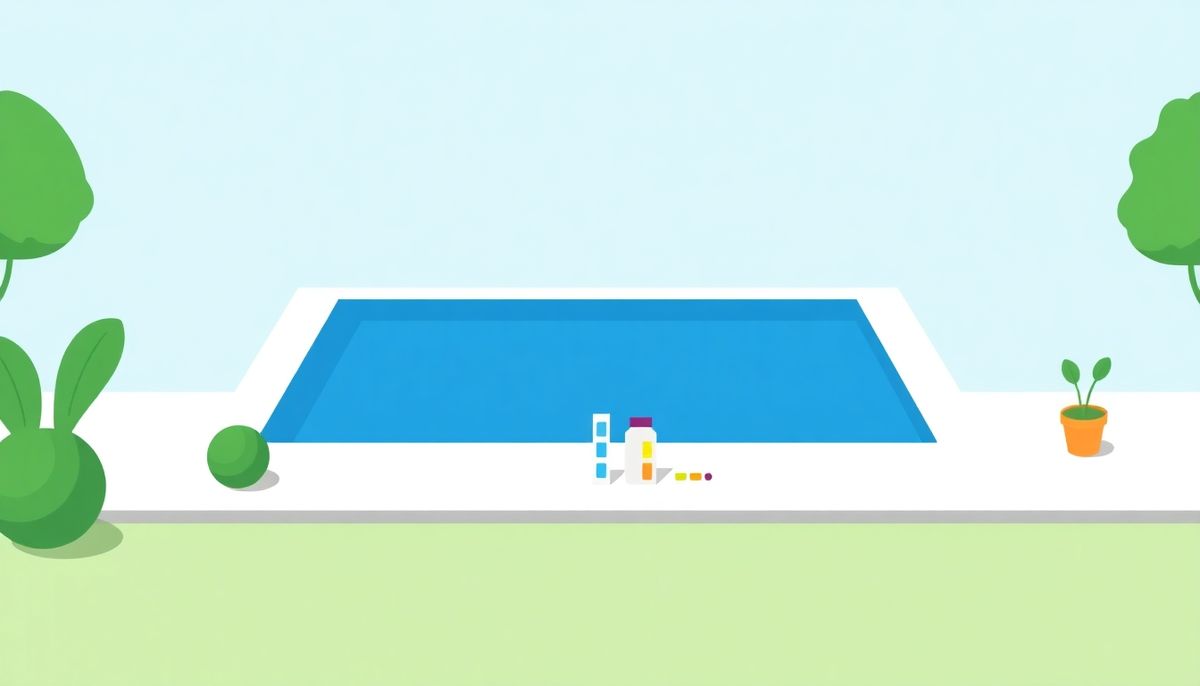
A weekly shock treatment is your pool's regular tune-up, not just an emergency fix. Chlorine-based shocks like calcium hypochlorite (often sold as cal-hypo) or liquid chlorine top up your levels while attacking contaminants and algae.
If your free chlorine is already steady, reach for a non-chlorine shock, also called an oxidizer, instead. This one clears out chloramines, the compounds behind that harsh pool smell. Here's the part that makes it click: chloramines are basically used-up, spent chlorine. An oxidizer breaks them apart so your fresh chlorine can work again, without adding more of that smell.
Optimize Water Chemistry
Heat doesn't just draw in swimmers; it invites algae and speeds up evaporation. Step your testing up to two or three times a week to keep chlorine and pH steady. Shock after heavy use or intense heat, and keep an eye on your CYA so a saltwater generator isn't forced to overwork. A well-kept pool is more than clean water. It's a place you actually want to cool off.
Enhance Chlorine Stability
Holding onto chlorine is the whole game in a heat wave, and CYA is your best ally. UV rays wear chlorine out fast, so keeping stabilizer in range stretches how long each dose lasts. Regular testing keeps this in check. Remember that once CYA climbs past your target, the only fix is partly draining and refilling, so it's easier to stay in range than to claw your way back.
Accelerate Algae Prevention
Stay ahead of algae before it starts
Algae thrives in warm water, so staying ahead of it is crucial. Brush the walls and floor every few days to break up spores before they settle, and vacuum to clear the debris they feed on. A robotic pool cleaner earns its keep here, scrubbing and vacuuming while you relax in the shade.
Keeping water moving matters just as much. Algae likes stagnant water, so run your pump longer during a heat wave. If you normally run it eight hours, try ten, or around the clock if you have a variable-speed pump.
Algae thrives in warm, still water, so brushing often and keeping the pump running are your best prevention.
Use Stabilizers Wisely
Without stabilizer, chlorine burns off fast and leaves your pool open to cloudy water and algae blooms. After one recent heat wave, my chemistry was all over the place until I got CYA back between 30 and 50 PPM. Chlorine then stuck around noticeably longer, which saved me time and cut down on constant dosing. Saltwater owners get the biggest payoff, since keeping CYA a bit higher takes real strain off the generator.
Monitor Water-Chemistry Levels
High temperatures speed up evaporation and give algae a perfect home, so staying alert is your best defense. Bump your checks to two or three times a week to catch imbalances early. When chlorine dips below 1 to 3 PPM, shock the pool with either a chlorine-based product or a non-chlorine oxidizer, depending on what your water needs.
Protect Chlorine with Stabilizers
If you use chlorine tablets or dichlor granules, a stabilized powder shock, they often include CYA already, which does part of this job for you. If your chlorine source has none, a separate stabilizer shores up your defenses. It's a balancing act: too little and chlorine drops off, too much and you're stuck diluting the water. Saltwater pools lean on stabilizer even more, since the generator works overtime under strong sun.
#
Combat Algae Growth
Effectively
Regular cleaning is the backbone of algae defense. Scrub the walls and floor more often in hot weather, and let a robotic cleaner handle the extra vacuuming. Steady water flow spreads your chemicals evenly so they actually work, so add a couple of hours to your pump schedule on hot days. Algaecides can add a layer of backup, but they shouldn't be your main line of defense.
Combat Algae Growth
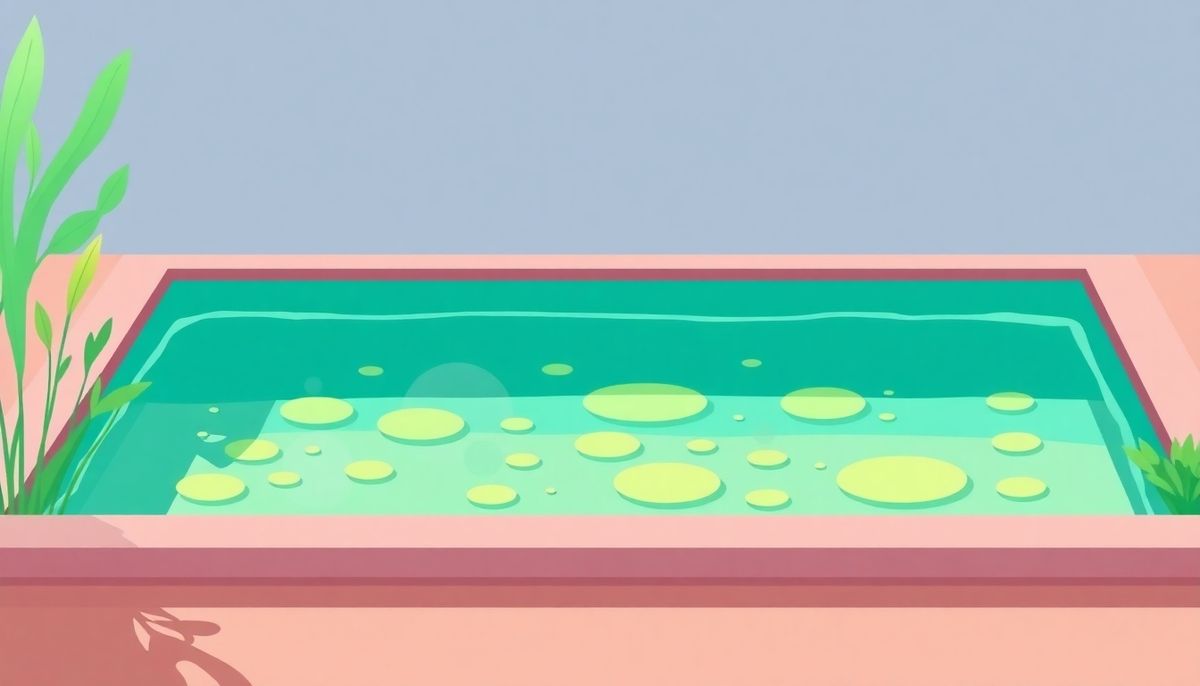
Algae loves full sun, and a bloom is also a sign your chlorine is draining faster than usual. Scrub the walls and floor more than once a week so spores have nothing to cling to, and vacuum before the problem settles in. Keep the water moving by running the pump longer, and both the algae and the cloudiness stay away.
When the thermometer spikes, a few days of neglect can turn a clear pool into a green swamp. Test at least two to three times a week, watch for chlorine dips, and shock weekly to hold that sparkle. Catching chemical shifts early saves you time and money, and it keeps your swimming spot safe.
Maintain Optimal Chlorine Levels
On blazing days, test twice or even three times a week. You want free chlorine between 1 and 3 PPM, with 3 PPM the sweet spot. If it drops too low, a dose of shock, whether cal-hypo, dichlor, or liquid chlorine, rescues your pool from an algae takeover. If chlorine looks fine but the water smells or turns cloudy, that's a job for non-chlorine shock, which breaks down those chloramines and restores your chlorine's punch.
Utilize Solar Pool Covers
Slow evaporation with a solar cover
When the sun won't let up, a solar cover shields your water from the worst of it. Sometimes called solar blankets, these covers trap heat and warm your pool naturally, trimming your heating bill. Their bigger trick in a heat wave is cutting evaporation, by up to 95%, so you lose less water and hold your chemical balance more easily.
A solar cover can cut evaporation by up to 95%, saving water and protecting your chemical balance.
Covering the pool at night helps too. Cooler nighttime air can actually speed evaporation, and a cover slows it down. Keep it on whenever the pool isn't in use.
Optimize Pump Usage

Run your pump longer in the heat
Your pump keeps the water clean, and in extreme heat the usual eight hours often isn't enough. When temperatures top 100°F, run it longer. A couple of extra hours noticeably improves circulation and keeps algae from getting a foothold. A variable-speed pump running continuously at a low speed keeps water moving and chemicals spread evenly without a huge energy bill. Running the pump overnight circulates cooler water and slows evaporation, so use that cooler stretch.
Maintain Balanced Water Chemistry
The sun breaks down chlorine fast, so routine checks matter more than ever. Testing two to three times a week lets you adjust chlorine promptly and keep algae out. Shock weekly with a chlorine-based product to refresh your sanitizer, and if you run a saltwater system, a manual chlorine boost keeps the generator from straining. Keep CYA in range to protect all of it.
Enhance Chlorine Stabilization
A sun-drenched afternoon is rough on chlorine, which can burn off at twice the rate without stabilizer. My friend watched her pool go from sparkling to green in a week, and a proper CYA adjustment turned it around for the rest of the season. Get the balance right, mind the drain-only fix for too much CYA, and stabilized chlorine keeps your pool a refreshing retreat.
Conclusion
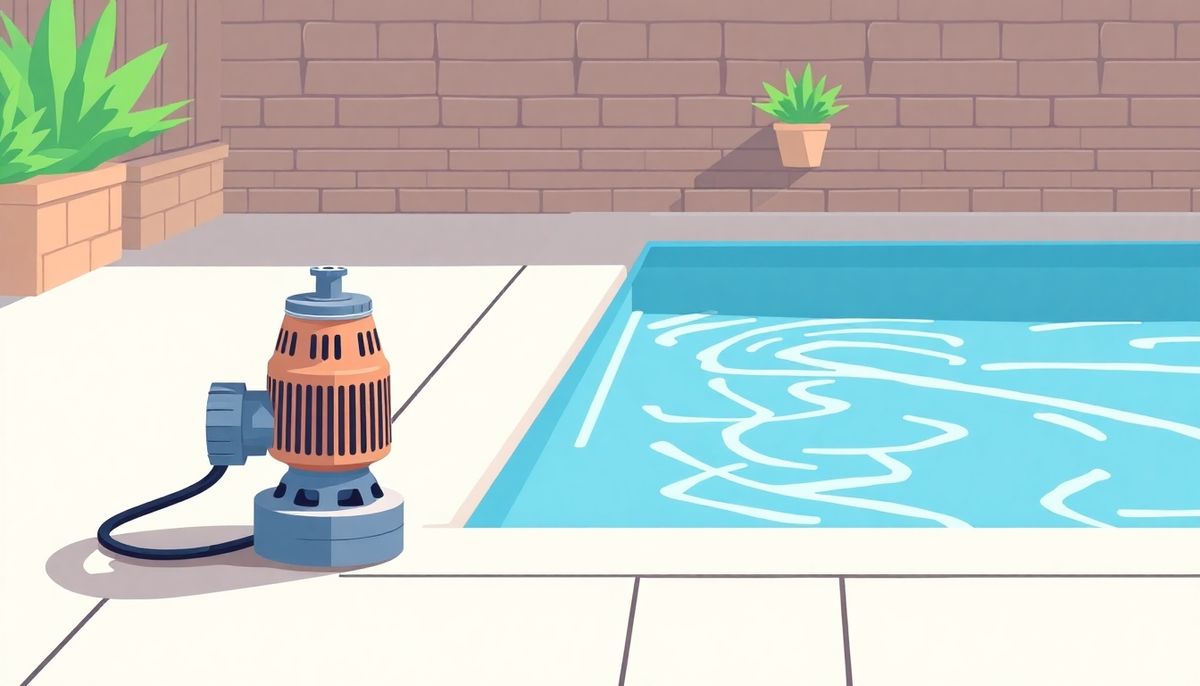
Keeping your pool clear during a heat wave takes a little extra effort, but stepping into crisp, cool water at the end of a scorcher makes every bit of it worth it.
Want to get even more confident with your pool? Our free Pool School course covers everything from basic upkeep to trickier troubleshooting, so you can:
- Save thousands on pool repairs and chemicals
- Keep your water crystal clear year-round
- Prevent and solve common pool problems
- Master water chemistry with confidence
Join over 10,000 pool owners who've already transformed their routine. Get started with our free Pool School course today!
What you need
Stock up on a digital test kit, chlorine or shock, cyanuric acid stabilizer, and a solar cover so you can stay ahead of the heat instead of chasing problems.