

Transforming a backyard oasis into a dry canvas is a task pool owners occasionally face, whether for maintenance or seasonal closure. The prospect of draining a pool might seem daunting, conjuring images of complex equipment and lengthy processes. Yet, with the right approach, it can be both efficient and straightforward. I remember the first time I tackled this task; standing by the shimmering blue water, the goal seemed almost mythical. But armed with a simple plan and a few essential tools, the job became surprisingly manageable.
Every pool owner knows that maintaining pristine water quality involves more than just skimming leaves and testing pH levels. Over time, minerals and chemicals accumulate, making it necessary to start from scratch. Whether you’ve spotted unsightly algae blooms or need to fix a stubborn leak, completely draining your pool can be the most effective solution.
For those in a hurry, speed is often of the essence. Knowing the fastest methods, combined with the right equipment, can save you hours of frustration. A submersible pump becomes your best ally, rapidly reducing water levels while you sip your coffee. Additionally, understanding your pool’s drainage system—whether it leads directly to a sewer or a garden—can prevent unexpected setbacks.
So, before embarking on this aquatic adventure, let’s explore the swiftest techniques and keenest insights to ensure your pool is drained efficiently and safely.
Use Filter Waste Port
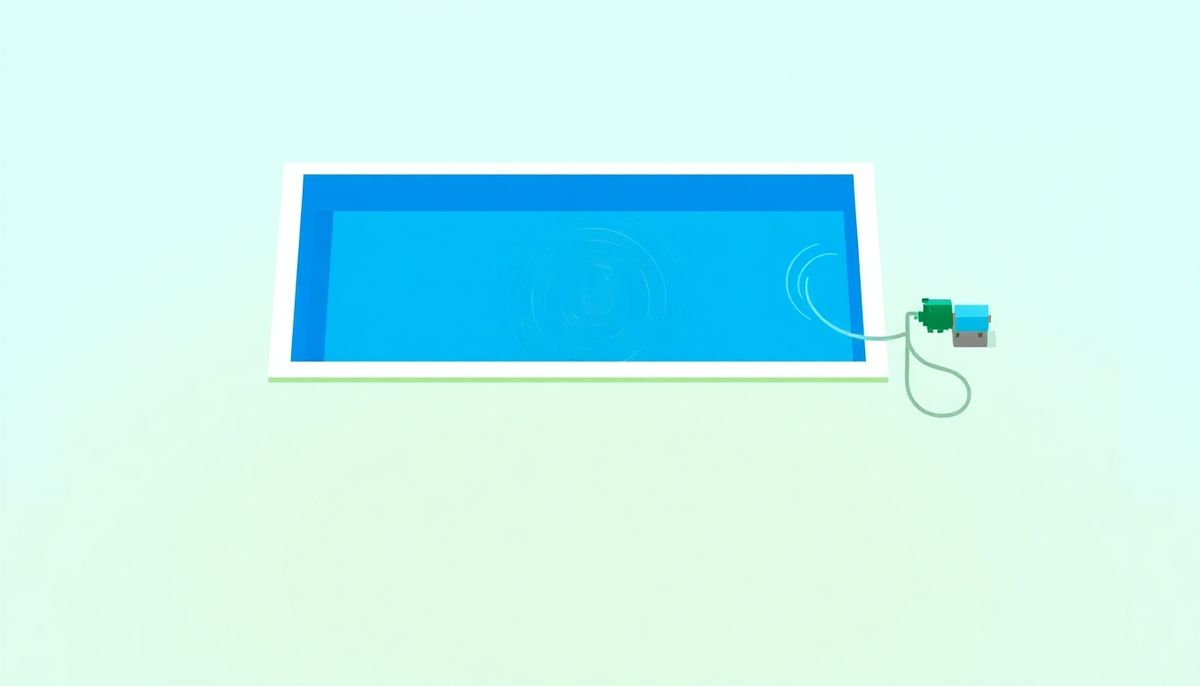
To tackle the challenge of draining a pool with efficiency, using the filter waste port is a game-changer for pool owners. With sand or D.E. filters, this method becomes a quick and reliable option. First, ensure your pool pump is switched off to prevent any mishaps. Attach a backwash hose to the waste port, set your filter to 'waste', and then power up the pump. Almost instantly, the water begins its journey from your pool, through the skimmers and pump, and out through the hose.
There's a catch, though. Vigilance is crucial. The water level in your pool must remain above the skimmer line. Allowing it to drop too low will result in the pump sucking in air, which could damage the system. So, this technique is perfect for lowering the water just a few inches.
I recall a weekend when I tried this at my own pool. On a sunny afternoon, I noticed how quickly the water level decreased, but I had to remain attentive to avoid any air intake. The process was seamless, and I managed to maintain an optimal water level with minimal effort.
Utilizing the filter waste port doesn't just save time; it also minimizes stress on your pool equipment. However, always remember to check local regulations about where to direct the drained water. Keeping the pool's integrity intact while following best practices ensures a smooth, hassle-free experience.
Connect Backwash Hose
When tackling the task of draining your pool, connecting a backwash hose can be a swift and effective method. This approach is particularly beneficial if you have a sand or D.E. filter system. Begin by turning off your pool pump; this is crucial to ensure your safety and to avoid any damage. A backwash hose, often blue and flat when not in use, should be attached to the filter’s waste port. This hose will become your lifeline for efficiently directing the water away from the pool area, so make sure it’s securely fastened.
Once the hose is in place, set your filter to the 'waste' position. This simple switch steers the water directly out of the pool without running it through the entire filtration system. With everything set, you can now turn the pump back on. Watching the water flow effortlessly through the hose feels somewhat satisfying, knowing the task is well underway. However, keep an eye on the water level. The moment it dips below the skimmer line, it’s time to stop. Allowing the pump to continue beyond this point risks air getting sucked into the system, potentially causing damage.
In my experience, a garden hose can serve as an alternative, but it lacks the speed and efficiency of a backwash hose. A garden hose trickles compared to the backwash hose's robust flow, making it less ideal for those pressed for time. Connecting a backwash hose may seem small, but it’s a critical step in ensuring a smooth and efficient pool draining process.
Monitor Water Level
Peering into the depths of your pool as it slowly drains can be deceptively mesmerizing, but it's crucial not to lose track of time—or water levels. As the waterline dwindles, it’s important to regularly check the progress, preventing potential mishaps. Letting the water fall too far below the skimmer could lead to the pump drawing in air, which can damage the equipment. This vigilance ensures that you don’t end up with a hefty repair bill alongside your clean, empty pool.
Consider a friend of mine who tackled this task on a lazy Saturday afternoon. Enthralled by a good book, she wandered off, only to return to a dangerously low water level and an unhappy pool pump. The lesson here? Set a timer or keep an eye on the levels as you drain.
Moreover, observing your pool's water level allows you to determine when to pause and reassess your drainage method. Each pool is different, and sometimes the best-laid plans need a tweak or two. An unexpected rain shower or a sudden discovery of an underground spring can complicate matters. Having a flexible approach, guided by consistent monitoring, keeps your draining operation smooth and stress-free. Ultimately, a well-managed water level is the key to an efficient and safe pool draining process, paving the way for a hassle-free refill and maintenance afterward.
Ensure Proper Disposal
When the time comes to drain your pool, it's not just about removing the water; it's about ensuring it leaves your yard responsibly. Consider a friend who drained their pool into a storm drain, not realizing it was illegal in their area. They faced not only fines but also dealt with unhappy neighbors due to unexpected flooding. This scenario underscores the importance of understanding the regulations in your locality before releasing thousands of gallons of water.
First, verify with your city if there are restrictions on where and when you can dispose of pool water. Most municipalities require you to direct pool water into your home's sewer cleanout. This prevents chemicals from contaminating the environment and overloading public drainage systems. If local laws permit, you might drain it into the street, but caution is key to avoid flooding or damage to infrastructure.
Moreover, be mindful of the chemical composition of the water. Chlorine and other chemicals should be at neutral levels to prevent harm to sewer systems and groundwater. Testing the water beforehand can prevent negative environmental impacts and potential penalties. If you're pressed for time, a chlorine neutralizer can expedite the process, ensuring the water meets regulation standards quickly.
Remember, proper disposal isn’t just about adhering to the law; it’s about protecting your community and the environment. Taking these steps not only saves you from potential fines but also reinforces your role as a conscientious homeowner.
Deploy Sump Pump Effectively
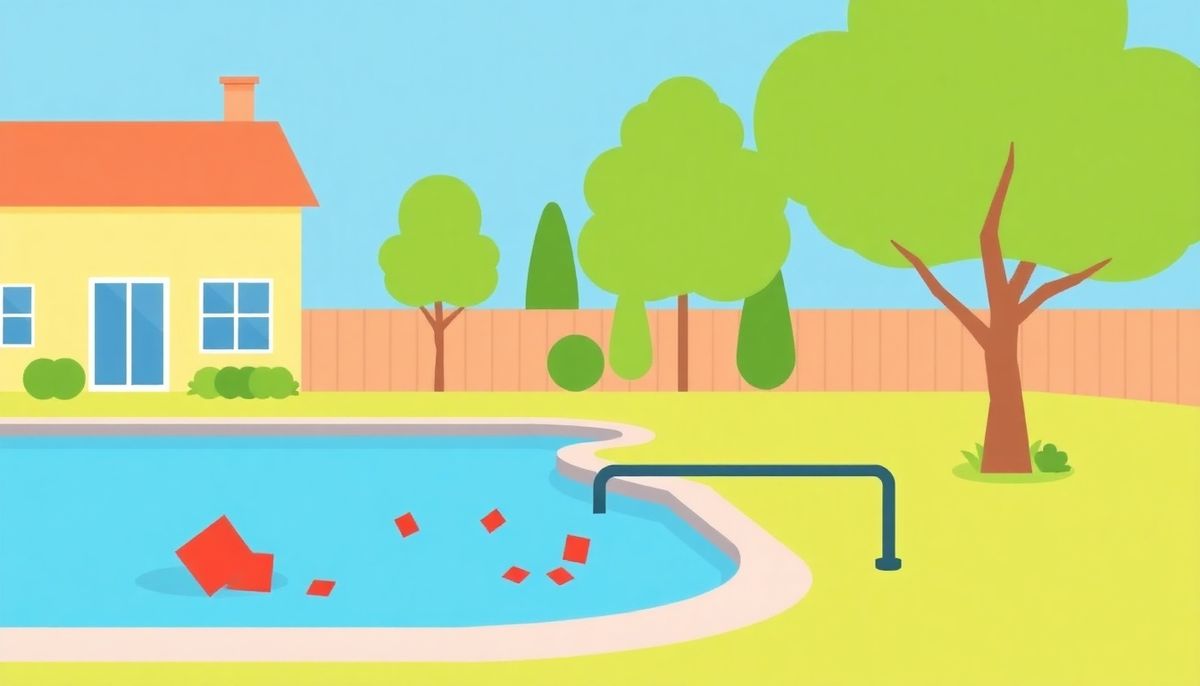
For many pool owners, the sump pump emerges as a faithful ally in the battle of water removal. Unlike relying on gravity or the pool’s filtration system, a sump pump offers power and efficiency wrapped in one compact device. This submersible pump, typically lightweight and portable, is designed to tackle water lurking below the skimmer line—making it indispensable for more substantial water removal tasks.
Setting it up is a breeze. First, locate a suitable hose, preferably a larger backwash hose, to attach to the pump for quicker drainage. Lower the sump pump gently to the pool’s deepest part, ensuring it's securely placed at the bottom. Once plugged in, it will begin to effortlessly suck water out of the pool and expel it through the hose. It's like witnessing an underwater marvel as gallons are swiftly siphoned away.
Of course, like any task involving heavy-duty equipment, it pays to take precautions. Always ensure the power source is dry and secure, and double-check that your hose is firmly connected. The beauty of using a sump pump is that it requires minimal supervision once started, allowing you to multitask or simply relax as it works its magic.
In my own pool maintenance saga, the sump pump has saved countless hours. Whether tackling routine maintenance or preparing for repairs, this tool transforms a daunting task into an efficient procedure. Remember, though, always confirm with local regulations about where and how to dispose of drained water, preserving both your equipment and the environment.
Ensure Proper Water Disposal
Imagine a warm afternoon, and you're about to tackle the daunting task of draining your pool. Yet, as you consider the gallons of water soon to be displaced, the question of disposal looms large. Proper water disposal isn't just a logistical concern—it's an environmental and legal one. Before you let those thousands of gallons escape, think about where they'll end up. Many cities have strict regulations prohibiting pool water from entering storm drains, due to the potential chemical contamination.
First, contact your local water authority to understand the guidelines specific to your area. Some places might allow you to channel the water into your home's sewer system, but others might have seasonal or time restrictions on when you can drain. Preparing a plan ahead of time could save you from hefty fines or environmental mishaps.
If pouring the water into your yard is an option, be cautious. The chlorine and other chemicals in the water can wreak havoc on your grass and soil. Testing the pool water and allowing the chemicals to dissipate naturally or using a neutralizer can make it safer for plants and groundwater. Moreover, aim for a gradual release to prevent flooding your garden.
In essence, a well-thought-out disposal strategy not only ensures compliance with local laws but also protects the environment. A bit of foresight and preparation can transform this labor-intensive task into a responsible, hassle-free process.
Utilize Sump Pump Effectively
A sump pump offers a reliable solution when it's time to drain your pool swiftly and thoroughly. Whether you’re preparing for repairs or simply maintaining water quality, this powerful tool can make the task less daunting. Unlike methods that rely on your pool's filtration system, a sump pump operates independently, minimizing wear on your equipment. Here's how to harness its potential effectively.
Firstly, ensure your sump pump is ready to go by attaching a suitable discharge hose that can handle significant water flow. Position the pump at the deepest part of the pool. This ensures the maximum amount of water is expelled, including that elusive last bit below the skimmer line. Plug in the pump; it will begin its work, drawing water efficiently through the hose.
In my experience, using a larger diameter hose, such as a backwash hose, has drastically sped up the process. On a balmy afternoon, a friend and I managed to drain a pool in just under eight hours with this method—far quicker than anticipated.
While your pump does its job, keep an eye on the hose’s endpoint. Direct the flow away from buildings and ensure compliance with local regulations regarding drainage. Some regions may permit directing water to a sewer cleanout, providing a straightforward solution. For optimal efficiency and safety, avoid draining during heavy rain, as this can lead to ground saturation and potential damage to pool structures.
By taking these steps, using a sump pump not only saves time but also protects your pool and equipment from unnecessary stress.
Safeguard Pool Equipment
When it comes to draining your pool, it's easy to focus solely on the water removal process. However, safeguarding your pool equipment is just as essential. Consider it like preparing a careful goodbye to a friendly summer guest; you want everything to be ready for their return. Begin by ensuring all automatic timers are turned off. Equipment like pool lights and pumps are water-cooled and could overheat, or worse, break, if they activate once the water level dips below the skimmer line.
Next, take a close look at your pump. It's the heart of your pool system, diligently circulating water to keep it clean and clear. If your pump runs dry, it can lead to costly repairs or replacements. Therefore, double-check that the pump remains off throughout the draining process to prevent it from sucking in air, which could cause severe damage.
Don't leave the pool filter out of your protection plan either. If you're using the filter's waste port to assist in the draining, remember to monitor the water level carefully. Once the water dips too low, disengage any additional equipment to avoid unnecessary wear and tear.
Finally, the same precaution extends to pool heaters. Water flow issues could affect their functionality. By taking these steps, you ensure your pool equipment is ready and waiting for the next swimming season, saving you from unexpected headaches and expenses.
Master Garden Hose Siphon
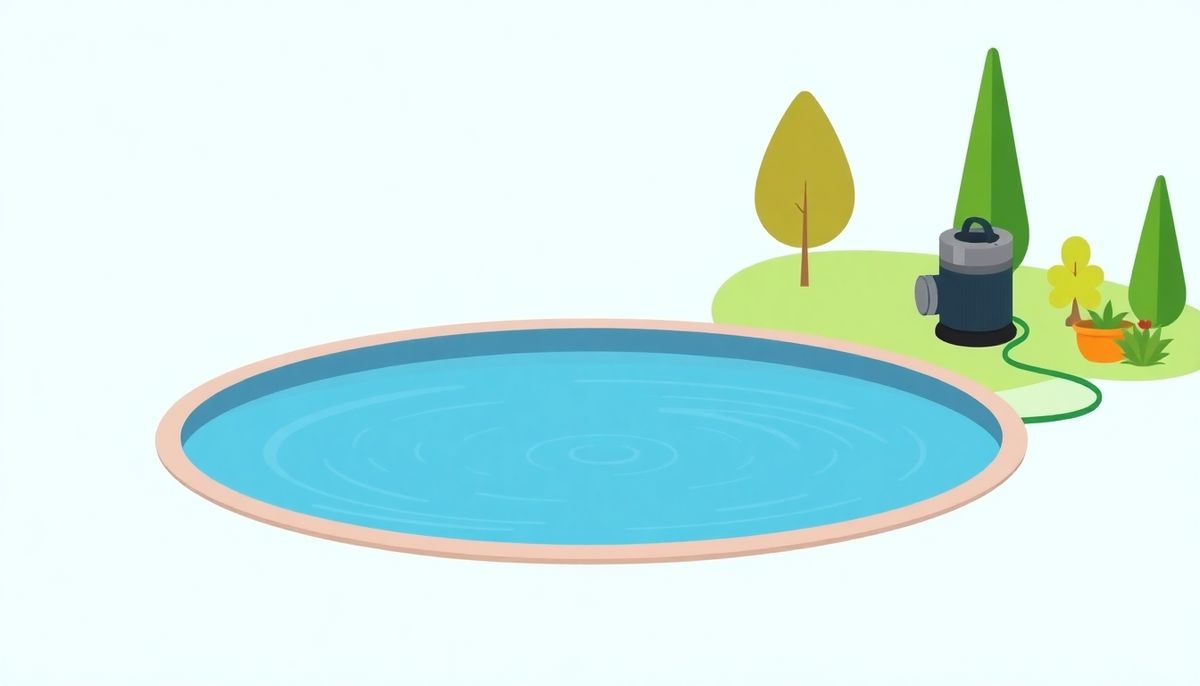
The garden hose siphon method might not be the fastest, but it offers a certain simplicity that's hard to beat. One might recall a lazy summer afternoon, where the only company needed is a sunhat, a cool drink, and the gentle trickle of water. This method relies on the humble garden hose and, of course, gravity, making it an eco-friendly choice without the need for electricity.
To get started, submerge the hose fully in the pool, ensuring that every inch fills with water. Once this is done, cover one end with your thumb to keep the water in and swiftly move it out of the pool, placing it at a lower elevation than the pool itself. Release your thumb, and watch as gravity takes over, drawing the water out in a steady stream. This method is as hands-off as it gets and allows you to go about your day while the water quietly drains away.
However, it's crucial to consider where all this water is going. Draining pool water into your yard might seem tempting, but remember, chemical-laden water can wreak havoc on your lawn. Always consult local guidelines to ensure proper drainage into a sewer cleanout or other approved location. Though slow, this method respects the environment and requires minimal equipment, making it a savvy choice for those with patience and a penchant for simplicity.
Choose the Right Drainage Method
Selecting the right drainage method for your pool can save you time, effort, and potential headaches. Once, I faced the daunting task of clearing out my pool in the middle of a rainy season. I quickly learned that the method you choose depends significantly on your pool's setup and how much water you need to remove.
For those with a sand or D.E. filter, using the waste port is often the quickest solution. Simply attach a backwash hose to the port and let the pump do the work. But remember, this method only works until the water drops below the skimmer line.
Alternatively, if you have a hose bib fitted into your pool's plumbing, consider attaching a garden hose. Though slower, this method allows for more control, albeit still limited by the skimmer line.
If you're aiming to drain more water without taxing your pool equipment, a sump pump is your ally. This device can handle water levels below the skimmer, offering a thorough drainage option. Just be sure it's set up correctly to avoid any mishaps.
Finally, for those who have time and are not in a rush, the garden hose siphon method can be your go-to. It’s leisurely but requires minimal oversight once the siphon is established. Whichever method you choose, ensure correct disposal of your pool water, keeping local regulations in mind to protect both your property and the environment.
Optimize Water Disposal
Consider your pool as a mini ecosystem, rich with water and bustling with life—just not the kind you want on your lawn or in the local waterway. When the time comes to drain your pool, where all that water goes can make a world of difference. Imagine directing thousands of gallons of chemically treated water onto your prized begonias or inadvertently sending it to a storm drain that feeds directly into nearby rivers. Not ideal, right?
Instead, treat the process like a strategic mission. Begin by consulting local regulations. Many cities frown upon—or outright ban—discharging pool water into storm drains due to potential chemical contamination. Redirecting your pool water into a home sewer cleanout is often the preferred route, minimizing environmental impact. In some cases, municipalities might even have designated times for such activities, especially in drought-prone areas.
Before you start, verify the chemical levels in your pool. Chlorine and pH levels should be neutralized to meet local standards. This step not only helps you comply with regulations but also protects local flora and fauna. If patience isn't on your side and time is pressing, using a chlorine neutralizer can expedite the process.
Lastly, remember that draining your pool is not a set-it-and-forget-it task. Keep an eye on the process to adjust as needed, ensuring no mishaps occur. With planning and a little patience, you can safely and efficiently manage your pool's water disposal.
Protect Pool Structure
Emptying a pool might sound straightforward, but protecting the pool structure during the process is crucial. Imagine the forces at work: water, typically a pool's stabilizing mass, gets removed, leaving the structure vulnerable. Without the weight of the water, inground pools face the risk of "popping" out, especially in areas with high water tables or after heavy rainfall. Above-ground pools have their own challenges; without the internal support, walls can buckle or collapse.
So, how do you safeguard your investment? Start by avoiding a full drain unless absolutely necessary. Partial water removal, followed by fresh water replacement, reduces the risk significantly. This method not only maintains structural integrity but also keeps the chemical balance in your pool. When repairs or maintenance demand a complete drain, involving a professional can ensure the job is done safely.
Timing is another critical factor. Choose a cool day—below 85°F (29°C)—to prevent sun damage to liners or pool surfaces. Prolonged exposure to heat can lead to cracking or blistering, especially with inground pools.
Lastly, plan your drainage direction wisely. Check with local authorities about regulations to avoid fines and potential environmental harm. With these precautions, you not only preserve your pool’s structure but also enhance its longevity and safety.
Plan Proper Water Disposal
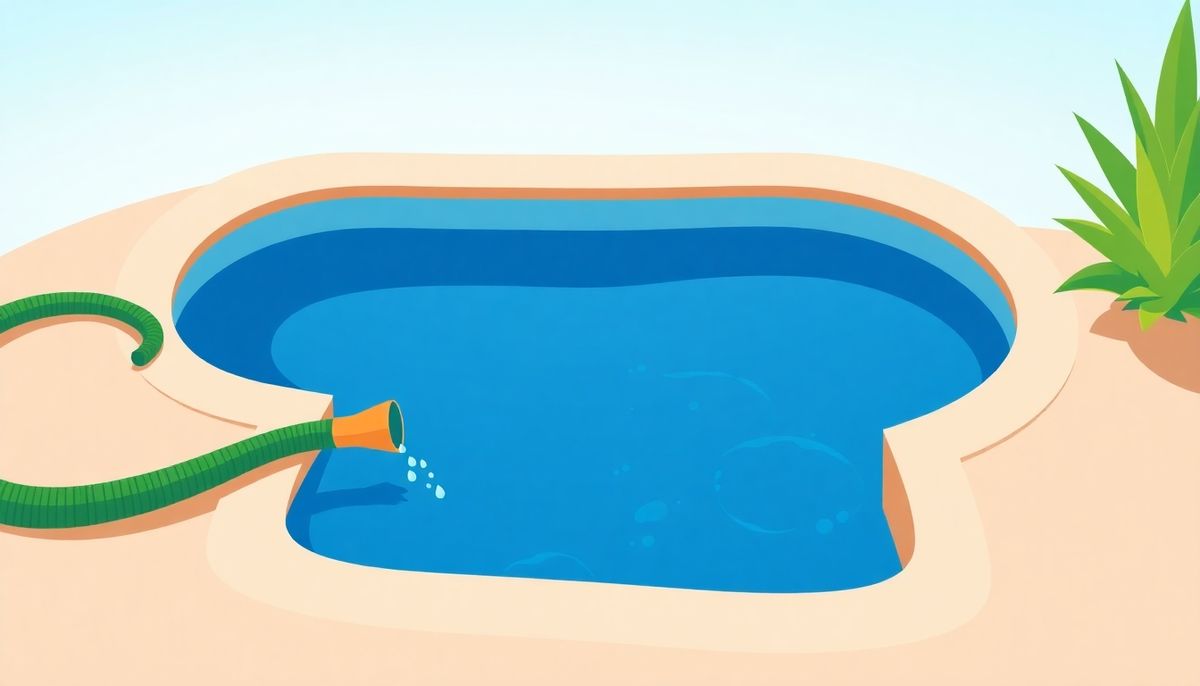
When it comes to draining your pool, where all that displaced water ends up is just as critical as the method you use to remove it. Before letting those gallons loose, it's wise to have a clear plan for water disposal to avoid potential environmental harm and adhere to local regulations.
First, check with your municipality about any rules or permits required for pool drainage in your area. Some cities have strict regulations about where you can direct pool water, often favoring sewer systems over storm drains to prevent untreated water from entering natural water bodies. It's not just about legality—protecting the local environment from high chlorine levels is crucial.
Once you've got the green light from local authorities, ensure that the water you release is as chemical-free as possible. This typically involves stopping chlorine treatments and testing the water until it reaches neutral levels. If you're pressed for time, a chlorine neutralizer can expedite this process.
Think about the destination: directing water to a sewer cleanout might be the safest bet. However, if you aim to water your garden with pool runoff, ensure the water is free from harmful chemicals to prevent damaging plants or grass. Remember, too much water at once can flood your lawn, so monitor the flow carefully.
By planning your water disposal thoughtfully, you’re not only safeguarding your property but also doing your part for the environment. Ensuring compliance and minimal impact can turn what feels like a daunting task into a smooth operation.
Utilize Proper Draining Techniques
Draining a pool is not just about getting rid of water—it's about doing so efficiently while minimizing potential risks. Consider the method that fits your needs best, as not all pools and situations are created equal. Understanding your pool’s filtration system is crucial for choosing the right technique. If speed is what you're after, using the filter's waste port can swiftly lower the water level, but remember it only works for water above the skimmer line. This method can save time but requires constant vigilance to avoid damaging your pump by sucking in air.
For those needing to remove more water or wishing to ease the burden on their pool equipment, a sump pump might be the hero you need. This device works wonders underwater, handling larger volumes and reaching below the skimmer line. Be mindful though, as it often requires larger hoses and careful placement to avoid mishaps.
Opting for a more leisurely approach? The garden hose siphon method offers a hands-free, albeit slower, solution. While it won’t win any races, it relies solely on gravity to do the trick, making it an ecological choice despite the wait.
Whatever the method, always be prepared with a water disposal plan that complies with local regulations. Directing water into sewer cleanouts is often suggested, but a quick call to local authorities can prevent legal headaches. By selecting the appropriate draining technique and having a disposal plan, draining your pool becomes a manageable task rather than a daunting chore.
Ensure Safe Water Disposal
When emptying a pool, it is not only about getting the water out quickly but also about disposing of it responsibly. Ensuring safe water disposal is crucial to prevent environmental harm and comply with local regulations. Before starting the draining process, one must establish a clear plan for where the water will go. Many municipalities have strict guidelines against releasing pool water into streets or storm drains due to its chemical content. Therefore, researching local laws and obtaining any necessary permits can save you from hefty fines.
The most common and environmentally safe method is channeling the water into your home's sewer cleanout. This ensures that any residual chemicals are treated properly in a sewage treatment plant. However, if local regulations permit street drainage, ensure the water is free of harmful chemicals. Testing your pool’s water and adjusting its chemical levels to match local standards is essential. This might mean pausing chemical additions days before the draining process or utilizing neutralizers for a quicker adjustment.
Another consideration is the impact on your landscaping. Directing pool water onto your lawn might seem harmless, but the high volume and chemical content can damage plant life and alter soil composition. For this reason, avoid using your garden as a disposal site unless you're certain the water is neutral and your yard can handle the volume. Engaging with local environmental agencies can provide additional guidance and ensure that you’re protecting both your property and the surrounding ecosystem.
Prepare for Pool Draining Risks
Before plunging into the task of draining your pool, it’s crucial to understand the potential risks involved. Draining a pool isn’t just about where the water goes; it's also about maintaining pool structure and safety. A friend of mine once drained his inground pool without considering the consequences, only to find the pool had shifted due to a high water table in his area. Such mishaps underline the importance of careful planning.
Firstly, the structural integrity of your pool is at stake, especially if it’s inground. Pools rely on the weight of the water to remain stable. Completely draining an inground pool can cause it to pop out of the ground if groundwater pressure is high, particularly after heavy rainfall. Above-ground pools, on the other hand, risk collapsing if left empty for too long. To mitigate these risks, consider partial draining or consulting with a professional if a complete drain is necessary.
Chemicals present another concern. Draining chemically laden water directly into your yard or storm drains can harm the environment and potentially violate local regulations. It’s wise to have a disposal plan that adheres to municipal guidelines, typically involving directing water to a sewer cleanout. Reducing chemical levels before draining is crucial; letting chlorine levels dissipate naturally or using a neutralizer can help ensure safety.
Lastly, timing plays a crucial role. Draining your pool during cooler weather can protect against heat damage to the pool liner. Choose days when the temperature isn’t soaring, as extreme heat can blister and crack exposed surfaces. By understanding these risks and taking appropriate measures, you prepare your pool for a safe and effective draining process.
Avoid Pool Equipment Damage
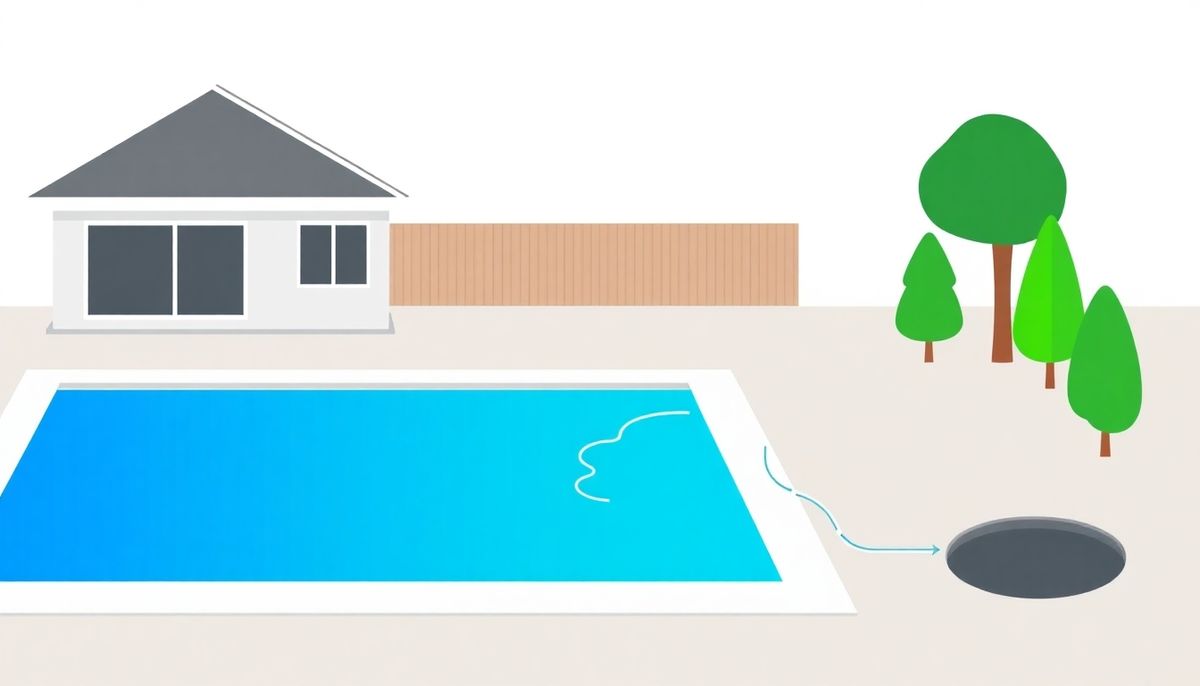
Tending to a pool is much like caring for a cherished garden; both require attention and a gentle hand to prevent unnecessary damage. Your pool equipment, in particular, needs a bit of TLC during the draining process to ensure everything remains in tip-top condition. There's a tale I recall where a friend of mine, eager to drain his pool quickly, overlooked a crucial step—switching off the automatic timer on his pool pump. The result? A costly repair job after the pump sucked in air and burned out.
To avoid such pitfalls, always ensure all electrical components, especially pumps and lights, are turned off before you begin. Pool lights, for instance, aren't built to function without being submerged in water. If left exposed, they can overheat and shatter, turning a simple maintenance task into a safety hazard.
Furthermore, timing is everything. Steer clear of draining your pool under the blazing sun. High temperatures can wreak havoc on pool liners, causing them to crack or blister, much like leaving a delicate plant out in the midday sun. Planning to drain your pool during cooler parts of the day or seasons will help preserve the integrity of your pool's structure.
Lastly, think ahead about where that water will go. Plan your drainage route to avoid damage to your landscape and adhere to local regulations. A thoughtful approach will keep both your pool and your pocketbook safe from unnecessary harm.
Select the Right Draining Method
Choosing the correct method for draining your pool is akin to selecting the right tool for a job—it can make all the difference in efficiency and outcome. Each pool has its unique setup, so understanding your options is crucial. For those with a sand or D.E. filter, using the filter’s waste port is a swift route. This method allows you to connect a backwash hose directly to your filter’s waste port, providing a fast drain for the top few inches of water. This method is efficient but requires vigilance; the water level mustn’t fall below the skimmer line to avoid damaging your pump.
For more significant water removal without taxing your filter system, a sump pump could be your best friend. Submersible and designed for underwater use, it handles large volumes efficiently. It’s particularly useful when you need to drain water below the skimmer line. Simply place it at the pool's bottom, connect a hose, plug it in, and let it work its magic.
Those seeking a more prolonged yet hands-free solution might opt for the garden hose siphon method. It’s a slower process, but gravity does most of the heavy lifting. However, it’s essential to ensure the entire hose is submerged, allowing for a smooth siphon.
Each method has its advantages, so consider your pool’s needs and your own time constraints before making a choice. And remember, always comply with local regulations regarding water disposal to avoid fines and environmental harm.
Conclusion
This article provided insights into maintaining your pool. Start your pool care journey today!
Want to become a pool maintenance expert? Our free Pool School course covers everything you need to know about pool care. From basic maintenance to advanced troubleshooting, you'll learn how to:
- Save thousands on pool repairs and chemicals
- Keep your water crystal clear year-round
- Prevent and solve common pool problems
- Master water chemistry with confidence
Join over 10,000 pool owners who have already transformed their pool care routine. Get started with our free Pool School course today!