



Owning a swimming pool can feel like a dream—your own little oasis in the backyard. But keeping it running comes with costs that catch new owners off guard. I've watched plenty of first-year owners panic when their summer utility bills jump, ready to regret the whole thing until they pick up a few tricks to rein in the expense.
Here's the good news: enjoying a pool doesn't have to drain your bank account. Whether you're brand new or you've been swimming laps for years, a few smart changes add up to real savings. It's not only about using less water. It's about getting a feel for energy efficiency, chemical balance, and steady upkeep.
From fine-tuning your pump schedule to trying solar heating, there are plenty of ways to spend less without giving up the fun. These habits save money and are kinder to the environment too. So if you're ready to keep both your pool and your wallet in good shape, here are twelve practical strategies for a more affordable swim season.
Your Action Plan
- Store your vacuum head upside down and out of the sun during the off-season.
- Keep chemicals and covers cool, dry, and shaded so they last.
- Run your pump during off-peak hours or upgrade to a variable-speed model.
- Add a solar or liquid cover to trap heat and slow evaporation.
- Check for leaks with a grease-pencil line or a simple bucket test.
- Winterize with a proper chemical kit and a snug, well-fitted cover.
Protect Your Vacuum Head

Your pool vacuum head isn't flashy, but it does the hard work of keeping the floor clean—and most people never think about it until the brushes wear out. Those bottom bristles flatten after years of use or fall off from neglect. Here's the simple fix that saves you from buying replacement after replacement.
Store it upside down and out of the sun
When the season ends and the pool sits idle, store your vacuum head upside down and out of direct sunlight. Flipping it keeps the stiff bristles from getting crushed under their own weight, and the shade protects the plastic from UV rays that turn a sturdy head brittle—which matters most in hot climates. Keep the head away from your chlorine, too. The fumes slowly break down the plastic and rubber. I learned that the hard way.
Most heads are built to glide over concrete and fiberglass without scratching them. But those features only help if you take care of the tool. A few small precautions keep it working like new.
Storing your vacuum head upside down in the shade can double how long it lasts.
Store Properly to Extend Life
Storing your gear the right way sounds minor, but it adds up to real savings. The vacuum head is the classic example, and the same logic runs across almost everything you own.
Chemicals and covers
Keep pool chemicals somewhere cool and dry, and you protect their strength while dodging the cost of replacing them early. A few sturdy, labeled bins go a long way toward preventing spills or contamination, so your chemicals stay potent all season.
Your pool cover deserves the same care. Store it clean and dry to fend off the mold and mildew that slowly eat away at the material. A cover that's looked after lasts longer, saving you the yearly cost of a new one. Roll it up tight, strap it down, and tuck it somewhere dry and out of the sun. These small habits stretch the life of your equipment, which means fewer surprise expenses.
Protect Brushes from Damage
Protecting your pool brushes doesn't feel urgent, but ignore them and you'll be buying new ones more often than you'd like. A few easy habits keep them going for years.
Dry them, shade them, rinse them
When you're done brushing, shake off the extra water and let the brushes dry all the way before storing them. Damp bristles weaken and grow mildew, which dulls their performance—think of a toothbrush left wet. Keep the brushes out of direct sun when they're not in use, too, since UV rays make the bristles brittle and prone to snapping. A shaded spot or a simple container does the trick.
And if you clean with strong chemicals, rinse the brushes well after each use to wash off residue that would otherwise corrode the material. Take these few steps and your brushes last a lot longer, which cuts your replacement costs with hardly any fuss.
Avoid Sun and Chlorine Exposure
You'd think tools built to handle pool chemicals and water would shrug off a little sunshine, but UV is one of the hardest things on your equipment. Tuck your gear out of direct sunlight and it lasts far longer. That bit of shade prevents early wear and saves you a replacement.
Chlorine is the same story. You need it to keep the water clean, but too much exposure eats away at your equipment. During the cooler months, store your tools well clear of it. It sounds trivial, but skip it and things turn brittle and fail. Guard your equipment against sun and chlorine and you sidestep needless costs season after season.
Winterize Your Pool Efficiently

When the cold weather rolls in, getting your pool ready for its winter rest saves you time and money once spring arrives.
Clean and balance first
Start with a thorough cleaning. Vacuum and brush the walls to clear out debris that could cause stains or algae while the pool sits unused. Next, balance the water chemistry. Getting the pH, alkalinity, and calcium hardness right acts like a shield against damage through the cold months.
Then pick up a good winterizing chemical kit. These usually include everything you need: a strong algaecide, stain preventers, and a chlorine-free shock. It's tempting to skip this, but those chemicals keep the water in good shape and head off expensive damage to your surfaces and equipment.
Cover and store
A solid, well-fitted cover keeps debris out and cuts down on evaporation, saving you cleanup time and water. A cover pump clears off rain or snow that would otherwise weigh down and tear the cover, so it pays for itself. Finally, store your equipment the right way. Drain and clean the filters, keep hoses and vacuums out of the sun, and store everything dry so mold doesn't set in. Winterize well and you're setting up a smooth, affordable swim season for when the sun comes back.
Protect Your Pool Equipment
Beneath the calm surface of your pool sits a tangle of equipment working nonstop to keep the water clear. Protecting that gear matters, both for steady enjoyment and for avoiding pricey replacements.
Give the pump and heater regular checkups
We've already covered the vacuum head, so let's talk about the parts that cost the most. Regular checkups make a real difference for your pump and heater. Keeping the pump's filter clean eases the strain on the motor, which boosts efficiency and stretches its life. I often see owners let a filter go too long, then face a hefty bill for a new pump. Routine inspections head off that kind of trouble.
A pool cover helps here as well. It keeps debris out and protects your expensive heating equipment from working overtime, since it holds the warmth in. And if winterizing feels like a lot to take on, pre-packaged chemical kits keep it simple while safeguarding both your gear and your water.
Optimize Pool Water Conservation
Getting good at conserving pool water isn't just the green choice—it's a smart money move too.
Shut the door on evaporation
Start with a solar cover. It works like a guard, cutting water loss by trapping moisture and warmth. This one simple purchase can prevent the roughly 25,000 gallons some pools lose to evaporation each year, especially in dry climates. Beyond covering up, think about your landscaping. Trees and shrubs do more than look nice—they block wind, which really speeds up evaporation.
Hunt for leaks and tame the splashing
Put on your detective hat and look for leaks. A grease pencil and a watchful eye reveal water slipping away, and a dye tester pinpoints exactly where it is. Catching leaks early conserves water and heads off pricier repairs down the line. Keep an eye on splashing, too. The wildest water play costs real gallons over a season, and you can dial back fountains and waterfalls when nobody's using them.
A single solar cover can stop the tens of thousands of gallons a pool loses to evaporation every year.
Utilize Smart Winter-Cover Practices
As the cold sets in, a smart winter-cover plan really pays off. It shields your pool from rough weather and saves you a bundle on spring maintenance.
Choose a durable cover and keep it clear
A quality winter cover that's durable and UV-resistant keeps debris out and cuts down on evaporation, which trims your water bill. Regular upkeep helps, too. Clearing off standing water and debris with a cover pump keeps the cover in good shape and prevents expensive damage. Draping an inexpensive leaf net over the main cover makes clearing leaves easy and helps the cover last longer.
Fit is key. A snug cover keeps wind from sneaking underneath and doing damage, a lesson plenty of owners have learned the hard way. Strapping it down tight lowers the risk of tears and helps your investment last several seasons. Come spring, you'll be ready to enjoy your pool without the stress and expense of winter damage.
Use Solar Covers Wisely

A solar cover is where real savings start. Those plain-looking sheets floating on the water can be a pool owner's best friend. They hold in heat and cut way down on water and chemical evaporation. By soaking up the sun's warmth during the day and holding off the chill at night, a solar cover can raise your pool's temperature by up to 15 degrees Fahrenheit. That means you lean on your expensive heater far less, which shows up as real savings on your energy bills.
Picture an evening swim without one. The day's warmth slips away, leaving the water cooler than you'd like. Use the cover faithfully and it holds the temperature so the pool stays inviting whenever you want to jump in. On top of that, it blocks debris, so you clean less and spend less on chemicals.
If the nightly routine of covering and uncovering feels like a chore, liquid solar covers are worth a look. Pour in a small amount and it forms an invisible layer that mimics the heat-trapping effect of a regular cover. It's not quite as effective, but it's convenient and still trims your costs.
Maximize Heat Retention
Warm water on a cool evening is the perfect poolside escape. The trick is holding onto that warmth without your energy bills climbing.
Blankets, windbreaks, and timing
A solar cover works like a big, snug blanket for your pool. It traps the day's heat, cuts evaporation, and keeps debris out. If wrestling with a cover isn't your thing, a liquid solar cover is an easy stand-in that holds heat with a quick pour.
Windbreaks matter, too. On breezy afternoons, wind carries off warmth faster than you'd expect. A barrier of shrubs or a fence cuts that heat loss and adds a bit of charm. Timing helps as well. Running your heater during off-peak hours makes a real dent in your utility bill—warm the water when energy costs less, then let the cover hold that heat during the high-rate stretches. Combine these and you keep the pool cozy while easing the strain on your wallet.
Prevent Evaporation Efficiently
Evaporation is invisible, but its effect on your water level—and your wallet—is real. During a hot Texas summer, I watched my water line drop faster than usual. It wasn't a leak or too much splashing. It was the relentless sun. That slow loss can cost thousands of gallons a year and push up your water bill.
A solar cover became my first line of defense. I was skeptical, but it worked remarkably well. Covering the pool whenever it wasn't in use cut water loss sharply. It does more than keep out dust—it traps heat and slows evaporation, saving both water and energy. And if you'd rather not wrestle with a bulky cover, a liquid solar cover is an easy alternative.
Landscaping was another fix. Tall shrubs and a fence around the perimeter broke up the wind patterns that pull water off the surface. You'd be surprised how a gentle breeze speeds up evaporation. And if you have a heater, keep it at a moderate setting—high heat drives evaporation and undoes your other efforts.
Consider Liquid Solar Covers
Liquid solar covers are one of the cleverest tricks in pool care. Unlike the traditional kind, they skip the hassle of rolling out a big, unwieldy blanket. Instead, they form a slick, invisible layer that floats on the surface and cuts evaporation.
I've seen owners in hot, dry states fight a constant battle with water loss, tired of dragging a heavy cover on and off. The liquid version solves that. Less water evaporates, and many people notice a slight bump in water temperature. Pour it in and it spreads into a thin layer that both holds heat and saves water, without adding any chores to your routine. If you want to save money and effort on upkeep, it's an appealing, low-fuss option.
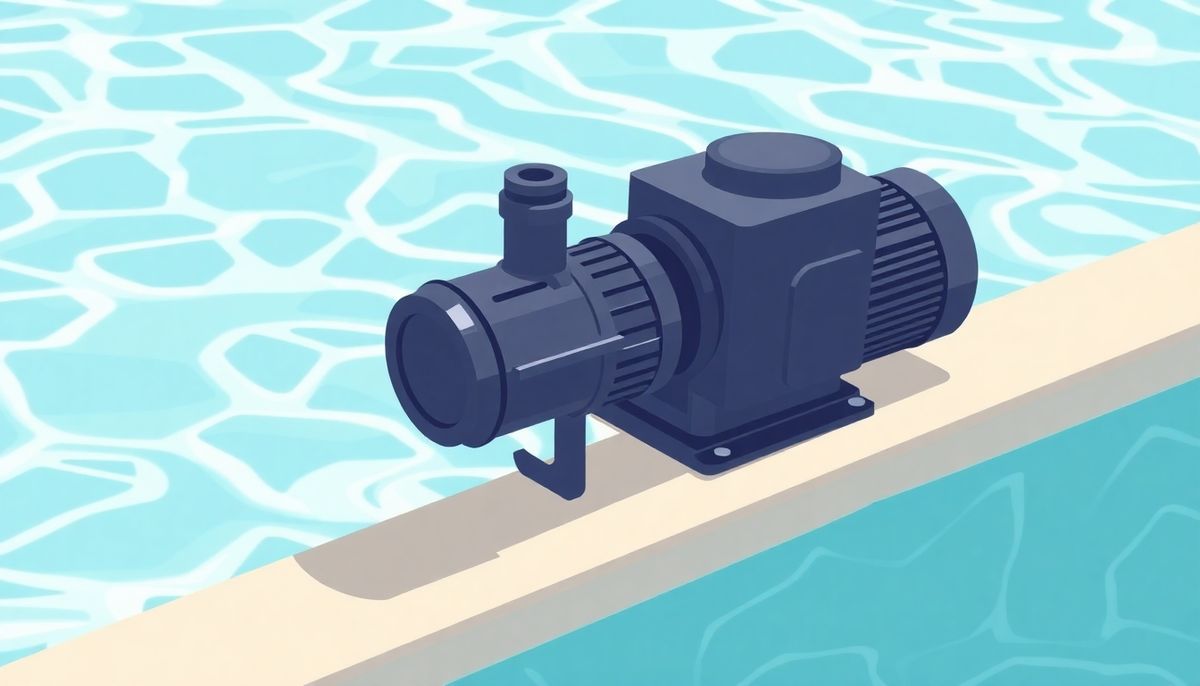
Optimize Pump Usage

Of all the parts that keep your pool sparkling, the pump does essential work while getting overlooked when people think about saving money. Plenty of owners still run their pumps flat out, unaware of the savings hiding in timing and technology.
Shift the schedule, then consider variable-speed
One simple, effective change is to move the pump's run time to off-peak hours. Most power companies charge less at night or early morning, so running the pump then lightens your bill. I've seen owners cut their summer electricity costs noticeably just by doing this. You can also shorten how long the pump runs. Unless you're dealing with high temperatures or heavy use, most pools don't need it going around the clock.
If you're shopping for something more advanced, a variable-speed pump is worth a look. Unlike single-speed models, it lets you match the flow rate to your pool's needs, which means better efficiency and bigger savings. It costs more upfront, but it often pays for itself within a few seasons through lower energy use.
Implement Energy-Saving Techniques
Cutting your pool costs doesn't mean giving up comfort. A few energy-saving moves shrink your bills while you still enjoy that sparkling water.
Start at the heart of the circulation system: the pump. Switching to a variable-speed pool pump makes a big difference. Unlike a single-speed model, it only uses the energy the job actually needs, which can trim your electricity bill by as much as 70%.
Put the sun to work, too. A solar pool heater stretches your swimming season without draining your budget. It costs more upfront than a conventional heater, but the sun's energy is free, so your long-term savings outweigh that first outlay. Pair it with a well-fitted solar cover and your heating costs drop further. And swap old-style pool lights for LEDs—they use less electricity and last much longer, so you replace them far less often.
A variable-speed pump can trim your pool's electricity bill by as much as 70%.
Maximize Equipment Lifespan
Making your pool equipment last isn't just about saving a few bucks—it's about swimming without interruptions.
Store, winterize, and shield
Storage comes first. After a season of skimming and scrubbing, your vacuum head needs a break from harsh sun and chlorine fumes, so tuck it away in a shaded spot as we covered earlier. Winterizing is another investment in your pool's parts. Learning to winterize an above-ground pool is less daunting than it sounds, and a well-stocked kit with winter algaecide and stain prevention holds off the wear that comes with the cold.
Shield your heater and other sensitive gear from the elements, too. A reliable heater built with durable, corrosion-resistant metal stands up well to tough water chemistry, but it's still smart to cover it during the off-season. Finally, stick to a steady cleaning routine to keep filters and pumps in top condition. That boosts efficiency and cuts down on costly repairs, lining up summer after summer of stress-free swimming.
Conserve Water Effectively
Water is precious, and with a pool it can slip right through your fingers—often unnoticed until the bill lands.
Cover up, splash less, catch leaks
Evaporation is the biggest hidden drain, pulling gallons while you're not looking. A solar blanket saves water and keeps the pool warmer, which lowers your heating costs too. Splashing is part of the fun, but too much of it means real water loss, so steer the games toward ones with less splashing when you can.
Leaks are another sneaky culprit, and checking for one doesn't take a pro. A quick grease-pencil line at the skimmer level shows you any overnight water loss. Catch a leak early and it's a fast patch job instead of a pricey refill. I've seen owners let a leak drag on until the water dropped dangerously low, only to find the fix was a cheap patch all along.
Backwashing keeps your water clean, but overdo it and you waste gallons. Watch your filter's pressure gauge and backwash only when it's needed. That one habit can save hundreds of gallons a season.
A grease-pencil line at the skimmer overnight is the fastest way to catch a leak before it costs you.
Conserve Water with Smart Covers
Water conservation isn't just an environmental buzzword. For pool owners, it's a path to real savings, and a smart cover is one clever answer. These modern covers cut water loss and lower your utility bills, leaving more cash in your pocket.
I've seen owners in sun-baked regions ditch their old covers because they were such a pain to put on and take off. After switching to a smart cover, they notice an immediate difference. It's lightweight and easy to handle, it cuts evaporation, and it holds the pool's temperature steady—savings that can reach 30% off a water bill in just a few months.
Smart covers are made to fit snugly, sealing your pool against the elements. They hold in heat, so your heater runs less. They block debris, which lightens the load on your filtration system. And on windy days they really earn their keep, stopping wind from carrying water off the surface. It's a small upfront price for a big, long-term payoff.
Ensure Proper Pool Maintenance
A well-kept pool lasts longer and keeps your wallet happy by heading off needless repairs. It just takes regular attention and a bit of know-how.
Filter, cover, chemistry, leaks
Start with the filtration system. Clean the filter often so it runs efficiently; a clogged filter forces the pump to work harder, which burns more energy and can lead to damage. Add a pool cover to cut evaporation, keep debris out, and hold in the sun's warmth so your heater works less.
Check your water chemistry regularly, too. It might sound intimidating, but keeping pH, alkalinity, and chlorine balanced protects your surfaces and equipment from corrosion. Test kits are cheap and easy to use. Last, fix leaks quickly, since a small one can waste thousands of gallons over time. If you suspect a leak, run a simple bucket test: set a bucket on a step, fill it to match the pool's level, and compare the two after 24 hours. These habits are simple but effective, and they add up to a healthier pool and a happier bank account.
Minimize Evaporation and Waste
A hot, dry stretch is perfect for a lazy afternoon by the pool, but it brings out an old adversary: evaporation. Without ever noticing, your pool can lose several inches of water a week in that kind of weather. That wastes water and forces frequent top-ups, which drives up your bill.
To slow the loss, get yourself a solar cover. It acts as a barrier that holds in both warmth and water, and it shields the pool from debris so you clean less. When nobody's swimming, make sure the cover is snug, especially on windy days, since wind really speeds up water loss.
Your pool's surroundings matter too. Windbreaks like shrubs or fences create a natural shield against gusts that carry water away. A heater set to a moderate temperature helps hold your water level as well—the less heat you use, the less evaporation you get. And check for leaks regularly to avoid losses you never see coming. A minor leak might seem like nothing, but it wastes a lot of water over time.
Conclusion
A little proactive care goes a long way toward protecting your wallet, and none of these habits are hard once they become routine. If you're ready to learn more, we can help.
Want to become a pool maintenance expert? Our free Pool School course covers everything you need to know about pool care. From basic upkeep to advanced troubleshooting, you'll learn how to:
- Save thousands on pool repairs and chemicals
- Keep your water crystal clear year-round
- Prevent and solve common pool problems
- Master water chemistry with confidence
Join over 10,000 pool owners who have already transformed their pool care routine. Get started with our free Pool School course today!
What you need
Grab a solar or liquid cover, a variable-speed pump, and a winterizing chemical kit to start saving right away.