



Getting pH right is a huge part of keeping a pool clear and safe. But plenty of pool owners get thrown when the pH suddenly climbs, turning a refreshing spot into a haven for algae and itchy skin. That happened to me last summer. My water went cloudy, and everyone who got in complained about itchy skin and burning eyes.
You can't skip balancing pH. Once it climbs past 7.6, the water turns harsh on swimmers and slowly wears down your filter and liner. The good news: fixing it isn't hard. With a few common pool-store chemicals, you can get your water back fast. You've got options, from muriatic acid, which hits pH hard, to sodium bisulfate, a milder choice.
I'll walk you through what's happening chemically and which products bring pH down quickest, so you can handle a pH problem without stress.
Your Action Plan
- Test your pH and total alkalinity with a good kit or strips.
- Fix alkalinity first, aiming for 100 to 150 ppm.
- Pick your acid: sodium bisulfate for a milder fix, muriatic acid for a fast one.
- Suit up in gloves, goggles, and long sleeves, and pick a calm day.
- Add the chemical near the return jets with the pump running.
- Wait about a day, then retest and adjust if needed.
Balance Your Pool pH
Why high pH causes trouble
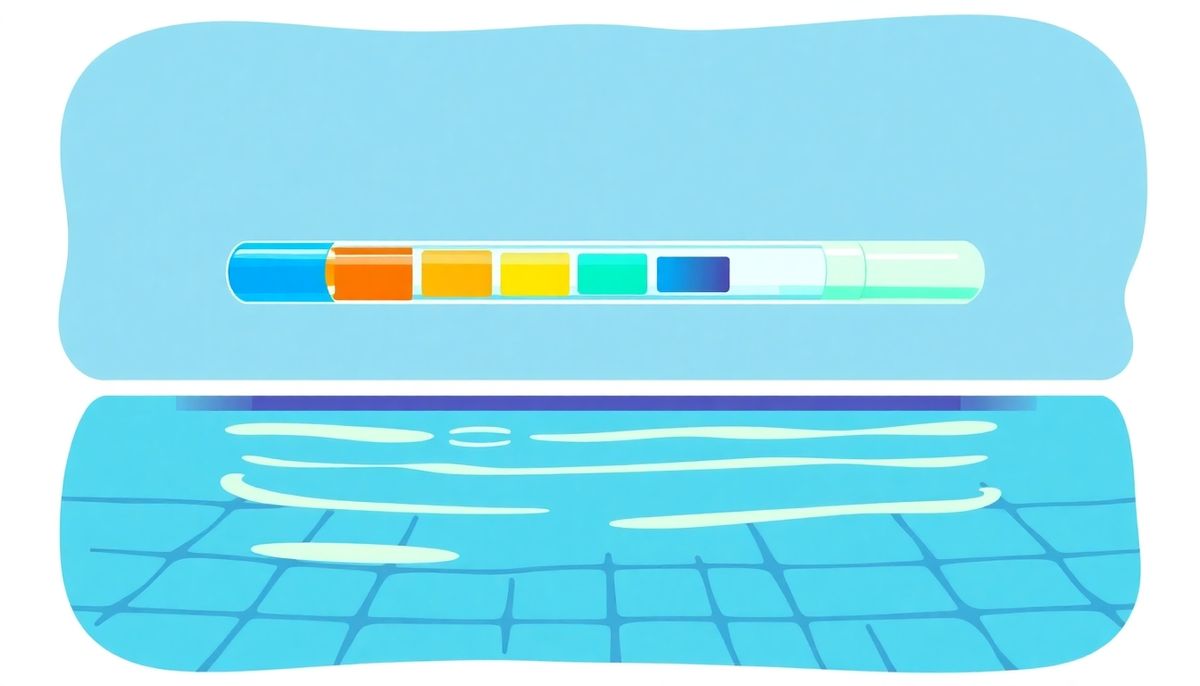
When your pH climbs too high, chlorine gets weaker, which opens the door to algae and cloudy water. Swimmers end up with itchy skin and red eyes, and swimsuits fade faster than normal.
Sodium bisulfate, sold as a pH decreaser, is the easy fix. Test your pH and alkalinity with a good kit, then follow the label for how much to add. Start small to play it safe. Let it circulate for at least four hours, then test again. Going slow keeps you from overshooting.
If you need something stronger, muriatic acid works, but handle it with care. Put on protective gear and make sure you've got good airflow. Dilute it in water before it goes in the pool, then let your filter run. After an hour, check whether pH has settled into the 7.4 to 7.6 range.
Once pH drifts above 7.6, chlorine gets weaker and your equipment starts taking a beating, so don't let it climb.
Lower pH with Safe Chemicals
If the water stings your eyes more than it should, that usually means high pH. Two chemicals can bail you out: sodium bisulfate and muriatic acid.
Sodium bisulfate, the beginner-friendly option
Sodium bisulfate, also called dry acid, comes as granules and isn't very corrosive, so it's friendly for beginners. Measure the right amount based on your current and target pH, sprinkle it in near the return jets, and let circulation carry it around. A friend uses it for exactly this reason and says it keeps his pool clear without any harsh reactions.
Muriatic acid, the strong option
Muriatic acid is strong and it works, but it's very corrosive. Gloves, goggles, and long sleeves aren't optional. Dilute it in water before it goes in the pool to cut the splash risk. It's more intense, but it's what people reach for to knock down a stubborn pH problem fast.
Testing often and dosing carefully does more than fix pH. It also helps your equipment last longer and makes every swim more comfortable.
Test and Adjust Alkalinity First
Before you reach for a quick pH fix, deal with alkalinity first. Alkalinity holds your water steady and stops pH from swinging around. The happy zone is 100 to 150 parts per million (ppm). When alkalinity drifts out of that range, pH gets unpredictable.
I learned this the hard way. I once tried to fix my pool's pH without checking alkalinity, added muriatic acid figuring it would solve everything, and ended up with a bigger mess. The pH bounced up and down and the water lost its clarity.
If your total alkalinity is too low but pH is above 6.8, an alkalinity increaser can steady your levels. If alkalinity is too high, a pH decreaser like sodium bisulfate brings it down, since it lowers both alkalinity and pH at once. That two-for-one makes balancing simpler. Just adjust gradually, because big sudden changes cause more trouble than they fix.
Handle alkalinity first and you've built a solid base for adjusting pH. That saves time and money and makes pool care predictable instead of a chore.
Always balance alkalinity before you touch pH, or you'll chase readings that never settle.
Prevent High-pH Issues
Test often and know what moves your chemistry
Lots of things nudge your pool's chemistry, from the weather to how many people swim. That's why regular testing matters. Test at least once a week, and more often during heavy use or after storms, and you'll stay ahead of most problems.
Steady alkalinity is your safety net. It buffers big pH swings, so if it holds within 100 to 150 ppm, your pH is much less likely to spike out of nowhere.
Control what ends up in the water
Ask swimmers to rinse off before they get in, since that cuts down on the oils and grime that mess with pH. If you've got a saltwater pool, watch your salt levels, because these systems naturally drift toward higher pH. And don't overlook waterfalls or fountains. They keep the water moving and add aeration that can help manage pH on its own, no extra chemicals needed.
Preventing high-pH trouble comes down to watchfulness, routine, and knowing your pool's quirks. Work these habits into your maintenance and you'll get clearer water and better swims.
Use pH Decreaser Safely

Using a pH decreaser doesn't have to be intimidating. When your pool is out of balance, sodium bisulfate (dry acid) is the safer, easier-to-handle choice. Still, even the easy stuff takes a little care.
Test, then dose
Before you open that bag, test your pH and alkalinity. They move together and often need adjusting at once. High pH and high alkalinity is exactly when a pH decreaser earns its keep, bringing both down without drama. Follow the label closely, and start small, because adding too much is as much of a problem as not adding enough.
Once you know how much to use, add it right to the water, aiming for the return jets and deep sections. Keep the pump running so it dissolves quickly, and pick a windless day so the powder doesn't blow back into your face.
After the first dose, let the pump circulate for a while. Retest within 24 hours to be sure the levels landed where they should. If pH is still stubborn, run through the process again and add a bit more. Patience really is your best friend here.
Test and Adjust Alkalinity
As we touched on earlier, pH and alkalinity work as a team, and alkalinity is the part people overlook. It steadies pH so it doesn't drift. Without solid alkalinity, your pH swings at the smallest thing.
You could add all the right chemicals and still get nowhere, because balancing pH on shaky alkalinity never sticks. Aim for total alkalinity between 100 and 150 ppm. If it's too low, an alkalinity increaser shores things up. If it's too high, sodium bisulfate pulls double duty and lowers both alkalinity and pH.
I remember a summer when my pH stayed high no matter what I did. A quick check showed I'd ignored the alkalinity. Once I fixed that, the pH settled, the water cleared, and the family's swims stopped ending in itchy eyes. So before you take on pH head-on, give alkalinity the attention it deserves.
Choose the Right Chemical
Standing in the pool care aisle, picking the right pH reducer usually comes down to two products: sodium bisulfate (sold as a pH decreaser) and muriatic acid.
Sodium bisulfate is the milder, more forgiving option, and a good pick if you're nervous around harsh chemicals. Sold as dry acid, it lowers pH slowly. A neighbor tried it for the first time and was amazed how simple it was: a sprinkle near the return jets and the pump did the rest. The trade-off is price, since it tends to cost more.
Muriatic acid is the heavy hitter for folks who aren't easily rattled. It drops a high pH fast, but it demands respect and protective gear, so gloves, goggles, and a mask aren't optional. Nothing beats it for effectiveness, but you have to handle it carefully to avoid damaging your pool's surfaces.
Your choice comes down to how comfortable you are with each one and what your pool needs. Either way, have the know-how and safety gear to keep your pool safe and inviting.
Sodium bisulfate is milder and beginner-friendly, while muriatic acid is faster and cheaper but needs real caution.
Follow Safety Precautions
Handle pool chemicals with respect
Whether you're using milder sodium bisulfate or tougher muriatic acid, go slow and careful. Suit up first: gloves, goggles, and protective clothing. That's your first line of defense against stinging splashes and harsh fumes. If you've ever felt chlorine burn your eyes, you already get why this matters.
Weather matters too. A windy day can send particles flying everywhere except where you want them, so pick a calm day.
Never break the golden rule: always add chemicals to water, not water to chemicals. That keeps you from setting off the violent reactions that happen when you do it backward. Diluting muriatic acid before it goes in the pool also cuts your risk.
Finally, be patient. Let your filter circulate and dissolve the chemicals fully before anyone gets in. That gives you a proper fix and keeps skin and eyes safe from leftover traces.
Always add chemicals to water, never water to chemicals.
Lower pH with Muriatic Acid

When you need to bring pH down quickly, muriatic acid is the go-to. I reach for it whenever a summer storm throws my water chemistry into chaos. It's strong, so it takes respect and care.
Suit up first: long sleeves, gloves, goggles, and a mask. Then test your pH and alkalinity. A pH above 7.8 tells you it's time to act. For a standard 15,000-gallon pool, about a quart of muriatic acid gets the adjustment going. Smaller pools need less, so go easy.
Mix the acid into a bucket of water at a 10:1 water-to-acid ratio to keep splashes in check, then pour it slowly into the pool near the return jets so it spreads evenly. Let your filter run for about an hour before you retest.
If pH is still high, add a bit more gradually, and keep the filter running so the acid doesn't pool in one spot and damage your liner. Hold off on swimming until levels settle, which usually takes about a day after treatment.
Assess Current pH Levels
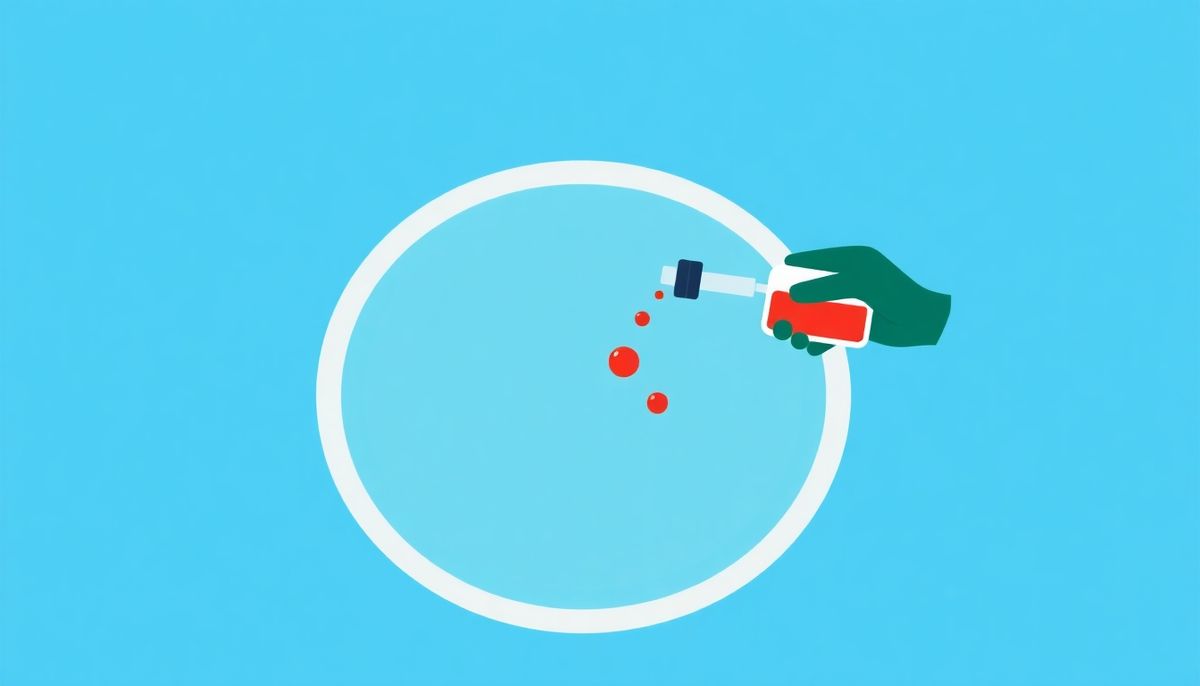
You can't skip testing before you reach for any chemicals. How can you know what the water needs if you haven't checked where it stands? A good test kit or pH strips tell you the exact pH and point you toward your next move.
I once let a pool's pH quietly creep up while I skipped my regular tests, and I ended up with a surprise algae bloom, cloudy water, and grumpy swimmers. Pool pH should sit between 7.4 and 7.6, the sweet spot that keeps swimmers comfortable and chlorine working.
Don't overlook total alkalinity, since it steadies pH. If it wanders outside the 100 to 150 ppm range, it drags pH along with it. Because they're linked, adjusting alkalinity first makes pH adjustments go smoother.
Implement Safety Precautions
As I mentioned, safety comes first. Thick gloves, goggles, and long sleeves protect your skin from chemicals. It may not be the sharpest poolside look, but it works.
With corrosive stuff like muriatic acid, pick a calm day, because one gust can turn an easy job into a hazard. Even milder sodium bisulfate deserves the same respect, so skip windy days to keep the powder from drifting. Store your chemicals somewhere cool and dry, out of direct sun, with the lids sealed tight. That keeps them effective and guards against accidental exposure.
Read the label carefully every time. Every product has its own dosages, and it's a lot easier to add more than to take excess out. Start with a modest amount and test your water often.
Apply Muriatic Acid Safely
Muriatic acid isn't something to take lightly, so think through the precautions first. Gear up with long sleeves, pants, gloves, goggles, and a mask. Even a whiff of the fumes can knock you back.
Pick a calm day, then test your pH and alkalinity. Muriatic acid lowers both, though not always by the same amount. If your pH reads above 7.8 and your pool holds about 15,000 gallons, start with about 1 quart of acid. Smaller pool? Begin with a cup. Dilute the acid in a bucket of water at a 10:1 ratio to lower the risk and make it easier to handle.
Once the acid is in, let your filter circulate the water for an hour, then retest. If you're still above target, don't rush. Add a little more as needed. If you plan to swim, give the chemical a solid 24-hour buffer, especially if you used a larger amount.
By now the theme is clear: before you touch a single chemical, look hard at your total alkalinity. It cushions pH, soaking up shocks and stopping wild swings. Aim for that 100 to 150 ppm range. If alkalinity runs too high, pH tends to drift up too, and the two get pulled into a shaky balancing act.
When I first wrestled with high alkalinity, a dose of sodium bisulfate worked well, bringing alkalinity down and nudging pH in the right direction at once. If your alkalinity is low, an alkalinity increaser steadies things back out. Each adjustment takes patience, but focus on alkalinity first and pool care starts feeling like a routine you've got down, with water as clear as a summer day.
Test Pool Chemistry Regularly
Testing your pool chemistry might feel like a dull chore, but it's what keeps your backyard a retreat instead of a source of discomfort and damage. It's like checking the oil in your car: skip it, and things can go sideways. Your pool's pH shifts fast. A neighbor's barbecue smoke, a surprise rain shower, even sunscreen on your swimmers can push pH away from its ideal 7.4 to 7.6.
Test at least twice a week with a reliable kit. Simple strips or digital testers reveal what's going on in your water and tip you off when it's time to act. I learned this the hard way. After one stormy week, my pool's pH shot up and left guests with itchy eyes and cloudy, uninviting water.
A steady testing schedule catches these swings early and saves you headaches and money. Handle pH problems sooner and you won't have to overuse chlorine, which throws off the whole balance and leads to bigger issues like algae blooms or calcium scale. This is about more than clear water. It's about keeping swims fun and easy on your gear.
Adjust Alkalinity Before pH
Alkalinity keeps pH stable
Adjusting alkalinity might feel like an easy step to skip, but it holds pH in place and keeps it from swinging between extremes. Your total alkalinity should sit between 100 and 150 ppm. Below that range, pH gets unpredictable, shifting with every splash or gust of wind. Too high, and it can push pH up and cause spikes.
In my early days of pool care, I learned the hard way that skipping this step made things worse. I added pH decreaser and got stuck in a cycle of readings that wouldn't hold still. Only after I focused on alkalinity first did the numbers settle, and then pH adjustments actually stuck.
An alkalinity increaser helps when levels run low, while a pH decreaser like sodium bisulfate lowers both alkalinity and pH when they're too high. Get alkalinity into range first, and you set yourself up for a smoother, more efficient pH fix.
Use pH Decreasers Safely
When you're using a pH decreaser like sodium bisulfate, sold as pH Down or pH Minus, keep safety front and center. It reliably brings a high pH back in line and is a good deal less corrosive than muriatic acid. Even so, that doesn't mean you can be careless.
Check the weather first. One summer, while helping a neighbor adjust their pool, a sudden gust had us both scrambling for cover. Learn from us and pick a calm day.
Test both pH and alkalinity before adding anything, so you know how much sodium bisulfate you need. Follow the label and go light until you get a feel for your pool's habits. You can always add more, but overdosing means a lot of tricky balancing to undo.
Add the product into the deep end near the return jets, and keep your pump running. That mixes it thoroughly and stops the granules from settling on the bottom, where they could harm your liner. If some clumps don't dissolve, brush them away to protect the surface, a small tip that can save you a costly liner replacement.
Don't rush to retest. Give it a day to circulate fully, then check whether you still need to adjust. If you do, just repeat the application.
Avoid High pH Hazards
What high pH actually costs you
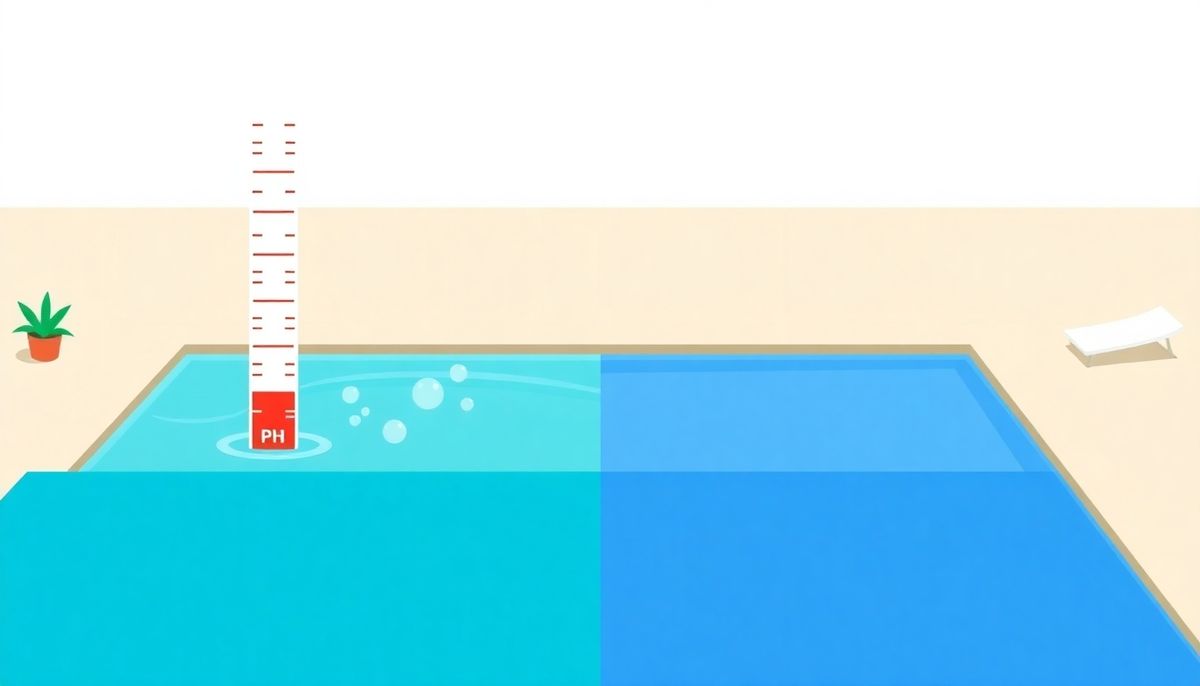
Ignoring high pH isn't just a cosmetic slip. That clear pool can turn into a swampy mess, with algae blooms, cloudy water, and irritated skin.
Remember that backyard barbecue where the pool had everyone itching worse than the mosquitoes did? High pH was probably the reason. Once pH climbs above 7.8, chlorine can't fight off bacteria as well, so your pool party becomes a health risk. High pH also fades the blue of your liner, the same way it wears out a favorite swimsuit.
Then there's your equipment. High pH leads to calcium scaling, which can clog pipes and wreck filters. This is about protecting your investment, not just looks. Test and adjust regularly with sodium bisulfate or muriatic acid and you'll head off all of it.
Above 7.8, chlorine loses its punch and calcium scale starts building up in your pipes and filter.
Balance Alkalinity First
Getting the balance between alkalinity and pH right takes the same order every time: alkalinity first, then pH. When your total alkalinity is off, adjusting pH becomes nearly impossible, so think of alkalinity as setting the stage before the main act.
Say you're ready to tackle a high pH, but your alkalinity isn't in the 100 to 150 ppm range. You can get stuck in a frustrating loop of bouncing readings. I've watched a pool's chemistry yo-yo back and forth for exactly this reason, wasting chemicals and time.
Always start by testing both. If alkalinity is too low but pH is above 6.8, reach for an alkalinity increaser to steady things. If it's too high, sodium bisulfate might fix both at once. Get the balance right first and adjusting pH becomes smoother and more predictable. That careful approach saves your supplies, extends the life of your pool, and keeps swimmers happier.
Conclusion
Now that you know the basics, you've got everything you need to get your water balanced and keep it that way.
Want to go further? Our free Pool School course covers everything about pool care, from basic maintenance to advanced troubleshooting. You'll learn how to:
- Save thousands on pool repairs and chemicals
- Keep your water crystal clear year-round
- Prevent and solve common pool problems
- Master water chemistry with confidence
Join over 10,000 pool owners who've already transformed their pool care routine. Get started with our free Pool School course today!
What you need
Grab a reliable test kit or strips, an alkalinity increaser, and a pH decreaser like sodium bisulfate, and keep muriatic acid plus gloves and goggles on hand for stubborn spikes.