



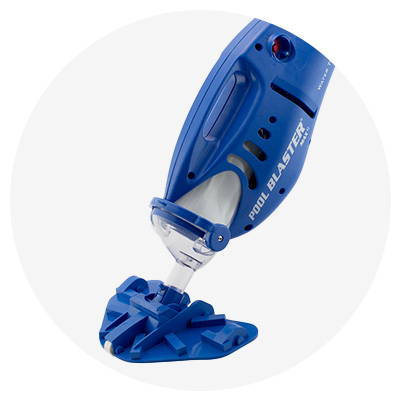

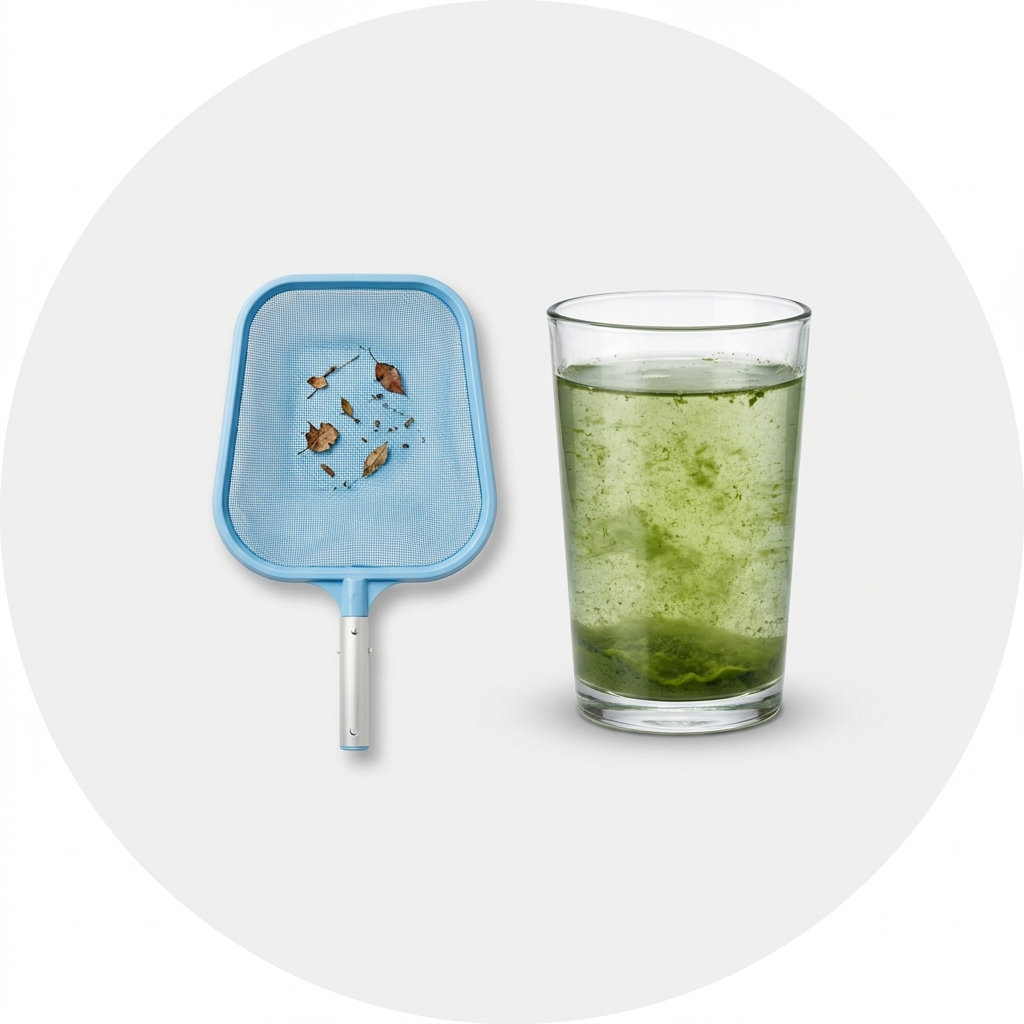


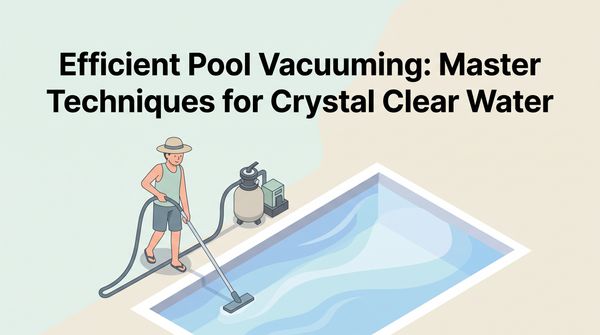
Taking care of a pool can feel like a chore that never ends. One minute the water's clear; the next it's murky and full of leaves. I remember staring at my own backyard pool one summer, wishing for a magic button to fix it. Instead, I learned to clean it fast. Vacuuming doesn't have to eat up your whole day. With the right approach, it becomes a quick, satisfying routine.
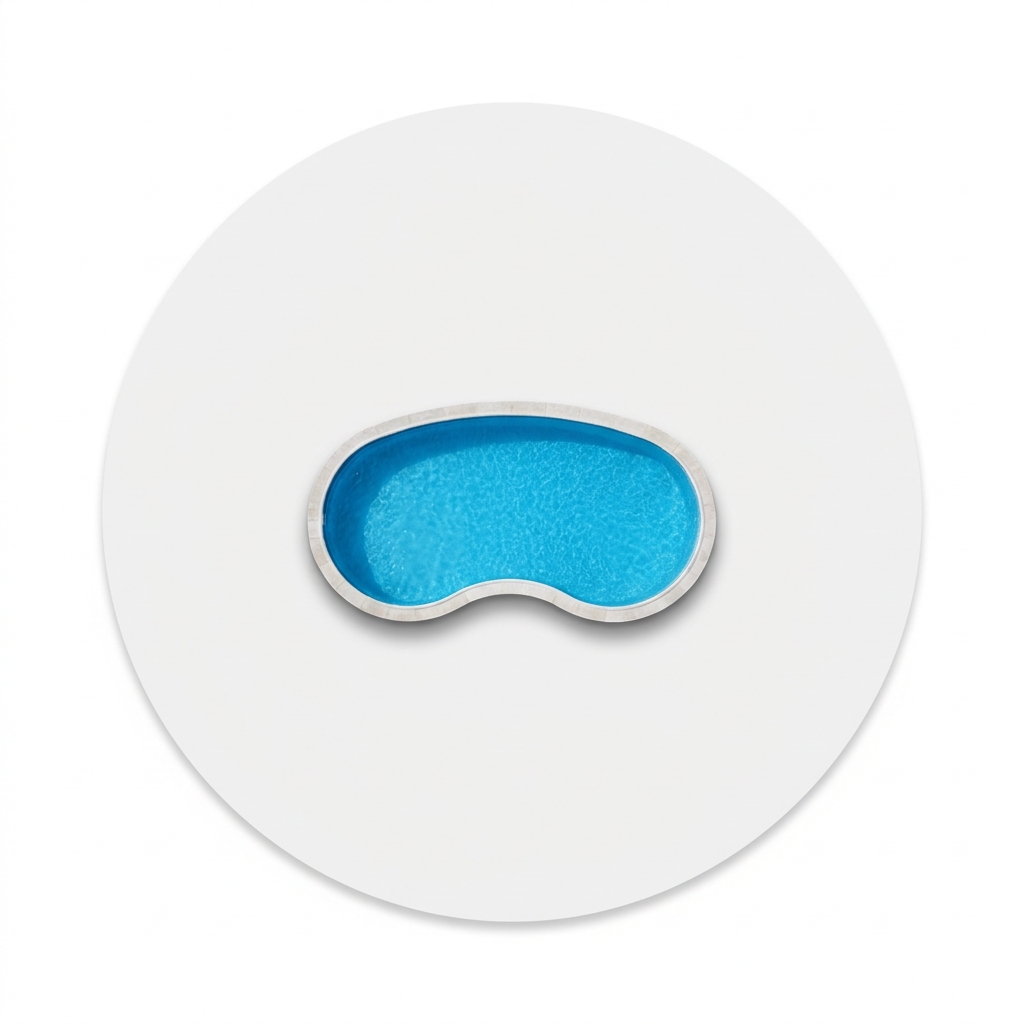
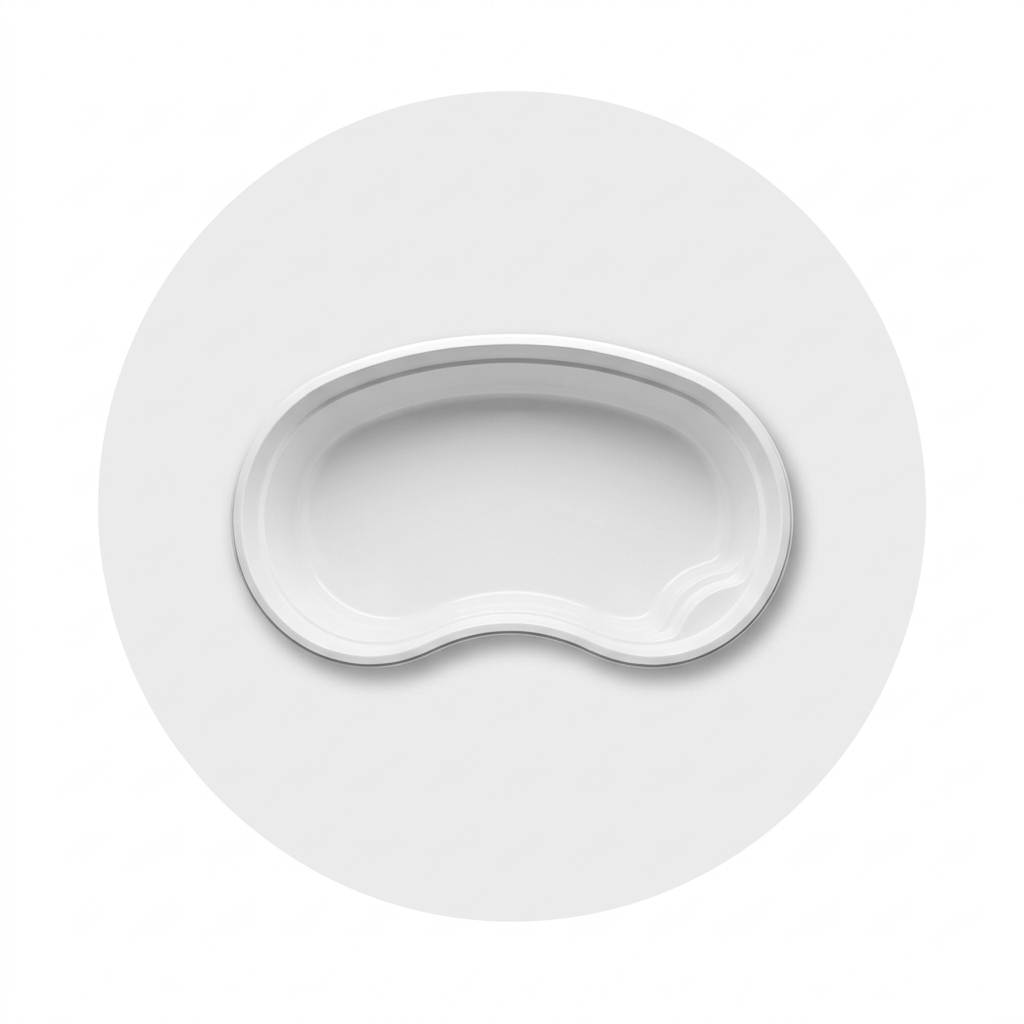
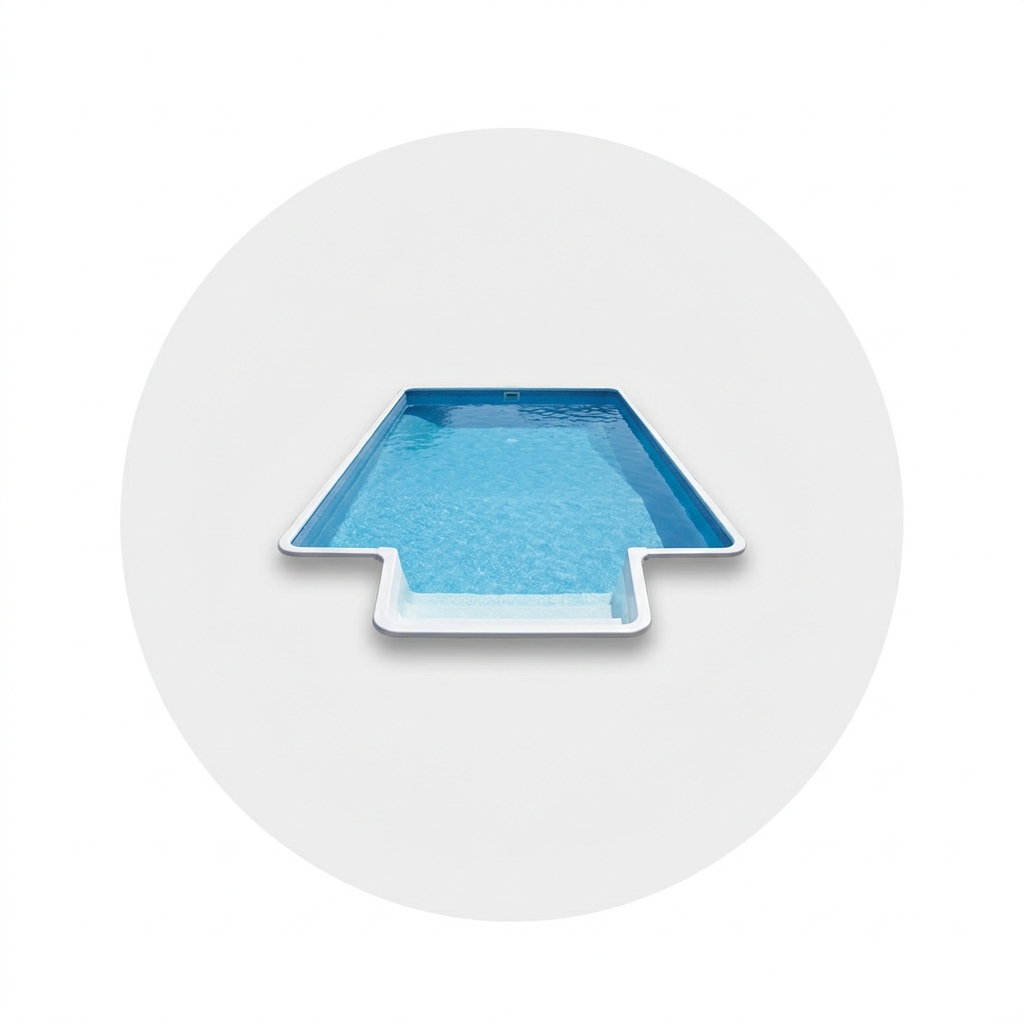
Start by understanding what your pool needs. Different shapes and sizes call for different strategies. My friend Sarah has a kidney-shaped pool that traps debris in awkward corners, and brushing the water toward the drain first made vacuuming much faster for her. My rectangular pool gathers leaves along the edges, so working from the center outward does the trick.
The right tools help too. A reliable vacuum head, a sturdy hose, and a telescopic pole speed things up and last longer. Efficiency comes down to a little prep and matching your technique to your pool's quirks. Work through the tactics below and you'll have clear water ready for a spur-of-the-moment swim.
Your Action Plan
- Balance your water and clean the skimmer and filter before you touch the vacuum.
- Attach the vacuum head, pole, and hose, then prime the hose at the return jet to clear air.
- Seal the hose into the skimmer to build strong, steady suction.
- Vacuum in slow, overlapping strokes from the shallow end toward the deep end.
- Match your filter setting to the job: "Filter" for routine cleaning, "Waste" for algae or cloudy water.
- Keep your gear in good shape and set a regular cleaning schedule.
Maximize Pool-Cleaning Efficiency
If you own a pool, you've watched debris swirl at the bottom waiting to be dealt with. The trick is efficiency, and a smart approach turns hours of work into a quick routine.
Set yourself up before you start
Pick the right day and time, ideally when the sun is bright and the water is still. You'll see better and the job goes smoother. Before you pick up the vacuum, balance your pool's chemistry, since balanced water helps the filter catch finer particles. Then check that the skimmer and filter are clean and ready to handle incoming dirt without losing suction.
Technique that saves you a second pass
Reach for a weighted head with a triangle design. It slips into corners and leaves no spot untouched. Adjust the telescopic pole to your height so you can reach the bottom without straining. If your hose likes to float, sink it slowly and let water fill it to push out the air bubbles that hurt your suction.
Now for the strokes: slow and steady wins. Long, deliberate passes pick up debris without kicking it back into the water. Overlap your paths a little so you don't miss anything.
Long, slow, overlapping strokes are the single biggest reason a pool comes clean on the first try instead of the third.
Master Manual Vacuum Techniques
A manual pool vacuum might feel old-school now that robotic cleaners exist, but getting good at it gives you a trusty tool for stubborn problems. When you're dealing with cloudy water or algae, a manual vac clears out what the robots miss.
Start by making sure your pump and filter are running smoothly. Attach the vacuum head to the telescopic pole, then fasten the hose to it. If the hose keeps slipping, a simple clamp works wonders. The weighted head hugs the pool floor as you work. Lower the setup in, rest the head on the bottom, and hold the other end of the hose against a return jet—the nozzle that pushes filtered water back into the pool—until the bubbles stop.
Whether you're fighting algae or murky corners, steady suction is key. Set the skim vac plate (a flat cover that lets you vacuum while keeping the skimmer basket in place) over the hose end and drop it into the skimmer for a tight seal. If you skip the plate, put the hose straight into the skimmer inlet. Now glide the vacuum across the floor with long, overlapping strokes so you don't stir up the water you're trying to clear.
Watch the pressure gauge, and stop to backwash if you need to. If the head sticks, switch off the pump for a second to free it. With a little practice, this becomes second nature.
Optimize Filter and Pump Performance
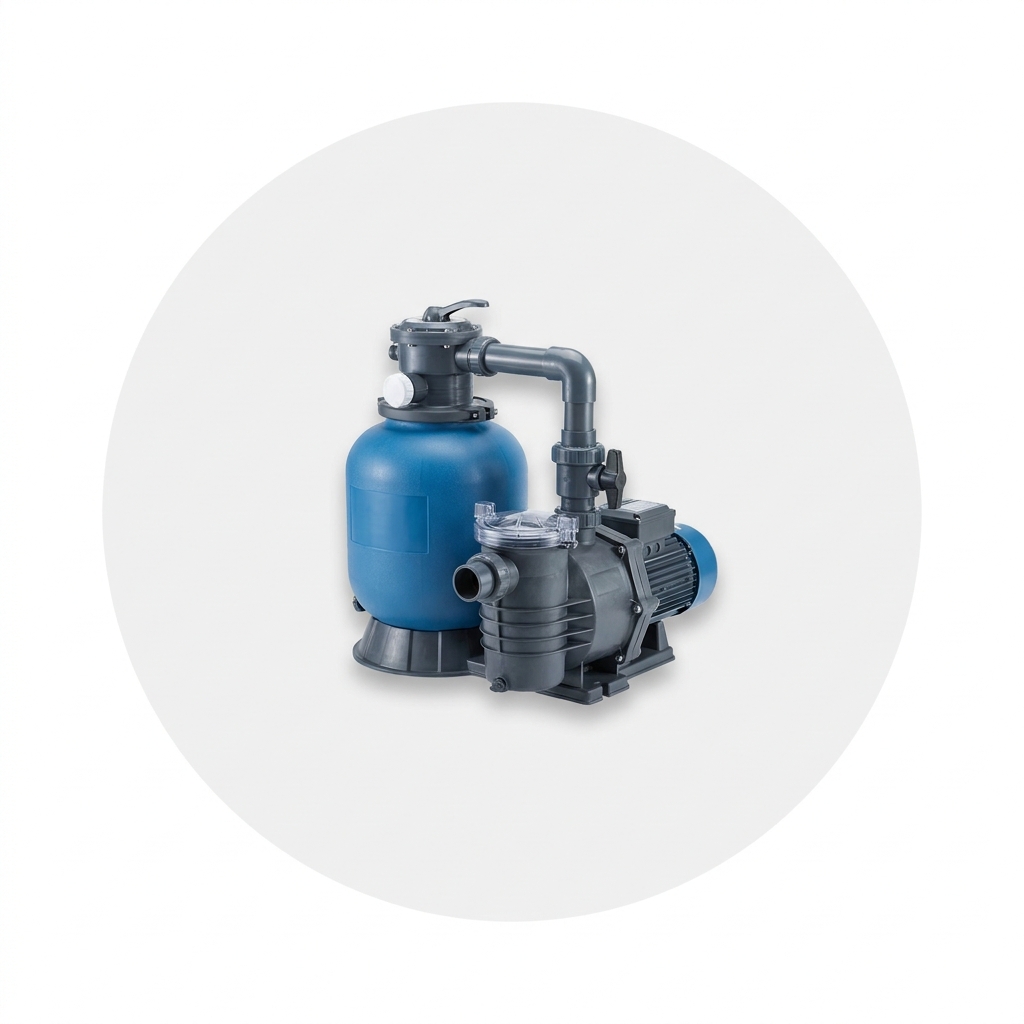
Clear water isn't only about scrubbing; it's about keeping your equipment in shape. To vacuum quickly, you need a well-running filter and pump. They're the heart of your pool, moving and cleaning the water. Keep them healthy and you'll spend far less time vacuuming.
Keep your filter working
Start with your filter type. Whether you have a diatomaceous earth (D.E.) filter, a sand filter, or a cartridge filter, regular upkeep matters. High pressure on a D.E. or sand filter means it's time to backwash. For cartridge filters, scrub the cartridges clean. A neglected filter struggles to trap debris, which makes your vacuuming far less effective.
Time your cleaning around the pump
Check the pump strainer basket often, since a clogged basket slows water flow. A clean strainer keeps the pump pulling steady suction. Also adjust your filter valve to match the job. For heavy debris or algae, use the "Waste" setting to bypass the filter, which prevents clogs and gives you stronger suction.
A clean filter and strainer basket do more to shorten your vacuuming than any fancy technique ever will.
Choose the Right Cleaning Equipment
Picking the right gear makes all the difference. It's not just about speed; it's about being ready for anything, from a quick weekly touch-up to a mess after a storm.
Every pool owner should have a reliable manual vacuum. Automatic cleaners, like robotic or pressure-side models, are convenient, but they often fall short with cloudy water or stubborn algae. If you're hosting a weekend party and an algae bloom shows up overnight, a manual vacuum lets you go straight at the problem so your water is ready fast.
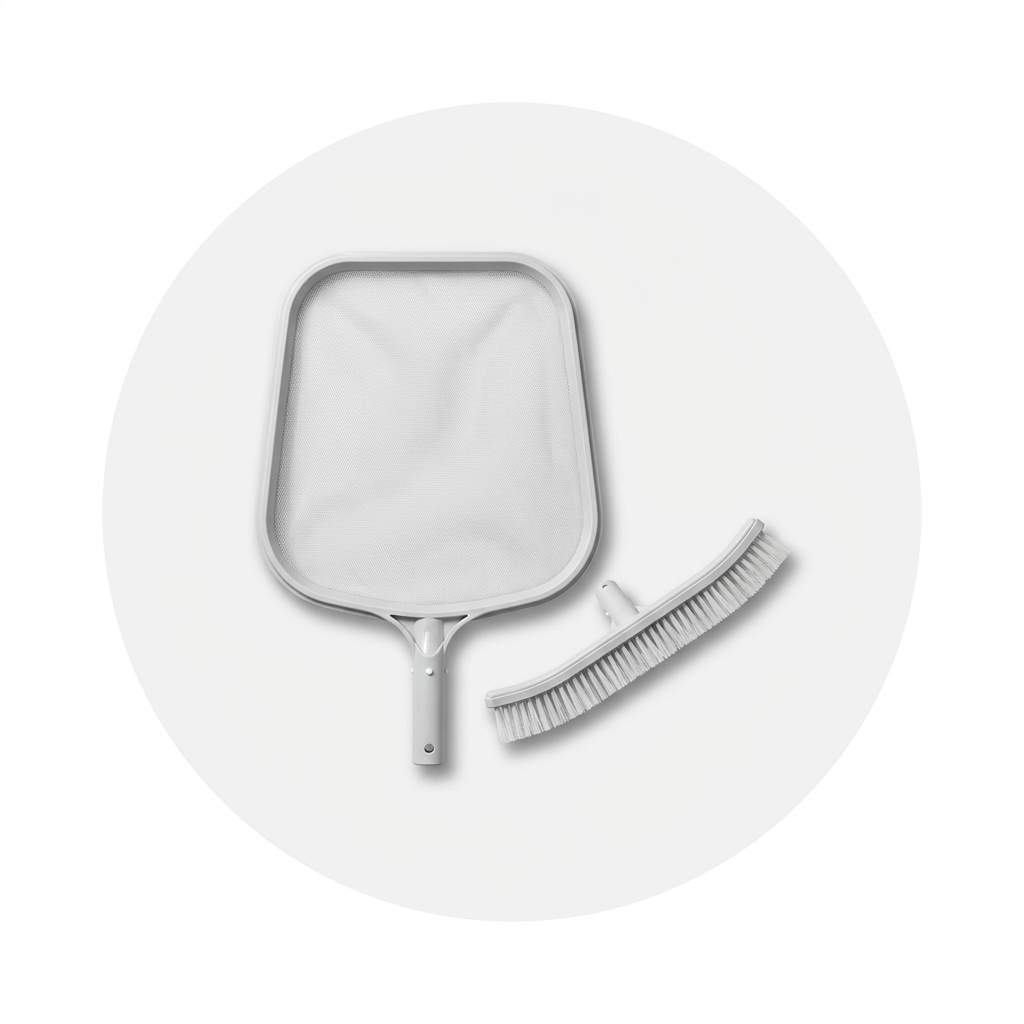
Along with the vacuum, a sturdy telescopic pole and a good head are essential. A weighted triangle head stays on the bottom, which makes those pesky corners easier to clean. For hard-to-reach spots, a leaf net or brush on the pole gets the job done. And don't forget the hose. One that fits properly, ideally held with a clamp, won't slip while you work, which keeps the suction steady.
There's real satisfaction in getting good at manual vacuuming. Why bother when automatic tools are so easy? Because knowing the ins and outs lets you handle what those gadgets can't, like stubborn algae or murky water.
As we covered earlier, start by connecting the head to the pole and attaching the hose securely, using a clamp if it's slippery. Lower the whole assembly in, let the head rest on the floor, and hold the open end against a return jet until the bubbles stop.
Next, make sure the vacuum inlet is the only open line to your pump. That keeps debris from slipping past you. For tricky corners and steps, the weighted triangle head gives you precision and stays put. Attach the skim vac plate if you want to leave the skimmer basket in place, or skip it and put the hose straight into the skimmer inlet for stronger suction.
Patience pays off. Start at the shallow end and use long strokes toward the deep end, overlapping slightly. If the water goes cloudy, let it settle and pick up again. Watch the pressure gauge; if it spikes, pause and backwash.
Hook Up Your Vacuum Properly
Connecting your vacuum the right way is the foundation of an efficient clean. Gather your essentials: the vacuum head, a telescopic pole, and a hose. Attach the head firmly to the pole, then attach one end of the hose to the head, using a clamp if the fit feels slippery.
With the head and hose underwater, point the free end of the hose toward the return jet. This pushes air out and lets water fill the hose completely. You'll see bubbles rising, a sure sign the air is leaving. Once they stop, the hose is primed.
Now turn to the skimmer. If you have a skim vac plate, attach it to the flushed hose end, cover the opening with your hand, carry it over, and set it on top of the basket for a tight seal. Without the plate, take out the skimmer basket, block the hose end with your hand, and put it straight into the skimmer's suction port.
Optimize Filter Settings
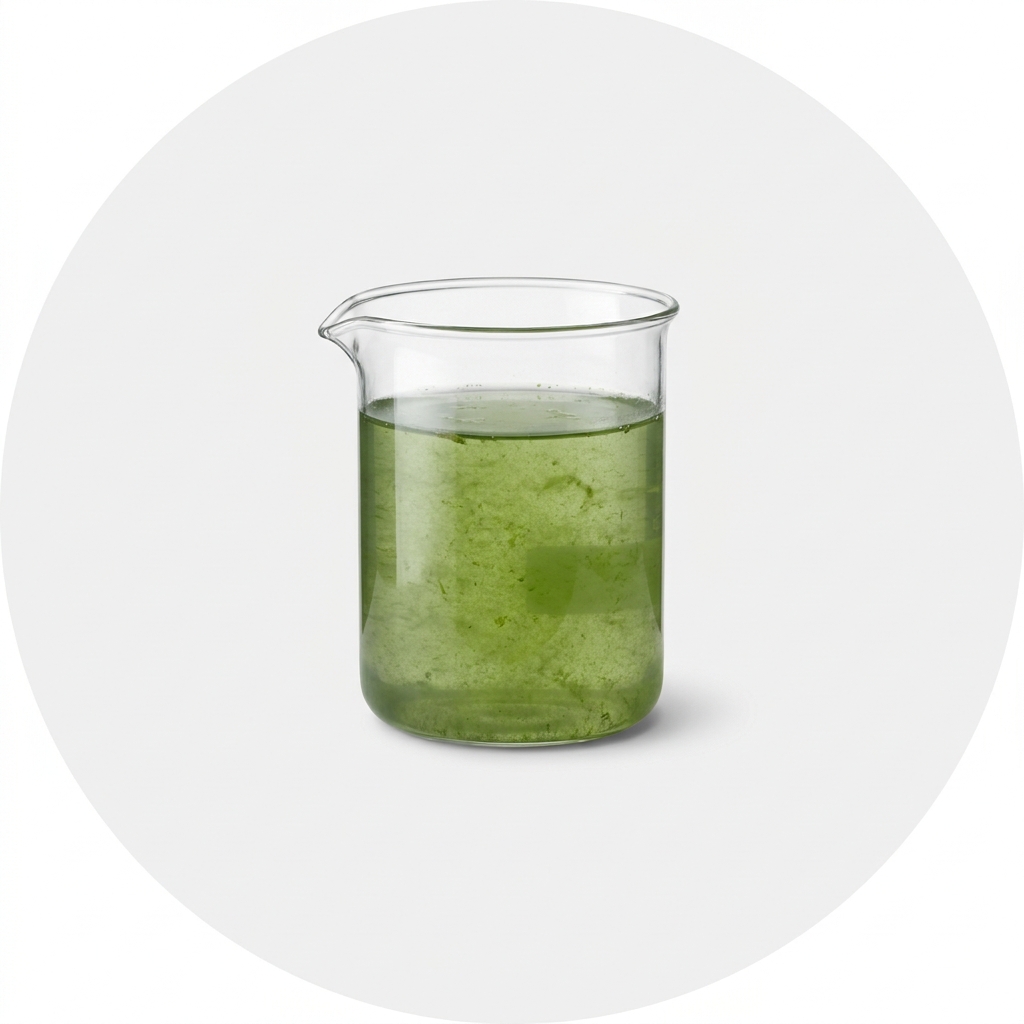
A sparkling pool is also about using your filter settings wisely. Your filter type—sand, D.E., or cartridge—shapes your approach. On days when your pool looks more like a pond, the "Waste" setting is your secret weapon. It bypasses the filter entirely and whisks the muck away without overloading your system, exactly what you want with cloudy water or algae a regular filter can't clear fast enough.
A friend of mine once tried to clean his pool on the "Filter" setting while fighting an algae bloom. The result? A clogged filter and a lot of frustration. Switching to "Waste" saved him from constant backwashing and sped up the cleaning. Keep in mind that "Waste" lowers your water level, so run a garden hose to top it off as you go.
When algae or heavy cloudiness hits, vacuum on "Waste" so the debris goes out the drain instead of clogging your filter.
For regular upkeep, the "Filter" setting is plenty. It circulates the water and catches fine debris, and a well-timed backwash keeps things efficient.
Execute Efficient Vacuum Strokes
Grabbing the vacuum may not sound thrilling, but good strokes turn the task into a satisfying routine. Get comfortable at the pool's edge where you can see the whole floor. This is about doing it right the first time.
Find a steady rhythm
Start at the shallow end and slowly guide the vacuum toward the deeper sections. Each stroke should be steady and deliberate, which keeps you from stirring up dirt. Let the weight of the head do most of the work, since pushing too hard clouds the water.
Overlap and alternate
Think of the pool floor as a puzzle where every piece has to fit. Overlapping your strokes makes sure you don't leave spots behind. Alternating directions helps too: go horizontal first, then vertical, so your clean paths cross each other. If the suction feels too strong or the head starts to stick, pause and adjust without straining your gear.
Optimize Your Pool-Filter Settings
Understanding how a filter and vacuum work together turns cleaning from a dreaded chore into a smooth job. Let's set up your filter for the best results.
Check your filter type first. A high-pressure reading on a D.E. or sand filter means it's time to backwash. A cartridge filter just needs a quick rinse. Keep the filter maintained and you set the stage for a smooth session.
If you're battling algae or murky water, switch the filter valve to "Waste" so debris goes straight out instead of clogging the filter. Just add fresh water as you vacuum so the pool level stays steady.
When I first started taking care of my pool, balancing the filter settings changed everything. At first I skipped this step, which led to constant clogs and slow, frustrating cleaning. Once I got the hang of it, vacuuming became quicker and the pool went from swampy to clear.
Implement Manual-Vacuum Techniques
Manual vacuuming is an essential skill for any pool owner. Automatic cleaners help with routine upkeep, but clearing cloudy water or a surprise algae bloom calls for a hands-on approach.
As we covered earlier, get your pump and filter running well first, then connect the head to the pole and secure the hose with a clamp if it's slippery. Lower the head to the bottom and use a return jet to drive the air out of the hose. Once the bubbles stop, attach the skimmer plate for a tight seal.
Once the suction is going, vacuum from the shallow end to the deep end with steady, overlapping strokes. If debris kicks up, let it settle before you continue. Watch the pressure gauge, and pause to backwash if you need to.
Adjust Filter Settings for Efficiency
Adjusting filter settings is a small skill that saves you a lot of grief. Before you start, know what your filter can do and pick the right setting for the job.
If your pool looks like a murky pond because of algae or a recent storm, use the "Waste" setting. It bypasses the filter and sends water straight out, which prevents clogging and clears debris fast. As mentioned, it lowers your water level, so keep a garden hose handy to refill as you go.
For pools that need a lighter touch, the "Filter" setting handles routine cleaning without losing much water. It's the way to go when your pool is only moderately dirty. But if it's loaded with dirt or fine sediment keeps slipping through, "Waste" is still your best bet.
Watch the pressure gauge closely. High pressure means it's time to backwash or clean the cartridges so your system doesn't overwork itself.
Maximize Use of Automatic Cleaners
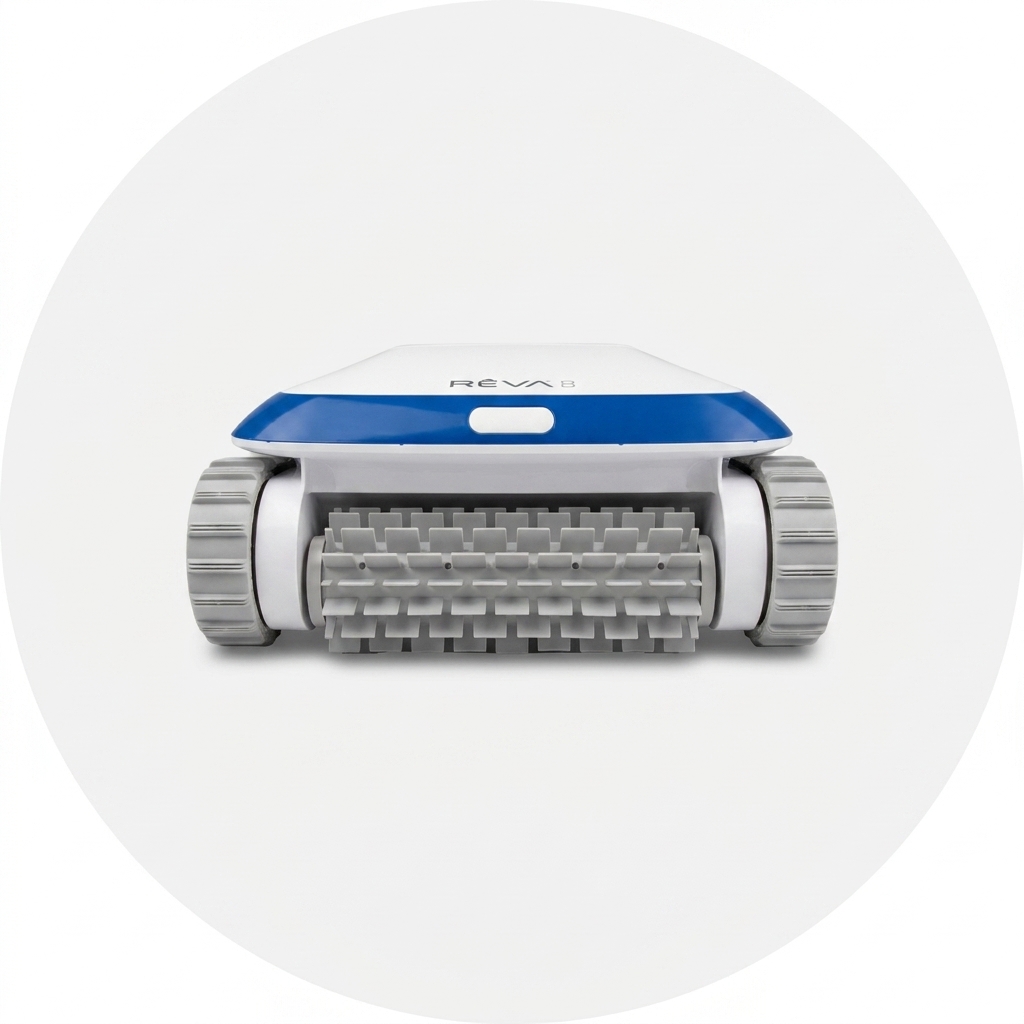
An automatic pool cleaner can be a great help for keeping your pool clean with little fuss. The trick is to get the most out of it, so it works alongside your usual cleaning rather than replacing it.
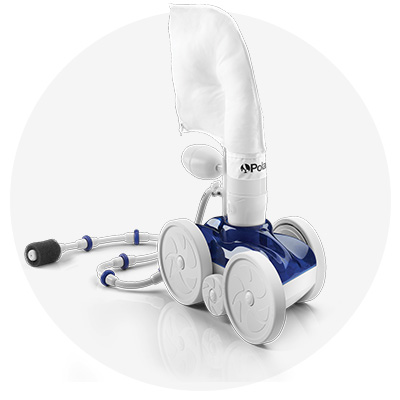
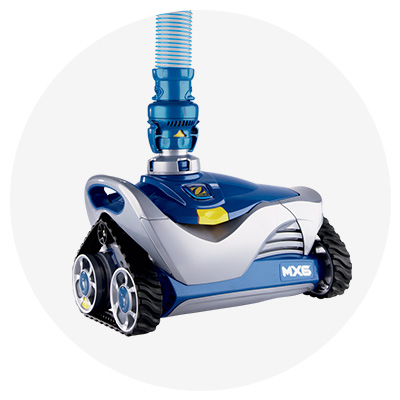
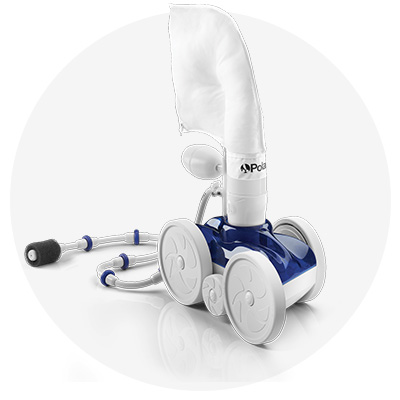
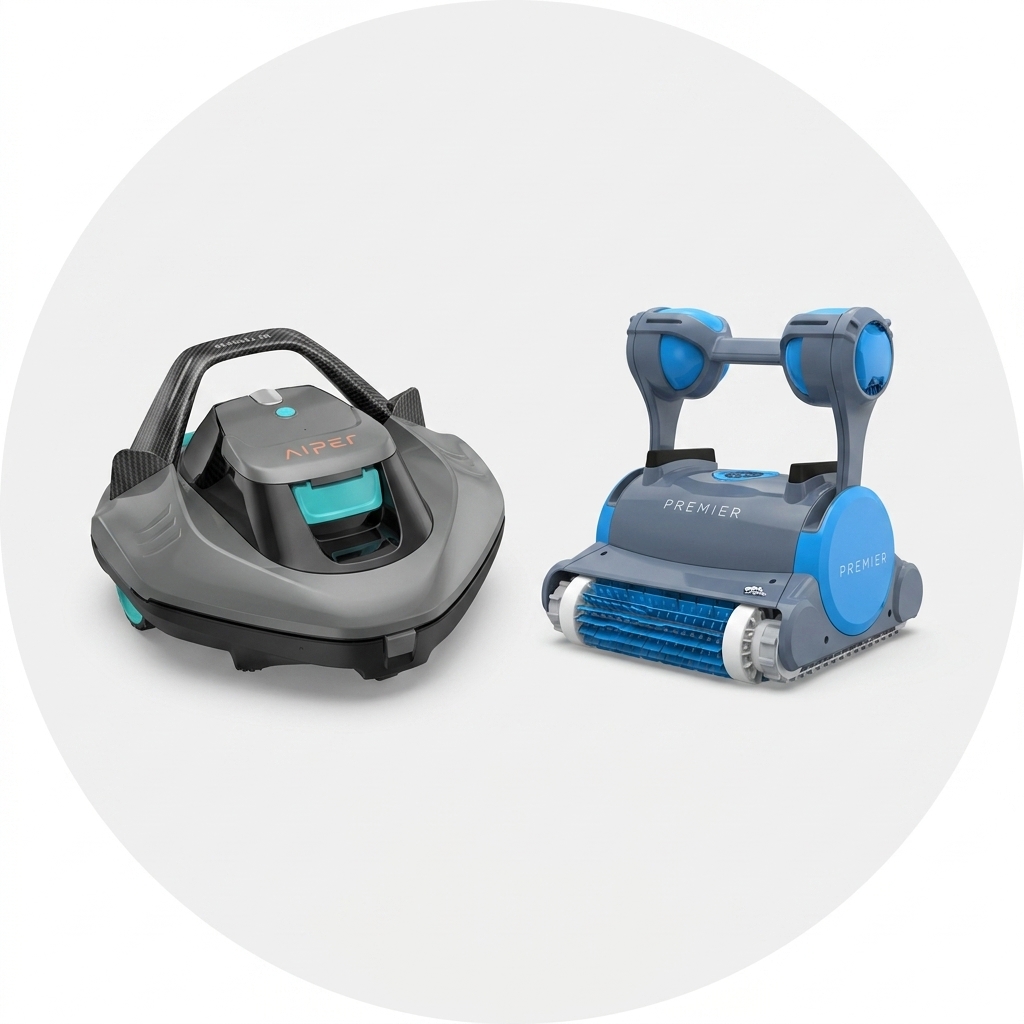
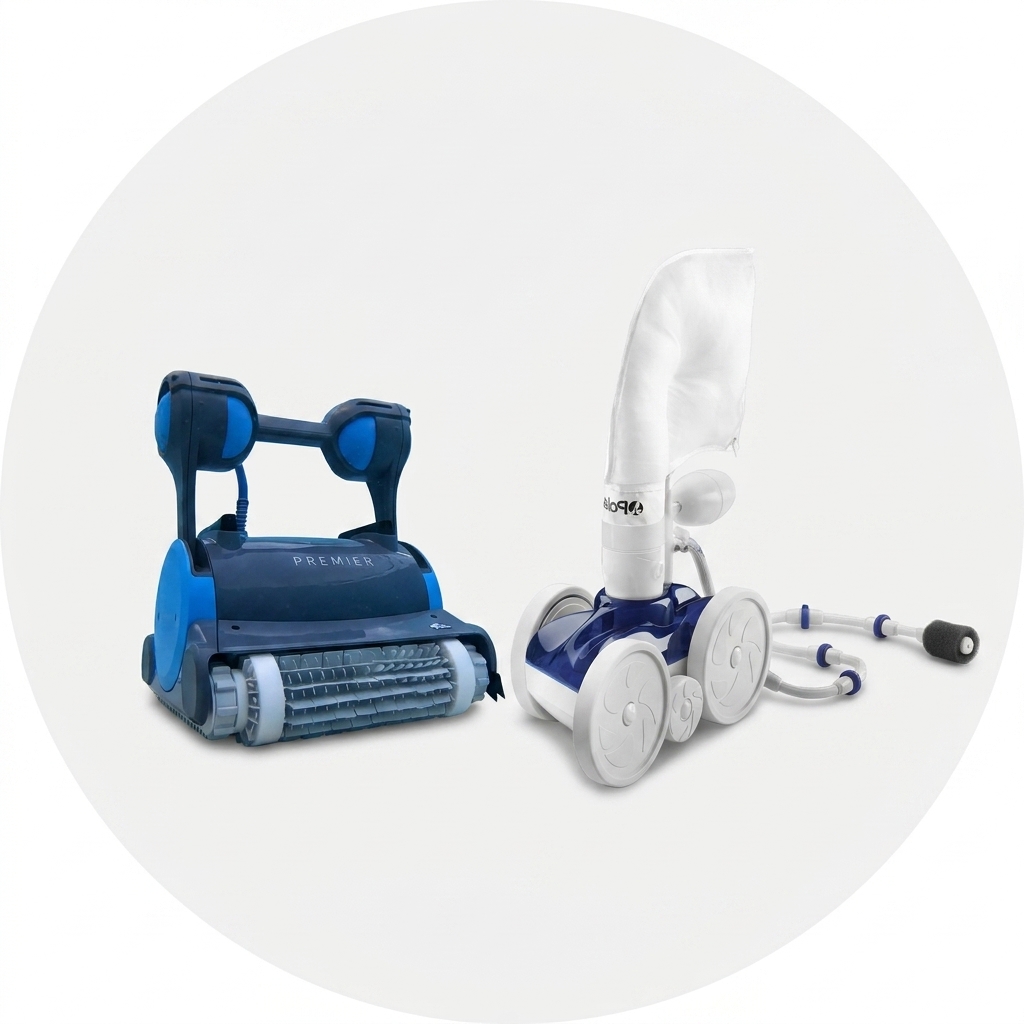
First, pick the right type. Robotic cleaners cost more, but they're incredibly convenient. They run on their own, separate from your pool's pump and filter, come with built-in brushes, and are perfect for a hands-off approach. Pressure-side cleaners use your pool's pump power to sweep the floor and walls, collecting debris in an attached bag. They're a great pick if your pool often gathers larger debris like leaves.
Keep in mind that automatic cleaners are great for routine upkeep, but they're no replacement for a manual vacuum when you're dealing with fine algae or cloudy water. A solid manual cleaning once or twice a season handles those problems head-on. Finally, take care of the cleaner itself. Empty the filter bags often and check the moving parts for wear.
Streamline Pool Maintenance Tasks
A few smart habits can make pool care easy. Since manual vacuuming is a cornerstone of the job, it pays to streamline the process. Start by organizing your tools so everything's within reach. No more hunting around the garage for that missing hose clamp.
Set a maintenance schedule that fits your life. Maybe Saturday mornings work best, so you can tackle the job with a fresh mind and clear skies. A regular routine keeps your pool clean and turns the work into a habit.
A tidy workspace helps too. Keep your gear near the pool to save a few minutes before you start, and check hoses for cracks and clear any obstructions from the head. Finally, lean on technology where you can. Apps or digital reminders nudge you about maintenance check-ins so your pool's always ready for a swim.
Manual vacuuming can seem daunting at first, but once you get the hang of it, a tedious task becomes a satisfying routine. Automatic cleaners give you a hands-off option, but they often miss the mark with stubborn algae or murky water. That's where manual vacuuming earns its keep.
Put your gear together as before: connect the head to the pole and make sure the hose fits snugly, with a clamp for slippery connections. As you lower the head in, use a return jet to push all the air out of the hose. Skip this and you risk weak suction and a still-dirty pool.
When you move the head, patience is your friend. Start at the shallow end and use deliberate, overlapping strokes toward the deep end. If the water looks cloudy afterward, give it time to settle. Keep watching your filter's pressure; if it spikes, a quick backwash may be in order. And if the vacuum sticks, a quick pump shutdown frees it right away.
Tuning your filter settings can turn tedious vacuuming into a smooth process. Start by sizing up your pool's current condition. Is the water clear with a bit of debris, or are you fighting stubborn cloudiness or an algae outbreak? Knowing what you're up against tells you which setting to use.
For routine cleaning, the "Filter" mode does the job, letting the system circulate and catch minor debris. When you're facing murky water or heavy debris, switch to "Waste" to bypass the filter and send the junk straight out. This is especially useful with fine silt or algae, since it keeps those particles from clogging the filter and going back into the water.
While you vacuum on "Waste", watch the water level. The pool loses water quickly, so keep a garden hose handy to top it off. That keeps the level steady and adds fresh water, which helps the overall cleaning.
Leverage Automatic Cleaners
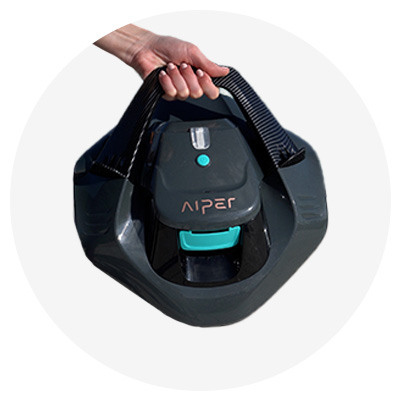
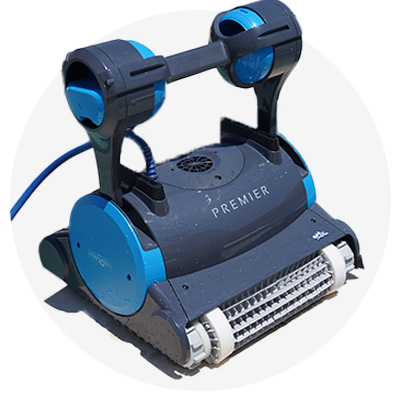
The sun is high, the pool is calling, but one chore stands between you and a swim: vacuuming. An automatic pool cleaner is a pool-cleaning robot that works its way around the water while you sip lemonade in the shade. Just plug it in, drop it in, and it takes over, skimming the bottom and filtering debris into an internal bag. When the bag fills, you empty it and the cycle starts again.
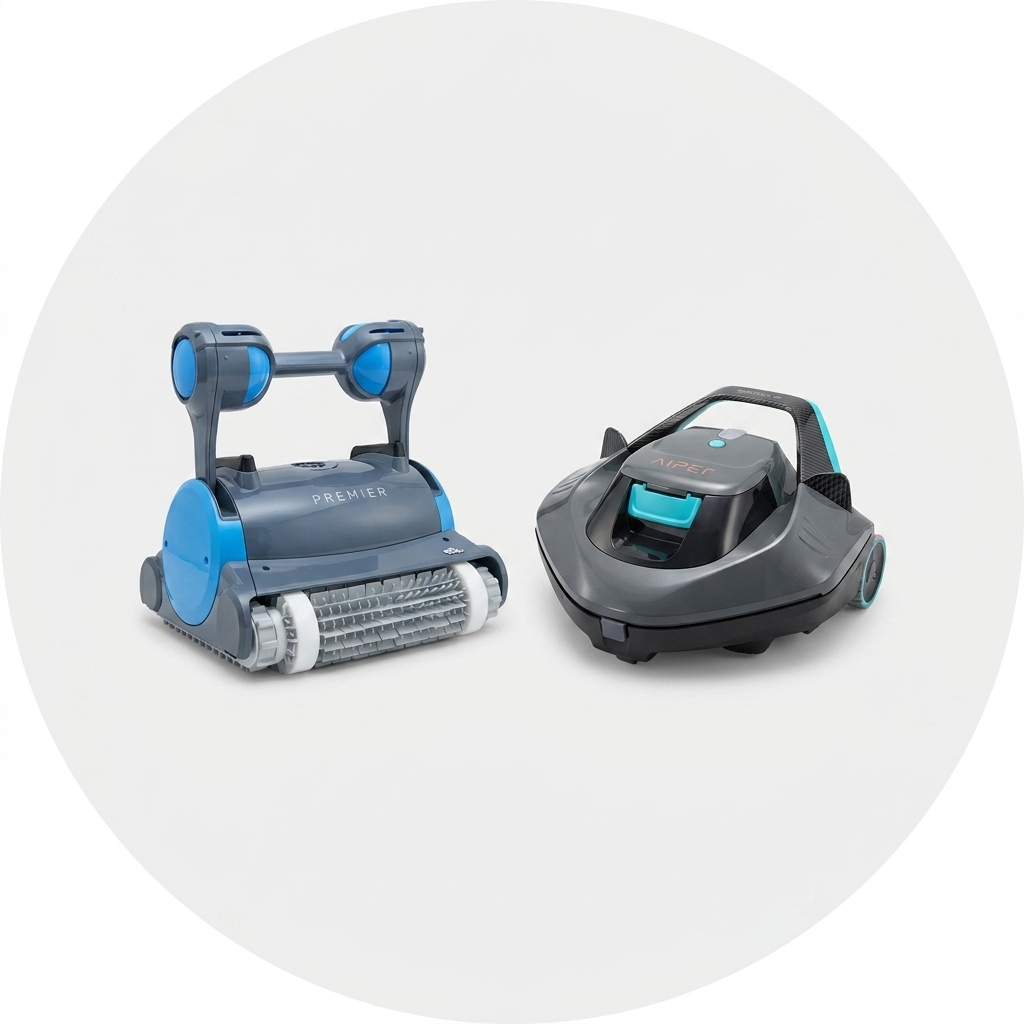
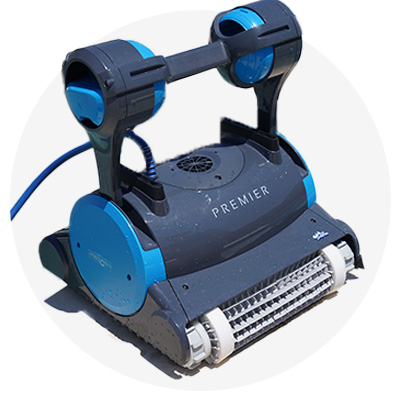
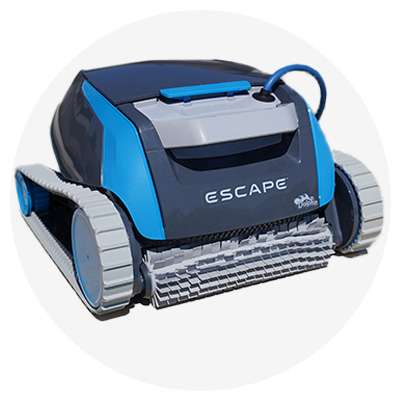
Among the top automatic cleaners is the robotic kind, known for being efficient and thorough. A robotic cleaner like the Dolphin Nautilus CC Plus scrubs, sweeps, and vacuums, covering every inch with its smart navigation. If you prefer a pressure-side option, the Polaris Vac-Sweep 360 is a great choice, using the water pressure from your pool's return line to scour floors and walls. Let the technology handle the routine and you get more free time back.
Implement Effective Vacuuming Strategies
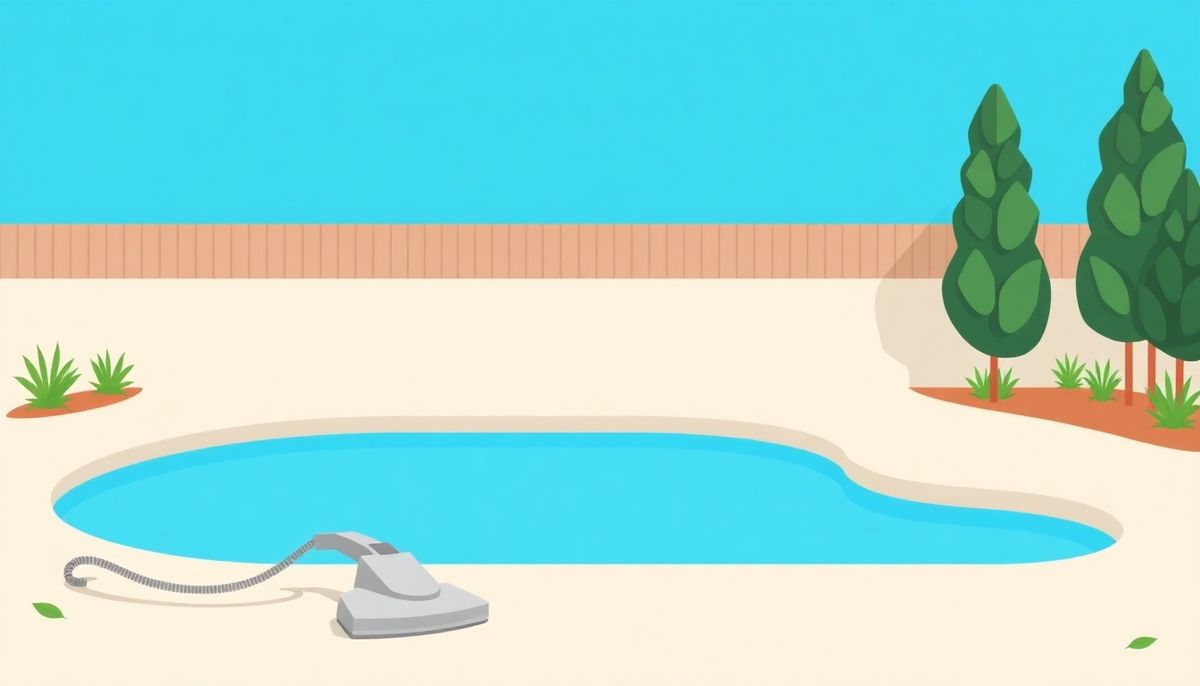
A sparkling pool takes more than a splash of chlorine. It's about vacuuming with a bit of care and strategy. First, get to know your pool's layout. Whether it's a fancy inground or a practical above-ground pool, knowing its nooks and crannies will guide your path.
Set up your manual vacuum, a tool even the fanciest automatic cleaners can't replace when you're dealing with algae or murky water. Attach the head to the pole and make sure the hose is on firmly. A hose clamp stops any slipping, which really helps on humid days when everything seems to slide out of your hands.
Position your vacuum near a return jet to fill the hose and clear out the air bubbles that would wreck your suction. Then sweep the floor in long, deliberate strokes, overlapping a little so no debris gets missed, and keep an eye on the pressure gauge. If the vacuum sticks, a quick pump switch-off frees it without any hassle.
Master Manual Vacuuming Techniques
For clearing debris by hand, getting good at manual vacuuming turns this chore into a smooth process. Doing it by hand gives you precision and flexibility that automatic cleaners can't match with algae or cloudy water.
Make sure your gear is in good shape. Attach the head to the pole and secure the hose with a clamp if you need to. Go with a weighted head; it stays down on the floor and gives you stability as you move.
Once the setup is in the pool, clear the air pockets by holding the hose against a return jet until the bubbles stop. If you're using a skim vac plate, attach it to the hose end and secure it over the skimmer basket to keep the suction going.
As you vacuum, start at the shallow end and work toward the deep end. For round pools, move steadily from one side to the other. Use long, overlapping strokes so you don't stir up debris. If the water clouds up, let it settle before you go on, and watch the filter pressure for a spike that signals a backwash.
Conclusion

This article walked you through keeping your pool in good shape, from priming the hose to picking the right filter setting. Put these habits into practice and clean water stops being a battle.
Want to become a pool maintenance expert? Our free Pool School course covers everything you need to know about pool care. From basic maintenance to advanced troubleshooting, you'll learn how to:
- Save thousands on pool repairs and chemicals
- Keep your water crystal clear year-round
- Prevent and solve common pool problems
- Master water chemistry with confidence
Join over 10,000 pool owners who have already transformed their pool care routine. Get started with our free Pool School course today!
What you need
Grab a weighted triangle vacuum head, a telescopic pole, a vacuum hose with a clamp, and a skim vac plate, plus a garden hose for topping off when you run the "Waste" setting.