

Pool Chemical Calculator — free PoolPad tool
Free Pool Tools

Pool Chemical Calculator

Enter your pool size and current water test results. We'll tell you exactly what chemicals to add and how much.

  1. Pool School
  2. Tools
  3. Pool Calculator

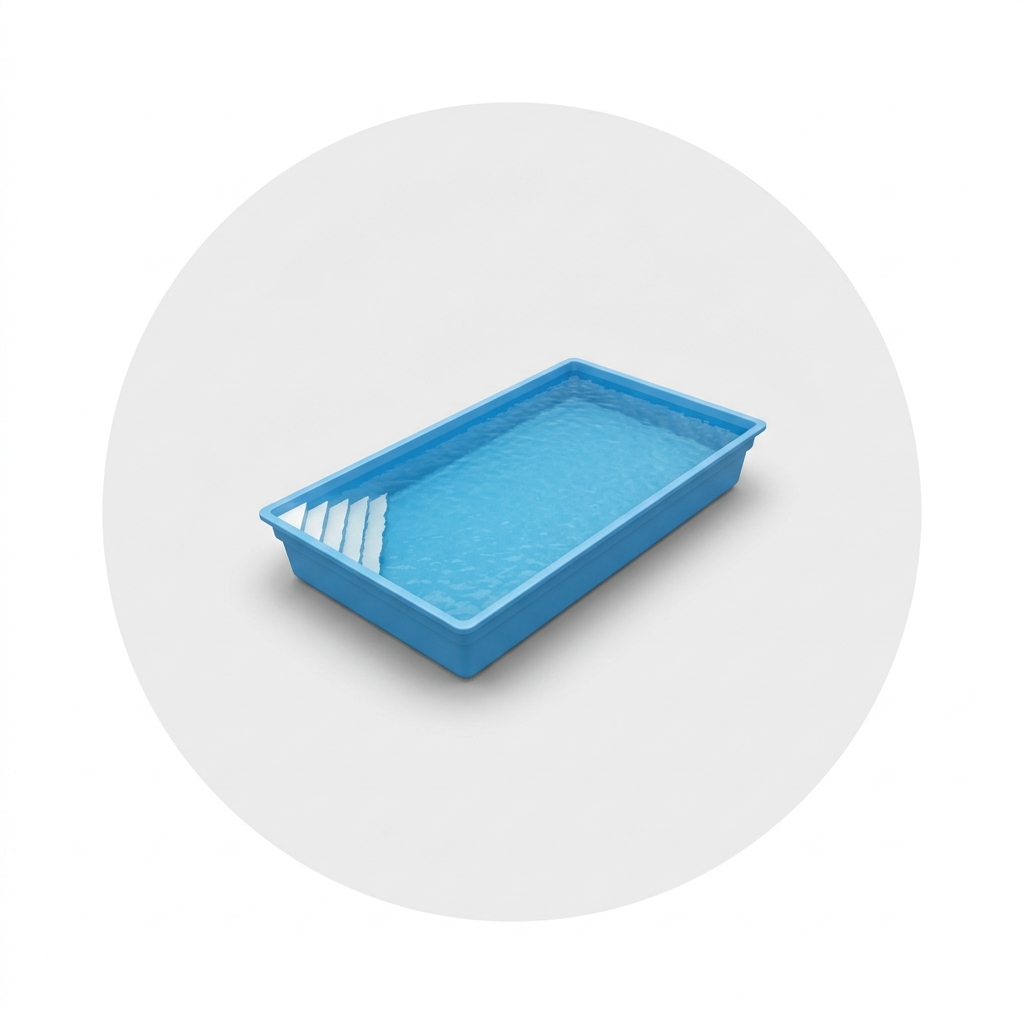
What's your pool size?

Please enter a valid pool size

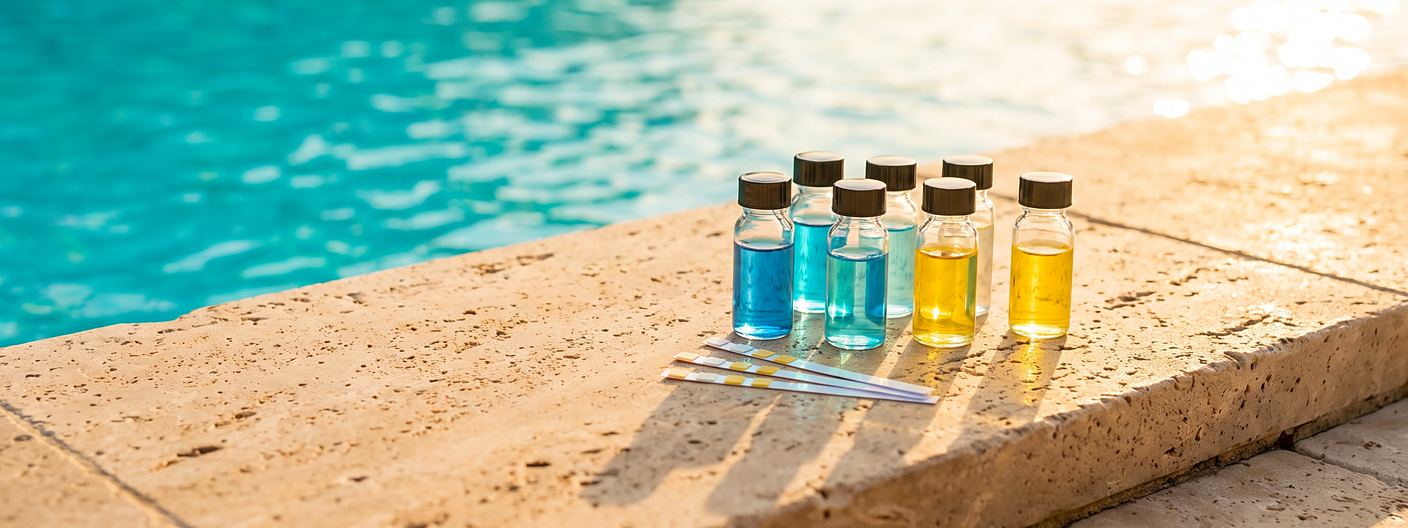
Pool Test Kit

Do you have a pool test kit that can measure:

  • Free Chlorine (FC)
  • pH
  • Total Alkalinity (TA)
  • Cyanuric Acid (CYA)

Calculate Pool Volume

Free Chlorine (FC) Level

*You must enter your level before you continue
Ideal: 2.0 - 4.0 ppm

pH Level

*You must enter your level before you continue
Ideal: 7.2 - 7.6

Total Alkalinity (TA)

*You must enter your level before you continue
Ideal: 80 - 120 ppm

Cyanuric Acid (CYA)

*You must enter your level before you continue
Ideal: 30 - 80 ppm

Recommended Adjustments

What You Need

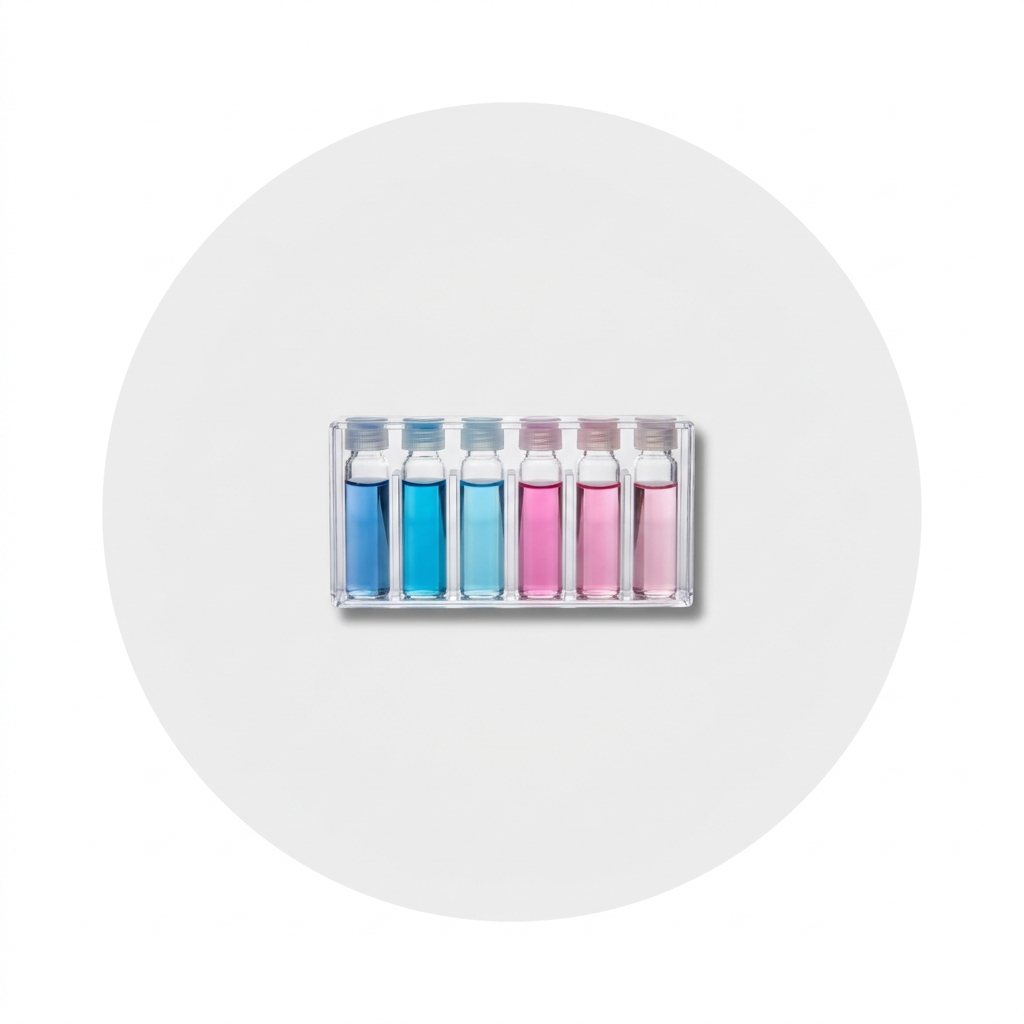
Recommended Test Kits

What You Need

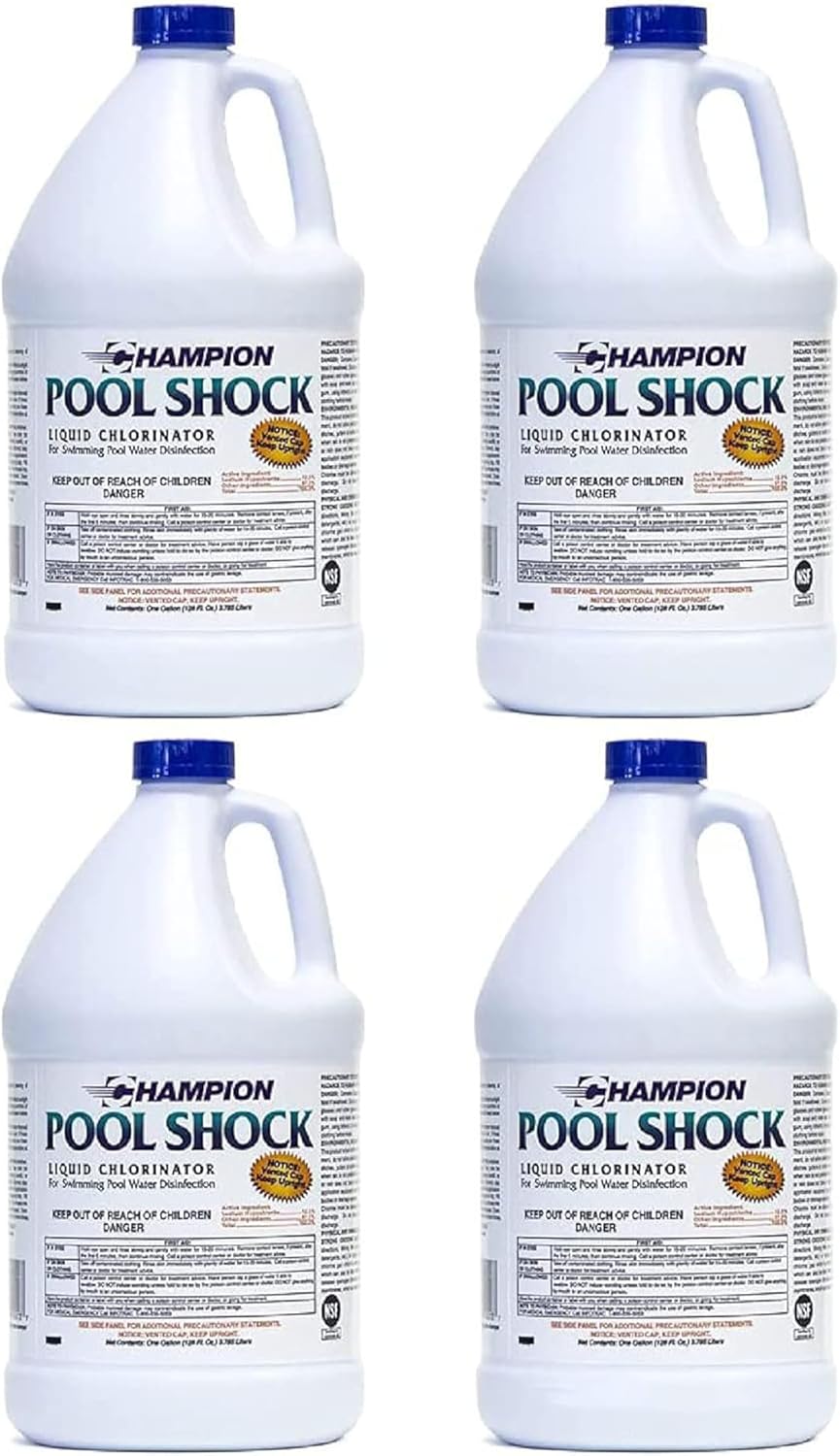
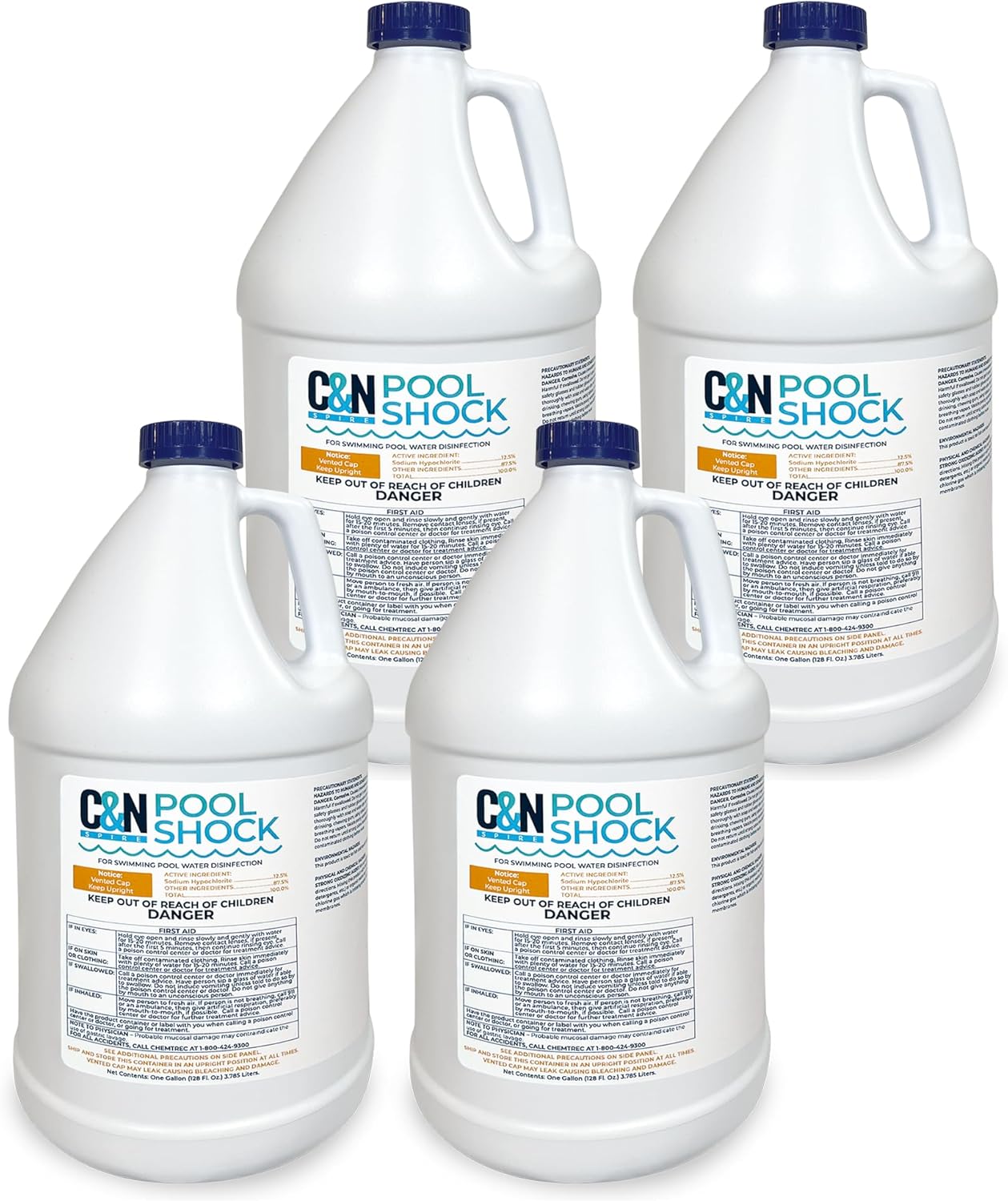
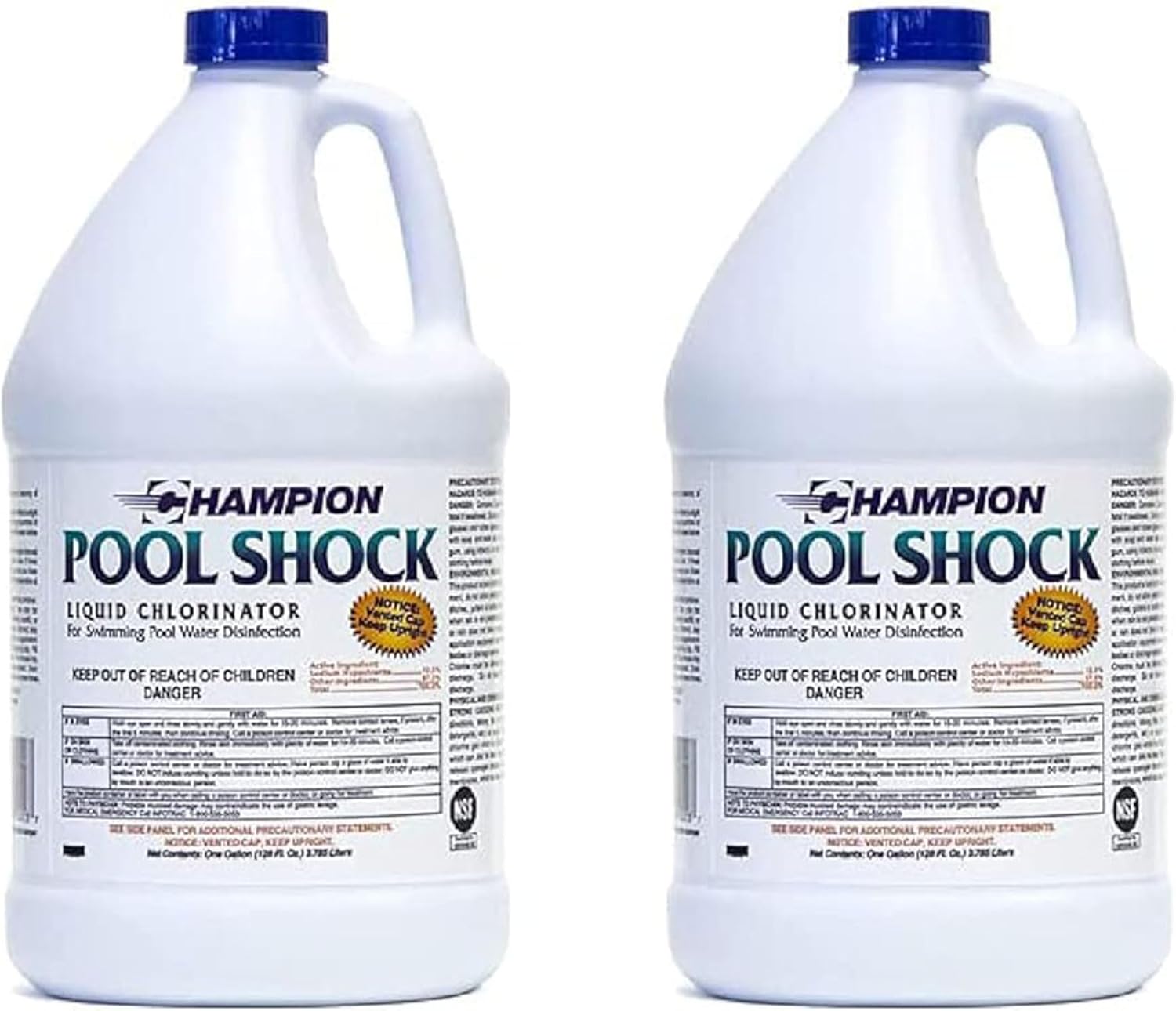
Pool Chlorine (Liquid)

Raises the chlorine level in your pool to kill bacteria and algae
You need: 2.0 gallons
Pick from one of the following options:

Quick Reference Guide

Raising Levels

Chemical To Raise Add
Free Chlorine +1 ppm Liquid chlorine, cal-hypo, or dichlor
pH +0.1 Soda ash (sodium carbonate)
Alkalinity +10 ppm Baking soda (sodium bicarbonate)
Calcium Hardness +10 ppm Calcium chloride
Cyanuric Acid +10 ppm Stabilizer/conditioner

Lowering Levels

Chemical To Lower Method
Free Chlorine -1 ppm Wait it out, or use sodium thiosulfate
pH -0.1 Muriatic acid or dry acid
Alkalinity -10 ppm Muriatic acid (add slowly)
Calcium Hardness Any Partial drain and refill
Cyanuric Acid Any Partial drain and refill

Ideal Ranges

Keep your pool within these ranges for optimal water quality:

  • Free Chlorine: 2-4 ppm (with CYA) or 1-3 ppm (without)
  • pH: 7.4-7.6
  • Total Alkalinity: 80-120 ppm
  • Calcium Hardness: 200-400 ppm
  • Cyanuric Acid: 30-50 ppm

Tips for Best Results

  1. Test before adding chemicals - Always know your starting point
  2. Add chemicals with pump running - Helps distribute evenly
  3. Wait between additions - Give at least 30 minutes before retesting
  4. Never mix chemicals - Add one at a time to the pool
  5. Add acid to water - Never water to acid when diluting
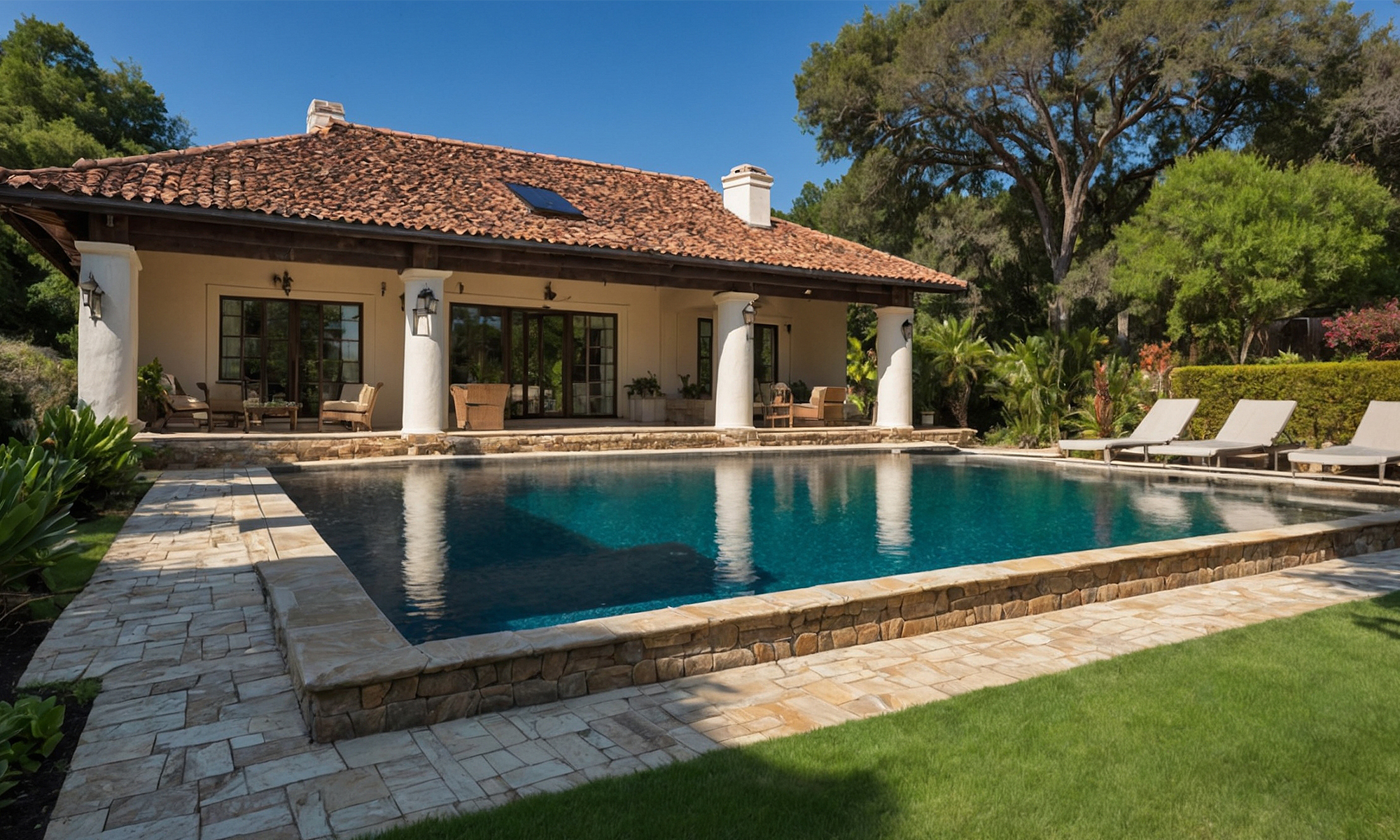
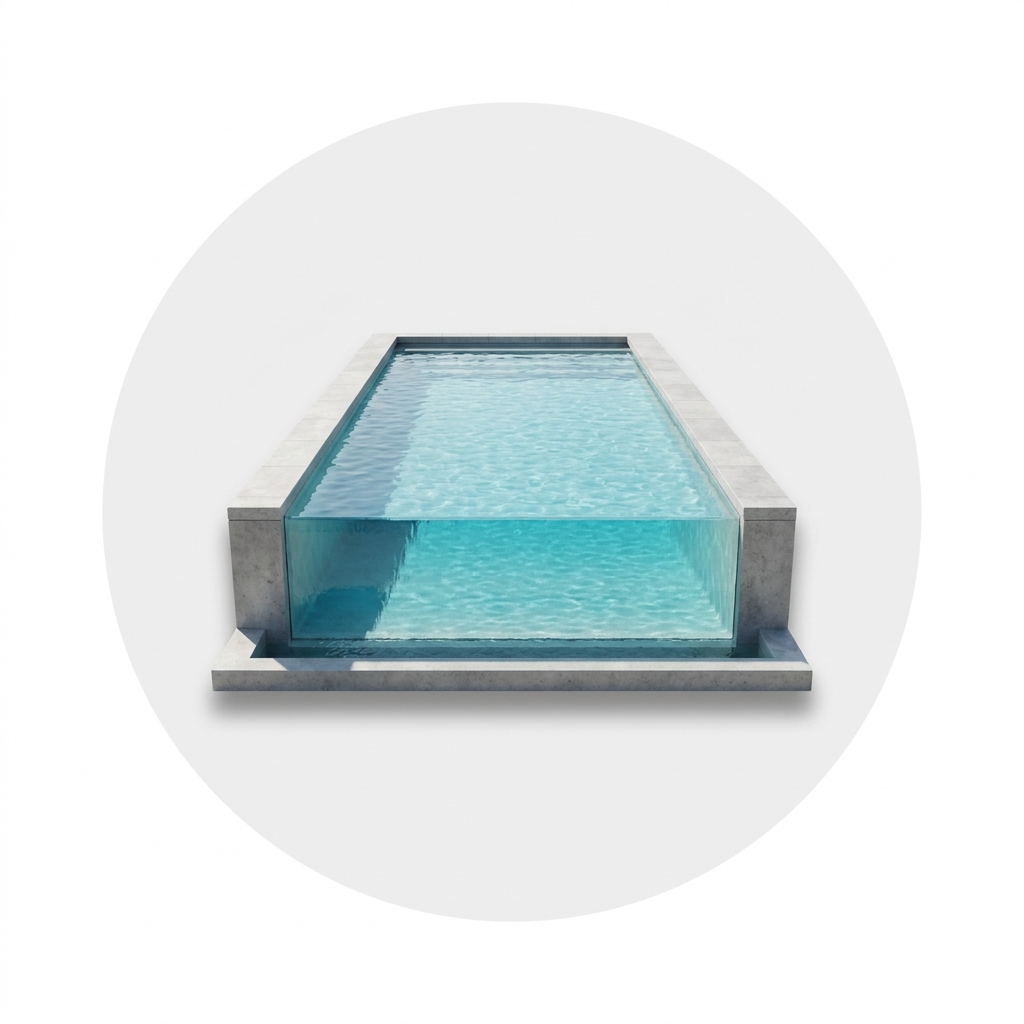
Backyard rectangle pool with clear balanced water
Balanced water starts with an accurate gallon count and a good test kit.

How I Actually Use This Pool Chemical Calculator

I keep my testing simple. Before I touch a single bottle, I run a fresh test so I know exactly where the water sits that day. That reading is the whole point of this pool chemical calculator, because every dose it gives you is built off your real numbers, not a guess. If your free chlorine reads 1 ppm and you want 3, I let the pool chlorine calculator tell me the ounces instead of eyeballing the jug.

The order I add things matters more than most people expect. I balance alkalinity first, then pH, then chlorine last, and I give each addition a good half hour of circulation before I retest. Chasing pH while alkalinity is still swinging is how folks end up dumping in twice what they needed. Slow and steady, one chemical at a time, with the pump running the whole time.

One habit that has saved me a lot of money: I always confirm my pool's volume before dosing. If your gallon number is off by even ten percent, so is every dose. When I'm unsure I re-run the numbers through the volume tool below and then come back here.

Frequently Asked Questions

How much chlorine do I need to add to my pool?
It depends on your pool's gallons and how far your free chlorine reads below target. As a rough guide, about 10.7 oz of liquid chlorine (12.5%) raises a 10,000-gallon pool by roughly 1 ppm. Plug your volume and current reading into the pool chlorine calculator above and it gives you the exact dose.
How much muriatic acid do I need to lower my pH?
For a 10,000-gallon pool, roughly 12 fl oz of muriatic acid drops pH by about 0.1, though your total alkalinity affects how much it takes. Add it slowly with the pump running and retest after 30 minutes. The pool chemical calculator sizes the dose to your pool so you don't overshoot.
How much baking soda do I add to raise alkalinity?
About 1.5 lbs of baking soda (sodium bicarbonate) raises total alkalinity by roughly 10 ppm in a 10,000-gallon pool. Add it in stages and let each batch circulate before you retest.
How do I raise the pH in my pool?
Use soda ash (sodium carbonate) to bring pH up. Roughly 6 oz raises a 10,000-gallon pool by about 0.1, and it will nudge alkalinity up a little too. If your alkalinity is also low, aeration alone can raise pH without chemicals.
How much shock does my pool need?
A normal weekly shock is about 1 lb of cal-hypo per 10,000 gallons to reach 10 ppm free chlorine. For algae or a heavy bather load you may need a double or triple dose based on your combined chlorine reading. Enter your gallons above to get the exact amount.