



Key Takeaways
- Gunite (sprayed concrete over steel rebar) can be built in any shape, size, or depth with unlimited custom features — it's why nearly every dream pool you've saved is gunite.
- It's the most durable and longest-lasting pool type, but also the priciest and slowest to build (often 8–16 weeks).
- Finishes matter: plaster, quartz, and pebble change the look, feel, and lifespan of the interior.
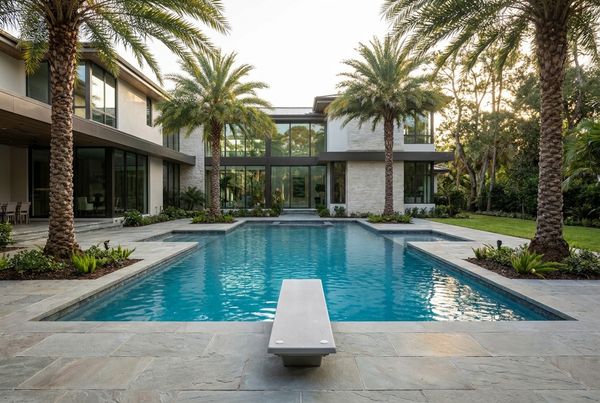
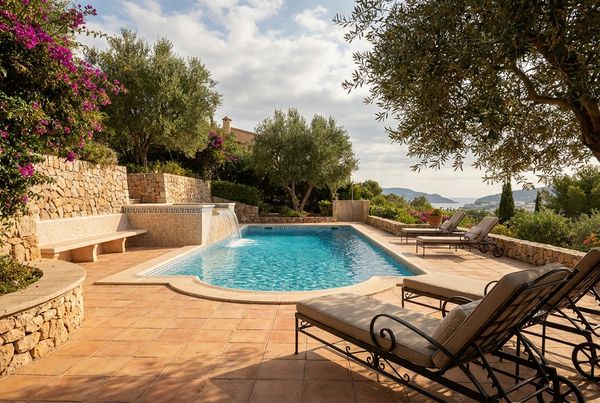
When you can picture an exact pool in your head — a specific curve, a vanishing edge, a grotto, a depth for diving — gunite is how it gets built. Concrete pools trade speed and price for something no other material offers: total design freedom. Every wild, magazine-cover pool you've ever saved is almost certainly gunite, and this guide walks through what that freedom costs and when it's worth paying for.
What is a gunite pool?
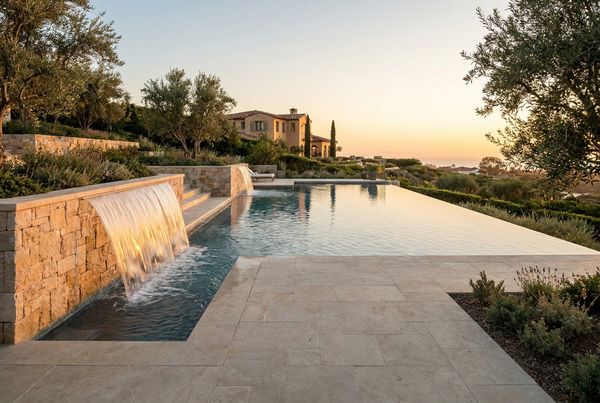
A gunite pool is a concrete pool built entirely on-site rather than delivered as a pre-made shell. The name comes from the material itself: gunite is a dry mix of sand and cement that's shot through a hose and combined with water right at the nozzle, spraying onto a steel-reinforced frame to form the pool's structure. Once that sprayed shell cures into a rock-solid mass, it's tiled, coped, and coated with an interior finish to become the pool you actually swim in.
Because the shell is formed in place instead of pulled from a factory mold, a gunite pool has no fixed shape, size, or depth. That single fact is what separates it from every other pool type. A fiberglass pool is limited to the molds a manufacturer offers and a maximum width that fits on a truck; a gunite pool is limited only by your yard, your budget, and your imagination. When people talk about a "concrete pool," a "sprayed-concrete pool," or a "shotcrete pool," they're describing the same family of custom, poured-in-place builds — gunite is simply the term the industry uses most.
How a gunite pool is built
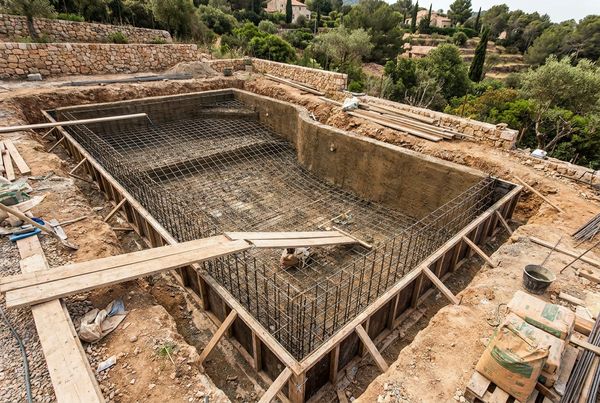
The build is a genuine construction project, which is exactly why it takes longer and costs more than dropping in a finished shell. It runs in clear stages:
- Layout and excavation. The custom shape is staked out and the hole is dug to match — including any deep end, tanning ledge, or attached spa.
- Steel and plumbing. A grid of steel reinforcing bar (rebar) is tied into the shape of the pool, and the plumbing, main drains, and returns are roughed in.
- Gunite application. Crews spray the sand-cement mix over the rebar, building up a thick, continuous shell. Skilled finishers carve the surface to the exact contours — steps, benches, ledges, and radiused walls.
- Curing. The shell has to cure for a stretch of days before finishing can begin. This is a genuine wait you can't rush.
- Tile, coping, and decking. Waterline tile, coping around the edge, and the surrounding deck go in.
- Interior finish. Finally the shell is coated with plaster, quartz, or pebble, filled with water, and balanced.
Each of these steps is custom to your pool, and several depend on weather and inspections, which is why a gunite build commonly runs 8 to 16 weeks and complex projects run longer. It's slower than fiberglass by design — you're paying for a structure that's shaped uniquely for your yard.
Why gunite means unlimited design
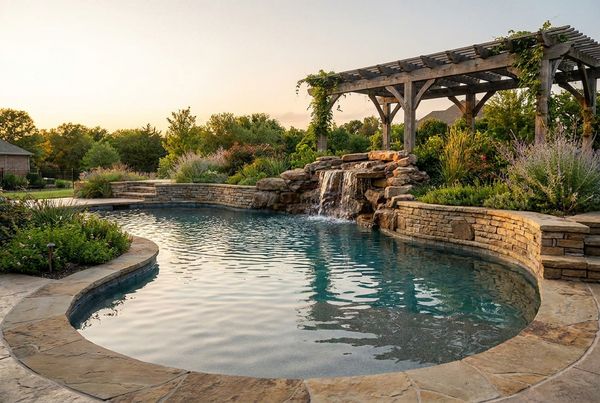
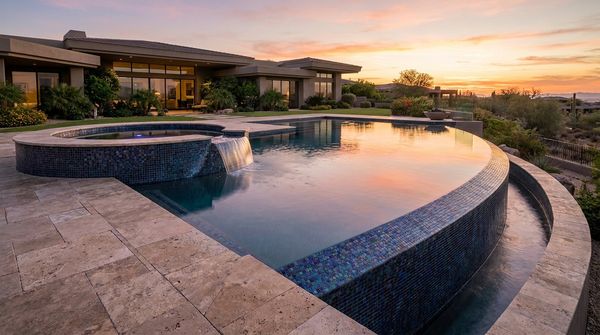
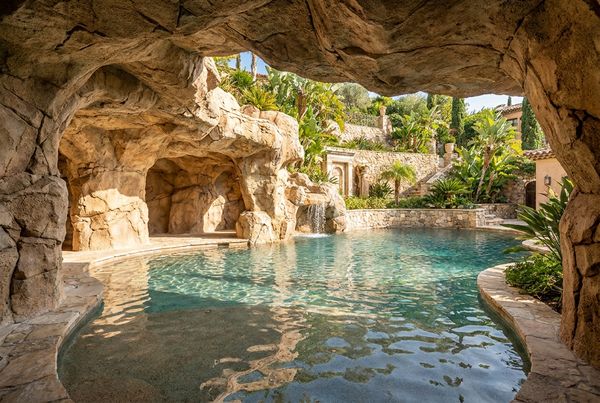
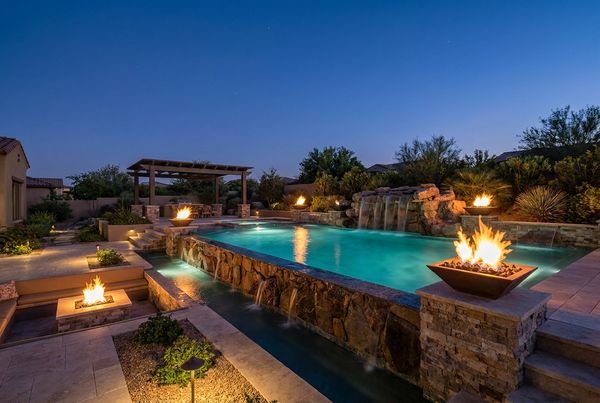
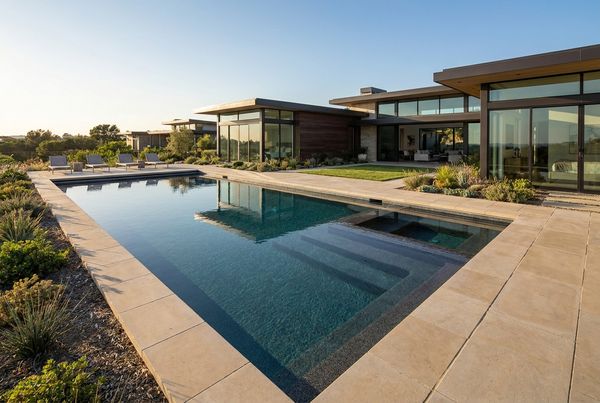
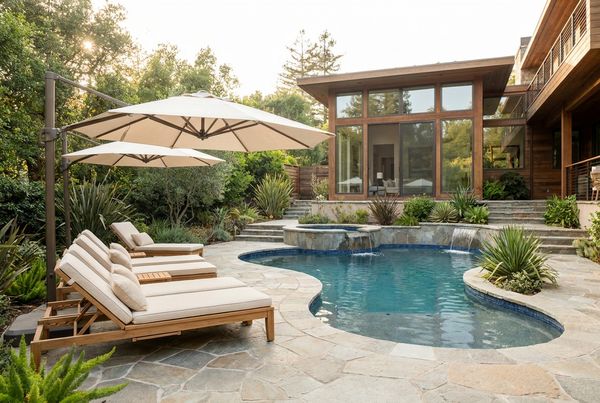
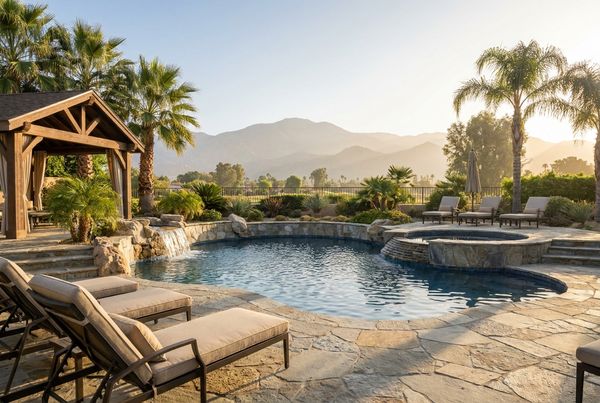
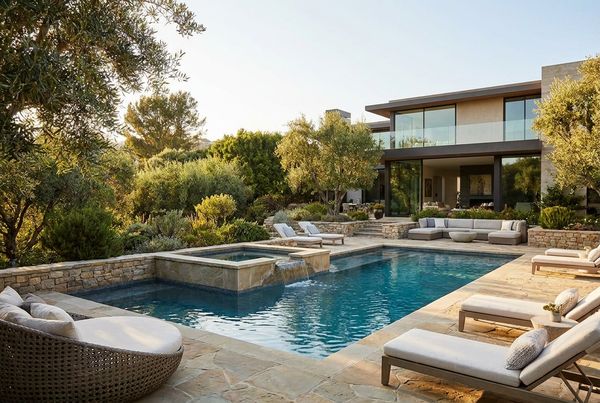
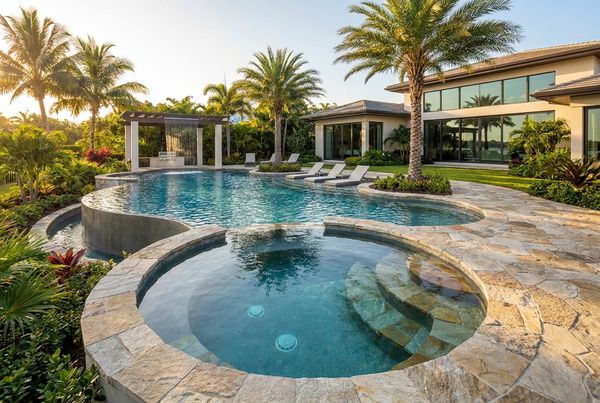
This is the whole reason gunite exists as a category. Because the shell is sprayed to any form you can frame in steel, there's essentially no ceiling on shape, size, or depth. Vanishing edges and perimeter-overflow wet edges, tanning ledges with umbrella sleeves, attached raised spas that spill into the pool, grottos and caves, gentle beach entries, true deep ends for diving, swim-up bars, and integrated fire and water features — all of it lives in gunite because all of it is shaped by hand on-site.
If you've been saving images of pools that don't look like anything a catalog offers — an unusual freeform curve that wraps a patio, a negative edge that seems to spill into a view, a lagoon with a boulder waterfall — you've been saving gunite pools. When you're chasing a fully custom look from our pool shapes, water features, or infinity pool ideas guides, gunite is the material that turns those references into something real. It's also the only choice if your lot is awkward — steep, narrow, or oddly angled — because the shell can be shaped to fit almost any footprint.
The real pros and cons
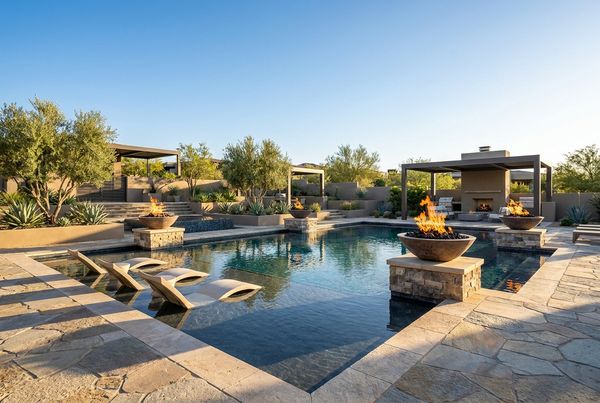
Gunite's strengths and weaknesses are two sides of the same coin: everything that makes it endlessly customizable also makes it slower and more expensive. Here's the honest ledger.
Pros
- Any shape, size, and depth — truly custom, with no molds or width limits
- Supports every feature: vanishing edges, spas, grottos, tanning ledges, beach entries
- Extremely durable — the shell can last decades and adds strong resale appeal
- The premium, high-end look most dream pools are built from
Cons
- Highest upfront cost of the common pool types
- Longest build — often 8–16 weeks, sometimes more
- Rougher interior than fiberglass gelcoat → slightly more brushing and chemistry
- The finish is a wear item and needs resurfacing every 10–20 years
None of the cons are dealbreakers if a custom design is what you're after — they're simply the price of getting exactly the pool you pictured. But if your design is standard and you value speed and easy upkeep, they're worth weighing seriously against a factory shell.
What a gunite pool costs
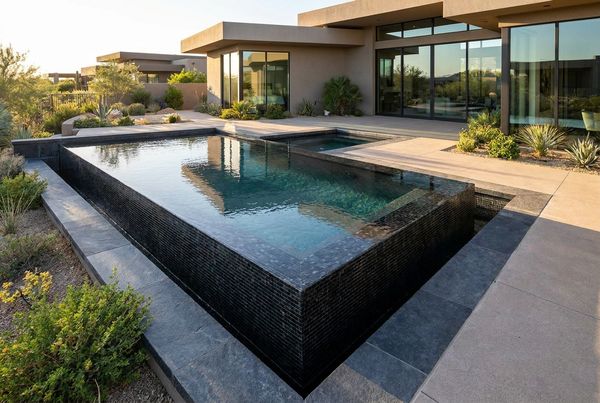
Gunite is the most expensive of the mainstream pool types, and the range is wide because "custom" means the number is driven by your choices. Most gunite pools start around $65,000 and commonly land in the $80,000–$120,000+ range installed, with elaborate builds — vanishing edges, extensive stonework, full-tile interiors, integrated spas and fire features — climbing well beyond that. The base shell is only part of the story; features, finish, decking, and site conditions do most of the moving.
| Build type | What you get | Typical 2026 range* |
|---|---|---|
| Entry gunite pool | Standard shape, plaster finish, basic decking | $65k–$85k |
| Mid-range custom | Custom shape, quartz/pebble finish, spa or ledge | $85k–$120k |
| High-end custom | Vanishing edge, grotto, glass tile, full feature set | $120k+ |
| Build time | Excavation to first swim | 8–16 weeks |
*Ballpark U.S. ranges; region, site access, features, and finish move the number substantially. See the full breakdown in our inground pool cost guide.
The biggest cost swings come from features and finish, not the raw shell. A vanishing edge requires a second catch basin and extra plumbing; a grotto or boulder waterfall is real stonework; a full glass-tile interior can rival the cost of the shell itself. Decking, coping, and landscaping then layer on top. If you're budgeting, decide which one or two features you truly want and spend there, rather than spreading a little across everything.
Choosing an interior finish
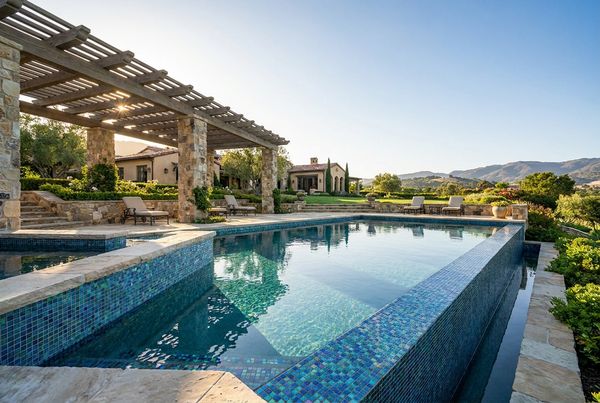
The interior finish is the coating over the shell, and it sets the water color, the feel underfoot, and how long the surface lasts before it needs redoing. It's the single most impactful choice you'll make after the shape itself:
| Finish | Look & feel | Lifespan | Relative cost |
|---|---|---|---|
| Plaster | Classic smooth finish; light water color | ~7–15 yrs | $ |
| Quartz | Plaster fortified with quartz; richer color, tougher | ~10–20 yrs | $$ |
| Pebble | Pebble aggregate; natural, durable, deep water tones | ~15–25 yrs | $$$ |
| Glass tile | Full-tile luxury interior; transforms the look entirely | Very long | $$$$ |
- Plaster is the classic and most affordable finish, but it's the softest surface and has the shortest lifespan.
- Quartz is plaster fortified with quartz aggregate — more durable, more stain-resistant, and richer in color for a modest step up in price.
- Pebble uses exposed pebble aggregate for the most durable, natural-looking surface, and it's behind the trendy dark, reflective water everyone wants right now.
- Glass tile interiors are the luxury tier — a full tiled shell completely transforms the look and reflects light beautifully, at a cost that can approach the shell itself.
What we think
If your design is standard and you care about value and speed, fiberglass usually wins. But if you have a specific custom vision — an unusual shape, a vanishing edge, a grotto, a serious deep end — gunite is the only material that delivers it, and it's worth the premium to get exactly what you pictured. Spend up on the finish (quartz or pebble over basic plaster); it's the surface you'll see and touch every day, and it lasts longer, so the up-front cost pays back in years between resurfacing jobs.
Durability, resurfacing & lifespan
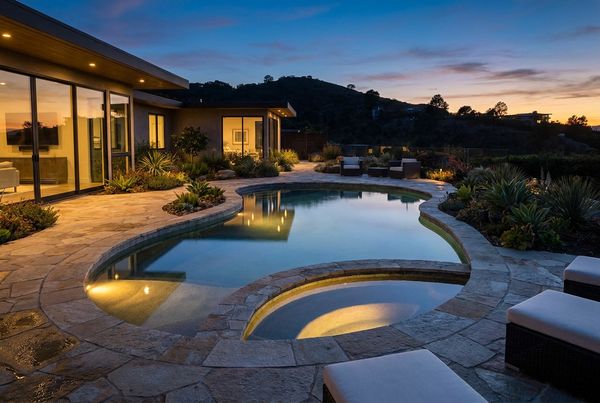
Durability is where gunite quietly justifies its price. The sprayed concrete shell is a monolithic, rock-solid structure that routinely lasts 50 years or more — it's the longest-lasting pool structure you can build, and it's a genuine selling point when the home changes hands. The shell isn't the part that wears out; the interior finish is.
Think of the finish as the wear layer. Plaster, quartz, and pebble each slowly break down against water chemistry, sun, and use, and eventually you resurface — drain the pool, prep the old finish, and apply a fresh coat. That typically happens every 10–20 years depending on the material and how well the water was balanced (pebble on the long end, plaster on the short end). Tile and coping may also need occasional attention over the decades. This ongoing maintenance is real and worth budgeting for, but it's predictable, and it's the trade for owning a structure that essentially never needs replacing. Keeping your water chemistry balanced is the single biggest thing you can do to stretch the years between resurfacing.
Gunite vs. fiberglass
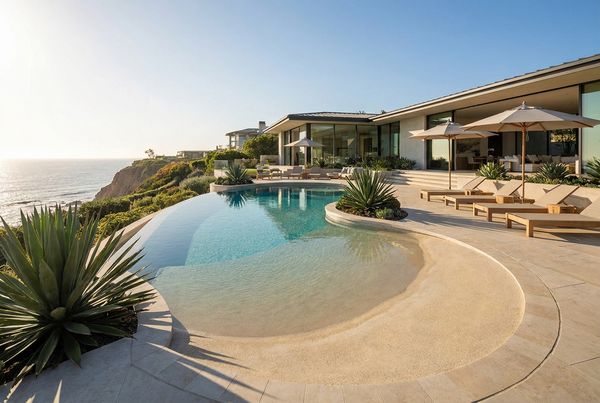
This is the comparison most buyers actually wrestle with. Both are excellent inground pools; they simply optimize for different things.
| Gunite (concrete) | Fiberglass | |
|---|---|---|
| Design freedom | Any shape, size, depth | Manufactured shapes only |
| Install time | 8–16 weeks | 2–4 weeks |
| Upfront cost | Higher ($65k–$120k+) | Lower ($55k–$90k) |
| Surface | Textured finish; more brushing | Smooth gelcoat; fewer chemicals |
| Custom features | Unlimited | Limited to molded features |
| Structure lifespan | 50+ years | Very long; gelcoat may refinish |
The short version: fiberglass wins on value, speed, and low-maintenance ownership for a standard shape, while gunite wins any time your design demands something custom — a unique shape, a vanishing edge, a grotto, a true deep end, or a footprint no mold can match. Neither is "better" in a vacuum; the right answer is dictated by your design and your priorities. For the full side-by-side, read our fiberglass pools guide and weigh both against your budget in the inground pool cost guide.
Living with a gunite pool: upkeep & chemistry
Owning a concrete pool is not hard, but it is a little more hands-on than a fiberglass shell, and the difference comes down to the finish. Plaster, quartz, and pebble are all mildly porous, so they give algae a touch more to hold onto and the water a surface to react with. In practice that means a bit more brushing and a slightly closer eye on chemistry — nothing exotic, just a steady weekly rhythm. The payoff for that small extra effort is a finish that lasts and a shell that essentially never wears out.
The single most valuable habit is keeping your water balanced, because it directly controls how long you go between resurfacing jobs. Aggressive or swinging pH slowly etches plaster; high calcium leaves scale. A reliable pool test kit and a consistent routine are what protect your finish investment. Most gunite owners lean on automation to carry the load — a good robotic cleaner handles the brushing and vacuuming, and if you'd rather not manage tablets, a salt system keeps chlorine steady on its own. Dial in your filtration with our pump run time calculator and the day-to-day workload stays small.
Choosing a gunite builder (and avoiding the pitfalls)
Here's the truth nobody selling you a pool leads with: a gunite pool is only as good as the crew that shapes it. Because everything is built by hand on-site, the variation between an excellent builder and a mediocre one is enormous — and unlike a factory shell, there's no quality control but the people at your house. The most expensive mistakes I see all trace back to hiring on price alone: a lip that isn't level, a shell that wasn't cured properly, plumbing roughed in wrong before the concrete locked it in place forever.
So vet hard. Ask any prospective builder for a portfolio of finished custom work like yours — not stock photos — and ideally visit a pool they built a few years ago to see how it aged. Confirm they handle the structural engineering for anything ambitious (a vanishing edge, a raised spa, a slope), pull proper permits, and stage the build in the right order. And don't forget the code items that aren't optional: most jurisdictions require a compliant safety barrier before you can swim, so read up on pool fencing early. Start your search with our pool builder near me guide, and lock in your design from the pool design ideas hub before you take bids so you're comparing the same scope.
Is a gunite pool worth it?
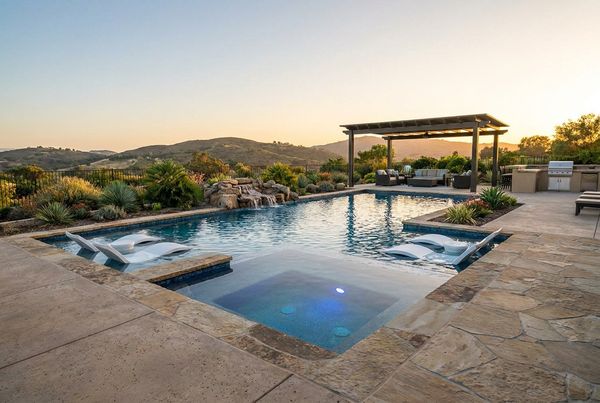
If you have a specific vision, gunite is absolutely worth it — it's the only material that will build exactly what you pictured, and it does it in a structure that lasts a lifetime. The premium you pay buys unlimited design, every feature on the menu, and a shell your grandkids could still be swimming in. For a magazine-cover pool, there's simply no substitute.
If your design is standard, though, be honest with yourself before you commit. You may be paying a real premium for freedom you won't use, when a factory shell would get you swimming faster with less upkeep. Our advice: lock in the one or two custom features that genuinely matter to you, spend your finish budget on quartz or pebble since it's the surface you'll touch every day, and choose a builder with a portfolio of real custom work — a gunite pool is only as good as the crew shaping it. Start with our pool builder near me guide, then browse the full pool design ideas hub to sharpen your vision before you break ground.
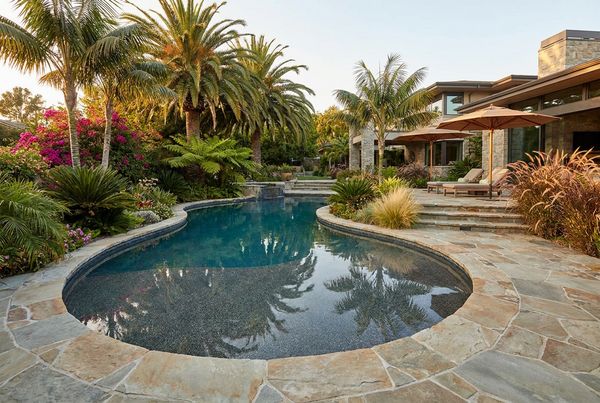
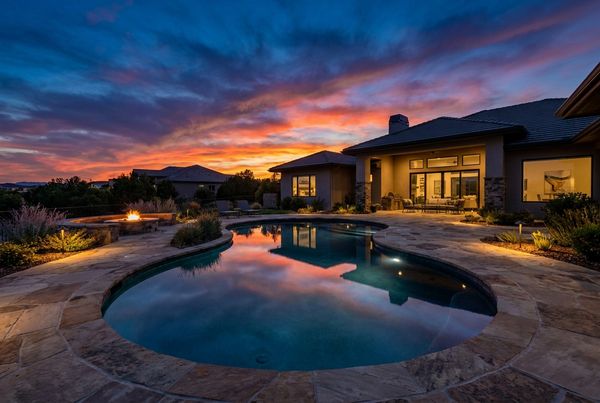
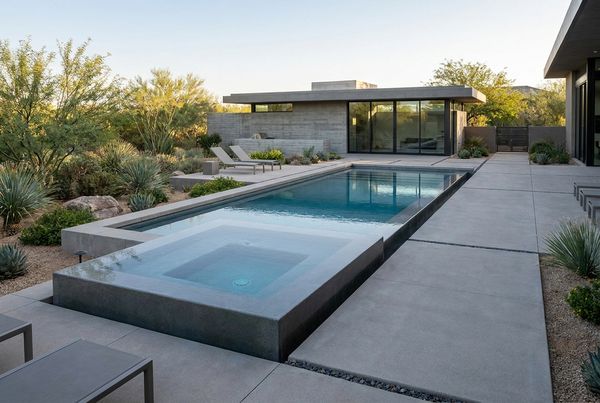
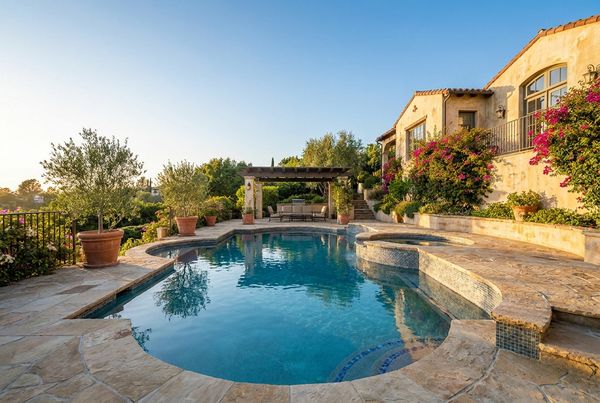
Design Gallery
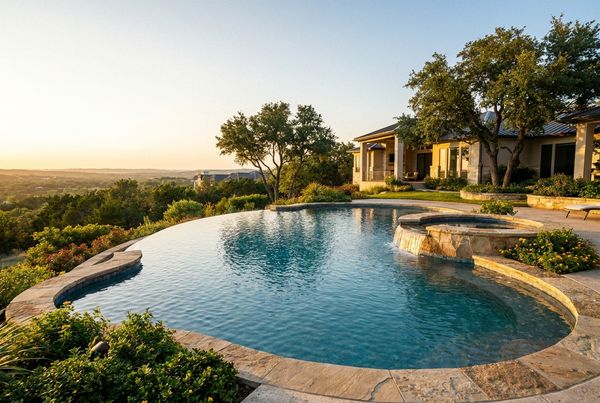
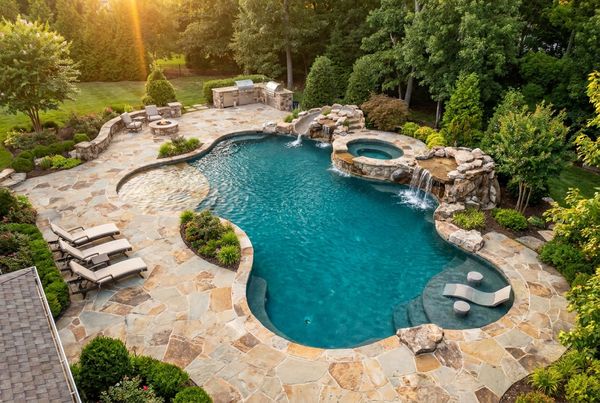
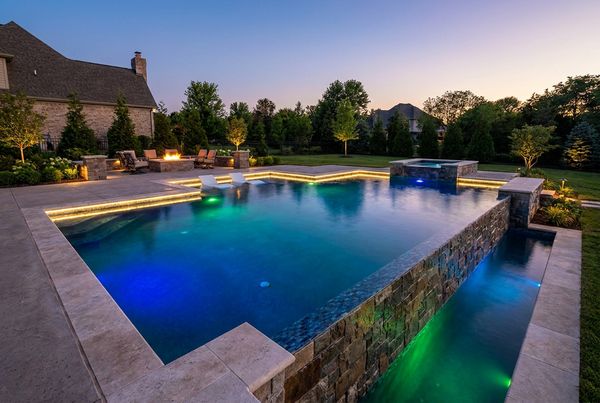
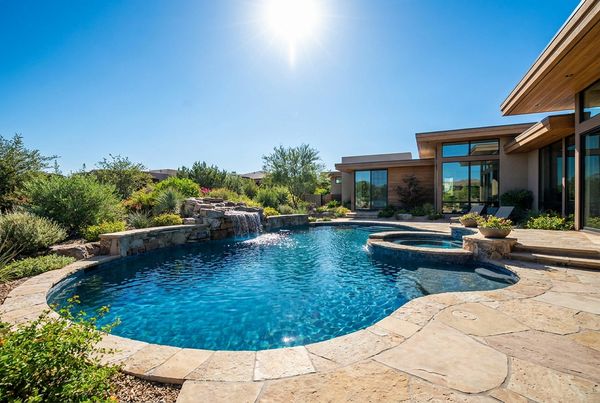
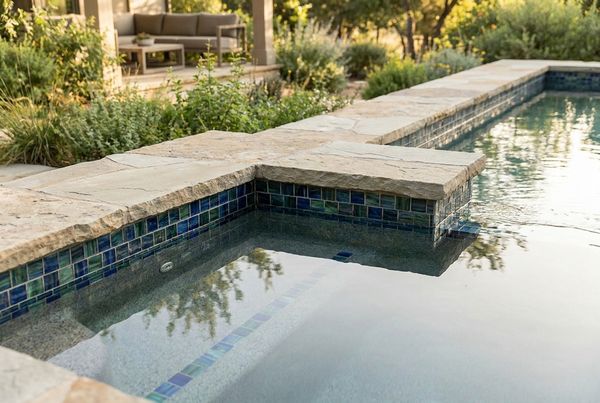
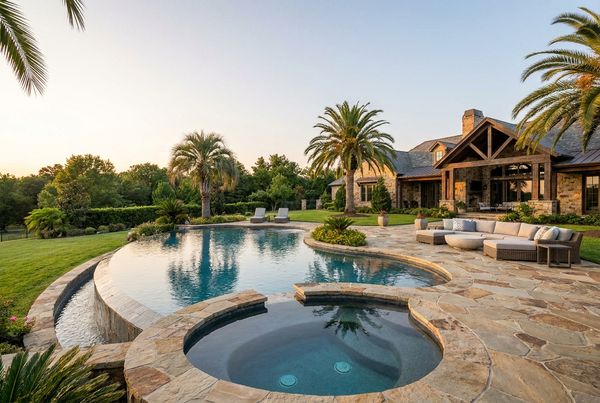
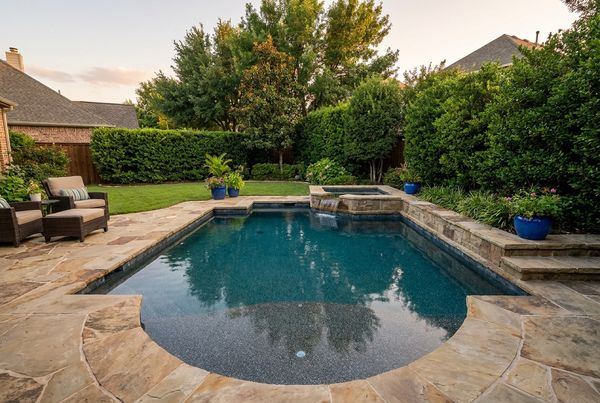
17 more ideas to save — tap any photo to view full screen.

Kelly E.
Pool Design Editor, PoolPad
Kelly has spent 10+ years around residential pools — planning projects, testing gear, and documenting backyard builds for PoolPad. Each design guide is checked against current construction methods and material pricing.
Frequently Asked Questions
What is a gunite pool?
How much does a gunite pool cost?
How long does a gunite pool last?
What's the difference between gunite and shotcrete?
Is gunite or fiberglass better?
How long does it take to build a gunite pool?
Do gunite pools need more maintenance than fiberglass?
Can a gunite pool be a saltwater pool?
What finish is best for a gunite pool?
How often does a gunite pool need resurfacing?
Ready to build your dream backyard?
Compare local, vetted pool builders and get matched with pros who can bring these designs to life.
Find a Pool Builder Near You