



Key Takeaways
- Most inground pools cost $55,000–$120,000 installed in 2026; the national average lands near $75,000.
- Fiberglass is fastest and lowest-maintenance, vinyl-liner is cheapest up front, and gunite/concrete is the most customizable (and priciest).
- Budget an extra 20–40% beyond the pool shell for decking, landscaping, fencing, and equipment upgrades.
"How much does an inground pool cost?" is the question every backyard project starts with — and the honest answer is it depends. But it depends on a predictable set of things: the material, the size, the features, and your site. This guide breaks the number down line by line so you can build a realistic budget before you ever call a builder, and spot the extras that quietly push the total higher.
The short answer
In 2026, most inground pools cost $55,000 to $120,000 installed, with a national average near $75,000. Where you land depends mostly on which of the three pool types you choose, how big you go, and how far the extras stretch beyond the pool itself. A simple vinyl rectangle in a flat, easy-access yard can come in well under the average; a fully custom gunite pool with a spa, waterfalls, and a travertine deck can double it.
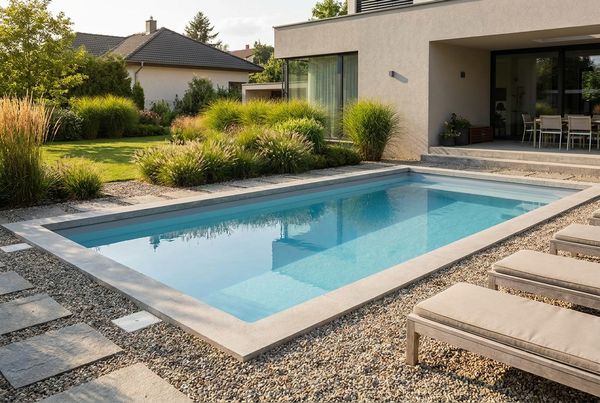
| Pool type | Typical installed cost | Build time | Best for |
|---|---|---|---|
| Vinyl-liner | $45,000–$70,000 | 3–6 weeks | Lowest upfront cost |
| Fiberglass | $55,000–$90,000 | 2–4 weeks | Low maintenance, fast install |
| Gunite / concrete | $65,000–$120,000+ | 8–16 weeks | Fully custom shapes & features |
Treat these as starting points, not quotes. The same pool can vary by tens of thousands of dollars depending on your region's labor rates, your soil, and how finished you want the backyard around it.
Cost by material, explained
The single biggest driver of your bottom line is which of the three construction types you pick. Each has a different price, timeline, and long-term ownership story.
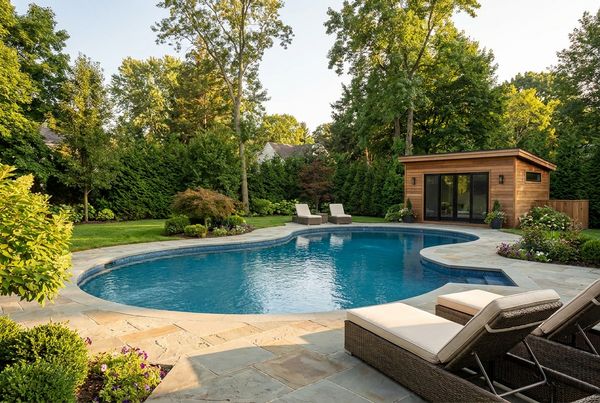
Vinyl-liner pools have the lowest sticker price. A steel or polymer wall frame is set, then a custom vinyl liner is fitted inside. The trade-off: the liner is a wear item that needs replacing roughly every 7–12 years (usually $4,000–$6,000), so factor that recurring cost into long-term ownership. They're a smart choice for cooler climates and budget-focused builds.
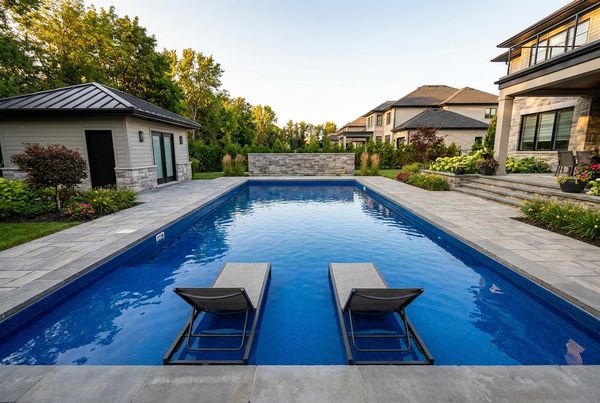
Fiberglass pools arrive as a pre-molded shell and drop into place, so installs are fast — often two to four weeks — and the smooth gelcoat surface resists algae and needs fewer chemicals. The catch is that shapes and sizes are limited to what's manufactured, and very large shells are hard to transport. For most families they're the best value over time. If a manufactured shape works for your yard, start with our guide to fiberglass pools.
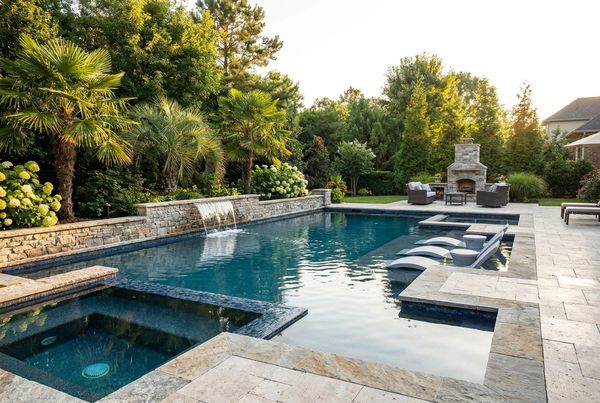
Gunite/concrete pools are sprayed and shaped on-site, so they can be any shape, depth, or size, with vanishing edges, tanning ledges, and attached spas. That customization is why they cost the most and take the longest — but they're also the most durable and can last decades with resurfacing. See our full breakdown of gunite pools if a custom shape is non-negotiable.
What drives the price up
Two pools of the same type can differ by $40,000 depending on a handful of variables. These are the levers that move the number most.
- Size & depth — more water and more digging equals more money. This is the biggest single lever, and going a size smaller is often the fastest way to save.
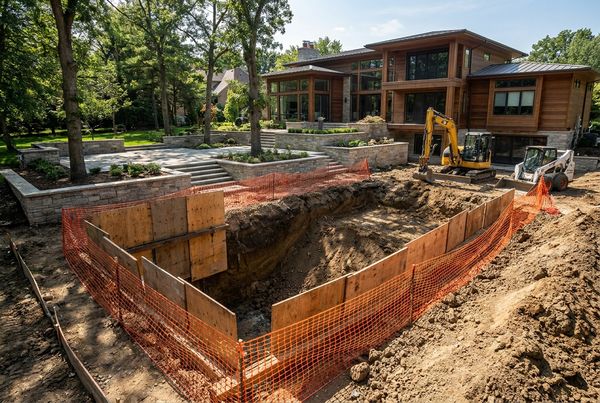
- Site conditions — rock, high water tables, poor access, or a sloped lot can add thousands in excavation and retaining work.
- Features — spas, tanning ledges, waterfalls, deck jets, and automation each add up fast, and they compound.
- Finish & tile — pebble and quartz finishes and glass tile cost more than standard plaster, but they also last longer.
- Region & season — labor rates and demand vary widely by market and time of year; building in the off-season can shave costs.
What we tell friends
Two things: get the all-in number, not the shell price — decking, fencing, and landscaping are where budgets blow up, so add 20–40% before you fall in love. And spend on the bones, not the toys: an efficient variable-speed pump, a quality finish, and good decking pay you back for 20 years, while trend features can wait. For a standard shape, fiberglass is usually the best value; for a custom vision, gunite is worth the premium.
The hidden costs most quotes leave out
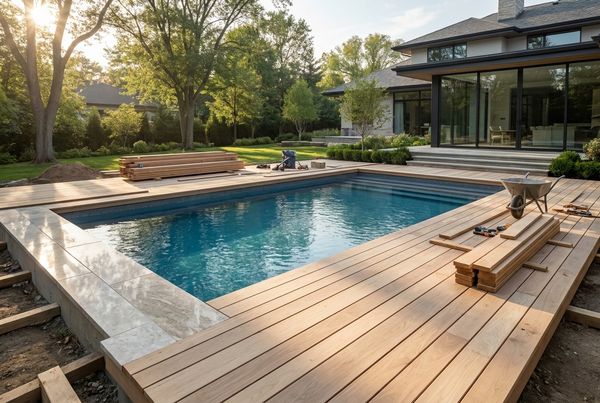
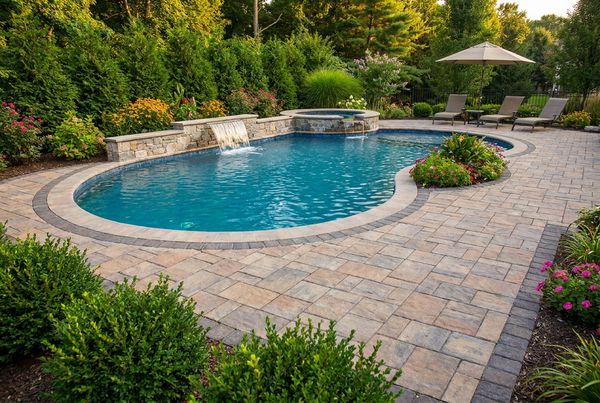
A base pool quote is rarely the all-in number. The shell price gets you a hole in the ground with water in it — turning that into a finished backyard is where an extra 20–40% hides. Budget for these from day one so they don't feel like surprises.
| Item | Typical add-on cost |
|---|---|
| Decking (see deck ideas) | $5,000–$20,000+ |
| Fencing / safety barrier | $1,500–$10,000 |
| Landscaping (see landscaping ideas) | $3,000–$20,000+ |
| Heater | $2,000–$5,000 |
| Automation & lighting | $1,500–$5,000 |
| Permits, electrical & fill water | $1,000–$4,000 |
Fencing in particular is easy to overlook — most jurisdictions require a code-compliant safety barrier before the pool can be used, so it isn't optional. Landscaping to repair the yard the excavator tore up is another near-certainty. Add it all together and a $75,000 shell can realistically become a $95,000–$105,000 project.
How to lower the cost
You have more control over the final number than most first-time buyers realize. The savings come from decisions made before construction starts, not from cutting corners on the equipment that keeps the pool running.
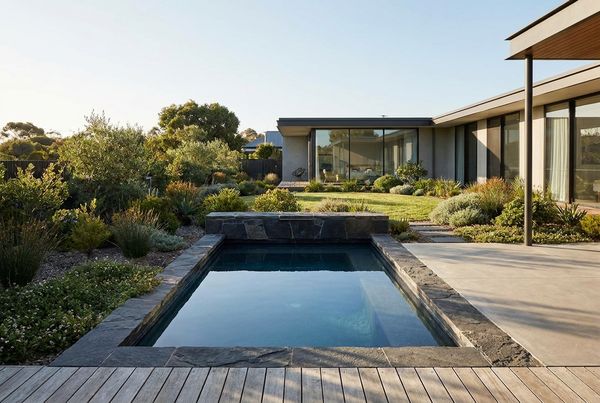
- Go smaller or simpler. A plunge or cocktail pool can cost half of a full-size build, and a compact small pool often suits a modern yard better anyway.
- Choose fiberglass or vinyl if custom shapes aren't a priority — you keep most of the enjoyment at a lower price.
- Phase the extras. Build the pool now; add the outdoor kitchen, pergola, or premium landscaping later as budget allows.
- Get 3+ quotes. Pricing varies enormously between builders for the same scope. Our pool builder near me guide walks through how to compare them fairly.
- Build in the off-season. Many builders discount to keep crews busy in slower months.
Ongoing and annual costs
The purchase price is only half the story. Owning a pool typically runs $1,200–$3,600 per year in chemicals, electricity, water, and routine maintenance — more if you heat it year-round or run an inefficient single-speed pump.
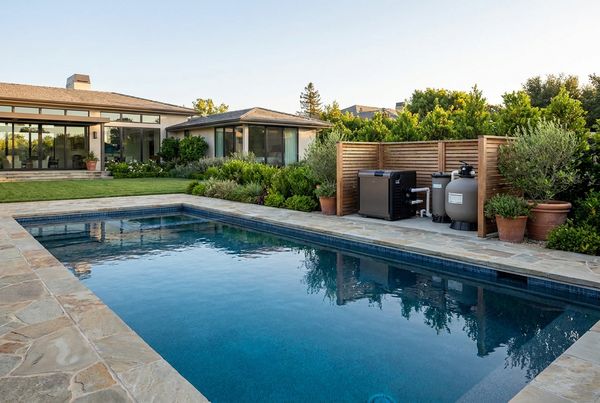
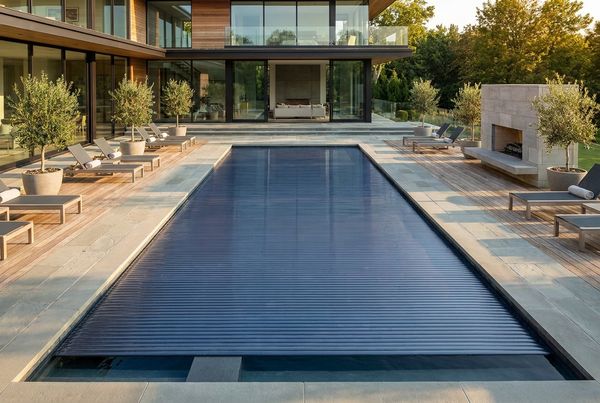
The biggest lever on that annual figure is the equipment you buy at build time. A variable-speed pump can cut pumping energy costs dramatically versus an old single-speed unit, and it usually pays for itself within a few seasons. Automated chemical dosing and a robotic cleaner reduce both chemical use and your weekend labor. If you plan to heat the pool, an automatic cover is the single most effective way to hold heat and slash evaporation. Spend a little more on efficiency at construction and you'll spend less every month for the life of the pool.
Financing an inground pool
Most homeowners don't pay cash for a pool, and the way you finance it changes the true cost more than most people expect. The main routes:
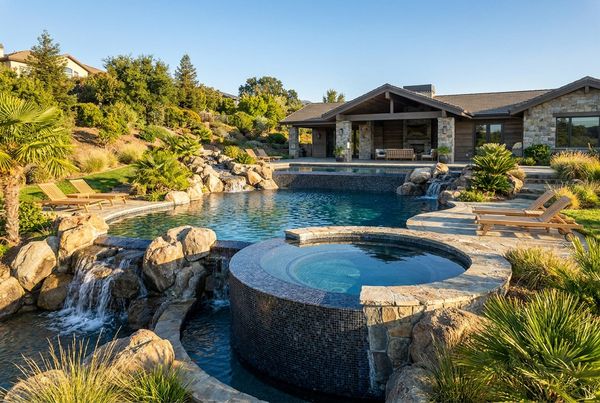
- Home equity loan or HELOC — secured by your home, so rates are usually the lowest. Best if you have equity and want predictable payments.
- Cash-out refinance — folds the pool into your mortgage; can make sense if you're refinancing anyway, less so if your current rate is low.
- Unsecured pool loan — offered by specialty lenders and often arranged through the builder. Fast and no home lien, but higher interest.
- Builder financing — convenient one-stop packages; always compare the rate against an outside lender before signing.
The rule of thumb: secured, home-backed borrowing costs the least over time, while unsecured loans buy speed and simplicity at a premium. Whatever you choose, price the pool on the total repaid, not the monthly payment.
Cost by size, roughly
Material gets most of the attention, but size is the biggest single lever on the final number — every extra foot of pool is more excavation, more concrete or a larger shell, more water, more surface to finish, and more decking to wrap around it. As a rough mental model, a small pool (think a plunge or a compact 10×20 footprint) often lands well under the averages here, a mid-size family pool (around 14×28 to 16×32) sits squarely in the typical range, and a large or resort-scale pool climbs toward the top and beyond once you add depth and features.
The practical takeaway I give everyone: going one size down is usually the fastest way to save real money without giving up much enjoyment, and a well-designed small pool or plunge pool often suits a modern yard better than a big rectangle that eats the whole lot. Depth matters too — a deep end adds excavation and water volume for a feature many families rarely use. Before you settle on dimensions, it's worth running your intended size through our pool volume calculator so you can picture the water (and the chemicals and heating that come with it) you're signing up for.
What to expect during the build
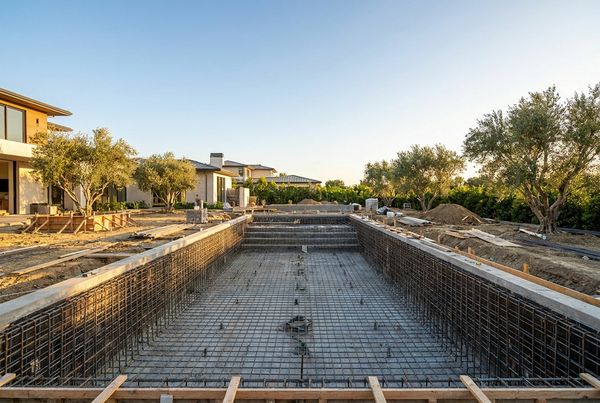
Budget shocks usually come from the parts of the process nobody warned you about, so here's the honest arc of a build. After you sign, there's a stretch of design, permitting, and scheduling before a shovel touches the ground — this can take weeks and varies wildly by jurisdiction. Then excavation, and this is where the first surprises live: if the digger hits rock, a high water table, or has to fight poor access, the change orders start, and they're rarely small. Ask your builder up front how they handle these, because "we'll see what we find" is a budget risk.
From there the timeline depends entirely on material — fiberglass can be swimmable in two to four weeks, while a custom gunite build runs 8–16 weeks with a real curing wait built in. Payments are typically staged against milestones, so line those up against your financing. And plan for the "last 20%" — the decking, fencing, and landscaping that turn a filled hole into a finished backyard almost always arrive after the pool itself and are where budgets quietly overrun. The fix is the same one I repeat throughout this guide: get the all-in number before you fall in love, and vet your builder hard with our pool builder near me guide.
Resale value and return on investment
A pool is first a lifestyle purchase and only second an investment — and it's important to be clear-eyed about that. An inground pool rarely returns 100% of its cost at resale.
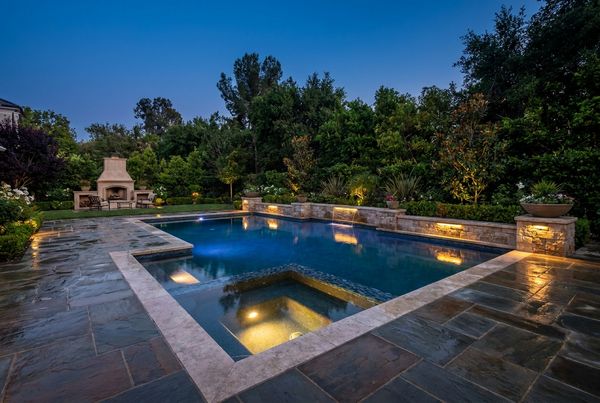
Where a pool does add value is in warm-climate markets where a pool is expected — parts of the Sun Belt, for example — and where the design suits the home and neighborhood. In a cold-winter market, or on a lot where the pool crowds out the whole yard, it can be neutral or even a drag on some buyers. The pools that hold value are well-built, well-maintained, and appropriately scaled: not the biggest or the most extravagant, but the ones that look like they belong. Build for how you'll use it, choose durable finishes and efficient equipment, and the resale question mostly takes care of itself.
Ready to price your specific project? Compare vetted local builders below, browse the rest of our pool design ideas to lock in the design before you get quotes, and lean on our pool builder near me guide to vet the pros who'll bid it.
Design Gallery
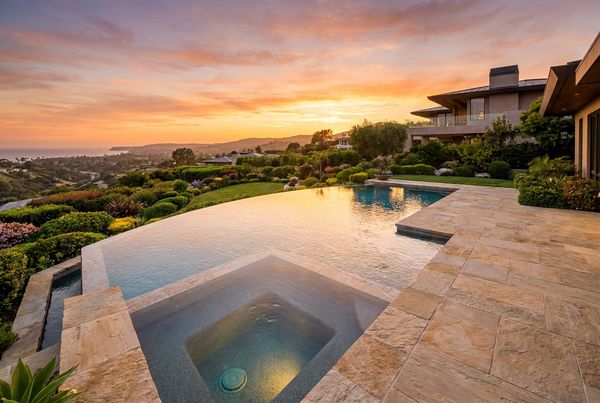
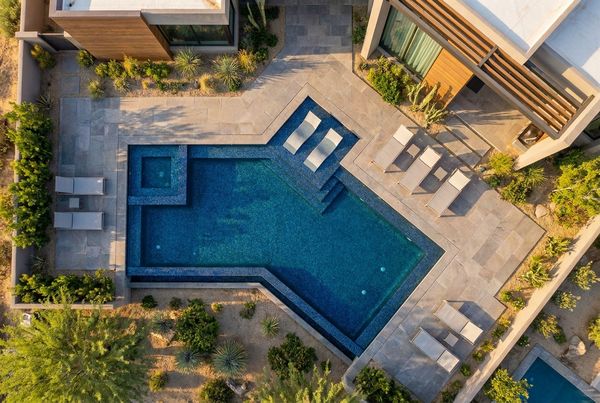
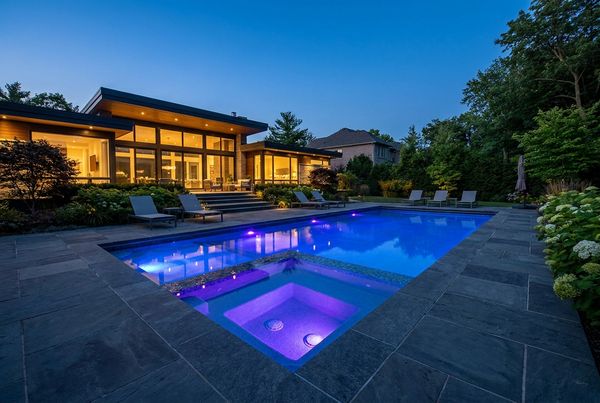
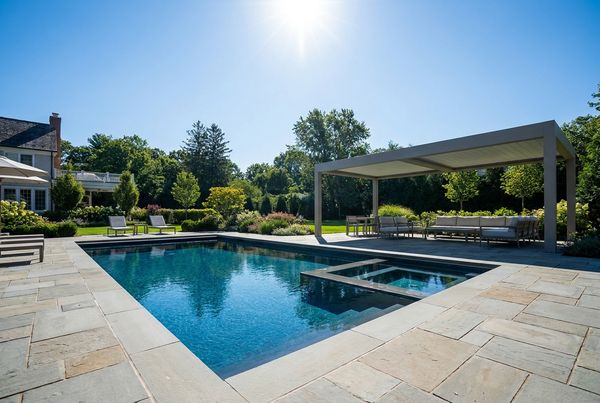
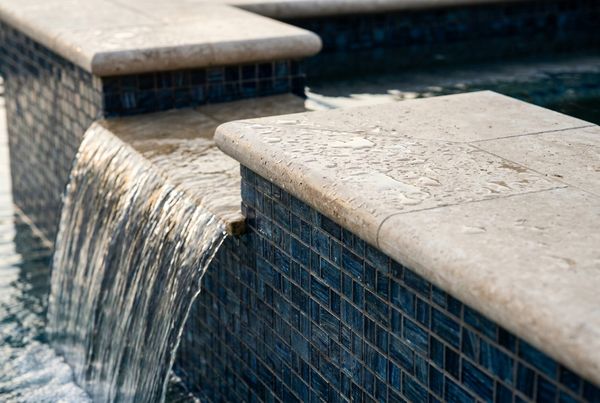
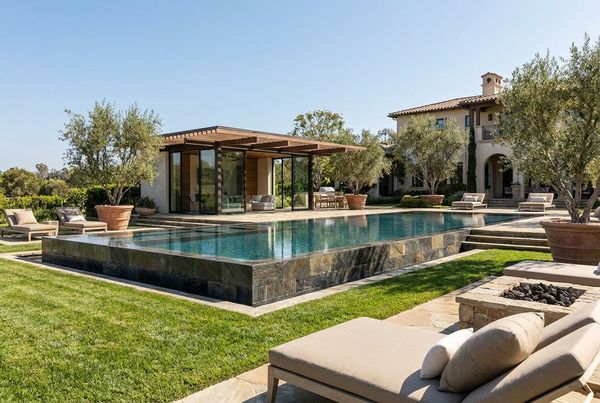
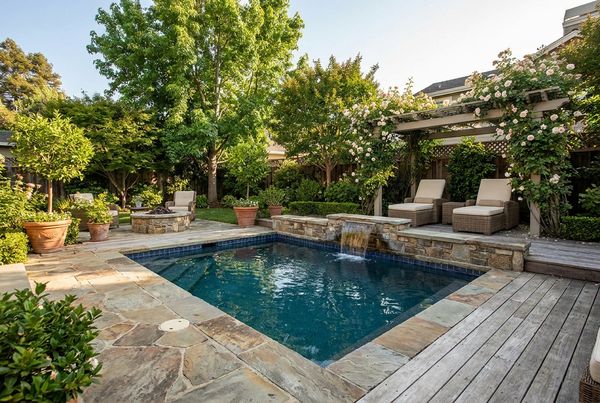
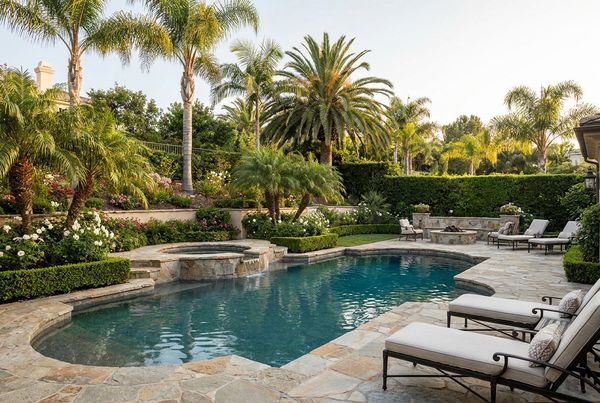
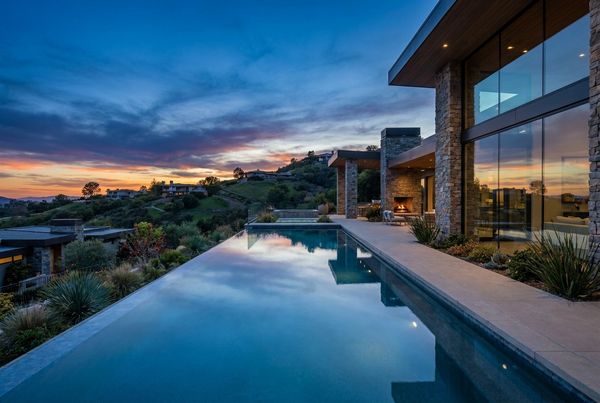
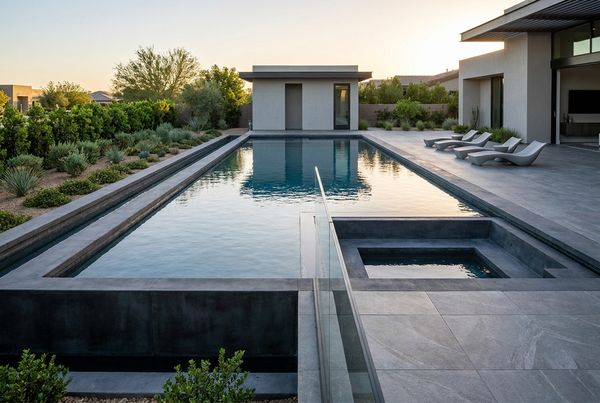
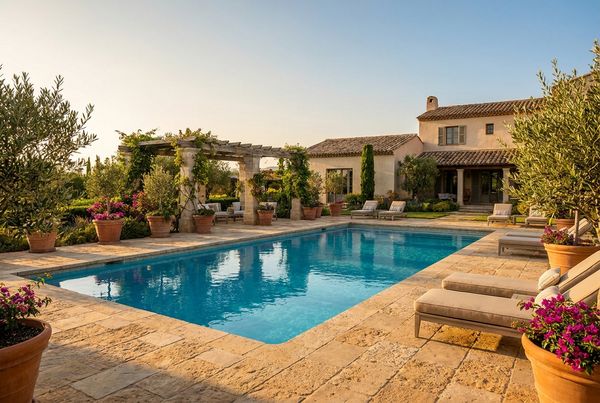
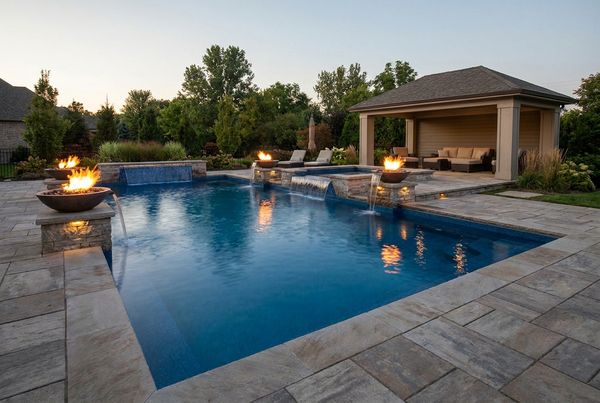
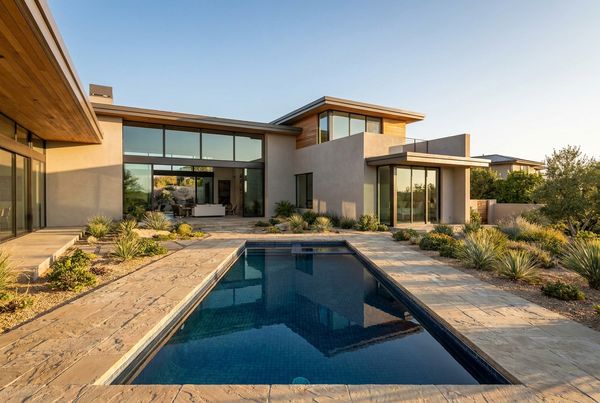
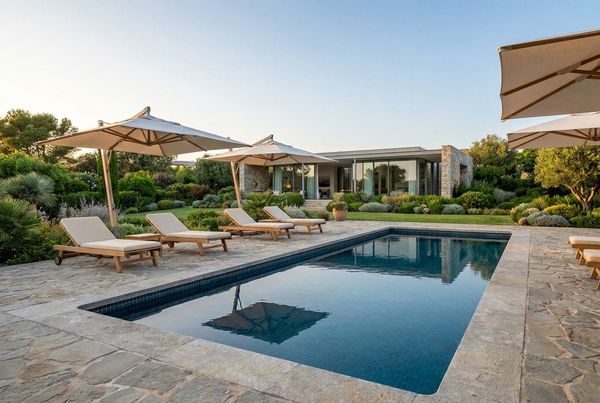
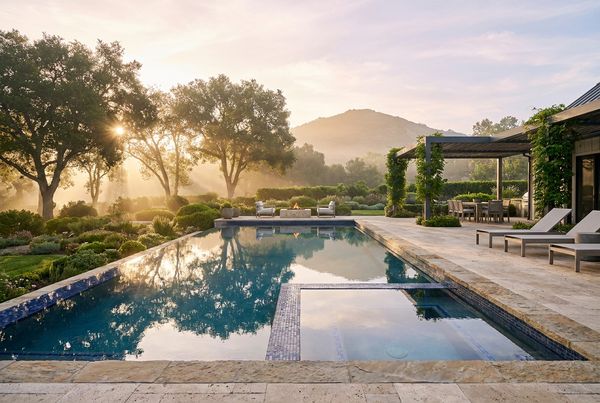
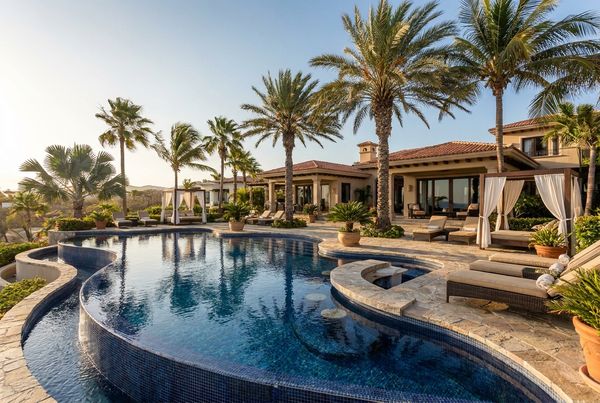
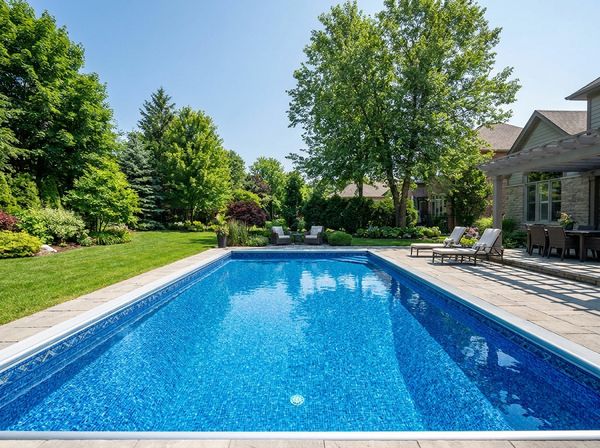
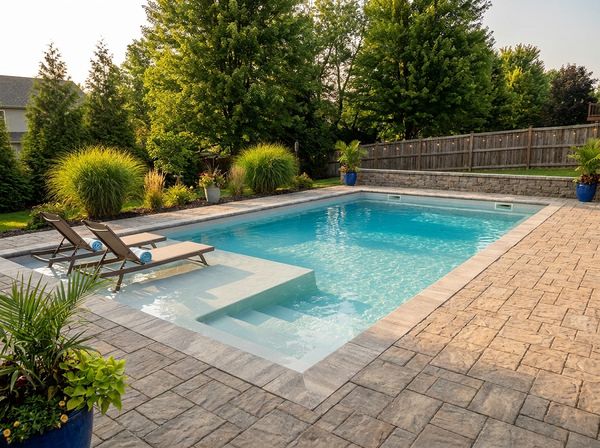
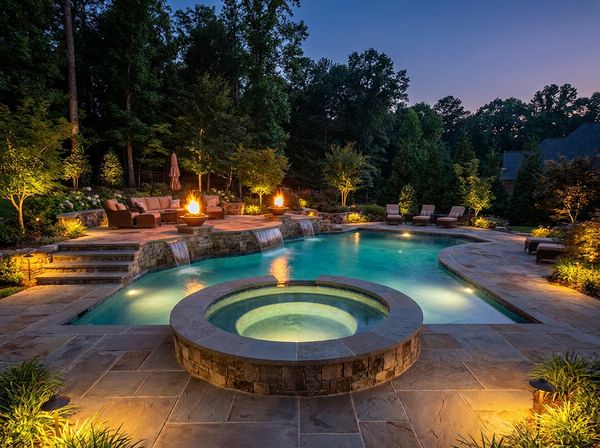
20 more ideas to save — tap any photo to view full screen.

Kelly E.
Pool Design Editor, PoolPad
Kelly has spent 10+ years around residential pools — planning projects, testing gear, and documenting backyard builds for PoolPad. Each design guide is checked against current construction methods and material pricing.
Frequently Asked Questions
How much does an inground pool cost in 2026?
What is the cheapest type of inground pool?
Why are gunite (concrete) pools more expensive?
What hidden costs should I budget for?
Does an inground pool add value to my home?
How can I finance an inground pool?
What is the cheapest way to get an inground pool?
How much does it cost to run a pool per year?
How much does pool decking add to the cost?
Ready to build your dream backyard?
Compare local, vetted pool builders and get matched with pros who can bring these designs to life.
Find a Pool Builder Near You