




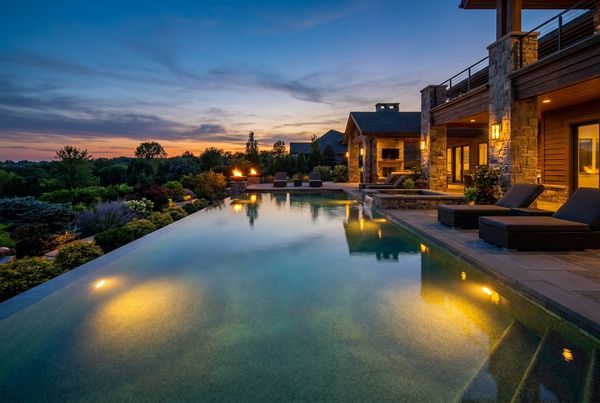
Key Takeaways
- A saltwater pool is still a chlorine pool — a salt-chlorine generator makes chlorine on-site from dissolved salt, so you're not hauling and dosing chlorine by hand.
- The payoff is softer-feeling water, milder chlorine, and lower ongoing chemical costs; the trade-offs are a higher upfront system cost and being mindful of corrosion.
- Expect roughly $1,000–$2,500 to add a salt system to a new build or convert an existing pool — most of that is the generator and cell.
If you've ever climbed out of a heavily chlorinated pool with stinging eyes and dry, tight skin, saltwater is the fix everyone whispers about. Here's the part most people miss: a saltwater pool is still a chlorine pool — it just makes its own chlorine from salt, on-site, at a gentler level. This guide walks through how the system actually works, what it costs to build or convert, how you maintain the salt cell, and whether that softer water is worth the upfront premium.
What is a saltwater pool?
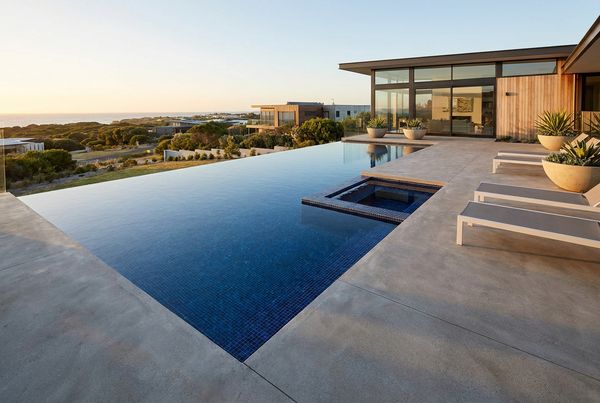
The single most common misconception is that a saltwater pool has no chlorine. It does — it's just that you're not the one adding it. A saltwater pool dissolves a modest amount of ordinary pool salt into the water, and a device called a salt-chlorine generator continuously converts that salt into chlorine as the water circulates. The result is a steadily sanitized pool with far less hands-on chemical dosing.
The salt level is low — a fraction of ocean salinity — so the water tastes only faintly salty, closer to a teardrop than the sea. You're not swimming in brine; you're swimming in chlorinated water that happens to carry a gentle salt content, which is exactly what gives it that softer, silkier feel. Whether your shell is gunite or fiberglass makes no difference to how a salt system runs — it's a sanitizing method, not a pool type, and it can be added to almost any new build or existing pool.
How a salt-chlorine generator works
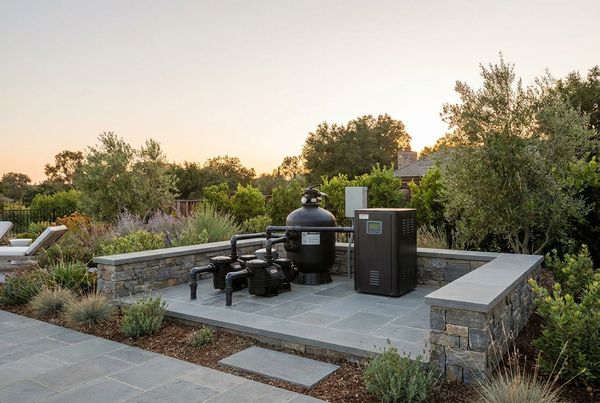
The magic happens in two simple parts, both living on your equipment pad. The first is the salt cell — a clear housing with a stack of coated metal plates, plumbed inline after your filter so all the circulating water passes through it. The second is the controller, a wall-mounted box that powers the cell and lets you dial production up or down.
When the pump runs, the controller sends a low-voltage current across the cell's plates. That current splits the dissolved salt (sodium chloride) in the passing water, releasing chlorine directly into the flow through a process called electrolysis. That freshly generated chlorine sanitizes the pool just like chlorine from a tablet would — then, remarkably, much of it recombines back into salt, so the salt is used over and over rather than consumed. You top off salt only occasionally, mostly to replace what's lost to splash-out, backwashing, and rain overflow. In practice, your daily job shrinks to almost nothing: the system quietly makes chlorine every time the pump cycles, and you just check the water and adjust the dial with the seasons.
Saltwater vs. traditional chlorine
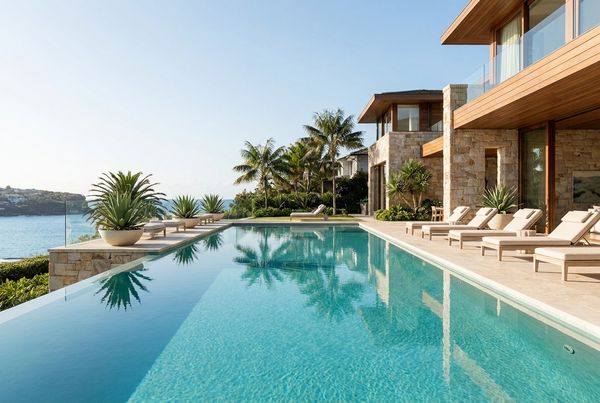
Both systems sanitize with chlorine; they differ in how that chlorine gets into the water and how the experience feels. A traditional chlorine pool relies on you adding tablets, liquid, or granular chlorine on a schedule, which tends to swing the chlorine level up and down. A salt system trickles chlorine in continuously, holding it at a steadier, milder level — which is exactly why the water feels softer and smells less harsh.
| Saltwater (salt system) | Traditional chlorine | |
|---|---|---|
| Chlorine source | Generated on-site from salt | Added by hand (tablets/liquid) |
| Water feel | Softer, silkier, less harsh | Can feel harsh at high doses |
| Daily chemical handling | Minimal | Regular dosing |
| Upfront cost | Higher (system + salt) | Lower (no generator) |
| Ongoing chemical cost | Lower over time | Higher (buying chlorine) |
| Main wear item | Salt cell (~3–7 yrs) | None comparable |
The honest summary: salt costs more up front and less to run, and it trades the chore of hauling and dosing chlorine for the occasional job of cleaning and eventually replacing a cell. Neither is "healthier" in a sanitation sense — both keep water safe with chlorine — but salt tends to be gentler on skin, eyes, and swimsuits day to day.
What a saltwater pool costs
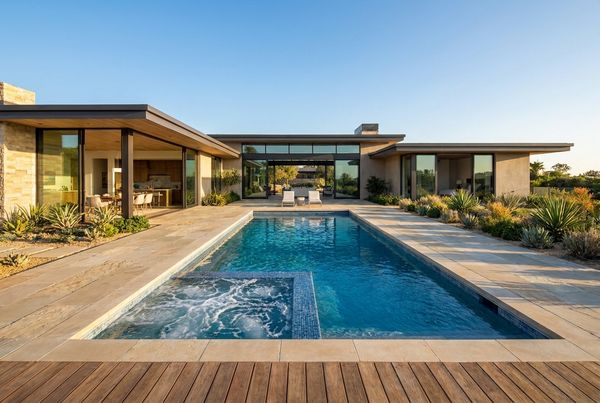
Here's the key framing: the pool itself doesn't cost more because it's saltwater. A gunite or fiberglass shell costs what it costs; salt is simply an equipment choice layered on top. Budget the pool using our inground pool cost guide, then add the salt system as a separate line.
| Item | What it covers | Typical 2026 range* |
|---|---|---|
| Salt-chlorine generator | Controller + salt cell, installed | $900–$2,000 |
| Initial pool salt | Several hundred pounds to start | $50–$200 |
| Total system add-on | Generator, salt, install labor | $1,000–$2,500 |
| Replacement salt cell | Cell only, every ~3–7 yrs | $300–$900 |
*Ballpark U.S. ranges; system size (rated for your pool's gallons), brand, and local labor move the number. Sizing up the generator for a larger pool costs more.
The most important spec is sizing. A salt cell is rated for a maximum pool volume, and it's worth buying one rated well above your pool's gallons — an oversized cell runs less often to make the same chlorine, which means it lasts longer and keeps up easily in peak summer heat. Undersizing to save a little up front is a false economy.
Cost to convert an existing pool
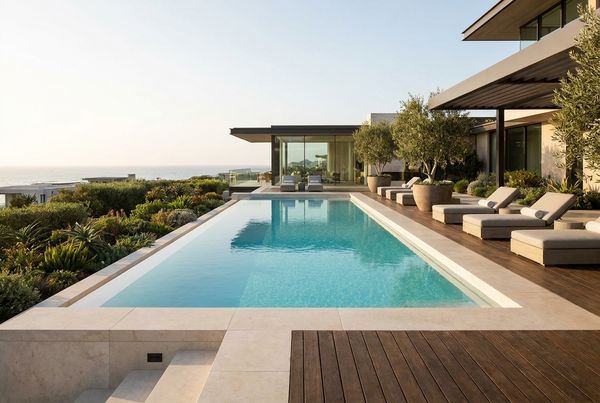
If you already own a chlorine pool, converting is one of the more satisfying upgrades you can make, and it's simpler than most people expect. There's no need to drain the pool or touch the shell. Converting typically costs $1,000–$2,500 — essentially the price of the salt-chlorine generator plus a few hundred pounds of pool salt and the labor to install it.
The work itself is modest: a pro plumbs the salt cell into the return line after your filter and heater, mounts and wires the controller, then pours in salt and lets it dissolve and circulate. If your equipment pad has power and a little room nearby, the whole job is often done in a few hours. Because a conversion doesn't disturb the pool structure, it pairs naturally with other upgrades — many owners fold it into a broader pool remodel, adding a salt system at the same time they refresh the finish, add water features, or update lighting.
Maintenance & the salt cell
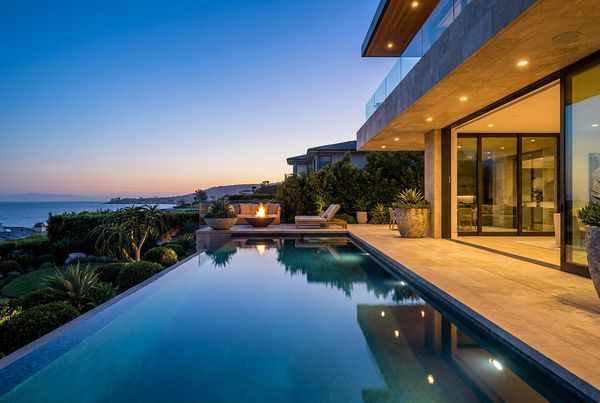
Saltwater doesn't mean maintenance-free — it means different maintenance, mostly lighter. The system makes chlorine automatically, so your day-to-day chemical dosing nearly disappears. What replaces it is a short list of periodic checks:
- Salt level. Keep it in the range your generator specifies; top off after heavy rain, big splash-out, or backwashing.
- pH and alkalinity. Salt systems nudge pH upward over time, so this is the balance you'll watch most.
- Calcium and stabilizer. Keep these in range to protect the cell and hold chlorine efficiently.
- Cell cleaning. Scale (calcium buildup) collects on the cell plates and cuts chlorine output. Inspect it periodically and clean per the manufacturer, usually with a mild acid soak.
The salt cell is the one true wear item. Its coated plates gradually lose effectiveness, and most cells last about 3–7 years before they need replacing, with runtime and water balance driving the timeline. Cleaning scale off the cell and keeping calcium and pH in range is the single biggest thing you can do to stretch its life. Budget a few hundred dollars every handful of years for a replacement, and you've mapped nearly the entire cost of salt ownership.
What we think
For most homeowners, saltwater is worth it — the softer water and the near-elimination of hauling and dosing chlorine genuinely change how the pool feels to own. We'd add a salt system to almost any new build, and it's one of the easiest wins in a remodel. Two pieces of advice: size the generator generously (buy one rated well above your gallons so it runs less and lasts longer), and choose corrosion-resistant materials for coping, rails, and fixtures so the mild salt content never becomes an issue. Do those two things and you get all of the upside with essentially none of the downside.
Pros and cons of saltwater
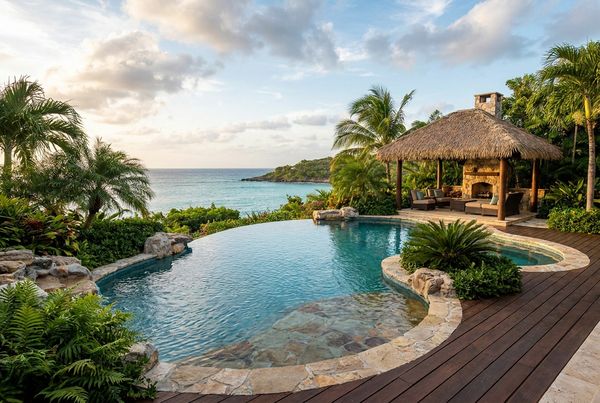
Salt's strengths and its one real caution are easy to weigh once you see them side by side. The upsides are about daily experience and running cost; the downsides are about upfront price and material care.
Pros
- Softer, silkier water that's gentler on skin, eyes, and swimsuits
- Milder, more consistent chlorine with less of that harsh smell
- Minimal chemical handling — no hauling tablets or dosing daily
- Lower ongoing chemical cost once the system is in
- Automated sanitizing that pairs well with smart pool controls
Cons
- Higher upfront cost for the generator and cell
- The salt cell is a wear item (replace every ~3–7 years)
- Salt is mildly corrosive — plan materials and rinse metal/stone
- pH tends to drift up, so it needs monitoring
The corrosion point is the one worth taking seriously but not fearing. A balanced salt pool isn't aggressive, and modern equipment is built for it — but salt does ask you to be thoughtful about the materials it touches. Rinse nearby natural stone and metal, and lean toward corrosion-resistant hardware. Get the material choices right, as we cover in pool coping ideas, and this con largely disappears.
Equipment you'll need
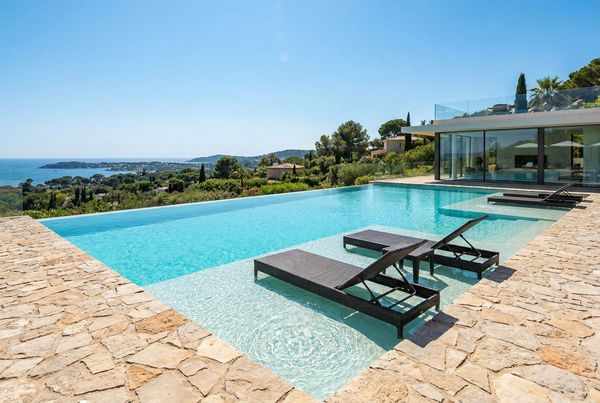
The good news is that a saltwater pool needs only a couple of pieces beyond a normal setup. Everything else on the pad — the pump, filter, and heater — is the same equipment any pool uses. What salt adds is the generator system and a few smart, corrosion-aware choices:
- Salt-chlorine generator — the controller and cell, sized above your pool's gallons.
- Pool-grade salt — a few hundred pounds to establish the level, topped off occasionally.
- A quality pump and filter — clean, well-circulated water helps the cell work efficiently; a variable-speed pump pairs perfectly with salt for energy-efficient, always-on sanitizing.
- Corrosion-resistant hardware — coping, handrails, light rings, and fixtures chosen with salt in mind.
Salt also plays beautifully with the broader 2026 trend toward automated, energy-efficient pools. A salt generator running on a variable-speed pump, tied into a smart controller, is about as hands-off as pool ownership gets — quietly sanitizing in the background while you enjoy the water, the water features, and the lighting.
Getting the salt level right
The one number that makes or breaks a salt system is the salt level itself, and it's where I see the most avoidable frustration. Every generator has a target range — usually somewhere around 3,000 to 3,500 ppm — and it will simply refuse to make chlorine efficiently if you're below it. Too high isn't harmless either: overshoot and the only fix is partially draining and refilling to dilute it, which wastes water and a weekend. The move is to test your current level, calculate the exact poundage your gallons need, and add in stages. Our pool salt calculator does that math for you so you're not eyeballing bags of salt into the deep end.
Startup order matters too. Add salt to a clean, balanced pool, run the pump to dissolve and circulate it fully (this can take a day), and only then set your generator's output. Trying to dial in chlorine production before the salt has evened out gives you misleading readings and a cell that cycles on and off chasing a moving target. Keep a decent test kit on hand and check salt, pH, and chlorine together — a salt reading only tells you half the story if pH has drifted out of range in the meantime.
Common saltwater mistakes
After years of converting pools and troubleshooting them, the failures cluster around a handful of repeat offenders — and almost all are preventable. The biggest is ignoring the cell until output drops. Scale builds silently on the plates, chlorine production tapers, and the first sign is often a faint green tint. Inspect the cell on a schedule and clean it before it's caked, not after. The second is letting pH climb unchecked; salt pools trend alkaline, and high pH both dulls the water and encourages scale on the very cell you're trying to protect.
The third mistake is a circulation one: running the pump too few hours. The generator only makes chlorine while water flows through it, so a pump that runs three hours a day on a hot week simply can't keep up — and people blame the "broken" salt system when the real fix is more run time. Dialing that in is easy with our pool pump run time calculator. Finally, don't skip material care: rinse metal fixtures and natural stone, and choose corrosion-resistant hardware so the mild salt content never becomes a slow problem. For a fuller rundown of what trips people up, our saltwater maintenance mistakes guide goes deeper.
Is a saltwater pool worth it?
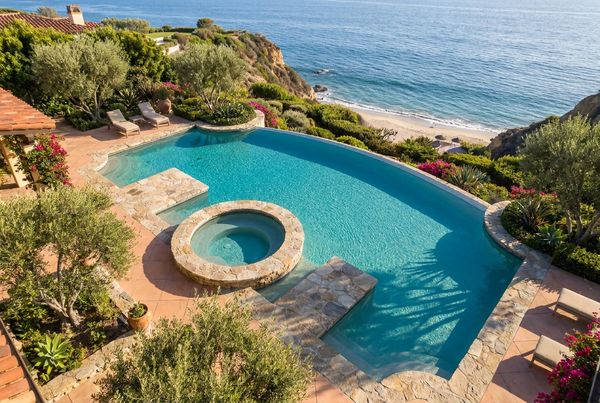
For the majority of homeowners, yes — and its popularity in 2026 backs that up, as buyers increasingly favor low-chemical, low-effort living and softer water. You pay a modest premium up front for the generator, then spend less on chemicals and far less of your time managing the pool. The reward is water that feels noticeably gentler, day in and day out, which is the whole reason salt has become the default request on so many new builds and remodels.
Where it's not an automatic win is if you're on a tight budget for a simple pool and don't mind hand-dosing chlorine, or if you can't commit to occasionally cleaning and eventually replacing the cell. But those are small caveats against a big everyday payoff. Our take: if you're building new, add salt from the start and size the generator generously; if you already own a chlorine pool, a conversion is one of the best-value upgrades you can fold into a pool remodel. Either way, price the shell first in our inground pool cost guide, then treat the salt system as the small, high-return line item it is.
Design Gallery
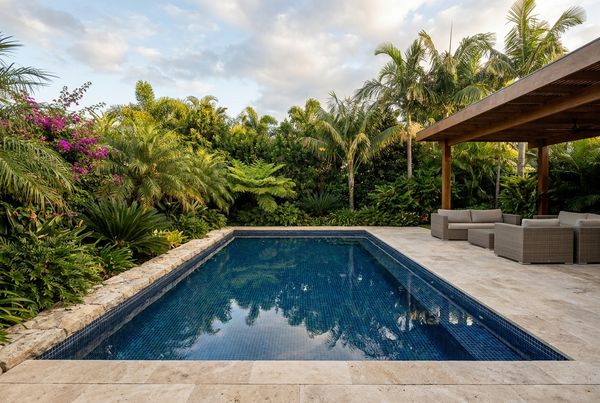
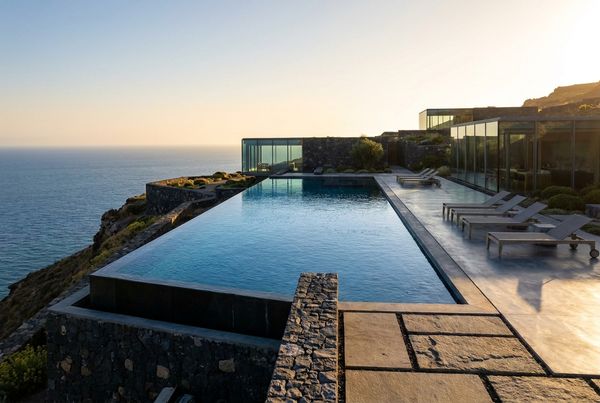
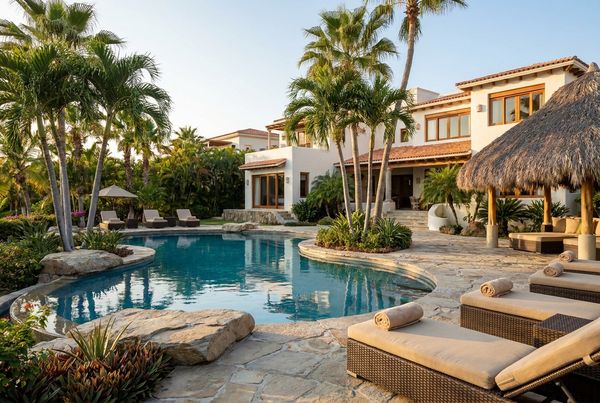
6 more ideas to save — tap any photo to view full screen.

Kelly E.
Pool Design Editor, PoolPad
Kelly has spent 10+ years around residential pools — planning projects, testing gear, and documenting backyard builds for PoolPad. Each design guide is checked against current construction methods and material pricing.
Frequently Asked Questions
Is a saltwater pool the same as a chlorine pool?
How much does a saltwater pool cost?
How much does it cost to convert to saltwater?
Is saltwater better for your skin and hair?
Does salt water damage pool equipment?
How long does a salt cell last?
How much salt does a saltwater pool need?
Do I still need to shock a saltwater pool?
Why does my saltwater pool's pH keep rising?
Can a saltwater pool still turn green or cloudy?
Ready to build your dream backyard?
Compare local, vetted pool builders and get matched with pros who can bring these designs to life.
Find a Pool Builder Near You