


Introduction
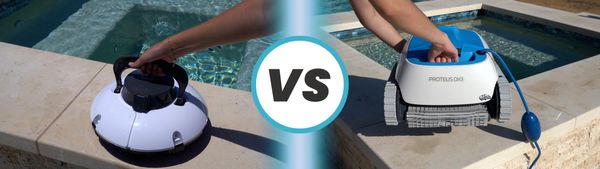
I put my own money down on both of these and ran them head to head: the Aiper Seagull 600 and the Dolphin Proteus DX3. Months of testing later, here's the honest breakdown so you don't have to find out the hard way.
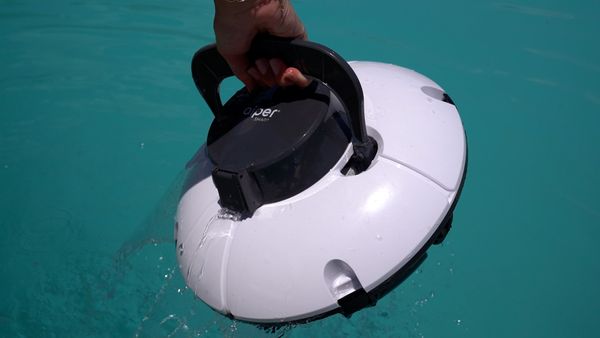
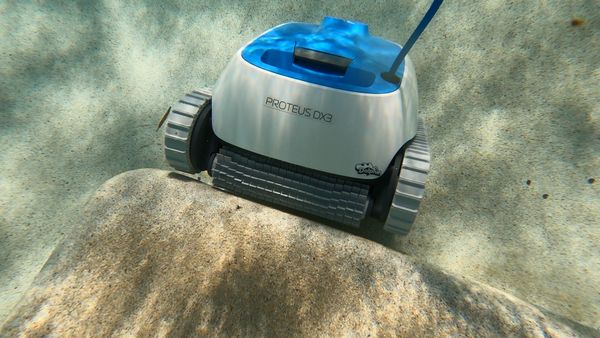
The Seagull 600 is the cheap one, and it's priced to grab your attention. But the low price comes with real trade-offs in performance and durability. The Proteus DX3 costs more and aims higher with stronger performance and better features — though it's not without its own headaches.
The Seagull 600 let me down in a few spots: weak motors, no active brush, and a flat filter that misses a lot. The Proteus DX3 brought solid power and a handy weekly timer, but it also hides a restocking fee that made me raise an eyebrow about the real cost.
I judged them the way I judge every robot: pool coverage, filtration, and the extras like warranty and design. Those are the things you actually feel day to day, so that's where I focused.
Neither of these is a robot I'd call exciting, so my job here is really about which one wastes less of your time and money. The Seagull 600 is the cheap floor-only option; the Proteus DX3 is the pricier one that actually climbs walls. That single difference drives most of what follows.
I'll flag the DX3's restocking fee more than once, because it's the kind of thing that doesn't show up until you try to return it. Factor it into the price before you buy, not after.
Let's start with coverage, because that's where the first real gap opens up.
How We Test
I bought both robots and ran them head to head — the Aiper Seagull 600 and the Dolphin Proteus DX3. Real testing, real pools, so you get the truth instead of the marketing.
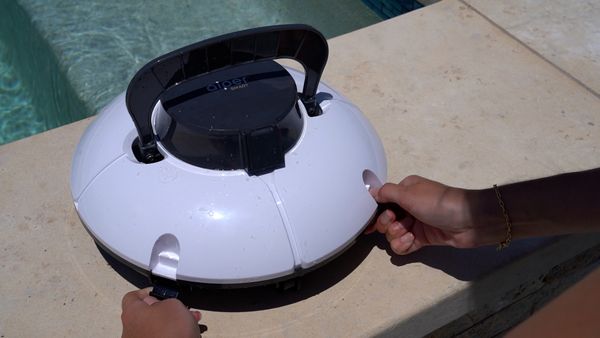
The Seagull 600 is the budget pick, and the low price shows in the build and the performance. The Proteus DX3 costs more and delivers more muscle and features, but a couple of its downsides can nibble at that value.
Where the Seagull 600 fell down: weak motors, no active brush, and that flat filter that leaves too much behind. The Proteus DX3 has real power and a useful weekly timer, but the hidden restocking fee is the kind of thing you want to know about before you buy.
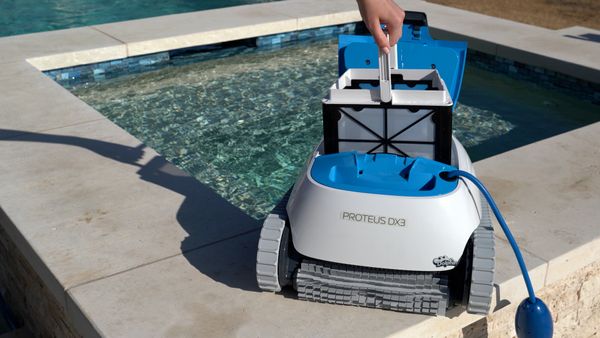
I looked at coverage, filtration, and the extras — warranty, design, ease of use. The goal is simple: point you to the most effective, most cost-sensible cleaner for your pool.
Here's how the testing actually works.
## Testing MethodologyBoth the Aiper Seagull 600 and Dolphin Proteus DX3 ran for three months under the same conditions. Same pool, same schedule, same debris — from light dust to heavy loads — so the comparison is fair.

I watched how each one navigated: floors, walls, waterline, where they got stuck, what they missed. That tells you far more about a robot than any spec sheet, because it's the actual pattern of the clean.
"Good coverage is the whole game — miss spots and you're back to doing it yourself."
For filtration I checked what each robot could catch and hold, from fine grit to leaves and twigs, and how annoying the filter was to clean. Maintenance matters as much as capture, because a filter you dread cleaning is a filter you don't clean.
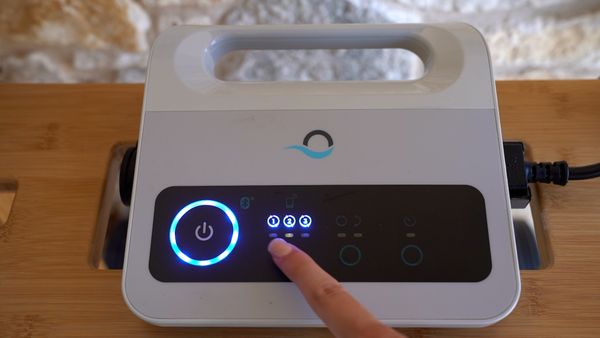
On features and warranty, I looked at design, ease of use, standouts like timers or app control, and the fine print — including restocking fees — so nothing surprises you later.
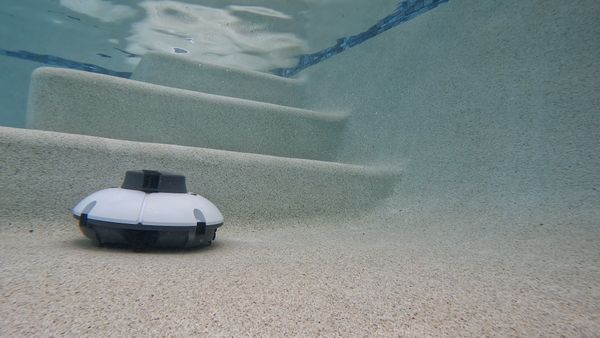
## What I'd RecommendAfter three months, the Aiper Seagull 600 just didn't get there. Thin on features and weak on cleaning. It might suit someone on a tight budget with light cleaning needs, but it won't give you a deep clean.
The Dolphin Proteus DX3 was the stronger performer. Good motors, a working weekly timer, reliable. The lack of NanoFilters and that restocking fee are real drawbacks, but if you'll spend a bit more for a dependable cleaner, the DX3 delivers.
If you want a real step up, look at the Dolphin Quantum or Dolphin Premier. They cost more but give you a more complete clean and better value over the life of the robot.
Check back with the Pool Pad team — I'm always testing more of the best products and methods to keep your pool clean and healthy.
Coverage
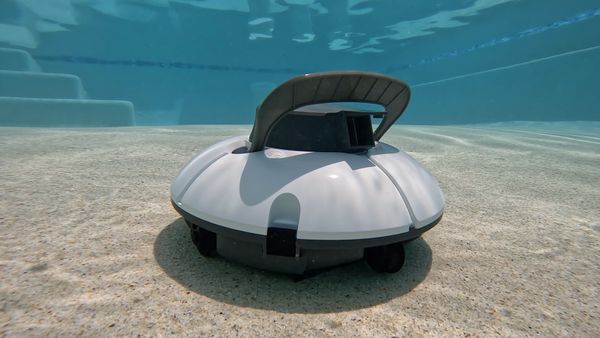
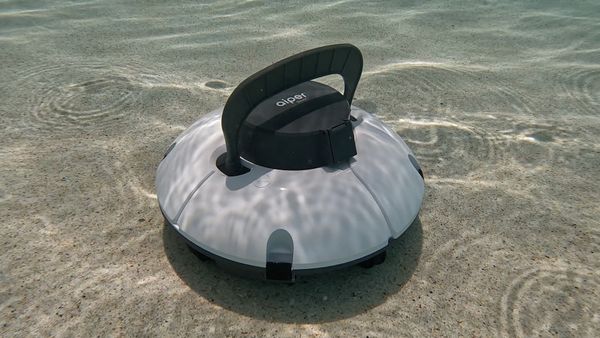
On coverage, the Aiper Seagull 600 is limited to the floor. Basic wheels and weak motors can't handle inclines or climb walls, and with no real navigation it gets stuck, retraces its own path, and leaves chunks of the pool untouched.
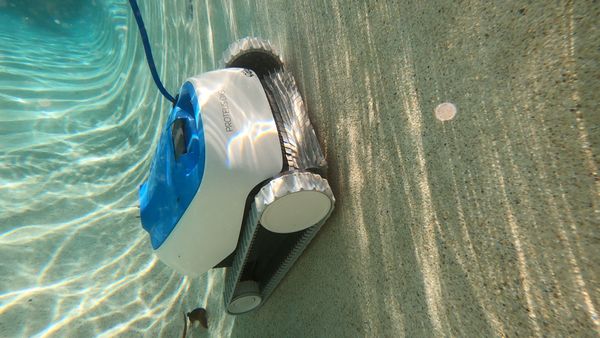
The Dolphin Proteus DX3 does more — floors and walls both, which is a real jump in coverage. It won't reach the waterline, which I'll count against it, but it covers far more of the pool than the Aiper does.
Even without the waterline, the DX3 gets around efficiently. It follows a calculated path and cleans most of the pool thoroughly, which is exactly what you want a robot to do.
The scores tell it straight: the Proteus DX3 earns an 8/10, well ahead of the Seagull 600's 2/5. That gap is the DX3 covering real ground while the Aiper putters around the floor.
Here's the practical read: the Seagull 600 leaves your walls entirely to you, while the DX3 handles floors and walls and only skips the waterline. For most people, wall cleaning is the bigger win — it's where algae likes to cling — so the DX3's extra coverage is worth real money.
If waterline grime is a problem in your pool, know that neither of these solves it. You'd need to step up to something like the Premier or Quantum for that.
If coverage is high on your list, the DX3 beats the Seagull 600 by a mile. Neither does the waterline, but the DX3's floor-and-wall cleaning makes it the clear pick for a genuinely covered pool.
Filters
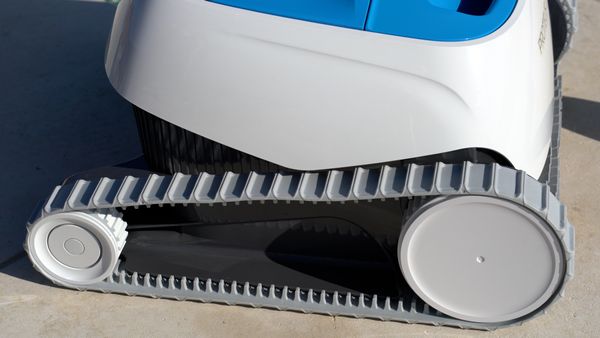
The filters on these two are a study in contrast. The Aiper Seagull 600 uses a flat filter that really holds it back — it doesn't grab or keep debris well, it's fiddly to clean, and smaller particles slip right past.
The Dolphin Proteus DX3 runs a standard fine filter basket, and it's a better setup. It catches a wider range of debris, from fine particles to twigs and leaves. The catch is there's no NanoFilter option, which stings a bit if your water tends to go cloudy.
"A good filter is the difference between clear water and a second manual pass."
With the Seagull 600, the filtration just doesn't hold up against better robots. Its single-pane mesh clogs easily and misses too much, which is a dealbreaker if you want a low-effort clean.
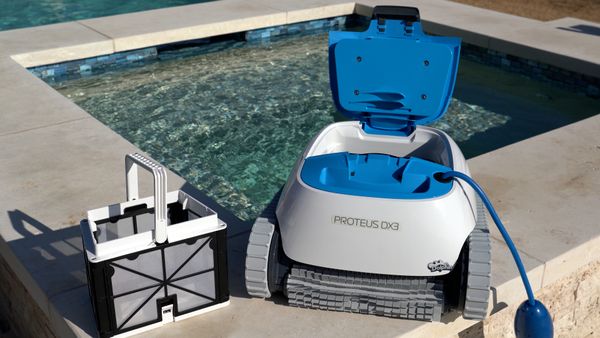
The DX3's basket collects more and is easier to rinse out, which makes upkeep less of a pain. Still, no NanoFilters means it can't grab the microscopic stuff the way the Dolphin Quantum or Dolphin Premier can.
The scores land where you'd expect: the Seagull 600 at 2/5 for that weak flat filter, the DX3 a bit better at 3/5 thanks to the fine filter basket. The DX3's system is more capable, so it's the better choice for handling debris.
Neither of these has a knockout filtration system, but the DX3 clearly edges it. It catches a wider range of debris and is easier to maintain. If you want the best filtration available, step up to something like the Quantum or Premier with their advanced filter options.
The point of all this is to help you buy the right robot the first time. Check back with the Pool Pad team — I'm always digging into the best products and methods to keep your pool clean and healthy.
Feature Set
On features, the gap between the Aiper Seagull 600 and the Dolphin Proteus DX3 is wide. The Seagull 600's headline is its cordless design, meant to make setup easy. But long charge times and weak motors undercut that fast, and with no active brush and no navigation, it gets outclassed quickly.
The Proteus DX3 comes with features that actually help. It has a programmable timer — clean daily, every other day, or every three days — which adds automation the Seagull 600 doesn't have. The downside is that hidden restocking fee, which could give you pause.
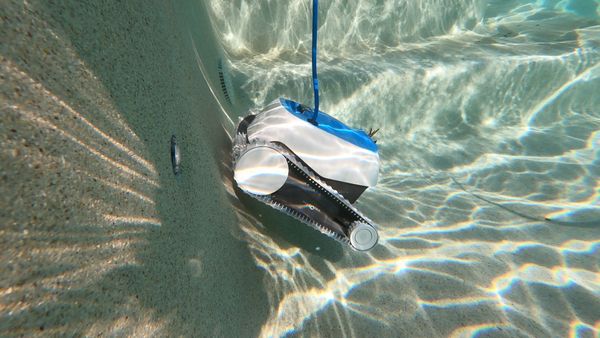
On cleaning, the Seagull 600 is missing the pieces that matter — no active brush to scrub algae, no navigation to clean efficiently. It also needs hours of charging for a 90-minute run, which gets old. The DX3 has stronger vacuuming and a reliable path, though it still skips the waterline and doesn't have the NanoFilters you'd get on something like the Dolphin Quantum.
"A timer sounds minor until you realize you never think about the pool anymore."
The DX3's weekly timer is its best trick — it turns cleaning into something hands-off. The Seagull 600's cordless design looked appealing at first, but the limited cleaning and short runtime kill the convenience it's supposed to offer.
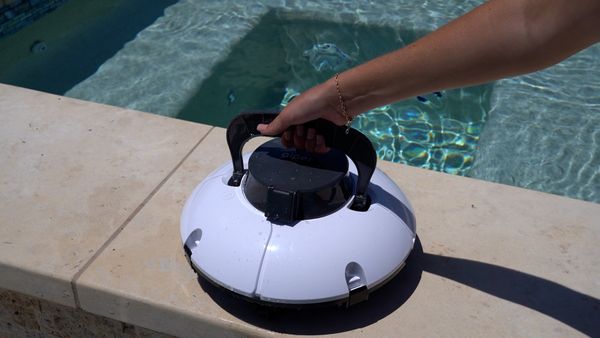
Both have flaws, and the scores show it. The Seagull 600 gets a 2/5 for a thin, inefficient feature set. The DX3 also lands at 2/5 — the awkward handle design and the restocking fee drag it down even though the timer is a genuine plus.
If features and automation are your priority, the DX3 gives you more to work with despite its faults. But I'd also point you at the Dolphin Premier or Dolphin Sigma — more capability, fewer of the DX3's annoyances, and a better overall clean.
Conclusion
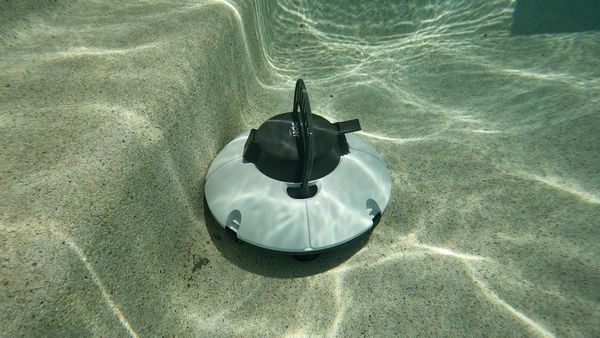
Add it all up and the winner is clear. The Aiper Seagull 600 scores a 4/10 — weak motor, no active brush, an ineffective flat filter, and floor-only coverage. It just doesn't do enough.
The Dolphin Proteus DX3 does better with a 6/10. It covers floors and walls and has that handy weekly timer. But no waterline cleaning, no NanoFilters, and that hidden restocking fee keep it from scoring higher.
"The DX3 takes this one, but neither of these is a robot I'd rave about."
Head to head, the Dolphin Proteus DX3 is the winner. It cleans more thoroughly and brings features the Seagull 600 lacks. That said, neither one is a standout in a crowded field.
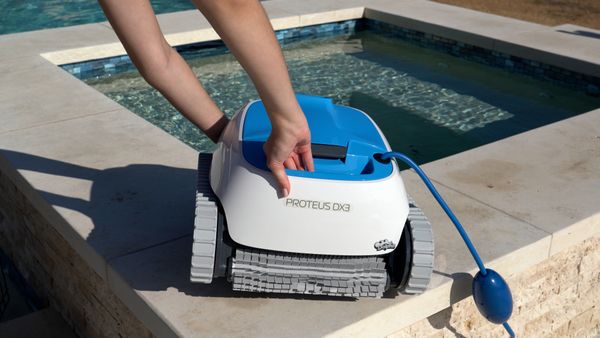
If you want real top-tier performance, look at the Dolphin Quantum, Dolphin Premier, or Dolphin Cayman. Better features, better coverage, better filtration, and longer warranties — a genuinely clean, low-effort pool.
My honest summary: the DX3 is the better robot, but it's a modest win in a modest field. If your budget stretches, I'd skip both and put the money toward a cleaner that does the waterline and comes with proper filtration. You'll spend more once instead of settling twice.
Check back with the Pool Pad team — I'm always testing more of the best products and methods to keep your pool clean and healthy.
Alternate Robots
Given the flaws in both the Aiper Seagull 600 and the Dolphin Proteus DX3, it's worth looking at more reliable options. First up, the Dolphin Escape.
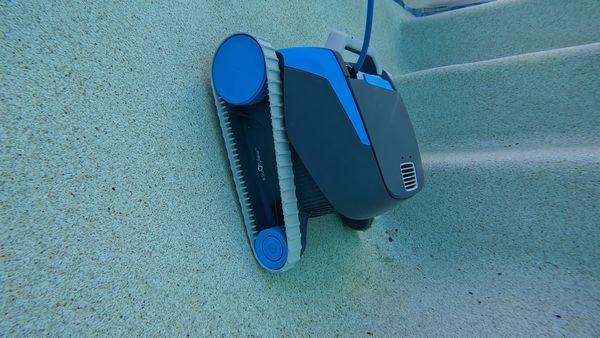
"For a real step up in cleaning, the Dolphin Escape is where I'd start."
The Dolphin Escape is a great fit for above-ground or smaller inground pools. Its HyperBrush spins at double speed to knock loose and collect debris, and SmartNav 2.0 maps the pool so it cleans with a plan instead of at random.
Unlike the Seagull 600, the Escape gives you solid floor coverage plus partial wall climbing. Its MaxBin holds a lot of debris, so you get longer runs before emptying. It won't do the waterline, but it beats both the Seagull 600 and the DX3 on power, filtration, and reliability.
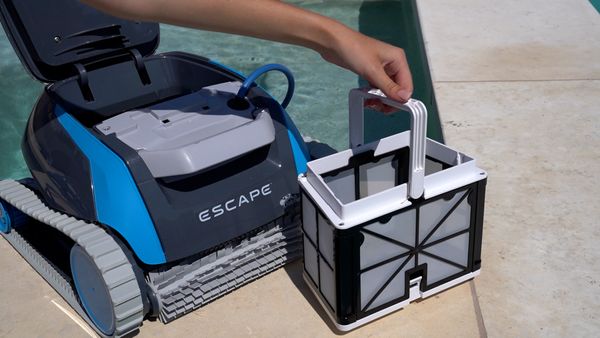
Of the alternatives to the Seagull 600 and Proteus DX3, the Escape is the one I'd push toward for effective, low-fuss cleaning.
The reason I keep pointing past these two is simple. The Escape, Premier, and Quantum all fix the specific things that hold the Seagull 600 and DX3 back — weak filtration, missing coverage, short runtimes. Buy for the pool you actually have, and one of them is likely the smarter long-term call.
If you want even more, the Dolphin Premier brings multimedia filters and excellent waterline cleaning, and the Dolphin Quantum gives you the larger XXL MaxBin and PowerJet 3D mobility.