



Introduction
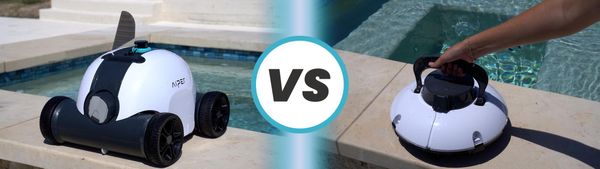
I bought both the Aiper Seagull 1000 and the Aiper Seagull 600 hoping at least one of them would surprise me. Neither did. The Seagull 1000 looks the part with its cordless design, and for the first ten minutes I was rooting for it. Then reality set in: no active brush, a filter that barely filters, and coverage that stops at the pool floor. Those aren't small nitpicks. They're the whole job.
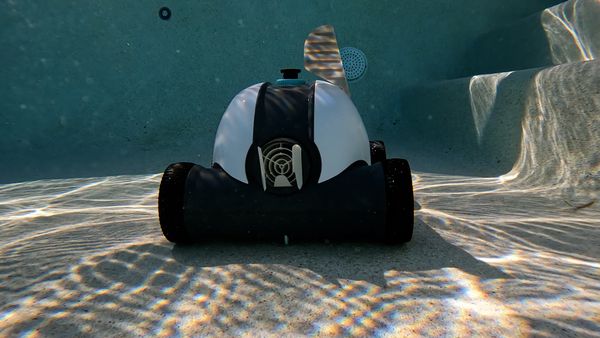
Testing the Aiper Seagull 1000 taught me patience I didn't know I had. I kept waiting for it to click, and it never did. The battery gives out fast, and for the money it just doesn't earn its keep. It sped over debris more than it picked it up, and it skipped the kind of everyday jobs I'd expect any robot to handle. I wrote all of that up in the full review so nobody buys it on the strength of a nice product photo.
So I turned to the Aiper Seagull 600, and honestly it's no better. Yes, it's cheap. But cheap only counts if it works. The 600 is built to do floors and nothing else, so inclines and walls are off the table, and with no navigation to speak of it wandered the pool in a random, inefficient pattern. Same weak motors as the 1000, same undersized filtration. Same disappointment in a slightly smaller box.
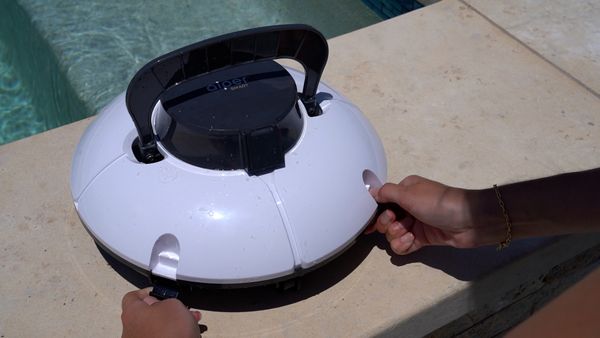
The Aiper Seagull 600 showed its hand right away. Without an active scrubbing brush and stuck with that flat filter, it couldn't actually clean the pool so much as stir it. Add in the daily charging routine and it was clear this one wasn't for me either. A couple of parts felt decent in the hand, but the sum of them didn't add up to a working pool cleaner, so I went looking elsewhere.
I ran both units through the same testing I put every robot through, watching cleaning efficiency, battery life, navigation, and how annoying they are to live with day to day. Cheap price tags aside, neither one got anywhere near what a good Dolphin does. I'm laying all this out so you can skip the mistake I made and put your money toward something that pulls its weight.
"Cordless sounds great until you realize it can barely finish a pool."
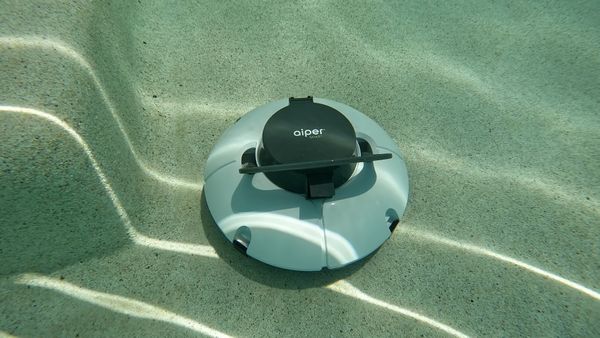
Bottom line, and my full write-ups back this up: neither the Seagull 1000 nor the Seagull 600 has the power or the features to be a robot I'd actually recommend. If you want the fuller story on each, I dug into them in my dedicated Aiper Seagull 1000 and Aiper Seagull 600 reviews.
How We Test
Every robot I review lives in my pool for about three months before I'll say a word about it. That's long enough to see how it holds up once the novelty wears off. I'm watching the same things each time: how well it actually cleans, how long the battery lasts, whether it navigates like it has a plan, and how much of a pain it is to use. The point is to hand you something you can act on, not a spec sheet.
With the Aiper Seagull 1000, the three months turned up problem after problem. Coverage was the first red flag. This thing only does floors. There's no navigation software, it rolls on plastic wheels instead of tracks, and the brush is static, so it dragged past a lot of debris instead of loosening it. Walls and waterline? Forget it. That's a big miss for a device whose entire job is cleaning your pool.
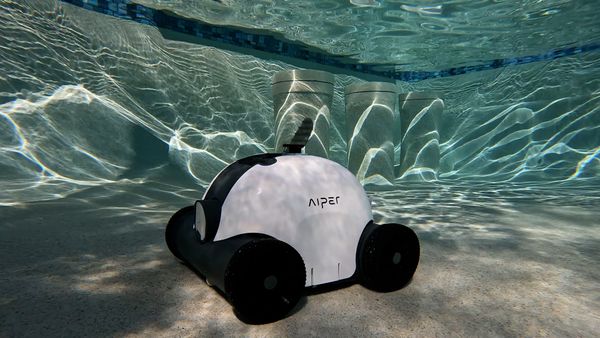
The cleaning itself didn't get better on closer inspection. It bounced off walls, hung up on drains, and rushed over dirt rather than actually collecting it. Stack that against something like the Dolphin Escape, which scrubs as it goes and climbs walls without drama, and the gap is embarrassing.
Filtration was another sore spot. The Seagull 1000 uses a flat, fine filter, and it just can't hold onto the small stuff. It's a single-pane mesh, so it's got a fraction of the surface area you get from the four-sided filters in the Dolphin lineup. On top of that, you have to partly take the unit apart to service it, which makes a chore out of something that should take ten seconds.
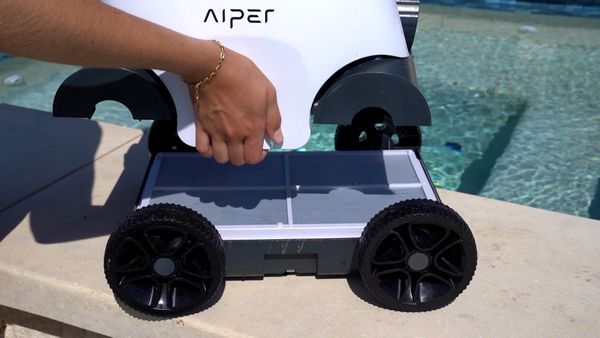
On features and warranty, the cordless design that's supposed to be the headline ended up being the anchor. Without a cord feeding it power, the motors strained and the battery ran out of steam fast, so run times were short. And it ships with a one-year warranty, which is thin next to what you get from the Dolphin Escape and Dolphin Cayman.
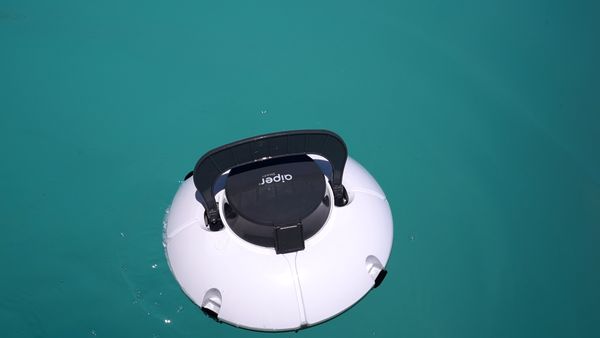
The Aiper Seagull 600 told the same story in testing. Cheaper, sure, but the flaws are loud. Floors only, no help with inclines or walls, and no navigation system, so it cleaned in whatever random pattern it stumbled into rather than anything you'd call a route.
"If a robot skips the walls and half the floor, it isn't cleaning your pool."
No active scrubbing brush and that same flat filter left the 600 unable to do the one thing I bought it for. It also needed charging every day, which killed any convenience the cordless design was supposed to buy back. Between the weak navigation, the missed spots, and the battery, it never rose above mediocre.
None of this shifted over the full three months, which just confirmed what I saw in week one. The Dolphin Escape and Dolphin Cayman were the ones that actually cleaned my pool, walls and waterline included. They're built better and they behave better, and that's exactly why they leave the entry-level Seagulls in the dust.
Coverage
Put the Aiper Seagull 1000 and Aiper Seagull 600 side by side on coverage and you get two versions of the same shortfall. The Aiper Seagull 1000 cleans floors and only floors. Walls and the waterline are out of reach, and with no navigation software and plastic wheels instead of tracks, it doesn't even grip the surfaces it can reach all that well.
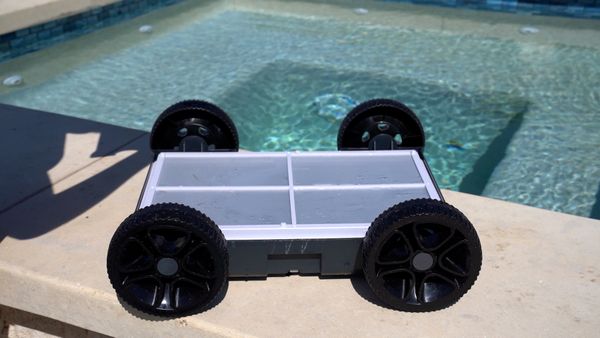
The Aiper Seagull 600 is right there with it. Floors only, same reliance on plastic wheels and weak motors, and no navigation system to give it any sense of where it's been. It can't handle inclines or walls, so whole sections of the pool never see it.
Both land at a coverage score of 4 out of 10, and that number is fair. Skipping walls and waterline is a real problem if you actually want a clean pool rather than a clean-ish floor.
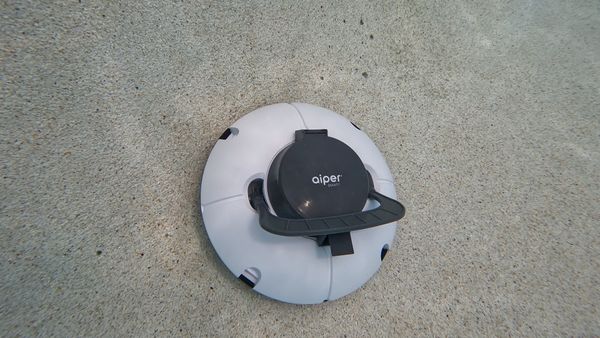
"No navigation means no plan, and no plan means missed spots."
Then there's how well they clean the ground they do cover, which isn't much better. The Aiper Seagull 1000 is too weak to reliably lift debris off the floor. The Aiper Seagull 600 has the same trouble, often moving too fast with too little suction to actually grab what it passes over.
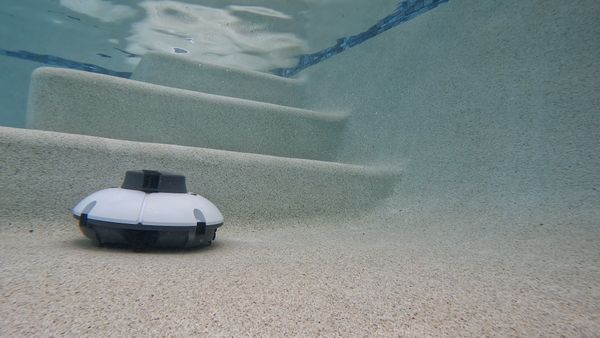
The flat filter on both units caps their filtration hard. Next to the filters in the Dolphin Escape, the Aiper models just can't hold onto the fine stuff, and you see the difference the moment you compare how clear the water actually gets.
"Weak motors, weak filters, weak results. That's the honest summary."
If you want this solved instead of half-done, spend a little more on something like the Dolphin Cayman. It covers far more of the pool and actually cleans what it covers, which makes the whole experience feel worth it.
Filters
Compare the filters on the Aiper Seagull 1000 and the Aiper Seagull 600 and neither gives you much to work with. The Seagull 1000 runs a plain flat, fine mesh filter. Single-pane, and it shows: it lets smaller particles slip right back out into the water. With filtration happening on just one side, it's fighting a losing battle against the multi-panel setups on better robots.

The Aiper Seagull 600 uses the same style of flat filter, so it has the same problems. Like the 1000, it struggles to actually hold what it collects, and debris settles at the bottom of the unit where it's a nuisance to clean out. Two models, zero real improvement between them.
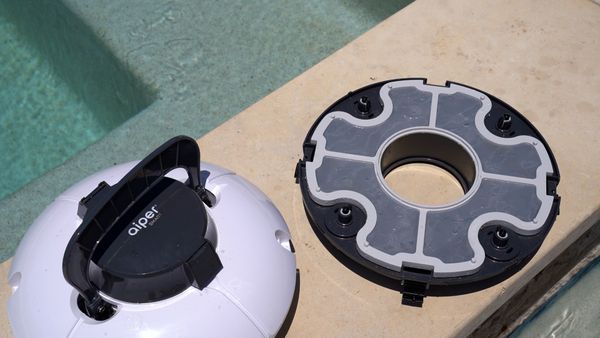
The Dolphin Escape is the obvious contrast here. Its filter basket runs circles around both Aipers. It's bigger, it filters on multiple sides, and it hangs onto debris instead of shedding it. It'll also take NanoFilters, which grab the really fine particles the flat filters never had a chance with.
"A robot is only as good as what its filter keeps out of your water."
On the scorecard, both the Seagull 1000 and Seagull 600 land at 2 out of 5. That's them being equally underwhelming. They're annoying to maintain and they leave your pool cloudier than a robot with a real filter would.
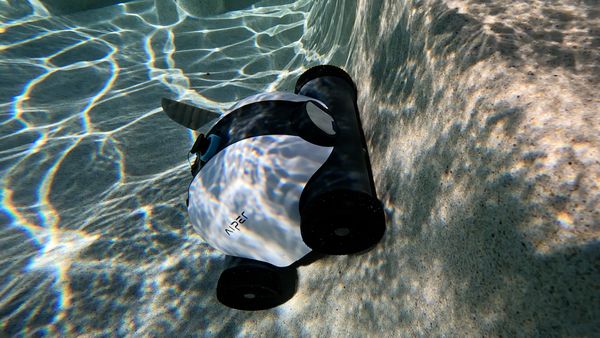
There's no winner between these two on filtration, because they both flopped. Neither the Seagull 600 nor the Seagull 1000 gave me results I'd call acceptable. If your only tiebreaker is which one filters better, it's a wash, because both come up short.
One thing worth flagging if you're cross-shopping on price: a weak filter doesn't just leave debris in the water, it also means you're rinsing the unit more often to keep even that limited flow going. So the time you think you're saving with a cheap robot, you quietly hand back at the hose.
If you're wondering who the Aiper Seagulls are actually for, it's a narrow group: someone with a small above-ground pool, a tight budget, and low expectations who mostly wants a bit of help with the floor. For anyone with an inground pool, walls that collect grime, or a pool that sees real leaf load, these units will leave you finishing the job by hand more often than not.
If you actually care about clear water, look at the Dolphin Escape or the Dolphin Cayman. Both have real filtration that catches debris and stays easy to rinse out, which is exactly where the budget Aipers fall apart.
Feature Set
Looking at what the Aiper Seagull 1000 and Aiper Seagull 600 actually bring to the table tells you most of what you need to know. The 1000 leans hard on being cordless, and on paper that sounds nice. In practice, the motors couldn't keep up without a cord and the battery gave short, underpowered runs.
That earns the Seagull 1000 a feature score of 2/5. The cordless design, its big selling point, turned into its biggest liability. The one-year warranty doesn't help either. It's short next to what a robot like the Dolphin Escape gives you.
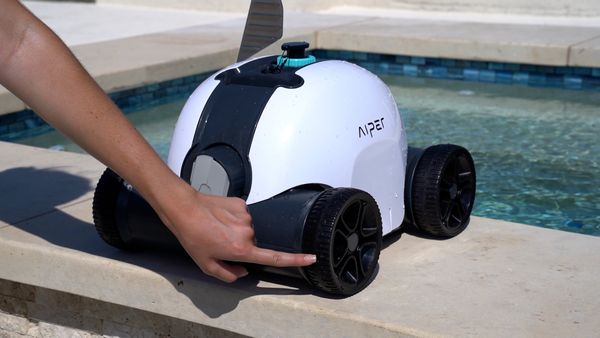
The Seagull 600 is cheaper but carries the same baggage. It also scores 2/5. The core issue is the cordless design again: long charge, short clean. That trade makes the 600 a hard sell for anyone who wants to set a robot loose and walk away.
"Features should make a robot easier to live with, not harder."
The 600's warranty is one year, same as the 1000, and I saw plenty of owner reports of battery trouble right after that window closed. So the money you save up front can easily go right back out the door in repairs or a replacement.
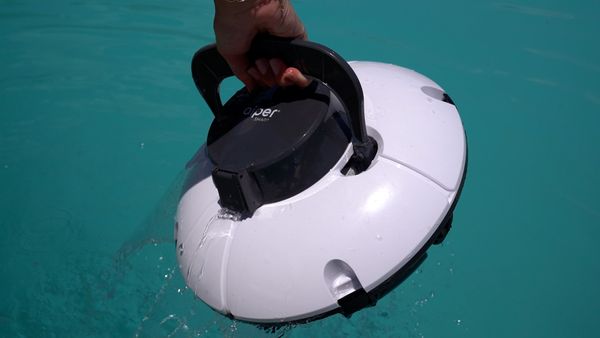
Both robots are missing the stuff that actually matters. Neither has an active brush, so they can't scrub away dirt and algae, they just pass over it. Pair that with daily charging and you've got two units that are more hassle than help. And with no navigation software on either, the cleaning paths are aimless.
Here's the practical takeaway on features: an active brush and real navigation aren't luxury extras, they're the difference between a robot that cleans and one that just drives around. Both Seagulls skip both, so no matter how you use them, you're capped at 'floor-only, and not thoroughly.'
The reason I keep steering people to the Dolphin lineup isn't brand loyalty, it's that the extra money buys things you feel every week: an active brush that actually scrubs, tracks that grip instead of slip, and a filter you can rinse in seconds. Spread that over a few seasons and the 'cheaper' robot usually ends up costing more in aggravation and replacements.
If you want features that pull their weight, the Dolphin Cayman or Dolphin Escape are in a different league, with real navigation, longer runs, and cleaning that actually shows.
Conclusion
Here's where I land: both the Aiper Seagull 1000 and Aiper Seagull 600 disappointed me across three months of testing. Both finish with an overall score of 4 out of 10, and that number captures it, weak performance, weak cleaning, weak durability.
Head to head, neither one pulls ahead. The Seagull 1000 is held back by floor-only coverage and a battery that quits early, and the Seagull 600 matches those problems and adds weak motors and poor filtration on top. Neither delivers a pool cleaner I'd actually stand behind.
"Features should make a robot easier to live with, not harder."
If you want a robot that actually works and keeps working, look at the Dolphin Escape, Dolphin Cayman, and Dolphin Premier. They've earned it in my testing, with strong performance, longer warranties, and cleaning tech that leaves the Aipers behind.
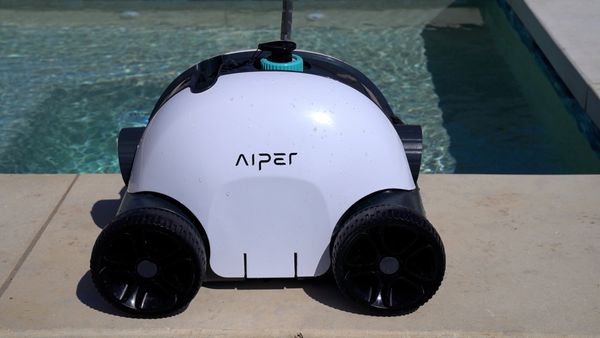
The Dolphin models also come with active brushes, real navigation, and better filtration, the things that turn pool maintenance from a chore into a set-and-forget. Spend a bit more there and you get time, effort, and money back over the life of the robot.
If your budget genuinely tops out around the Seagull price, I'd honestly rather you save a little longer and step up to an entry Dolphin than sink money into either of these. A robot you have to babysit isn't saving you the time you bought it for.
The whole point of all this testing is simple: with pool robots, buying cheap usually costs you more. For the full rundown of what's actually worth your money, take a look at my guide to the best robotic pool cleaners of the year.
Alternate Robots
If you want something that actually earns its spot in your garage, start with the Dolphin Escape. It held up beautifully in my testing and fixes basically every complaint I have about the Aiper units.
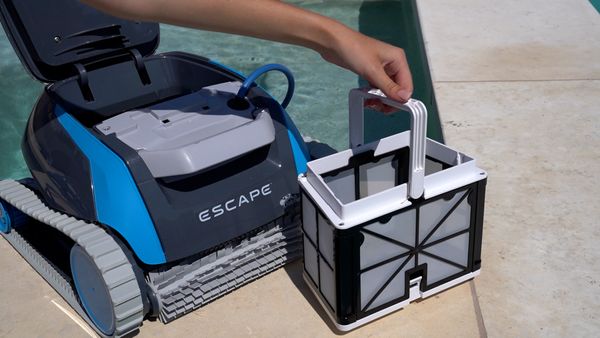
The Dolphin Escape is strong on both cleaning and convenience. Where the Seagull 1000 and 600 flailed on filtration and navigation, the Escape runs SmartNav 2.0 mapping and a proper DC motor, so it cleans with intent instead of luck. Add the HyperBrush and its ability to climb walls, and you get a genuinely thorough clean that a basic floor-crawler can't touch.
"Real navigation and real filtration are what separate a good robot from a toy."
Another one worth a look is the Aquabot REVA. It's loaded with the kind of features that make ownership easy: a dual-layer filtration system, a planetary gear drive, and smartphone app control. If you want a hands-off route to a clean pool, it's a strong option.
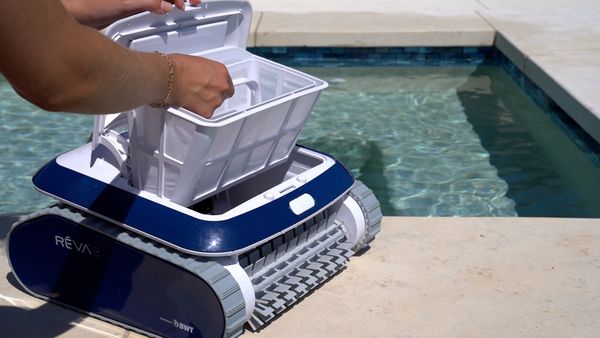
Where the Seagull models leave you finishing the job by hand, the Aquabot REVA just gets it done. Its waterline cleaning, gyroscopic navigation, and direct drive mean fewer missed spots and a cleaner pool overall. It also comes with a 2-year warranty, which tells you the company actually stands behind it.
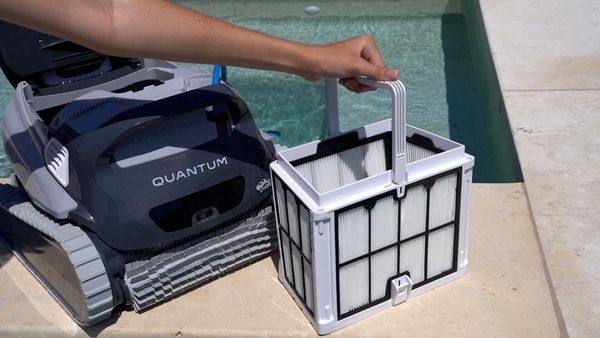
Got a bigger pool? The Dolphin Quantum is built for heavier duty. It pairs a dual scrubbing brush system with an extra-large filter basket, so it covers more ground and grabs more debris on every pass.
"Buy the robot that's built to finish the job, not just start it."
The Dolphin Quantum also lets you program cleaning schedules, which is a real gift when you're busy. Its PowerJet 3D mobility keeps navigation tight and coverage complete, walls and waterline included.
Any of these three will suit a slightly different owner: the Escape for above-ground and small inground pools, the REVA if you want app scheduling and waterline coverage, and the Quantum if you've got a bigger pool and heavier debris. Match the robot to your pool and you'll be far happier than you would be with a bargain unit that can't keep up.
Whichever way you go, the Dolphin Escape, Aquabot REVA, or Dolphin Quantum, you're getting a robot that actually keeps your pool clean. All three earned that in my testing, and all three walk circles around the basic Aiper units.