



Introduction
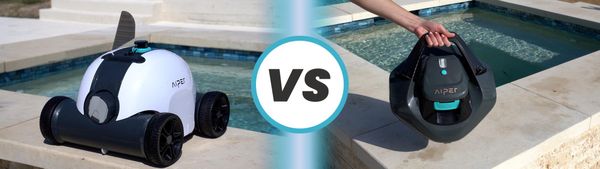
Two robots people keep asking me about for above-ground pools are the Aiper Seagull 1000 and the Aiper Seagull SE. Both are cordless, both promise easy cleaning, and both drew me in at first glance. Then I actually ran them, and the shine came off fast. There's a real gap between what these units promise and what they do, so I dug in to find out exactly where.
I bought both robots and put them through my usual paces, checking coverage, filtration, and features. The Seagull 1000's cordless design had me hopeful for about a minute, until the limited coverage and weak cleaning killed the mood. The Seagull SE is a small step up, but it still couldn't clean a whole pool properly. I wrote both up in detail so you don't have to learn it the hard way like I did.
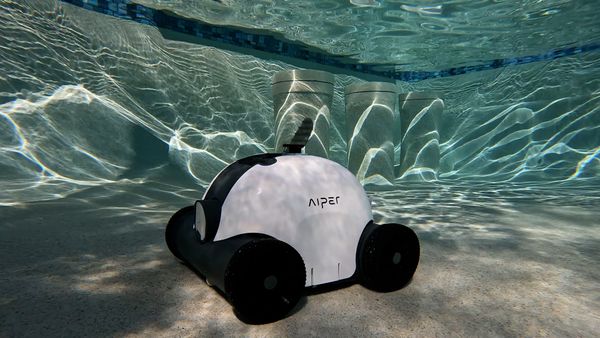
In my Seagull 1000 review, the lack of an active brush and its clumsy navigation were the big letdowns. Cheap price aside, it skipped whole sections of the pool and needed charging constantly. The Seagull SE gets a better battery and a more modern look, but it still stumbled on coverage and navigation.
"Cordless is a nice idea. Cleaning power is the part that actually matters."
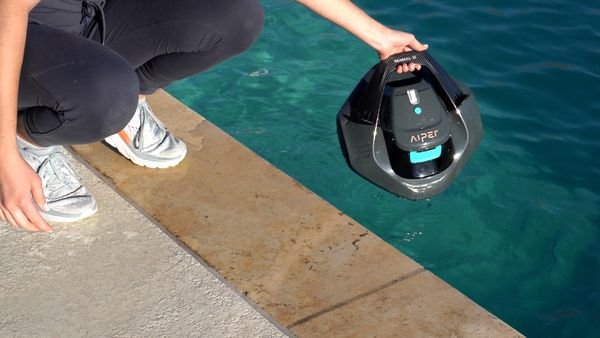
Neither robot gave me the full clean you'd expect. On filtration, the Seagull 1000's flat filter couldn't hold the small stuff, and the Seagull SE didn't fix that, showing the same weakness. Those problems dragged down both of their scores in my reviews.
Below, I'll walk through how I tested these two, the exact things I looked for, and where each one earns its (low) marks. That'll give you a clear read on what each robot can and can't do before you spend a dime.
How We Test
For the Aiper Seagull 1000, I ran a full three-month test to get a real picture of how it performs. I focused on three things: pool coverage, filtration, and the feature set. That way I could judge not just how it cleans, but how easy it is to live with and whether it holds up.
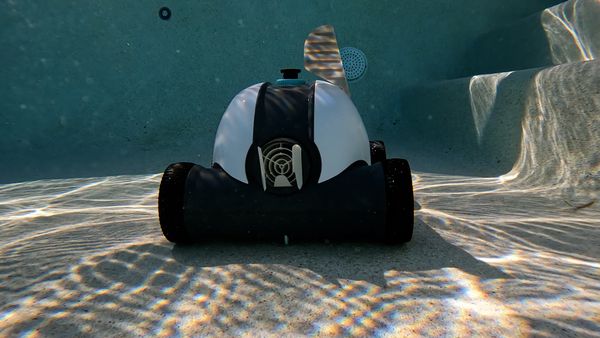
Start with coverage. The Seagull 1000 does floors, full stop. No navigation software and no active brush meant it kept missing patches and never touched the walls or waterline. That put it well behind robots like the Dolphin Escape, which actually cleans the whole pool.
Filtration was no better. The flat, fine filter let smaller particles slip straight through and back into the water. For a device whose main job is to filter debris out, that's a pretty big swing and a miss.
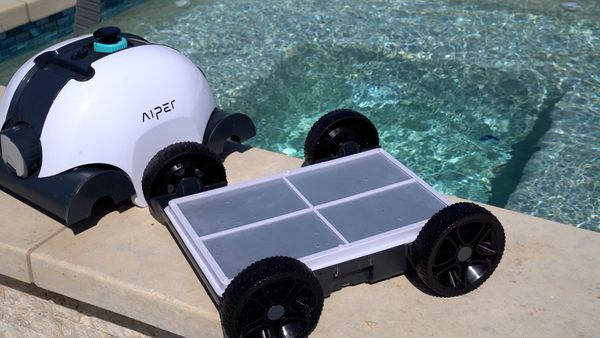
On paper, cordless sounds like a win. In practice, the Seagull 1000's weaker motors and short battery meant less cleaning power, not more. It needed frequent recharges and still couldn't hold a steady pace, leaving debris in its wake.
I gave the Aiper Seagull SE the same three months and the same scrutiny on coverage, filtration, and features. The SE looks sharper and the battery is better, but it too struggled to cover the pool and left plenty of debris untouched.

"Cordless convenience doesn't count for much if the pool's still dirty."
The SE can't climb walls or reach the waterline, and it showed. It wandered the pool, missed spots, and often left the floor half-done. For anyone with an inground pool, where the walls and waterline collect plenty of grime, that's a real drawback.
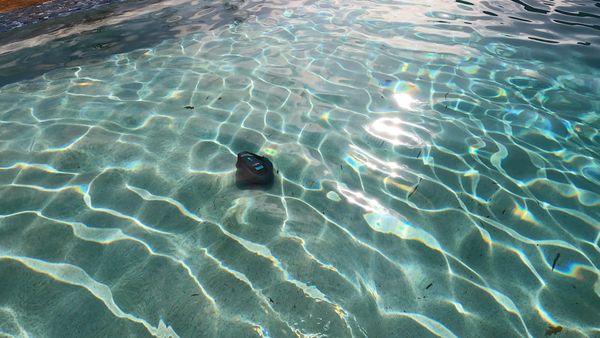
Filtration on the SE is basically the same as the 1000, a flat filter that can't compete with the filter baskets in something like the Dolphin Cayman. It's fiddly to clean and I never trusted how much it was actually catching.
The core problem with both Seagulls comes back to the cordless design. It's handy right up until you realize it costs you cleaning power and efficiency. Short battery life meant long charges and constant babysitting.
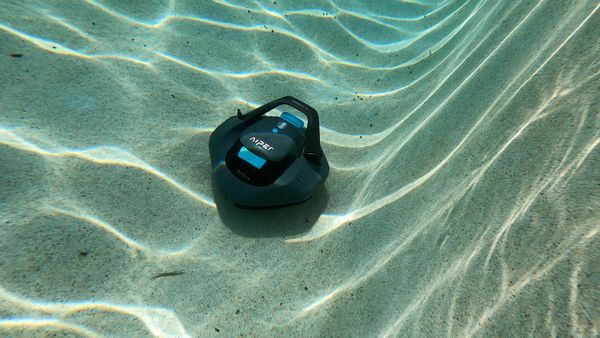
"When the design fights the cleaning, the cleaning loses."
Three months with both the Seagull 1000 and Seagull SE left me with the same conclusion: they don't have the muscle a pool owner needs. The price and the cordless setup are nice, but the missing features and capabilities matter more.
If you want something that actually cleans, look at the Dolphin Escape, Dolphin Cayman, or Dolphin Quantum. Better coverage, better filtration, easier to use, and money that's actually well spent.
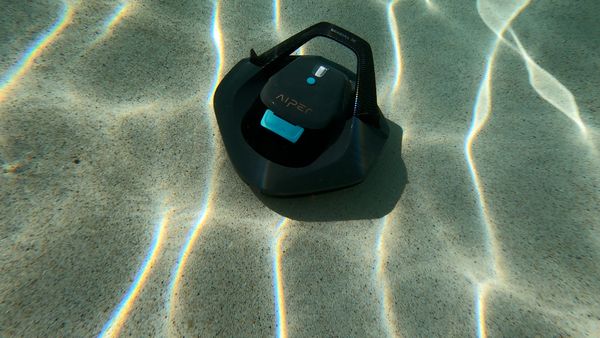
So while the Aiper Seagulls score points for cordless convenience, the weak cleaning and inefficiency make them a poor fit for most pools. A Dolphin gives you better value and better results, and it keeps your pool clean without you having to hover over it.
Three months is deliberate on my part, because a lot of cheap robots feel fine for the first week and then start showing their weak points, shorter runs, a filter that clogs faster, wheels that lose grip. That's exactly the pattern I saw with both Seagulls, and it's the kind of thing a quick unboxing video never catches.
Check back soon with the Pool Pad team, as we keep bringing you the best products and methods to keep your pool clean and healthy!
Coverage
Line up the Aiper Seagull 1000 and Aiper Seagull SE on coverage and neither impresses. The Seagull 1000 cleans just the floor of the pool.
It's missing the basics that make a robot thorough, no navigation software, no proper wheels, no active brush, so it kept skipping spots. The Seagull SE has an updated look but it also refuses to go past the floor.
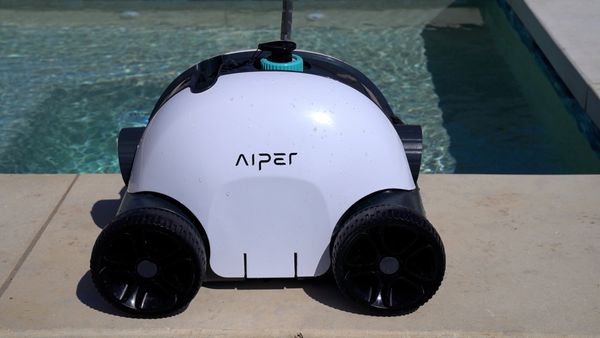
The SE can't handle slopes and has no onboard navigation, so it leaves patches and never really finishes the job. Both robots fight to move around the pool with any purpose, and both leave cycles incomplete.
"Floor-only coverage is a hard ceiling, and both of these hit it."
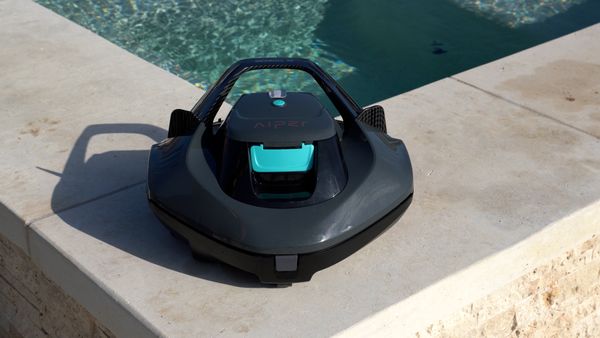
Watching their paths told the story. The Seagull 1000 kept banging into walls and skipping big areas. The SE had the same trouble, especially getting stuck and missing sections in the deeper end.
The scores reflect it. The Seagull 1000 landed a coverage score of 4, and the Seagull SE actually did worse at 3. The SE may look more modern, but it shares the same cleaning weaknesses as the 1000.
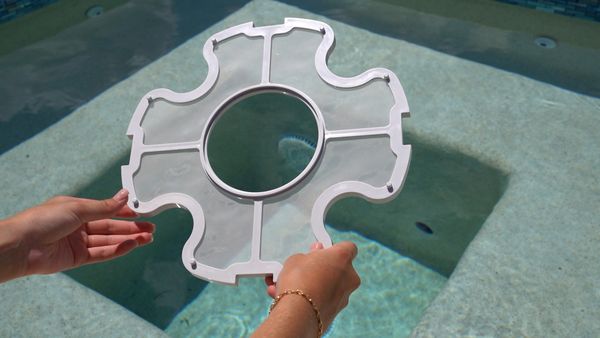
"A newer shell doesn't fix old coverage problems."
Neither one cleans walls or the waterline, and that's a big miss. Algae and debris love to build up there, and both Seagulls leave it all behind. That's exactly where something like the Dolphin Escape pulls ahead with far more complete coverage.
If your pool has any real depth, keep the coverage limits front of mind. Debris and algae love the walls and the waterline, and neither Seagull touches them, so you'll still be brushing by hand on a regular basis. That defeats most of the reason to buy a robot in the first place.
So while the cordless convenience is real, the floor-only cleaning and weak navigation make both Seagulls unreliable if you want an actually clean pool. For better coverage, the Dolphin Escape or Dolphin Cayman is the smarter buy.
Filters
The Aiper Seagull 1000 runs a flat, fine filter, and it's not up to much. It failed to catch smaller particles and let plenty of debris wash back into the pool. Because it only filters on one side, its efficiency takes a hit too.
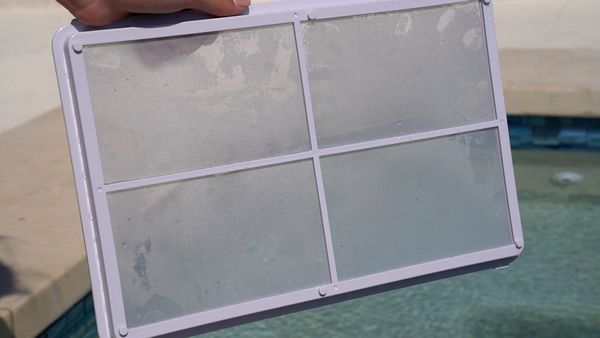
The Aiper Seagull SE also uses a flat filter, and while Aiper tweaked the design a bit, the improvements feel skin-deep. The SE still can't grab the tiny particles, and both filters are fiddly to clean and poor at holding larger debris.
"Two flat filters, two robots that keep letting debris back in."
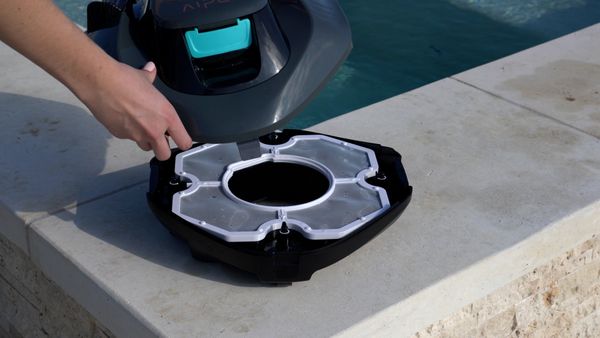
Neither the Seagull 1000 nor the SE handles debris well. Their flat filters can't touch the multi-layered systems in robots like the Dolphin Escape or the Dolphin Cayman, which trap even the finest particles.
Personally, I'll take a filter basket every time, like the ones in the Dolphin models. They're easier to clean and they catch far more. The NanoFilters you can add to those units blow past what either flat Aiper filter can do, and that's the difference between clear water and cloudy water.
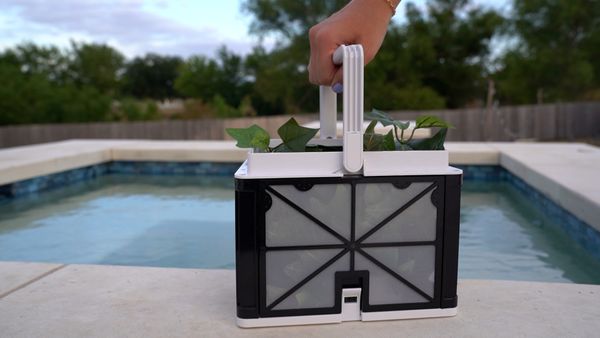
"The filter is where a clean pool is won or lost."
The scores line up with all this. The Seagull 1000 earned a filtration score of 4, and the Seagull SE did worse at 2. Those numbers spell out how much both filtration systems leave on the table.
A quick maintenance note: with a flat filter, the debris ends up packed against a single pane, so it clogs and chokes flow faster than a basket does. You feel that as weaker pickup toward the end of a cycle and more frequent rinses, which is one more small chore neither of these robots earns back.
The Dolphin filtration systems are the clear winners here. Their filter baskets and NanoFilters catch everything, including the fine particles the Aipers wave through. If you want a genuinely clean pool, put your money on a robot with real filtration.
Feature Set
Comparing the feature sets of the Aiper Seagull 1000 and the Aiper Seagull SE turns up a few real differences and a lot of shared weak spots. Both are cordless, which does make setup and handling simple. But there are key places where they split, and it affects how each one actually performs.
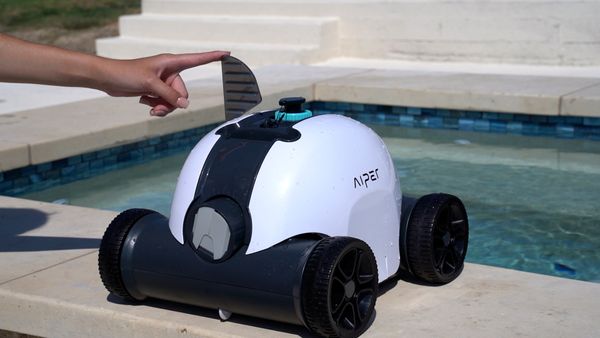
The Seagull 1000's headline feature is its cordless design, which sounds great and underdelivers. Without a cord, the motors just aren't strong enough, so cleaning suffers and charging is constant. The SE, newer as it is, carries most of the same limits. Its better battery is a genuine plus, cutting charge time from 4-6 hours down to about 2.5. But it still needs daily charging and can't match the steady power of a corded robot.
"Cordless convenience is real. So is the cleaning power you give up for it."
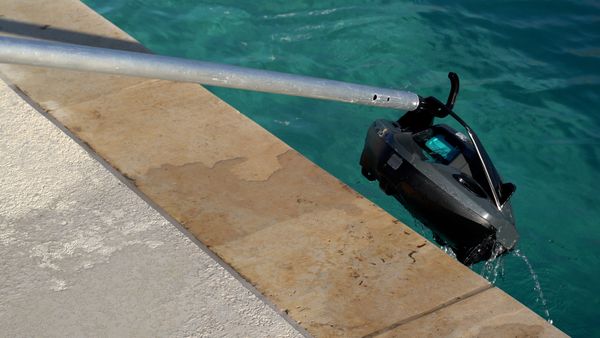
Neither robot has real navigation. The Seagull 1000 and SE lean on basic mechanical movement, so they clean in inefficient patterns and miss spots. That's a sharp contrast with something like the Dolphin Cayman and its Smart Nav technology, which actually plans its coverage.
The SE tries to make up ground with two static brushes underneath. That's a small step past the 1000's single static brush, but it doesn't add up to a meaningful jump in cleaning. Both still ignore walls and waterlines and stick to the floor.
The feature scores track all of this. The Seagull 1000 earns a 4, mostly for the cordless convenience and competitive price. The Seagull SE actually scores lower at 3, despite the newer design and better battery, because the weak navigation and thin cleaning power drag it down.
"Half-finished features make for a half-finished clean."
So while both Seagulls are convenient, they're missing the features that make a robot thorough. For a real clean, models like the Dolphin Escape or Dolphin Quantum give you far better value and performance.
The Dolphin lineup pairs proper navigation with active brushes and multi-layered filtration, so you get a clean, healthy pool without much effort on your end.
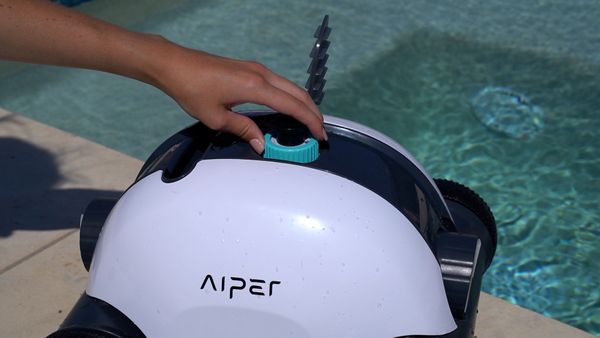
The SE's faster charge is genuinely the one upgrade I'd call meaningful day to day, less time tethered to the wall. But it doesn't fix the core issues, so you're paying for a nicer shell around the same limited robot. If features are what you're shopping for, your money goes much further elsewhere.
Bottom line, a good feature set built for thorough cleaning is what you want, and that's exactly where the Aiper Seagulls fall down. A Dolphin is the smarter investment for keeping a pool in shape.
Conclusion
Put the Aiper Seagull 1000 and the Aiper Seagull SE together and the flaws pile up. At an overall score of 4/10, the Seagull 1000 falls short where it counts, coverage and cleaning. No active brush, weak filtration, and a short battery add up to a robot I can't recommend to most people.
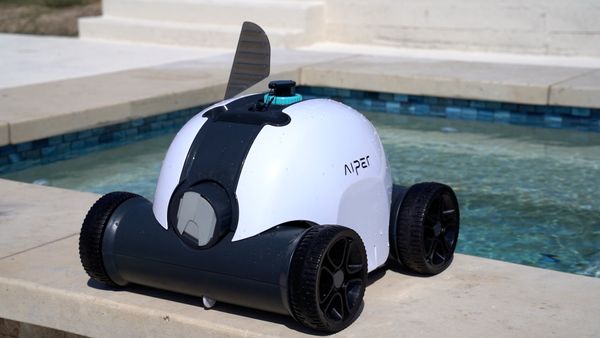
The SE's newer design and better battery don't touch the deeper problems. At an even lower overall score of 2.6/10, it doesn't meaningfully improve on the 1000. Same poor coverage, same weak filtration, same limited durability, none of it good enough for a real clean.
"Both robots stumble on the basics a pool cleaner has to nail."
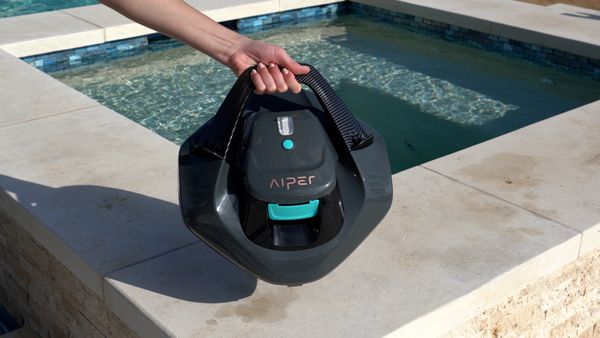
If I have to pick, the Seagull 1000 edges out the SE thanks to slightly better battery performance and basic cleaning. But both sit below the pack. If you want efficient, reliable cleaning, look at something that actually delivers value.
The Dolphin Escape or Dolphin Cayman give you better coverage, better filtration, and better durability. Less work for you, cleaner pool, smarter money over the long haul.
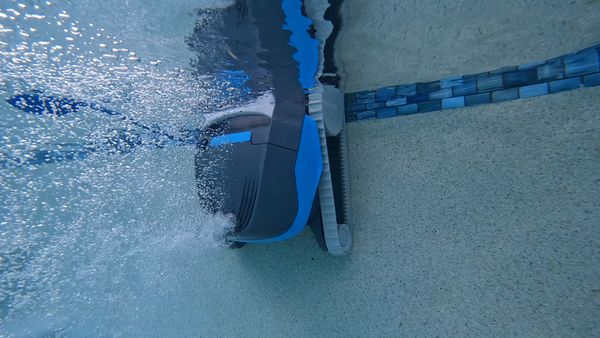
So yes, the Seagull 1000 and SE are convenient, but the weak cleaning and inefficiency put them behind the competition. For a more thorough, low-fuss clean, a Dolphin is the wiser pick.
To be fair to the SE, the quicker recharge and cleaner design do make it a bit more pleasant to handle. It's just that 'nicer to hold' isn't the same as 'cleans your pool,' and on the part that actually matters, both units land in the same disappointing place.
Check back soon with the Pool Pad team, as we keep bringing you the best products and methods to keep your pool clean and healthy!
Alternate Robots
Compared to the Aiper Seagulls, there are robots that give you real features and real cleaning. Top of that list is the Dolphin Escape. Built for above-ground and smaller inground pools, it looks sharp and, more importantly, it actually cleans, with strong coverage and solid filtration.
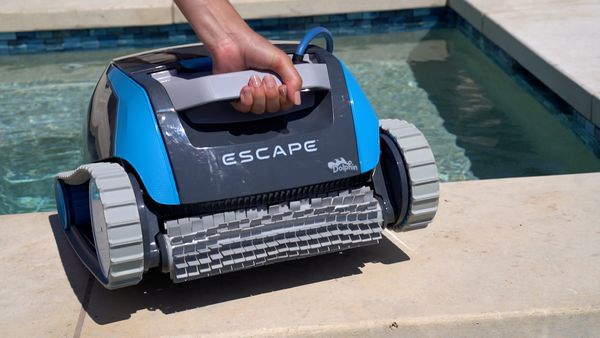
With the HyperBrush and MaxBin, the Escape manages debris far better than the Seagull 1000 or SE. The HyperBrush scrubs the stubborn stuff loose while the MaxBin actually holds what it collects. Together they mean a cleaner pool without the constant charging and fussing.
Another one I'd point you to is the Dolphin Cayman. It's known for value, and it includes a programmable weekly timer, something both Seagulls skip entirely. That lets you set a schedule and stop babysitting the robot.
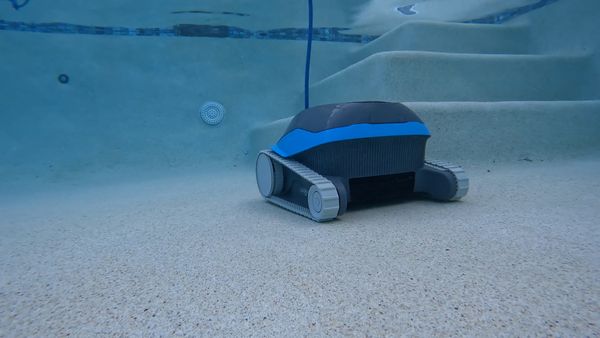
"Scheduling and real filtration are the upgrades you can actually feel."
Last, the Dolphin Quantum is a great pick. It has PowerJet 3D mobility and NanoFilters, so it covers everything from the floor to the waterline and catches fine particles the Aipers never could. Its bigger MaxBin also makes larger debris a non-issue without losing cleaning power.
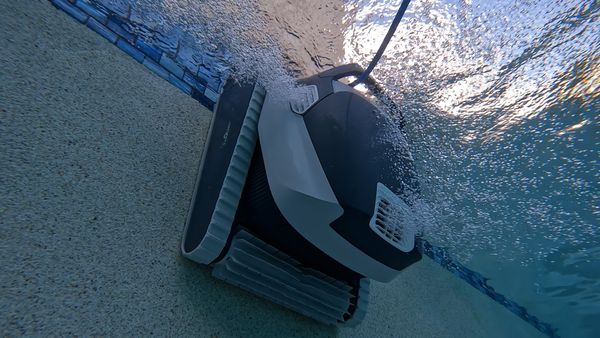
So while the Seagull 1000 and SE give you cordless convenience, the thin cleaning power holds them back. The Dolphin Escape, Dolphin Cayman, and Dolphin Quantum all deliver better performance, better filtration, and easier ownership, which makes them the smarter choice for any pool owner.
Pick based on your pool: the Escape and Cayman are ideal if you want strong floor and wall cleaning without overspending, while the Quantum makes sense if you've got a larger pool or want waterline coverage and app scheduling. Any of them will out-clean the Seagulls and ask for far less hands-on help.
Check back soon with the Pool Pad team, as we keep bringing you the best products and methods to keep your pool clean and healthy!