



Introduction
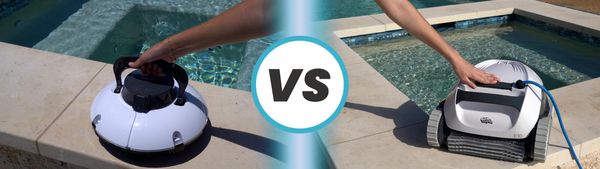
In this one I'm putting the Aiper Seagull 600 and the Dolphin E10 head to head. Both get a lot of attention as entry-level picks, but attention and performance aren't the same thing. I bought both, tested them for months, and here's what I found.
The Aiper Seagull 600 sells on being cheap and cordless, and that low price pulls a lot of people in. In my testing, though, it showed real weaknesses in coverage, filtration, and general performance. No active scrubbing brush and a battery that needs charging every day were the two things that bugged me most.

The Dolphin E10 is Maytronics' entry-level robot, built for above-ground and small inground pools. It's cheap too, and it skips extras like automation and NanoFilters, but it aims to just do solid, reliable cleaning in a smaller pool. I wanted to see whether it actually delivered.
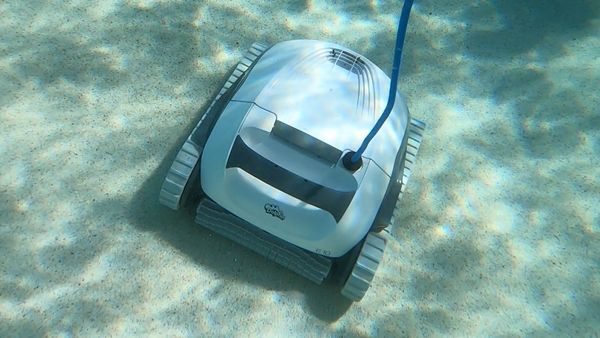
Both robots had their headaches and their bright spots. The Seagull 600 mostly fell down on weak motors and poor filtration, while the E10 cleaned more consistently but still had its ceiling. Read on for how they scored across coverage, filtration, and features.
Next up, I'll walk through exactly how each one held up in testing, from pool coverage to filtration to the features that decide whether a robot is actually worth owning.
How We Test
When I review robots like the Aiper Seagull 600 and the Dolphin E10, I break it into the same categories every time. Coverage first: how well does it clean the floor, walls, and waterline? Then filtration: can it grab both big leaves and fine grit like sand and dirt? Finally, the feature set and warranty, where I look at things like scheduling, ease of use, and how long you're covered.
Each robot gets about three months in my pool. Over that time I run cycle after cycle, watch how it moves, and see how it handles different conditions. I keep things consistent so the comparison is fair, using the same debris and holding both robots to the same standard.
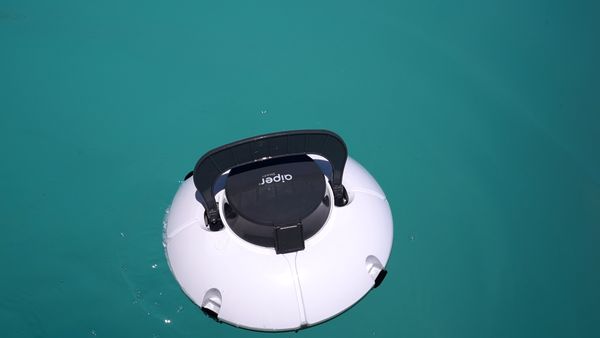
Living with the Seagull 600 for that stretch made its problems obvious. The motor just isn't strong enough for a proper clean, and having to recharge it daily got old fast. With no active scrubbing brush and no real navigation, it kept missing spots and getting stuck in the same corner over and over. Even at its low price, that's a hard robot to recommend.
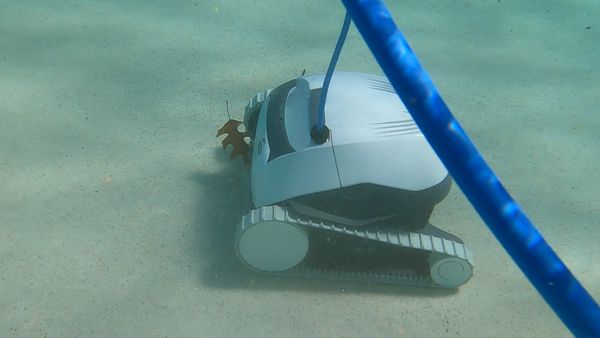
The Dolphin E10 went through the same three-month grind. Its filtration is solid for everyday cleaning, catching larger debris in a well-built filter basket. It doesn't have multiple filter options for trickier jobs like cloudy water, but the simple design and easy-clean filter make it user-friendly. The one real drawback: you have to start every cleaning session by hand.
"No scheduling means the E10 never quite runs itself. You've got to press start."

On features and warranty, both robots hit their limits. The E10's simple power supply and lack of scheduling make it a hands-on job every single time, which stung because models like the Dolphin Cayman and Dolphin Escape offer real automation and better features for reasonable money.
The Seagull 600, with its one-year warranty and a stack of performance issues, regularly left debris behind in my pool. Given how close the prices are, it's tough to pick it over the more automated, more reliable Cayman or Escape, both of which come with better warranties and stronger features.
Coverage
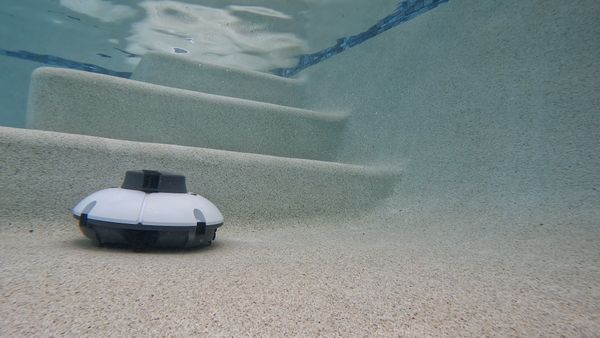
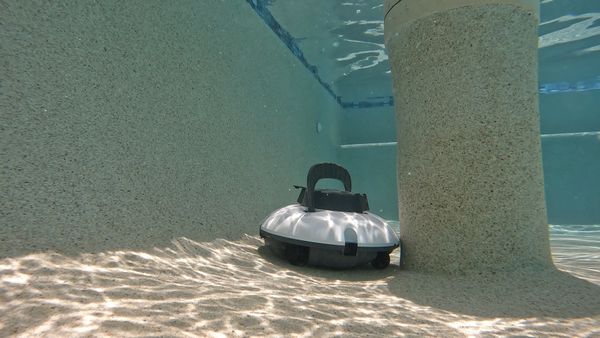
Comparing the Aiper Seagull 600 and the Dolphin E10 on coverage, they're both floor-only robots, but one does it noticeably better. The Seagull 600 is built to clean the floor and nothing more, and it shows its limits right away. Without decent motors or a navigation system, it can't clean efficiently. In my testing it kept missing spots and never covered the pool fully.
The Dolphin E10, Maytronics' entry-level model, cleaned more consistently but has its own limits. It's built for above-ground and small inground pools and also sticks to the floor. The difference is it navigates better than the Seagull 600, following a more thorough path and skipping fewer spots. That better floor coverage shows up in its higher score.
The Seagull 600 scored a 2/5 for coverage. It struggled on inclines, picked up little debris, and made the whole process frustrating. It also liked to get stuck in certain spots, so I had to step in far too often, which for a lot of people is a dealbreaker.
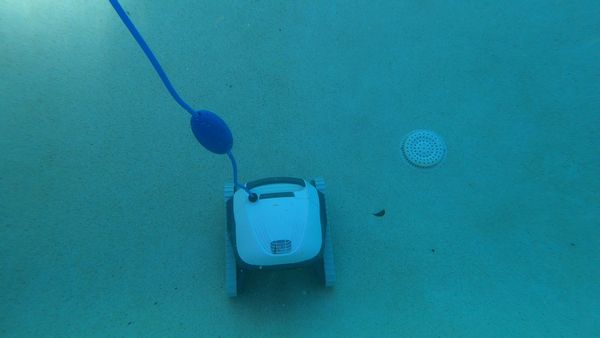
The Dolphin E10 did better with a 3/5. It's also floor-only, but its more reliable navigation cuts down on missed spots. It uses a 40ft cord and suits pools up to 33ft. It doesn't have a swivel, though, so the cord can tangle now and then, which is a small annoyance.
"The E10 isn't fancy, but it actually finishes the floor. The Seagull leaves you patches."
Both robots have real limits next to something like the Dolphin Cayman or the Dolphin Escape. Those step up to walls and, in some cases, the waterline for a much more complete clean. Neither the Seagull 600 nor the E10 does that, so both are limited for thorough maintenance.
Bottom line, the Dolphin E10 covers the pool better than the Aiper Seagull 600. Its steadier navigation means fewer missed spots even though it's floor-only, while the Seagull 600's weak motors and poor navigation make it hard to recommend. For a more complete clean at this price, the Cayman and Escape are worth the look.
Filters
Line up the filtration on the Aiper Seagull 600 and the Dolphin E10 and the differences jump out fast. Both try to catch a range of debris, but they don't do it equally well.
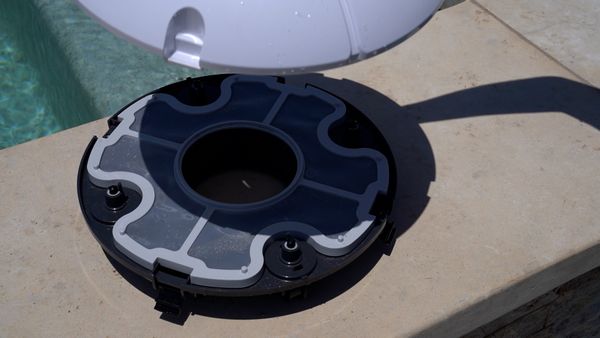
The Aiper Seagull 600 has a flat filter that just doesn't cut it. In testing it struggled to hold much debris, and a lot of what it did grab worked its way back into the pool. The flat design simply doesn't give you enough filtration capacity.
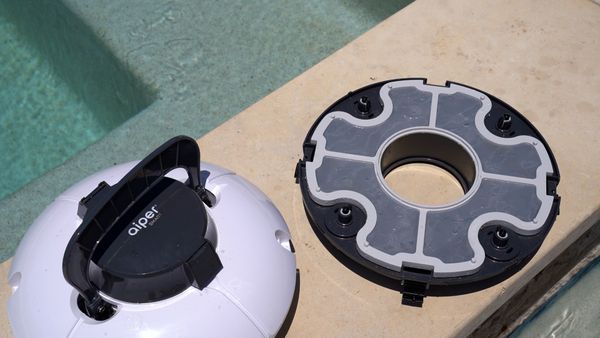
The Dolphin E10 uses a proper filter basket. It doesn't have multiple filter options like the pricier models, but the standard basket does a good job on leaves, twigs, and smaller particles. Its design keeps water flowing efficiently while holding onto the debris.
"The E10's basket actually keeps what it catches. That's a low bar the Seagull can't clear."
The E10 also wins on ease of use. Where the Seagull 600's flat filter is a hassle, the E10's basket is easy to pull, clean, and put back. That matters, because nobody wants to spend extra time fighting a filter.
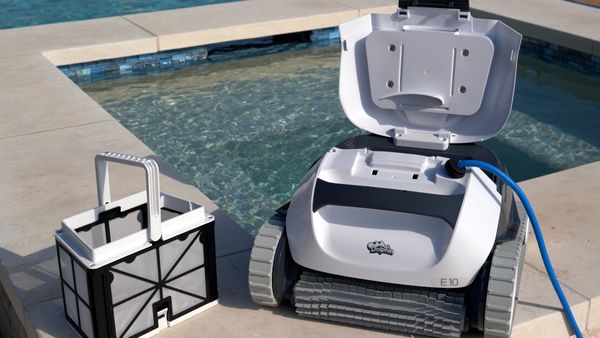
In real use, the E10 out-cleaned the Seagull 600 on both large and small debris. Because the Seagull 600 has no fine filtration, it leaves finer particles in the water, while the E10 does a more thorough job. That said, both fall short of something like the Dolphin Quantum, which uses NanoFilters made specifically for fine particles and cloudy water.
On scores, the Seagull 600 earned a disappointing 2/5 for its weak filter and poor debris retention. The E10, while not perfect, landed a more respectable 3.5/5. Its basket was more effective and easier to live with, so it takes this category.
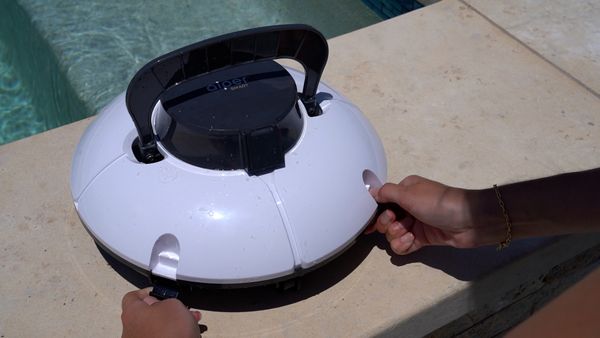
All told, the E10's better filtration makes it the smarter pick for reliable cleaning. It's easier to use and grabs debris more effectively than the Seagull 600, which struggled with even the basics. And if you want the best filtration out there, models like the Dolphin Quantum or Dolphin Premier push things further.
Feature Set
Comparing the feature sets of the Aiper Seagull 600 and the Dolphin E10, a few things separate them on usability and function. Both target specific buyers, but they execute very differently.
The Seagull 600's main selling point is going cordless, cutting out the hassle of a cable. In practice that upside fades fast because of long charge times and short run cycles. The motors are weak and can't generate enough suction for a proper clean, which really hurts how usable it is.
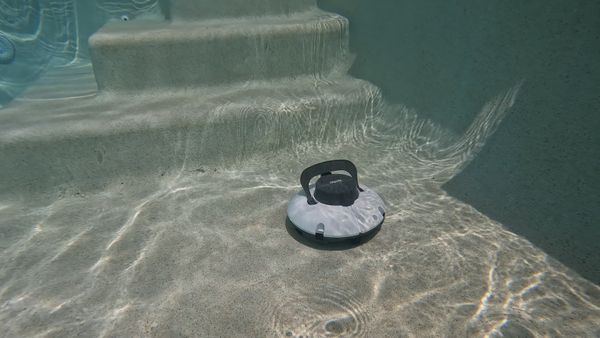
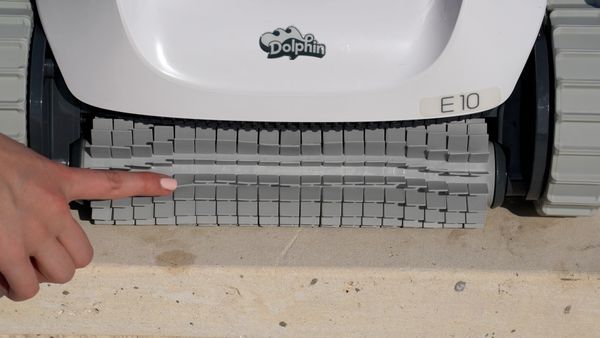
The Dolphin E10 keeps a cord, but it earns that trade with steadier, stronger cleaning. Its standout is the active brush, which spins to scrub and knock loose debris and algae, something the Seagull 600 completely lacks. That makes for a more reliable, more thorough clean.
"An active brush is the line between actually scrubbing and just floating over the dirt."
On usability, the Seagull 600 stumbles again. The daily recharging kills the convenience it's supposed to offer. Its feature score reflects that at 2/5, thanks to several performance issues and a clunky experience. The filtration is basic and often loses what it catches, too.
The E10, though still entry-level, has a better filter basket that's easier to reach and clean. It doesn't offer multiple filter options like the higher-end models, but it handles leaves and twigs well. It does miss out on automatic scheduling and NanoFilters, which caps its automation.
Both have limited feature sets, but the E10's stronger usability and cleaning earn it a better score of 3/5. It's not automated, but its reliability and easy maintenance make it the better option over the Seagull 600.
In the end, on features the E10 gives you a more dependable, user-friendly experience. Its gaps, like the missing weekly timer, are offset by better cleaning and easier upkeep. If you want real automation, higher-end models like the Dolphin Cayman and Dolphin Escape are big steps up.
So while both the Seagull 600 and E10 bring specific features, the E10 is the better buy for reliable cleaning and decent usability. Its stronger design and performance make it more appealing even with a basic feature set.
Conclusion
Head to head, the Aiper Seagull 600 and the Dolphin E10 both have strengths and weaknesses. The Seagull 600 scored an overall 4/10, held back mostly by its weak motor, poor filtration, and the daily-recharge hassle. It just can't keep up with more capable robots on cleaning.
The Dolphin E10 did better, earning an overall 6.3/10. It has its own limits, like floor-only cleaning and no scheduling, but it gave me a more reliable, effective clean. Its easy-clean filter basket and active scrubbing brush were real advantages over the Seagull 600.
"The Dolphin E10 takes this one on cleaning and ease of use."
Still, neither one is what I'd call a complete robot. If you want full coverage with walls and waterline plus stronger filtration, I'd steer you elsewhere.
Better options include the Dolphin Cayman, which brings a programmable timer and full-pool cleaning, and the Dolphin Escape, which offers strong performance and good value. The Dolphin Premier and Dolphin Sigma are excellent too, with waterline cleaning and multiple filter options.

So the Dolphin E10 beats the Aiper Seagull 600, but both fall short of a fully automatic, low-effort clean. If you want real performance and reliability, stepping up to a higher-end model is money well spent. For more, check out my [best pool robots of {{data.year}}](https://www.poolpad.com/best-pool-robots/).
Alternate Robots
After spending real time with the Aiper Seagull 600 and the Dolphin E10, it's worth pointing you toward robots that do more. Three I'd single out are the Dolphin Cayman, Aquabot REVA, and Dolphin Premier, all of which clean more thoroughly and pack better features.
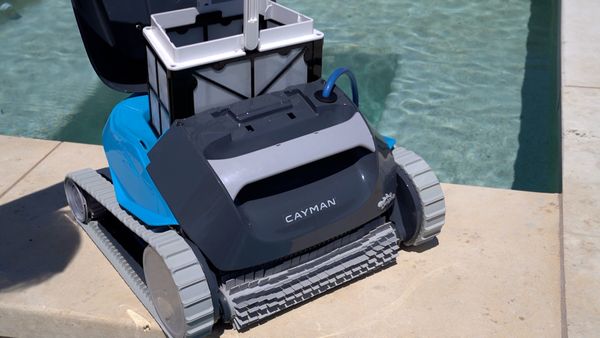
The Dolphin Cayman is a great pick for a complete clean. It has a programmable weekly timer, a powerful scrubbing brush, and an optional NanoFilter, and it climbs walls, so it works for both above-ground and inground pools. Being able to schedule cleanings makes it a real upgrade over the E10 and Seagull 600.
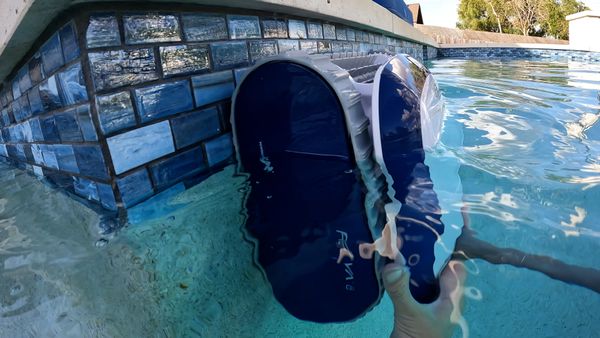
Next, the Aquabot REVA is a newer model I've been impressed by. It has a gyroscope for better navigation and stability, so it cleans the whole pool efficiently, waterline included, and a phone app for easy control and scheduling. No NanoFilters, but its dual-layer filter catches both large and small debris well, which makes it a big step up from the Seagull 600 and E10.
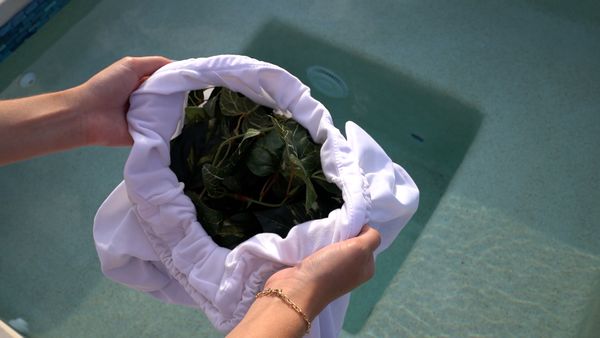
Finally, the Dolphin Premier is a top-tier robot known for its filtration, including NanoFilters and an oversized leaf bag. It's powerful and thorough, handling floors, walls, and waterlines, and its dual stabilizers and strong motors keep it locked onto its cleaning path. If you want the best and don't mind spending a bit more, it's an easy recommendation.
"For a real step up, the Cayman, REVA, and Premier all leave the budget robots behind."
Given the limits I saw in the Seagull 600 and E10, moving up to one of these is worth it. If you want a genuinely hands-off robot with full coverage and strong filtration, any of them is money well spent. For all my top picks, don't miss my reviews of the best pool robots of the year.