



Introduction
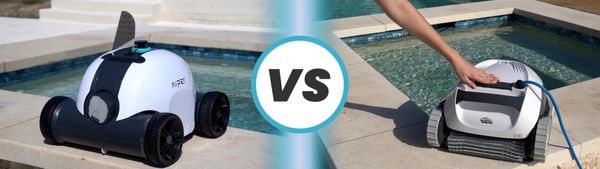
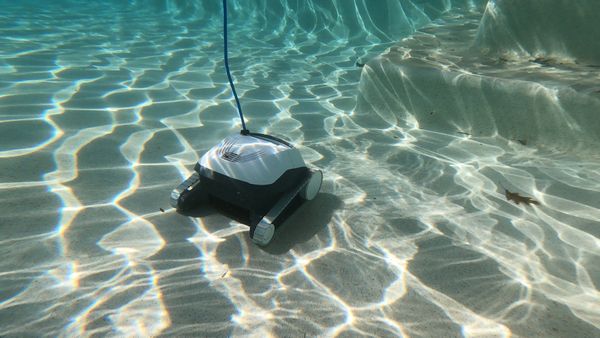
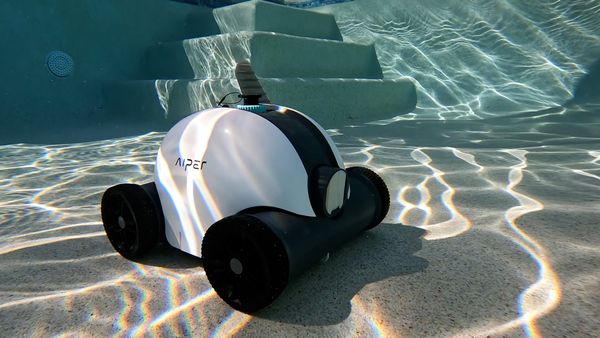
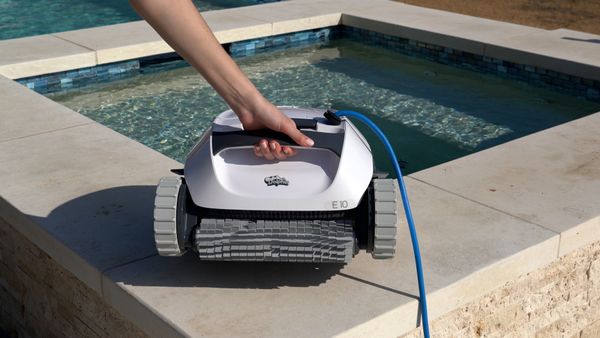
Comparing the Aiper Seagull 1000 and the Dolphin E10 comes down to a few key things. I ran both in my pool to see how they actually perform. The Seagull 1000 is a cordless robot aimed at budget buyers, while the Dolphin E10 is Maytronics' entry-level cleaner built mainly for small pools.
I bought and tested each to see how they'd hold up under real conditions, judging them on coverage, filtration, and features. The Seagull 1000 turned out to be a letdown on both coverage and filtration, mostly because it has no active brush and its filters don't do much.
The Dolphin E10 cleaned solidly for the price, though it skips features like a weekly timer and NanoFilters. It's affordable but not fully hands-off, since you have to start each cycle manually. And like the Aiper, it only does floors, missing the walls and waterline.
Quick framing before the details: the E10 is a wired, no-frills entry Dolphin, and the Seagull 1000 is a cordless budget unit. Neither is a premium robot, and both stick to the floor. The real question is which one does that floor job reliably, and across three months the answer kept coming back E10.
Still, the E10 came out ahead in most categories, especially on overall cleaning and ease of use. It has its limits, and I'll get into all of them below so you can make a smart call.
"Reliable, sure. But its cleaning has real limits."
How We Test
Comparing the Aiper Seagull 1000 and the Dolphin E10 means weighing a few things carefully. I put both through real testing in my pool. The Seagull 1000 is a cordless, budget-focused robot, while the Dolphin E10 is Maytronics' entry-level cleaner built mainly for small pools.
I bought and tested each under different conditions, judging coverage, filtration, and features. The Seagull 1000 disappointed on coverage and filtration alike, mostly because it lacks an active brush and its filters are weak.
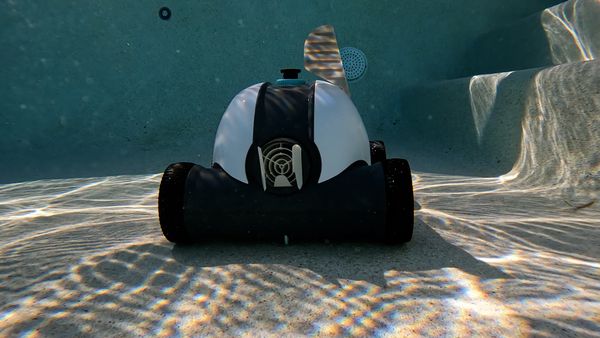
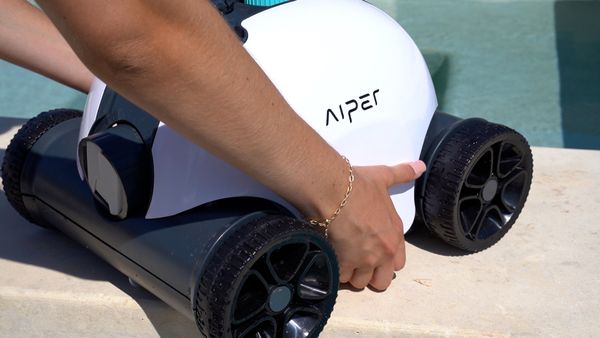
To start with, the Aiper Seagull 1000 only targets floor cleaning and has no navigation software. Its static brush and plastic wheels don't grip the pool surfaces well. That missing active brush really hurt its cleaning, and it showed, it left plenty of debris behind.
The Dolphin E10 cleaned solidly for the money, though it skips a weekly timer and NanoFilters. It's affordable but not fully hands-off, since you start each cycle by hand. And like the Aiper, it's floor-only, missing the walls and waterline.
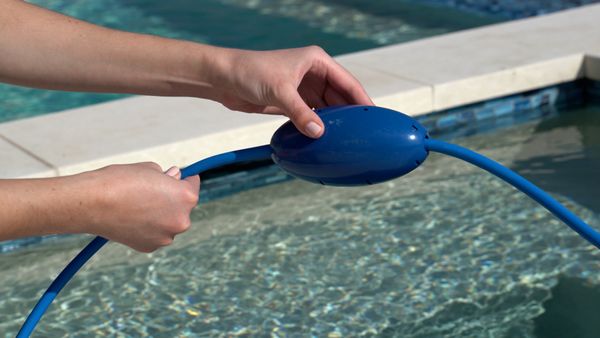
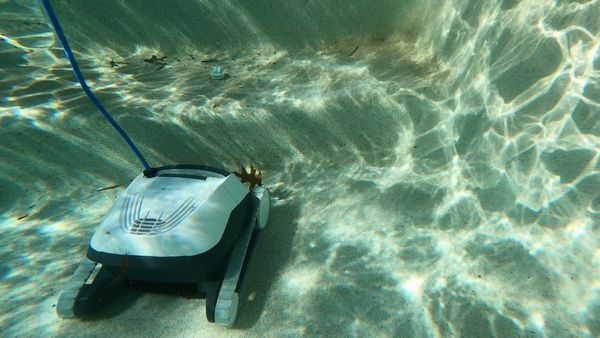
Once it's running, the E10 covered the floor well, navigating effectively within its limits. It cleaned the floor thoroughly by moving in systematic paths. It won't climb walls to reach the waterline, which is a real drawback for deeper pools.
I ran both robots for three months across different weather and debris levels. That stretch let me see how each held up over time, how often they needed maintenance, and whether they kept the pool consistently cleaner.

"Reliable, sure. But its cleaning has real limits."
The Seagull 1000's cordless design seemed handy at first, but it soured after a few weeks. The battery weakened, so cleaning cycles got even shorter, and the unit spent more time charging than cleaning. The Dolphin E10 needs a manual start, but it doesn't have battery problems, which made it more dependable over the long haul.
On the plus side, the Seagull 1000 is priced well and runs cordless, which some folks will like. But that comes at the cost of weaker cleaning and short battery life. Its features are thin, and the one-year warranty didn't give me much confidence in its durability.
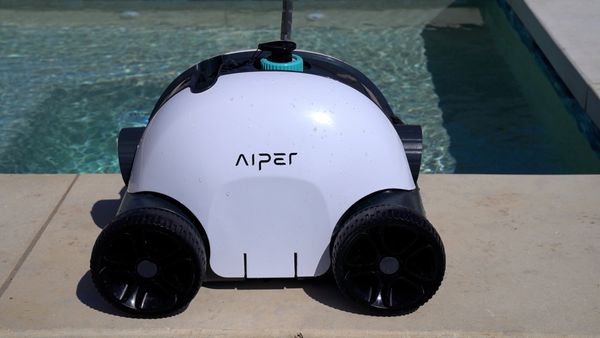
By contrast, while the Dolphin E10 lacks some automation, its solid floor cleaning and effective design make it the more straightforward, efficient pick. The two-year warranty and Maytronics support add reliability, and routine upkeep like rinsing the filter basket was quick and painless.
The wired-versus-cordless split is the whole story with these two. The Seagull 1000's battery is the thing that degrades and cuts your cleaning short, while the E10 just plugs in and runs the same on day one and day ninety. If you'd rather not think about battery health at all, that alone tips the scales.
Bottom line, between these two, the Dolphin E10 comes out ahead on reliability and cleaning. If you want a fully hands-off, automated experience, though, it's worth looking at the Dolphin Cayman or the Dolphin Escape. Check back soon with the Pool Pad team for more on the best pool products and techniques.
Coverage
On coverage, the Aiper Seagull 1000 and the Dolphin E10 tell different stories. I tested both hard in real conditions. The Seagull 1000 is meant to be a cheap, cordless option, but its coverage has real limits.
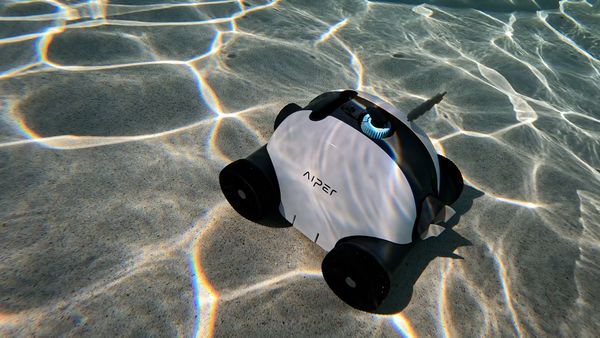
The Seagull 1000 cleans only the pool floor. There's no navigation software, just plastic wheels and a static brush, which makes it less effective. Without navigation, it kept bouncing off walls, hanging up on drains, and leaving big patches of floor dirty. Its coverage score lands at a disappointing 4.
"Decent on floors, nothing on walls or the waterline."
The Dolphin E10 covers more effectively. It's a solid entry-level robot for small inground and above-ground pools. It focuses on floors too, but it does it much better than the Aiper because it navigates in a systematic, efficient path that actually covers the whole floor.
Like the Seagull 1000, the E10 doesn't clean walls or the waterline. Even so, it beats the Aiper on floor coverage thanks to that careful navigation. The E10 earned a coverage score of 7, which makes it the more reliable choice if you just need the floor done.
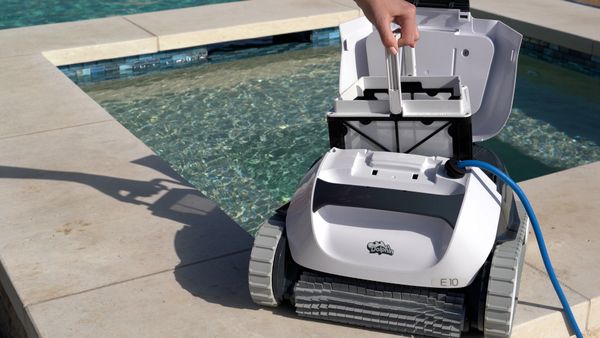
Both have limits, but the E10 clearly comes out ahead on overall coverage. Comparing the two scores, the E10 is the stronger pick for floor-specific cleaning.
The Seagull 1000 also gets tripped up by its main selling point, the cordless design. It sounds convenient, but the battery fades fast, so cycles get even shorter and the unit spends more time charging than cleaning. That really cuts into how much it actually gets done.
"Reliable, sure. But its cleaning has real limits."
The Dolphin E10 needs a manual start, but it has no battery worries. Its wired design keeps it running steadily through the whole cycle. The 40ft cord lets it work in pools up to 33ft long. Overall, it's a steadier, more reliable clean, which makes it the better choice for consistent floor work.
One thing that surprised me is how much navigation matters even when both robots 'only do floors.' The E10 works a systematic path and actually finishes the floor, while the Seagull 1000 wanders, bumps, and leaves gaps. Same job on paper, very different result in the water.
So if floor cleaning is genuinely all you need, the E10 does it properly, and that's worth more than the Aiper's cordless convenience.
So on coverage, the Dolphin E10 is the clear winner over the Aiper Seagull 1000. Both have downsides, but the E10 performs and holds up better. For thorough floor coverage, it's the better investment. And if you want an even deeper clean, robots like the Dolphin Cayman and Dolphin Escape are worth a look too.
Filters
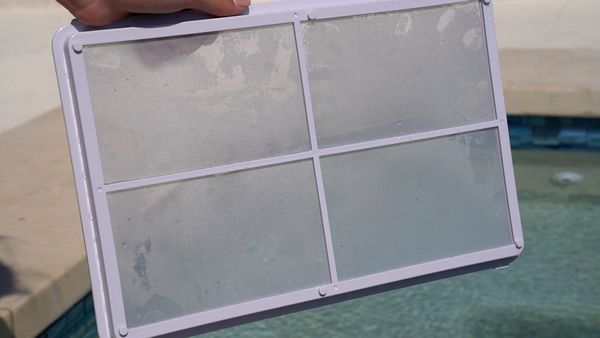
On filters, the Aiper Seagull 1000 and the Dolphin E10 split in a few important ways. The Seagull 1000 comes with a flat, fine filter that leaves a lot to want. That single-pane design doesn't filter well, letting smaller particles wash back into the water, and it doesn't have the capacity or the muscle to hold larger debris either.
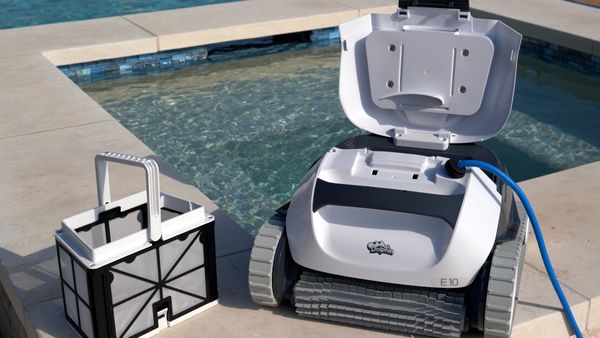
The Dolphin E10, by contrast, uses a standard mesh filter basket that's a more dependable setup. It's larger and better at trapping both fine particles and bigger debris like leaves and twigs. The mesh design allows better water flow and more thorough filtration than the Aiper's flat filter.
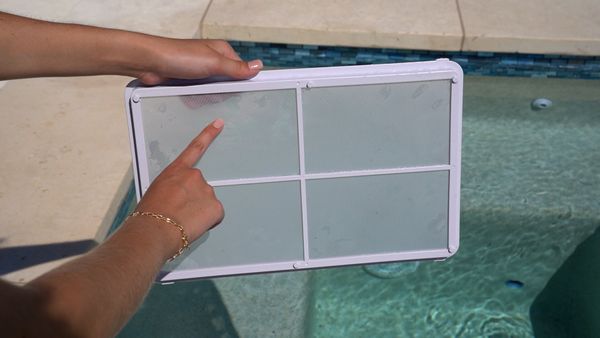
"The E10's mesh basket simply catches more."
In practice, the E10's mesh filter is far easier to clean and maintain. The basket pops out with no fuss, so routine cleaning is quick. With the Seagull 1000, you have to take the unit apart to get to the flat filter, which is a hassle.
There's also a real gap in what each robot can capture. The Seagull 1000 struggles with both fine particles and larger debris, while the Dolphin E10 handles a wider range. Its roomy mesh basket filters out fine particles and grabs larger debris without clogging.
The Seagull 1000 scored a 2 on filtration, largely for its weak, fiddly filter, while the Dolphin E10 did better at 3.5. That reflects the E10's stronger filtration, easier upkeep, and better reliability. Its filter basket is the clear winner here.
In real terms, the E10 leaves the pool noticeably cleaner. Its better filtration catches fine particles and larger debris alike. The Seagull 1000 tends to leave small particles in the water and struggles with bigger debris, which drags down its cleaning.
"Better filtration is what actually gives you a cleaner pool."
So while both aim to clean your pool, the Dolphin E10's filter is clearly the stronger one. Its mesh basket and easy maintenance make it the better choice for reliable cleaning, which is why the E10 edges out the Aiper Seagull 1000 here too.
The pop-out basket is a bigger deal than it sounds. Cleaning is the chore that decides whether you keep using a robot, and the E10 makes it a ten-second job, while the Seagull 1000 makes you disassemble the unit. Over a season, that friction is exactly what pushes cheap robots into the garage corner.
If you want even more advanced cleaning, robots like the Dolphin Cayman and Dolphin Escape are excellent alternatives. Check back soon with the Pool Pad team for more on the best pool products and techniques.
Feature Set
Looking at the feature sets of the Aiper Seagull 1000 and the Dolphin E10, a few differences really matter. Both aim to clean efficiently, but their features change how usable each one actually is.
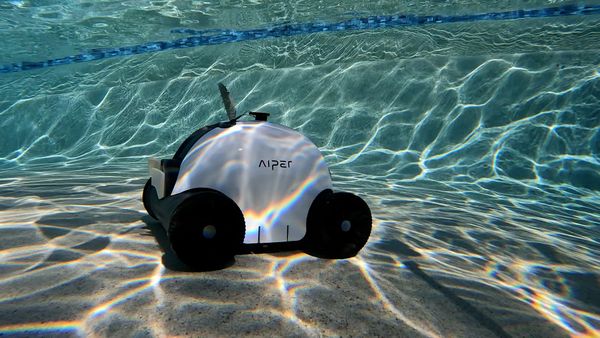
Start with the Seagull 1000. Its main feature is the cordless design, which sounds convenient until the short battery and long charge times get in the way. And with no active brush and no real filters, its cleaning takes a hit, especially on debris and fine particles.
The Dolphin E10, though entry-level, brings a more substantial set. It skips automation like a weekly timer, but it has a dependable filter basket and an active cleaning brush. Those help it capture more debris and clean the floor more thoroughly.
"The E10's active brush and filter basket beat the Aiper's bare-bones setup."
Usability is another split. The Seagull 1000 needs frequent recharging, which makes it less friendly to live with, and its setup is more of a chore, several hours of charging for just 90 minutes of cleaning. The Dolphin E10 runs consistently thanks to its wired design. It needs a manual start, but it delivers steady, reliable sessions without battery headaches.
On warranty, the Dolphin E10 wins with a two-year warranty backed by Maytronics, which is real peace of mind. The Seagull 1000 offers only one year, which raised concerns for me about its long-term durability.
On feature scores, the Seagull 1000 landed a 4 here, while the Dolphin E10 hit a higher 6. That gap shows the E10's stronger feature set, especially on filtration and overall usability.
To be clear about the E10's limits, it's still an entry-level robot: no weekly timer, no wall climbing, no NanoFilters. But it nails the fundamentals, an active brush, a real filter basket, and a wired connection that never quits mid-cycle, and that's why it feels more trustworthy than the flashier-sounding cordless Aiper.
So while the Seagull 1000's cordless design draws people in, its thin features and weak performance hold it back. The Dolphin E10, with its active brush, dependable filter basket, and two-year warranty, is the more practical, efficient pick. If you want a more complete clean, upgrades like the Dolphin Cayman or the Dolphin Escape are worth it. Check back soon with the Pool Pad team for more on the best pool products and techniques.
Conclusion
In this matchup, I dug into the Aiper Seagull 1000 and the Dolphin E10. They sit at different price points with different features, and their performance really diverges. The Seagull 1000's cordless design looked promising but fell short in the areas that count.
Between the limited coverage and the unreliable battery, the Seagull 1000 scores a low 4/10 in my review. The cord-free convenience gets buried under weak cleaning and a clunky design. Its short battery and poor filtration make it a tough one to recommend, especially after seeing it struggle in real testing.
The Dolphin E10 scores a higher 6.3/10. It doesn't climb walls and has no weekly timer, but within its limits it's reliable. Its wired design runs steady, sidestepping the battery pitfalls that hurt the Aiper. The filter system is basic but works and cleans up easily.
The Dolphin E10 wins this head-to-head on those scores. Its stability, ease of use, and better coverage put it ahead of the Seagull 1000. If you want a reliable, more hands-on entry-level robot, the E10 is a sensible pick.
That said, if you want something more automated and efficient, look at the Dolphin Cayman or Dolphin Escape. They add wall climbing, better filtration, and stronger reliability overall. Spending a bit more on a premium model saves time and keeps the pool consistently clean.
Bottom line for the budget shopper: the E10 is the one I'd actually hand a friend. It's not exciting, but it's dependable, and dependable is the whole point of a robot you want to forget about. The Seagull 1000's cordless pitch just doesn't survive contact with real use.
All in, the Seagull 1000 has some perks like the cordless design, but it comes up short where it matters. The Dolphin E10, limits and all, delivers a more reliable, effective clean. For a full rundown of your best options, check my best pool robots guide. Thanks for trusting the Pool Pad team with your pool.
Alternate Robots
If you want something more advanced than the Aiper Seagull 1000 and the Dolphin E10, there are several strong robots worth a look. My top three here are the Dolphin Escape, Dolphin Cayman, and Dolphin Quantum.
The Dolphin Escape is a great fit for above-ground or smaller inground pools. Its strong performance and floor cleaning make it a top contender. Unlike the Seagull 1000, it has Hypergrip tracks that keep it firmly planted on the pool floor for a more thorough clean. It also has a large MaxBin for debris, so maintenance is quick and easy.
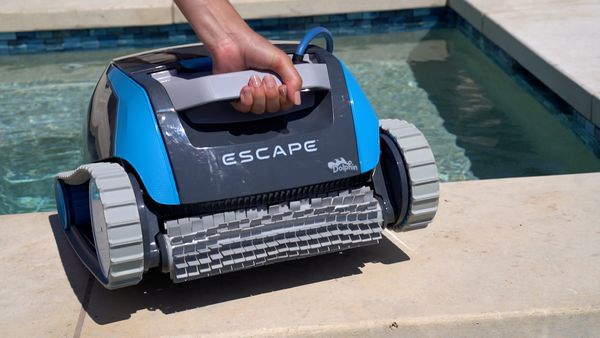
"Advanced cleaning backed by features that actually help."
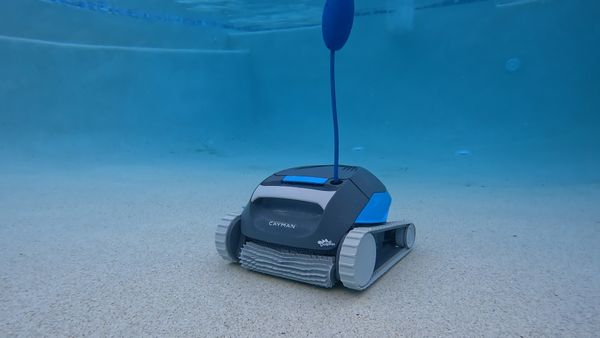
Next, the Dolphin Cayman is a mid-priced robot with a well-rounded feature set. It has a programmable weekly timer, which the Dolphin E10 lacks, and Hyper-Grip tracks for better traction. Its strong scrubbing cleans the pool from floor to wall. It skips the waterline, but its value and performance are tough to beat at its price.
For a more premium option, the Dolphin Quantum is another top-tier pick. It has the PowerJet 3D mobility system for precise navigation and excellent waterline cleaning, something many entry-level robots like the E10 miss. The Quantum also includes an ultrafine filter for capturing microscopic debris, so the water stays genuinely clear.
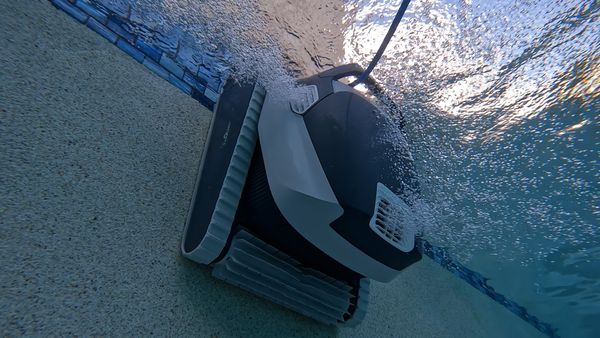
All three clean far better than the Seagull 1000 or the Dolphin E10, which makes them excellent alternatives. Of the three, the Dolphin Quantum is a particularly strong pick for its advanced features and all-around efficiency. Any of them will give you a cleaner pool with less effort.
Where you land among these three depends on ambition and budget: the Escape for strong floor cleaning in smaller pools, the Cayman for scheduling and floor-to-wall coverage, and the Quantum when you want waterline cleaning and the finest filtration. All three leave both the Seagull 1000 and the E10 behind.
Check back soon with the Pool Pad team for more on the best pool products and techniques, including my detailed reviews of the best pool robots available today.