



Introduction
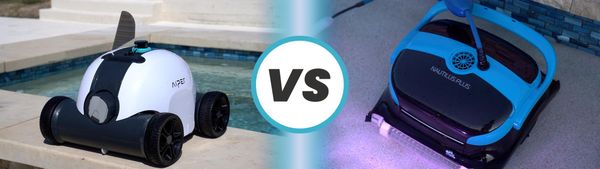
I bought both the Aiper Seagull 1000 and the Dolphin Nautilus CC Plus with my own money and ran them side by side in my pool for months, because that's the only way I trust a comparison. Going in, I wanted to like the Seagull 1000 — the cordless idea is genuinely appealing. But once it was actually in the water, it just didn't hold up, especially next to a machine at a similar price.
The Nautilus CC Plus is one of those names you hear over and over in the pool world, and it earned that reputation by being reliable and getting the job done. My question wasn't whether it was good — it was whether it still holds up now that newer robots have raised the bar. So I put both through the same routine and paid attention to where each one shined and where it frustrated me.
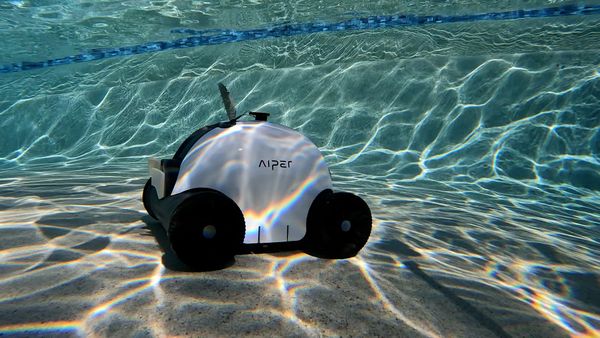
Here's the short version from testing. The Seagull 1000's cordless design sounds like freedom, but the trade-off is weak motors and a short battery — so it never had the muscle to really clean. The Nautilus CC Plus, corded and heavier, came loaded to handle floors and walls, and it delivered on that.
I really hoped the Seagull 1000 would be a step up from the Aiper 600. It isn't. With no active brushes and filters that let fine stuff slip through, I can't recommend it. The Nautilus CC Plus cleaned floors and walls well, though it never touched the waterline — and that's a spot that matters if you want your pool to actually look clean.
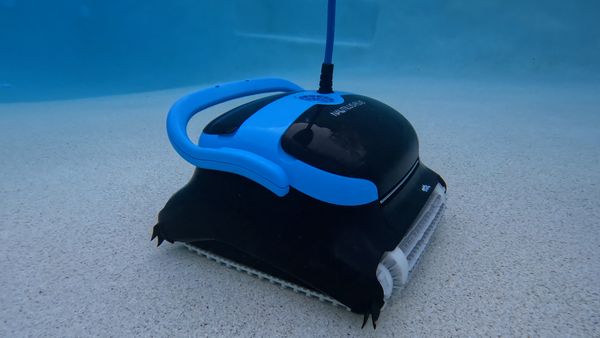
In the sections below I break down how these two stack up on pool coverage, filtration, and feature set and warranty. If you're deciding between them — or wondering whether to spend a little more — I think you'll find this useful. Let's get into the actual differences between the Seagull 1000's cordless setup and the more capable filtration on the Nautilus CC Plus.
How We Test
I don't do quick once-overs. I ran both the Aiper Seagull 1000 and the Dolphin Nautilus CC Plus for three months in my own pool so I could see how they behave over time, not just on day one. The scoring comes down to three things I care about most: pool coverage, filtration, and feature set and warranty.
Coverage is where I start, because a robot that misses half your pool isn't saving you any work. The Seagull 1000 disappointed me here — floor only, and even then its navigation wandered and left gaps. The Nautilus CC Plus handled both the floor and the walls without much fuss. It never cleaned the waterline, though, which is one place the newer robots have pulled ahead.
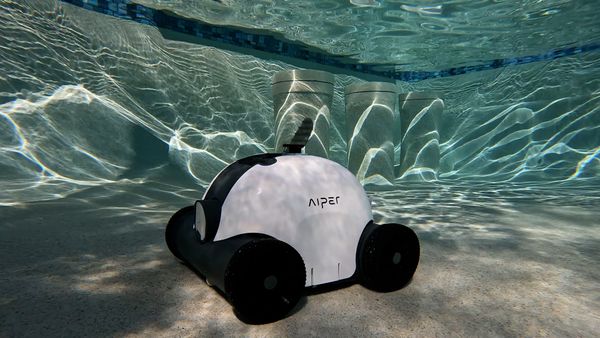
Then there's how they actually clean. The Seagull 1000 has no active brushes, so scrubbing and picking up stuck-on debris just isn't its strength — I'd finish a cycle and the pool still looked dirty. The Nautilus CC Plus did better thanks to its dual brushes, which loosen debris instead of rolling over it, though again, don't expect miracles at the waterline.
"You learn the most about a pool robot in month three, not week one."
Filtration is the next big one. The Seagull 1000's flat, fine filter struggled with the small stuff, and I kept seeing fine particles left behind in the water. The Nautilus CC Plus runs a standard fine filter that handles most everyday debris, but it doesn't have the NanoFilters that come with premium models like the Dolphin Quantum, which pull out the truly tiny particles.

Day-to-day living with each one told its own story. The Seagull 1000 needed recharging constantly, which kills the whole point of set-it-and-forget-it. The Nautilus CC Plus wasn't flawless, but it ran long enough per cycle and its programmable timer let me schedule cleanings and walk away.
Features and warranty feed into the final score too. The Seagull 1000's headline feature is being cordless — and that comes bundled with the shorter battery and weaker motors. The Nautilus CC Plus leans on that programmable timer for scheduling, though it doesn't have the fancier tricks you'd get on a step-up model like the Dolphin Sigma.
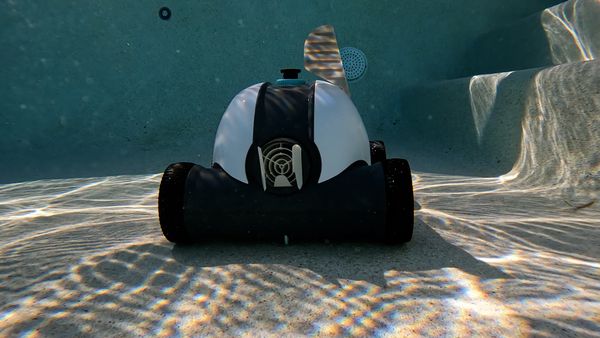
After three months, the gap was clear. The Seagull 1000 fell down on the fundamentals: filtration and cleaning power. The Nautilus CC Plus was the stronger machine but still has room to grow, mainly at the waterline and in its filter options.
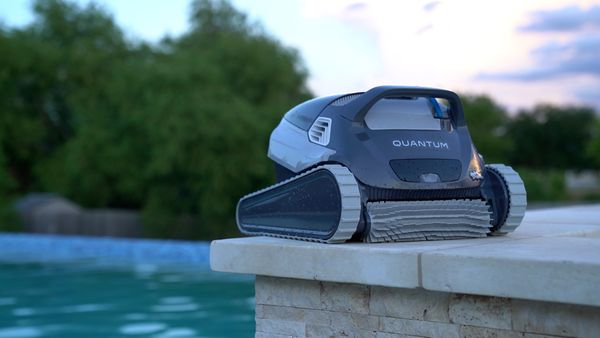
Line these two up against something like the Dolphin Quantum or the Dolphin Premier, and you see what more money buys you: better filtration, more thorough cleaning, and fewer compromises. Sometimes spending a bit more upfront saves you real time and hassle later. I'll keep updating this as I test more, so check back.
Coverage
Put the Aiper Seagull 1000 and the Dolphin Nautilus CC Plus side by side on coverage and it's not close. The Seagull 1000 sticks to the floor — no climbing walls, no scrubbing the waterline. The Nautilus CC Plus climbs and cleans both the floor and the walls, though it stops short of the waterline.
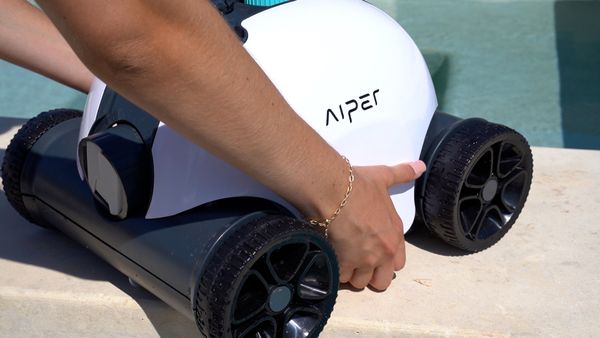
A big part of that comes down to navigation. The Nautilus CC Plus follows a planned path, so it actually covers the whole pool instead of wandering. The Seagull 1000 has no real navigation to speak of — it bumps around randomly, which means it repeats some spots and skips others entirely.
"Smart pathing is the difference between a clean pool and a mostly-clean pool."
The Nautilus CC Plus gets its grip from rubber tracks and works debris loose with dual scrubbing brushes, so it can actually dislodge the stuff that's stuck to floors and walls. The Seagull 1000 only has a small static brush, and it just can't break debris free the same way, so its cleaning is shallower.
Setup and turnaround favor the Dolphin too. The Seagull 1000 needs long charges for short cleaning cycles, which got old fast. The Nautilus CC Plus is simpler to get going and runs longer per charge cycle, so it fits into regular maintenance without you babysitting it.
"If a robot is a chore to run, you stop running it."
On the scorecard, the Nautilus CC Plus takes coverage with a 7 out of 10 against the Seagull 1000's 4 out of 10. That 7 reflects the wall climbing and the larger share of the pool it actually reaches, even with the waterline left uncovered.
Bottom line: the Nautilus CC Plus is the better coverage pick because it navigates with a plan and handles floors and walls, waterline gap aside. The Seagull 1000 struggles to even get the floor right, and that caps how useful it can be.
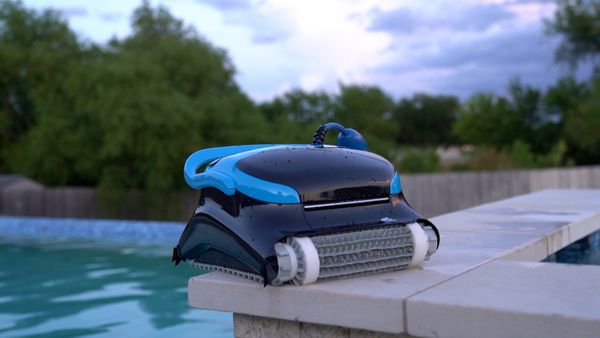
If reliable coverage is what you're after, go with the Nautilus CC Plus, or look at a step up like the Dolphin Quantum or Dolphin Premier if you want the waterline handled too.
Filters
Filtration is where the gap between the Aiper Seagull 1000 and the Dolphin Nautilus CC Plus gets obvious fast. A robot can drive around all it wants, but if the filter can't hold what it picks up, you're not getting a clean pool — and these two are not equal here.
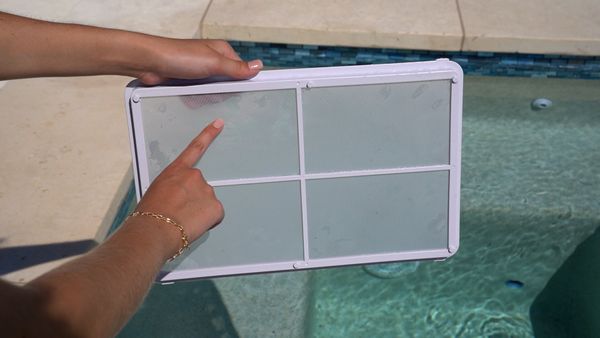
The Seagull 1000 uses a flat, fine filter. It sounds fine on paper, but in the water it just doesn't do the job. That single-pane mesh lets the smaller particles and finer debris slip right back out, so I'd watch it "clean" an area and see the fine stuff drift back down. That makes it really hard to get the water looking genuinely clear.
"A robot only cleans as well as its filter holds."
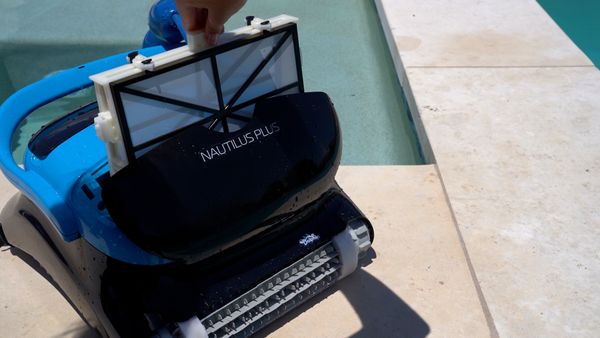
The Nautilus CC Plus runs a standard fine filter. It's not the fanciest system out there, but it grabs a wider range of debris than the Seagull 1000 does, and that shows in the water. What it doesn't have are the NanoFilters that come with premium models like the Dolphin Quantum.
That Quantum comparison is worth making, because its XXL MaxBin and NanoFilters pull out even the near-microscopic particles that make water look hazy. Next to that, the Nautilus CC Plus's standard fine filter feels basic — it works, but there's clearly headroom for handling the fine stuff better.
"NanoFilters are the line between clear water and almost-clear water."
With bigger debris like leaves and twigs, the Seagull 1000 struggles even more — weak filtration and no active scrubbing brush is a rough combo. The Nautilus CC Plus does better because those dual rotating brushes actually loosen and move debris toward the intake. It still can't match the layered filtration on the Dolphin Premier, though.
On the scores, the Nautilus CC Plus lands a 4 out of 10 and the Seagull 1000 a 2 out of 10. Neither is a filtration star, but the Nautilus CC Plus is clearly the better of the two and leaves you with a cleaner pool.
So for filtration, the Nautilus CC Plus is the one I'd pick between these two — not perfect, but a real step above the Seagull 1000. If clear water is your priority and you can stretch the budget, the Dolphin Quantum or Dolphin Premier are the ones to look at.
Feature Set
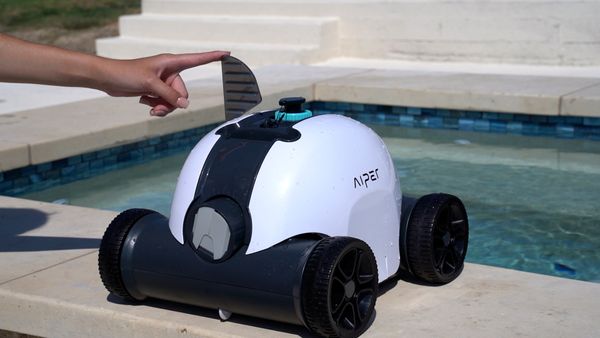
Comparing the feature sets of the Aiper Seagull 1000 and the Dolphin Nautilus CC Plus, the split is immediate. The Seagull 1000's whole pitch is being cordless. That's the feature. And it comes with real costs — shorter battery life and weaker motors — so the robot ends up underpowered.
The Nautilus CC Plus brings more to the table. My favorite part is the programmable timer — I set a schedule once and let it run without walking out to start it every time. That bit of automation is completely missing on the Seagull 1000, and once you've had it, you notice its absence.
"Scheduling is the feature you use every single week."
Day-to-day usability is another gap. Yes, the Seagull 1000 is cordless, but it needs frequent recharges and only manages short cleaning cycles, so you're never really hands-off. The Nautilus CC Plus needs a cord, sure, but it runs longer and more reliably per cycle, and I'll take that trade every time.

On scrubbing, the Nautilus CC Plus wins again. Its dual rotating brushes dig into tough debris on floors and walls. The Seagull 1000 has no active brushes at all — just a small static one that can't do much with anything that's actually stuck on.
"Active brushes are what separate scrubbing from just gliding over dirt."
The unique-feature angle sums it up. The Seagull 1000's claim to fame is being cordless, and that loses its shine fast once you factor in the weak cleaning and poor filtration. The Nautilus CC Plus doesn't chase anything flashy — it just refines the basics into something dependable, which honestly matters more.

On features, the Nautilus CC Plus scores a 7 out of 10 and the Seagull 1000 a 4 out of 10. That gap really points at the Seagull 1000's thin design and feature list, and it makes the Nautilus CC Plus the easy call if you want an actual full-featured robot.

So between these two, the Nautilus CC Plus wins on features for its scheduling, reliability, and real scrubbing. The Seagull 1000's cordless design is interesting but doesn't carry the rest of the robot. If you want more, the Nautilus CC Plus or a step up like the Dolphin Premier is where I'd look.
Conclusion
After running the Aiper Seagull 1000 and the Dolphin Nautilus CC Plus head to head, the differences in performance, features, and value are pretty clear-cut.
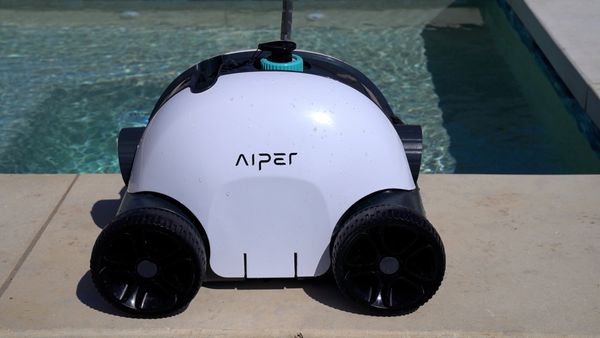
The Seagull 1000 has an appealing price and that cordless design, but it just underwhelmed. It landed an overall score of 4/10, which tracks with its weak coverage, poor filtration, and thin feature set. Add in a battery that can't go the distance and it's hard to call it reliable.
The Nautilus CC Plus was the better machine, though not without flaws. It scored 6/10 overall, with real strengths in coverage and ease of use. The missing NanoFilters and the untouched waterline hold it back, but it's still a far more dependable choice than the Seagull 1000.
On overall scores, the Dolphin Nautilus CC Plus wins this one against the Aiper Seagull 1000. That said, if you want better performance, features, and value, it's worth looking at the higher-rated options too.
If you're ready to spend a bit more, I'd point you to the Dolphin Quantum and the Dolphin Premier. Both bring better filtration, real waterline cleaning, and fuller feature sets, so pool upkeep takes a lot less of your time.
And if you want the full landscape before you buy, take a look at my rundown of the best pool robots. It'll help you match a cleaner to your actual pool instead of guessing.
Alternate Robots
If you're shopping robotic pool cleaners beyond the Aiper Seagull 1000 and the Dolphin Nautilus CC Plus, there are a few I'd steer you toward. Each one earns its spot in a different way. After testing a stack of models, the Dolphin Escape stood out to me, especially if you've got an above-ground or smaller inground pool.
The Escape cleans well thanks to its HyperBrush scrubbing and SmartNav 2.0 mapping. Unlike a lot of entry-level robots, it climbs partway up the walls, so it covers more than just the floor. Its large filter basket — with optional NanoFilters — holds plenty of debris, which means fewer trips to empty it.
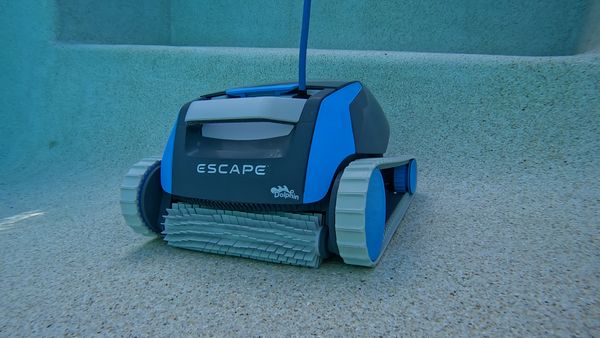
"The Escape punches well above its size, especially on above-ground pools."
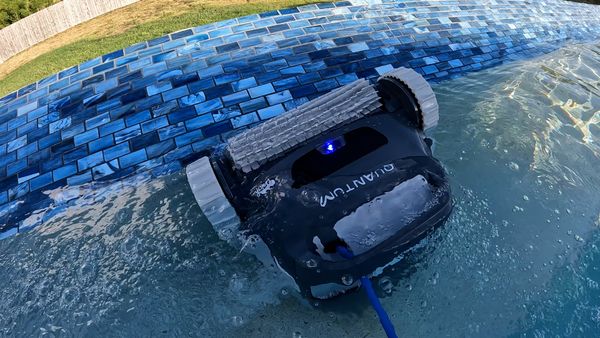
Another one I'd recommend is the Dolphin Quantum, part of Maytronics' newer ProLine. It runs dual HyperBrushes and PowerJet 3D mobility, so it cleans all the way from the floor to the waterline. The XXL MaxBin plus NanoFilters means it grabs the fine stuff, and the programmable timer makes it genuinely hands-off.
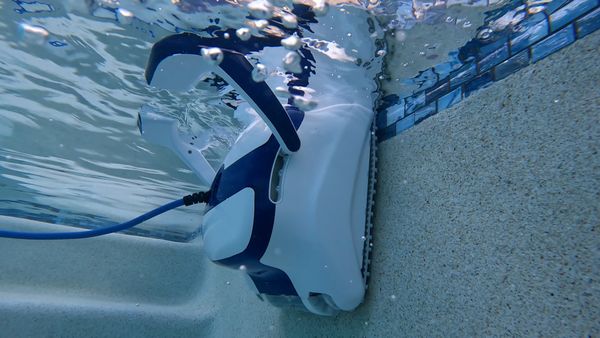
If you want the most capable cleaner in the bunch, look at the Dolphin Sigma. It's got three commercial-grade motors, dual scrubbing brushes, and solid gyroscopic navigation for precise pathing. It ships with both standard and NanoFilters, and the myDolphin Plus app lets you control and schedule it from your phone.
So while the Aiper Seagull 1000 and the Dolphin Nautilus CC Plus each have their place, the Dolphin Escape, Dolphin Quantum, and Dolphin Sigma bring more to the table. For the full picture, check my guide to the best pool robots.