



Introduction
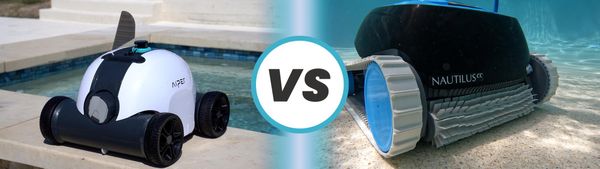
There are a lot of robotic pool cleaners out there, and honestly, most of them aren't equal. Here I'm putting the Aiper Seagull 1000 up against the Dolphin Nautilus CC. I bought both, tested them properly, and reviewed them to see whether they live up to the marketing. The verdict tells you a lot.
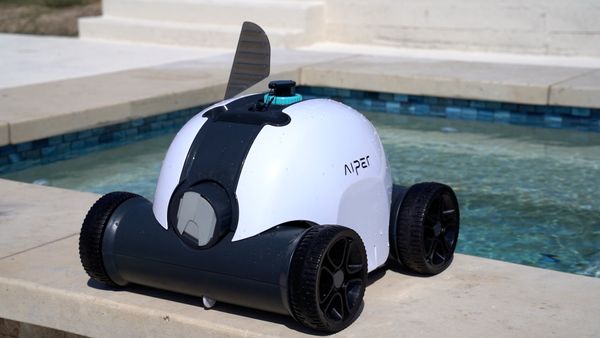
The Seagull 1000 gets sold as an upgrade and a budget pick, and the cordless design did catch my eye at first. But once I really put it through its paces, the cleaning power and coverage just weren't there. The battery let me down too, and that made it tough to get behind.
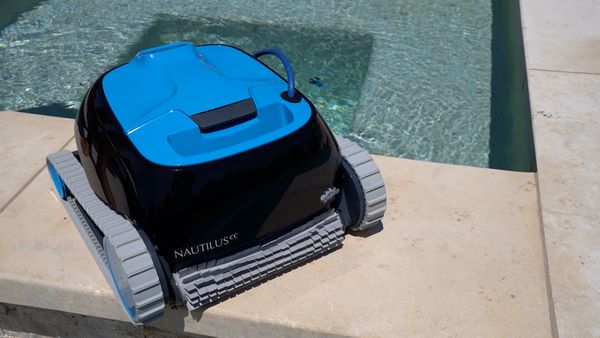
The Dolphin Nautilus CC is aimed at smaller in-ground and above-ground pools. The catch is that Maytronics stripped the programmable timer out of the latest version, and it still lacks NanoFilters and waterline cleaning. Those missing pieces make it a harder sell against what else is out there now.

Neither of these hit the marks I was hoping for. The Seagull 1000 couldn't clean the whole pool — it bounced off walls and wanted long charges for short runs. The Nautilus CC cleaned floors and walls fine, but it's missing the features that make for a genuinely thorough clean.
"I wanted one of these to surprise me. Neither did."
The more I tested, the clearer it got: neither the Seagull 1000 nor the Nautilus CC can hang with the better robots like the Dolphin Premier or the Dolphin Sigma. Solid features, full pool coverage, and steady performance are just baseline on those.
If you want a cleaner that pairs efficiency with smart features and real coverage, I'd steer you toward something like the Dolphin Cayman or the Dolphin Escape instead. Both held up well in my testing, cleaning thoroughly with smarter tech and a better overall design.
Next up I'll walk through exactly how I test these robots, so you can see what separates the good ones from the rest. Stick around for the breakdown of my process — it's how I make sure the recommendation you get is one I'd actually stand behind.
How We Test
I run each robotic pool cleaner for three months so I can see how it does across real conditions, not just on a good day. I put the Aiper Seagull 1000 through the full routine, watching how it handled different debris and surfaces. I focus on four things: pool coverage, filtration, cleaning performance, and the convenience features like timers and app control.
For the Dolphin Nautilus CC, my testing showed decent floor and wall coverage but a robot missing the stuff that makes cleaning easier, like an automatic timer. I look hard at setup, first impressions, and how it holds up long-term. With the Nautilus CC, losing the programmable timer and having no NanoFilters made it feel less convenient the longer I used it.
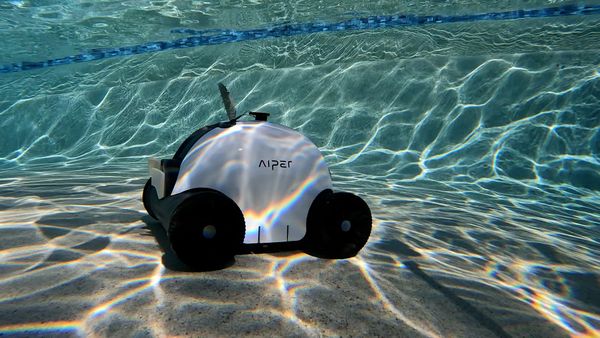
Cleaning ability is a big part of the score. Testing the Seagull 1000, the lack of an active brush and its poor filtration showed up fast. I checked how it dealt with fine debris and bigger stuff like leaves and twigs, and too often it left debris behind or just pushed it around instead of picking it up.
The Nautilus CC cleaned better than the Aiper, but it stumbled on modern conveniences like waterline cleaning and easy automation. In my testing, newer models like the Dolphin Cayman and Dolphin Escape flat-out beat these older ones with smarter features and more efficient cleaning.
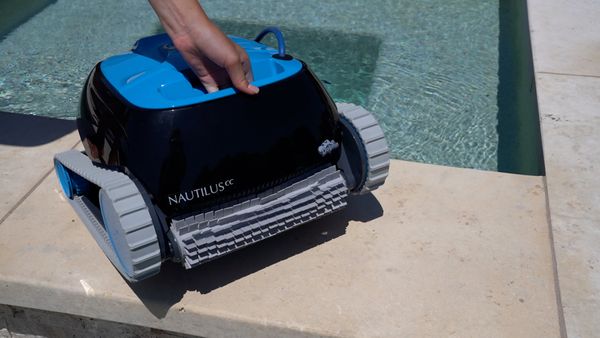
"Three months is long enough for a robot's real personality to show up."
Living with each cleaner for months tells you what the spec sheet won't. I ran the Seagull 1000's battery down over and over and it kept coming up short, needing recharges way too often. That kind of usability friction shapes the whole experience, and I weigh it heavily.
I also watch how each robot handles a normal pool. Features like SmartNav on the Dolphin Escape help it dodge the problems I kept hitting with the Seagull 1000, like getting hung up on drains or skipping big sections of the pool. Those moments are what shape my recommendations.
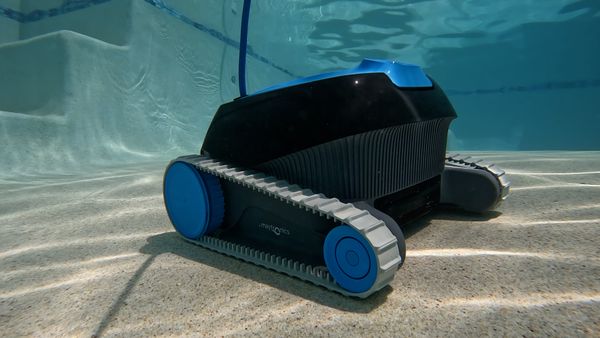
At the end of testing, I rank each cleaner using everything I've gathered — not just first impressions. Consistency over the whole run, how it deals with odd pool shapes, and whether it holds performance to the end all factor in. That's what separates a robot that's good on day one from one that's good in month three.
For anyone who wants full coverage, strong features, and steady performance, I point them to the Dolphin Premier or Dolphin Sigma. Those two consistently come out on top no matter how hard I push them.
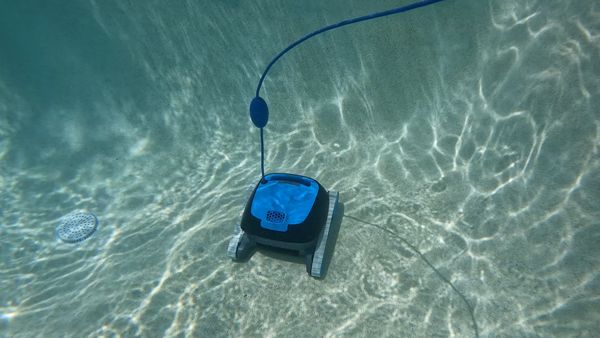
"The best robots earn it over months, not marketing."
By getting to know each cleaner's strengths and weaknesses over real, extended use, I can make sure my advice matches what you'll actually experience. My goal is to cut through the noise and point you at the reliability and smart features you get in models like the Dolphin Quantum or the Aquabot REVA.
Picking a robot should come down to honest, thorough testing. That's the whole approach here — nothing skipped — so you get advice you can trust for keeping your pool clean without the hassle. More detailed reviews and comparisons are on the way.
Coverage
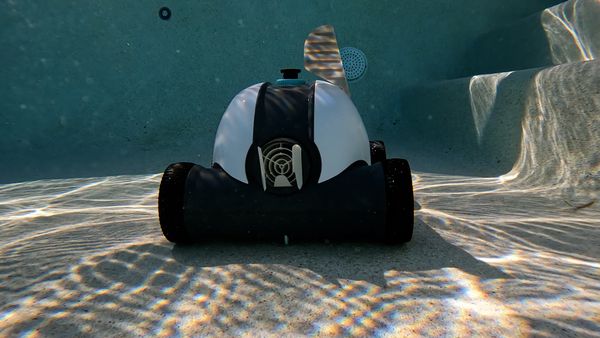
On pool coverage, the Aiper Seagull 1000 and the Dolphin Nautilus CC tell very different stories. The Seagull 1000 sticks to floors only, and with no navigation software and no active brush, it can't really do that well either — it misses larger debris and never scrubs properly.
The Dolphin Nautilus CC covers both floors and walls. With its 50ft cord it can handle pools up to 33 feet long. It climbs and cleans walls well, though it can't scrub the waterline — a real gap if you want a truly complete clean. Its tracks keep solid contact with the pool surfaces, so it navigates reasonably well.
The Nautilus CC also uses the CleverClean Navigation System to plan its path through the pool. Even with the waterline left out, its dual scrubbing brushes do a good job knocking debris loose from floors and walls.
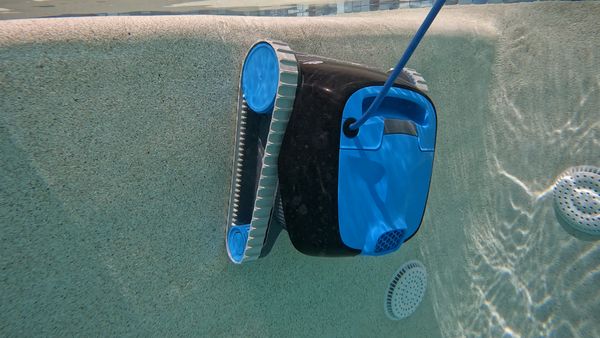
On raw performance the Nautilus CC clears the Seagull 1000. It earns a coverage score of 7 against the Seagull 1000's 4. That higher number reflects its ability to clean both walls and floors — waterline aside — while the Seagull 1000 fights just to get basic floor cleaning right.
"The Nautilus CC actually reaches your walls. The Seagull 1000 barely finishes the floor."
The Seagull 1000's weak coverage is its biggest problem, made worse by no navigation and no real scrubbing. The Nautilus CC has its own limits, but it's the more dependable cleaner, working floors and walls with a lot more efficiency.
Filters
The filters on the Aiper Seagull 1000 and the Dolphin Nautilus CC are a study in contrasts. The Seagull 1000 uses a flat, fine filter that has a hard time catching smaller debris. Its design only filters on one side, which limits how much water it can process.
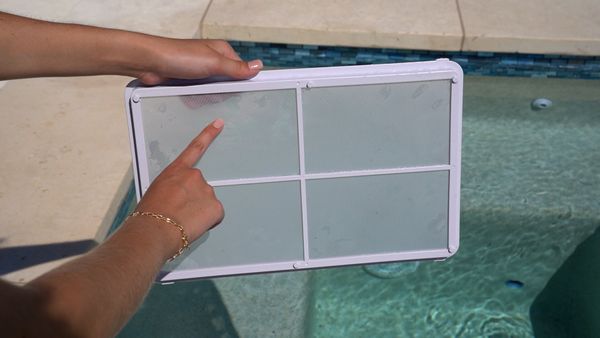
The Dolphin Nautilus CC comes with a standard fine filter basket, the kind you see across Dolphin's lineup. It's easier to clean and it grabs a wider range of debris, from everyday dirt to twigs and small leaves. What it still doesn't have are NanoFilters.
"A proper basket beats a flat filter every time you empty it."
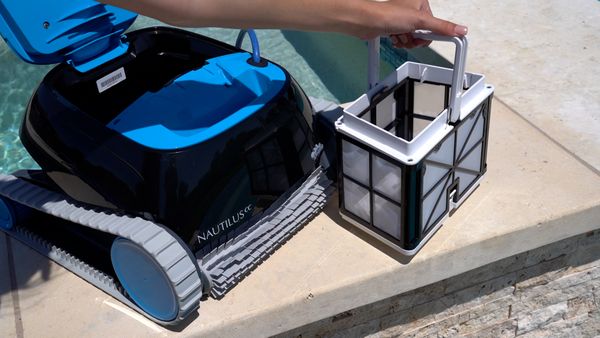
Where the Seagull 1000's flat filter leaves a lot of fine debris behind, the Nautilus CC's standard filter handles the job better overall. It's the stronger filter of the two, even if it can't touch the advanced systems in premium models like the Dolphin Quantum or the Dolphin Premier.
On debris, the Seagull 1000 tends to scatter dirt and small particles instead of trapping them. The Nautilus CC captures larger debris like leaves plus some of the finer stuff, thanks to that better basket. The efficiency gap between the two is real.
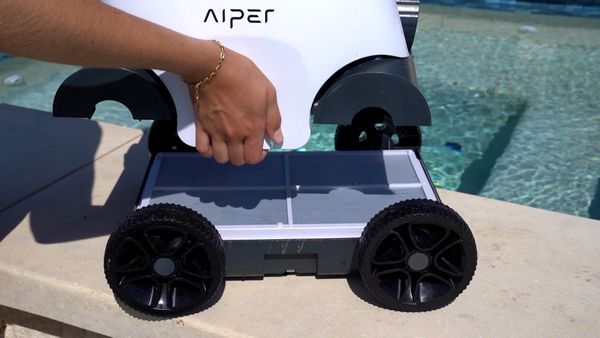
Between the Aiper Seagull 1000 and the Dolphin Nautilus CC, the Nautilus CC clearly wins on filtration. Both have limits, but the Nautilus CC's ability to handle a wider mix of debris makes it the one I'd choose here.
"The Nautilus CC's filter is the reason it leaves a cleaner pool behind."
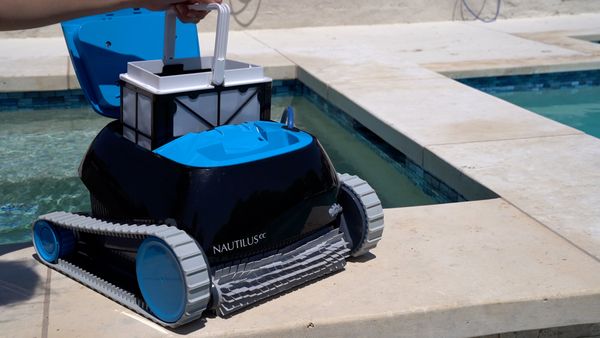
On the scores, the Seagull 1000's filter only manages a 2 because it can't hold debris well. The Nautilus CC edges ahead with a 3 for its more capable basket. So in the filter matchup, the Dolphin Nautilus CC is the better pick.
Feature Set
Looking at the feature sets of the Aiper Seagull 1000 and the Dolphin Nautilus CC, the differences jump out. The Seagull 1000's main feature is its cordless design. At first that seems like it kills the cord hassle, but it gets buried under real problems — long charge times and a weak motor — which turns cordless into more of a liability than a perk.
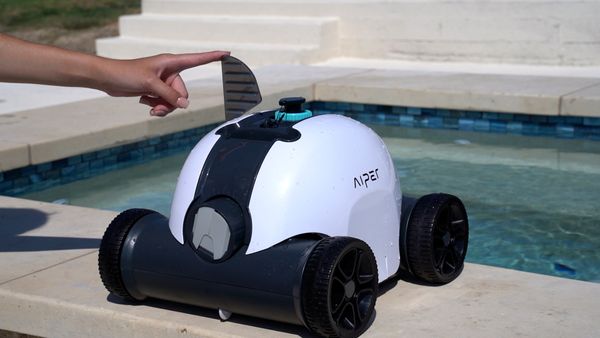
The Dolphin Nautilus CC used to include a programmable timer, which made scheduling regular cleanings genuinely easy. But the latest version drops that feature, and it stings. The Nautilus CC still brings some good stuff — dual scrubbing brushes and the CleverClean Navigation System, which keep floor and wall coverage solid.
"Pulling the timer out of the Nautilus CC took away the best reason to own it."
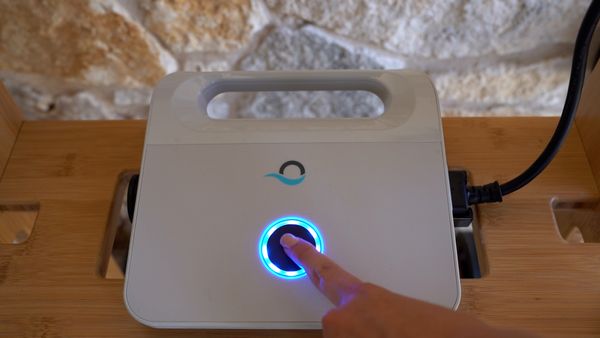
Warranty is another spot where they split. The Seagull 1000 comes with a one-year warranty, which honestly reads like limited confidence in it lasting — and that worries me more given the battery and charging complaints. The Nautilus CC has a more reassuring two-year warranty backed by Maytronics, which usually means fewer headaches about early failures or repair bills.
On top of that, while the Seagull 1000 keeps to a few basic features, the Nautilus CC adds navigation software and stronger track-based mobility, so it grips and cleans pool surfaces far better. Losing the timer still hurts, though — automation used to be exactly where it stood out.
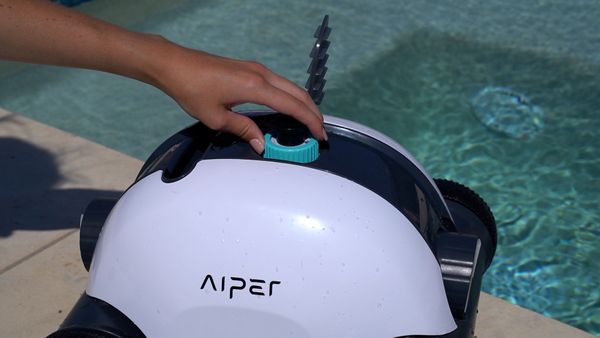
Given all that, it's no surprise both scored low on features. The Seagull 1000's underwhelming cordless design earned it a 2/5. The Nautilus CC, despite being the more capable robot, only managed 2.5/5 because of the missing timer. Neither one really stands out — both are short on the functionality and fresh ideas that matter.
"Smart features are what make a robot feel effortless. Without them, it's just a chore with a plug."
So both have some good qualities, but their feature sets fall well behind something like the Dolphin Cayman. Between the Seagull 1000's compromised cordless design and the Nautilus CC's lost automation, I'd point you toward robots that genuinely make maintenance easier — the ones in my roundup of the best robotic pool cleaners.
Conclusion
Wrapping this up, the Aiper Seagull 1000 landed a rough 4/10 in my testing. It came up short in every category — cleaning, filtration, features. That makes it a hard one to recommend to anyone who wants a pool cleaner that actually works.
The Dolphin Nautilus CC did better with an overall 6.3/10. It gives you decent floor and wall coverage plus the dependable Dolphin cleaning I expect. But dropping the programmable timer and going without NanoFilters and waterline cleaning takes some of the shine off.
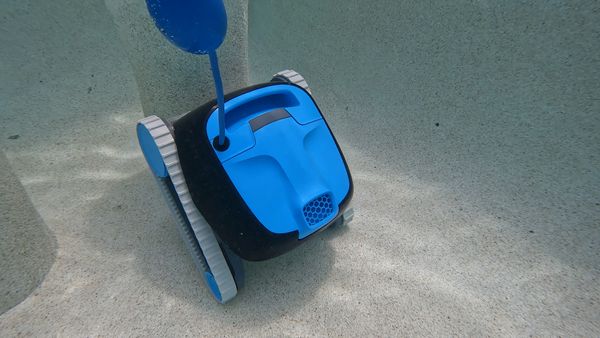
Head to head, the Dolphin Nautilus CC is the clear winner thanks to better cleaning and the backing of a brand like Maytronics. Still, I want to be straight with you: neither of these is a truly complete, hands-off cleaning solution.
"Between these two, one is fine and one isn't. Neither is the one I'd actually buy."
If you want better options, models like the Dolphin Cayman, Dolphin Escape, Dolphin Quantum, and Aquabot REVA are the ones I'd point to. They clean better, filter better, and add smart features that actually make upkeep easier.
Bottom line, the Dolphin Nautilus CC beats the Aiper Seagull 1000, but I'd still push you to look at the higher-rated models for a genuinely efficient, stress-free clean. For my top picks, dig into my reviews of the best robotic pool cleaners on the market today.
Alternate Robots
If you want real alternatives to the Aiper Seagull 1000 and Dolphin Nautilus CC, it's worth spending a bit more on a robot with better features and performance. One I really like is the Dolphin Quantum. It covers the pool beautifully with dual scrubbing brushes and PowerJet 3D mobility, cleaning all the way from floor to waterline.
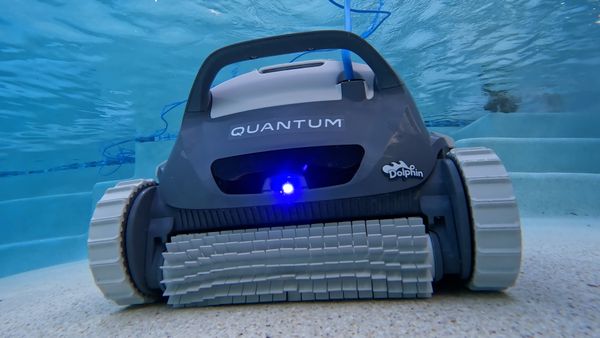
On filtration, the Dolphin Quantum pulls ahead by adding NanoFilters alongside the standard filters, so it catches the fine particles that cloud water. Its larger XXL MaxBin holds plenty of debris, which is great for bigger pools. It's part of the ProLine series, with a programmable power supply and a two-year Maytronics warranty.
"If you only look at one step-up robot, make it the Quantum."
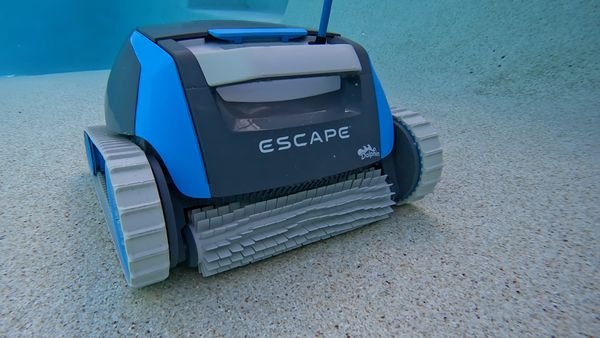
Another good one is the Dolphin Escape, which is ideal for above-ground or smaller inground pools. It uses Hypergrip tracks for traction and Smart Nav 2.0 to cover every inch efficiently. Its DC motors give it real cleaning power while staying energy efficient, which makes it a solid step up from the Seagull 1000 and Nautilus CC.
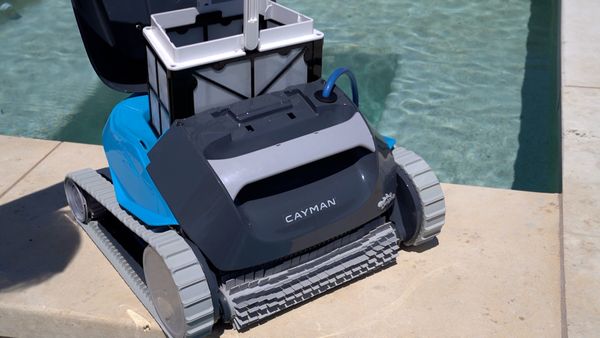
If you want strong value, look at the Dolphin Cayman. It's known for punching above its price, with a programmable weekly timer, a strong HyperBrush for scrubbing, and an optional NanoFilter MaxBin. It's a great fit if you want an affordable, automated cleaner that still performs.
So the Dolphin Quantum, Dolphin Escape, and Dolphin Cayman all bring stronger cleaning, better features, and more reliability — which is why they're my top picks over the Aiper and older Dolphin models. For the full breakdown, check out my in-depth reviews on the best pool robots available today.