



Hot tubs are supposed to be a quiet escape in your backyard—somewhere to relax after a long day. That calm turns to frustration fast when a tripped breaker stands between you and your soak. There you are, towel in hand, staring at the breaker box and wondering why your spa suddenly quit.
Flipping the switch back on and hoping for the best rarely works. There's usually a real problem underneath—a loose wire, a failing part, or moisture where it shouldn't be—and each one needs a bit of attention. When this happened to me, an evening soak turned into a night of head-scratching with a flashlight. The causes can vary a lot, and figuring out the "why" beats treating the symptom.
Here are seven reasons your hot tub might be tripping the breaker, plus how to track each one down and fix it.
Your Action Plan
- Reset the GFCI breaker with the power off and watch whether it trips again.
- Check the breaker box for moisture and dry it out.
- Inspect wiring and connectors for rust, corrosion, or looseness.
- Disconnect the spa's components one at a time to find a faulty part.
- Replace worn breakers or damaged parts.
- Call a licensed electrician for anything you're unsure about.
Troubleshoot Common Hot Tub Issues
You've just settled into the water, ready to relax, and the breaker trips. It feels like a setback, but working through most hot tub electrical problems is simpler than you'd think.
Start with the breaker itself
Frequent use or a power surge can wear a breaker out. Flip the switch and watch how it responds. If it trips the moment you reset it, the breaker itself may be failing and need replacing.
Rule out moisture and corrosion
Check the breaker box for dampness from rain, splash-out, or humidity. Dry it with a towel, run a dehumidifier if you need to, then reset and keep an eye on it. While you're in there, look for rust or a whitish residue on the wiring and parts. Catching corrosion early saves you bigger trouble later—clean minor spots with a wire brush and replace anything badly damaged. For trickier problems like shorts or burnt wires, call a professional.
Water and electricity don't mix—even a few drops in the breaker box can trip the GFCI.
Reset the Tripped Breaker
When the GFCI breaker trips, it's telling you something isn't right. Resetting it is easy; understanding why it tripped is what keeps it from happening again.
Start with a visual check. With the power off, look inside the breaker box for moisture—even a drop of water can flip the switch. Dry any dampness and move nearby water sources if you can. Next, check for wear. A breaker that trips the instant you reset it may simply be worn out. To test it, unplug the spa's internal components—the heater, pump, and blower—from the spa's control board, then reset. If it still trips with nothing connected, the breaker itself is likely done.
Finally, think about what's changed recently. Did you move components around, or have rodents been nesting back there? Those small clues often point to an easy fix.
Resetting the breaker matters less than understanding why it tripped in the first place.
Identify Moisture and Corrosion
Moisture creeping in where it shouldn't, or corrosion building up quietly, is one of the most common reasons a breaker trips. A little dampness inside the breaker box is all it takes.
Moisture sneaks in during rainy stretches, through splash-out, or when the spa sits in a spot that floods. A quick look usually turns up droplets or general dampness. Wiping everything down and running a fan or dehumidifier often fixes it.
Corrosion is the slower problem. Rust or a whitish powder around connectors and parts puts your electrical system at risk and can even affect your water. It thrives in humid spots, so check wires and control panels regularly. Cleaning handles minor cases; heavy corrosion means replacing parts.
Inspect Wiring and Connectors
Hot tub wiring looks complicated, but a careful check often solves the problem. Run your eye over every wire and connector. Connectors can wiggle loose over time, especially if the spa was moved recently or critters have been chewing.
A loose connection is a common culprit. If you find a wire that's slightly loose, a firm push or a turn of a screwdriver may be all it takes. Scorch marks or frayed insulation are more serious—signs of overheating or a short—and that wiring needs replacing. When you're unsure, call an expert.
If a wire is scorched, frayed, or crumbles to the touch, replace it—don't patch it.
Prevent Moisture-Induced Trips
Moisture slipping into places it shouldn't is a common troublemaker, and it's less obvious than a leak. If your spa sits under a tree, heavy rain can seep right into the breaker box and trip the GFCI every time you power up.
Grab a flashlight and check the box for dampness or condensation. Often the fix is drying it out and making sure no water pools nearby. If that doesn't hold, improve the seal around the box or move it somewhere more sheltered. Ongoing moisture also breeds corrosion, so watch for rusty or discolored connectors—they point to a deeper water problem. Check your seals and covers regularly, especially after heavy rain.
Identify and Fix Electrical Issues
When the electrical system skips a beat and trips the breaker, work through it in order. Start with the GFCI itself; if it trips right after a reset, it may have aged out or taken a power jolt. Check the breaker box for moisture and dry it. Look around the edges for rust or white residue and clean or replace as needed. Last, check each wiring connection to make sure it's snug and undamaged—a stray wire rubbing its neighbor can cause surges. Chewed or burnt wires mean it's time to call a professional.
Inspect and Maintain Components
Routine checks are the best way to keep your breaker from tripping. My own tub once tripped every few days for no clear reason, and a loose wire turned out to be behind it—something regular inspection would have caught much sooner.
Look over everything from the breaker box to the internal wiring, using a flashlight to spot moisture or corrosion. Pay attention to wire connectors, which loosen over time; often tightening a few screws restores proper flow. Then check each component on its own—disconnect them one by one and reset the breaker to find the faulty one. A failing heater is a common source. Once you find it, decide whether it's a simple fix or a job for a pro.
Prevent Corrosion and Moisture Damage
Rust and moisture wear down your spa quietly. Corrosion can creep into the electrical parts—especially the GFCI breaker—and cause trouble without warning. The signs are flaky rust, a whitish powder, and a breaker that acts up for no clear reason. Ignore them and you can end up paying for a full electrical overhaul.
Check the breaker box and inner workings regularly, focusing on connectors and wiring. Catch it early and a wire brush or electrical contact cleaner usually fixes it; heavy damage needs a pro. And if moisture keeps returning after you dry the box, think about moving it or adding waterproofing.
Identify Corrosion and Damage

Corrosion likes to hide in spots you'd never check during a quick look. Over time, moisture and chemicals create rust and decay on metal parts, which leads to electrical faults.
Start with the GFCI box and the spa cabinet. Corrosion shows up as a whitish residue or rust on connectors, wires, and metal surfaces—watch for discoloration and powdery deposits too. Ground wires, control panels, and connectors are prime targets because they see both moisture and current.
Caught early, a cleaning with a wire brush and contact cleaner often does the job. Heavy corrosion means replacing parts. If a leak caused it, fix the leak first so it doesn't return. Check for broken or burnt wires while you're there, and make sure every connection is secure.
Inspect for Moisture Intrusion
Moisture is easy to overlook but stubborn. Rain, splash-out, and even high humidity can find their way into the GFCI breaker and trip it. Open the box and you might see a slight glisten on the metal or a drop clinging to a wire. Dab it dry, and set a fan or dehumidifier nearby for a lasting fix.
If the problem returns after drying, that points to something deeper—like the need to relocate the box or add weatherproofing. Steady moisture leads to bigger electrical problems, so it's worth a permanent solution.
Examine Wiring for Damage
Wiring is the quiet workhorse of a hot tub—easy to ignore until a blackout or tripping breaker forces you to look. Over time, wires wear out or become a chew toy for squirrels and mice. Grab a flashlight and check the tangle of cables for frayed edges or exposed copper.
Don't ignore burns or char marks; those mean a wire likely met a power surge. Even a small nick can keep tripping the breaker. Electrical work calls for caution, so if the idea of handling wires makes you nervous, call a professional—spotting the problem is already half the job.
Address Corrosion and Rust
Corrosion around your spa's metal parts can create electrical paths that shouldn't exist, tripping the GFCI even when everything else seems fine. Warmth and humidity keep the process going. During maintenance, check the breaker box and cabinet for white powdery deposits or rusty streaks on connectors and wires.
A wire brush and contact cleaner handle light cases. When wires crumble at a touch, replace the affected parts. A problem that keeps returning may mean a hidden leak that needs attention before it does more damage.
Fix Loose-Wiring Connections
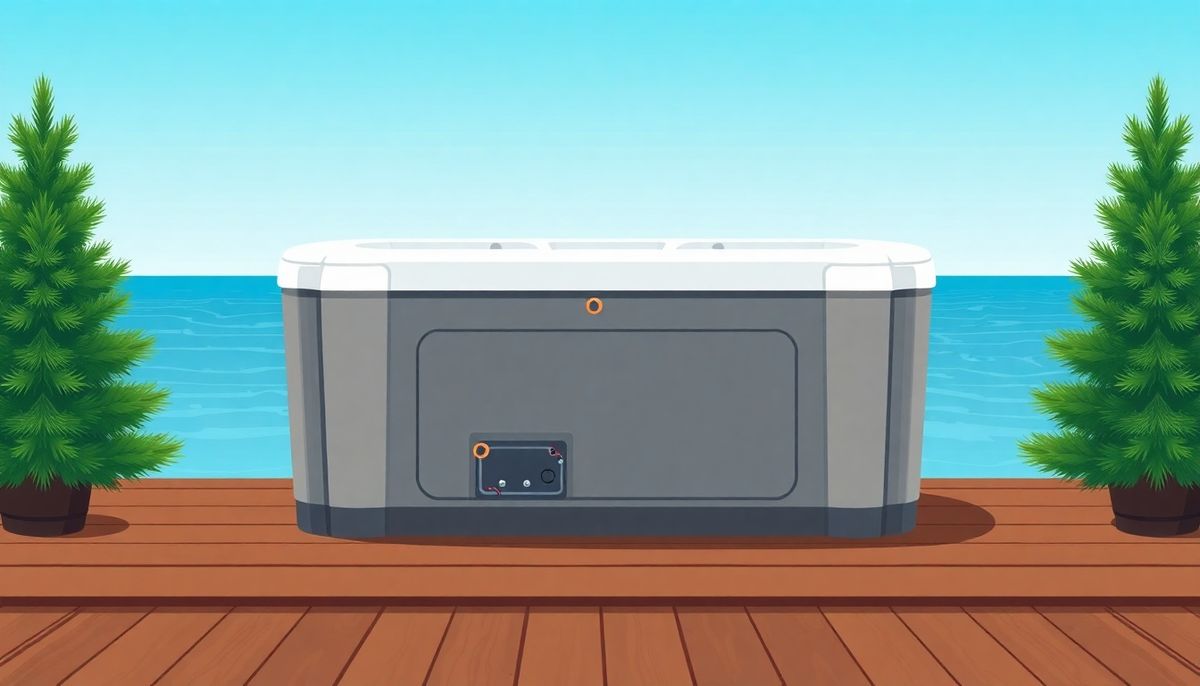
Loose connections are a sneaky cause of tripped breakers, and they often go unnoticed. Vibrations, everyday use, even an enthusiastic cleaning can work connectors free, and the GFCI shuts things down as a safeguard.
With the power off, look inside the control box and gently tighten the screws holding the wiring. Pay attention to the plastic plug-style connectors—they wiggle loose easily, and a firm push usually seats them. Replace any damaged connectors or wires; there's no patching those. If the problem won't go away, an electrician is the smart call.
Identify and Test Problem Areas
To stop a breaker from tripping over and over, you have to find and test the problem areas. Start with a visual check of everything you can reach—burnt wires, loose connections, moisture in the box. Any one of these could be the cause. In my case, a splash of water during a lively party had worked its way into the breaker box; a towel and a dehumidifier sorted it out.
Some problems are harder to see. Work through the components one at a time: disconnect each, reset the breaker, and reconnect. When the breaker trips after you reconnect a specific part, you've found your problem. A faulty heater element was the hidden source of my own tub's trouble.
Disconnecting components one at a time is the surest way to find which part is tripping the breaker.
Ensure Safe-Working Conditions
A tripped breaker shouldn't turn into a trip to the emergency room. Working around electricity and water calls for real caution. Before any repair, make sure the power to your hot tub is completely off.
Keep your workspace dry and clear of clutter, and use insulated tools made for electrical work to lower the shock risk. If you're not confident about the electrical side, call a professional. It may cost more up front, but experts can pinpoint the problem and show you how to avoid it next time. A quick fix is never worth risking your safety.
Replace Faulty Components
A failing part is another common cause of a tripping breaker. The heater, blower, and circuit board all work under constant stress and eventually wear out. A friend's heater once gave out mid-winter, tripping the breaker every time; a corroded heating element had shorted out. Replacing it was simple—finding it was the hard part.
To diagnose, disconnect each part from the breaker one at a time and test which one causes the trip. Then replace the faulty part. With basic tools and some patience it's doable, but for complicated issues, call a professional.
Address Faulty Electrical Components
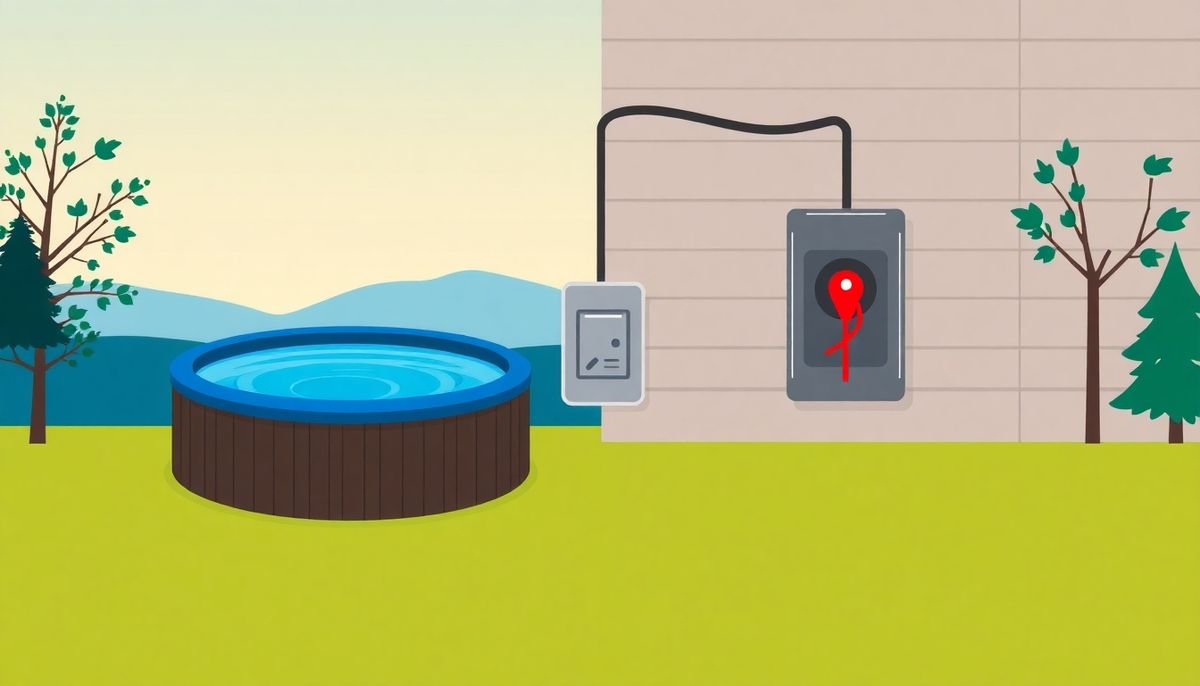
Behind the jets and bubbles is a web of parts that keep your hot tub running, and any one of them can fail. If your spa suddenly powers down, suspect the heater first—its element can short out from damage or mineral buildup. The circulation pump is another common troublemaker; if it jams on debris, it pulls too much power and trips the breaker. The blower, ozonator, and even a loose wire in the control panel can cause the same thing when moisture gets into their wiring.
To sort it out, disconnect each suspect part one at a time, restore power, and watch for trips. Once you isolate the culprit, check it for visible damage. Some fixes are as simple as tightening a connector; others need a professional.
Inspect GFCI Breaker for Issues
The GFCI breaker is a small device in a metal box, easy to ignore until it trips—and it's built to prevent serious electrical accidents. When it flips, reset it first and watch. If it snaps right back off, the breaker may be worn out from years of use or a recent storm. Unplug the spa's internal components and reset again; if it still trips with nothing connected, replace the breaker.
If everything's connected, check the box for moisture, since a damp interior throws off the system. Dry it thoroughly and keep new water out. The goal isn't just to reset the GFCI but to understand why it tripped—regular checks for corrosion and loose connections stop repeat trips.
Never work on your hot tub's wiring until you've shut off the power at the breaker.
Conclusion
A tripped breaker is annoying, but as you've seen, it almost always traces back to one of a handful of causes: a worn breaker, moisture, corrosion, a loose connection, or a failing part. Work through them in order and you'll usually find the problem—and know when to hand it off to a pro. Keep up with regular checks and your hot tub will stay ready for many more quiet evenings.
What you need
Grab a flashlight, an insulated screwdriver, a wire brush, and electrical contact cleaner for basic checks, plus a spare GFCI breaker if yours is worn out—and don't hesitate to call a licensed electrician for anything beyond your comfort.