




Under the stars, a hot tub gives you a warm, quiet place to unwind and ease tired muscles. Keeping it running takes real work, and one job matters most: testing the water. That's what keeps your water clear, safe, and comfortable to sit in.
Water testing isn't glamorous, but it holds a healthy hot tub together. I once watched a friend skip it, and her inviting retreat turned cloudy and grimy within weeks. Neglect like that can cause skin irritation and even breathing problems.
Water quality is a careful balance. pH, sanitizer levels, and calcium hardness are just a few things to check regularly. Keep them in line and you hold bacteria back, protect your hot tub's parts, and keep that silky feel to the water. With the right tools and a little know-how, anyone can keep a hot tub clean and inviting.
Your Action Plan
- Test your water at least once a week with test strips.
- Keep pH at 7.4 to 7.6 and alkalinity at 80 to 120 ppm (parts per million).
- Hold your sanitizer in range: chlorine at 3 to 5 ppm, or bromine.
- Check calcium hardness (175 to 250 ppm) about once a month.
- Test for metals like iron and copper, especially on well water, and add a sequestrant if needed.
- Take a sample to a pro once a month for a closer look.
Test Your Hot Tub Water

Why test strips are your starting point
Ever wrinkled your nose at murky hot tub water? It shows up fast once maintenance slips, and it's easy to solve. The fix starts with understanding your water's chemistry, and test strips make that simple.
Dip a strip into the water, away from the jets, near the middle of the tub, for an accurate read. Pull it out and match the colors to the guide on the bottle. That tells you your pH, alkalinity, and sanitizer levels, whether you use chlorine or bromine.
When I started, I didn't realize how much regular testing mattered. One lazy weekend, my water looked more swamp than spa. The lesson stuck: it's not just the chemicals you add, it's the attention you keep up. Test once a week and it becomes second nature. If your tub gets heavy use or you've had a big rain, those strips are your first step toward fixing things.
Test your water at least once a week, and more often after heavy use or heavy rain.
Ensure Proper Water Balance
Tune your water like an instrument
Balancing your hot tub water is a bit like tuning an instrument. Each note has to be right for the whole thing to sound good. Balanced water looks clear and helps your equipment last. A neighbor of mine let the balance slide and ended up with a calcium deposit in her system and a costly repair.
Start with pH, the backbone of your water's health. Aim for 7.4 to 7.6, which keeps corrosion and scaling at bay. Test regularly, especially after heavy use or rain, since those shift your levels quickly. Cloudy water is often a sign something's off. Act fast and small problems stay small.
Alkalinity is the buffer for pH. Too low, and your pH swings all over. Too high, and your water builds scale. Aim for 80 to 120 ppm. If hardness climbs and leaves a gritty feel on your spa surface, a calcium reducer is your fix.
Master the Testing Techniques
The methods worth knowing
If you're new to it, water testing can feel like reading a foreign language. But a few methods cover most of it. Test strips come first. They tell you your water's pH, alkalinity, and chlorine levels in seconds, like a tiny lab in your backyard.
With strips, care matters. Pull your sample from the center of the tub, away from the jets. Hold the strip against a white background to catch subtle color changes. That small trick saves plenty of headaches.
Don't skip liquid test kits either, especially for a closer look at metals. These kits reveal hidden elements like iron and copper, the usual suspects behind ugly stains. They take a bit more work, since matching color shades is never foolproof, but they give you a closer read. Balance the simple and the thorough, and steady testing can head off costly repairs.
Address Metal Contaminants
Spotting hidden metals
An evening soak can be a small escape, until you glance at the water and spot an odd green tint. That color often means metal. Copper and iron slip into your tub from the water source or from corroded plumbing. A simple metal test can point them out, so keep metal-testing strips in your kit.
In my own case, a brown tinge turned out to be iron creeping in from our well water. Standard strips track pH and chlorine, but special strips or kits for metals give you an extra layer of protection. They tell you the metals are there and roughly how much, which matters when you're deciding what to do.
Once you spot a metal issue, your best ally is a metal-removing liquid, often called a sequestrant. It bonds with metals so they can't oxidize and leave stains. Keep in mind, though, that sequestrants manage metal levels rather than remove them completely.
A sequestrant holds metals in check but never removes them, so you'll need to keep using it.
Balance Chemical Levels Effectively

Getting pH, alkalinity, and sanitizer to work together
Balancing your chemicals keeps a soak both safe and soothing. Start with pH, which should land in the 7.4 to 7.6 range. A friend once complained about itchy skin after a dip. We nudged her tub's pH from a low 6.8 up to a solid 7.5, and the itch was gone. Even small shifts make a big difference.
Next, check total alkalinity, which buffers your pH. Keep it between 80 and 120 ppm. If your pH keeps swinging, off-balance alkalinity is usually why. Get it right and your upkeep gets much smoother.
Watch your chlorine or bromine too. A strange smell off the water often points to a sanitizer imbalance. Bringing chlorine up to the recommended 3 to 5 ppm clears it right up and brings back that inviting clarity. That range holds bacteria back without overwhelming your senses.
Test and adjust weekly, or more often with heavy use or shifting weather. Regular checks head off imbalances and add years to your tub.
Conduct Regular Water Testing
Make testing a weekly habit
Here's a familiar scene: the hot tub calls, but the water looks off. You peer in and notice a faint cloudiness or a hint of green. Those are signs of imbalance, and your cue to test.
Test your water weekly, the way you'd tend a plant that needs steady care. If you use it often or after a heavy rain, test more. One easy habit is folding it into your morning routine, right alongside making coffee. The strips show pH, alkalinity, and chlorine. Specialty strips extend that view to metals like iron and copper, which might otherwise slip by.
A monthly professional test at a store adds another layer of confidence. Those folks can catch tiny imbalances you'd miss and protect your spa from damage. Spotting problems early keeps costly repairs off your plate, and means a longer life for your tub.
Address Metal Contamination
Where metal contamination comes from
Metal contamination is sneaky, often hiding below the surface until cloudiness or stubborn stains give it away. Metals like iron and copper usually arrive through your water source or from corroded spa parts, then slowly build up and cause trouble. The result is water that turns cloudy or discolored, or leaves marks on your spa shell.
Take a friend who lives out in the country on well water. Their hot tub started staining, a classic sign of high iron. A special test kit for metals cracked the case fast. Standard strips cover essentials like pH and chlorine, but you'll need ones made for metals to catch copper and iron.
Once you find metal contamination, a sequestrant becomes your ally. It binds with the metals, stopping oxidation and letting your filter carry them out. Prevention beats a cure here. Test for metals regularly, especially if your water source is questionable, and think about a hose filter when you refill.
Manage Calcium Hardness Levels
Keep calcium in its range
Keeping a hot tub healthy means managing your water's chemistry, especially calcium hardness. When calcium drifts out of range, the effects are visible and expensive. High calcium leads to scale, a crusty layer that can clog filters, damage heaters, and mar the tub's surface. Too little, and you risk corrosion that slowly eats away at your equipment.
Check calcium hardness regularly. For accuracy, reach for a professional-grade liquid test kit rather than relying on strips alone. Keep calcium between 175 and 250 ppm, which helps your hot tub run smoothly without scale or corrosion.
If you're dealing with hard water, think about a scale inhibitor. It stops scale by binding calcium ions before they form that crust. If you're fighting low calcium instead, a calcium hardness increaser brings things back into balance. Keeping calcium right doesn't just keep your tub working, it extends its life.
Choose the Right Test Strips
Match strips to your water
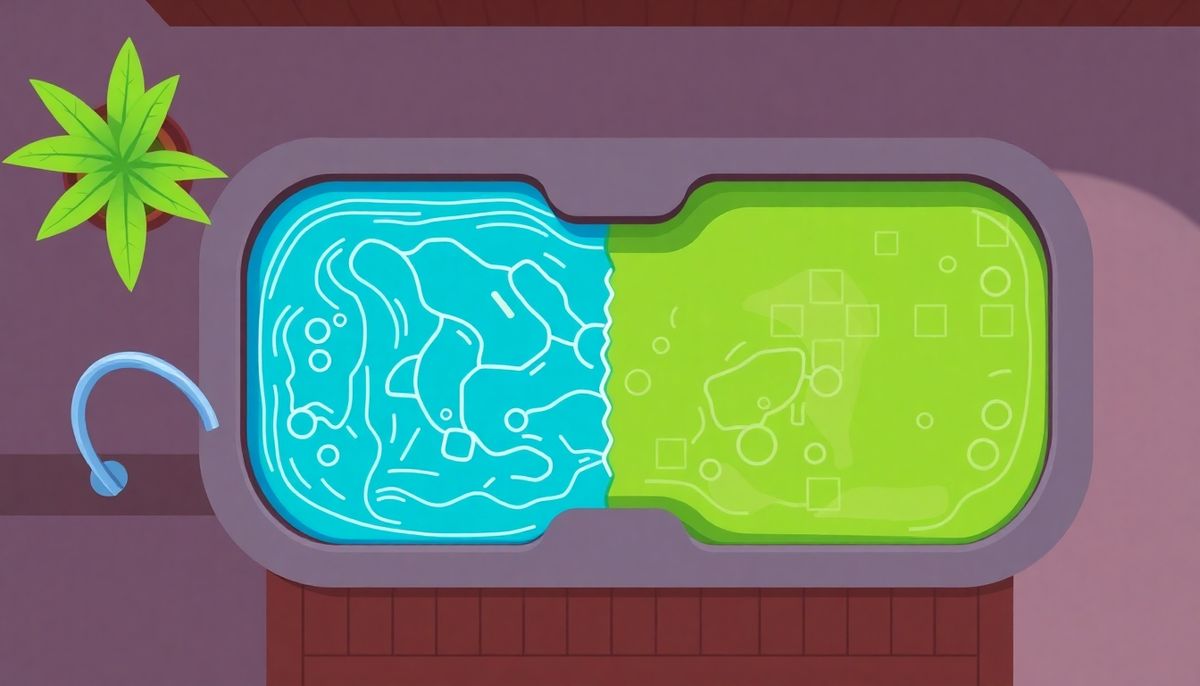
Sorting through hot tub test strips can feel like wandering into a maze. Each strip reveals your water's pH, alkalinity, and chlorine in seconds. Some are all-rounders, checking seven readings at once, while others are specialists focused on metals like copper and iron. The trick is knowing what your tub needs based on your water source.
Think about where your water comes from. Well water often means more metals, while city water tends to bring hardness from calcium and magnesium. That points you toward the right strips. Specialty metal strips matter if your water tends to stain or cloud, while standard strips handle routine pH and chlorine checks.
When you choose, weigh durability, ease of use, and the exact readings you need. A little research and the right pick turn testing into a quick, effective habit.
Ensure Proper Water Sampling
Take a clean sample
Grabbing a water sample seems simple, but there's a bit of an art to it. When I started, I learned the hard way that your results hinge on how you take the sample. You want a true picture of the water, not just a reading from near the jets or skimmer, where levels can look misleadingly high or low.
Dip a clean container into the water, aiming for the middle, away from the pull of the jets. That avoids scooping up water that was just dosed with chemicals. I use a simple plastic cup, but anything clean and easy to hold works.
Timing matters too. Sample after the tub has run for at least 15 minutes, so the chemicals have circulated and the water is well mixed. Once I started doing this, my results got much clearer, which saved me the annoyance of retesting.
Identify Essential Test Components
Build your testing kit
Reading your water is more about consistency than complexity, and your kit starts with a few essential pieces. First, reliable test strips are your go-to for the basics: pH, alkalinity, and sanitizer levels like chlorine or bromine. They give you a quick snapshot so you can adjust right away.
Beyond the basics, water hardness matters. If your water runs hard or soft, testing calcium is key to preventing scale or corrosion. Specialty strips or liquid kits built for calcium hardness help you hold that balance and protect your spa's parts.
If you're worried about metals, test for iron and copper, especially if you fill from a well. Catching them early with dedicated kits saves you future headaches. And if you own a saltwater hot tub, add salt test strips. Keeping salt at the right level means your chlorine generator runs efficiently, so your water stays sanitized.
Select Accurate Testing Tools
Pick tools you can trust
Picking the right testing tools is like finding the perfect pair of glasses. It sharpens your view and keeps things clear.
Spa test strips give you a fast read on pH, alkalinity, chlorine, and more. They're cheap and easy to use, so even a brand-new owner can get accurate readings without any fuss. If you want more detail, liquid test kits go further. They take a little more time and care, but they catch subtleties that strips miss.
Say your water carries high levels of iron or copper. In that case, special strips or kits made to spot those metals are invaluable. Having the right tools on hand lets you fix issues quickly, before they grow. The reliability of your tools has a lot to say about how well you manage your water.
Prevent Metal Buildup Issues
Manage and prevent metal buildup
Metal buildup can turn a calm soak into a frustrating one. Iron and copper leave stains and cloudy water, making your spa feel a lot less pleasant. Here's how to manage and prevent it.
First, know your water source. Well water is more likely to carry higher levels of iron and copper. City water, though treated, can still add to buildup, especially if it's hard water full of calcium and magnesium. These metals gather over time, leaving deposits that stain your tub and throw off your chemical balance.
Special test strips made for metals are your first line of defense. They give quick readings so you can catch abnormal levels early. Testing monthly is usually enough, unless you notice discoloration, in which case check more often.
A metal sequestrant helps too. It binds with metals so they can't cause stains or scale. Remember, sequestrants don't remove metals, they hold them in suspension, so use them regularly. Finally, think about a hose filter when you fill your tub. It catches metals before they reach your spa.
Prevention beats repairs
A splash of prevention beats a flood of repairs. Regular water testing is the quiet hero of hot tub care, keeping your relaxation spot inviting and safe. It's the habit that stops small problems from growing into expensive ones.
Think about everything at play. First, there's pH, which should sit between 7.4 and 7.6. Stray outside that, and you risk irritated skin or damaged equipment. Then there's alkalinity, holding off sudden pH swings. And sanitizers like chlorine or bromine are your defense against bacteria.
Weekly testing is your best friend, especially if your tub gets a lot of use or rides out weather changes. But don't lean on home strips alone. Once a month, take a sample to a professional for a closer look. That catches any lurking metal problems, like iron or copper, that standard tests might miss.
Weekly home testing plus a monthly professional check is the routine that adds years to your hot tub.
Utilize Specialty Test Strips
What specialty strips catch
Specialty test strips show you more than basic pH and chlorine. They read the trickier parts of your water, catching unexpected intruders like metals and salt that often go unnoticed.
A friend of mine once found mysterious copper stains on a spotless white spa shell. The cause turned out to be their water source, loaded with minerals you can't see. Specialty strips exposed the problem, so they could fix it before any lasting damage set in. Strips like these are a must on well water, since they screen for iron and copper and head off both cosmetic and mechanical trouble.
Each type covers a different concern. Metal strips detect iron and copper, while others measure salt, which matters if you run a saltwater chlorinator. They're easy to use: dip the strip, wait for it to react, then match the result to a color chart.
Implement Metal-Removal Strategies
When the water turns green
When your hot tub water turns green instead of a sparkling blue, it might be time to deal with the metals lurking below the surface. Iron and copper can quietly slip into your spa, especially if you draw from a well or have aging plumbing. They usually show up as cloudy water or stains that take the shine off your spa.
To fight back, start with special metal test strips. Made just for spotting iron and copper, these are your first line of defense. I still remember the first time I used them and saw how a simple strip could reveal what I couldn't.
Once you find a metal problem, a sequestrant is your ally. This liquid binds with the metals so they can't oxidize and stain. It's not a permanent fix; think of it as a steady helper that needs regular reapplication. It doesn't remove the metals, it holds them in suspension until your filter can catch them. For a more preventive approach, use a hose filter when you fill the tub.
Maintain Optimal Calcium Hardness

Don't trust looks alone with calcium
If you've ever spotted a chalky residue on your hot tub's surfaces, or found the fittings corroding, your calcium hardness might be off. This is how much dissolved calcium is in the water. Too much, and your spa starts to look like a mini stalactite cave. Too little, and corrosion becomes your unwelcome guest.
Getting the balance right, usually between 175 and 250 ppm, keeps your hot tub healthy. Test regularly, especially if your home has hard water with higher calcium and magnesium. A good test kit can save you headaches, and repairs, down the road.
I've learned from experience that skipping this simple step gets expensive. I once let testing slide for a few weeks, figuring everything looked fine. When I finally checked, my calcium had shot up, leaving me with ugly scale and a whole day of scrubbing. Don't trust looks alone. The water can seem fine and still be out of balance. Check calcium hardness at least once a month.
Test Water Regularly
Learn your water's personality
Picture getting ready for a relaxing soak, only to find the water looks less inviting than you'd hoped. Instead of dumping in a chemical cocktail, learn your water's personality by testing it regularly. This keeps your private oasis as welcoming as ever.
Testing is a checkup for your tub. By measuring pH, alkalinity, calcium hardness, and sanitizer levels with strips or kits, you head off imbalances that lead to cloudy water or itchy skin. Specialty strips can even reveal hidden metals like iron and copper, the quiet cause of discoloration and stains. Ignore that and you can end up with rusty streaks that take ages to clear.
Each week, as you dip that strip into the warm water, you're not just maintaining a machine, you're protecting your sanctuary. Over time, you'll tweak your routine to match the seasons and how often you use the tub. Make testing a habit and you'll build a real feel for what your hot tub needs.
Use Metal-Sequestrant
How a sequestrant keeps water clear
Keeping your hot tub sparkling can come down to one simple move: adding a metal sequestrant. Ever had your favorite swimsuit turn greenish after a soak? That discoloration usually comes from iron and copper in your water. Those metals stain swimwear and dull the look of your tub.
Metal sequestrants bind with the metals so they can't oxidize and leave those stains. They don't get rid of the metals, but they keep them from reacting with everything else in the water. That lets your filter trap the metals, which makes it easier to keep your water clear.
If your water source is high in metals, using a sequestrant regularly is a must. Follow the maker's directions closely. And if you're not sure about your water's metal levels, grab a kit that tests specifically for iron and copper. A little foresight means a stain-free soak every time.
Conclusion
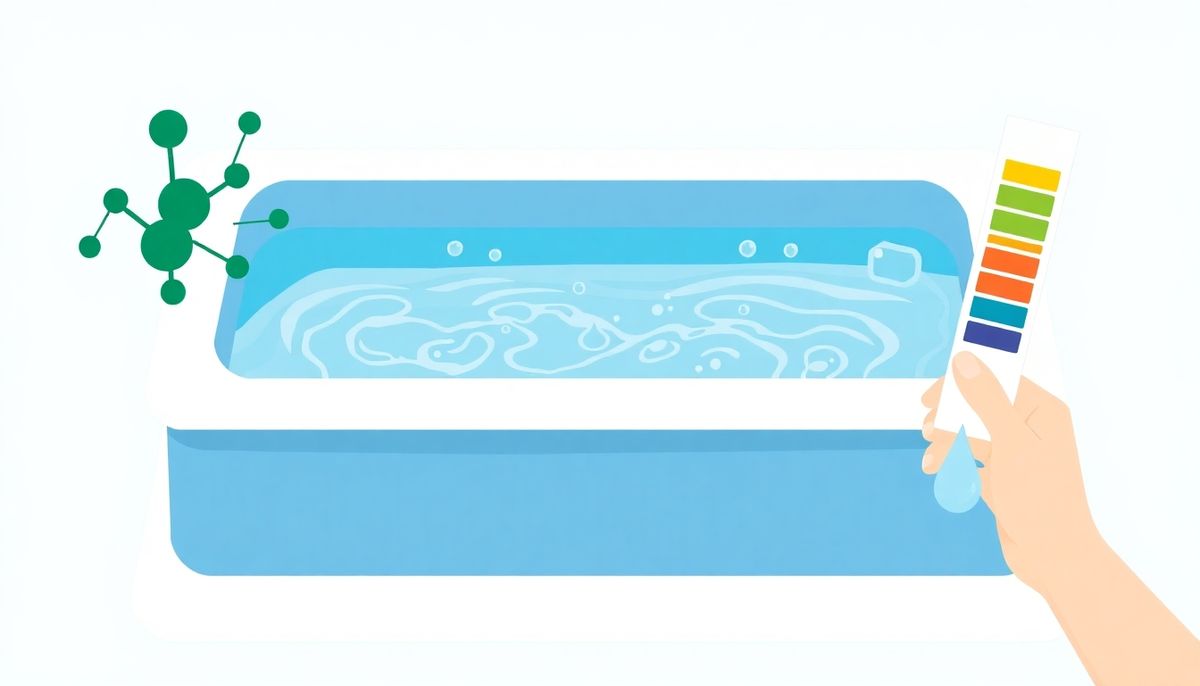
This guide covered the essentials for keeping your hot tub water clear, balanced, and safe. Build testing into your weekly routine, and every soak stays as inviting as the first.
What you need
Stock up on quality test strips for pH, alkalinity, and sanitizer, a liquid kit for calcium and metals, and a sequestrant if your water runs high in iron or copper.