





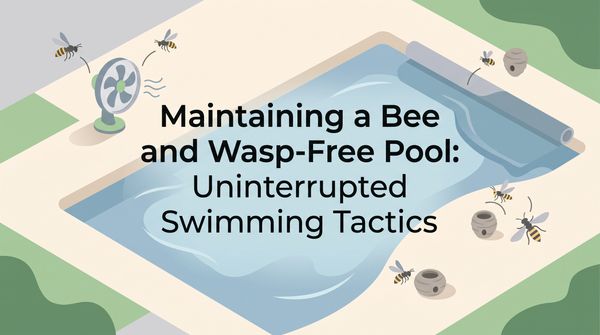
A sunny afternoon by the pool should mean rest and easy fun, but the buzz of bees and wasps can flip calm into stress fast. These winged visitors are pulled in by the shimmering water and the sweet smell of sunscreen. Maybe you've had a whole swarm crash your party, or just a few curious scouts. Either way, keeping them at bay is a struggle plenty of pool owners know well.
I still remember my niece bolting in a panic after she spotted a wasp near her floatie. That's when it hit me how much our little backyard retreat needed protecting. The trick is figuring out what draws these insects in, then using that to keep them at a distance. It's not just about swatting or covering your sweet drinks. It's about building a space that quietly says "no entry" while still welcoming your friends and family.
You've got plenty of options, from plants that act as natural deterrents to clever poolside accessories. Each has its perks, and stacking a few together builds a strong defense. In this guide, I'll walk you through practical ways to keep your poolside calm, so you can enjoy those lazy afternoons without a worry.
Your Action Plan
- Set up a birdbath or shallow dish with pebbles away from the pool, before swim season starts.
- Skip floral or fruity scents in sunscreen and candles; reach for eucalyptus or citronella instead.
- Hang fake wasp nests in the far corners of your yard in early spring.
- Place a small raw-meat decoy well away from the pool to pull wasps off your gatherings.
- Invite helpful wildlife like birds and dragonflies with feeders and native plants.
- Call a humane relocation pro for any large or stubborn nest.
Create Alternative Water Sources
Give them a better place to drink
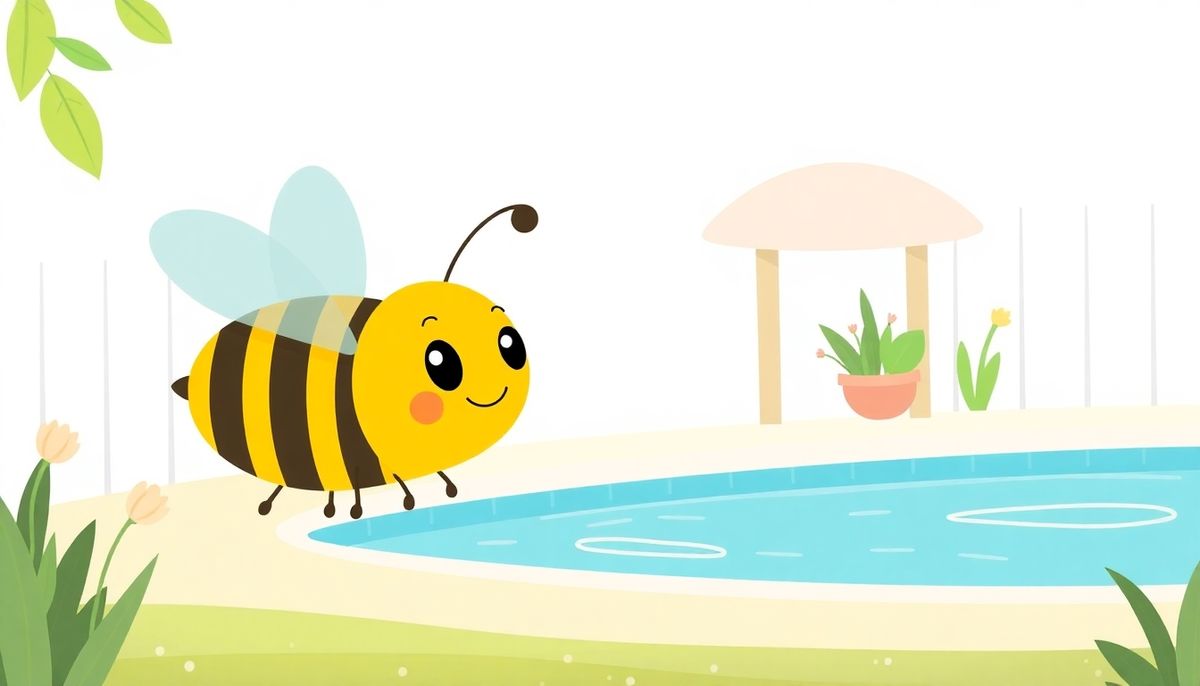
Bees and wasps might be crashing your pool party, but they're really just looking for a drink. One easy fix is to set up other water sources that pull them away. A small birdbath or shallow dish will do. Pick a spot in your garden, maybe near flowers or shrubs where bees already hang out. Fill it with fresh water and drop in a few stones or floating bits of wood so they have a safe place to land and rest.
Start early in the season, before pool days get going, and bees and wasps will treat this spot as their regular watering hole. That head start keeps them away once the pool opens. Just keep up with it. Check the water often, especially in warm climates where it evaporates fast, and refresh it so it stays appealing.
The single most effective move is giving bees a water source they like better than your pool, and setting it up before you open for the season.
By offering a good alternative, you make your own pool time more pleasant and help the local ecosystem too. Bees drive a lot of pollination, and wasps keep other annoying insects in check. With a little care, you can live peacefully alongside these useful creatures.
Redirect Bee Activity
Ever wonder why bees seem so drawn to your pool? It's not just the pretty blue water. To them, it's a place to quench their tiny thirst. Instead of waging war on these busy pollinators, gently steer them somewhere else.
Start with a tempting alternative: a shallow dish or birdbath filled with fresh water, plus a few pebbles or pieces of wood for a safe landing pad. The goal is to encourage them, not evict them, and a fragrant herb garden nearby can pull them even further from your splash zone.
Pay attention to scents around the pool. Skip floral or fruity sunscreen and candles, since those act as an accidental beacon for bees. Reach for natural oils that repel them instead, like eucalyptus or citronella. Timing matters too. Bees are busiest during the heat of the day, so swimming in the early morning or late afternoon cuts down on run-ins.
Provide Safe Drinking Zones
To protect both your poolside calm and the bees' survival, giving them their own watering spot makes a real difference. Offer them something more appealing and safer, and you pull their attention away from your pool.
Try a shallow birdbath or a wide, flat dish. Fill it with water and add a few stones, marbles, or pieces of cork. These give the bees a place to land and act as tiny rafts if one takes an accidental dip, so they can drink without drowning. In my own garden, I saw a big drop in poolside bees after I set out a couple of shallow bowls with water and pebbles in a shaded spot.
The water evaporates fast in summer heat, so keep refilling. Set up these zones before you open the pool for the season, and bees will drift toward their new drinking spots right from the start.
Implement Wasp Relocation Strategies
Play on a wasp's territorial streak
A little planning is all it takes to handle wasps around your pool. Their reputation isn't sweet, but they still play an important role in the ecosystem. Moving them along rather than wiping them out is the kinder answer.
One method plays on their instincts. Unlike bees, wasps fiercely guard their turf. Place artificial wasp nests away from your pool, and you create the illusion of a claimed territory. That nudges incoming wasps to settle somewhere else. Hang these fake nests in early spring, before the wasps build their real ones, and you might just convince them to move next door.
For a hands-on approach, set up a feeding station a safe distance from the pool. Wasps love protein, and the smell of raw meat draws them in. Hang small pieces of raw chicken or beef in a tucked-away spot. Use modest amounts, or you'll draw in other pests. And when the numbers get out of hand, call a pest control service that specializes in relocation rather than extermination. Ask for a chemical-free solution so your pool stays safe for people and helpful insects alike.
Utilize Fake Wasp Nests
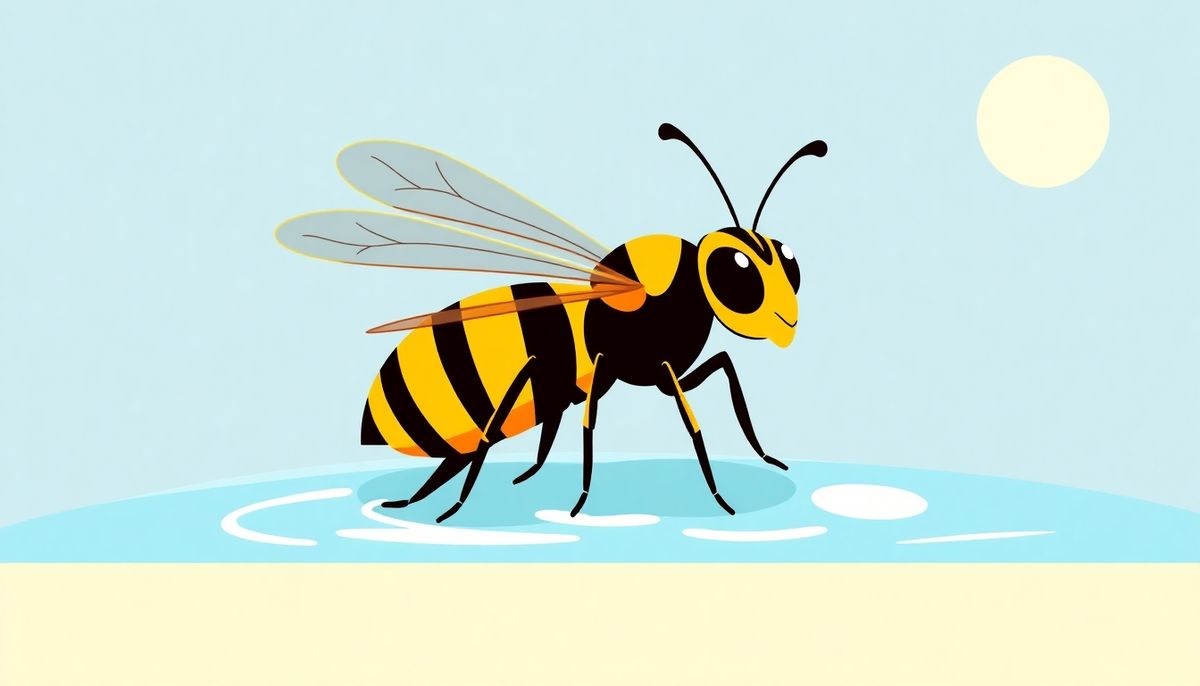
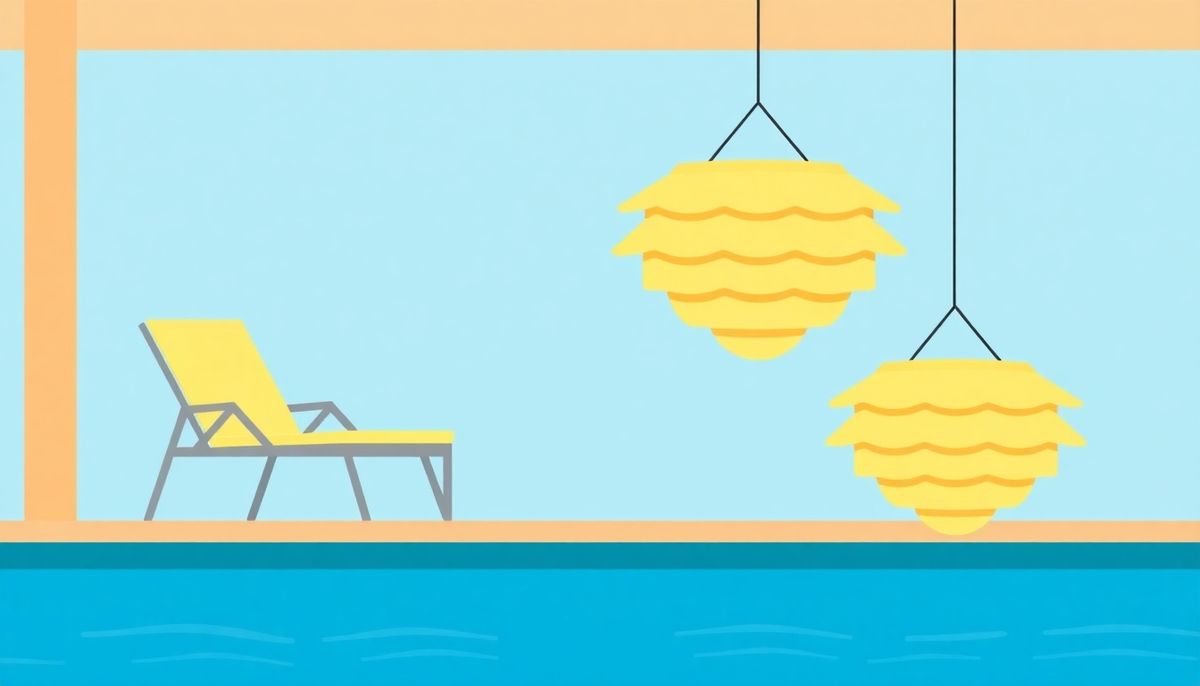
It might surprise you, but wasps really don't like setting up shop near other colonies. You can use that quirk to your advantage with fake nests. Place decoys around your yard, and wasps assume the area is taken, so they look elsewhere.
Wasps won't move in next to a rival, so a couple of fake nests hung in early spring can convince them to nest somewhere else entirely.
Early spring is the best time, before wasps start building. Any wasp scouting your property would rather move on than risk a fight. Hang the fake nests in spots away from your pool and home to get the most out of them.
I've seen this work better than I expected. Last summer, after a nasty run-in with wasps, a pair of fake nests turned our buzzing backyard into a calm one. They doubled as a conversation starter too, since guests were curious about the small, paper-like shapes swaying in the breeze. These decoys are a safe, non-toxic way to manage wasps that respects nature's balance.
Create-Wasp-Free Zones
Setting up a wasp-free zone around your pool might sound like a dream when you're just trying to enjoy a quiet swim. Instead of harsh chemicals or wild swatting, there are gentler ways. One trick uses wasps' territorial instincts against them. They won't move in near a rival colony, so hanging fake nests early in the season keeps new nests from popping up close to your pool.
Another tactic taps into their appetite. If you've ever hosted a barbecue, you've seen how much they like raw meat. Pick a corner of your yard, far from the pool, and hang small pieces of raw meat there. This decoy dining area pulls them away from your gatherings. Handle it carefully. A tiny bit goes a long way and keeps you from creating bad odors or drawing flies.
Install-Fake Nests Strategically
The buzz of a wasp near a pool can make even the boldest swimmer freeze. The good news is fake nests help. Wasps avoid areas they think are already claimed, so these impostor nests make a real difference.
Placing them takes a little planning. Find spots around your property that people and pets don't use much but wasps would like. Hang the fake nests early in spring, before any real nests go up. That timing fools wasps into thinking the area is occupied and sends them somewhere friendlier.
You might be tempted to put the nests right by the pool, but aim for the far corners of your yard instead. That cuts the chance of wasps drifting too close to your splash zone, and it keeps them away from doorways and patios too. A friend of mine tried this and was amazed at the difference. The wasps that used to visit all the time suddenly vanished. Nothing's foolproof, but this eco-friendly approach keeps your poolside gatherings sting-free.
Encourage-Natural Predators
Let garden friends do the work
Inviting a few helpful critters into your backyard might sound odd, but it works well for a bee- and wasp-free swim zone. Dragonflies, birds, and certain beetles keep these winged intruders in check. Dragonflies are known as the "mosquito hawks" of the insect world, but they'll happily snack on bees and wasps too. A few well-placed plants and water sources can draw these garden friends to your poolside.
Encouraging birds is another smart move. Sparrows and swallows find bees and wasps a tasty treat. Put up birdhouses or hang seed feeders, and plant native flowers that produce the seeds birds love. The more welcoming your yard, the more often they drop by, which thins out the bee and wasp population around your pool.
If you enjoy gardening, plants like marigolds or mint repel bees and wasps while drawing in helpful insects at the same time. Build a balanced space where wildlife does well, and you protect your pool from unwanted guests while nurturing a lively backyard.
Experiment With Dryer Sheets
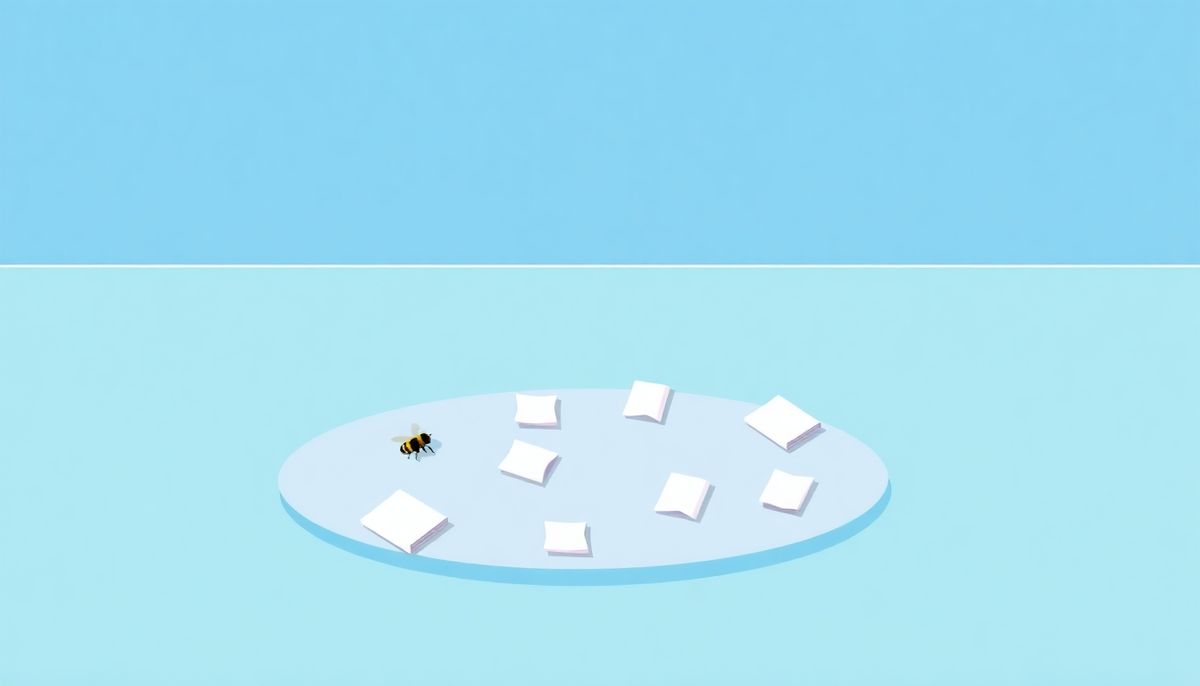
Dryer sheets have a few odd uses, and this one might catch you off guard. Using them to ward off bees and wasps sounds like a stretch, yet some people swear by it. Picture a sunny afternoon by the pool with no constant buzzing, thanks to a few laundry-scented sheets tucked in the right spots.
Start small. Stash a few dryer sheets in decorative baskets around the poolside. Their scent supposedly bothers bees and wasps, so it might work as a natural deterrent. It's a harmless, cheap experiment, and if the buzzing dies down, you've found an easy fix.
Not everyone buys it, though. Critics call it just an old wives' tale for hopeful pool owners. Some bees might even seem drawn to the scented sheets instead of put off by them. If the buzzing keeps up, chalk it up as a fun, if pointless, experiment that costs about as much as a load of laundry. The goal isn't to wipe these creatures out. Dryer sheets might buy you some quiet, but alternative water sources or a pro relocation lead to lasting peace.
Explore Natural Bee-Repelling Techniques
Digging into natural bee deterrents can feel like finding hidden treasure in your own backyard. One approach uses scent. Certain essential oils, like peppermint or eucalyptus, can be off-putting to bees. A friend of mine swears by mixing a few drops with water in a spray bottle and lightly misting around the pool. It's refreshing for people and a gentle nudge for bees to keep their distance.
Next, think about color. Bees are drawn to bright shades, especially ones that mimic the flowers they pollinate. You don't have to redo your whole poolscape, but softer, less vivid tones for towels and furniture help. Think muted blues and greens.
Growing bee-repelling plants is another quiet win. Lemon balm, citronella, and marigolds look nice and send a subtle message that the grass is greener elsewhere. A small garden or a few potted plants can turn your poolside into a bee-unfriendly zone, keeping the peace and keeping bees healthy so they thrive somewhere else.
Provide Alternative Water Sources
Everyone loves a cool dip, but the constant buzz of bees and wasps can make even the most tempting water feel off-limits. The secret to a sting-free swim is giving these insects a better watering hole. Bees come for the water, and you can gently redirect them with other sources.
A birdbath, a shallow dish, or even a dripping hose all work. Add pebbles or small sticks so bees have a safe place to land and don't drown by accident. My friend once turned an old planter into a bee station by filling it with water and decorative stones. It became a busy hub of activity, happily away from her pool.
Keep these sources going. Evaporation dries them out fast in hotter climates, so top them up regularly. Set this up before pool season starts, and the bees will already have a favorite hangout. Bees are fairly easy to manage this way, but wasps take more planning. They aren't as swayed by water, though they're often kept off by territorial cues like fake nests placed around your yard.
Leverage Wasp Territorial Behavior
Understanding how wasps behave can turn a buzzing nuisance into something you can handle. Just like some people avoid crowds, wasps prefer their space. They won't settle near other wasps, and you can use those instincts to your benefit. Picture a summer barbecue with wasps swarming your steak. These little defenders guard their territory hard and don't like competition.
Here's the trick. Pick up some fake wasp nests, sold at plenty of garden centers. Place these decoys around your yard, especially before the wasps start nesting, and you're signaling the area is taken. It's like hanging a "No Vacancy" sign for wasps, pushing them to look elsewhere.
For an extra lure, set up a small portion of raw meat as a distraction. Hang a piece of chicken or steak, uncooked of course, far from your poolside spot. This bait pulls their attention and shifts their gatherings across the yard. Keep it to a manageable amount so you don't attract flies. By appealing to their territorial streak and their appetite, you can share the space more peacefully.
Attract Wasps Away With Meat
Why a meat decoy actually works
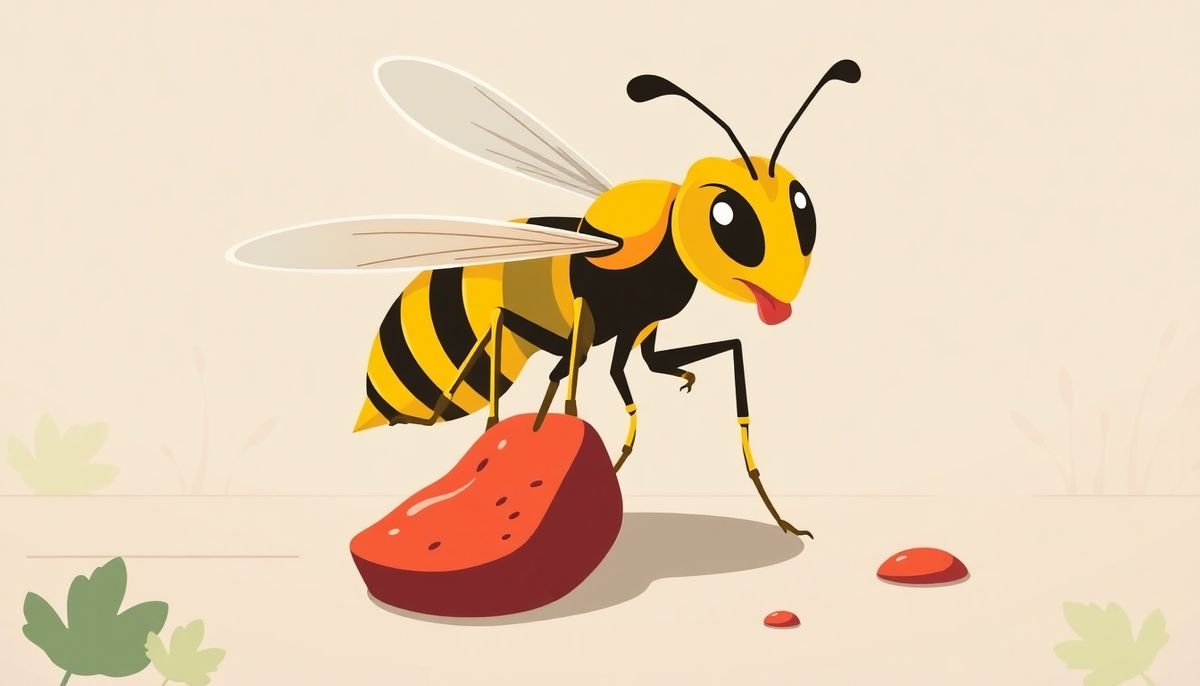
Wasps can turn a lazy pool day into a stressful one, but instead of grabbing the spray, try a tastier route. Here's the surprise: wasps crave meat because they feed protein to their developing young back at the nest. Think of them as the uninvited barbecue crashers, always hovering near the grill. That appetite comes in handy for steering them away.
To pull wasps off your pool, set up a meaty distraction. Hang a modest slice of raw meat, whether steak, chicken, or ground beef, in a far corner of your yard. Pick a spot well away from the pool, maybe near a tree or some shrubs, so the wasps find their feast without hovering over your swim spot. Keep it moderate. Use enough to hold their attention, but don't leave it out too long, or it'll become a breeding ground for flies or maggots. It's simple and it works, giving wasps a treat while giving you a calm swim.
Redirect Wasps with Raw Meat
On a lazy afternoon by the pool, the last thing you want is a swarm of wasps. There's a simple way to draw these territorial insects away, and it comes down to raw meat. Since wasps go for protein, a well-placed offering pulls them off your poolside fun.
Say you're prepping a backyard barbecue and notice wasps zeroing in on the grill. Use that behavior. Hang a small piece of raw meat, maybe budget-friendly cuts like chicken wings or ground beef, in a set spot in your yard, and you've made a food decoy. The wasps head for the new target and leave your pool alone. Use only a modest portion, though. Too much turns into a mess with other pests.
Set your wasp snack station a good distance from both the pool and any busy areas, so the buzzing crowd stays occupied far from your swim.
This method protects your spot and shows you can live alongside nature's less cuddly but still important insects. Next time you plan a swim, think about this savory distraction and enjoy the water in peace.
Set Up Fake Nests
The summer sun lights up your backyard and the pool looks inviting. Then bees and wasps turn a perfect afternoon into a battle. But you can outsmart these buzzing intruders without hurting them, and that's where fake nests come in.
Wasps are fiercely territorial. They won't settle near another colony, so hanging fake nests around your yard creates the illusion of an occupied space and nudges them elsewhere. These decoys, sold at garden centers or online, work best placed early in spring, before wasps start scouting for nest sites. That head start helps keep your pool a no-fly zone.
Bees aren't put off by fake nests quite as well, but the tactic is still worth it for the wasps. Pair it with alternative water sources for the bees, and you build a space that no longer looks like a busy watering hole. Picture yourself lounging by the pool, sipping lemonade, while nature's workers go about their day without bothering you. It's a small effort for a sting-free summer.
Consult Professional Relocation Services
When to call in a pro
Calling a professional relocation service might feel like an extreme step, but it's often the most effective and eco-conscious way to deal with bees and wasps around your pool. These pros can safely pack up a hive so you don't have to. They bring know-how, the right tools, and a calm head to what can feel like a panicky situation.
I still remember when a swarm of bees decided to make my backyard their home. A local beekeeper turned out to be the answer. With gentle hands and a solid plan, he moved the bees to a nearby apiary, keeping them safe and me safe too. The whole thing was fascinating and far less invasive than I'd imagined. If you're not sure where to find that help, your town might have a directory or community forum listing local beekeepers or pest control services that do humane relocation.
For a full nest, a humane relocation pro is safer and kinder than any spray, and it keeps your backyard's ecosystem in balance.
For wasps, professionals can move nests without harm too. Be clear that you want relocation, not extermination, to protect the whole web of life in your backyard. Relocation services make sure everyone wins, including the environment.
Relocate Nests With Professionals
There's a certain buzz in the air when bees and wasps claim your poolside as theirs. Their presence can be uncomfortable, so it pays to handle it thoughtfully. When nests have moved in nearby, professional help is the smartest route.
A few summers back, a friend of mine ran into this. Her backyard was full of bees, and her once-inviting pool had become a place her kids approached with caution. Instead of grabbing the insecticide, she called a local beekeeper. That choice kept the bees safe and preserved the role they play in nature. Beekeepers can relocate nests without upsetting nature's balance, moving bees to a place where they can keep doing their vital work far from your poolside fun.
It's not only bees that can be relocated responsibly. Certain pest control experts handle wasp nests too, as long as you clearly say you want relocation over eradication. That way you protect your family from stings while giving these natural pest controllers a new home far from your splash zone. Choosing to relocate rather than destroy is good for the environment and keeps your backyard enjoyable.
Hire Expert Beekeepers
Ever found yourself swatting at bees and wasps by the pool, only to realize you're the one intruding on their watering hole? Instead of harmful methods, think about hiring expert beekeepers. These pros are skilled at moving bees safely so you get your calm back and the bees get to live.
A few summers ago, a friend of mine had the same problem. Her poolside had become a buzzing hub for the neighborhood's bees. Set on avoiding harm, she called a local beekeeper. With real expertise, he found a nearby hive and gently moved it far from the pull of chlorinated water. Before long her pool was bee-free, and she'd gained a new appreciation for these pollinators.
Beekeepers handle these creatures with care, keeping the risks low for people and bees alike. They move whole colonies to apiaries where they can thrive and keep doing their crucial work. If you're dealing with a bee invasion near your pool, reach out to your local beekeeping community. They may have exactly the solution you need.
Set Up Wasp-Deterrents
Wasps tend to spark more fear than admiration, but understanding their instincts can be your secret weapon. Instead of a can of insecticide, build a plan that plays on their habits. Start with the fact that they're fiercely territorial. Put decoy nests around your yard and you're hanging a "no vacancy" sign, telling wasps the territory is taken so they look for a home away from your pool.
You can also turn their love of protein into a distraction. On pool days, hang a small amount of raw meat, maybe a cheap cut or some poultry, well away from your swim area. This treat lures wasps in the opposite direction and keeps them busy. Put the meat where it can be eaten quickly, so you don't run into odor problems.
For stubborn groups of wasps, or if anyone's at risk of an allergic reaction, don't hesitate to bring in a pro. A pest control expert can move these insects without harsh chemicals that could taint your pool or yard. Keeping the ecosystem balanced means respecting each creature's role, even the ones that aren't your favorite guests. With a mix of clever tactics and a little professional help, you can send wasps to a home far from your backyard.
Conclusion
Now that you've got a plan to keep the bugs at bay, let's make sure your water is just as inviting. A clean, well-balanced pool is the other half of a summer worth lounging around.
Want to become a pool maintenance expert? Our free Pool School course covers everything you need to know about pool care. From basic maintenance to advanced troubleshooting, you'll learn how to:
- Save thousands on pool repairs and chemicals
- Keep your water crystal clear year-round
- Prevent and solve common pool problems
- Master water chemistry with confidence
Join over 10,000 pool owners who have already transformed their pool care routine. Get started with our free Pool School course today!
What you need
Grab a birdbath and some pebbles for an alternative water source, a couple of fake wasp nests, and eucalyptus or citronella oil to keep bees at a distance, then keep your water balanced with the right test kit and chemicals.