



On a hot afternoon, with the sun turning the water gold, a swim sounds perfect. But that sharp chlorine smell can cling to your skin and hair long after you climb out. More pool owners want a refreshing swim without the chemical odor, and going chlorine-free isn't a fad. It's a choice for a healthier, gentler pool.
The idea can feel intimidating if you're used to the traditional way. But systems like saltwater, UV, and ozone do more than kill the smell. They're kinder to swimmers and easier on the environment. I once swam in a friend's saltwater pool and felt the difference right away: the water was smoother and left no residue on my skin. Picking a system means learning how each one works and which fits your routine. It takes some adjusting up front, but the swim feels good.
Your Action Plan
- Let your existing chlorine drop to zero, ideally when you open the pool for the season.
- Pick a system that fits your climate and routine: saltwater, mineral, bromine, ozone, UV, or PHMB.
- Install it and give the new sanitizer time to spread through the water.
- Shock the pool with an oxidizer now and then to break down chloramines.
- Test your water regularly so you catch problems early.
Explore Chlorine-Free Alternatives
Turning your pool chlorine-free is doable, and plenty of owners already have. Here's a quick tour of the main routes.
The common alternatives
One popular pick is bromine. It works more slowly than chlorine but stays effective longer, keeping the water clean without the strong smell of chloramines. It usually costs more and needs regular checking. Another option is PHMB, sold under brand names like Baquacil. It breaks down contaminants chemically without oxidizing them, so you'll also need an oxidizer and maybe an algaecide. It's gentle if chlorine bothers you, though it costs more.
For a high-tech route, ozonators inject ozone gas to kill bacteria and other microbes. They work well, but their performance drops in humid weather, so you might still need a bit of chlorine now and then. Natural mineral systems use silver and copper ions to clean the water. They're eco-friendly but usually need some chlorine alongside them to finish the job.
Moving away from chlorine doesn't happen overnight. You'll need patience while the old chlorine fades out. Timing the switch with your pool's seasonal opening makes it easier, so you're ready for a chlorine-free summer.
Consider Mineral-Based Pool Systems
Mineral-based systems are one of the nicer ways to break free from chlorine. Silver and copper ions move through the water, quietly holding off bacteria and algae. Where chlorine pools often leave swimmers with red eyes and irritated skin, mineral pools are gentler and make for a more pleasant swim.
I've seen this in my own backyard. After switching to a mineral system, there was no overpowering chemical smell and no constant battle to balance the pH. The water just looked clear. But minerals can't do all the sanitizing on their own. To keep the water truly clean, you still need a touch of chlorine or another oxidizer to break down organic matter.
Mineral and saltwater systems still lean on a small amount of chlorine, so think of them as using far less, not none at all.
Even so, most owners are happy to use fewer chemicals overall. Maintenance feels less like a chore, and the smaller footprint appeals to anyone trying to be greener. A mineral system blends nature and technology and gives you a calm place to swim.
Transition to Bromine Solutions
Bromine is worth a look if you want to keep chlorine out of your pool. Unlike its more volatile cousin, it holds its strength longer, which makes it a dependable helper against contaminants. When bromine meets bacteria or organic matter, it breaks them down chemically, and because it lasts longer, you won't add it as often.
Making the switch to bromine
Switching takes more than swapping one chemical for another. First you have to let your existing chlorine drop close to zero on its own, and you shouldn't swim until it does. Once you switch, bromine shows its strengths. It stays stable at higher temperatures, so it's a good fit for warm climates or a heated pool.
It helps to know about bromamines, the compounds that form when bromine neutralizes contaminants. They're less irritating than chloramines, but they can still take a small bite out of bromine's cleaning power. Shock the pool with an oxidizer now and then to keep the water at its best. Bromine strikes a nice balance between doing the job and keeping swimmers comfortable. Every pool is different, so test your water regularly.
Optimize Ozone-Based Cleaning
If you're a fan of smart tech, an ozone system is worth a look. Ozone is a powerful oxidizer that cleans pool water by breaking down bacteria and contaminants, and it leaves no chemical residue. Owners who switched to ozone swear their water has never looked clearer.
Start by picking the right ozonator. There are two main types. UV ozonators are simple, using ultraviolet light to make ozone. Corona discharge models pass air through an electrical spark and usually produce more ozone, which makes them better for larger pools. Factor in your local climate, though. High humidity can cut into an ozonator's effectiveness, so you may need an occasional backup treatment.
Maintenance doesn't vanish with ozone, it just changes. Test the ozone level regularly with special strips to keep the system running well. A hybrid approach might mean small doses of chlorine during the busiest swimming months, especially in a humid climate. Ozone gives you an eco-friendly, low-key option, and it nudges you toward really understanding your water chemistry.
Embrace Eco-Friendly Pool Options

Say "eco-friendly pool" and you might picture a calm oasis that blends into nature. A chlorine-free pool isn't just about skipping harsh chemicals. It's about cleaner, more sustainable ways to keep the water clear.
Minerals, salt, and ozone
A mineral-based system uses silver and copper ions, which naturally fight bacteria and offer a gentler approach than plain chlorine. Owners who switch often notice clearer water and fewer skin problems for their family. These systems still need a small amount of chlorine for oxidation, but cutting back that much is a real step toward sustainability.
A saltwater pool is another option, and it doesn't mean swimming in seawater. A small electrical current turns dissolved salt into a low, steady level of natural chlorine. That isn't strictly zero-chlorine, but the supply is so mild and continuous that saltwater belongs in this conversation. The result is a softer, silkier swim, and maintenance gets simpler because you make fewer chemical adjustments.
Finally, an ozonator injects ozone gas to clear out contaminants without harmful residue. It works best in drier climates, but pairing it with a mineral system makes for an effective, eco-friendly combo. Each of these options cuts your reliance on chemicals and improves your swim.
Chlorine may rule the pool-cleaning world, but the alternatives clean just as well without the irritation. They open up a lot of choices if you're sensitive to chlorine or simply want something greener.
Bromine is one of the most popular. It breaks contaminants down chemically and stays effective longer than chlorine, so you reapply less often. It works more slowly, so it takes patience to reach full strength, but many owners love the milder smell. PHMB, sold as Baquacil, gives you a fully chlorine-free option. It doesn't oxidize contaminants, so you'll pair it with an oxidizer and maybe an algaecide. Together they clean well, though the combination costs a bit more than plain chlorine.
If you lean high-tech, ozone generators inject ozone gas to kill bacteria without extra chemicals. You can choose UV light systems or corona discharge units, whichever suits your setup, though humid climates may call for a little chlorine now and then. Mineral systems release silver and copper ions and make a solid eco-friendly choice, though they still need chlorine's oxidizing power to finish the job. Switching takes patience while the pool settles into its new routine, but the chlorine-free swim is worth the wait.
Understand Chlorines Limitations
Chlorine is the go-to for pool sanitation, and it has real strengths, but it's far from perfect. Its downsides are exactly what push people toward alternatives.
Why chlorine can be a hassle
Chlorine only works when you keep it balanced. Levels need to stay between 1 and 3 parts per million to hold off algae and bacteria, and that constant monitoring gets tedious if you'd rather be hands-off. There are health concerns, too. A true chlorine allergy is a myth, but sensitivity is very real, and plenty of swimmers end up with skin irritation or trouble breathing after a swim.
That familiar "pool smell" isn't chlorine at all; it's chloramines, the byproducts that form when chlorine reacts with sweat and urine.
Those chloramines cause red, itchy eyes and dry skin, and they weaken chlorine's cleaning power too. Sunlight is another problem: ultraviolet rays burn off chlorine fast, so you add more, more often, and spend more money. Chlorine can also be rough on swimwear and hair, leaving them brittle and bleached. Chlorine works, but it brings a lot of headaches, and seeing those limits makes it easier to explore healthier options.
Transition to Eco-Friendly Sanitizers
Trading chlorine for eco-friendly alternatives can feel like finding your way through a maze, but it's worth it. Owners who switch to a mineral system are often skeptical at first, then pleasantly surprised that the water stays clear while being gentler on their family's skin.
Choosing an eco-friendly sanitizer means understanding how each one works. Mineral systems release ions that fight bacteria without harsh chemicals, and a small amount of chlorine or another oxidizer rounds out the cleaning. If you want to cut chlorine entirely, PHMB might be the answer. It needs an oxidizer to handle contaminants, but it stands out for being non-irritating. Ozone generators use oxygen to clean the water efficiently, though performance can drop in a humid climate.
Making the switch isn't just about changing chemicals. It's about moving to a more sustainable way of enjoying your pool. With patience and the right choice, you can build a swimming space that's safe and kind to the environment.
Avoid Chlorine Sensitivity Issues
Chlorine is a strong ally against germs, but it can also be behind a range of sensitivity issues. Think about the last time you climbed out with red, itchy eyes or dry, tight skin. Those are classic signs, not from an allergy but from how rough chlorine is on your skin and airways. If you already have asthma, the fumes can make breathing harder.
My own family ran into this when an afternoon swim left my nephew with red, stinging eyes. It wasn't the chlorine itself but the chloramines, which form when chlorine reacts with sweat or urine. That's what bothered him, and it got us looking into alternatives.
Going chlorine-free can cut these reactions a lot. Saltwater systems, which make a gentler form of chlorine, and mineral systems that use copper and silver ions both reduce chloramines and give you a more natural swim. Ozone and UV systems can clean the water even further, clearing out contaminants without the harsh side effects. Pick the right option and you can enjoy your pool without giving up comfort or safety.
Chlorine may be the king of pool cleaning, but there's a whole set of alternatives if you're willing to explore. In my experience helping pool owners, the ones who switch to a natural mineral system rave about the gentler feel on their skin and the missing sharp smell.
One promising option is the ozone generator, which adds ozone gas to neutralize bacteria without harsh chemicals. It's best for drier climates, but with proper upkeep it can make a real difference. I once stayed at a resort that used ozone, and the water was remarkably clear. I didn't leave with red eyes or dry skin.
If you'd rather stay hands-off, mineral systems that use silver and copper ions are eco-friendly and low-maintenance. They still need a touch of chlorine for full oxidation, but they cut chlorine use way down. There's also polyhexamethylene biguanide, or PHMB, which replaces chlorine entirely but needs an oxidizer and possibly an algaecide. It comes down to finding what fits your life and your pool.
Reduce Chloramine Formation
Chloramines are the real culprits behind that classic pool smell. They form when chlorine combines with ammonia and other nitrogen-based substances, like sweat or urine. A few simple habits go a long way toward keeping them from forming.
Habits that keep chloramines down
Good hygiene matters first. Ask swimmers to shower before getting in, which keeps sweat and body oils out of the water. Keeping your filter in top shape also cuts down on the contaminants that feed chloramine production, so clean the filters regularly and skim the surface.
Steady circulation plays a big part too. Run your pump for the recommended hours each day and you'll spread sanitizer evenly and prevent the stagnant spots where chloramines build up. Shock the pool on a regular schedule, as well. Shocking means adding a higher-than-normal dose of a chlorine compound, which breaks down chloramines and restores the chlorine's strength. Timing matters: do it overnight or when no one's using the pool, so the water can settle before anyone jumps in. Put these habits into practice and you'll form fewer chloramines and get a fresher swim.
Prevent Skin and Hair Damage
Sun-kissed hair and soft skin should be the reward for a good swim, not a casualty. Chlorine is a strong sanitizer, but it strips away natural oils, leaving skin itchy and hair brittle. If you have blond hair, there's the dreaded green tint too, from chlorine oxidizing copper in the water.
The gentler options change that. Bromine works more slowly but is less likely to irritate your skin, and it stays active longer, so it protects over a longer stretch. Mineral systems, with their silver and copper ions, offer a softer, more eco-friendly approach, though they need a little chlorine to work at their best. I've heard from more than one swimmer whose skin stopped feeling tight and whose brittle hair got its bounce back after switching.
Swapping chlorine for a gentler sanitizer means you can lounge by the pool without wrecking your skin and hair.
These options ask for a bit more patience and a little learning, but the payoff is comfort every time you swim.
Consider Mineral-Based Solutions
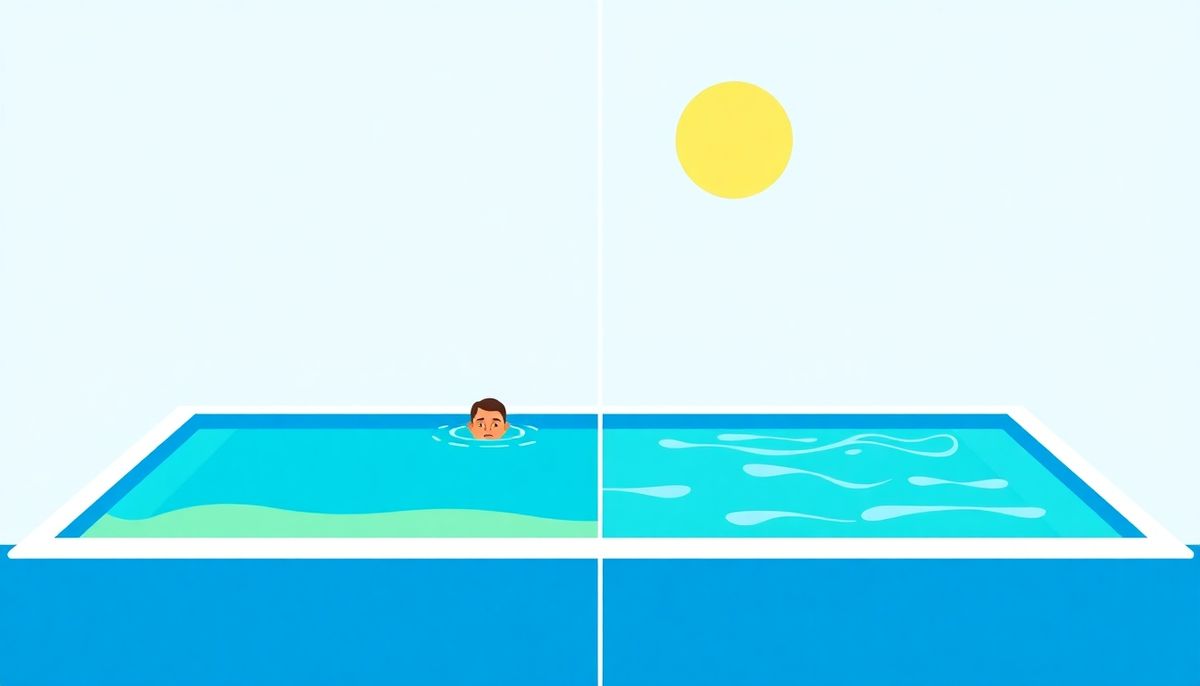
To keep your pool clean without chlorine's harsh side, mineral-based solutions are a refreshing choice. They use metals like silver and copper to clean the water. These elements fight bacteria and viruses, which makes them effective against the germs and algae that threaten your pool.
Silver ions neutralize bacteria while copper ions handle algae. This approach is gentle on your skin and easier on the environment. Chlorine can produce harsh byproducts, but mineral systems leave very little residue, so they're kinder to your pool and the planet.
Setting one up is simpler than it sounds. Like the other systems, you'll first let your current chlorine level drop to zero on its own, which works well during the off-season when the pool isn't in use. Once the chlorine has faded, add the mineral solution. The upfront cost may be higher than traditional methods, but the long-term savings, from less chemical use and lower maintenance, are worth considering.
Explore Chlorine Alternatives
Going chlorine-free opens up a lot of possibilities beyond the familiar smell of chlorinated water. From calm mineral systems to high-tech ozone, each option has its own way of keeping your pool clear and inviting.
Bromine is a steady choice, gentler than chlorine. It breaks contaminants down chemically and sticks around longer in the water, and it's less likely to irritate, though it forms bromamines, similar to chloramines but weaker. Paired with a little chlorine, it's a good compromise, especially in hot tubs. On the eco-friendly side, natural mineral systems use silver and copper ions to fight bacteria. They're a great fit if you care about the environment, though they need a small amount of chlorine for oxidation, so this is more about using less chlorine than skipping it entirely.
If you like cutting-edge tech, ozone systems generate ozone gas to clean the water and cut down on chemicals. Their effectiveness shifts with the climate, and in humid areas you might still need a bit of chlorine. Switching to any of these takes patience and careful adjustment, but the reward is a refreshing swim without the usual drawbacks.
Assess Bromine Benefits
Bromine stands out as a strong alternative to chlorine, giving you a gentler experience without cutting corners on cleaning. Unlike its more pungent cousin, it quietly breaks down contaminants chemically. That not only sanitizes but keeps bromine active longer, so you add it less often. The real appeal is its kinder approach: it forms bromamines instead of chloramines. Chloramines cause eye irritation and that unpleasant smell, but bromamines are far less irritating, which makes for a more comfortable swim.
I remember when a friend switched his backyard pool from chlorine to bromine. The first thing he noticed was that the harsh smell we'd all come to expect was gone. His kids, who used to complain about red eyes, were suddenly fine. Bromine is also less sensitive to pH swings, which means a steadier pool and less time adjusting. Its slower reaction sometimes means combining it with chlorine for the best results, but if you're after a gentler swim without giving up cleanliness, bromine has real perks.
Implement Mineral Systems
If you want to get away from the chemical tang of chlorine, mineral systems are a refreshing option. They tap the natural cleaning power of silver and copper ions. Working together, they slow bacterial growth and keep the water clear without the harshness of traditional chlorine.
Unlike chemical methods, mineral systems don't rely only on oxidation. Instead, they offer lasting bacteria- and algae-fighting properties, giving you long-term protection with little fuss. They're especially good for anyone sensitive to chlorine, since they cut down on skin and eye irritation.
Setting one up isn't an overnight job, so patience helps. Like the other systems, you'll start by letting any leftover chlorine fade from your pool. Once it reaches zero, add your mineral system and give it enough time to spread through the water. That careful prep leads to better performance. And while minerals provide great baseline protection, you may still need small doses of another sanitizer depending on your local water quality and how much you use the pool.
Choose Effective Sanitizers Wisely
Picking the right sanitizer for a chlorine-free pool is like choosing the perfect tool for delicate work. Each option has its own way of keeping your pool clean and safe, and knowing your choices saves you from costly mistakes.
Weighing your options
Take bromine. It shares some traits with chlorine but is easier on the skin and stays active longer, so your pool stays fresh without frequent additions. Bromamines can still form, though they're less irritating than chloramines. If you like innovation, ozone generators make ozone to clean the water naturally. They work well, especially in dry climates, and need very few chemicals, though humid areas may need a small chlorine boost, and you'll want to test ozone levels.
If eco-friendliness is your top priority, mineral systems catch a lot of eyes. By releasing silver and copper ions, they fight bacteria naturally. They don't fully replace chlorine, but they cut its use way down. Each option has its quirks and strengths, so take time to figure out which fits your life and local climate.
Evaluate Alternative Sanitizer Options
Exploring chlorine-free sanitizers can feel like stepping into new territory, but there are plenty of ways to keep your water clean. A saltwater system uses a small electrical current to turn the salt you add into chlorine naturally. It sounds backwards, but the chlorine it produces is easier on the skin and eyes, and the system keeps your pool clean continuously with little upkeep.
Mineral pool systems use elements like silver and copper to disinfect the water. People love them for cutting down on extra chemicals, though they usually still need a small amount of chlorine to help with oxidation, which breaks down organic matter.
For something more inventive, UV systems use ultraviolet light to zap bacteria and viruses without adding chemicals. They're very effective, but they leave no lasting protection, so you may still need a backup to keep the water clear over time. Finally, PHMB products like Baquacil replace chlorine entirely but need an oxidizer and possibly an algaecide. Each option offers a different mix of cost, upkeep, and effectiveness, so you can shape your approach to fit your needs.
Address Chlorine Sensitivity Concerns
Chlorine sensitivity worries a lot of pool owners, with good reason. It can show up as skin irritation that looks like a mild chemical burn, or it can flare up existing conditions like dermatitis. If you've ever felt dry and itchy after a swim, chlorine might be to blame. I've known keen swimmers who put up with red, irritated eyes for years, figuring it was just part of swimming, only to have the problem vanish after switching to a chlorine-free pool.
Chlorine can cause breathing trouble too, especially for people with asthma. Chloramines, which form when chlorine reacts with bodily waste, create that notorious "pool smell" and irritate your airways. Cutting these compounds with saltwater systems or ozone generators reduces the irritants and improves the air around the pool. Options like bromine or mineral systems can ease chlorine-related discomfort as well. Each has its own quirks and benefits, but the peace of mind that comes from cutting potential irritants makes the switch worthwhile.
Conclusion

Ready to ditch the harsh chemical smell for good? Finding the right fit might take a little trial and error, but your skin, your hair, and your swimsuit will thank you. Start by letting your chlorine drop to zero, then pick the system that matches your climate and how much upkeep you want to do.
What you need
Grab a good water test kit and choose your system: a saltwater generator, a mineral cartridge, bromine, or an ozone or UV unit, plus an oxidizer for the occasional shock.