



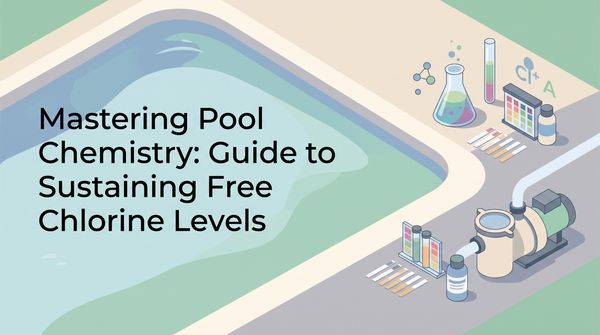
One summer evening I stared into my backyard pool and realized it had turned into an unplanned science experiment. The water used to be clear. Now it was murky and begged for help. That was my first real lesson in pool chemistry, especially why free chlorine matters. Without enough chlorine, a pool quickly becomes a home for bacteria and algae, and your fun spot turns into a chore.
The right amount of free chlorine isn't just about avoiding cloudy water. It keeps swimmers safe and comfortable. Chlorine burns off contaminants and stops waterborne illnesses from spreading. But getting to the ideal level takes more than tossing chemicals in. Sun exposure, how often the pool gets used, and water temperature all affect your chlorine.
Looking back on my own struggles, staying ahead of the problem pays off. Test often, adjust your pH, and learn how the chemicals work together. With a little hands-on experience and a smart plan, clear, safe water becomes something you can manage. This guide walks you through the basics of raising free chlorine so your pool can be the backyard escape you're picturing.
Your Action Plan
- Test your water for free chlorine, pH, alkalinity, and cyanuric acid.
- Balance pH to 7.2-7.8 and alkalinity to 80-120 ppm first.
- Check that cyanuric acid sits between 30 and 50 ppm.
- Shock with cal-hypo, three pounds per 10,000 gallons, right at dusk.
- Run the pump 8 to 12 hours, then retest.
- Skim debris and shock again after storms or heavy use.
Shock Your Pool Effectively
When to reach for shock
Even after you add chlorine tablets or granules, low readings can hang around and leave you guessing. That's when shocking helps. It's not just adding more chlorine. It's a strong jolt that resets your levels. Reach for a chlorine-based shock, especially if your reading drops below 1 ppm. Calcium hypochlorite, or cal-hypo, is a popular pick because it works fast on algae and bacteria. Add three pounds per 10,000 gallons, then give the chlorine time to move through and break down what's in there.
Timing your shock
Timing matters too. Regular shocks after heavy use or a rainstorm head off chlorine demand, which is when contaminants use up chlorine faster than you add it. Sunlight burns off chlorine as well, so keep your cyanuric acid balanced to protect it. Steady, well-timed shocking holds your free chlorine right where it should be.
Add your shock at dusk so the sun doesn't burn off the chlorine before it can work.
Identify Low-Chlorine Causes
Knowing why your free chlorine drops is key to clean water. Picture hosting a weekend pool party. After a day of sunscreen-covered guests and cannonballs, swimmers leave behind body oils and lotion, and that gunk drains your chlorine fast.
Weather plays a big part too. Heavy rain washes in contaminants from runoff and waters down the chlorine you already have. I remember one rainy week when my usually clear water turned murky, a sure sign the chlorine was running low. The fix was simple: deal with the demand using a proper shock treatment.
Chemical imbalances can be to blame as well. Cyanuric acid, the stabilizer that protects chlorine from the sun's UV rays, needs to sit in the right range. Too little and chlorine burns off; too much and it gets held back. Regular testing keeps it where it should be. And if you run a saltwater generator, low salt or a failing cell can mean you're not making enough chlorine.
Combat High Chlorine Demand
Chlorine demand is frustrating, especially when your usual tricks stop working. It's what happens when your water needs more chlorine than normal, holding your levels low no matter how hard you try. It can come from a crowd of swimmers, organic debris, or rain runoff. When it won't let up, one solid fix is a triple shock with cal-hypo, that same heavy dose, which overwhelms the contaminants and gets your chemistry back in line.
Part of handling this is understanding your pool. Test your levels regularly, including pH and cyanuric acid, so your chlorine has what it needs to work. Routine skimming and cleaning matter just as much, since clearing out debris keeps it from eating your chlorine. If you have a saltwater pool, check the salt often and make sure the cell is running right. With these habits, chlorine demand becomes manageable.
Stabilize Chlorine with CYA
CYA: sunscreen for your chlorine
Cyanuric acid (CYA) works like sunscreen for your chlorine, keeping it from disappearing in the sunlight. Without it, chlorine burns off fast and your pool is left exposed.
One summer I kept adding chlorine but couldn't work out why the levels kept dropping. A friend suggested testing for CYA, and there was the problem: my stabilizer was almost nonexistent. Once I fixed that, the chlorine held steady and the water stayed clear, even on the sunniest days.
Regular testing is the trick. Aim to keep CYA between 30 and 50 ppm, since too much actually holds chlorine back and leaves you less protected. Be careful, though. Trichlor tablets slowly push CYA up over time, so check it now and then. If it climbs too high, you may need to swap out some water to bring things back in balance.
Combat Chlorine Demand
Still chasing chlorine that sits below the ideal 1 to 3 parts per million (ppm)? That's chlorine demand, where your pool's hunger for chlorine outruns what you're putting in, so the water isn't getting properly sanitized.
It usually comes from a crowd of swimmers, organic debris, or last night's storm runoff. All of it piles more contaminants into your pool, so your chlorine works overtime. The answer is to go big: triple shock with calcium hypochlorite (cal-hypo), three pounds per 10,000 gallons, which quickly goes after algae, bacteria, and other organic junk.
After a wild summer pool party, a friend tried this and was amazed how fast the water cleared. But the immediate result isn't the whole picture. Holding good chlorine levels means checking your chemistry regularly. Keep pH, alkalinity, and cyanuric acid balanced so your pool can stand up to chlorine demand.
Address Low Chlorine Levels
Low chlorine isn't just annoying. It's an open invitation for algae and a cloudy mess. When your free chlorine drops below 1 ppm, act fast, or that pretty turquoise water turns murky.
Say you've faithfully added chlorine tablets or granules, but the needle on your test kit won't move. A chlorine-based shock is your first move. If the levels still won't budge, high chlorine demand is probably the reason. That often happens when a pool's been neglected for a while, or after a heavy swimmer load or a rainstorm floods the water with contaminants.
I've lived this one. After a family barbecue, my chlorine plummeted no matter what I did. The sunscreen, body oils, and general summer fun had swamped it. The fix was a triple dose of cal-hypo shock, and it brought things back in balance. Once you've handled the demand, make sure your cyanuric acid is right so the chlorine stays protected from the sun.
Implement Effective Shock Treatments
Pick the right shock and time it
A good shock can turn murky water into a clear, sparkling spot. It's about timing and precision, not dumping chemicals and hoping. There's a sweet spot right after the sun sets, when UV rays aren't eating chlorine as fast. That's the moment to add your shock, giving it the most time to work.
Cal-hypo is often the go-to because it dissolves quickly and clears bacteria and algae. For a routine treatment, follow the rule of thumb: one pound of cal-hypo per 10,000 gallons. That gets your pool to the "chlorine breakpoint," the level needed to burn off contaminants for good.
Wait it out
Once the shock is in, give the chemicals a full 8 to 12 hours to circulate, ideally overnight. Skip the quick dip during this stretch, as tempting as it is. Afterward, check your pH and alkalinity to make sure they haven't drifted from the ideal ranges (7.4 to 7.6 for pH, 80 to 120 ppm for alkalinity). Regular shocking after heavy use or rain keeps chlorine demand from sneaking up.
Optimize Chlorine Stabilization Techniques
When free chlorine slips below the ideal 1 to 3 ppm range, your pool becomes a home for algae and bacteria. Yet even with tablets or shocks, the levels can stubbornly refuse to rise. The answer lies in chlorine stabilization.
Cyanuric acid (CYA) protects your chlorine from the sun. Without that protection, chlorine burns off faster than you'd think, especially under a strong summer sun. Regular testing is a must, and holding CYA between 30 and 50 ppm keeps your chlorine effective.
But be careful, because too much stabilizer backfires. Excess CYA, often from leaning too hard on stabilized products like trichlor tablets, drags down chlorine's power. If it gets too high, you may need to drain and replace some water to bring it back in line.
Keep cyanuric acid between 30 and 50 ppm: too little and chlorine burns off, too much and it stops working.
Test and Adjust Water Chemistry
Getting your water chemistry right is a bit like following a good recipe. Before you try to raise your free chlorine, start with a full test. This isn't only about chlorine. Your pH, alkalinity, and cyanuric acid all feed into how balanced your water is and how well it sanitizes.
Grab a reliable test kit or strips and get an accurate read. Note anything off with your pH and alkalinity, because they have a big say in how your chlorine performs. If your pH runs too high, chlorine gets weaker, and you'll need more of it for the same cleaning power.
Adjust one piece at a time
Once you can see the full picture, adjust each piece. Use a pH reducer or increaser to nudge it into the 7.2 to 7.8 range, and keep alkalinity between 80 and 120 ppm to buffer pH swings. Here's a tip from years of running my own pool: keep a regular log of your levels. Patterns show up, so you can spot trouble and adjust before it swings out of control.
Raise Free Chlorine Levels
Ever wonder why your water sometimes looks less inviting? When free chlorine drops below 1 ppm, you're opening the door to bacteria and algae. Bringing those levels back up matters for both looks and health. But how, when the usual methods fall short?
First, check whether your chlorine demand is running higher than normal. That often happens after heavy use or weather that dumps debris into the water. If regular additions aren't cutting it, super-chlorinate the pool, which just means a shock treatment made to boost free chlorine fast. Cal-hypo works great, about three pounds per 10,000 gallons.
Even after shocking, chlorine can stay stubbornly low. That could point to high combined chlorine, which is dead, used-up chlorine that causes that strong chemical smell and eats through your fresh chlorine quickly. If so, follow up with regular shocks, clear the pool of debris, and balance your pH and cyanuric acid. For saltwater pools, keep salt topped off so the cell can make enough chlorine. Holding your free chlorine steady is an ongoing routine, not a one-time fix.
Manage Chlorine Demand
The mystery of chlorine that just won't hold usually comes down to chlorine demand. It shows up when chlorine gets used faster than you can replace it, no matter how many tablets or shocks you add. A crowd of swimmers, debris, or the aftermath of a storm all feed that appetite, and a pool that's sat untouched all season will be especially hungry.
To fight back, a triple shock with cal-hypo is your best ally. That heavy dose quickly wipes out bacteria, controls algae, and destroys organic contaminants, bringing your pool back into balance.
From experience, watching your cyanuric acid is just as important. It shields chlorine from the sun so it doesn't vanish too soon, but too much handcuffs your chlorine and leaves your pool exposed. Clear out debris, keep your levels in range, and use stabilizer with a light touch. Do these things and your pool holds strong free chlorine.
Optimize Pool Stabilization
Among all the parts of pool care, "stabilization" might sound like just another to-do. But if you want your free chlorine right where it should be, understanding stabilizer makes all the difference. Picture yourself lounging poolside, knowing your water is clear and properly sanitized. That's where cyanuric acid quietly saves the day.
Like everything in pool chemistry, balance is what counts. You want CYA between 30 and 50 ppm. Go above 50 and you start holding chlorine back; too little and you're at the mercy of the sun.
Testing your CYA should become as routine as skimming leaves or checking pH. If your pool keeps running low on chlorine despite steady dosing, a stabilizer imbalance might be behind it. Adjust those levels and you build an environment where chlorine can work without getting wasted. This one small change saves you time, cuts your chemical costs, and keeps your pool ready for a safe swim.
Use Chlorine Stabilizer Wisely
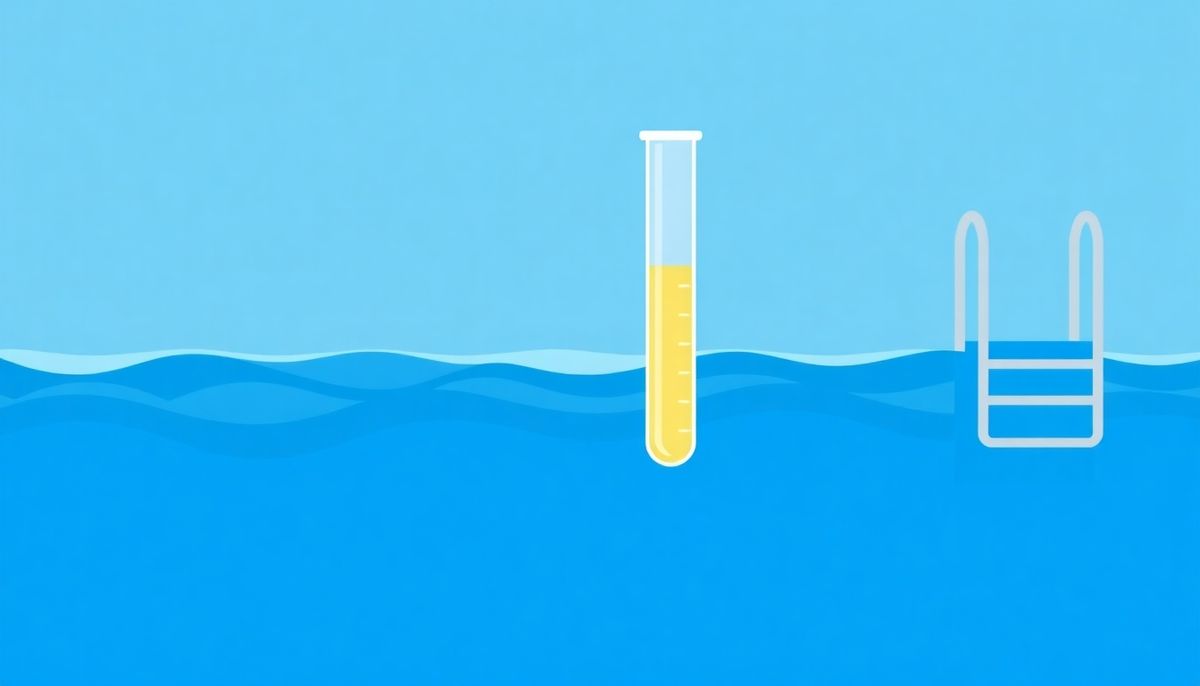
When your chlorine is low, adding more seems like the obvious answer, but the real key to keeping it steady is often hiding in plain sight: the stabilizer. Cyanuric acid (CYA) makes sure the chlorine you add doesn't burn off before it gets a chance to work.
Keep your CYA between 30 and 50 ppm for the best protection. But more isn't always better. Too much stabilizer ties up the chlorine and makes it useless. Imagine swimming on a bright day only to watch your chlorine drop because your stabilizer is out of balance.
I learned this the hard way one summer. After a week of relentless sun, my water turned cloudy even though I'd stuck to my chlorine routine. Testing showed my CYA was through the roof, working against me. I drained some water, added fresh, and evened it out, and before long my pool was clear again. Testing both your chlorine and CYA regularly lets you adjust early and keep your pool safe.
Identify Causes of Low Chlorine
Sun, swimmers, and storms
Figuring out why your chlorine stays stubbornly low can feel like solving a mystery. The sun plays a bigger part than many people realize. On sunny days, UV rays burn off chlorine fast, especially if your pool is short on cyanuric acid. That breakdown leaves plenty of owners wondering where their chlorine went.
A crowd of swimmers is another cause. If your backyard becomes a regular splash zone, your chlorine works overtime to break down oils, sweat, and other organic stuff. After a party or several busy days, you'll often see a real drop. A bigger shock afterward heads off that loss. Recent storms and heavy rain add to it too, washing debris and organic matter into the pool, so skim often and shock after a storm.
Don't forget your equipment
If you run a saltwater chlorinator, check the salt levels and make sure the generator is working right. A failing cell or low salt can leave you making too little chlorine and your pool under-sanitized. Regular upkeep and careful testing keep the water inviting.
Stabilize Chlorine with Cyanuric Acid
Cyanuric acid often gets less credit than it deserves. Without it, chlorine burns off fast and leaves your pool open to bacteria and algae. On a sunny afternoon, chlorine can plummet if there's none around, a bit like leaving ice cream out on a hot day.
When I first took over my home pool, I couldn't figure out why my chlorine kept dropping even though I shocked it often. My neighbor, a seasoned pool owner, told me to check the CYA. I was skeptical, but after testing I saw it was way below the recommended 30 to 50 ppm range. I added stabilizer, and my chlorine held steady even on the hottest days.
Still, balance is everything. Overdo it and you can hit chlorine lock, where the chlorine simply stops working. Regular testing and small adjustments keep CYA in the right range. Put a little time into this and you're not just steadying your chlorine, you're keeping your pool a safe, inviting spot all summer.
Dealing with low free chlorine can feel overwhelming, but the fix often comes down to a well-done shock. Done right, your pool goes from a bacteria breeding ground back to a clear, sparkling spot. The key is reaching the "chlorine breakpoint," which means raising your free chlorine to about ten times its normal level. That breaks the cycle of combined chlorine that's dragging down your ability to sanitize.
To pull this off, pick a chlorine-based shock like cal-hypo. It acts fast against contaminants. Three pounds per 10,000 gallons is the recommended dose. Run your pump for several hours after shocking so the chemicals spread evenly.
It's smart to do this at dusk, so the sun doesn't weaken the chlorine before it works. Watch your cyanuric acid too, so the chlorine sticks around long enough to do its job. With steady monitoring and the right plan, keeping your chlorine balanced becomes manageable.
Clean Debris Post-Storm
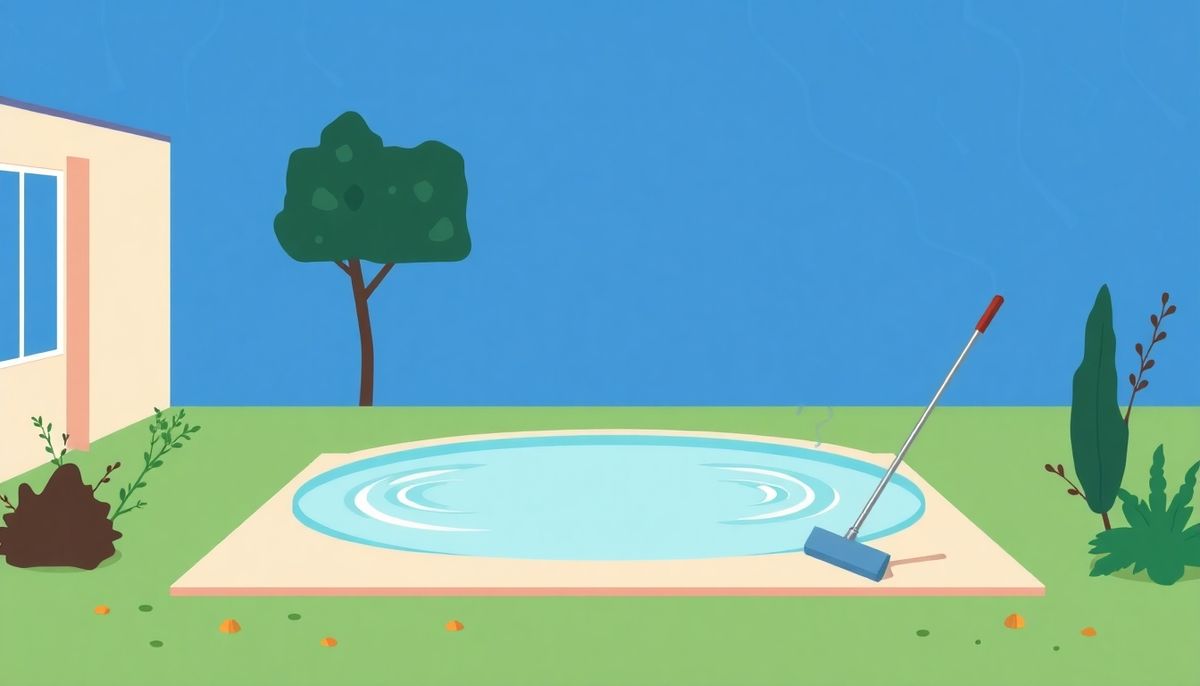
After a storm blows through and leaves broken branches and scattered leaves behind, your pool fills with debris. My neighbor Mary often felt swamped after summer storms, staring at what looked more like leaf soup than a calm retreat. Cleaning up is key to keeping your free chlorine where it should be.
Debris pulls in organic contaminants that burn through your free chlorine at an alarming rate, because your sanitizer shifts its energy toward breaking down all that fresh material. Chlorine drops and your pool becomes an easy target for algae and bacteria.
Clean, then test, then shock
Skim the surface with a net to grab floating leaves and twigs. Next, vacuum the pool floor for what's sunk. If your filter is overwhelmed, clean or backwash it so it runs its best. Then test the water. Mary often found her pH and alkalinity out of balance after a storm. Get those back in line, then give the pool a good shock to raise your free chlorine.
Clear the debris and rebalance pH before you shock, or you're just wasting chlorine.
Clean Up Post-Storm Debris
After the storm passes, there's usually a reminder left behind: a pool dotted with leaves, twigs, and debris. That clutter isn't only an eyesore. It quietly uses up your free chlorine before it can sanitize the water. Getting your chlorine balanced starts with a real clean-up. Skim the surface and catch every leaf and twig, then use a pool vacuum to pull up whatever has settled on the bottom.
Each organic piece is a tiny chlorine sponge, soaking up the free chlorine that should be guarding against bacteria and algae. This is especially true after a heavy storm, which floods your pool with material and dilutes your chemicals. Once the debris is gone, check your pH and alkalinity, since they keep the chlorine working well. With the debris cleared and your chemicals adjusted, your pool is ready for the shock that raises free chlorine and restores a clean, safe place to swim.
Shock Your Pool After Storms
After a storm rolls through, your pool might look more like a murky pond than a clear backyard escape. Storms wash in a flood of organic debris and contaminants, and your chlorine has to work overtime. Just skimming or running the filter won't set things right. The answer is a good shock.
When rainwater and runoff pour in, they dilute the chlorine that's there and drop your free chlorine, sometimes sharply. Start by clearing out the visible debris, the leaves, twigs, and anything else that took an uninvited swim. Once the pool is clean, add a chlorine-based shock to raise free chlorine fast and rebalance your water.
Not all shocks are the same. A cal-hypo shock works especially well after a storm, and that same three pounds per 10,000 gallons handles the sudden flood of contaminants. Deal with the aftermath this way and you're heading off algae blooms and bacteria buildup, keeping your pool ready for the next sunny day.
Conclusion
Balancing your water takes a little trial and error, but once you get the hang of it, your pool is ready whenever you are. Keep testing, shock at the right times, and give your stabilizer the attention it deserves, and clear water stops feeling like luck.
Want to go deeper? Our free Pool School course covers everything you need to know about pool care. From basic maintenance to advanced troubleshooting, you'll learn how to:
- Save thousands on pool repairs and chemicals
- Keep your water crystal clear year-round
- Prevent and solve common pool problems
- Master water chemistry with confidence
Join over 10,000 pool owners who have already transformed their pool care routine. Get started with our free Pool School course today!
What you need
Grab a reliable test kit and a bag of calcium hypochlorite (cal-hypo) shock, plus cyanuric acid to protect your chlorine and a pH adjuster to keep your water in range.