

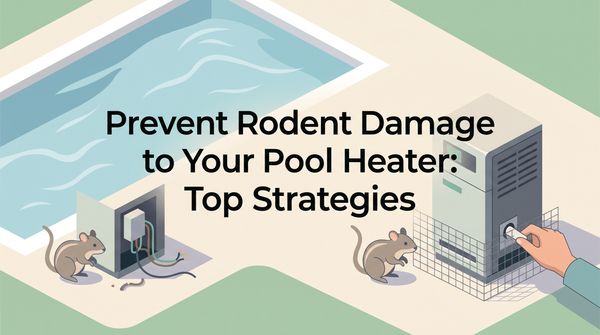
A quiet evening by the pool can feel like bliss, but there's often a hidden problem under that calm: mice. These pests are always hunting for warmth, and your pool heater makes the perfect winter hideout. Chatting over the fence one day, my neighbor told me how his heater turned into a rodent den and left him with a costly repair bill. His story was a wake-up call.
Keeping mice out takes more than plugging a few holes. They're clever, able to squeeze through tiny gaps and chew the wires that keep the heater working. The trick is to pair prevention with regular upkeep. That protects the heater and helps your whole pool heating system last longer.
It helps to understand how mice behave. They're active at night and driven by two needs: food and shelter. Keep the pool area tidy, clear out clutter, and lock down anything they might eat, and you make the spot far less tempting. With a little planning, you can swim knowing your pool heater stays a mouse-free zone.
Your Action Plan
- Inspect your heater and find every gap, crack, and vent.
- Pack small openings tightly with steel wool.
- Wrap larger gaps in quarter-inch hardware cloth.
- Tuck a few mothballs inside the control panel.
- Add rubber snakes or a scent deterrent for backup.
- Remove everything before you fire the heater up again.
Safeguard Your Pool Heater
Once the autumn chill sets in, a warm pool heater turns into exactly what a mouse wants. These invaders do real damage, gnawing through wires and leaving a mess. One cold October, a friend spent hours troubleshooting her heater, only to find chewed cables and nesting debris inside. It's a headache you can avoid with a few simple steps.
Block their way in
Start by cutting off the entrances. Check your heater for gaps and pack them with steel wool. It acts like a solid wall, and rodents hate its rough texture, so they steer clear. A few mothballs inside the control panel help too, since the strong smell drives mice off.
For a tougher defense, wrap the heater in quarter-inch hardware cloth. This mesh stands up to tiny teeth. To keep things tidy, add wooden panels around the heater to hold everything in place. And if you're open to something offbeat, a few rubber toy snakes nearby make a surprising deterrent. It sounds silly, but rodents naturally avoid snake shapes.
Before you turn the heater back on, pull out every deterrent you added, especially the mothballs, so your swim doesn't come with that smell.
Prevent Rodent Intrusions
Rodents in a pool heater are annoying and expensive. When the cold rolls in, plenty of homeowners are winterizing their pools, but small animals are getting ready for the chill too. Your warm heater is a magnet for them, which is why prevention matters.
That same friend once opened her heater to find chewed wires and debris, a clear sign of unwelcome guests. To avoid that, inspect the area around your heater. Look for tiny gaps and pack them with steel wool, which rodents dislike and can't chew through.
Hardware cloth is the next step. Cover any exposed spots with quarter-inch mesh for a sturdy barrier that still looks neat. For extra deterrence, scatter a few mothballs inside the control panel. And for a quirky touch, set rubber toy snakes around the unit to play on rodents' natural fear of snakes.
Just pull all of these out before you fire up the heater again. These small steps can spare you a major repair bill and keep the heater in good shape.
Install Protective Barriers
When cooler months arrive, a warm heater is hard to resist, and not just for people. Mice come looking for shelter too. A few barriers are the key to protecting your investment.
Two solid layers of defense
Start with steel wool, a simple but effective deterrent. Mice are amazing contortionists, able to squeeze through the smallest openings. Stuffing steel wool into any gap stops them cold. The rough texture is off-putting, and it hurts if they try to chew it, which makes it a strong first line.
For the determined few, you'll want a second layer: quarter-inch hardware cloth. Wrap it tightly around your heater. This mesh shrugs off gnawing and blends into the background, so your pool area still looks good. Add decorative wooden panels to hold everything together and finish the look. If you're feeling mischievous, tuck a few rubber toy snakes around the heater to spook rodents.
Just take this setup apart before you run the heater. These measures, along with regular checks, add up to a strong defense and a lot of peace of mind for the cozy seasons ahead.
Remove Infestation Safely
An infestation inside a pool heater is more than a nuisance; it's a disaster waiting to happen. If the pests have already moved in, your first step is safety: cut off power to the unit. That precaution lowers the risk of electric shock, a real danger in any DIY job.
Calling a professional exterminator can be smart, especially if you'd rather not face a nest of rodents yourself. They have the know-how and tools to clear things out fast. But if you're up for it, you can handle the cleanup with gloves, a mask, and a good dose of nerve.
Once the nest is gone, look carefully at the damage. Mice chew through wires and leave behind a trail of hazards. If you're comfortable with electrical work, you may manage the smaller fixes. For serious damage, or if you're not sure how bad it is, a certified technician makes sure everything gets handled safely. Then reinforce the heater the way I described so it doesn't happen again.
Deter Mice with Simple Tricks
Cold evenings push mice toward cozy hideaways, and your pool heater is a perfect spot. Keeping them out doesn't take anything fancy. Mothballs, an old but reliable deterrent, are a good first line. Set a few inside the control panel and you're sending a clear "no vacancy" sign, since rodents can't stand the smell.
Now for the physical barriers. Steel wool is a clever fix for sealing small gaps. Mice hate the feel of it, so they won't chew their way into your heater's inner workings. For a better-looking and sturdier barrier, quarter-inch hardware cloth reinforces the sides of your heater without spoiling the look and holds up to gnawing.
For a bit of fun that actually works, place rubber toy snakes around the heater. They tap into a deep-rooted fear in rodents and keep them at a distance. Before you fire the heater back up, carefully remove every measure so your swims don't come with the smell of mothballs. A little effort up front saves a lot of frustration.
Deploy Scent-Based Deterrents
Mice look for warm shelter when temperatures drop, which makes your pool heater irresistible. Scent-based deterrents work surprisingly well. Mice rely heavily on smell, so filling the air with odors they hate acts like a virtual "keep out" sign.
Scents that send mice packing
Take peppermint oil. It smells pleasant to most of us but sharp and off-putting to rodents. Soak cotton balls in it and tuck them around the heater's edges and inside any spots you can reach. Refresh the scent every few weeks so it keeps working. Your local garden store may also carry sachets of dried herbs like lavender and cloves, which repel mice the same way.
Another option is a commercial rodent repellent. These usually mix essential oils with other ingredients to make the area unpleasant. Follow the manufacturer's directions for safe use, especially around heating equipment. These scent barriers work like an invisible fence, a simple, non-toxic layer on top of physical barriers like steel wool or hardware cloth.
Seal Entry Points Effectively
Seal the entry points well and a mouse won't get near your heater. One autumn I noticed an odd silence when I switched mine on. No comforting hum, just dead air. That's how I learned the hard way what a sneaky mouse can do.
Grab some steel wool, a simple but mighty tool. These critters wriggle through gaps the size of a dime, but steel wool stops them. When they try to gnaw it, it hurts their mouths and puts them off. Next, install quarter-inch hardware cloth over the larger openings. It's tough, it looks fine, and rodents don't get a second chance.
A few mothballs inside the control panel add a scent shield on top. For an offbeat twist, set rubber toy snakes around the heater's edges. Only keep these measures in place while the heater is off. Clear them away before you turn it back on so you don't get a whiff of heated mothballs. Do this, and you'll spare your heater, and your wallet, from surprise repairs.
Install Physical Barriers
Mice may not be on your guest list, but they're experts at crashing the party. Your first line of defense is physical barriers. Check every nook and cranny of the exterior; even the smallest opening is a welcome mat. Seal those gaps with steel wool. It blocks their path and puts them off, thanks to the rough texture and the harm it does if they swallow it.
For more security, use quarter-inch hardware cloth. Wrap this sturdy mesh around the heater for an enclosure that's rodent-proof and easy on the eyes. Secure it tightly, with no loose edges for stubborn little paws to pry open. Wood panels come next, placed around the heater to look good and steady your other barriers.
Here's a curious trick: set rubber toy snakes near the heater. Mice have a built-in fear of snakes, and even fake ones make them think twice. Remove these barriers before you run the heater, both for safety and so it works right.
Prevent Rodent Infestations

A little prevention goes a long way toward saving you the headache of clearing pests out of your heater. As the fall chill drives mice indoors, your heater starts to look like a snug sanctuary. A few smart steps make all the difference.
Start by checking the area around the heater. Look for even the smallest crack and plug it with steel wool. It's cheap, it works, and its rough texture puts rodents off. On top of that, install quarter-inch hardware cloth as a sturdy, chew-proof shield. The smell of mothballs isn't pleasant for us, but rodents really can't stand it, so tuck a few inside the control panel. And if you like a bit of whimsy, scatter some rubber snakes around the heater.
Keep in mind these are seasonal defenses. Before you turn the heater back on, remove every protective material so it runs safely. A little prep now keeps your heater running smoothly when you need it most.
Implement Rodent-Repellent Measures
When autumn winds bring cooler days, they bring mice looking for warm hideaways, and your pool heater might be their dream home. A few simple rodent-repelling steps do the job.
First, put scent to work. Mothballs aren't pleasant for us, but they do wonders driving rodents off. Place them near the control panel and let the sharp odor turn away curious visitors. Just be careful: when pool season comes back, clear them out before firing up the heater, unless you want your pool area smelling like a giant mothball.
Structural defenses come next. Steel wool is your friend here; its coarse texture is a nightmare for nibbling critters, so stuff it into every crevice. Follow that by wrapping quarter-inch hardware cloth around the heater. This tough barrier protects your investment and keeps things neat. And for a bit of fun that's also practical, set rubber toy snakes around the heater. Mice instinctively shy away from serpents, and even a fake one can send them scurrying.
Secure Openings with Steel Wool
As the autumn leaves fall, mice eye your pool heater as prime real estate. They have a knack for finding the smallest cracks, turning your cozy heater into a rodent hostel. To stop them, steel wool is a surprisingly good ally.
Why steel wool works so well
Steel wool doesn't look like much on a hardware store shelf. Yet its metal fibers become a real obstacle for a mouse trying to squeeze in. Packed into any gaps, it forms a prickly barricade. Mice follow instinct and try to gnaw through, only to run into that sharp, unforgiving texture. The deterrent is instant; those fibers can hurt their mouths and send them off to find easier shelter.
When you seal openings, be thorough. Mice can slip through spaces as small as a dime, so check every corner of the heater.
Pairing steel wool with hardware cloth builds a layered barrier that mice can't squeeze through or chew, protecting your heater while keeping it looking good.
Use Deterrents Around the Heater
For a step up from just packing the gaps, the right deterrents give you more options. Start with the sharp smell of peppermint oil. A few cotton balls soaked in it, placed in the right spots, make a strong repellent. You might find the scent pleasant, but rodents don't share your love of minty freshness.
Another option is an ultrasonic pest repeller. These give off high-frequency sound we can't hear but that makes the area unbearable for mice and rats. Set them near your heater to cover the spots where mice might sneak in. Predator urine granules, sold at outdoor stores, can help too. Sprinkling them around the heater mimics the presence of natural predators, so rodents feel less at ease.
For a crafty touch, try predator decoys like owl or hawk statues. They seem more decorative than useful, but the sight of a looming predator can send pests off. Each of these adds a layer of protection, turning your heater from a tempting shelter into a place mice would rather skip.
Block Entry with Steel Wool
Steel wool isn't the first thing that comes to mind when you're protecting your pool heater, but nothing beats it against rodents. My neighbor once told me how he stopped a mouse invasion with nothing more than this material. He swore by it, and the results backed him up.
Rodents are famous for squeezing through the smallest openings. A gap that looks like nothing to us is an open door to them. That's where steel wool earns its keep. Press it into any cracks or holes around your heater. The texture is unpleasant, and when they try to gnaw through, the fibers can hurt their mouths and send them packing.
A single afternoon of inspection with a roll of steel wool can save you plenty of headaches. Be thorough; even the smallest oversight can let a mouse set up camp, and a tiny crack can be a straight shot to your heater's wiring. Block those routes and you keep your equipment working while dodging costly repairs.
The autumn chill sends mice hunting for warmth, and your pool heater looks like an inviting haven. Steel wool is one of the best ways to keep them out. It might sound made up that mice slip through tiny gaps, yet these nimble creatures can squeeze through holes the size of a dime.
Steel wool makes a cheap but tough barrier. Inspect your heater for small openings or cracks, paying close attention to the areas around cables and vents, where the tiniest gaps hide. Once you find them, pack them tightly with steel wool. Mice that try to gnaw through soon give up, since the rough wool irritates them and can cause harm if swallowed.
I've used this method in my own garage, so I can vouch for it. It takes little more than a sharp eye and some patience. For extra security, cover the stuffed openings with quarter-inch hardware cloth to keep things neat while adding another layer.
Install Moth Ball Deterrents
Mothballs are tiny but potent, and they can be one of your best tools against mice looking to shelter in your heater. They give off a strong, sharp odor rodents can't stand. Place a few inside the control panel and you set up a line that mice and rats are reluctant to cross. They're easy to find and cheap, which makes them a practical pick for quick protection.
Years ago, my cousin dealt with a rodent problem in her garage. Things didn't turn around until she discovered what mothballs could do. Her success got me trying the same trick on my pool heater, and the results were impressive.
Still, mothballs are only one piece of the puzzle. For the best results, pair them with steel wool at the entry points and hardware cloth as a backup barrier. And remember to remove the mothballs before running the heater, so you avoid bad smells or hazards.
Enhance Protection with Hardware Cloth
In the fight against rodents, one simple ally stands out: hardware cloth. This plain mesh can make a real difference in keeping mice out of your heater. Unlike ordinary wire mesh, it's tough and resists gnawing, which makes it ideal for blocking entry points.
Fitting it right
Hardware cloth comes in different gauges, but the quarter-inch size hits the sweet spot. It lets air through while keeping rodents out. Start by measuring the openings around your heater. With wire cutters and gloves, trim the cloth to fit snugly over any gaps or vents. Fasten it firmly with staples or screws, leaving no spot exposed.
A friend of mine was skeptical at first, but after a minor rodent invasion cost him an expensive repair, he gave it a shot. Since he installed hardware cloth, his heater has stayed untouched. Combine it with mothballs and steel wool and your defense gets even stronger. The setup might feel tedious, but think about the alternative: a broken heater right when you don't expect it.
Secure Heater with Barriers
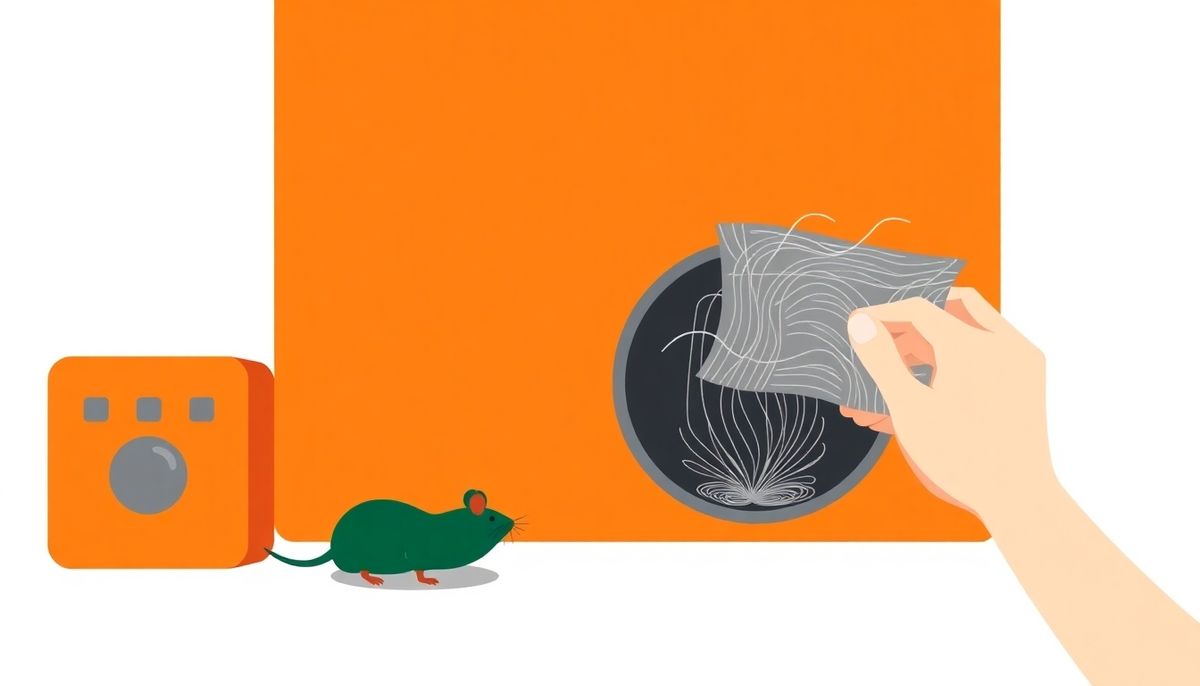
Pool heaters are a must for a comfortable swim, but they often double as cozy shelters for mice, especially as the temperature drops. Keeping them out takes planning and some well-placed barriers. Start by gathering your materials: mothballs, steel wool, and quarter-inch hardware cloth, all easy to find at your local hardware store without spending much.
Begin by placing mothballs near the control panel. Their sharp odor steers mice away. Next, pack steel wool into any small openings. Mice slip through shockingly tiny spaces, and steel wool gives them a painful obstacle when they try to chew through.
For an added layer, wrap the heater in quarter-inch hardware cloth. This metal mesh is functional and low-key, so your backyard still looks the way you want. To round things out, surround the heater with wooden panels to hold your deterrents in place, and scatter a few rubber snakes nearby for one more mental hurdle. Remember, all of these should come out before you run your heater again.
Implement Effective Rodent-Deterrents
Sometimes a small effort prevents a big headache. Protecting your heater from mice saves you frustration and shields your wallet from expensive repairs. Those pests are drawn to the snug warmth, and once inside, they chew on key parts.
First, try nature's own deterrent: peppermint oil. Rodents can't stand the strong smell, so dab a few drops on cotton balls and place them around the base of your heater. This method is safe around pets and kids, so you keep rodents away without worry.
Next, seal the deal with steel wool. Stuff it into any gaps or entry points where mice might sneak in; the rough texture is unpleasant for them and makes a strong barrier. Pair it with a fine mesh screen over vents and larger openings for extra protection that doesn't block airflow. For a high-tech touch, ultrasonic pest repellents give off frequencies that keep rodents away without bothering people or pets. Set these near your heater for steady, hands-off protection.
A bit of foresight and a few simple fixes are all it takes to keep your pool heater safe, sound, and ready to warm those chilly swims.
Conclusion

Keeping mice out doesn't take much, but it saves a lot of hassle and money. Seal the gaps, add a scent or two, and clear everything out before the heater runs again. That's really all there is to it.
If you're ready to keep learning, our free Pool School course covers everything you need to know about pool care, from basic maintenance to advanced troubleshooting. You'll learn how to:
- Save thousands on pool repairs and chemicals
- Keep your water crystal clear year-round
- Prevent and solve common pool problems
- Master water chemistry with confidence
Join over 10,000 pool owners who have already changed the way they care for their pools. Get started with our free Pool School course today!
What you need
Grab steel wool, quarter-inch hardware cloth, and a box of mothballs to seal and defend your heater this season.