
















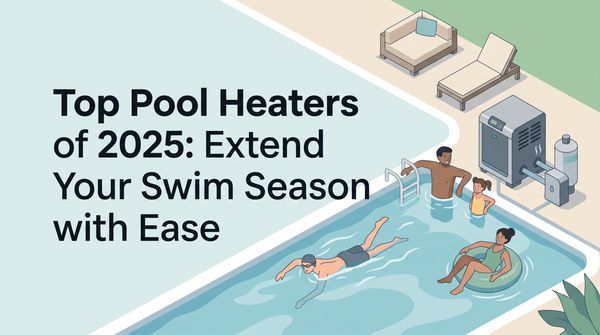
A warm inground pool can turn a chilly morning into the best part of your day. A good heater means you don't have to give up swimming just because the air's turned cool. If you're thinking about upgrading this year, the good news is that manufacturers are finally focused on making heaters cheaper to run and easier to use.
Nothing ruins a planned swim faster than stepping into cold water. That's the whole reason a heater earns its spot in your backyard. Today's models are kinder to the planet and pair nicely with smart home setups. Many even let you set the temperature from your phone, so the water's ready by the time you get home.
Shopping for a heater used to mean wading through jargon and long spec sheets. Now the controls are simple enough for anyone, and the choices run from energy-sipping electric units to strong gas systems. Here's what sets each option apart and how to pick the one that keeps your pool inviting all year.
Your Action Plan
- Figure out your climate and how often you'll actually swim.
- Match a heater type: gas for cold and fast, a heat pump for mild weather, solar for sunny spots.
- Size the unit to your pool and your budget.
- Pick a spot close to the pump and filter, sheltered from wind.
- Have a pro handle any gas and electrical hookups.
- Add a solar cover and keep up with simple maintenance.
Discover Energy-Efficient Pool Heaters
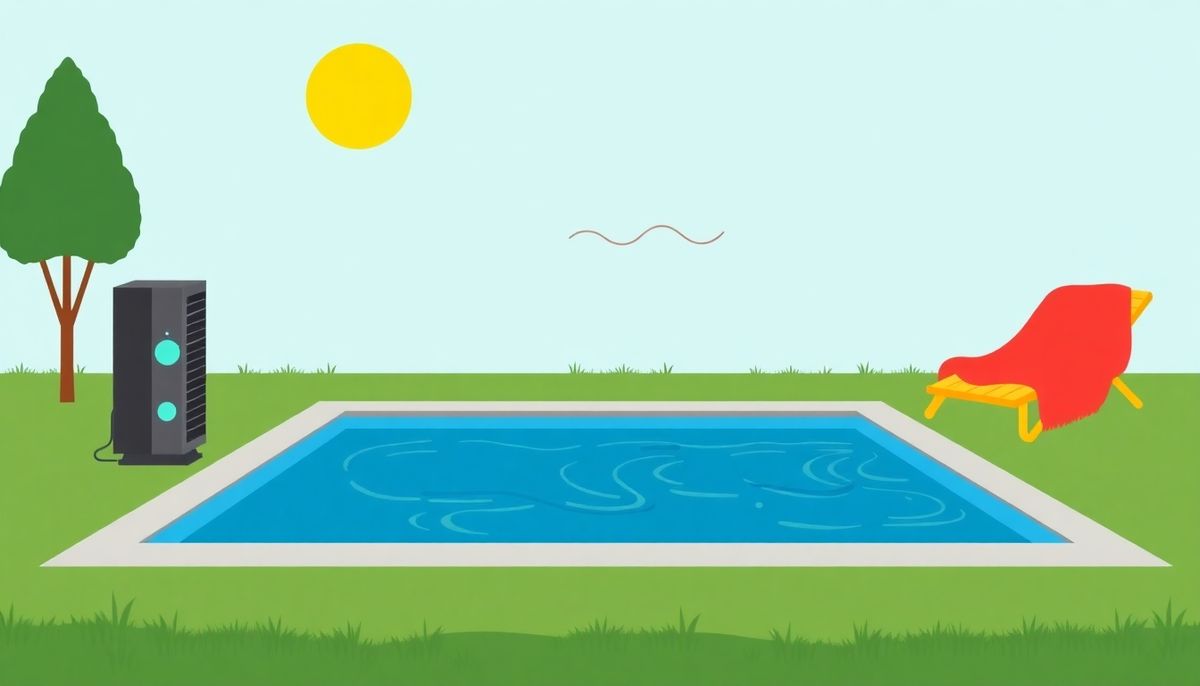
An efficient heater keeps your utility bills down and treads lighter on the planet. If you've ever winced at your bill after a few swims, this is where the savings live.
The most efficient options
For pure efficiency, a heat pump leads. It pulls warmth from the surrounding air to heat the water. The Hayward HeatPro sips very little energy and keeps things reliably warm, though you may want a backup for the coldest days.
Heat pumps are the most energy-efficient choice for mild climates, pulling free warmth straight from the air.
In sunny spots, solar is tough to beat. The SmartPool S601 uses panels to warm the pool gradually with no ongoing energy cost, and the long-term math works in your favor. Gas heaters cost more to run, but they earn their keep on speed, warming water far faster than the alternatives when you don't want to wait.
Choose the Right Heater Type
The trick with shopping is knowing what you actually need. If your pool is on the smaller side and you're watching your budget, the Pentair MasterTemp 125 is a strong match. It's compact and affordable, and it gives smaller pools reliable warmth without draining your wallet.
If you deal with colder weather, a gas heater like the Hayward Universal H-Series warms the water fast, so you can get in sooner. Just plan for higher running costs. And if you live somewhere sunny with room for panels, a solar heater saves a lot on energy, as long as you're patient while it warms up.
The right heater balances your climate, your pool size, and how long you're willing to wait for warm water. Choose well, and you'll be enjoying good swims no matter the season.
Optimize Installation for Efficiency
How you install a heater matters as much as which one you buy. A little planning up front saves time and money down the road.
Where to put it
Keep the heater close to your pool's pump and filter. That cuts the heat lost as water travels through the pipes, so the pool warms faster, and shorter connections trim your install cost too. Put it too far away and you'll wait longer for warm water and pay more each month.
Keep the heater close to the pump and filter to cut heat loss and speed up every warm-up.
Your weather matters as well. In windy areas, a sheltered spot keeps drafts from stealing heat. For solar setups, aim the panels for the most sun and keep them clear of shade from trees or buildings. And for gas heaters especially, hire a certified installer. A bad setup can be unsafe and wasteful, while a good one keeps every connection tight and the unit running its best.
Maximize Heater Performance
Owning a heater is only the start. A few small habits get you a lot more comfort for less money.
If you've got a gas heater, run it during off-peak hours to save on your bill while still getting that fast warm-up. In colder climates, where you need a quick temperature boost, that timing makes a real difference.
Maintenance is the other half. Check regularly for debris around the unit so airflow stays clear, which is especially important for heat pumps that rely on the surrounding air. An annual professional inspection catches small problems before they drag down efficiency. A quick brush-off of solar panels after a windy day helps them hold heat, too.
Lean on a few extras as well. A solar cover traps heat overnight, so your heater has less work to do the next day.
A simple solar cover traps heat overnight and can cut your heating time roughly in half.
Picking the right type comes down to your climate. If your pool sits under gray skies in a cold region, a gas heater like the Hayward Universal H-Series is your best friend, warming the water fast. Just remember that speed comes with higher running costs.
If sunshine is a regular visitor, a solar heater like the SmartPool S601 is the efficient answer. These take patience while they soak up the sun, but the long-term savings are hard to beat. For a middle ground, a heat pump like the Hayward HeatPro pulls warmth from the air for a good mix of efficiency and value, though it can struggle in a harsh cold snap.
Evaluate Climate Considerations
In places where the cold really bites, a gas or electric heater is a necessity, not a luxury. They have the muscle to warm your pool fast, so they're the go-to for chilly weather. Running a gas heater will push your utility bills up over time, but that quick warmth is often worth it.
Sunnier spots open the door to solar heating, which shrinks both your carbon footprint and your energy bill. The catch is patience, since solar takes longer to reach the temperature you want. If your weather bounces around somewhere in between, a heat pump strikes a nice balance, pulling warmth from the air for efficient, effective heating. Match your choice to where you live and you'll stay comfortable all season.
Assess Installation Complexity
Before you buy, it pays to know how tricky the install will be.
What each type needs
Gas heaters usually call for a pro because of the gas line connections and electrical hookups. It's safer, and it keeps the install up to local code, which spares you costly fines or fixes later.
Solar heaters look simpler, but they need plenty of space for panels, usually on a roof or a rack near the pool. Placement is everything for catching the most sun, and installation kits are often sold separately, so double-check you have every part.
Heat pumps sit in the middle. They need proper clearance, about six feet overhead, and are best handled by a pro so they run well and meet safety standards. Their compact size, compared to gas units, can make the install a little easier to manage.
Determine Energy Preferences
Your energy source usually starts with your climate. In colder regions, a gas heater's raw power is appealing, since it warms water fast and stretches your season into cooler months. Be ready for the utility costs, though, because gas sits near the top of the expense list.
In milder zones, electric heat pumps keep ongoing costs low by pulling warmth from the air. They're a fantastic, low-cost option for warm climates like Florida, though they can struggle when temperatures drop too far. Solar heaters are all about patience and low running costs, made for sunny spots where you don't mind waiting a bit for warm water. Match your choice to your weather, budget, and how much you'll use the pool.
Explore Climate-Specific Options
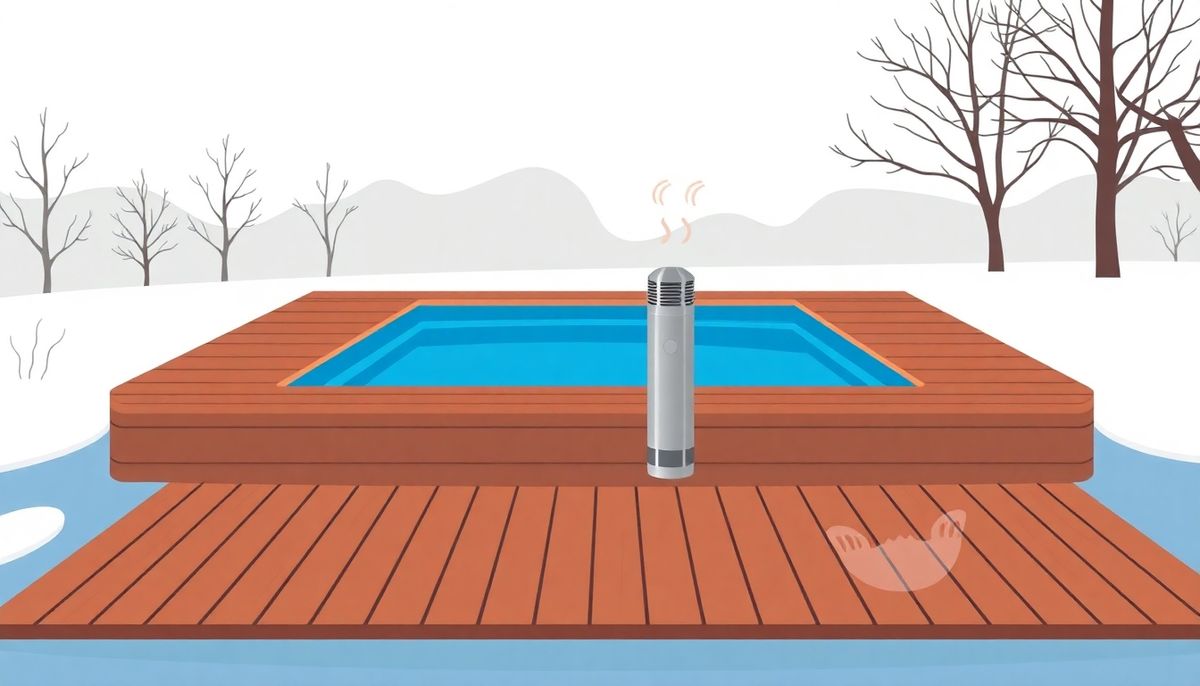
Different climates ask different things of a heater, and understanding that leads to smarter decisions.
In colder regions, where the chill lingers long after spring, a gas heater like the Hayward Universal H-Series is often the most practical pick. It heats fast, which really matters when the air turns cold. You'll pay more in utility bills, but you won't wait long to get in.
If you're somewhere mild or sunny like Southern California or Florida, the SmartPool S601 taps the sun for a green, budget-friendly solution. It takes longer to hit your target temperature, but with no ongoing energy cost, it's an appealing long-term choice. For climates that swing between extremes, a heat pump like the Hayward HeatPro offers balance, and the energy savings can pay back the higher upfront cost fairly quickly.
Choose the Right Heater-Type
Each type has a clear strength. Gas heaters warm your water fast, no matter the pool size, which makes them great on frosty spring mornings when you're itching for a swim. The downsides are higher running costs and the need for a nearby gas line, which can be a deal-breaker.
Electric heat pumps have caught on for their efficiency, pulling warmth from the air, so they're a great fit in a mild climate. In colder weather, their performance drops. Solar heaters use the sun to warm your pool and are easy on your wallet over the long haul, even if the setup costs more up front. In less sunny spots, they may fall short. Line up climate, pool size, budget, and install effort with your situation, and the right pick becomes clear.
Consider Climate Efficiency
Where temperatures really dip, a solar heater might leave you shivering. A gas heater can raise your pool temperature in a matter of hours, melting away those chilly mornings, though it's tougher on your wallet with ongoing utility bills.
In sunnier places, solar is both cheap and green, slowly warming your pool with no monthly bill shock, as long as you have the sunny days to make it work. For a middle ground, heat pumps draw warmth from the air for an efficient balance of cost and performance. Think not just about today's weather but about long-term efficiency, and the right choice turns your pool from a rare treat into an everyday pleasure.
Optimize Installation Location
Placement shapes performance and maintenance costs for years, yet a lot of people skip past it. A shady corner might seem handy, but poor sun and weak airflow lead to sluggish heating.
Start with distance from the pool, since every bit of it means more heat lost. Then think about wind, because gusts cool the exposed parts and drag down efficiency, so a naturally sheltered area helps. For solar heaters, good sun exposure is non-negotiable; a south-facing roof or open area with steady sunlight is ideal, and never tuck panels under tree canopies. For gas and electric heaters, check your local rules on ventilation and clearances, and leave enough room to reach the unit for maintenance. A well-chosen spot boosts performance and makes upkeep easier all year.
Optimize Pool Heating Installation
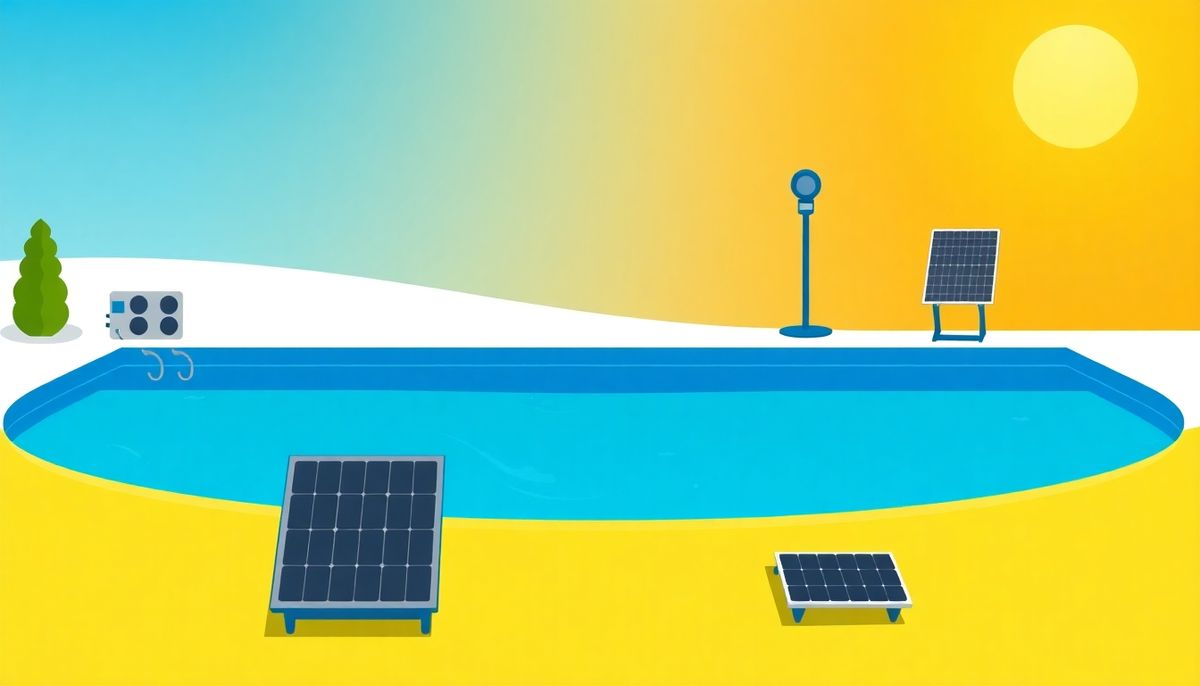
Keeping your pool warm all year takes more than the right heater; how you install it really shapes how well it works.
Start with location and surroundings. If trees or buildings block the sun, a solar heater won't perform. For gas and electric heaters, being close to power or gas lines keeps the install simpler and cheaper, and a clear path for ventilation and easy access for maintenance cuts down on operating hiccups.
Professional installation is often the smart move, especially for gas heaters, which need careful handling of the plumbing and gas lines. Electric heaters look simpler, but hooking them into your home's electrical system calls for a certified electrician. Don't skip regular maintenance either. An annual check keeps your heater efficient and helps it last, saving you from surprise breakdowns and pricey repairs.
Select the Right Heater-Type
Different setups suit different weather. With cool mornings but hot afternoons, a heat pump quietly pulls warmth from the air to keep your pool inviting without blowing up your bills. If your climate leans cold, a gas heater turns icy water into a warm oasis in a few hours, which is great for a spur-of-the-moment swim, even if it costs more to run.
In sunnier territory, solar heaters are right at home, warming your pool little by little for a green, wallet-friendly result. You'll need patience and plenty of sunlit space for the panels. Weigh your long-term relationship with the unit, too, along with your pool's size and how much installation fuss you're willing to take on.
Consider Climate-Driven Needs
Picture a chilly morning swim in Wisconsin versus a steady Florida afternoon; each calls for a different heating plan. Up north where it's cooler, a gas heater raises water temperatures quickly, which makes it a lifesaver during short summers or for year-round swimmers. That warmth costs you in higher running expenses.
In sunny regions, solar turns sunlight into steady pool warmth. It's slower but budget-friendly if you can wait a few days to hit the right temperature. In temperate zones where the weather bounces around, a heat pump is the perfect middle ground, using the surrounding air to heat the pool without wrecking your bills. Match your heater to your local weather and you'll get a better swim plus better efficiency.
Evaluate Installation Challenges
Installation difficulty varies a lot by type. Gas heaters usually need a professional, since the install involves fiddly connections to both gas and electrical lines, and getting it wrong can cause more than a jump in your utility bill.
Electric heat pumps are more straightforward but have quirks: they need at least six feet of clearance above the unit for airflow, and the electrical connections should be handled by an experienced electrician. Solar heaters welcome the DIY crowd, though they need plenty of space, ideally on a sunny roof. Space is a big deal across the board, whether that's a smart plan for solar panels or the right housing for a gas unit. A warm pool is well worth the effort of careful planning and calling in a pro where it counts.
Learn About Cost-Saving Solutions
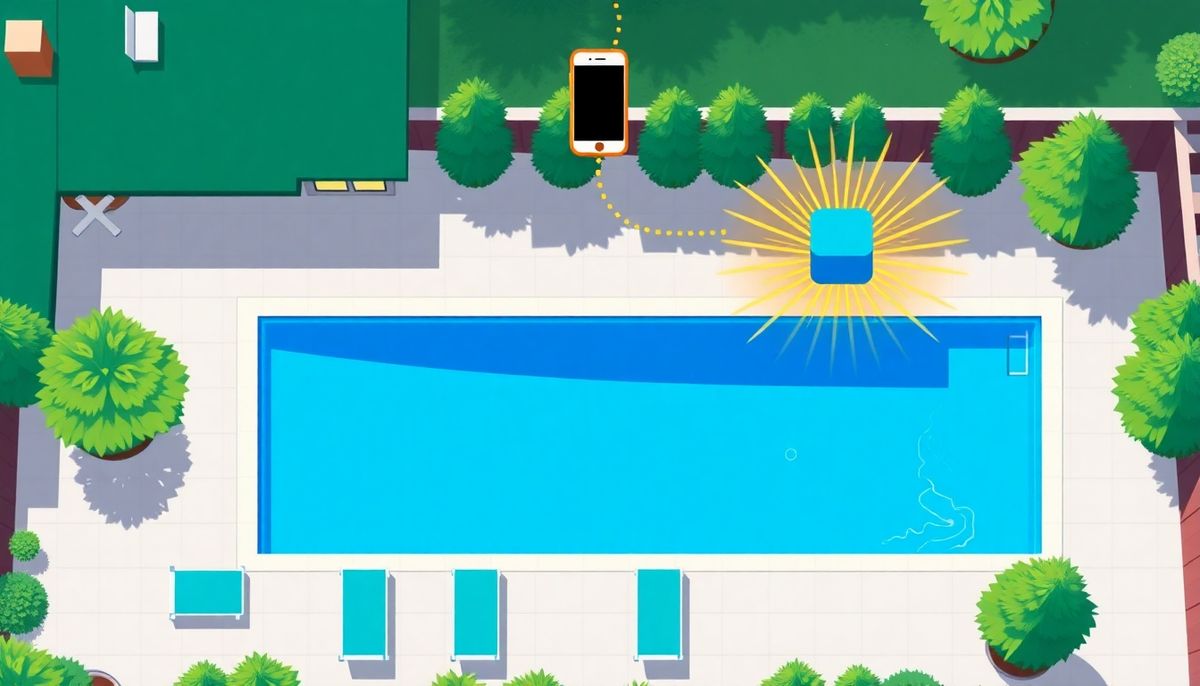
The secret to affordable heating is understanding how upfront costs and long-term savings play off each other.
Take heat pumps. They pull warmth from the surrounding air, which makes them very energy-efficient. The Hayward HeatPro Heat Pump costs more up front, but it can noticeably drop your monthly energy bills, and it really shines in milder climates where the air stays fairly warm.
Solar heaters like the SmartPool S601 are a budget-friendly, sustainable pick for sunny regions. They heat slowly, but they run on sunlight, which basically means zero ongoing cost, plus minimal maintenance and a longer swim season without a bill spike. Always weigh the initial install and any professional fees against how well the heater performs and how long it lasts. Spending a bit more up front often means bigger savings later.
Explore Energy-Efficient Options
If you're shopping for a heater in 2026, energy efficiency deserves a front-row seat. An efficient model is good for the environment and cuts your long-term operating costs.
Heat pumps stand out here, drawing warmth from the surrounding air to heat your pool, which makes them a great fit for moderate climates. The Hayward HeatPro Heat Pump blends efficiency and power if you want to keep bills down while still enjoying a warm swim. In sunny spots, the SmartPool S601 Pool Solar Heater runs on solar energy; it needs patience, but it doesn't add a dime to your electric or gas bill.
If you'd rather stick with a traditional approach, look at the Pentair MasterTemp 125. This compact gas heater has low NOx emissions, which means it releases less harmful pollution into the air, so you get a nice balance of performance and responsibility.
Enhance Your Swim Season

Stretching your swim season isn't just a luxury; it's doable. With the right heater, chilly mornings and cool evenings turn into chances to relax in the water. Instead of waiting on the sun, a good heater puts you in control.
Finding the right one means knowing what fits your pool and your life. In the unpredictable spring weather of the Midwest, the Hayward Universal H-Series Gas Heater is a lifesaver, warming the pool fast for a last-minute get-together. In the sunny stretches of the South, the SmartPool S601 Solar Heater offers a green approach for patient sun lovers. If reliability is what you value, especially in a tighter space, the Pentair MasterTemp 125 is hard to beat. Weigh pool size, climate, and energy preferences, and every swim will be as warm and welcoming as you imagine.
Conclusion

This article shared some tips for keeping your pool in great shape. Start your pool care journey today.
Want to become a pool maintenance expert? Our free Pool School course covers everything from basic upkeep to advanced troubleshooting. You'll learn how to save thousands on repairs and chemicals, keep your water crystal clear year-round, prevent and solve common problems, and handle water chemistry with confidence. Over 10,000 pool owners have already transformed their routine. Get started with our free Pool School course today!
What you need
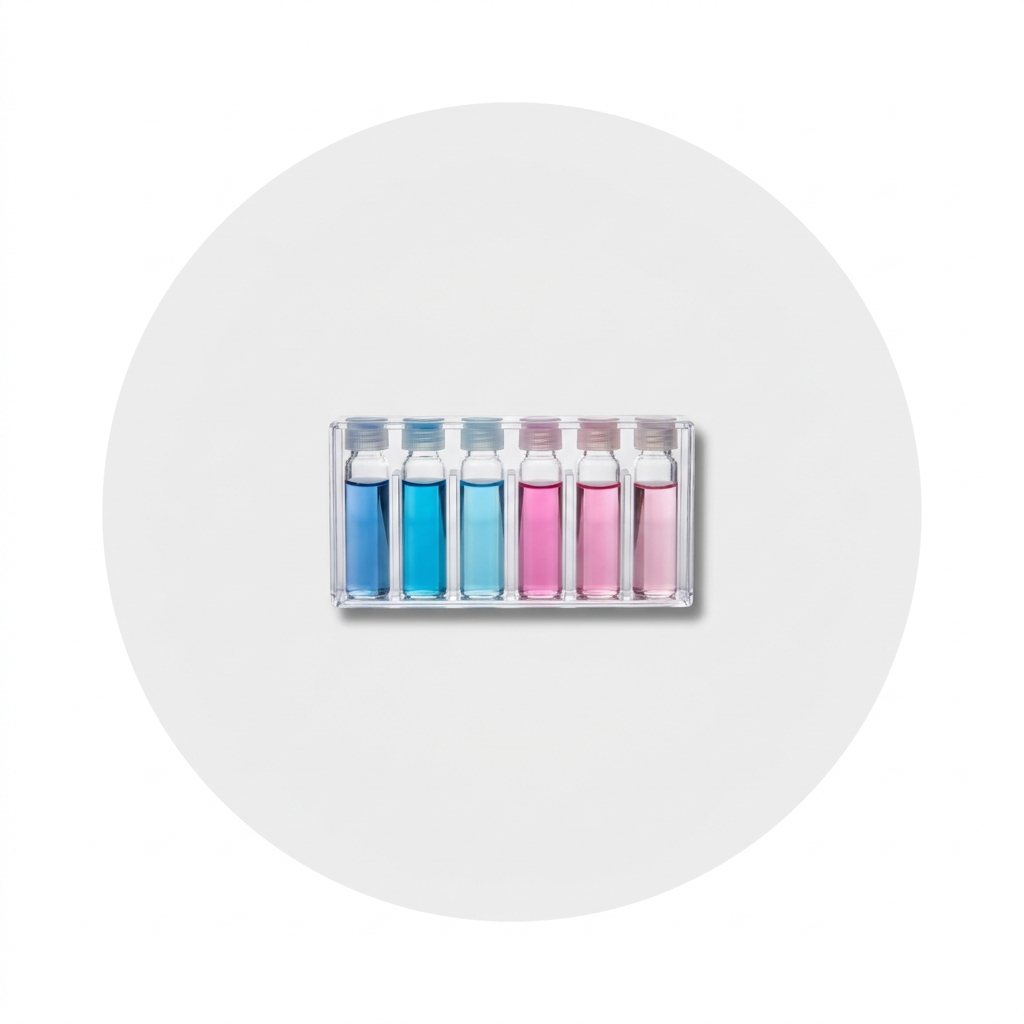
Pick your heater to match your climate, then grab a solar cover, a test kit, and the basic chemicals to keep the water clean and comfortable all season.