



Warm afternoons by the pool are hard to beat, but nothing ends the fun faster than a cold, shivery dip. The trick to swimming more of the year is a reliable pool heater. In 2026, better technology gives you real options for keeping the water at a comfortable temperature, whatever the season.
Once I added a heater to my above-ground pool, it changed how often we used it. Instead of sitting empty for half the year, it became the spot for weekend barbecues, evening swims, and last-minute get-togethers.
There's a good fit for every pool owner, from solar systems that run on sunlight to electric and gas heaters that give you fast, precise control. A smart choice isn't just about specs; it's about how a heater fits your climate, your pool, and your daily life. Here's how to pick one and get the most out of it.
Your Action Plan
- Check your local climate across your whole swim season.
- Measure your pool's size so you can match a heater to it.
- Pick the type—gas, heat pump, or solar—that fits your weather and budget.
- Plan the install: a gas line, an electrical hookup, or a sunny spot for panels.
- Add a solar cover and keep the unit clean to cut running costs.
Discover the Ideal Pool-Heater
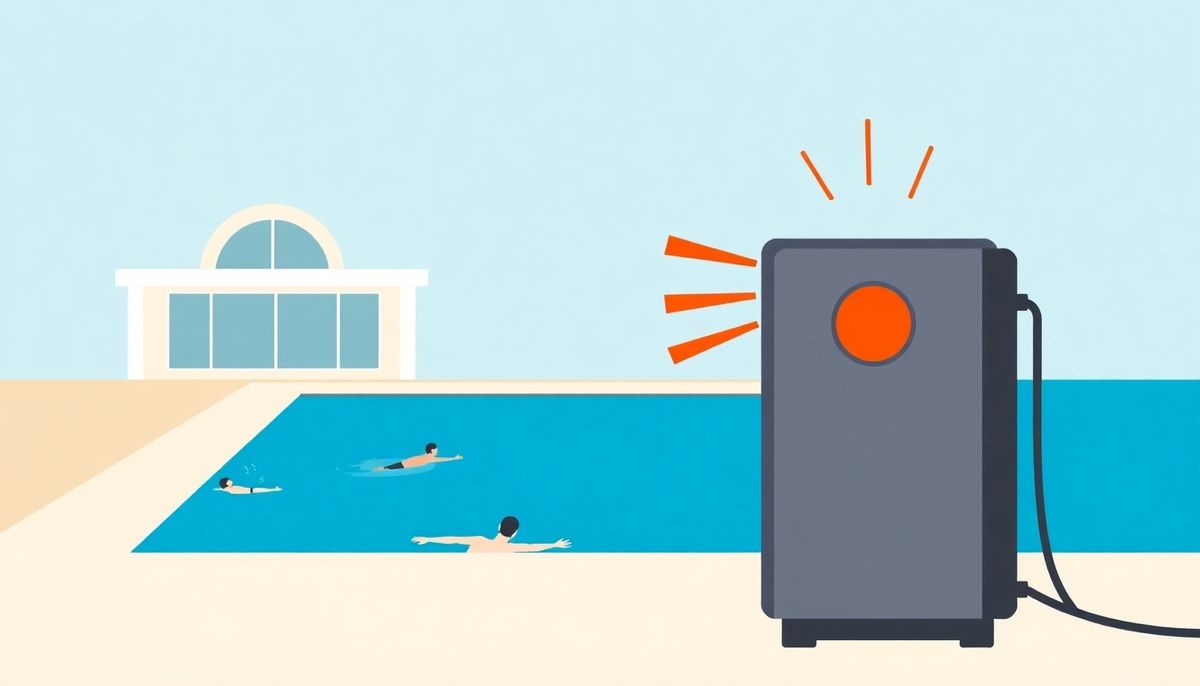
Match the heater to your pool, not just your budget
Picking the right heater can turn chilly swims into warm ones. But the ideal choice takes more than matching a model to your budget; it's about your pool's size, your local weather, and how you actually use the pool.
If your summers are mild and your water takes forever to warm up, a gas heater like the Raypak Natural Gas Heater heats fast. It costs more to buy and run, but you get warm water right away. In sunny areas where you care about running costs and the environment, a solar heater like the SolarPRO is cheap to run and easy on the planet—just be patient, since it takes a few days to warm up. For a middle path, the Hayward Electric Pool Heat Pump quietly holds a steady temperature in moderate climates without wrecking your energy bill.
The best pool heater isn't the most powerful one—it's the one that matches your climate, your pool size, and how you actually swim.
Evaluate Climate Compatibility
Let your climate lead the decision
Your local climate shapes how well a heater works and which one costs least to run. In warm, sunny regions, solar panels turn sunlight into cheap, steady heat—great for long summer days, though slower than other options. Where the cold really bites, a gas heater heats fast and can raise the water temperature a good bit in a short time, which helps once autumn arrives. That speed costs more, and you'll need a natural gas line nearby.
In a moderate climate, an electric heat pump splits the difference, pulling warmth from the surrounding air to hold a steady temperature without gas-sized bills—though its efficiency drops in extreme cold. It really comes down to knowing your typical weather across the whole season, then picking a heater that fits your budget and your eco-friendly preferences.
Maximize Energy Efficiency
Get more warmth for less money
Balancing warmth and energy costs can be tricky, but a few smart choices keep an above-ground pool efficient. Start with the right heater type for your budget and climate. Gas heats fast but burns through energy. Electric heat pumps use the warmth of the surrounding air, so they're greener in milder climates—more upfront, real savings later. In sunny spots, solar is the cheapest to run once it's set up; if you have a big pool or little patience, pair it with another method.
Simple habits help too. Keep the unit and filters clean so nothing runs harder than it needs to, and use the timer to schedule heating for when you actually swim instead of round the clock.
A simple solar cover traps heat and cuts evaporation, so your heater does far less work.
Simplify Installation Process
How hard is it to install?
Installation feels like the scary part, but most setups are manageable once you know what your heater needs. Solar heaters are the easiest—no gas lines, no wiring, and many people set one up over a weekend. Gas heaters ask for more care and usually need a pro, especially if you don't already have a gas line; every connection has to be tight to prevent leaks.
Electric heat pumps sit in the middle. You can handle one yourself if you're comfortable with basic plumbing, but plenty of people hire an electrician for the wiring, since water and electricity are nothing to take lightly. Know what your chosen heater needs before you start, and the whole job goes smoother.
Maximize Pool Season Efficiency
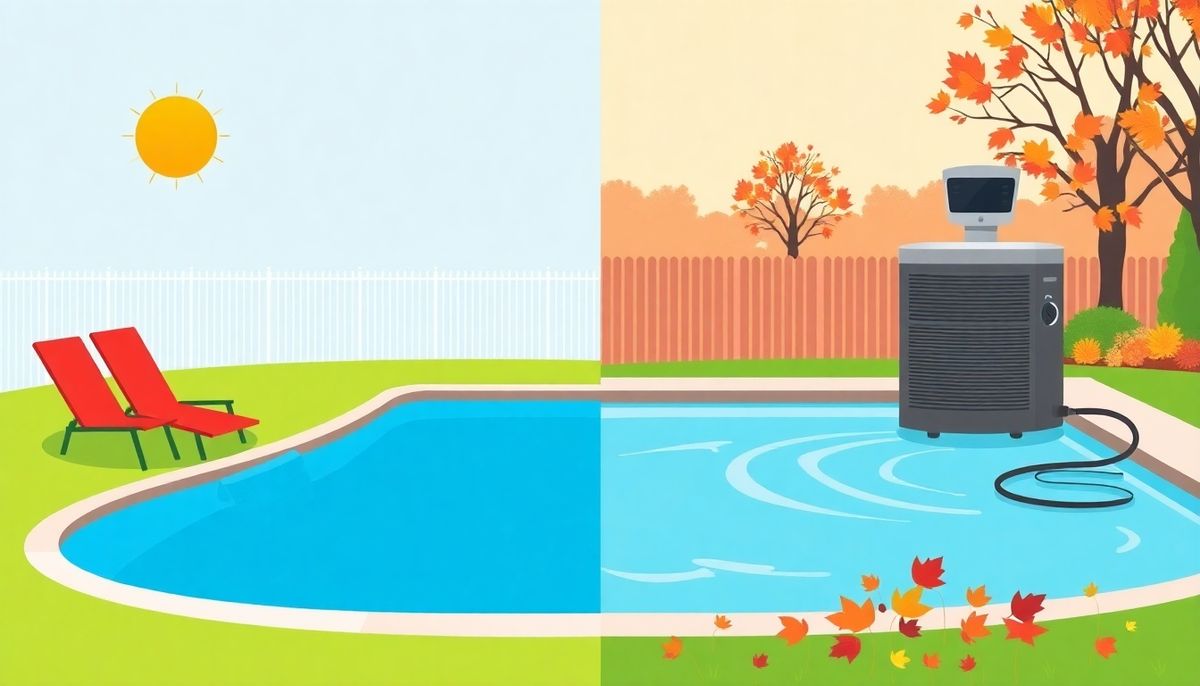
Stretch your swim season
As evenings cool off, getting the most from your pool is a mix of temperature and timing. Match the heater to your setup: a small pool in a sunny corner does great on solar, while a bigger or shadier pool may need a gas heater for quick warmth. A gas unit can raise the temperature by around 30 degrees, which is perfect for crisp autumn nights.
Efficiency doesn't stop at the purchase. Check for leaks, keep filters clean, and throw on a solar cover to trap heat overnight so the heater has less to do in the morning. Match your approach to your pool and climate, and you'll swim well past summer without runaway costs.
Choose the Right Pool Heater
Weigh the trade-offs
Not every heater suits every pool or climate. A big backyard in a sunny spot leans toward solar; a cool, misty climate may call for the raw power of gas. Each type has its own strengths and drawbacks.
Where I live, summer can vanish fast, and a gas heater became my go-to. It carried the feel of summer into autumn with fast heat, though I always knew it had a big appetite for energy. In sunnier regions, solar warms the pool slowly through the day: not quick, but sustainable and kind to the wallet. In a temperate zone, an electric heat pump lands right in the middle, pulling warmth from the air quietly and efficiently. Whichever you choose, make sure it fits your setting and your expectations.
Measure and Plan for Installation
Measure before you buy
A smooth install starts with measuring and planning. Know your pool's volume, because it decides the size and type of heater you need—buy too small and it'll never keep up.
Then look at your space. Gas heaters need to sit near a gas line, so check whether one's within reach without major work. Electric heaters need a solid electrical connection, and solar needs plenty of sun and room for panels. Sketch your pool area and mark where the heater could go without trouble, and leave room to reach it for maintenance and repairs. If you want a DIY job, solar is usually a weekend project, while gas and electric models often call for a pro. Planning ahead saves time and heads off surprise costs.
Optimize Energy Efficiency
Cut running costs
An energy-efficient heater saves money and is easier on the environment. An electric heat pump sips electricity and uses the surrounding air to warm your pool, so you get a comfortable pool and a smaller bill. It heats slower than gas, but the utility savings add up.
Solar takes a different route, warming the water slowly but steadily off the sun's power. That's ideal if you're in a sunny climate and not in a hurry. Efficient heating usually means some trade-offs, but between heat pumps and solar, there's a path that suits most pools and climates.
Choose Your Perfect Pool Heating
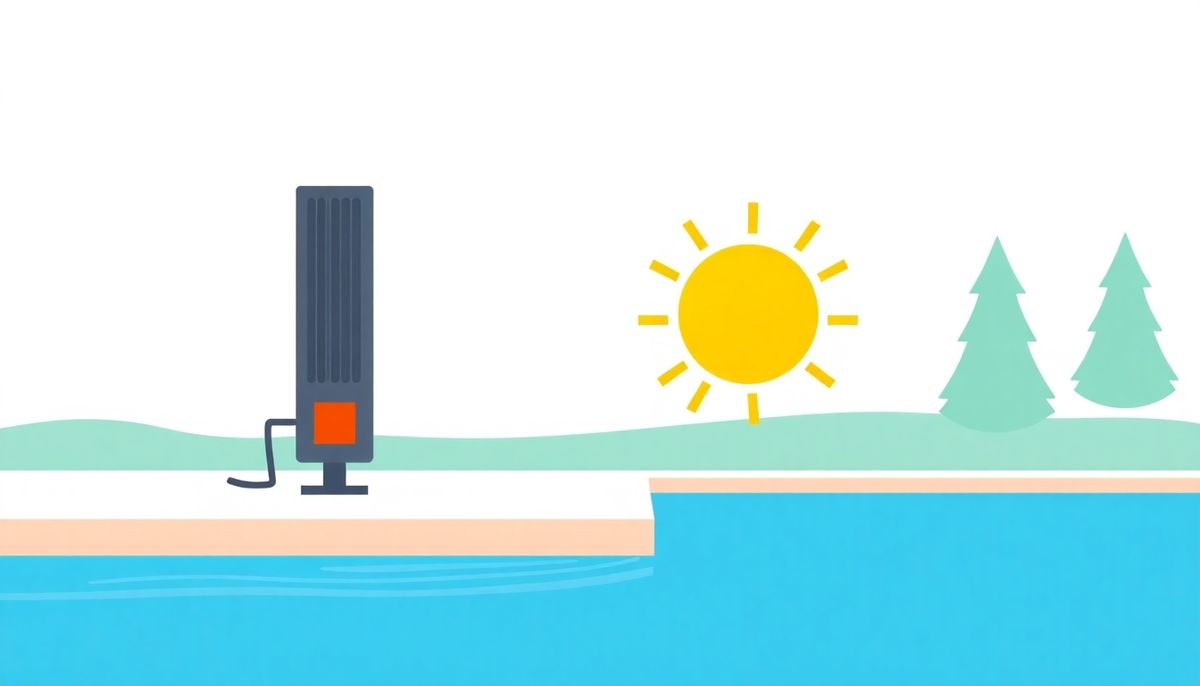
Balance comfort against savings
Choosing well is about knowing your needs, not just reading specs: pool size, climate, energy efficiency, heating speed, and how easy the install is.
If you live somewhere chilly, a strong gas heater warms the pool within minutes—just watch the utility bills. Under milder skies, an electric heat pump is the quiet workhorse, gentler on your power bill, though it can struggle in a cold snap. On a budget, solar is the sustainable pick if you've got patience, warming the pool slowly off sunlight. In the end, it's a balance between quick comfort and long-term savings. Weigh your priorities and choose accordingly.
Evaluate Your Climate Needs
Read your weather first
If your summer nights cool off a lot, a gas heater warms the water fast even when the temperature drops—just keep an eye on fuel costs, since natural gas prices bounce around. Lots of sunny days? Use that free energy. Solar is slower but eco-friendly and cheap to run, warming your pool over days rather than hours.
In a moderate climate, an electric heat pump is the efficient middle ground, pulling warmth from the air. It works best when the outside temperature isn't far from your ideal swimming conditions. Your climate really drives the choice, so think about your local weather across the whole season.
Consider Installation Requirements
Plan the location
Installing a heater takes some forethought, and location comes first because each type has its own needs. A gas heater needs to be near a natural gas line, which may mean professional install if there isn't one close by—more than one homeowner has been caught out by that cost. Electric heaters take less space but still need a safe electrical connection, best handled by a certified electrician.
Solar heaters are simpler but can test your creativity with space; they need a sunny spot and sometimes have to go on a roof or fence. Before you commit to DIY, weigh how tricky each install is: solar is often a weekend project, while gas and electric usually benefit from a pro.
Small tweaks, big savings
Each heater type has its own energy demands, and knowing how to get the most from them saves real money. With a gas heater, small tweaks add up: a solar cover when the pool's idle keeps heat from escaping, and running the unit during off-peak hours trims costs.
Electric heat pumps are efficient by nature but need smart placement—set one where it gets good sun and airflow, and clean the heat exchanger regularly. For solar, placement is everything: angle the panels toward the sun for the most heat, and pair them with an efficient pump to move water through faster. Combine these with thoughtful use and you'll stretch your season without money worries.
Extend Pool Time with Ease
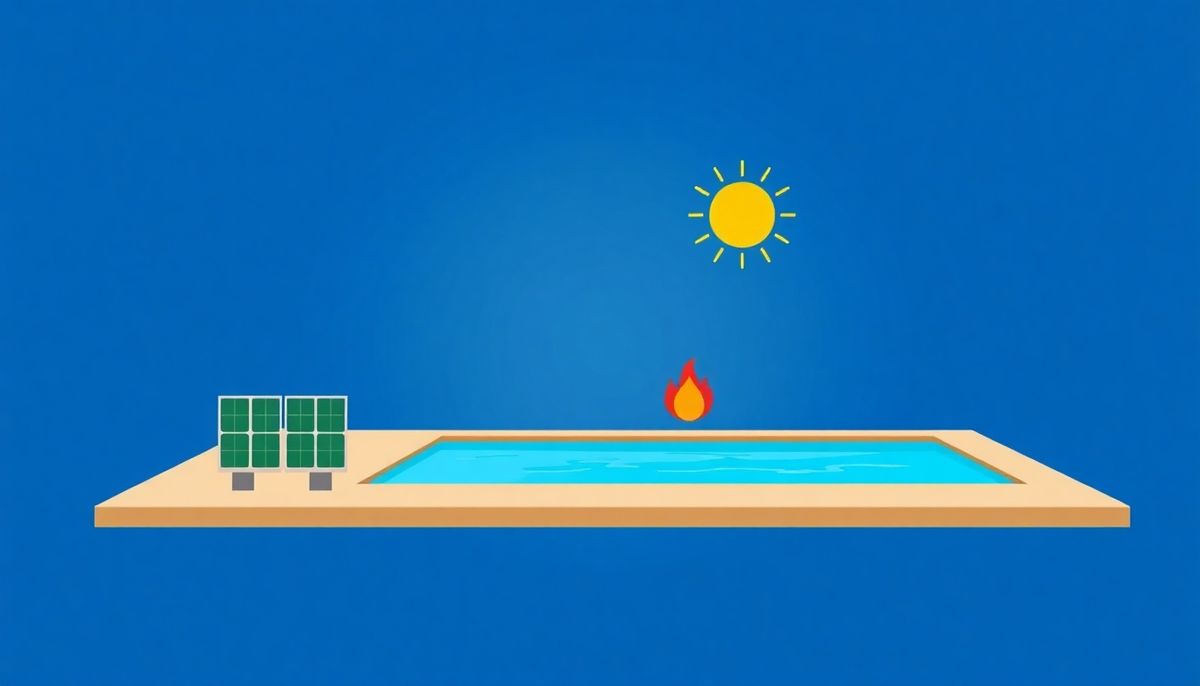
Pick for the cooler months
A warm pool turns chilly evenings into good family time and stretches a short summer treat into a longer season. Where temperatures dip often, a gas heater heats fast so you can swim comfortably as things cool down—the trade-off is a bigger utility bill.
If efficiency is your priority, an electric heat pump shines in moderate climates, pulling warmth from the air to raise the temperature gently. It costs more upfront but pays off over time. For sun-drenched backyards, solar is the budget-friendly, eco-conscious choice—patient, but rewarding for green-minded owners.
Select the Right Heater
Compare the three main types
Each type brings its own advantages. For a big pool or a cooler climate, a gas heater delivers strong, fast heat to stretch your season—but it hits your wallet with higher energy and install costs, and it needs a gas line. Electric heat pumps offer an energy-efficient balance ideal for mild climates, drawing warmth from the surrounding air; their performance fades in the cold, so check your local weather first.
If you're watching your budget or the planet, solar warms the water slowly off sunlight with low costs and low impact. It just asks for patience and plenty of sun. Match your choice to pool size, climate, and budget, and you'll get years of good swimming.
Where efficiency pays off
When you're heating efficiently, every degree counts for both warmth and savings. I once spent a summer testing different options on my own pool, and the balance between power and efficiency varies a lot by type. Gas heats fast, great for cooler climates, but uses more energy and pushes utility costs up.
In a milder climate, an electric heat pump uses the surrounding air to make heat, cutting electricity use and emissions—my monthly bills dropped noticeably after I put one in. Solar is the gold standard for efficiency, warming the water sustainably if a bit slowly. Waiting a few days for those extra degrees tests your patience, but the long-term savings are worth it.
Plan for Easy Installation
Set the stage for good swims
Installation can look intimidating, but a little prep makes it simple. First, figure out whether your heater matches your DIY skills. Solar is easiest—position it for the most sunlight and connect the hoses to your pool's circulation. Electric heat pumps are a middle ground, usually with clear manuals, though an electrician should handle the wiring.
A gas heater is the smart call for professional install, since it connects to both your pool's system and a gas line. Whichever route you take, map out where everything will sit—proximity to power or gas lines, and sun exposure for solar—before you start.
Optimize Installation for Savings
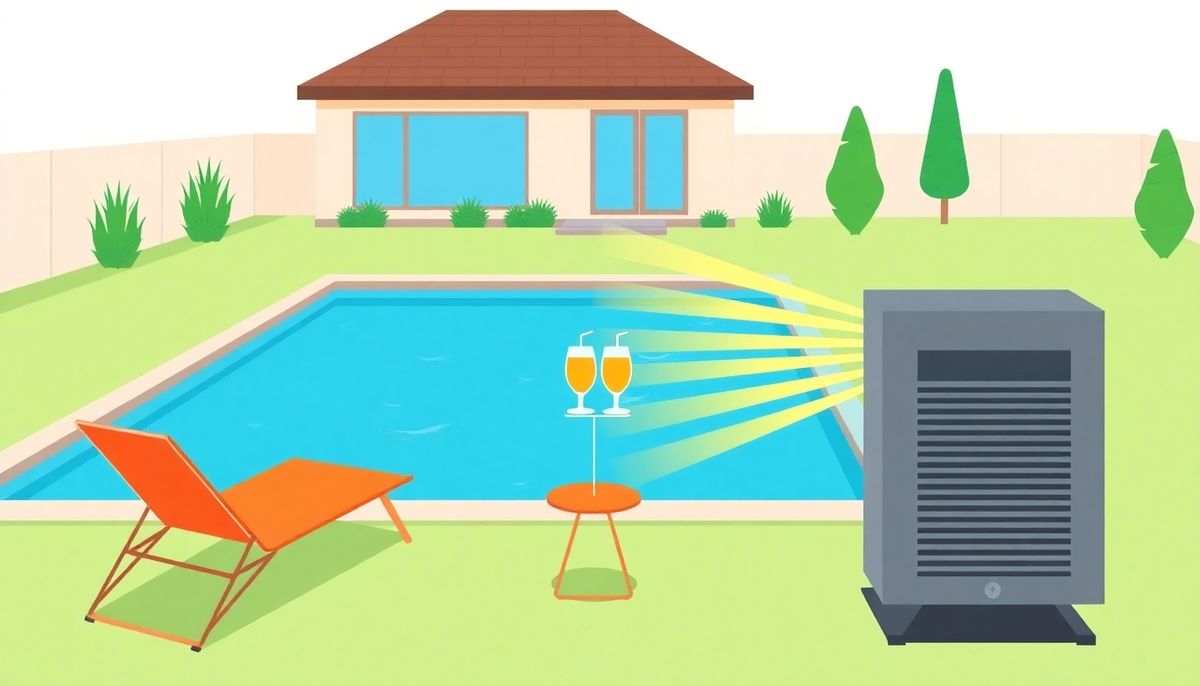
Place it right, insulate, maintain
Where you put a heater and how you set it up affect both running costs and performance. Put solar panels somewhere that gets sun all day. Gas and electric heaters do better close to the filtration system, so the water travels less and the whole loop runs more efficiently.
Insulation matters just as much. A solar blanket holds heat and cuts evaporation, a common way heat slips away, and it can extend the life of your setup. Routine cleaning keeps gas and electric units from wasting energy—regular maintenance can shave a noticeable chunk off your bills. Even windbreaks around the pool cut the heat loss caused by wind.
A little planning around placement, insulation, and upkeep keeps your pool warm without burning through cash.
Choose the Right Heater-Type
Prioritize what matters to you
Choosing a heater means weighing pool size, local climate, and energy efficiency. Maybe quick heating matters most, or maybe you want something that won't drain your wallet each month. One homeowner I know went with gas because their pool parties never lined up with sunny days—handy on demand, but constant use sent bills soaring.
Gas heats faster than anything, great for spur-of-the-moment plans and colder climates, though it comes with a big price tag and a gas line. For sustainability and lower costs in a moderate climate, a heat pump taps nature's warmth, just slowly. And with plenty of sunshine, solar is the most budget-friendly, warming your pool over days for people who plan ahead. Match the type to your needs and those lazy afternoons are a button press away.
Conclusion
Now that you know how to keep your water warm, the next step is keeping it clean and safe to swim in.
Want to get better at the rest of pool care? Our free Pool School course covers everything from basic maintenance to tricky troubleshooting. You'll learn how to save on repairs and chemicals, keep your water crystal clear year-round, head off common problems, and handle water chemistry with confidence. Over 10,000 pool owners have already used it to sort out their routine—you can start the free Pool School course today.
What you need
To keep that warm water clear, you'll want a good test kit, the right sanitizer, and a solar cover to lock in heat between swims.