





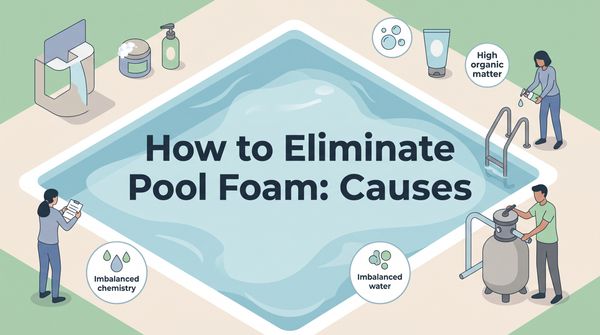
As the sun warms your backyard, that sparkling water promises hours of fun. Then a layer of frothy foam shows up on top and spoils the scene. It leaves a lot of pool owners scratching their heads. Why is it there, and how do you get rid of it for good?
Pool foam is usually harmless, but it's an eyesore and often a sign that something's off. It forms when air mixes into water that's carrying a lot of dissolved organic material—leftover sunscreen, body oils, or a chemical imbalance. The fix is usually simpler than you'd think.
To get your clear water back, it helps to understand what causes foam and how to correct it. This isn't only about looks; it's about keeping the water healthy and inviting. A few chemical tweaks and a couple of simple habits will keep your pool clear all season.
Your Action Plan
- Rinse off before every swim to keep oils and lotions out of the water.
- Test your water weekly for pH, alkalinity, and calcium hardness.
- Adjust chemistry to pH 7.2-7.6, alkalinity 80-120 ppm, and calcium 200-400 ppm.
- Shock the pool after heavy use or rain to burn off organic buildup.
- Buy quality, pool-specific chemicals from trusted brands.
- Use a defoamer only as a quick, temporary fix before guests arrive.
Eliminate Pool Foam Fast

Clear the foam fast
Pool foam can hit out of nowhere. One minute the water's calm and perfect, the next it's wearing a layer of stubborn bubbles. The cause is usually a chemical imbalance or too much organic gunk, and you can clear it quickly.
Start with a good pool shock. That burst of chlorine wipes out the organic matter behind the foam and brings the water back to clear. If you'd rather go gentler, non-chlorine shock works too, though it's not as strong.
Stop it from coming back
In my experience, shocking every couple of weeks—especially after heavy use—keeps foam away. If you've recently added algaecide or another chemical, follow the label, because overdoing it can cause foam on its own.
Need a fast fix before guests arrive? A defoamer helps, but it's a band-aid: it hides the foam without fixing the cause. Follow up with a water test to find and correct the real problem.
A defoamer hides foam for a few hours, but only fixing your water chemistry keeps it gone.
Balance Water Chemistry
Balanced water chemistry is the key to keeping foam off the surface. Even small imbalances can cause trouble, and it takes more than tossing in chlorine and hoping for the best.
In my experience, low calcium hardness is a common culprit. When the water gets too soft, it foams more easily. A little calcium hardness increaser and some pH adjuster usually clear it right up.
Test regularly for pH, alkalinity, and calcium hardness—these three work together to keep water stable. When pH and alkalinity drift, your sanitizer works less well, so contaminants build up and add to the foaming.
Get a reliable test kit, adjust your chemistry on a schedule, and keep an eye on total dissolved solids (TDS) too. Once you understand your pool's chemistry, foam-free swimming gets easy.
Shock the Pool Effectively
Shock the pool the right way
Shocking your pool is more of a smart move than brute force. When you're facing stubborn foam, a heavy dose of chlorine is your friend. Timing, dosage, and patience all matter. The goal is to overwhelm the buildup of sweat, oils, and lotions causing the foam and bring the water back to clear.
Start by testing the water to see your current chlorine level. Your test kit shows both free and combined chlorine, and to reach a "shock" level you generally raise chlorine to about ten times the combined reading. If that math feels fuzzy, just follow the dose on the shock package for a heavy treatment.
Pour the shock evenly around the pool, ideally late in the day. A gentle stir with a pool brush spreads it so it reaches every corner. Let the pool sit overnight, and by morning the foam should be gone. Shock after heavy use or rain to head off the next batch.
Shock late in the day so the sun's UV rays don't burn off the chlorine before it can work.
Prevent Organic Buildup
A few bubbles can look pretty, but when they pile into a thick layer, something's off below the surface. The usual cause is too much organic material. Hop in right after applying sunscreen or scented lotion and those products don't just disappear—they cling to the water and set up foam.
Rinse before you swim
Before anyone gets in, a quick rinse does wonders. A shower washes off extra oils and products so less of it ends up in the pool. Think of it like rinsing off before a spa.
It also helps to check where your products come from. Use chemicals made specifically for pools, since household substitutes can leave residue behind. Fragrance-free personal care and laundry products lower the input too.
Making a "rinse before you swim" rule cuts foam and means fewer chemical treatments overall. That one small step keeps water clear and gives you more time to enjoy the pool.
When calm bubbles overstay their welcome, check your water chemistry. It's the most important part of pool care. A balanced pool keeps foam away and gives you water you can jump into any day of the week.
Start with a full water test. Keep pH between 7.2 and 7.6—that range keeps swimmers comfortable and helps your sanitizer work. Skip testing for a week and you may find the water looking like a cappuccino, so regular checks save time and stress.
Alkalinity matters too. Hold it between 80 and 120 ppm (parts per million) to keep pH steady. If alkalinity drifts, you'll constantly chase your pH, which feeds the compounds that cause foam.
Calcium hardness is another big one. Too low, and the water turns aggressive, pulling calcium from your surfaces and equipment and leaving soft water that loves to foam. Keep it between 200 and 400 ppm. And don't skimp on chemicals—stick with trusted brands and skip the household quick-fixes that throw off this balance.
Identify and Correct Imbalances
Balancing pool chemicals is a bit like keeping a song in tune—one thing off, and the whole piece falls apart, foam included. If foam won't quit, a bouncing pH is often behind it, and a couple of tests a month usually isn't enough to catch it.
Fixing imbalances starts with testing often. Watch pH, total alkalinity, and calcium hardness. Low calcium makes water too soft, which encourages foam. Test strips or a digital tester save you here. Test weekly and adjust as needed, and your pool foams a lot less.
If your pool still looks like a giant cappuccino even with balanced chemicals, look at your products. Cheap chemicals often leave residue that feeds foam. Go with trusted brands, and check with a pool pro if you're stuck.
Prevent Organic Contaminant Build-up
Few things spoil clear water like a stubborn layer of foam, and organic contaminants play a sneaky part. Lotion, deodorant, and perfume cling to your skin and slip into the water, building up over time into that foamy surface.
At a pool party, it's rarely the splashy cannonballs making bubbles—it's hidden residue. Skimming the top won't fix it; prevention will.
Get everyone to rinse off before they get in to wash away most of the body products and sweat. If nudging guests feels awkward, a friendly sign by the pool does the job. Cleaning the deck and toys keeps contaminants out too. Pair that with regular testing, strong sanitizer levels, and reliable chemicals, and a little effort now saves a lot of hassle later.
Choose Quality Pool Chemicals
When you want clear water, chemical quality matters a lot. Those bulk deals at big-box stores are tempting, but cheaper products often can't do the job. They may not meet the standards to keep your pool balanced, which leaves you with surprise foam.
Good pool chemicals cost more up front, but they deliver reliable results without side effects like foam. Grab a generic algaecide in a hurry and you might end up with a pool that looks like a bubble bath. Switch to a trusted brand and your water treatment stays on point.
Sticking with well-known brands from real pool stores helps prevent foam and keeps your pool healthy. Regular testing lets you adjust levels accurately and head off the imbalances that cause trouble.
Quality pool chemicals cost more up front but save you from constant shocking, rebalancing, and foamy surprises.
Prevent Foam with Rinsing
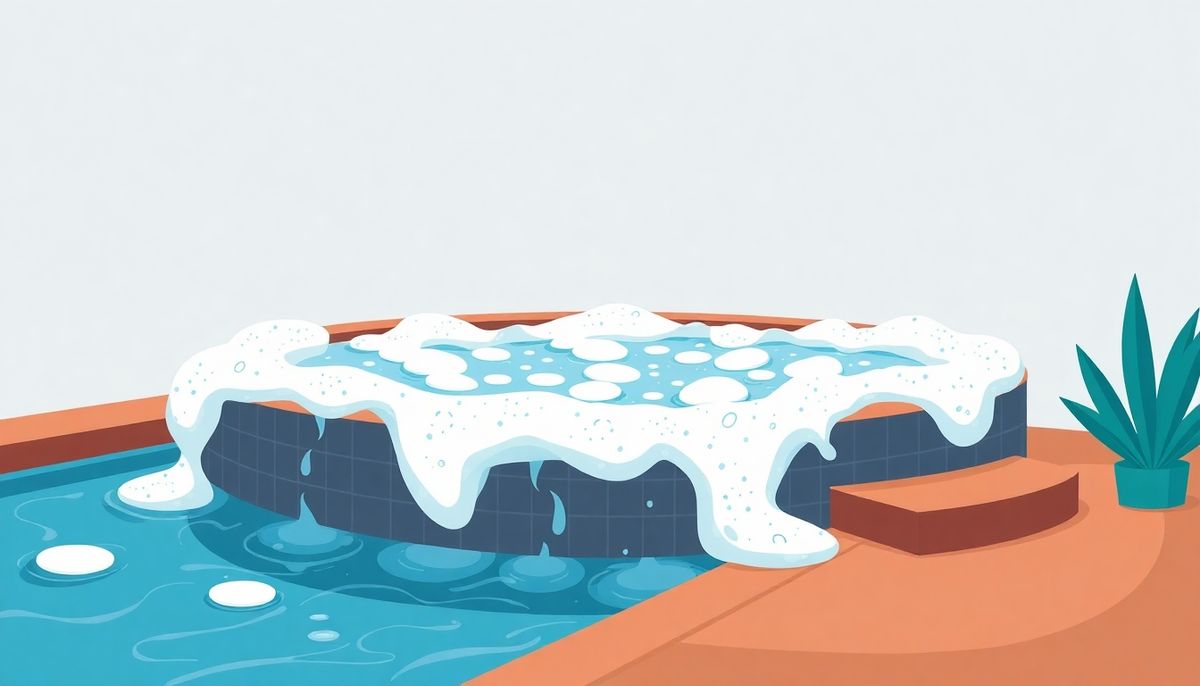
Residue from personal care products builds up in your pool over time, and that leads to foam. One simple step people skip is rinsing off well before getting in. That small act can keep your water from turning frothy.
Every time you jump in, whatever's on your skin and hair comes along—shampoo, conditioner, sunscreen, this morning's lotion. All of it thickens the water and sets up foam. Rinse first and you wash most of it away.
Even if you don't use many products, your guests might. Get them to rinse off and the pool stays cleaner. A quick rinse also lets your sanitizer focus on keeping the water clear instead of fighting product buildup—and saves you cleanup time later.
Rinse Off Product Residue
It's surprising how much a simple rinse matters for a foam-free pool. Everyday products—shampoo, conditioner, lotion, deodorant—leave residue that feeds foam. Those moisturizing ingredients that make your skin feel smooth are great for you but rough on pool water.
A good rinse before you swim washes away a lot of it. And it's not just hair and skin—sunscreen, makeup, and a spritz of cologne each leave a little behind, and it adds up over time.
At a pool party, ask friends to rinse off first. That one step cuts a lot of the contaminants going into the water, keeps it clear, and helps your filter last longer.
Balance Pool Water Chemistry
Balancing your water chemistry is a key step in solving the foam mystery. When a clear pool suddenly turns foamy, it usually means a chemical has slipped out of range.
Start by testing. A balanced pool comes down to the right levels of chlorine, pH, alkalinity, and calcium hardness. Chlorine is your main defense against bacteria and algae, but if it dips too low it lets in the organics that cause foam. Too much brings its own problems. Keep pH between 7.2 and 7.6 so the water isn't too acidic or too alkaline.
Calcium hardness is another quiet player—water that's too soft foams easily, so keep hardness between 200 and 400 ppm. Total alkalinity buffers pH and keeps it from swinging; aim for 80 to 120 ppm. Cheap chemicals can throw all of this off, which is why quality products and regular testing matter.
Choose High-Quality Chemicals
For a foam-free pool, chemical quality makes a big difference. It's a common mistake to grab cheap, bulk chemicals thinking you've found a bargain, only to end up with a frothy mess that looks more like a bubble bath than a place to swim.
Trusted brands are built to keep your pool chemistry balanced, which cuts the risk of foam. They also keep impurities out of your water. The essentials—chlorine, pH balancers, algaecides—work best when they're high quality. Over time, spending on good products pays off, saving you the hassle of constant shocking or rebalancing.
Keeping the water clear starts with choosing the right chemicals. Bargain deals at big-box stores are tempting, but you can't cut corners on quality here. High-grade chemicals from trusted brands keep your pool clear and safe for swimmers.
Cheap chemicals cause trouble like foam, which people brush off as minor but can point to deeper imbalances. Bargain options often lack the purity and strength to keep chemistry right, so contaminants thrive and foam moves in.
Picking good products is only half of it—you have to use them correctly. The directions on the label are your guide to avoiding side effects like foam. Test the water often to keep pH, alkalinity, and sanitizer in their sweet spot and catch problems before they grow.
Prevent Pool Foam Accumulation
Foam is a common headache, and a few simple habits go a long way. Start with the main offenders: lotions, shampoos, and hair gels. Get everyone to rinse off well before getting in—a quick shower is a real step toward clean, foam-free water.
Regular testing matters too. Low calcium hardness is a frequent cause of foam, so keep tabs on pH, alkalinity, and calcium hardness with a reliable kit and hold them at their recommended levels.
Not all chemicals are equal. Cheap options might save money at first but can bring side effects, foam included, so go with brands made specifically for pools.
Finally, think about how you use algaecide. It's great against algae, but using it when you don't need it, or using too much, can cause foam. Only use it when you actually need it, and pick a type less likely to foam, like polyquat 60.
Getting your pool's chemistry right means keeping a careful balance, with each chemical playing its part. Frequent checks of pH, total alkalinity, and calcium hardness set the stability of your water, a lot like tuning an instrument. If the water gets too acidic or too basic, you get foam and other problems, and swimming stops being fun.
Low calcium hardness is an easy one to miss. Let it drop below range and the pool can turn foamy fast; a calcium hardness increaser plus regular checks after that keeps it in line. Adjusting levels isn't just about adding chemicals—it's about understanding how they work together.
You can't overstate the value of quality chemicals from trusted brands. Cheaper ones look appealing but often lead to imbalances, which means more work and cost down the line.
Choose Reputable Chemical Brands
The pool-chemical aisle can feel like a chemistry lab, with every label promising clear, foam-free water. But not everything that shines delivers. Cut corners with a generic discount-store product and you might get froth that rivals the foam on a latte, thanks to additives that react badly with your pool's chemistry.
Do a little homework. Trusted brands invest in research and quality control so their products hold the balance your pool needs. Look for good reviews and ones pool pros recommend. They cost a bit more but save you the trouble and expense of dealing with foam later.
A pool maintenance pro can also point you to brands that fit your pool, whether that's chlorine levels, pH balance, or calcium hardness.
Tackle Organic Contaminants
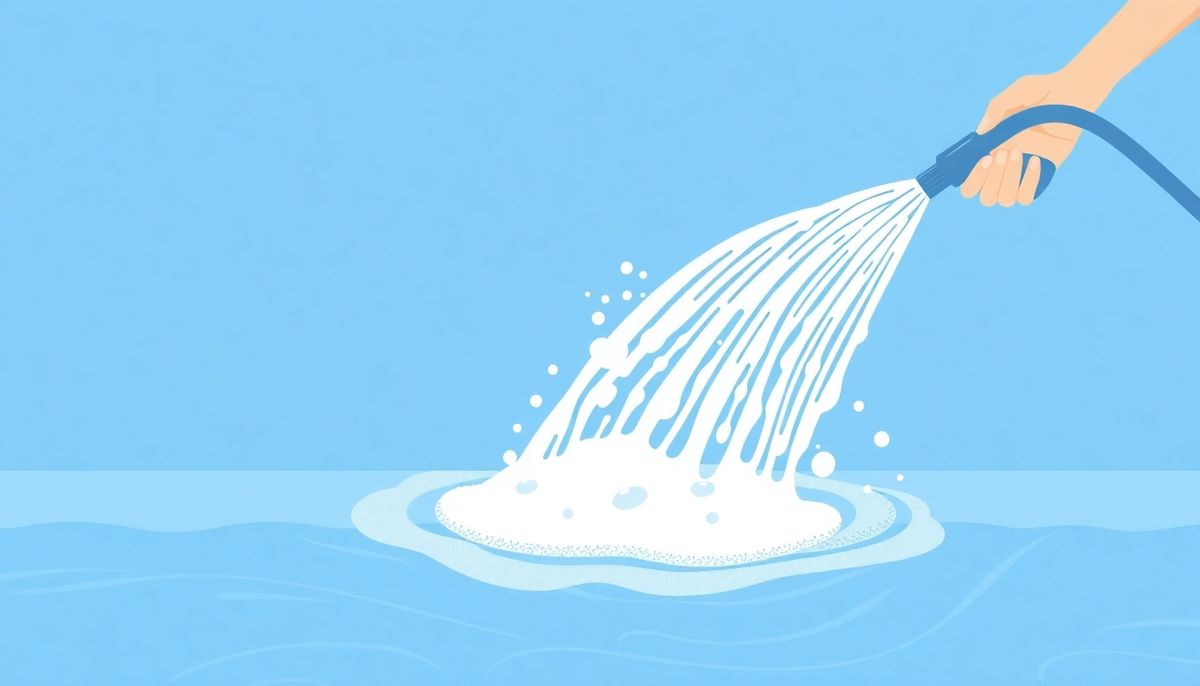
Every backyard pool has its secrets, and one of the most common causes of foam is the quiet flow of organic contaminants. I don't just mean leaves or grass clippings—I mean the residue from our daily routines. After a long day, you dive in carrying traces of sunscreen, lotion, and hair products. That material gathers, forms a film that traps air bubbles, and turns clear water foamy.
To beat it, shock the pool. This isn't a gentle nudge—it's a heavy dose of chlorine that breaks down the stubborn compounds and brings the water back to clear. Chlorine-free shock is an option, though it doesn't pack the same punch.
Prevention is your best defense. Get everyone to rinse off before getting in so less lotion and hair product ends up in the water. That simple habit really cuts the buildup and keeps your pool fresh.
Address Chemical Imbalances
Chemical imbalances are often the hidden cause behind foam that won't leave an otherwise perfect pool day alone. It usually traces back to water chemistry that's out of line—pH, alkalinity, or calcium hardness.
Start by testing with a reliable kit to see where you stand. Aim to balance pH between 7.4 and 7.6, and keep alkalinity between 80 and 120 parts per million (ppm). If calcium hardness drops under 200 ppm, a calcium hardness increaser brings it back and cuts the foam.
Balancing your chemicals, plus using quality products, turns bubbly water calm and clear again. Cheap chemicals from non-specialist shops promise savings but can cause more problems than they solve. Regular testing and quick adjustments keep the foam from coming back.
Implement Effective Prevention Measures
Pool foam can zap the joy of a hot day fast, and preventing it starts with knowing the causes—chemical imbalances or organic contaminants. Regular testing is your best friend; checking your levels weekly keeps pH, alkalinity, and sanitizer where they should be.
Good hygiene helps a lot too. Making a shower-before-you-swim rule cuts down on the oils, lotions, and other contaminants going into the water. Once people see how fast foam takes over, the pre-swim rinse tends to stick.
Quality chemicals from trusted brands are worth it—cheaper options often have fillers that make foam worse. And keeping your calcium hardness up stops the water from getting too soft, another sneaky cause of foam. Adjust the calcium when needed, and your foam troubles will fade, leaving you more time to just enjoy the water.
Conclusion

Beating pool foam really comes down to a few good habits: rinse before you swim, test your water often, keep your chemistry in range, and buy chemicals you can trust. Do that, and clear water becomes the norm rather than a lucky break.
Want to get even better at this? Our free Pool School course covers everything about pool care, from basic maintenance to advanced troubleshooting. You'll learn how to:
- Save thousands on pool repairs and chemicals
- Keep your water crystal clear year-round
- Prevent and solve common pool problems
- Master water chemistry with confidence
Join over 10,000 pool owners who have already transformed their pool care routine. Get started with our free Pool School course today!
What you need
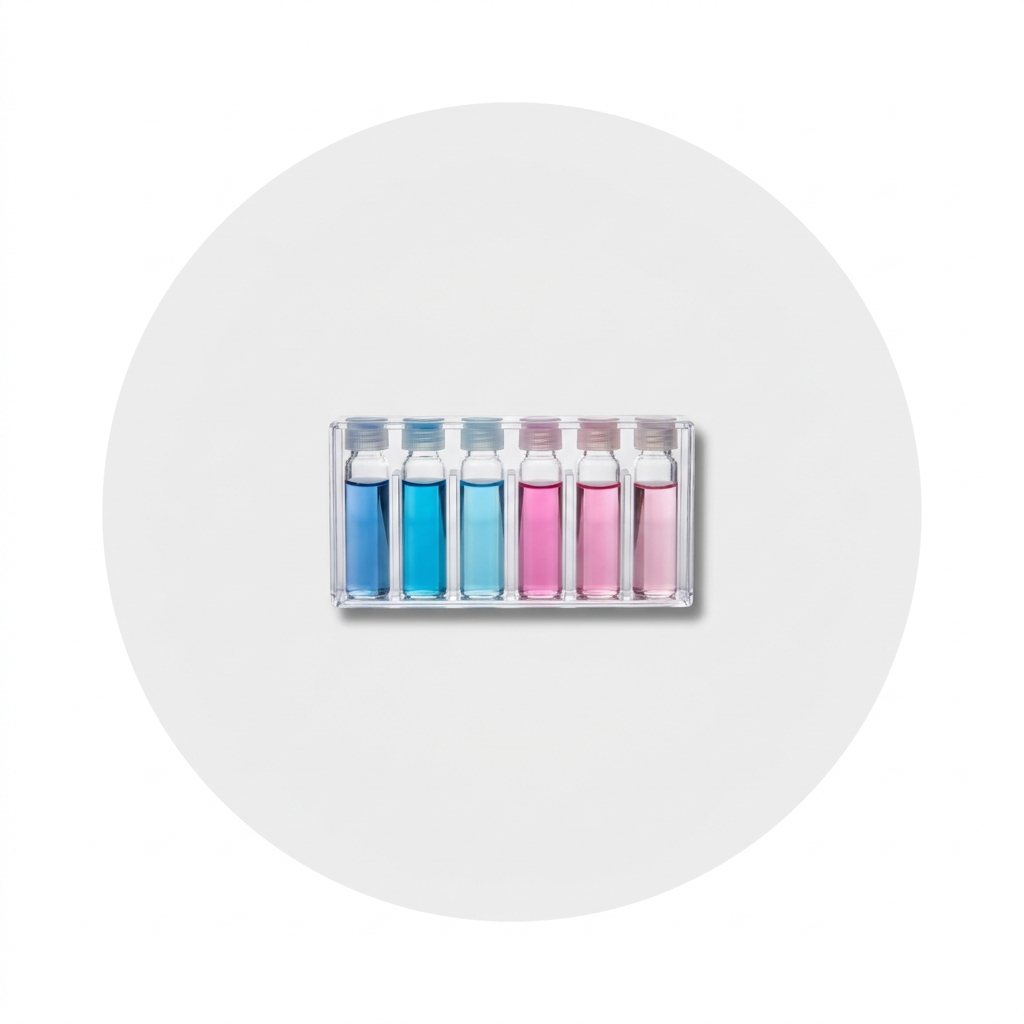
Grab a reliable test kit, a quality pool shock, a calcium hardness increaser, and a defoamer for emergencies—then keep them stocked so foam never gets ahead of you.