










Stepping into a hot tub should feel like slipping into a warm, quiet escape. Nothing wrecks that faster than a layer of ugly foam creeping across the surface. I learned that the hard way once. After inviting friends over for a soak, I found my tub looking more like a cappuccino than the calm oasis I'd promised. The embarrassment sent me straight to the cause, and to a quick fix.
Foam is more than an eyesore. It usually means something's off in your water chemistry, or there are contaminants floating around. Ignore it and small problems snowball, hurting both your soaks and the life of your tub. The good news is that clearing foam is usually fast and simple once you know what's driving it, whether that's leftover soap from swimsuits, a buildup of body oils, or unbalanced water.
Your Action Plan
- Reach for a defoamer when you need instant relief before guests arrive.
- Test your water weekly for pH, alkalinity, and sanitizer.
- Rinse off before you get in, and wash swimwear without detergent.
- Clean your filters monthly and replace them once a year.
- Drain, deep-clean, and refill the tub every three to four months.
Use Defoamer for Quick Relief
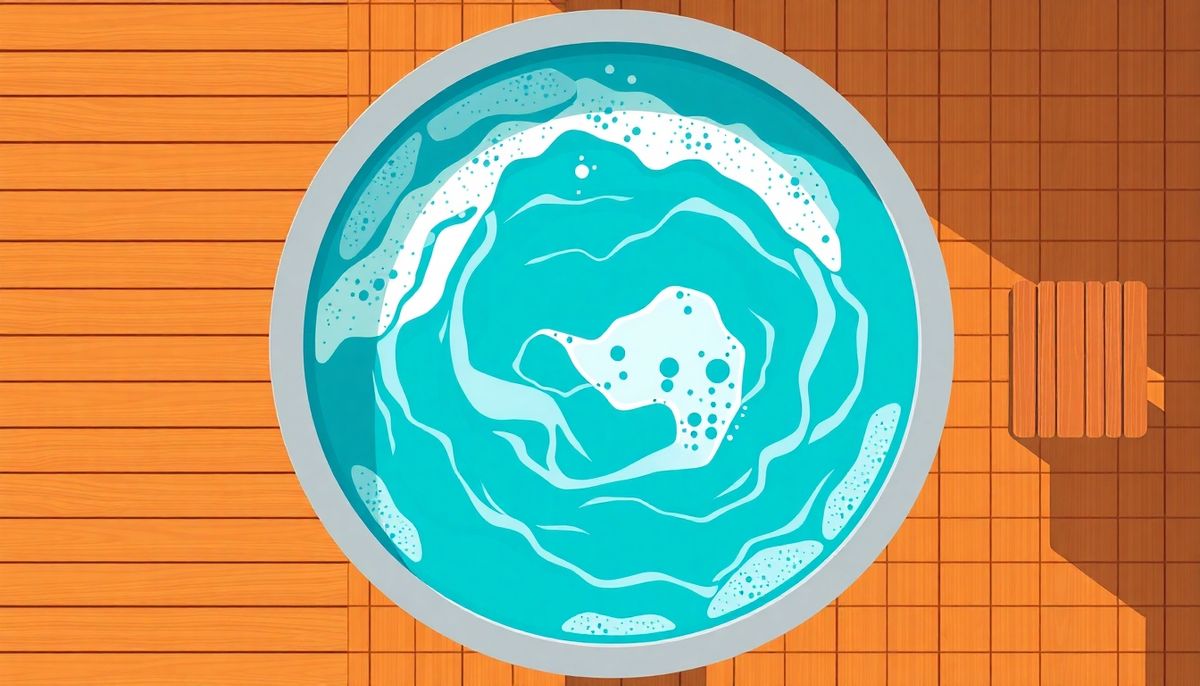
When foam takes over, there's a handy fix waiting: defoamer. It's not magic, but it works fast. A few drops while the jets run and the suds break apart, leaving clear water ready for a soak.
One hectic week, house guests announced a surprise visit and my tub was covered in bubbles. I had no time for a full cleaning, so I grabbed my bottle of defoamer. A few drops later, the foam was gone and the tub was ready.
Just remember what defoamer actually does. It treats the symptom, not the cause. Foam that keeps coming back points to something deeper, like unbalanced water or a buildup of oils and detergents from lotions and swimsuits. Defoamer buys you relief for the moment. Treat it as a nudge to dig into real maintenance so the tub stays clear for the long haul.
Implement Effective Defoamer Use
Think of defoamer as your backup plan, not your whole plan. It's a bit like an umbrella in a downpour: useful right now, but it doesn't stop the rain. Follow the product directions, which usually means pouring a small amount in while the jets run, and the water goes back to clear and inviting.
Lean on it too hard, though, and the leftover product can actually feed more foam over time. So pair it with regular water checks. Defoamer works best as one piece of a bigger plan that includes balanced pH, the right calcium hardness, and a sanitizer that's doing its job.
Defoamer clears foam in minutes, but lasting results only come from balanced water.
Prevent Foam with Proper Maintenance
Skimming the surface of maintenance gets you by for a while, but real clarity is in the small habits. Skip them, the way you'd skip oil changes on your car, and foam shows up.
Test the water every week
Watch your pH, alkalinity, and sanitizer. A weekly check with test strips keeps residues from building up and turning into foam. Adjust as needed, and your tub stays a retreat instead of a bubble bath.
Clean the filters and deep-clean each quarter
Once a month, rinse the filters to clear the oils and dirt they trap. A friend of mine found layers of grime in hers driving constant foam, and one good cleaning fixed it. Every few months, drain the tub and give it a full scrub. That resets the system, clears hidden debris, and stretches the life of your tub.
Diagnose and Address Foam Causes
When foam turns a relaxing tub into a chore, finding the root cause is the only real fix. Foam forms when water, air, and surfactants mix. Surfactants are just leftover residues from lotions, oils, and soaps, the same stuff that puts the froth on a latte. They lower the water's surface tension and let bubbles pile up.
Start with your chemistry. Body oils, lotions, and detergents ride in on your skin and swimwear and slowly overwhelm your sanitizer. It also helps to test your Total Dissolved Solids, or TDS, which is the total amount of stuff dissolved in the water. A high reading usually means a buildup of the particles that cause foam.
Your water's hardness matters too. Soft water with low calcium encourages foam and can even damage your tub's surface, so check calcium hardness regularly. Once you've found the culprits, the surest cure is to drain, clean, and refill.
Identify Foam-Causing Culprits

Foam is often a sign of what's lurking below the surface. Personal care products are frequent offenders: lotions, shampoo, even laundry detergent. They sneak in on skin and swimsuits and stir up bubbles once the jets kick on.
Think about hopping in without rinsing after a workout, or after using hair products. Those small habits add oils and chemicals that throw the water off. When your sanitizer gets overwhelmed, it can't keep the water clear, and you get suds instead.
Keep an eye on TDS, too. High levels cover everything from body oils to leftover chemicals, and they set the stage for foam. Draining and cleaning on a regular schedule keeps TDS in check and your tub ready to relax in.
Inspect Water-Chemistry Levels
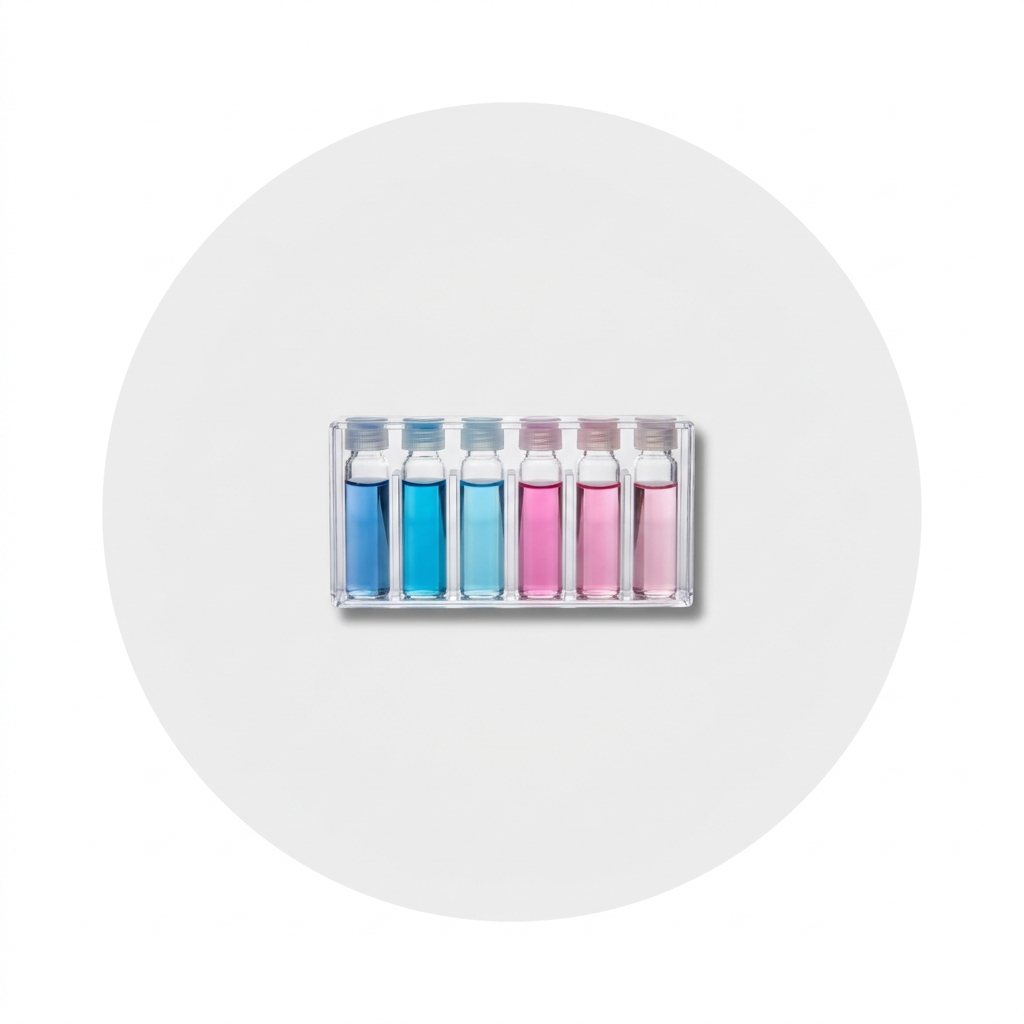
Getting your water chemistry right is what keeps foam out. Start with a reliable test kit. It tells you your pH, alkalinity, calcium hardness, and sanitizer, the levels that matter most.
pH is the big one. Too high or too low, and surfactants thrive. Aim for a pH between 7.2 and 7.8. Alkalinity keeps that pH steady, and 80 to 120 ppm (parts per million) is the sweet spot.
Don't forget calcium hardness. It sounds backward, but water that's too soft foams more easily, because it pulls minerals from wherever it can, including your tub's surfaces. Keep calcium between 150 and 250 ppm. Add any chemicals carefully and let them mix before you get in.
Identify Surfactant Sources
To beat stubborn foam, find where the surfactants sneak in. They show up as sunscreen, lotions, body oils, makeup, and detergent left on swimwear. Over time they build up and throw your chemistry off.
The list doesn't stop at bathers. Household cleaners and even some spa products add surfactants of their own, so use them sparingly.
The easiest defense is a quick rinse before everyone gets in. Washing swimwear without detergent, or running an extra rinse cycle, cuts the residue further. Pay attention to what goes in the water, and you stop foam before it starts.
A quick rinse before you get in removes most of the oils and lotions that turn into foam.
Address Total-Dissolved Solids
High TDS is like clutter in a small room. Body oils, lotions, and leftover cleaners build up in the water with nowhere to go, and all that extra residue adds more surfactants and more foam.
Test your TDS now and then with strips or a kit so you know when the water's overloaded. If regular testing feels like one more chore, just commit to a fresh drain and refill every three to four months. When my own tub started foaming, a friend told me to drain and refill. The foam settled, and the water felt cleaner right away.
Test and Balance Water Chemistry
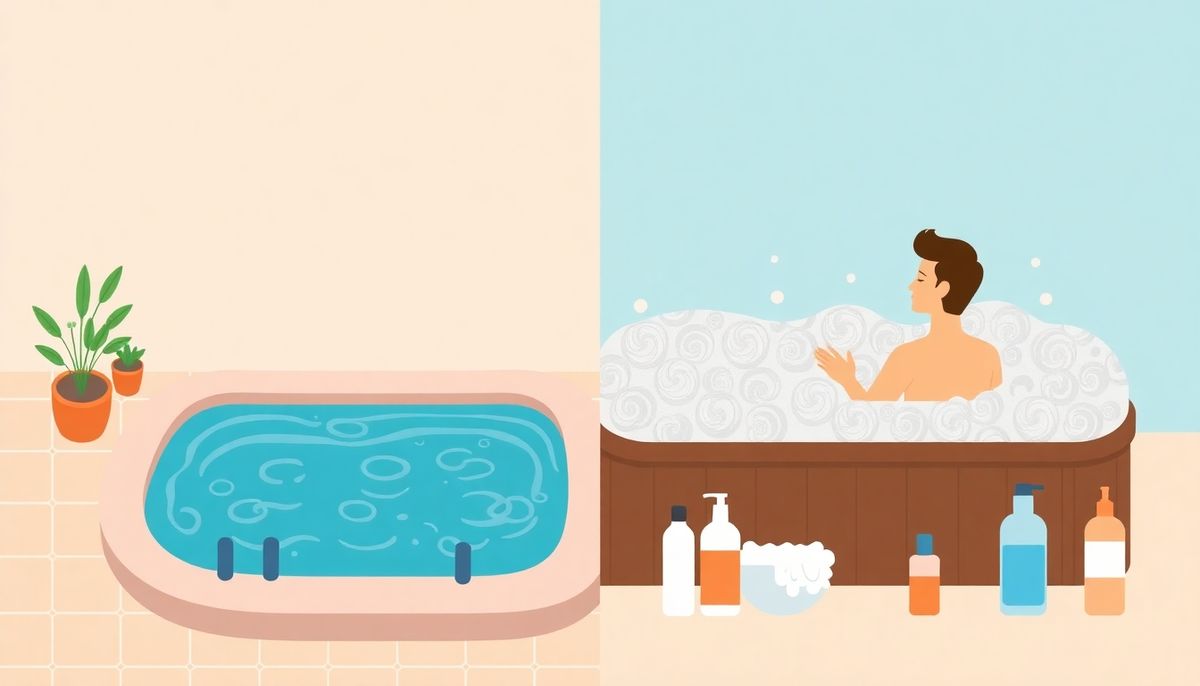
Foam on the surface is often your cue for a chemistry check-up. Grab a test strip or liquid kit and read the basics: pH, alkalinity, and sanitizer like chlorine or bromine. Off readings are usually behind stubborn foam.
Remember that foam comes from too many surfactants, but the invisible stuff counts too. A high TDS reading is a signal to drain and refill. Calcium hardness deserves a look as well, since soft water both foams and slowly corrodes your surfaces. Adjust based on your results, and clear water follows.
Address Foam Causes
Sorting out foam takes a little detective work, so check the usual suspects. Surfactants sneak in on body oils, lotions, and detergent, and every soak adds more. Rinsing your swimwear and showering first cuts them down.
Skipped maintenance matters too. An overwhelmed sanitizer can't keep up, and high TDS piles on over time, so refresh the water every three to four months. And watch your calcium hardness: soft water foams more easily, so keeping it balanced protects both your soak and your tub's surfaces.
Maintain Water Balance
Balanced water is the whole game. When it drifts, foam follows.
Start with the key players: pH, alkalinity, and calcium hardness. Test with strips or a liquid kit and aim for a pH of 7.4 to 7.6, the range that keeps surfactants from taking over. Alkalinity buffers your pH and steadies swings, so hold it between 80 and 120 ppm. Calcium hardness should sit between 150 and 250 ppm; too little brings soft water and foam, too much causes scaling.
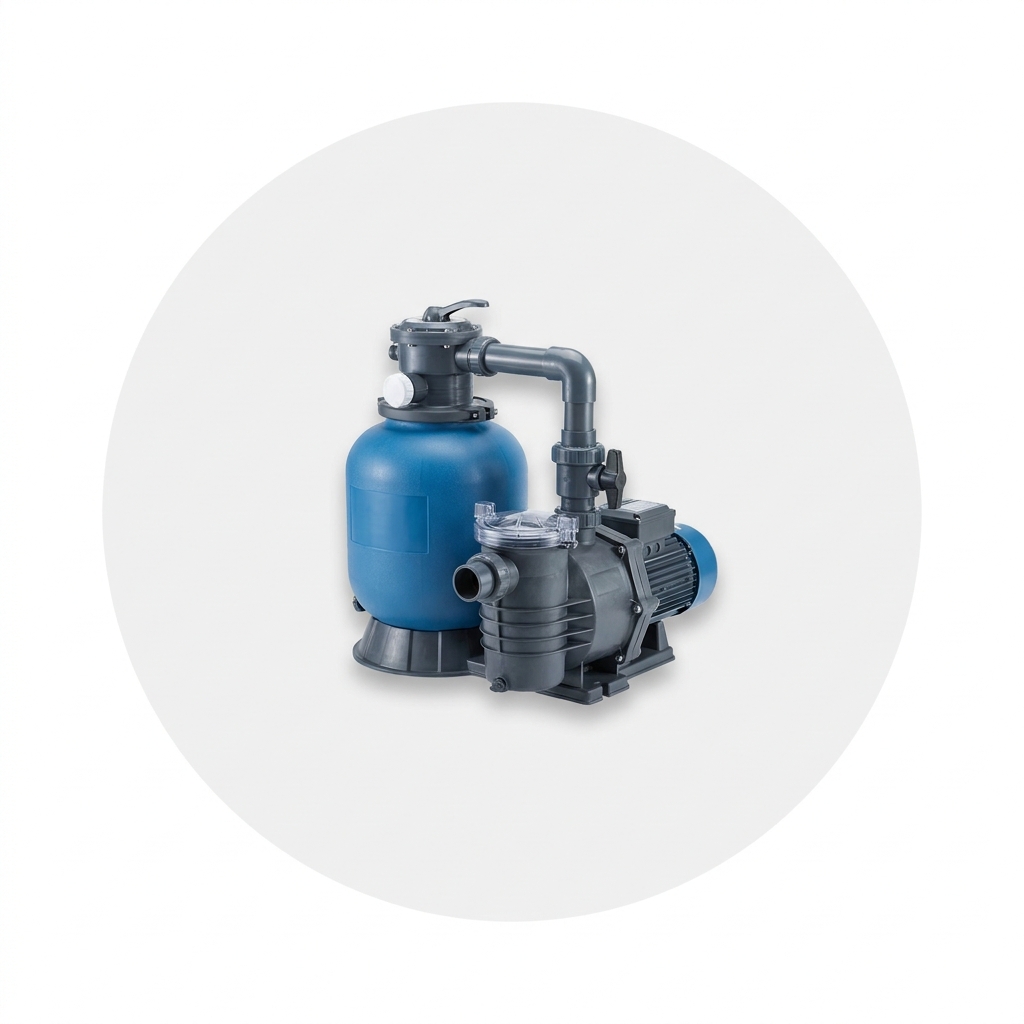
Circulate and filter the water often, too. That keeps it clear and spreads your chemicals evenly.
Clean and Refill Spa
When foam takes over, a full clean and refill is the reset your tub needs. Drain it completely so you can get at the real cause.
With the tub empty, scrub every surface with a gentle, non-abrasive cleaner. The jets and plumbing need attention too. A line flush clears surfactants hiding deep in the circulation system. Clean or replace the filters while you're at it, since they trap the oils that feed foam.
Refill with fresh water, then test and adjust pH, alkalinity, and sanitizer before anyone gets in. Let the water circulate for at least 24 hours so the chemicals blend.
Perform a Deep Clean Routine
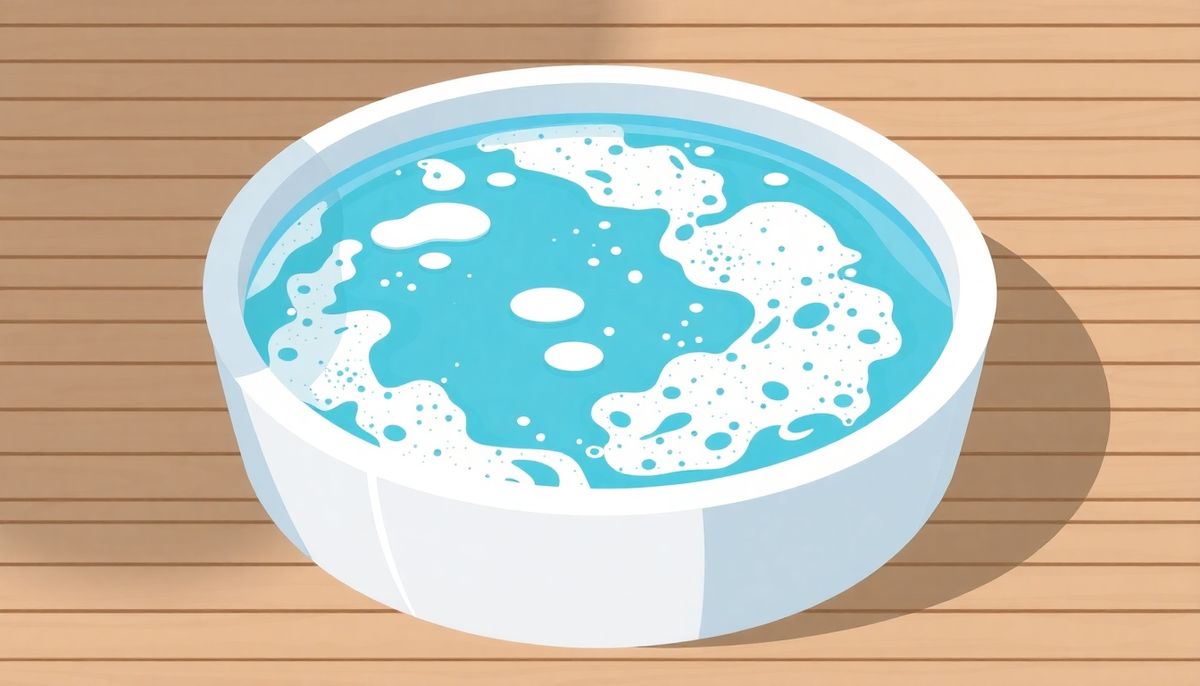
Ready for a deep clean? Gather your tools first: a non-abrasive sponge, a dedicated hot tub cleaner, and a garden hose with an adjustable nozzle. Then drain the water fully.
Scrub every surface, and pay extra attention to the waterline, where oils and lotions collect. A friend of mine once figured a quick wipe would do, only to watch the foam come right back. Being thorough is what counts.
Turn to the filters next. Soak them overnight in a filter cleaning solution so they can trap contaminants again, then put them back. Refill with fresh water, balance your chemicals carefully, and let everything circulate for 24 hours before your first soak.
Eliminate Foam Effectively
Clearing foam doesn't have to be hard. For fast relief, say right before guests arrive, reach for a defoamer. It clears the suds in minutes, though it's a band-aid, not a cure.
Knowing the cause is what keeps foam gone. Surfactants from body oils, lotions, and detergent thicken the water the way cream thickens coffee. Keep your pH and alkalinity in their ranges, and a full clean every few months keeps those residues from piling up. Stick with those habits, and your tub stays a calm retreat.
Optimize Water Chemistry
When your tub turns into a surprise bubble bath, the answer is usually in the water chemistry. Test pH and alkalinity first, since trouble there often leads to foam. A high pH lets soaps and oils survive and act as surfactants.
Calcium hardness is easy to overlook. Low levels mean soft water, which brings foam and, over time, surface damage, so adjust it if you need to. High TDS matters too, signaling an overload of oils and lotions. Drain and refill every few months to head it off. One friend swears by a monthly deep clean to keep her tub clear and long-lived.
Conduct Routine Maintenance
Routine maintenance is the foundation of a foam-free tub, and it adds years to its life.
Weekly: test the water
Each week, use a complete kit to check pH, alkalinity, and sanitizer against the recommended ranges. It heads off the surfactant buildup that causes foam.
Every couple of weeks: mind the filter
Think of the filter as your tub's lungs. Rinse it every couple of weeks and replace it at least once a year. A clogged filter can't do its job, and water quality drops.
Quarterly: drain and refill
Every three to four months, do a full water change and deep clean to clear out hidden residue. A clean slate each season keeps surprises away.
Weekly testing, clean filters, and a refill every few months are what actually keep foam away.
Drain and Refill for Long-Term Fix

There's something satisfying about starting fresh, and for stubborn foam, a drain and refill is often exactly that. Drain the tub completely, following the manufacturer's directions so nothing goes wrong.
With the water out, scrub the inside surfaces, especially the grime clinging to the edges. It's tedious, but it removes the invisible residue feeding the foam. Use a gentle, non-abrasive cleaner and rinse well so nothing's left behind.
Then refill. A hose filter cuts down on mineral deposits and helps prevent future foam. Test and adjust your chemicals, and let the water circulate for a day before you get in.
Foam hints at deeper trouble below the surface, and knowing the common culprits keeps your soaks clear. Personal care products lead the list. Shampoo, conditioner, and lotions are harmless on your skin but unwelcome in your tub, where they add surfactants and bubbles.
Gatherings make it worse. Everyone brings skin oils, sweat, and detergent on their swimsuits, and it piles up fast, like inviting too many people to dinner without enough chairs. The water can't handle it all, and foam is the visible sign of the strain.
Chemistry imbalances play a part too. Low calcium hardness makes softer water that foams easily and slowly etches surfaces. Regular testing catches these problems before they turn into foam.
Perform a Deep-Cleaning Routine
Quick fixes buy you a little relief, but a full deep clean is what clears foam for good. Start by draining the tub completely to flush out built-up surfactants and debris.
Scrub every surface, including the seats, jets, and the hidden nooks where grime hides, with a soft cloth and a gentle cleaner. Then flush the plumbing to clear buildup inside the pipes, and clean or replace the filters.
Refill with fresh water and balance the chemistry, checking pH, alkalinity, and calcium hardness to keep foam from returning. Let the water circulate for a full day, test again to confirm, and your tub is ready for relaxation.
Conclusion
Foam doesn't have to ruin your soak. Clear it fast when you need to, then keep up with testing, filter care, and regular refills, and your hot tub stays the calm escape it's meant to be.
What you need
Keep a bottle of hot tub defoamer, test strips or a liquid kit, a filter cleaner, and a gentle non-abrasive cleaner on hand, so you're ready for both a quick fix and a full deep clean.