



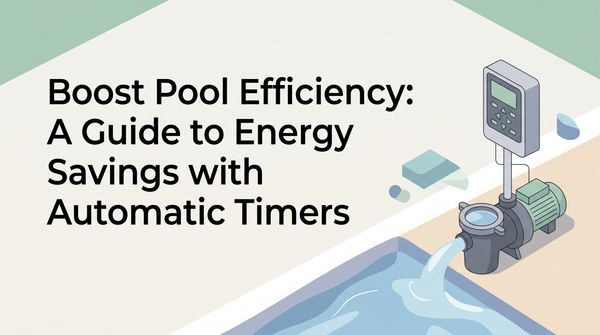
A clean pool under a hot sun looks easy, but keeping it that way takes steady work behind the scenes. Most of that work runs through your filter system, which quietly circulates the water to keep it clear. Plenty of pool owners, me included, know the grind of running that system by hand. It becomes a daily balancing act, fitting the right filtration schedule around a busy life.
That's where automatic pool timers come in. These small devices help you fine-tune your pool care without babysitting it. I was skeptical at first, but once I installed one, I saw the value fast. Set it once, and your filter runs on schedule while you get on with better things.
A timer brings convenience and precision that doing it by hand can't match. By running your filter at the right times, it trims your energy costs and helps your equipment last longer. In this guide, I'll walk you through six standout automatic pool timers, each suited to different needs. Whether you love gadgets or prefer keeping things simple, there's one here that'll make pool care easier.
Your Action Plan
- Match a timer to your pool: mechanical for simple, digital or smart for more control.
- Right-size your pump, and consider a variable-speed model to cut power use.
- Set the pump to run about eight hours a day to keep the water clean.
- Schedule those hours during off-peak electricity times.
- Install the timer between your outlet and pump, then plug it in.
- Adjust the schedule from your phone if you pick a smart model.
Cut Energy Costs Efficiently
Stop paying for hours you don't need
Your filter is one of the biggest power draws in the backyard, and running it longer than needed just pads your electric bill. An automatic timer fixes that. It runs the pump for the hours you actually need and shuts it off the rest of the time, balancing clean water against a sensible bill.
If you've ever left the filter running for days and then opened a huge bill, you know the pain. A timer takes that mistake off the table. Set it to run the pump the eight or so hours a day it takes to keep the water clean, and you stop paying for the extra hours. Running it less also eases wear on the motor, so it lasts longer.
The models here run from simple to advanced. The Woods heavy-duty digital timer lets you schedule right down to the minute. The Aube by Honeywell offers several programming modes for different routines. Even a basic plug-and-play model gives you real savings for very little money.
Set your pump to run about eight hours a day and you'll keep the water clean without paying for hours you don't need.
Optimize Pool-Pump Usage
Why running your pump longer isn't the answer
Getting the most out of your pump isn't only about saving money. It's about running your pool well. After one summer of sky-high bills, I traced a big chunk of the problem to my pump running far longer than it needed to. Like a lot of owners, I'd gotten into the habit of leaving it on too long, scared of murky or green-tinged water. There's a smarter way.
An automatic timer keeps your water clean while holding costs down. You set specific on-and-off times so the pump only runs when it has to. That keeps the pool in good shape and spares you the bills that come from running the pump for no reason.
There's peace of mind in it, too. No more flipping switches by hand or worrying that you forgot to turn the system back on. Whether you go basic or pick a model with Bluetooth, a timer keeps your pool clean, your bills in check, and your summer days simple.
Install Automatic Pool Timers
A quiet schedule that runs itself
The hum of a pump can be a reminder of a rising bill. Still, a pool free of leaves and debris makes the sound easier to take. A timer gives you both: clean water and a manageable bill.
Instead of flipping the system on and off by hand, you leave it to the timer. Once it's installed, it follows a set schedule, running your filter just long enough to keep the water clear without wasting power. It's your pool's timekeeper, switching on to clean and off to save.
Setup is simpler than it sounds
Most models sit between the power source and your filter like a middleman. Plug your pump into the timer, then plug the timer into the outlet. That's it. Fancier models add app or voice control, so you can change settings from anywhere. Whether you pick a basic manual model or a feature-loaded one, a timer removes the risk of forgetting to switch the pump on or off, which protects both your water chemistry and your wallet.
Choose Energy-Efficient Pump Models
Pick a pump that matches your pool
If you want a cheaper, greener pool routine, the pump you choose matters. A friend of mine swapped her old single-speed pump for a variable-speed model, and her energy costs dropped by more than 50 percent almost right away.
Variable-speed pumps use less electricity than the old single-speed kind. They let you control how fast the water moves, so you can match your pool's needs through the day. During peak hours you can dial the speed down and save power without letting the water get dirty. That's easy on your bill and on the equipment.
Horsepower is worth weighing, too. It's tempting to grab the most powerful model, but a pump that's too big for your pool wastes energy and money. Pick one that fits your pool's size. Pairing an efficient pump with a timer is like putting the right tires on a car: each works better because of the other, giving you the most savings and the least waste.
A variable-speed pump can cut your pumping energy by more than half compared with an old single-speed model.
Automate Pool Maintenance

Let the timer handle the late-night switch
Keeping a clean pool while watching your bill can feel like a lot to manage. The simple fix is to automate it. A timer runs the filter just enough to keep the water clear without spinning your meter.
By scheduling your pump, you keep the water circulating the recommended eight hours a day. That steady turnover stops algae from building up and keeps the pool inviting. The best part is what it removes: no more late-night trips to the equipment pad to shut off the pump, and no groggy morning walk to switch it back on.
Whether it's a basic model with pin settings or a high-tech one that syncs with your phone over Bluetooth, each gives you the same relief. These timers cut your costs and help your equipment last, which makes them a smart buy for any owner.
Optimize Energy Usage
Run the pump when power is cheapest
A pool is a place to unwind, but the cost of running the filter can chip away at that. Balancing clean water against a lower bill sounds hard, but the fix is simple: trim your energy use with a timer that schedules the pump for you.
My neighbor sets his timer to run during off-peak electricity hours. That keeps his costs down and makes sure the pool is ready for an evening swim. Timers like his cut out the extra pump hours, which saves money and helps the equipment last, since overworking a motor can lead to pricey repairs.
There's an environmental upside, too. Using less power means a smaller carbon footprint. With a timer, you hit the sweet spot: a clean pool that's gentle on your wallet and the planet. Whether you're into gadgets or you'd rather keep things simple, there's a timer to fit.
Running your pump during off-peak hours cuts your bill and eases the strain on the motor at the same time.
Integrate Smart Technology
Control your pool from your phone
Older dial timers can be clunky to adjust, and fiddling with pins in the dark gets old fast. A smart timer lets you change the schedule right from your phone.
Take the Z-Wave Plus system. It's more than a timer. It connects to your phone and works with systems like Alexa. You can tell Alexa to start the pump while you finish your coffee, or tap a few times from the couch to shift your filtration schedule. That's flexibility the old dial timers never had, letting you manage circulation from anywhere.
Smart timers help you use less energy, too. By adjusting runtime based on real conditions or your own settings, you strike the right balance between clean water and low cost without any manual work. Easy apps and voice control make keeping the water clean about as simple as it gets.
Enhance Pool Efficiency
Small device, real savings
When you want a clean pool without a scary energy bill, a timer does the quiet work. It handles efficiency and convenience so you get a well-kept pool without hovering over switches or trusting your memory.
Consider this: a pool pump uses about as much power as running several refrigerators. A timer puts you in control of that draw, cutting waste and helping the equipment last. Think of it as an assistant that nudges the system along while you handle more pressing things.
Today's timers come with features to match what you need. Whether you want a digital screen, a few clicks to set a schedule, or full control from your phone, there's a fit. The right pick can be the difference between a summer weighed down by energy costs and one full of easy swims in clean water. More than a tool, a timer is peace of mind. Set one up and let it carry the routine.
Protect Your Water Quality
Steady flow keeps the water healthy
Caring for a pool is about more than skimming leaves and adding chemicals. It's about protecting the water quality so every swim feels good. Let it slide and you'll soon have murky water and costly repairs. With a timer, you handle that upkeep with almost no effort.
Running your filter on a set schedule saves power and keeps the water moving steadily. That regular flow is what traps debris and stops algae blooms. Think of it as a sleep schedule for your pool: it stays healthier and more balanced, the same way you do with steady rest. A friend of mine saw this firsthand when her pool went from a constant battle with algae to clean water with zero daily fuss, all thanks to a reliable timer.
There's an environmental payoff, too. Using less power means a smaller carbon footprint, which lines your pool care up with greener habits. Knowing your water is clear and inviting, without always sweating the utility bill, is a relief every owner deserves.
Optimize Energy Use
A small buy that pays you back
On hot summer days your pool is the perfect escape, but its energy use can add up. A lot of owners are surprised to learn their filter uses more electricity than they expected. You can keep the pool clean without watching the bill climb, and a timer is how.
A friend once told me his pump was draining his bank account. His fix was a timer with a simple setup. He plugged his system into the timer, set the hours he wanted, and let it run. His costs dropped while the water stayed clean, because the timer ran filtration cycles that matched his pool without any daily effort. That meant more time in the water and less time worrying about overuse.
These timers adapt well. Whether you go basic and mechanical or pick one with digital features, you can tune it to your life and your goals. Run the pump during off-peak hours, or just trim the extra runtime, and you use less energy and leave a lighter footprint.
Install an Automatic Timer
Set it once and forget the switches
In pool care, efficiency counts, and a timer is your best ally. On a day when you're handling a dozen tasks, flipping the filter on and off is the last thing on your mind. A timer solves that, running your system on a precise schedule without needing your attention.
Setting one up is easier than you'd think. You connect your filter to the timer, then plug the timer into the wall. That in-between device cuts and restores power on the schedule you set. Most timers look like a heavy extension cord with a built-in clock. Newer models have slimmer designs and features like Bluetooth for remote control.
A friend told me his bills dropped a good deal after he installed one. He set it to run during off-peak hours, saving money while keeping the water clean, and the pump's motor lasted longer too. Whether you go digital or cheap and mechanical, the benefits are real: lower bills, less waste, and one less thing to think about.
Choose the Best Timer
Weigh scheduling, weather, and control
Choosing the best timer is like picking the right tool from a well-stocked garage. Each has its perks, but some fit your needs better. When my friend Sarah put in her pool, she didn't think about energy use, and her bills started climbing. A timer turned that into a well-run setup.
Like Sarah, you'll want to weigh a few things. Start with scheduling. Do you need flexibility? A digital timer like the Woods Heavy-Duty Digital Timer lets you program minute by minute, great for tight control. If you value reliability and simplicity, a mechanical timer with manual pins is easy to set, even if you're not into gadgets.
Think about where the timer will live, too. If it's out in the weather, make sure it's tough and weatherproof. Models like the Intermatic Mechanical Time Switch have protective casings that hold up in harsh conditions. Finally, think about how you want to control the system. If you love tech, a smart timer like the Z-Wave Plus works smoothly with devices like Alexa. Whatever you're after, there's a timer made for it.
Save Time with Smart-Timers

A reliable helper for a busy schedule
Time is precious, especially when you're keeping up a pool on top of everything else. A timer holds your filter to a precise schedule, working like a reliable helper that keeps the water clean without constant checking. It connects to your system and switches it on and off at set times, which trims your bill and keeps the water healthy.
Running the pump by hand is a pain, and it's easy to forget. A smart timer takes over cleanly. Set the schedule once and let it run the show. Whether you pick a digital timer with programmable settings or a simpler mechanical switch, you get convenience that fits how you work.
With smart timers, features like Bluetooth let you make changes from a phone app. You can tweak the schedule from anywhere, which adds flexibility and peace of mind. Beyond saving on power, a timer helps your equipment last. Let it handle the routine so you're free for the better parts of owning a pool.
Optimize Energy Efficiency
Savings you'll notice on the next bill
A small device can make a real dent in your energy savings. Automatic timers work behind the scenes to shrink your bill without hurting your water quality. Every time the timer clicks the pump on, you're keeping dollars in your pocket.
Think of it like a friend who reminds you to turn off the lights when you leave a room. By running the pump during off-peak hours or only when it's needed, the timer cuts wasted energy and turns your pool from a power hog into a more economical part of your home.
A friend of mine recently bought one. She's not a tech person, so she was wary about the setup. Once it was running, her monthly costs dropped right away. It also freed up her mornings, with no more rushing out in pajamas to flip switches before work. Less energy means fewer emissions too, a small but real step toward a healthier planet.
Simplify Pool Maintenance
Dial in exactly how long the filter runs
Owning a pool means keeping a lot of plates spinning: clean water, no algae, and a pool that's ready for a spur-of-the-moment swim. Through all of it, the filter does a quiet but crucial job. Running it nonstop, though, is unnecessary, and it can send your electric bill soaring. A timer streamlines the whole thing.
If you've ever forgotten to shut off a filter and then gotten hit with a huge bill, a timer feels like a lifesaver. You can dial in exactly how long the filter runs, setting precise intervals so the water circulates efficiently and stays clean.
Take the Woods heavy-duty digital timer, a favorite for its programmable features and weatherproof build. Or the tech-forward Z-Wave Plus, with voice control that fits right into a smart home. Whichever you choose, the payoff is the same: more free time and lower costs, plus the comfort of knowing your pool is always ready for a swim.
Choose the Right Timer
Match the timer to how you live
Picking the right timer gets easy once you weigh your own needs. My neighbor swears by his digital timer that syncs with his phone. He can adjust the schedule from his living room couch, saving both energy and time without stepping outside.
Start with your lifestyle and how hands-on you want to be. If you like controlling everything from your phone, a smart timer with Bluetooth or Wi-Fi suits you best. If you're more old-school, a mechanical timer with basic pin settings could be your go-to. Those often have weather-resistant casings and hold up well outdoors.
Think about your budget, too. Basic models are cheap and get the job done. They just skip the high-tech extras. Spending a bit more upfront can pay off over time in both energy use and convenience. Whether you're drawn to a slim, tech-savvy model or a sturdy no-frills one, the right pick keeps your pool clean and your bill in check.
Extend Pump Lifespan
Ease the strain on your pump's motor
Running a pump around the clock is like leaving the lights on in an empty room: wasteful and pointless. To help your pump last longer while cutting costs, put a timer to work. It keeps the pump running efficiently and switches it off during the hours you don't need it, which eases wear on the motor.
By managing when the pump runs, the timer stops the motor from going nonstop, saving electricity and mechanical stress. Setting it to run about eight hours a day keeps the water clean without overworking the system. That's enough time for all the water to pass through the filter.
I had a friend who kept complaining about his pump breaking down. After he added a timer, the pump lasted much longer and the surprise repairs stopped. The trick is regular, controlled use: just enough to keep the water clean without overtaxing the machinery. The right timer also brings extras like remote control and programmable schedules, which make the whole thing feel less like a chore.
Optimize Energy Consumption
A precise manager for your pump
When you want a clean pool without a monster bill, trimming your energy use is the key. Keeping the water clean while holding costs down takes some balance, and that's where timers earn their keep. Instead of flipping the pump on and off by hand and risking a forgetful slip, a timer runs your system's schedule with precision.
My own digital timer turned my bills from scary into manageable. It's surprising how such a small buy adds up over time. Most timers let you program set operating hours, during off-peak times for example, which brings big drops in energy use.
By skipping constant operation, you're not just saving power. You're helping your equipment last, since overuse wears things out early while a good schedule keeps them going. With some models, you can control everything from your phone, so changes are as easy as a swipe. There's real satisfaction in knowing your pool is greener and easier on your wallet at once.
Choose the Right Pool Timer
Start with what your pool actually needs
Picking the right timer might seem like a small thing, but it makes a real difference to your energy use and pool care. Plenty of owners, me included, have wrestled with balancing a clean pool against a manageable bill. The right timer runs your filtration exactly when it's needed and no more.
First, think about how your pool gets used. Is it a busy weekend hangout or a quiet midweek retreat? If your schedule shifts around, a timer with custom settings, like the Woods heavy-duty digital timer with its daily or weekend-specific programming, is worth a lot. It bends to fit your life.
If you love tech, models like GE's Z-Wave Plus add Bluetooth and smart-home support, so you can run things remotely or by voice. That's handy for a last-minute poolside get-together. If you keep things simple, a basic mechanical timer with straightforward pin settings might be all you need. It's reliable and easy to use. In the end, match your choice to your needs, your lifestyle, and how much control you want.
Conclusion
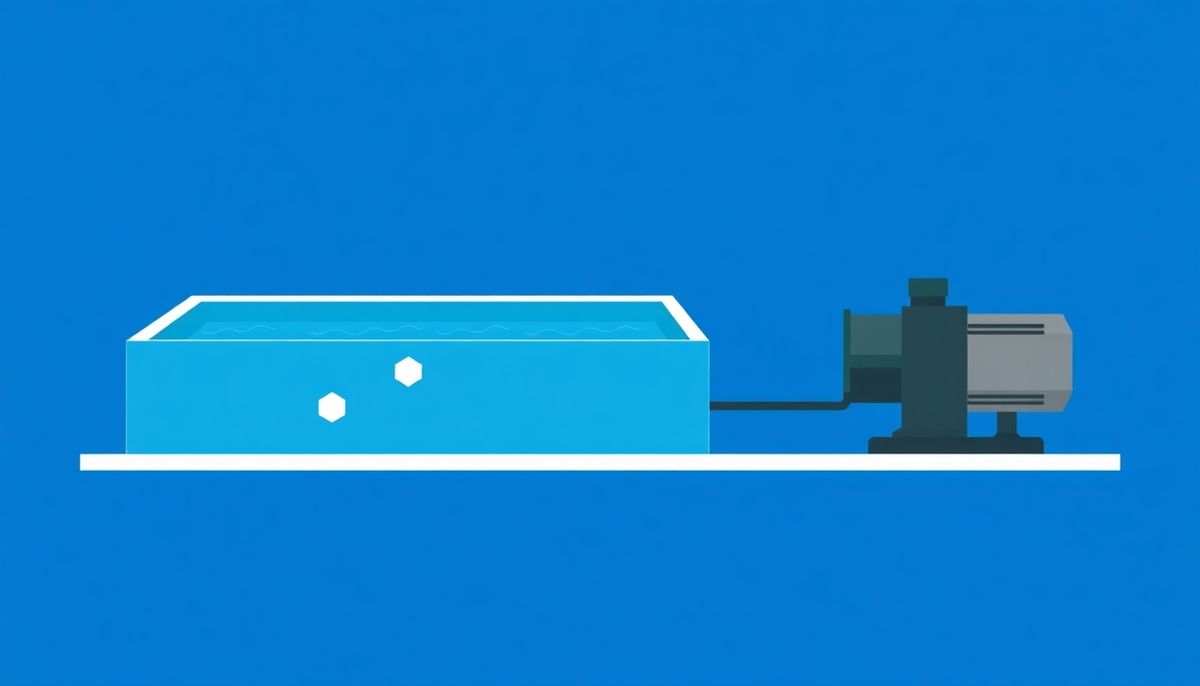
This article shared some tips for looking after your pool. Start your pool care journey today!
Want to become a pool maintenance expert? Our free Pool School course covers everything you need to know about pool care. From basic maintenance to advanced troubleshooting, you'll learn how to:
- Save thousands on pool repairs and chemicals
- Keep your water clean year-round
- Prevent and solve common pool problems
- Master water chemistry with confidence
Join over 10,000 pool owners who have already transformed their pool care routine. Get started with our free Pool School course today!
What you need
Grab an automatic pool timer that fits your setup, whether that's a simple mechanical switch, a programmable digital model, or a smart timer, and pair it with a right-sized or variable-speed pump for the best savings.